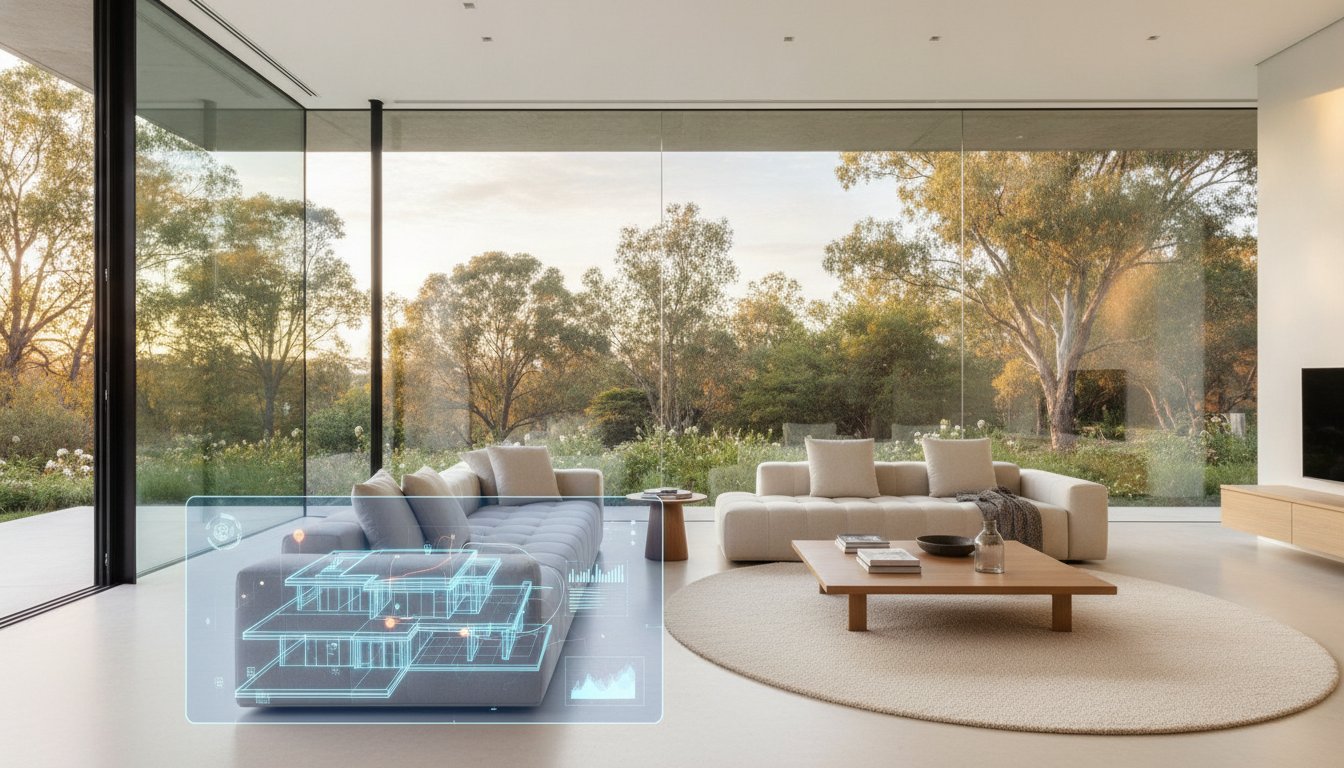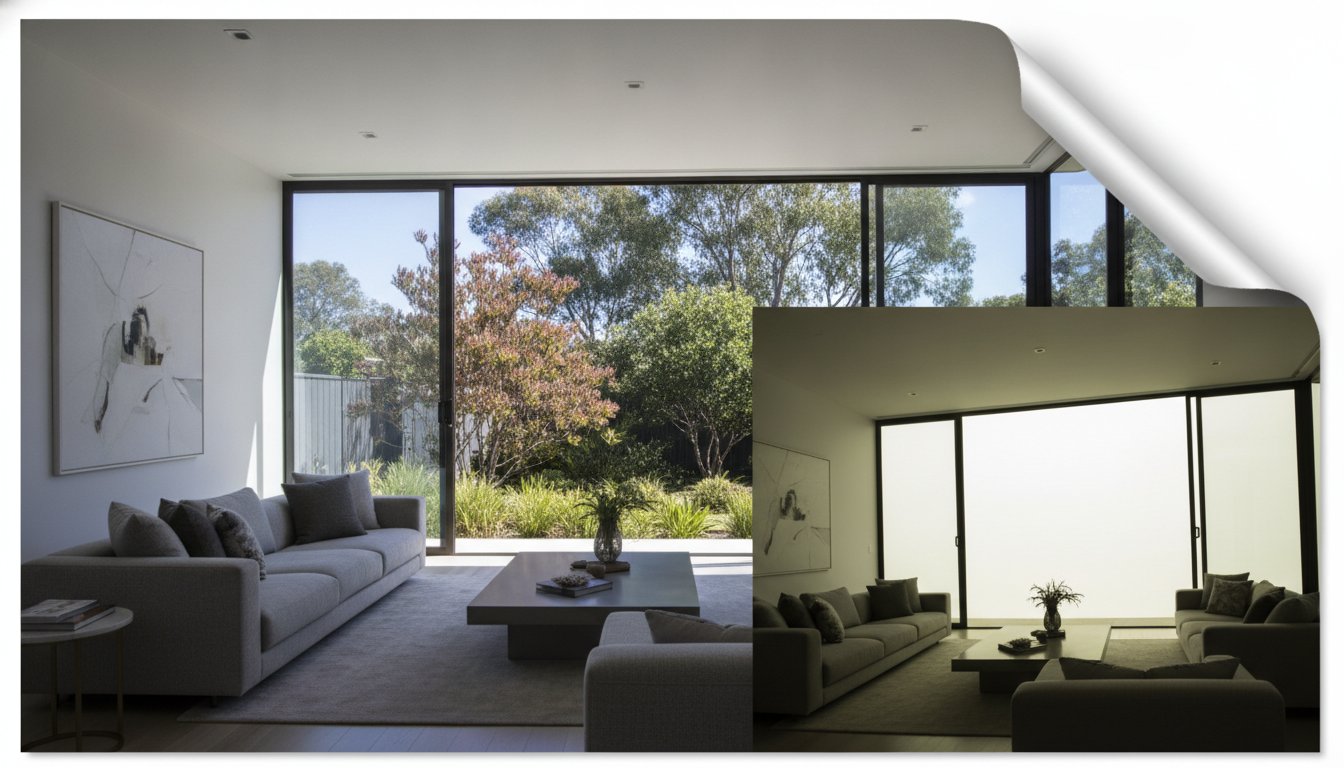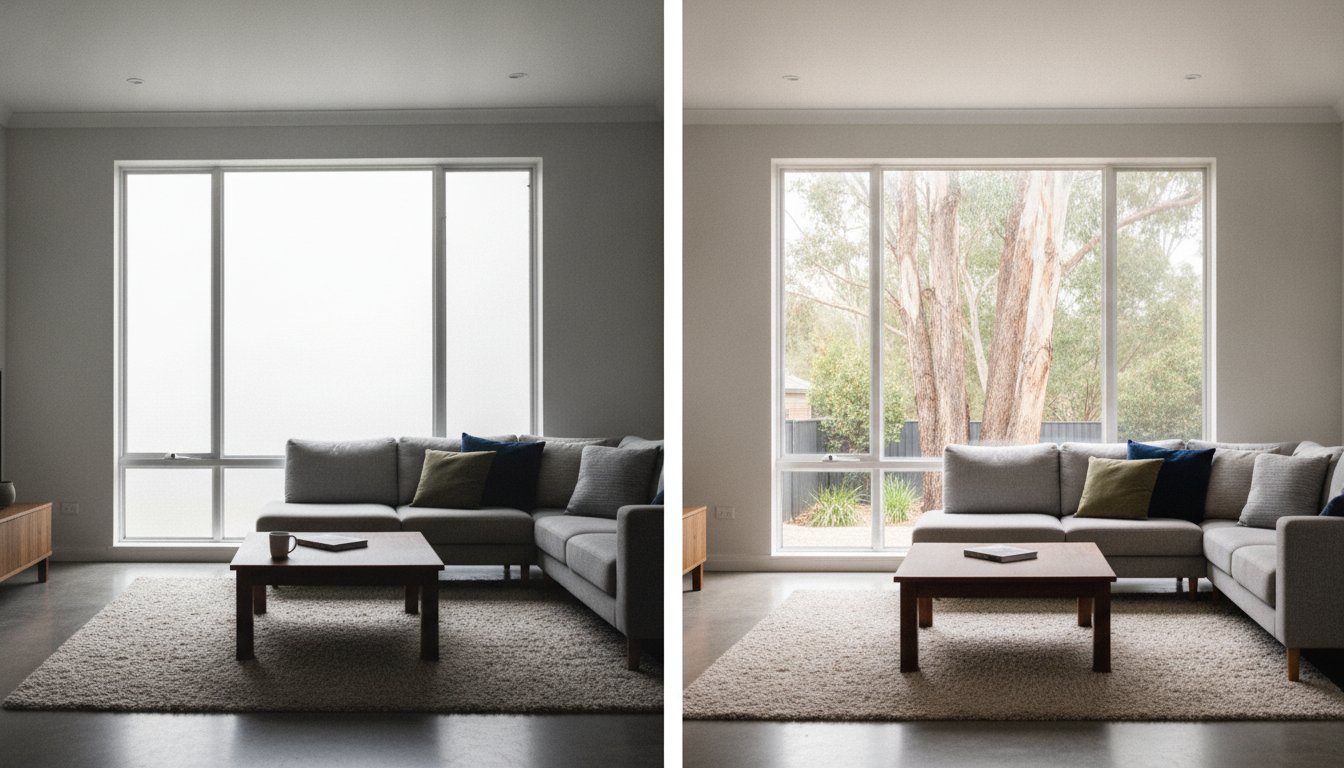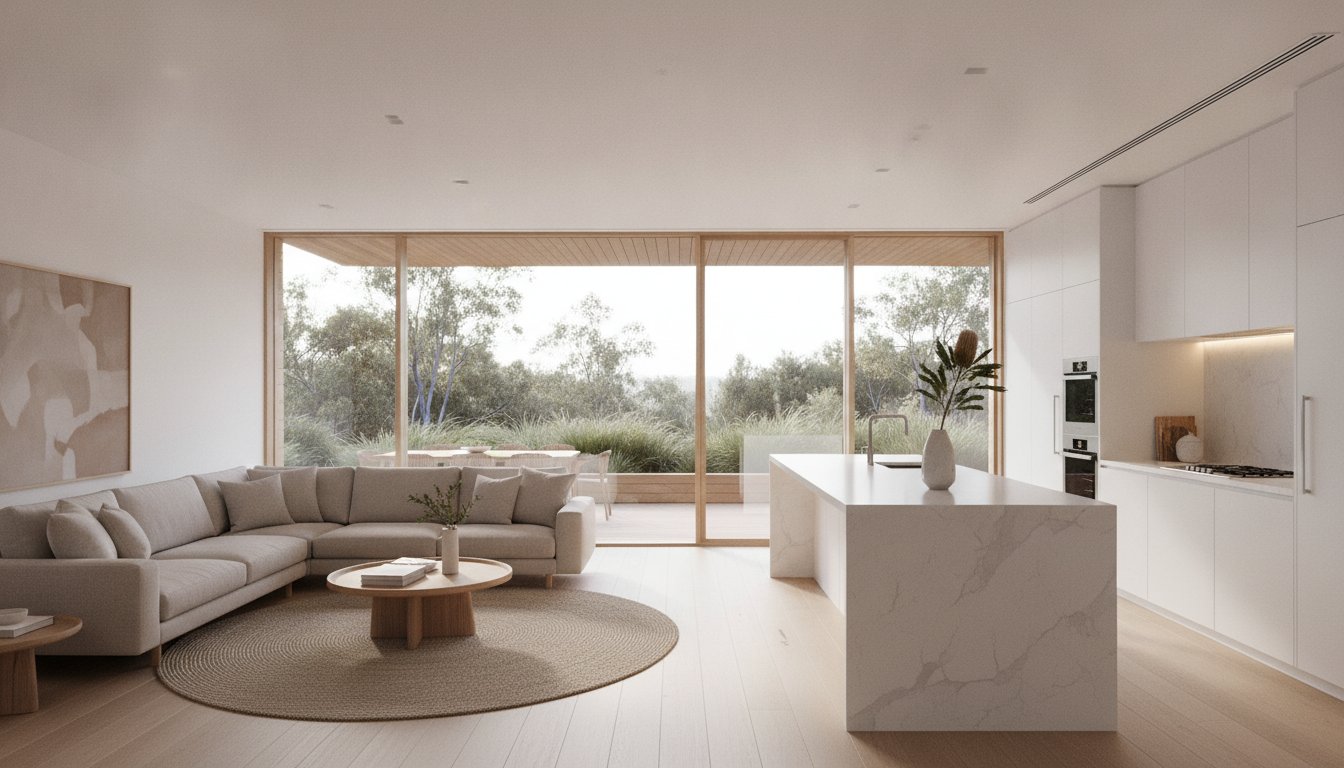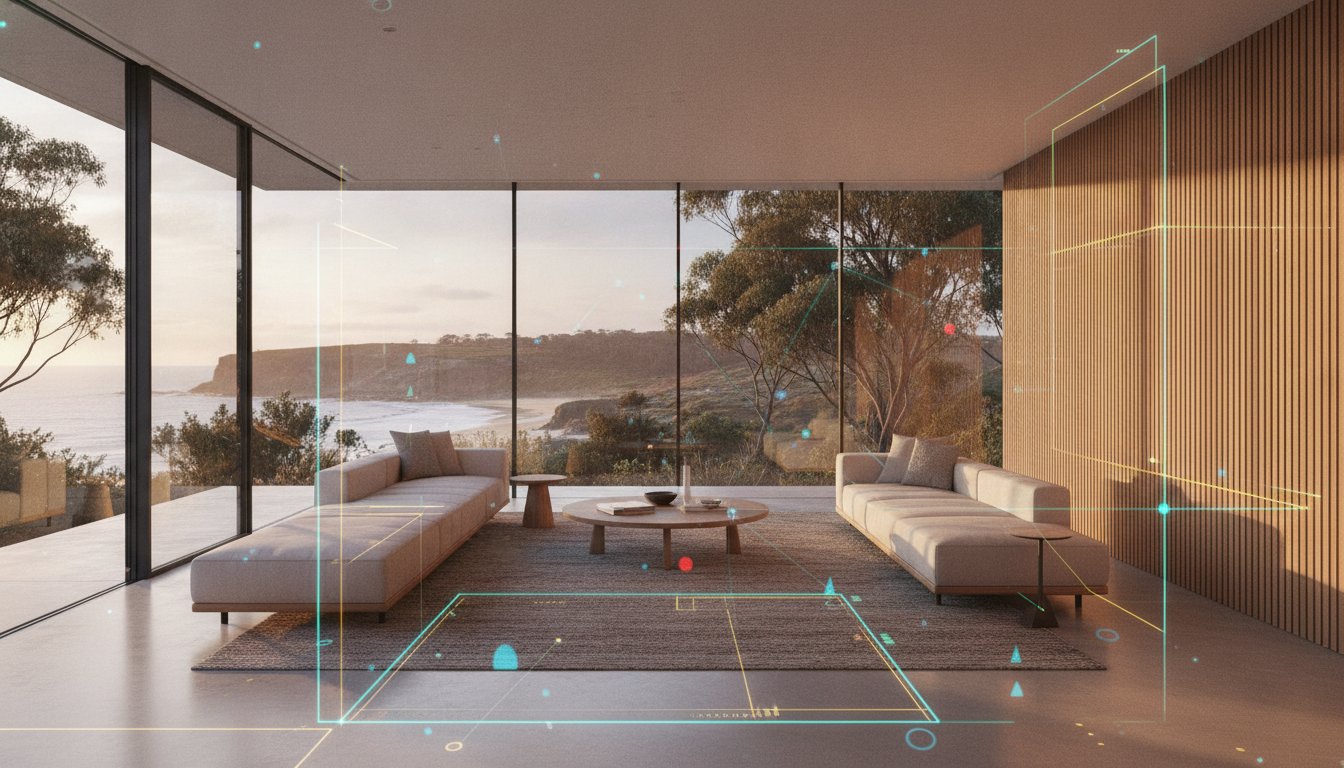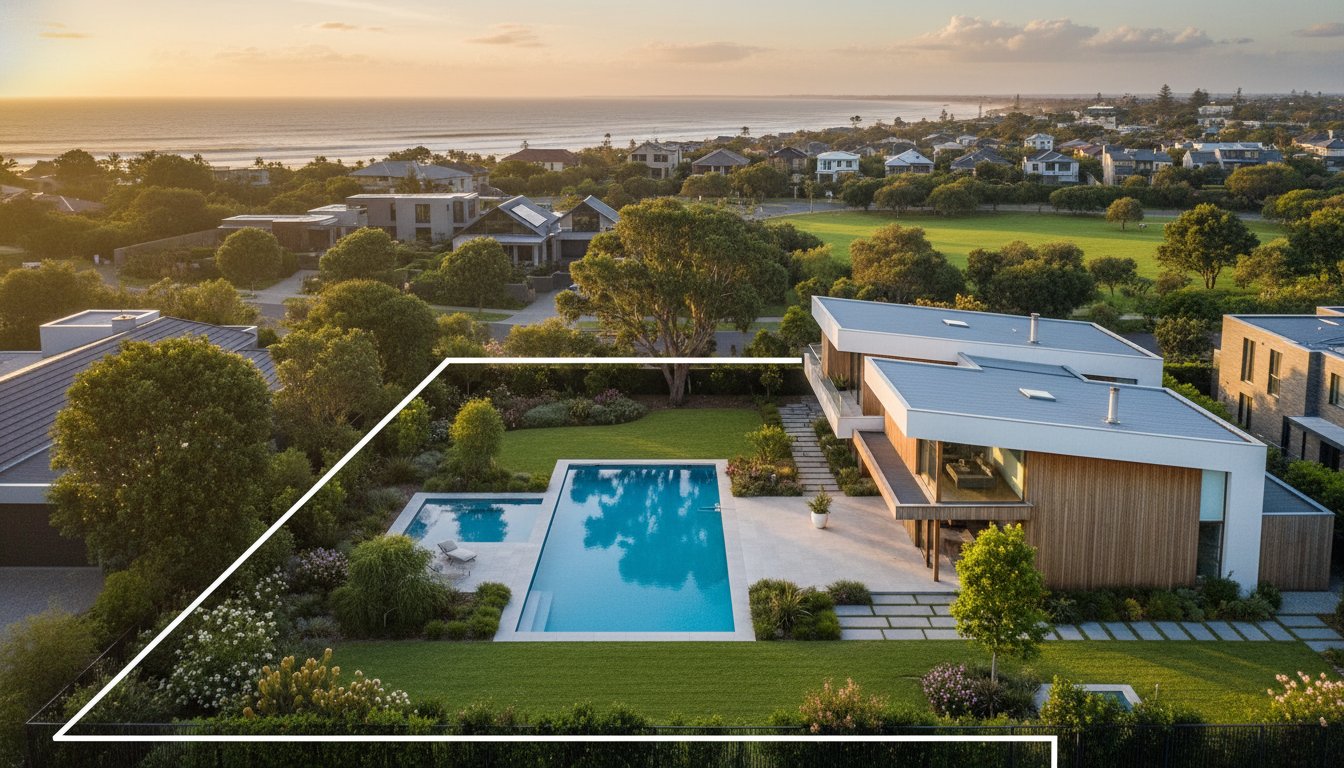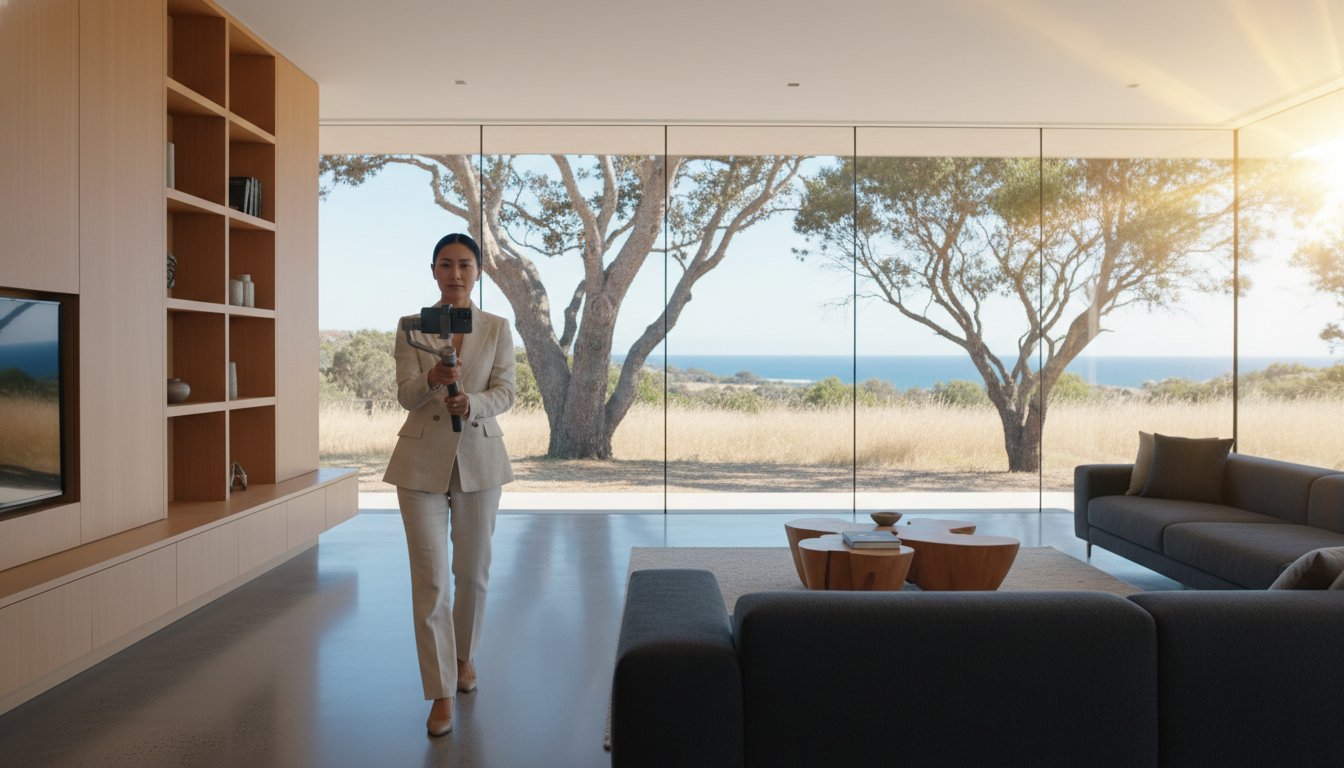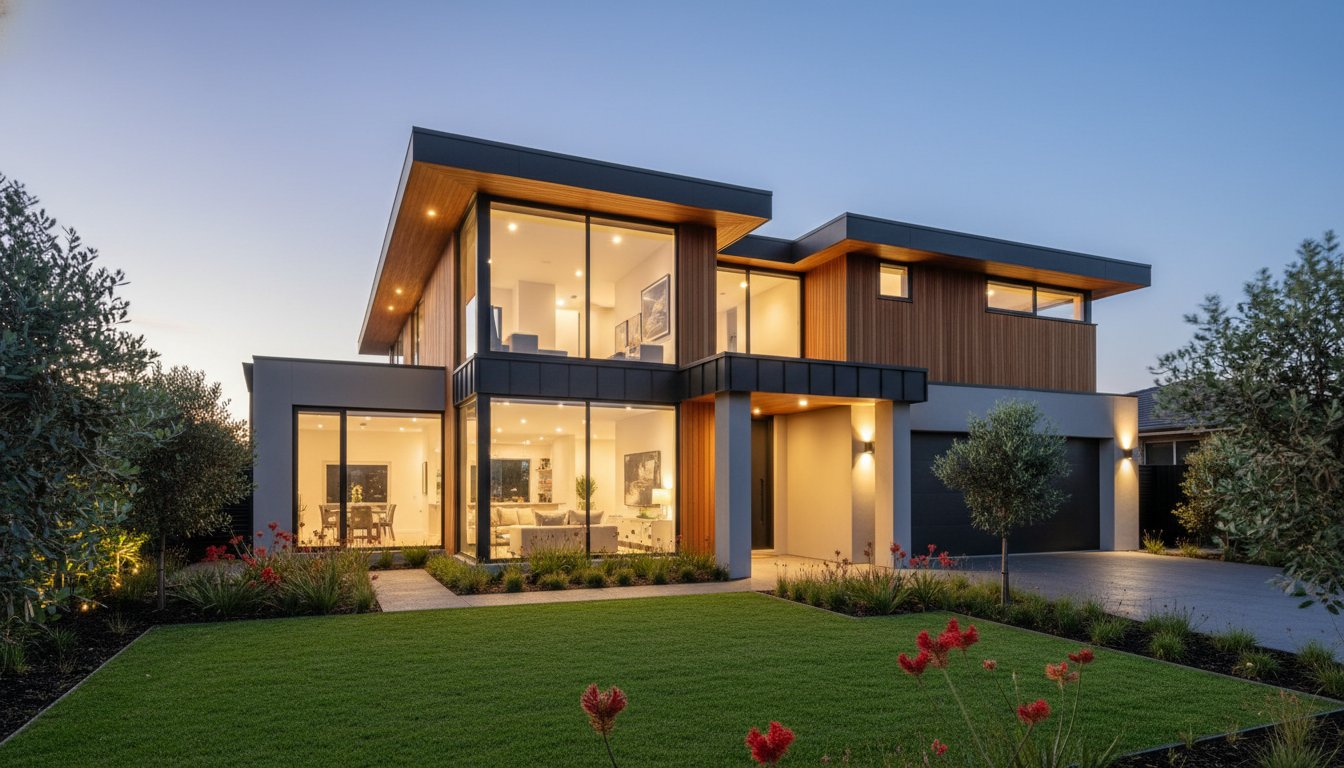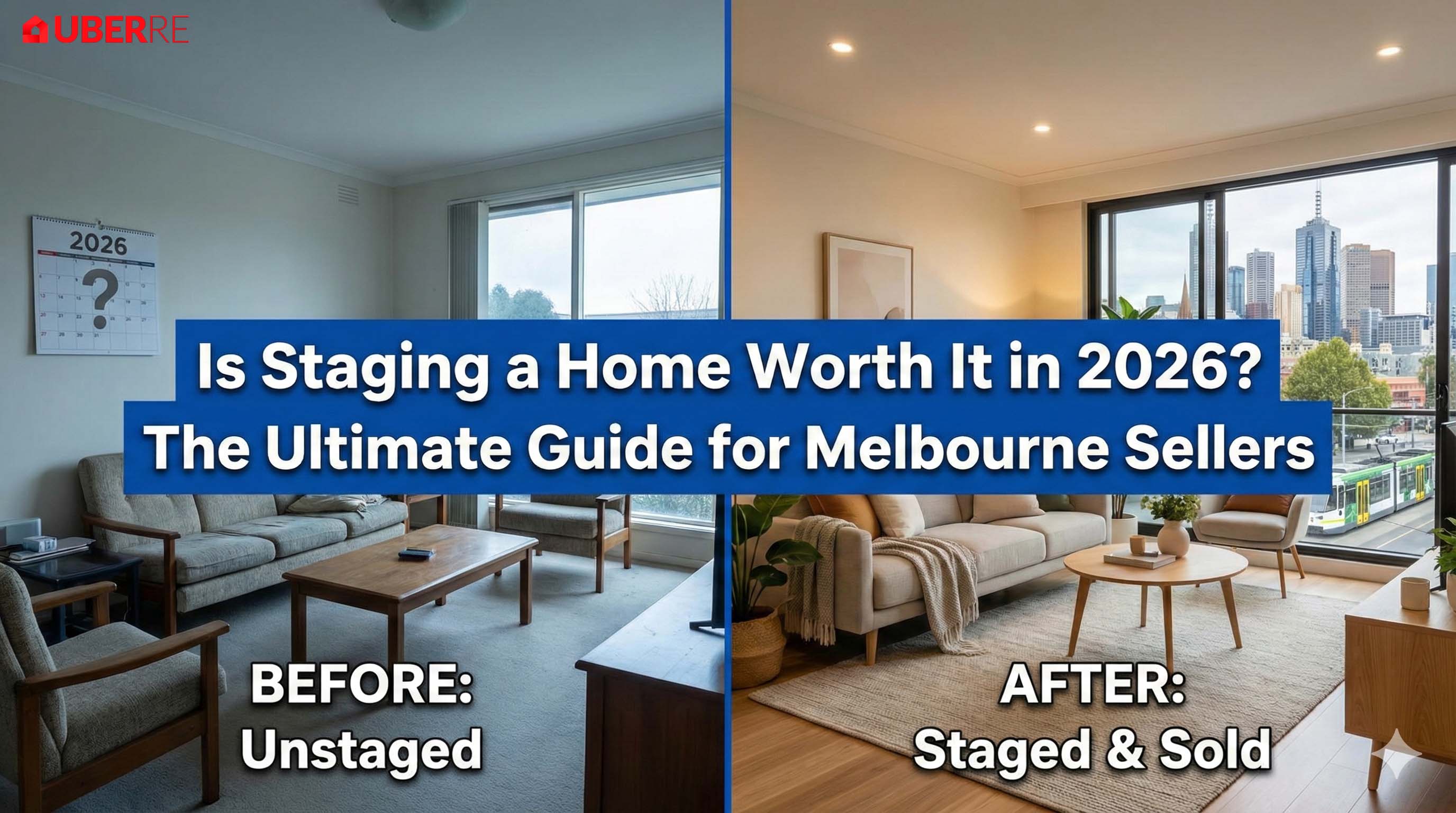
Would you settle for a 15% lower sale price just because a property is currently vacant? Data from Which Real Estate Agent (Jan 2026) shows that professionally styled homes in Australia can sell for 7.5% to 15% more than empty listings. You've likely felt the frustration of trying to market a cold, echoing space where rooms look smaller in photos and buyers struggle to imagine themselves living there. While traditional furniture hire is often too expensive or slow for a fast-paced campaign, virtual furniture for real estate offers a sophisticated, tech-driven solution to bridge this value gap.
This guide demonstrates how to transform vacant shells into high-converting, aspirational homes that secure faster sales and better returns. We'll help you master the art of digital staging to increase online click-through rates and help buyers visualise scale. You'll get a clear overview of the 2026 "Collected Home" design trend, essential legal disclosure requirements under Australian Consumer Law, and the technical standards needed to ensure your listings look premium rather than "fake." It's time to move beyond basic edits and adopt a total service approach to visual marketing.
• Master the strategic application of virtual furniture for real estate to overcome the "Vision Gap" and drive higher online engagement.
• Identify the high-performing 2026 design aesthetics, including Modern Australian and Coastal styles, that resonate with local buyer demographics.
• Utilise digital decluttering and virtual renovation techniques to present a property’s "bones" without the high cost of physical labour or logistics.
• Learn the technical requirements for preparing a listing, including the critical role of high-quality base photography and strategic hero shot selection.
• Streamline your marketing workflow with professional, standardised staging solutions that offer rapid turnaround times and total service reliability.
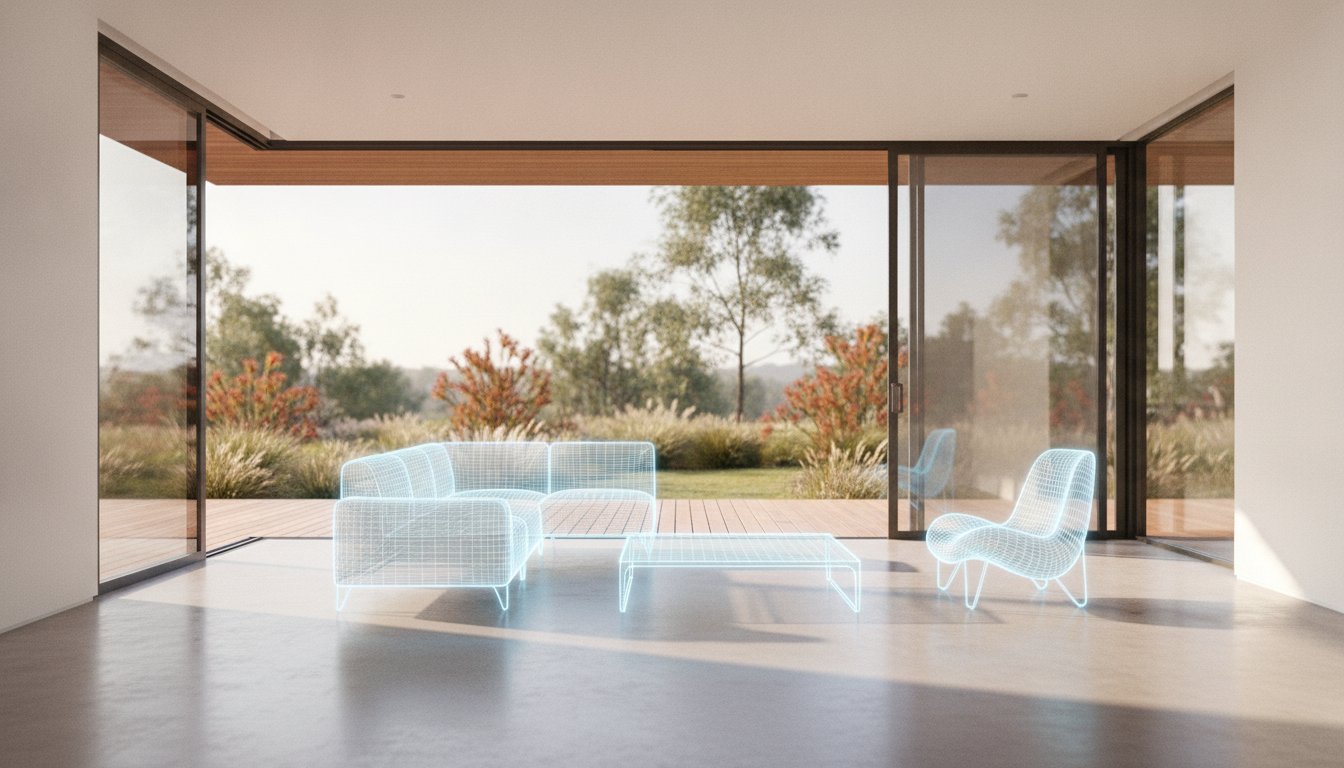
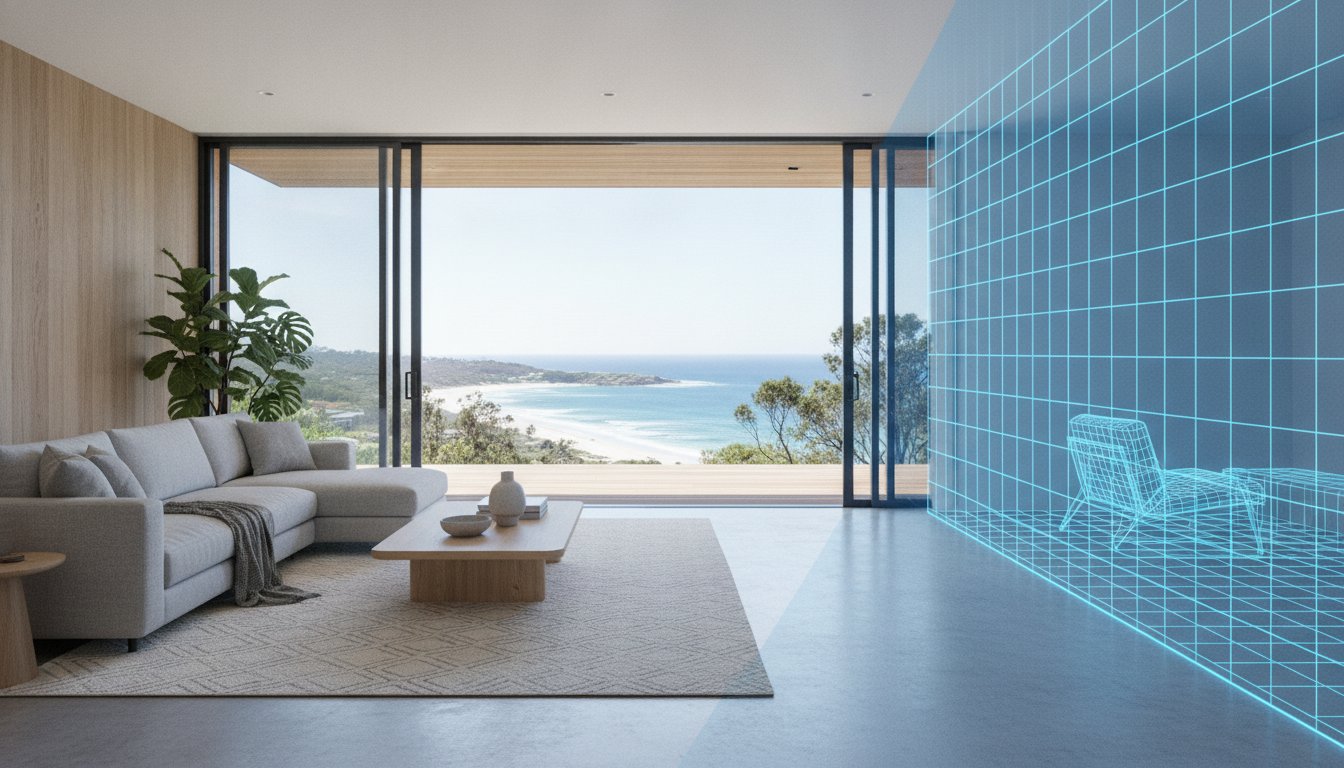
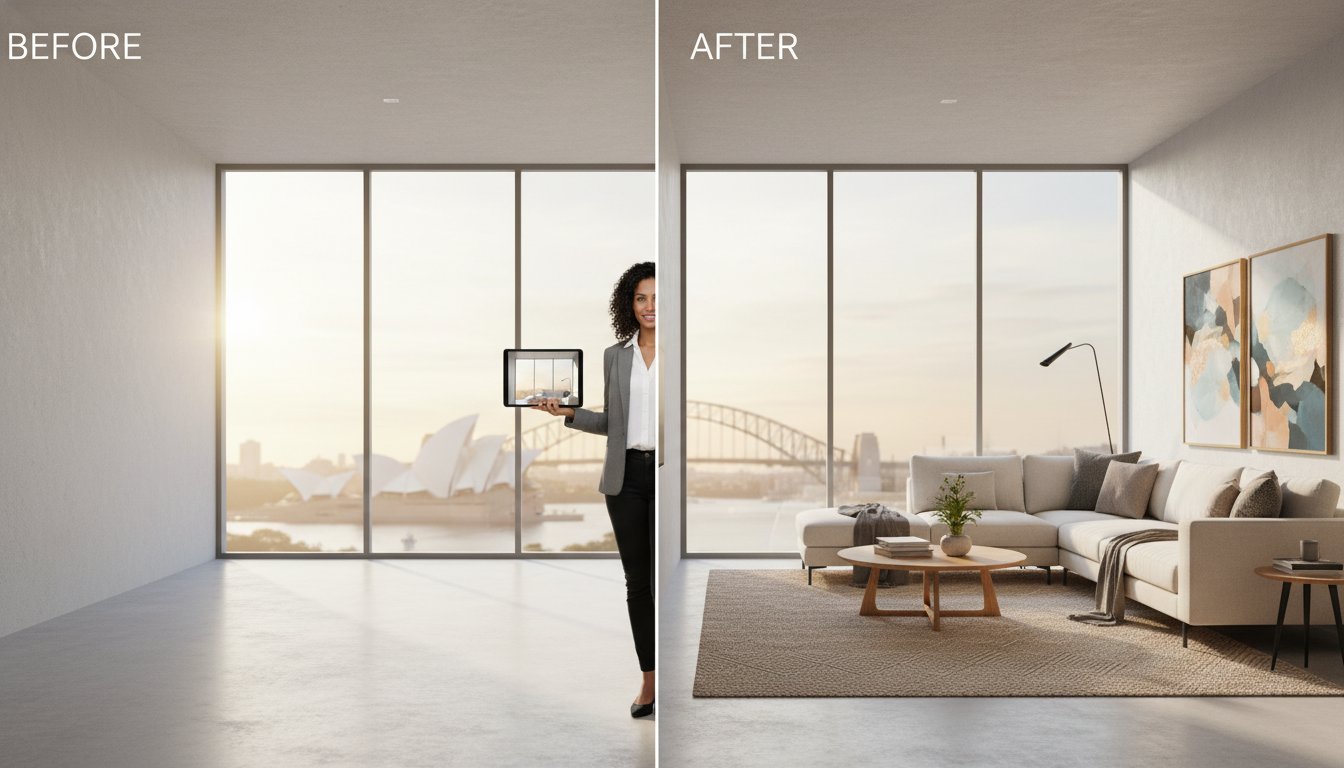
Modern property marketing requires more than just high-resolution imagery. It demands a strategic narrative. At its core, virtual furniture for real estate is the process of digitally integrating photorealistic 3D models into professional photographs of vacant properties. This technology allows agents to present a finished, "lived-in" aesthetic without the logistical burden of physical inventory. For a foundational overview, you can explore What is Virtual Staging to understand its evolution from a niche digital edit to a primary marketing infrastructure.
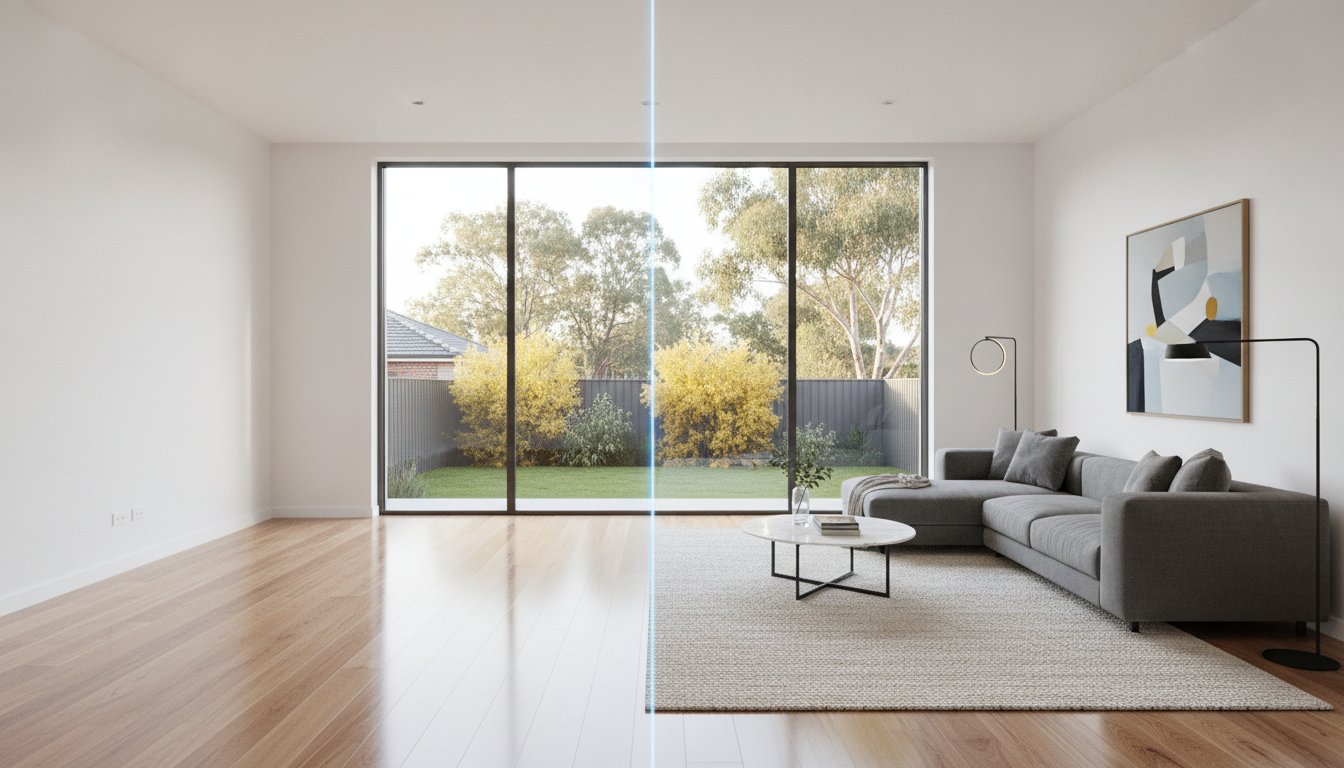
The necessity of this tool stems from the "Vision Gap." Industry data suggests that only 10% of prospective buyers possess the cognitive ability to visualise the potential of an empty space. When a buyer views a vacant room, they often focus on minor floor imperfections or wall marks rather than the lifestyle the home offers. By utilising virtual furniture for real estate, you bridge this gap instantly. You provide the visual cues necessary for a buyer to understand how a king-sized bed fits into a master suite or how a dining area flows into the lounge.
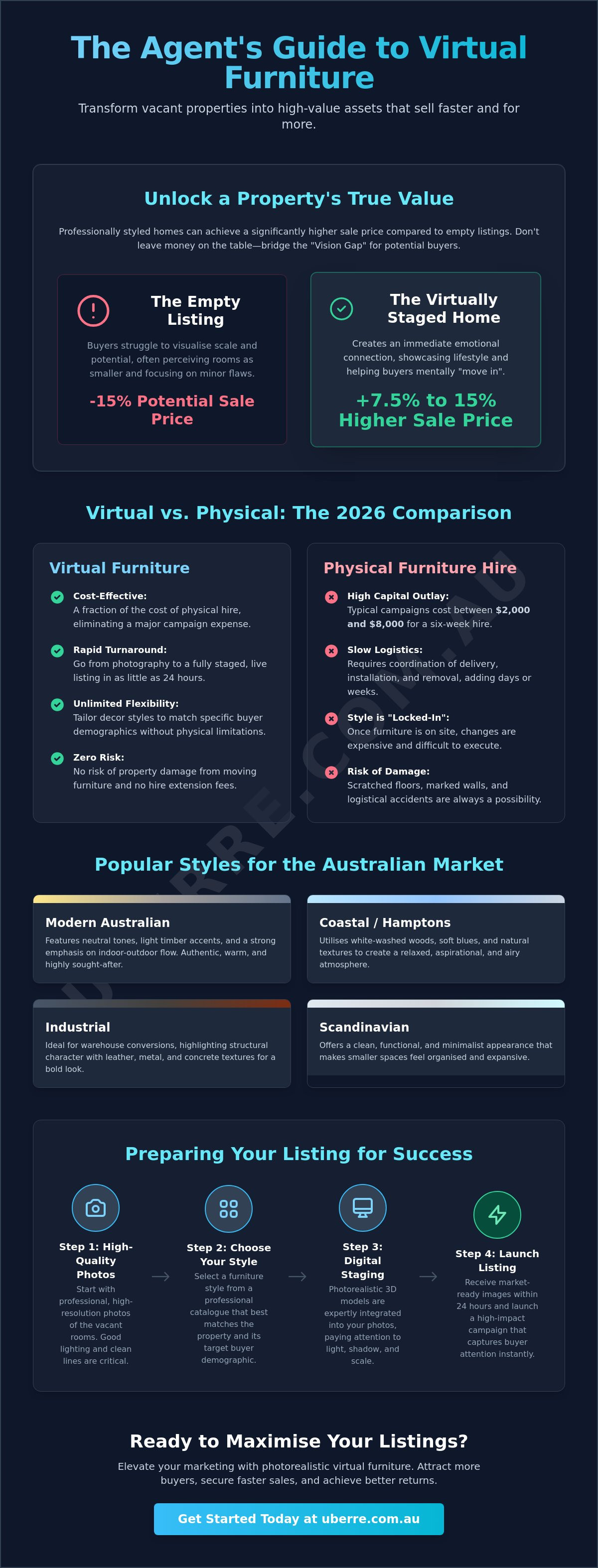
Speed and budget are the two primary drivers for Australian agencies in 2026. Traditional physical furniture hire typically costs between $2,000 and $8,000 for a standard six-week campaign. Beyond the capital outlay, the logistics of delivery trucks and the risk of scratching polished floorboards add unnecessary friction to a listing. Digital staging removes these hurdles. It allows for a 24-hour turnaround, enabling you to move from photography session to a live, high-impact listing in a single day.
Empty rooms are notoriously difficult to photograph. Without furniture to provide a sense of scale, rooms often appear smaller and colder on screen than they are in reality. Professional digital staging creates an immediate emotional connection. Research indicates that buyers decide if they like a property within the first three seconds of viewing the hero shot. Furniture transforms a sterile "house" into an aspirational "home," helping the viewer mentally move in before they even book an inspection.
While physical staging still holds value for ultra-luxury estates where on-site inspections are the primary driver, digital solutions offer superior ROI for the vast majority of Australian listings. The flexibility is unmatched. You can tailor the decor style to suit specific buyer profiles, whether it's a professional couple seeking a minimalist aesthetic or a family looking for warmth. This modular approach ensures your marketing remains agile. Because there are no physical assets involved, you eliminate the risk of property damage and the ongoing costs of hire extensions if a campaign runs longer than expected.
Selecting an aesthetic for your listing is a strategic decision rather than a purely artistic one. In the 2026 market, high-performing agents use specific decor styles to signal value to targeted buyer demographics. As discussed in the National Association of Realtors' piece on Rethinking Virtual Staging for Today's Real Estate Agents, the flexibility of digital assets allows for precise lifestyle storytelling. For Australian properties, this means moving beyond generic "modern" looks and adopting curated palettes that reflect local architectural trends.
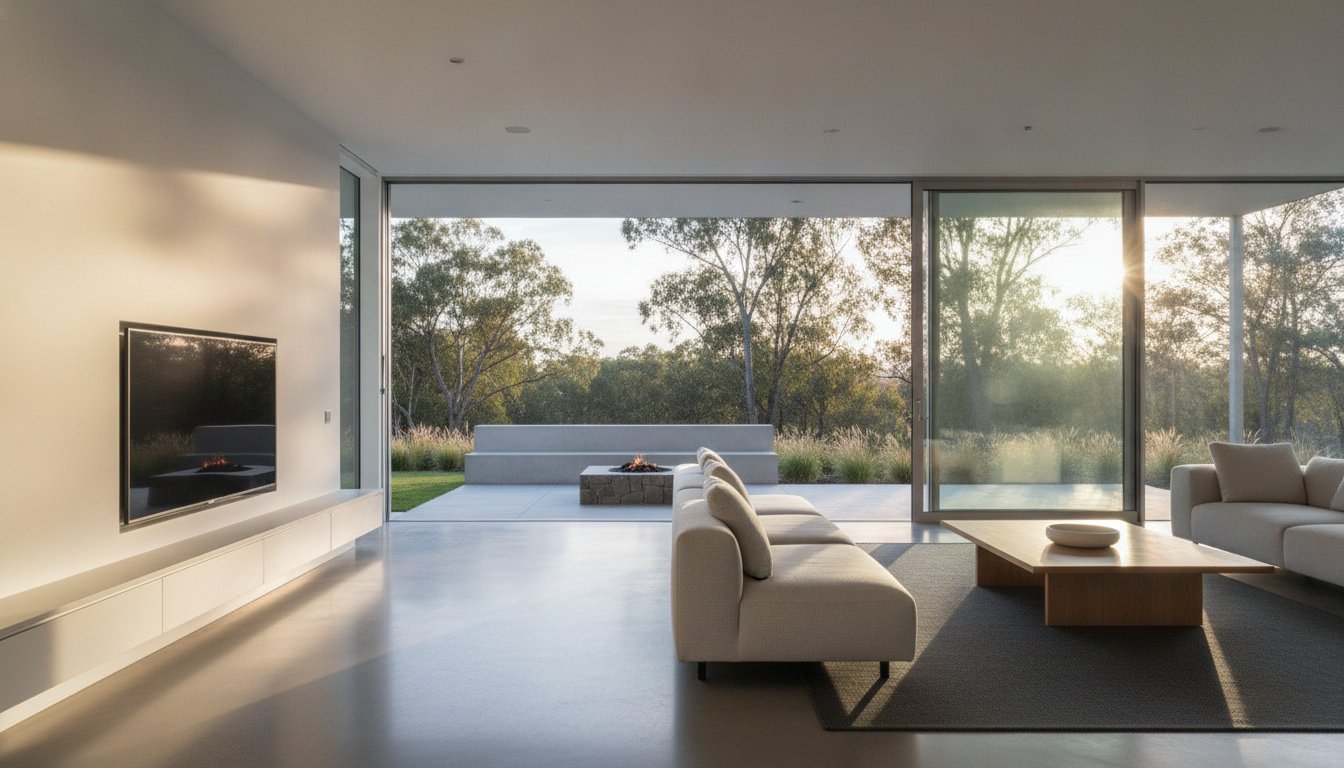
The "Modern Australian" palette is currently the most requested style. It features neutral tones, light timber accents, and a strong emphasis on indoor-outdoor flow. This look feels authentic and warm, aligning with the 2026 "Collected Home" trend. For seaside or suburban family homes, the Coastal or Hamptons aesthetic remains the gold standard. It utilises white-washed woods and soft blues to create an aspirational, relaxed atmosphere. Conversely, inner-city warehouse conversions benefit from Industrial styling, where leather, metal, and concrete textures highlight the property's structural character. For first-home buyer apartments, Scandinavian minimalism offers a clean, functional appearance that makes smaller spaces feel expansive and organised.
Effective use of virtual furniture for real estate requires architectural alignment. Placing ultra-modern, glass-heavy furniture inside a heritage-listed Victorian cottage creates a jarring visual disconnect. Instead, a "Contemporary Classic" approach preserves the home's soul while updating its appeal. This involves using furniture with traditional silhouettes but modern fabrics. Pay close attention to how digital textures interact with Australian natural light. High-quality virtual furniture for real estate should account for the harsh afternoon sun common in local climates, ensuring shadows and highlights look physically accurate. Use these digital elements to draw the eye toward unique features like high ceilings or ornate bay windows.
Data-driven staging allows you to pivot your marketing based on local demand. If your data shows a high volume of professional couples in the area, staging a small third bedroom as a sophisticated home office is often more effective than showing another bed. For large suburban blocks, family-oriented furniture with durable-looking fabrics and multi-seat dining tables helps upsizers visualise their lifestyle. In the executive apartment sector, creating a "penthouse" feel with high-end digital finishes and minimalist art can significantly increase the perceived value. Review our virtual furniture portfolio to see how these specific styles are applied across different Australian property tiers.
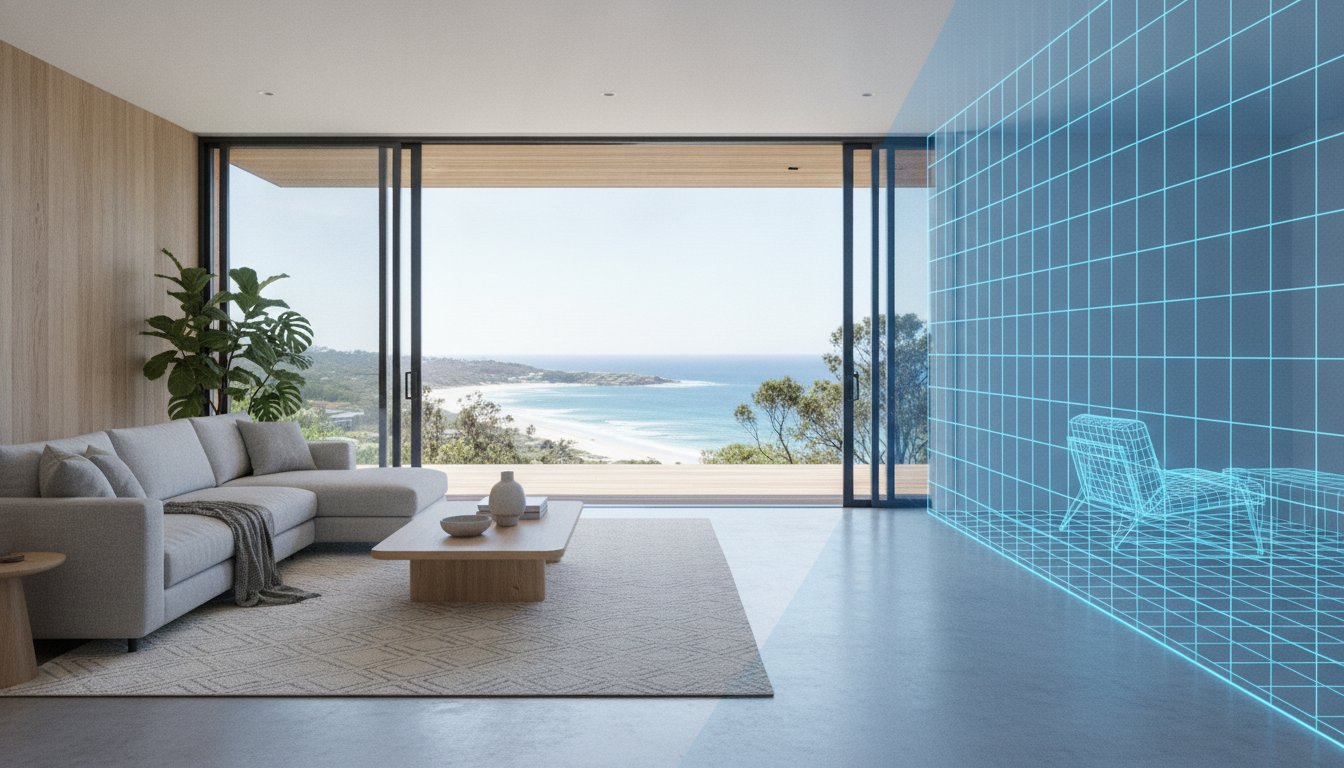
While virtual furniture for real estate effectively fills a void, some listings require a deeper level of digital intervention to reveal their true value. Strategic marketing often demands a clean canvas before any styling can occur. Industry data, such as the 2025 Profile of Home Staging, confirms that staged properties sell faster and command higher offers. However, achieving these results is difficult when the base photo is obscured by tenant clutter or dated finishes.
These advanced digital tools allow agents to present a property’s "best self" without the vendor spending a cent on trades. It’s about bridging the gap between current reality and future potential. By removing visual noise or updating tired surfaces through virtual furniture for real estate, you allow the buyer to focus on the floor plan and lifestyle rather than the maintenance list.
Tenanted properties present a unique challenge in the Australian market. You often have little control over the daily presentation of the home during a campaign. Digital decluttering allows you to "remove" personal items, unmade beds, or kitchen mess while maintaining the structural integrity of the room. This process respects the current occupants' privacy while providing a clean slate for your marketing. It ensures that a messy lounge room doesn't distract from the spacious dimensions of the property.
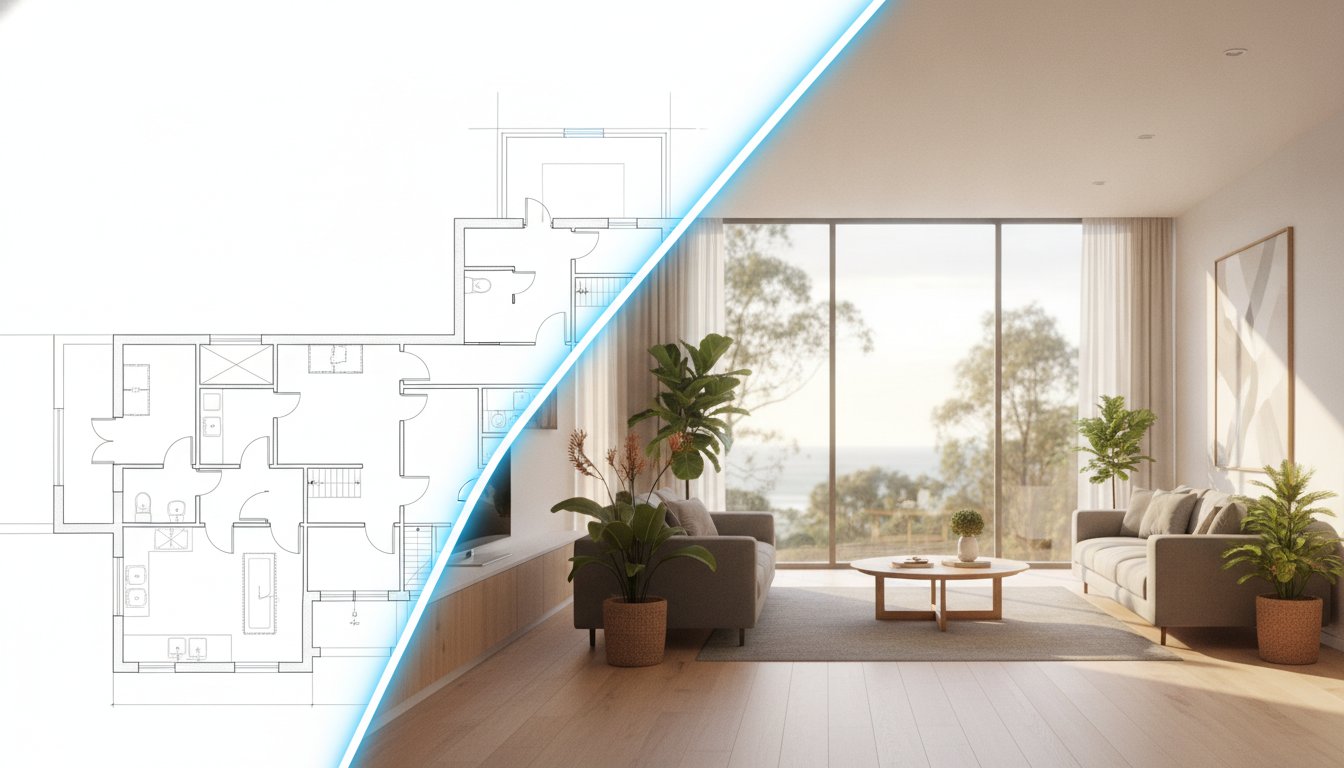
Virtual renovation is a strategic marketing tool specifically designed for selling unrenovated 'diamonds in the rough' by showcasing their full potential. This goes beyond decor; it involves changing the fundamental finishes of a room. You can digitally replace stained, 1970s-style carpets with modern European oak floorboards or update dated cabinetry to show how a simple kitchen refresh would look. These visualisations help buyers justify the purchase price by seeing the end goal clearly.
Maintaining an ethical balance is critical. While these tools are powerful, you must ensure all digital changes are disclosed to potential buyers in accordance with Australian Consumer Law. Clear labelling of virtually renovated images protects your agency’s reputation. It ensures that buyers enter the property with realistic expectations, focusing on the bones rather than the temporary digital polish.
The success of digital staging relies entirely on the quality of the source imagery. To achieve a premium result, you must start with professional real estate photography Australia. High-resolution, well-composed base images provide the necessary data for editors to match lighting, perspective, and texture. When using virtual furniture for real estate, your goal is to make the digital assets indistinguishable from physical items. This level of realism starts with a clean, well-lit foundation.
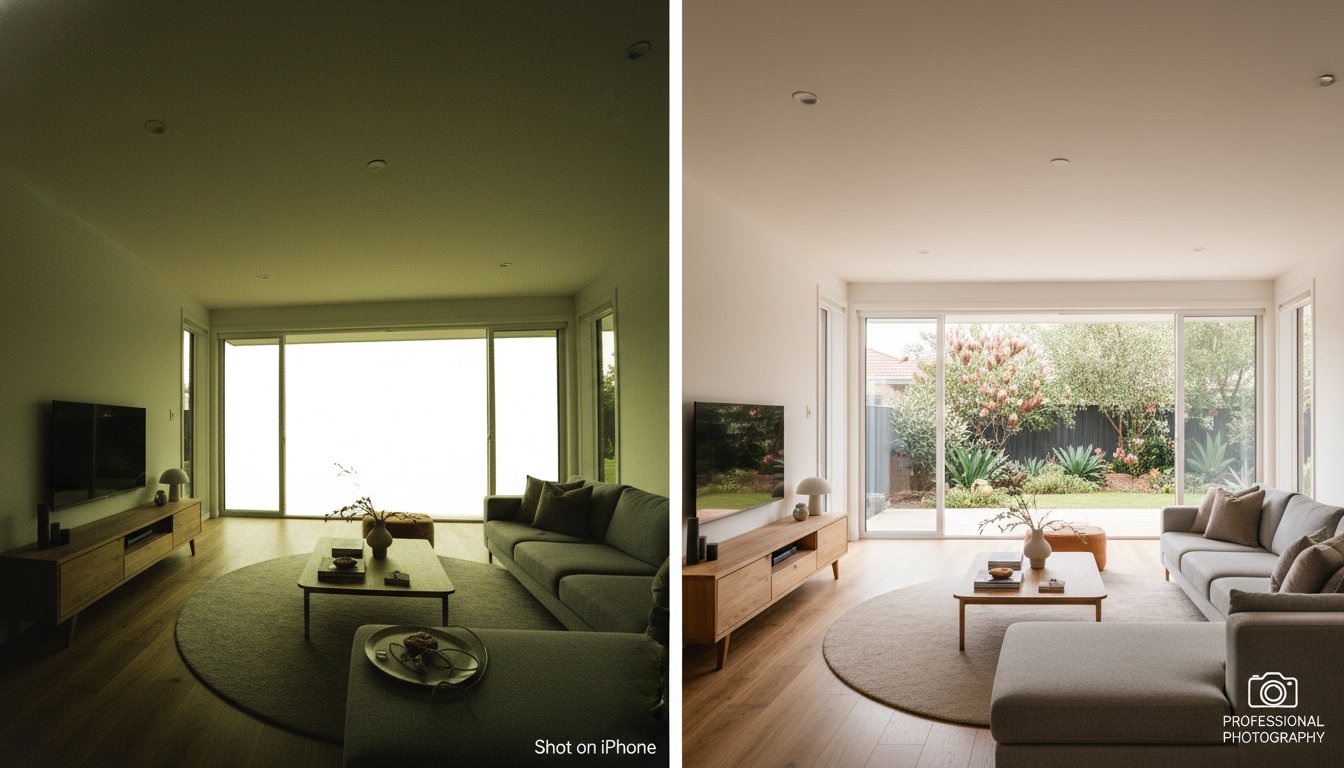
Lighting consistency is the most critical technical factor. Natural light provides the best foundation for realistic digital shadows. If a room is shot with heavy flash or in poor lighting, the virtual furniture for real estate often looks "floated" rather than grounded. Ensure your photographer captures the space when natural light is at its peak. This helps the 3D models integrate seamlessly into the environment by matching the existing light direction and colour temperature.
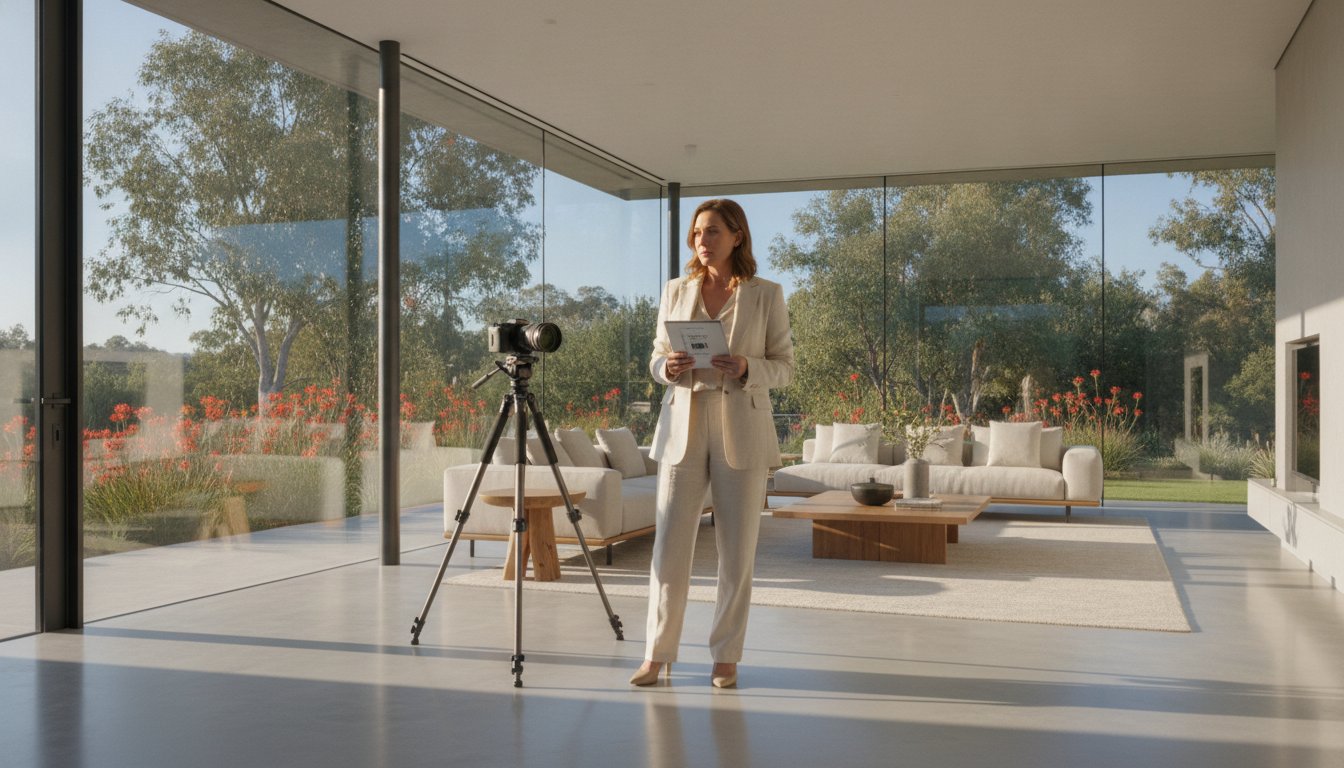
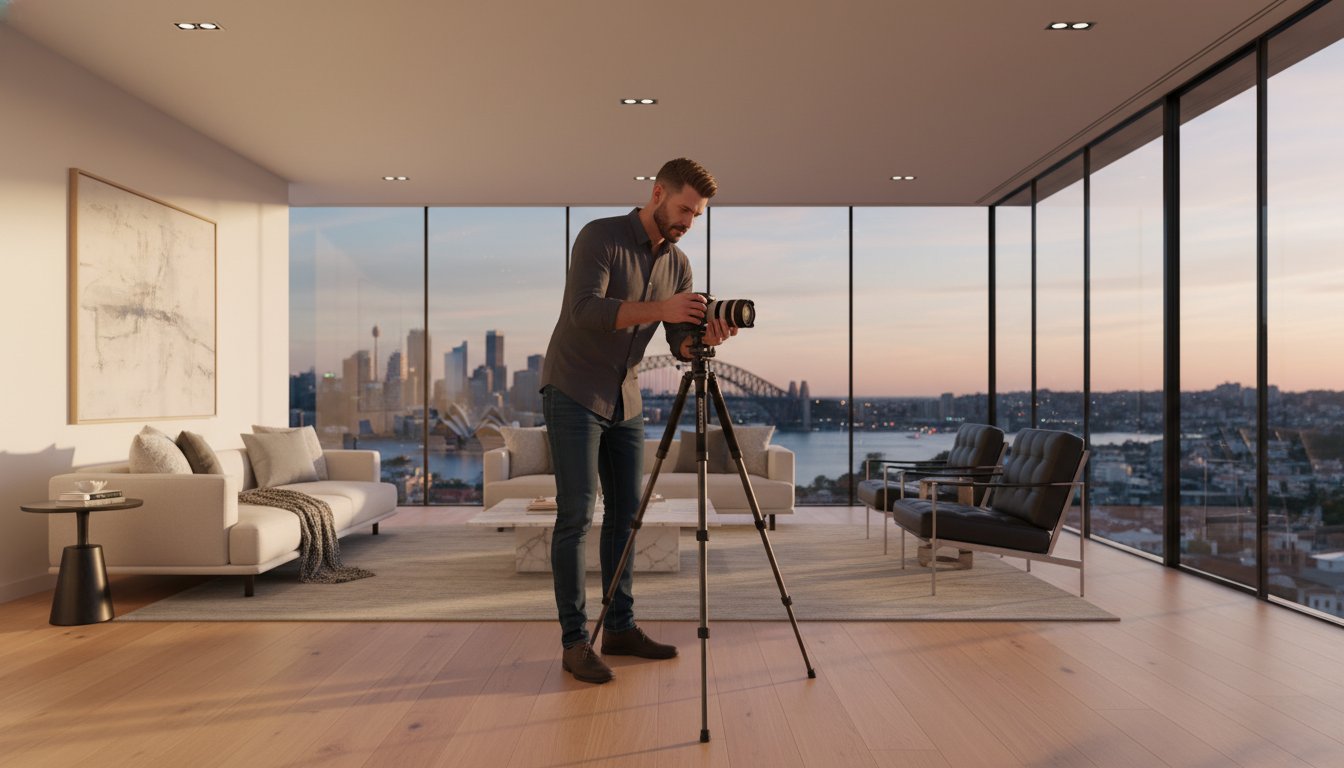
Achieving the right perspective is essential for spatial accuracy. Shoot from a lower tripod height, typically around waist level, to make the room feel spacious and grounded. This angle mimics a human's seated eye level, making the furniture placement feel natural. Avoid using extreme wide-angle lenses. While they capture more of the room, they create barrel distortion that makes digital furniture look warped or out of proportion. Finally, ensure the room is as empty as possible before the shoot. Removing existing rugs or small decor items reduces editing complexity and ensures a more polished final output.
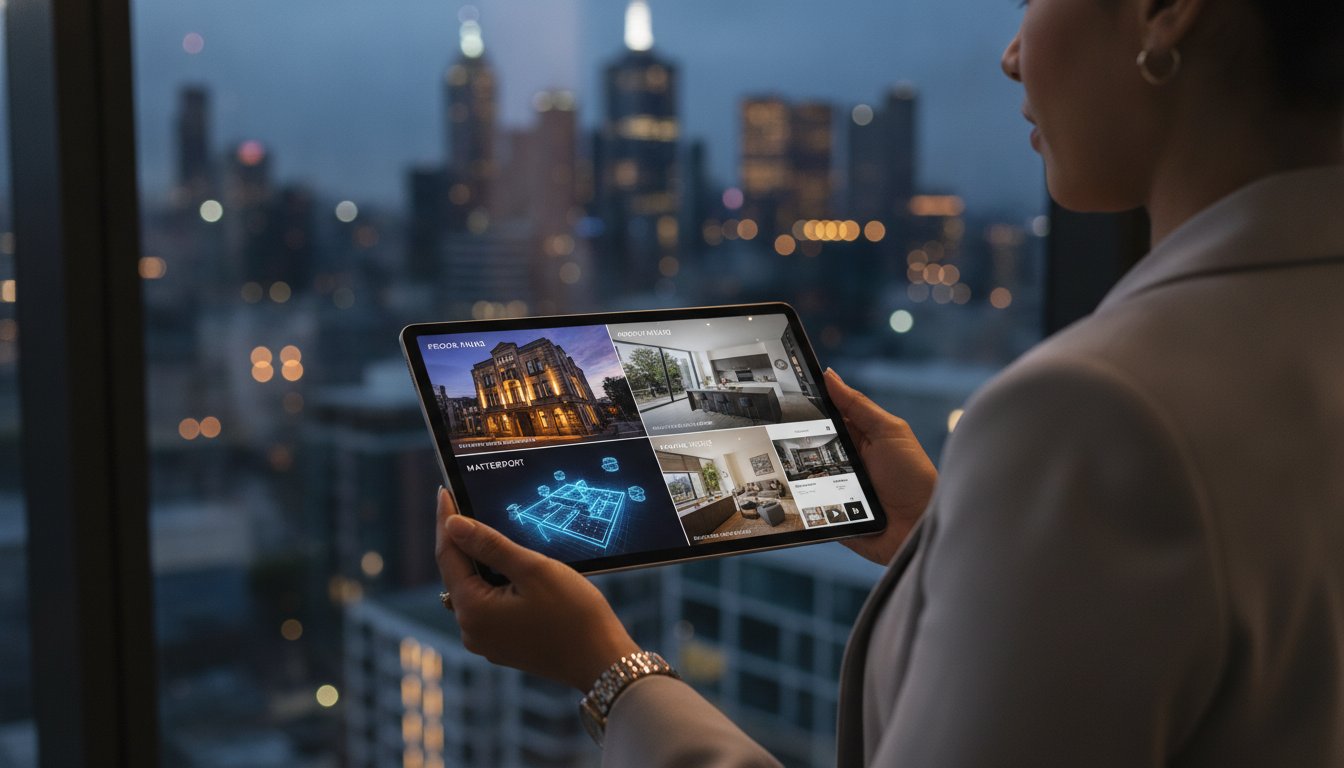
Efficiency in the editing process requires a clear, technical brief. Identify your "Hero" rooms immediately. These are typically the primary living area, the dining space, and the master suite. Don't leave room functions to chance. If there is a small nook or sunroom, specify if it should be staged as a home office, a reading corner, or a nursery. For agencies seeking a total marketing solution, consider integrating your staged photos with Matterport 3D virtual tours. This creates a cohesive, immersive experience where the digital styling remains consistent across all media types.
Ready to upgrade your next campaign? Book your professional photography and virtual staging package today to secure a 24-hour turnaround.
UberRE positions itself as the premier infrastructure for Australian property marketing. We move away from the artistic experimentation of freelancers toward a corporate, results-driven partnership. This shift ensures that every image meets a high-quality, technical standard. In the fast-paced 2026 market, reliability is your most valuable asset. Our national team understands the specific lighting and architectural nuances of the Australian landscape, providing a level of service that offshore alternatives cannot match. Using virtual furniture for real estate shouldn't be a gamble; it should be a guaranteed outcome.
Our 24-hour turnaround promise is a core service commitment. We understand that in real estate, time is the primary variable in vendor satisfaction. By delivering high-quality, staged imagery within a day, we allow you to go from the photography session to a live listing on major portals without delay. This speed doesn't come at the cost of precision. Our systems are designed for high-volume, standardised output. We integrate this digital styling seamlessly with other modular products, such as real estate floor plans, to provide a total visual package for every listing.
While AI tools offer speed, they often lack the technical precision required for premium listings. A common issue with purely automated staging is "clipping," where digital assets intersect with walls or existing fixtures. Our process involves rigorous quality control to ensure scale and perspective are physically accurate. We focus on the technical side of shadow placement and light bounce, ensuring the virtual furniture for real estate looks like a permanent fixture of the room. This standardised approach allows agencies to maintain consistent branding across their entire portfolio, moving away from the "hit-or-miss" nature of individual editors.
Managing multiple visual content vendors is a logistical drain on your agency. UberRE simplifies this by offering a modular suite of professional products. You can bundle your digital staging with day photography, site plans, and video tours through a single booking process. This integration ensures visual consistency across all marketing channels. Having a single point of contact for all visual assets reduces communication friction and keeps your campaign launch dates secure. It's a tech-integrated solution designed for the modern, busy agent who values efficiency and accountability.
Organise your virtual furniture with UberRE today and experience the efficiency of a professional marketing partnership that delivers results within 24 hours.
The Australian property landscape demands a tech-integrated approach to visual marketing. You've now mastered the strategic value of bridging the "Vision Gap" and the importance of matching digital decor to local architectural trends. By moving away from the logistical burden of physical hire and adopting virtual furniture for real estate, you ensure your listings remain agile, cost-effective, and highly engaging from the first click.
Achieving a premium result requires more than just software; it needs professional oversight to guarantee realistic lighting and perfect scale. Leading agencies across Australia now rely on standardised, high-quality digital staging to transform vacant shells into high-converting homes. With national coverage and a commitment to modern efficiency, UberRE is the dependable infrastructure for your visual content needs.
Boost your listing engagement with professional Virtual Furniture from UberRE and benefit from our 24-hour turnaround on all finished content. Let's get your next campaign moving faster today.
Virtual furniture for real estate is a digital marketing solution where photorealistic 3D models are integrated into professional photographs of vacant properties. This technology allows agents to showcase a home's potential without the high cost or logistical burden of physical furniture hire. By using advanced rendering techniques, these digital assets match the room's perspective and lighting to create a seamless, lived-in appearance that helps buyers visualise the functionality of every space.
Virtual staging is not deceptive provided it is clearly disclosed to potential buyers in accordance with Australian Consumer Law. Professional best practice involves adding a "virtually staged" watermark to the images or including a clear disclaimer within the property description. This transparency ensures that buyers understand the digital styling is for illustrative purposes while still allowing them to appreciate the property's spatial scale and layout during their online search.
Digital staging is significantly more cost-effective than traditional methods, often representing a saving of over 95%. Physical furniture hire in Australia typically ranges from $2,000 to $10,000 depending on the campaign length and property size. In contrast, virtual furniture for real estate provides a high-impact visual solution for a small fraction of that investment, allowing agents to allocate more of the vendor's marketing budget toward active lead generation and digital reach.
Yes, virtual furniture can be integrated into immersive 360-degree virtual tours, including Matterport 3D Tours. This technical process involves rendering 3D models into every panoramic viewpoint of the tour to maintain a consistent aesthetic as the user navigates the property. It provides a total marketing solution where the digital styling remains cohesive across both static photography and interactive walkthroughs, significantly enhancing the buyer's digital experience and emotional connection to the home.
Our standard turnaround time for finished digital staging is 24 hours from the time of the photography session. This rapid delivery ensures your marketing campaign stays on schedule and allows you to launch the listing on major portals like realestate.com.au without delay. Unlike physical staging, which requires days of coordination, delivery, and installation, our digital workflow is designed for modern efficiency and immediate campaign activation for busy agencies.
Yes, we can digitally remove a tenant's existing furniture or dated items and replace them with modern, curated styles. This process, known as digital decluttering or virtual renovation, allows you to present a clean and aspirational version of a property that might otherwise look unappealing due to clutter. It’s an effective strategy for tenanted listings where you have limited control over the daily presentation of the home during the sales period.
We provide a clear briefing process to ensure the chosen furniture style aligns with your target demographic and the property's architecture. If the initial output doesn't meet your expectations, we offer a revision process to adjust the decor or furniture placement. Our goal is to provide a standardised, high-quality result that reflects your agency's professional brand and resonates with local buyers, ensuring total service assurance for every listing.
While you can provide your own images, we strongly recommend using professional real estate photography as the foundation for your virtual staging. High-quality base images captured with correct lighting and tripod heights ensure the most realistic furniture integration. Our total service approach allows you to book professional photography and virtual furniture together, ensuring a seamless workflow and a premium final product that stands out in a competitive market.

-2.png)