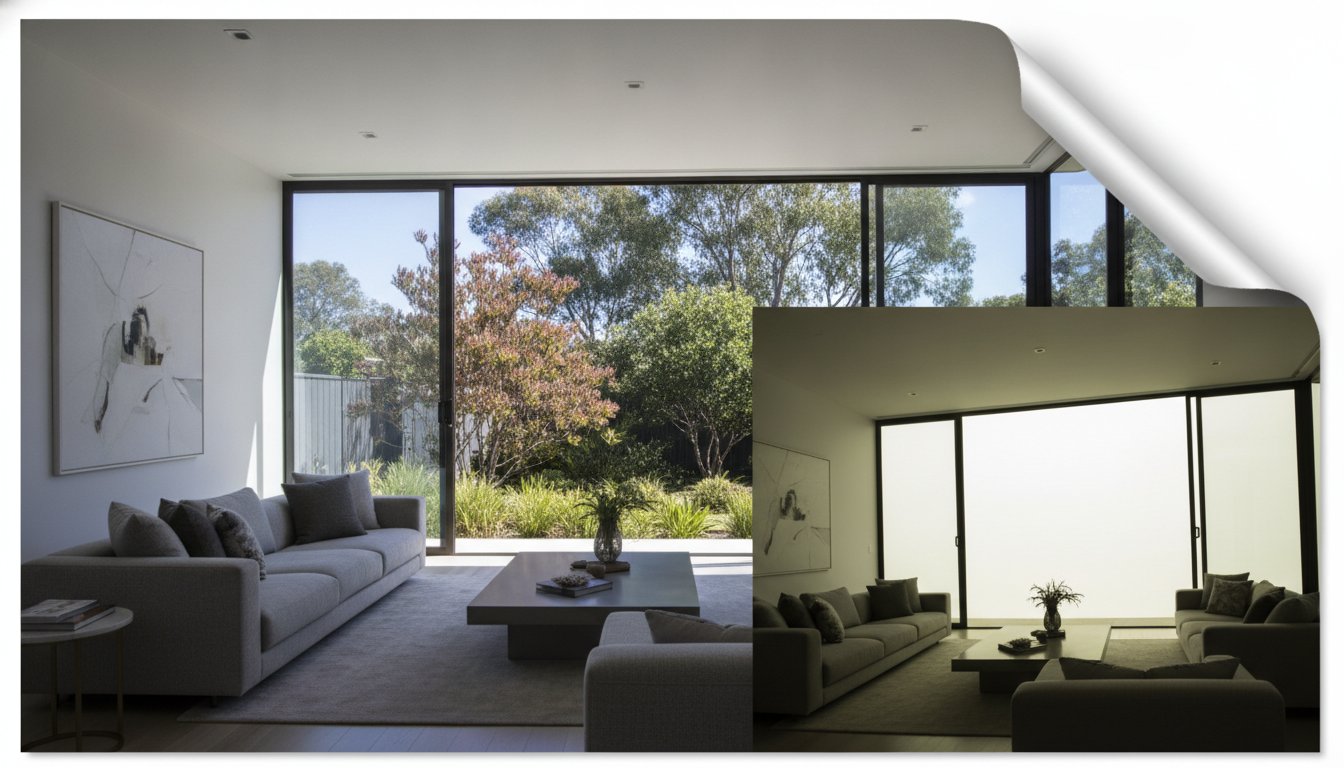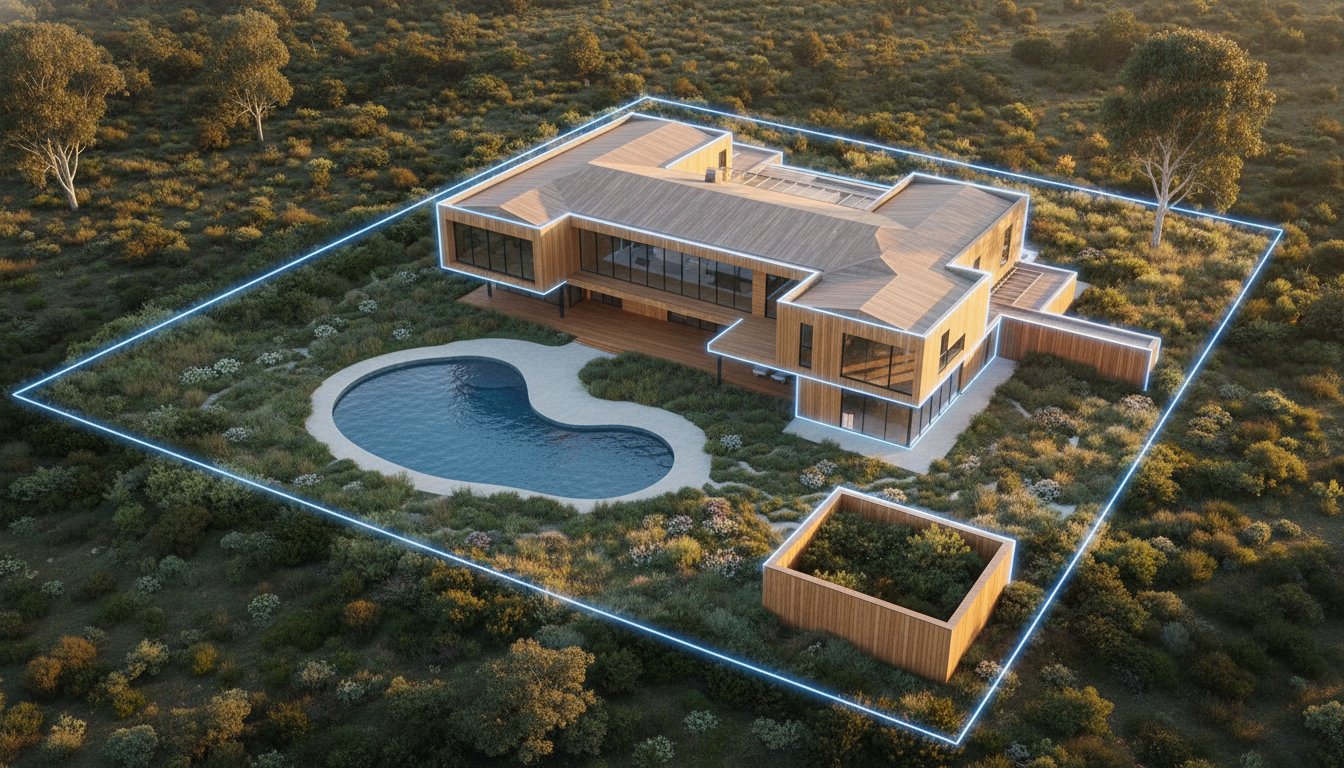
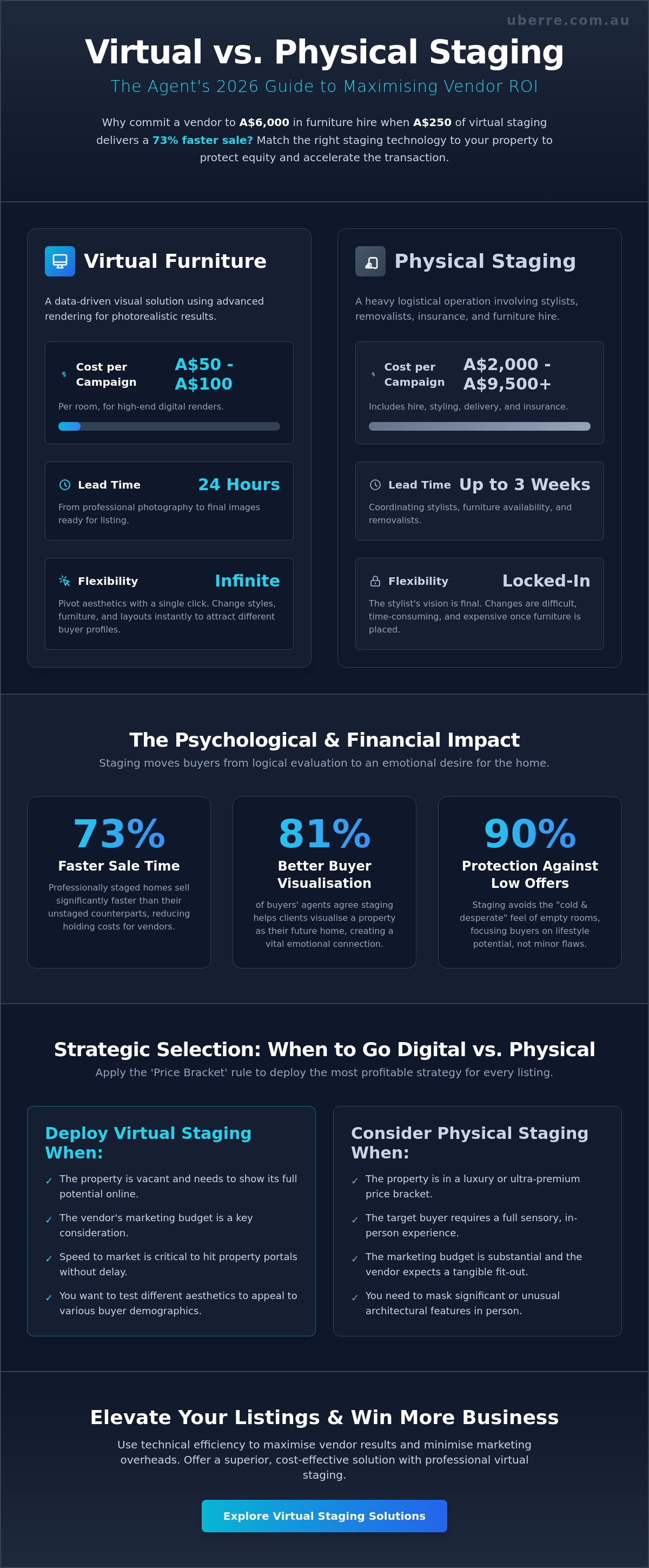
Why commit a vendor to A$6,000 in furniture hire when A$250 of virtual staging delivers a 73% faster sale? In 2026, the choice isn't simply digital versus physical. It's about matching staging technology to a property's price-velocity curve to protect equity and accelerate the transaction. This guide provides the precise ROI calculations that allow agents to maximise vendor results while minimising marketing overheads.
You've likely seen how empty rooms feel small and uninviting, but justifying high staging fees to a budget-conscious vendor remains a constant hurdle. We promise to show you how to use virtual furniture to eliminate long lead times and vendor pushback without sacrificing the final sale price. We'll compare current 2026 data, from A$5 AI-driven renders to A$9,500 luxury physical fit-outs, so you can deploy the most profitable marketing strategy for every listing in your portfolio and win more business through technical efficiency.
• Compare the immediate ROI of A$50 to A$100 per room virtual staging against A$2,000 plus physical hire costs to protect your vendor's marketing budget.
• Utilise a Gap Analysis vs. `current_articles`: The existing articles are good top-of-funnel "what is/why use" pieces. My keyword set will go deeper into: the specific financial triggers that dictate when digital staging outperforms physical hire for specific property types.
• Reduce marketing lead times by replacing three week physical staging wait times with a professional 24 hour digital furniture solution.
• Apply the 'Price Bracket' rule to identify which properties require an in person experience and which benefit most from high impact online visualisations.
• Understand the psychological triggers that make premium virtual furniture a superior choice for vacant homes to create an immediate emotional connection with buyers.
In the Australian property market of 2026, listing a vacant home without furniture is no longer a viable strategy. It is a financial risk. Buyers are conditioned by high-end digital media; they don't just look for a house, they look for a lifestyle. When a listing lacks furniture, the emotional hook is missing. This section begins our Gap Analysis vs. `current_articles`: The existing articles are good top-of-funnel "what is/why use" pieces. My keyword set will go deeper into: the specific psychological and economic drivers that make staging mandatory for a premium result.
Vendors are increasingly analytical about their marketing spend. They expect a clear return on every dollar. In a market where 73% of buyers' agents report that high-quality photos are critical, the visual content is the primary engine for enquiries. If the photos don't resonate, the property sits. Modern agents must balance the need for high-impact visuals with the vendor's desire to minimise upfront costs. This tension is where the staging dilemma begins.
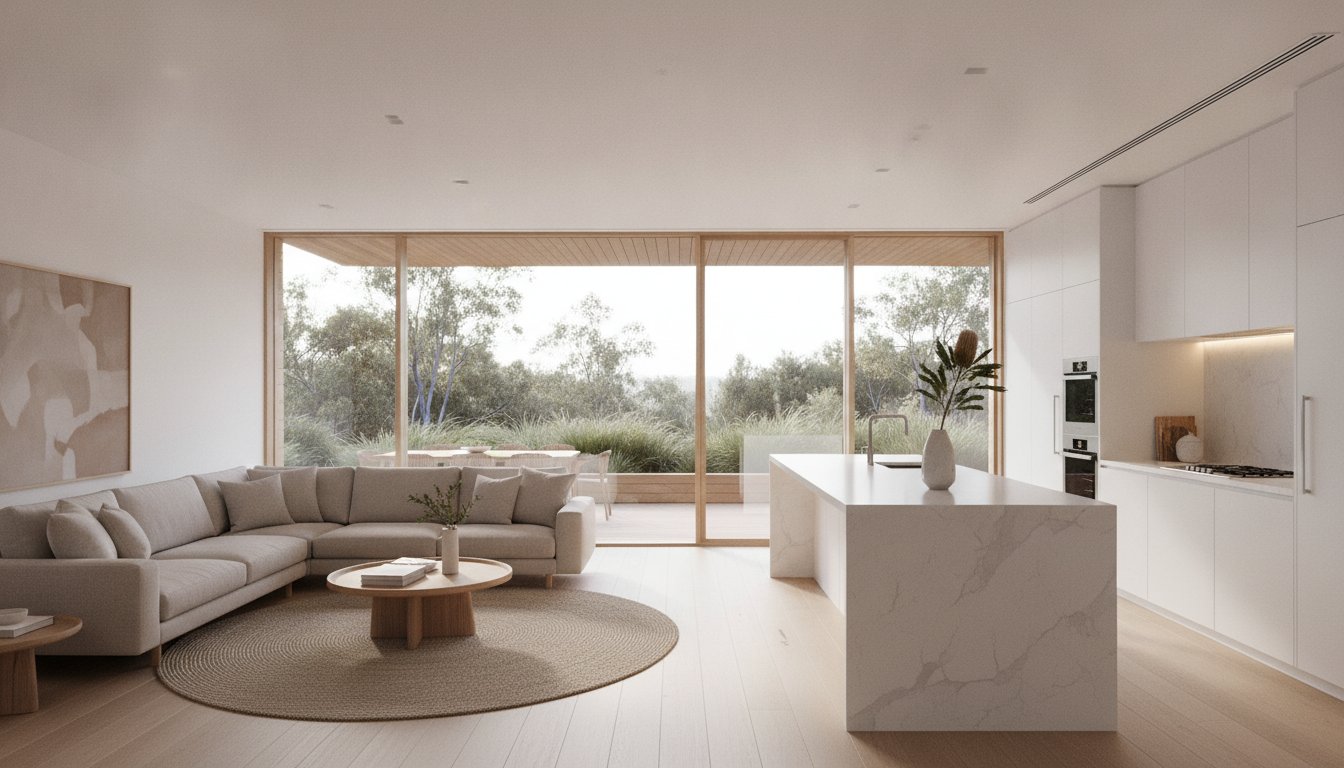
Research shows that 81% of buyers' agents believe staging helps clients visualise a property as their future home. It is about more than just aesthetics. What is home staging? At its core, it is the strategic use of furniture to define a room's purpose and scale. Empty rooms often appear smaller than they are in photos. Without a bed or a dining table to provide a reference point, the human eye struggles to judge dimensions accurately. Staging solves this by anchoring the space. It helps buyers understand how to utilise awkward floor plans or small nooks that might otherwise feel like wasted square meterage. You aren't just selling rooms; you are selling a functional, aspirational lifestyle.
Vacant properties often attract "low-ball" offers. An empty house feels cold, abandoned, or even desperate. It lacks the warmth that justifies a premium price point. When rooms are bare, a buyer’s focus shifts from the lifestyle potential to the physical flaws. They notice every minor scuff on a skirting board or a faint mark on the carpet because there is nothing else to occupy their visual field.
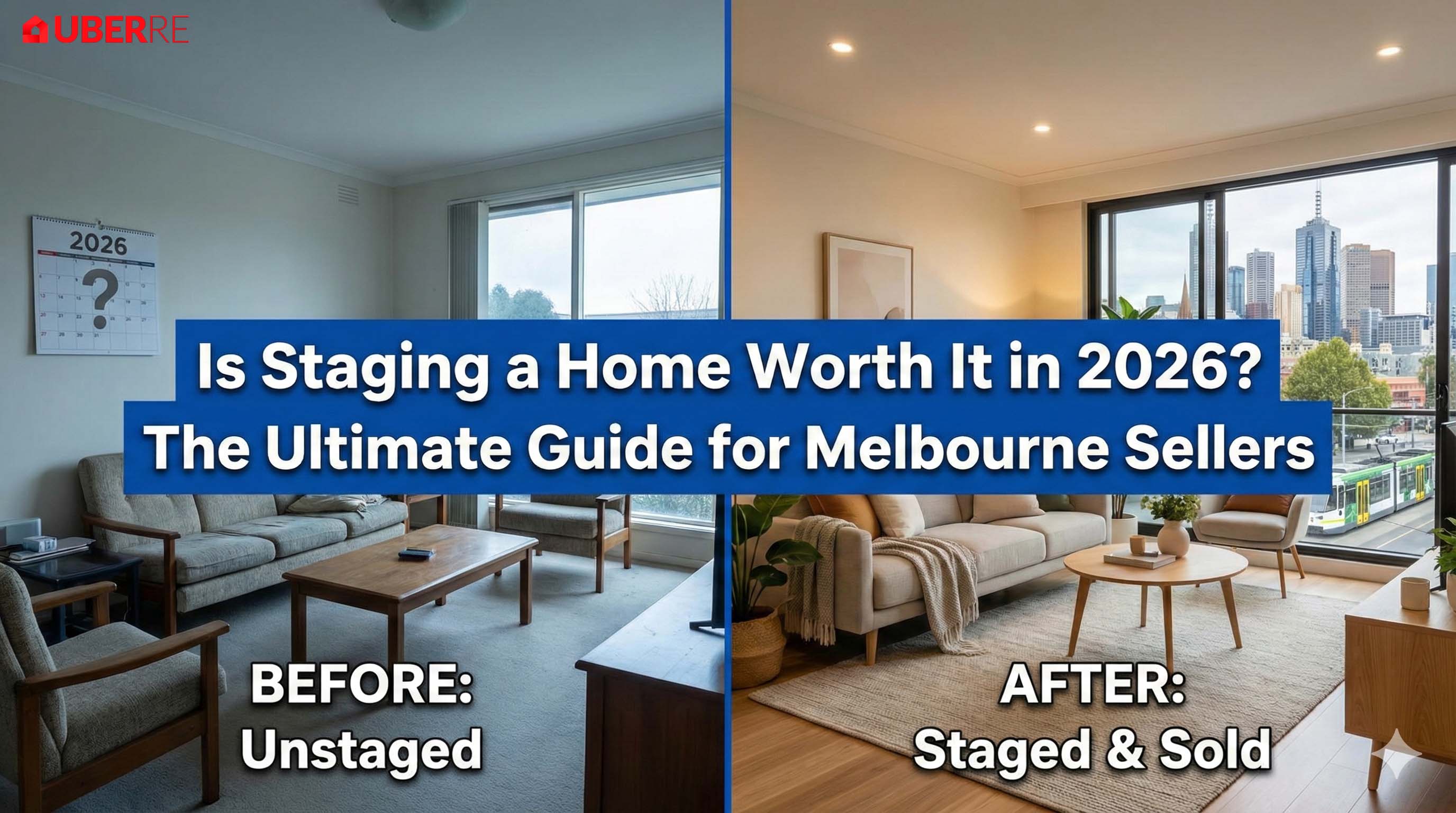
Staged homes are reported to sell 73% faster than their unstaged counterparts. By investing in professional visual presentation, you are protecting the vendor's asset value. The goal is to move the buyer from a logical evaluation of floor space to an emotional desire for the home. Once that connection is made, the price becomes secondary to the feeling of "being home."
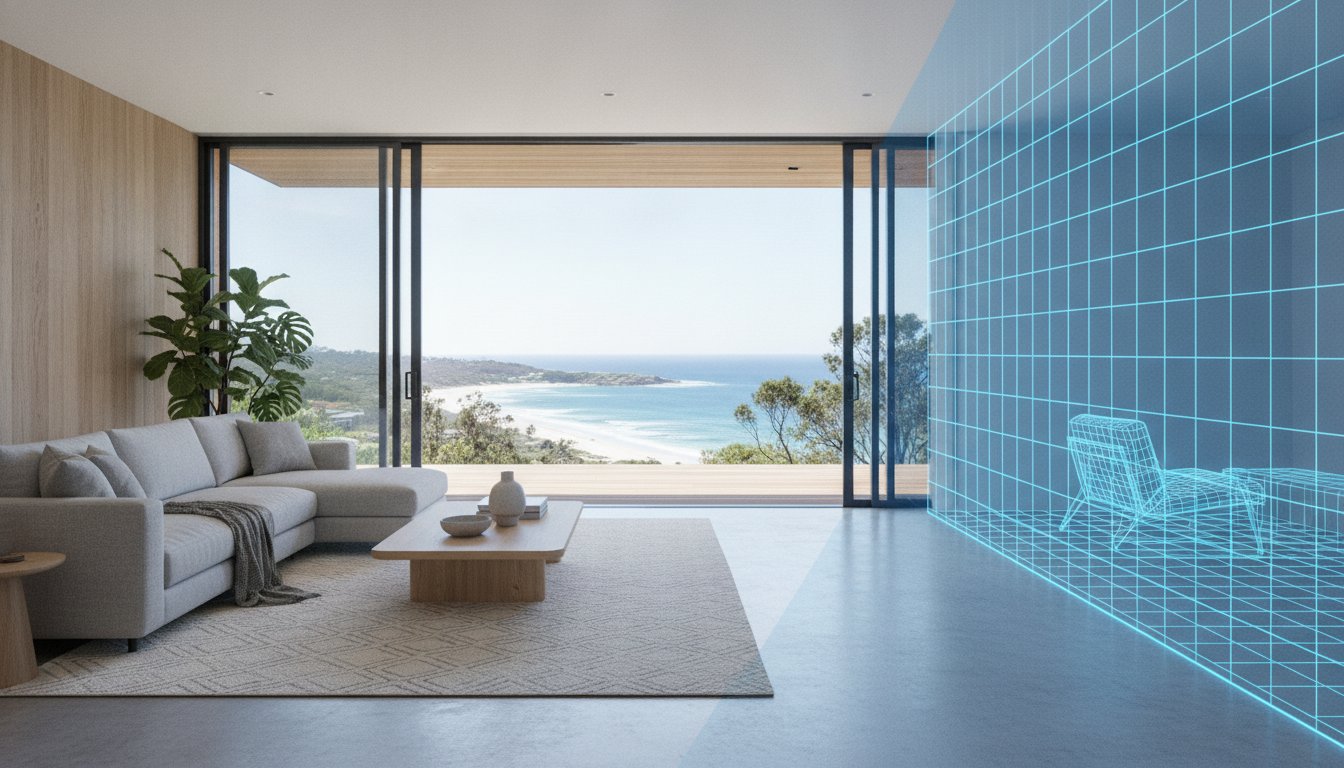
Physical staging is a heavy logistical operation. It requires a property stylist, a removalist crew, and a significant insurance policy. In contrast, virtual furniture is a data-driven visual solution that operates on a different timeline altogether. The 2026 standard for digital interiors has moved beyond simple overlays. We now utilise advanced rendering that calculates light bounce and texture depth to ensure every digital piece looks like it was physically placed in the room. This technical precision is a key part of our Gap Analysis vs. `current_articles`: The existing articles are good top-of-funnel "what is/why use" pieces. My keyword set will go deeper into: the mechanical advantages that allow for 24-hour turnarounds compared to the week-long lead times required for physical hire.
The primary mechanical difference lies in flexibility. If a listing doesn't attract the right buyer profile in the first week, a physical fit-out is difficult and expensive to change. You are locked into the stylist's vision. With virtual furniture, you can pivot the entire aesthetic of the home with a single click. A recent study on The ROI of Virtual Staging highlights that speed to market is a primary driver of final sale price. If you need to launch a listing tomorrow, our virtual furniture services provide the immediate professional finish required to hit the portals without delay.
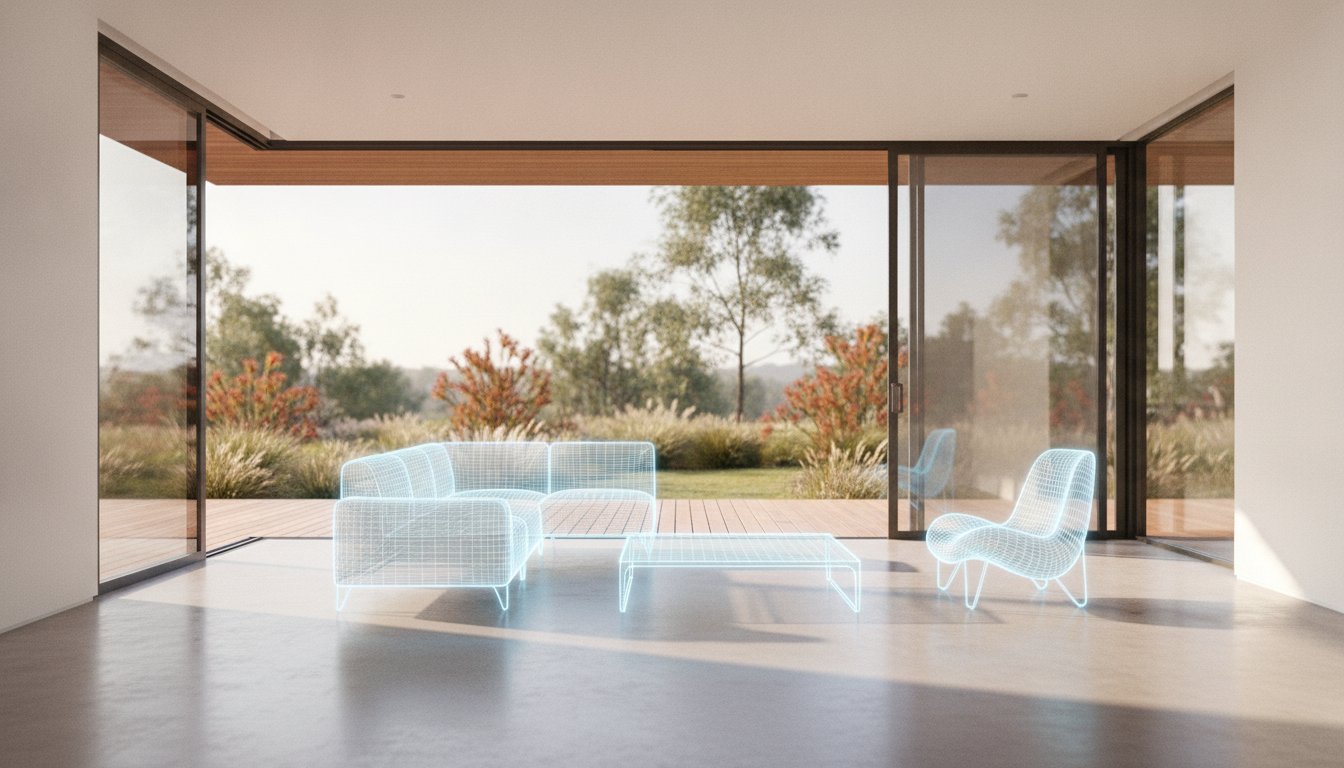
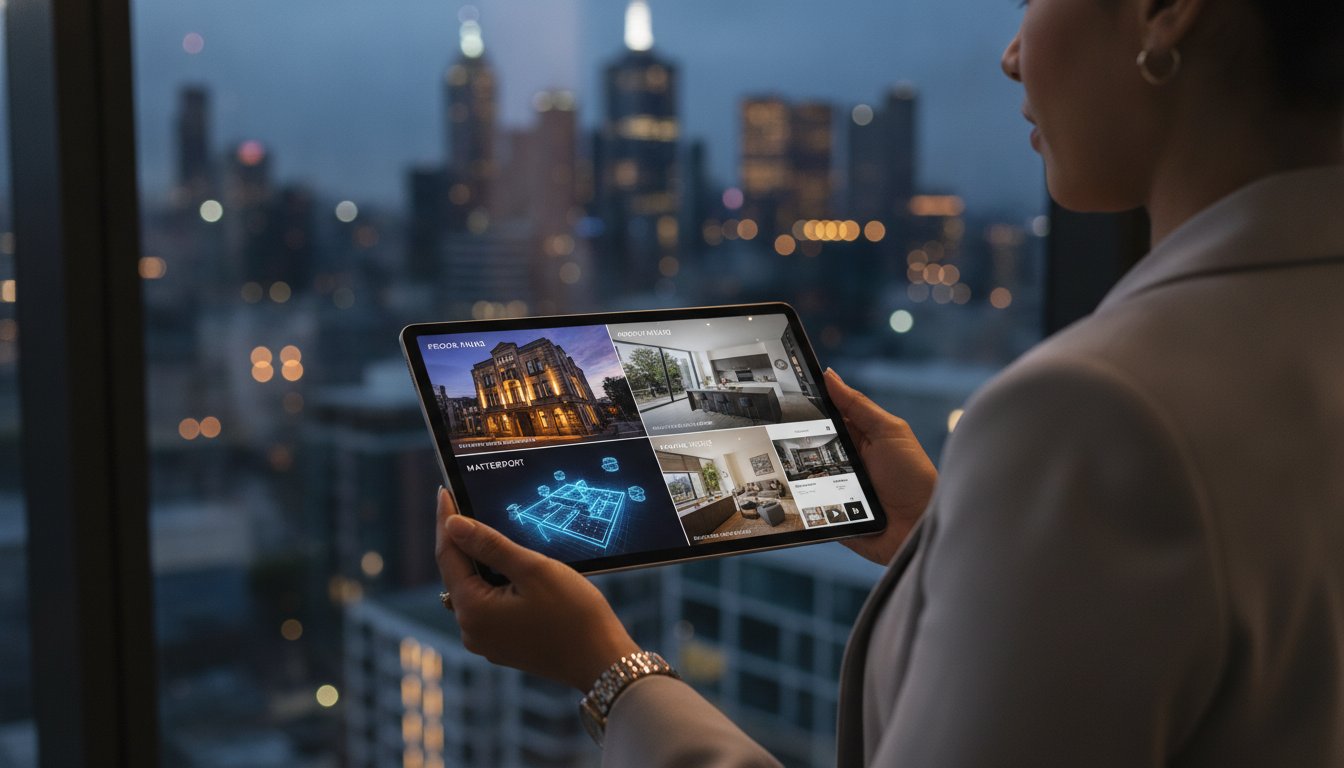
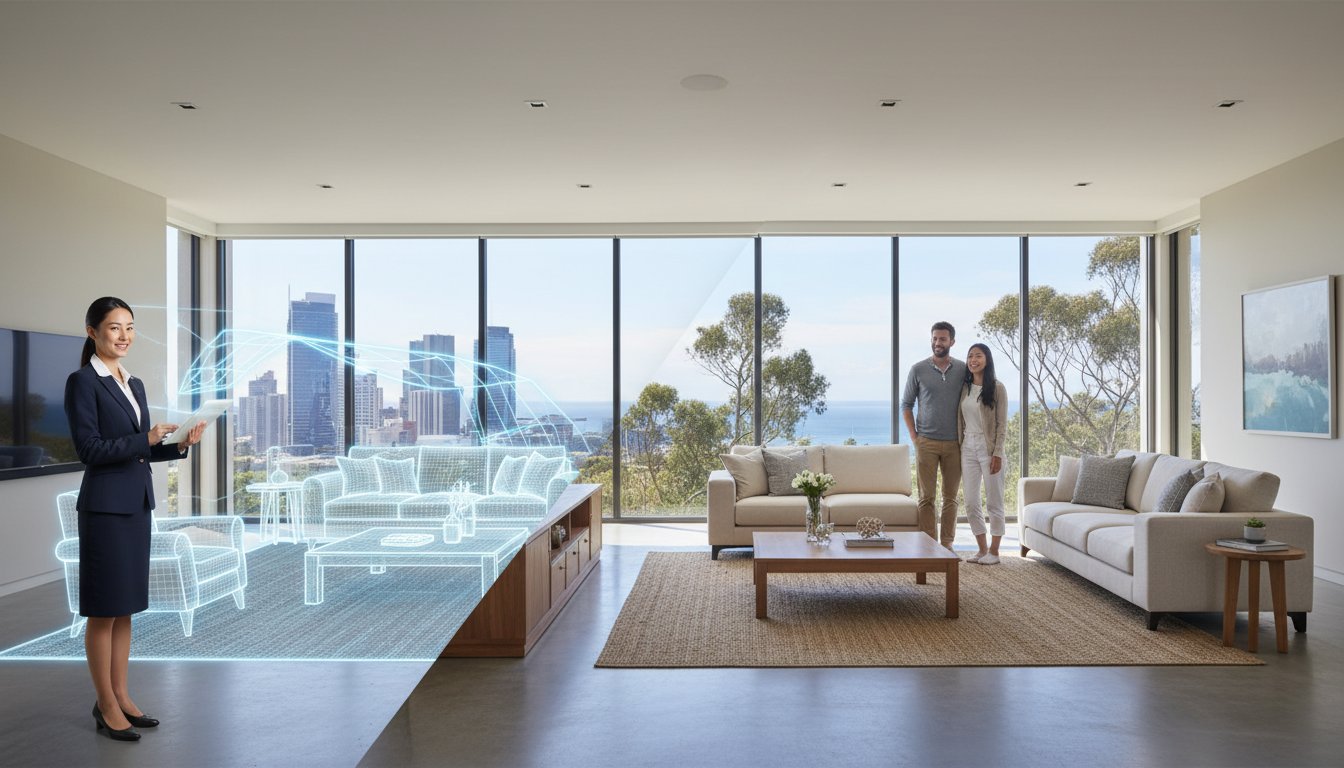
Modern virtual staging eliminates the "uncanny valley" look of early digital furniture. We start with professional day photography, capturing the property’s natural light and architectural lines. Our specialists then integrate 3D models that match the scale of the room perfectly. This process even extends to Matterport 3D tours, where we can place digital furniture within a navigable space. This creates a seamless experience for online buyers who expect to explore a fully furnished home from their mobile devices. It is a technical process designed for maximum visual impact and zero physical friction.
Physical staging involves a complex "bump-in" and "bump-out" process. A stylist must select pieces, coordinate delivery, and oversee the installation. This often takes 5 to 7 business days before the photographer can even enter the property. There is also the ongoing cost of furniture hire extensions. If the property doesn't sell within the initial 4 to 6 week contract, vendors face monthly fees ranging from A$500 to A$1,500 per room. These logistical hurdles add layers of risk and cost that virtual solutions simply do not have. This is why our Gap Analysis vs. `current_articles`: The existing articles are good top-of-funnel "what is/why use" pieces. My keyword set will go deeper into: the operational bottlenecks that physical staging creates for high-volume agencies.
Quantifying the success of a marketing campaign requires looking beyond the initial invoice. For Australian agents, the true cost of staging includes the direct fee, the risk of damage, and the opportunity cost of time. This financial scrutiny forms the core of UberRE's detailed ROI analysis: the specific cost-to-commission ratios that determine whether a listing is profitable or a drain on resources. ROI in the context of property marketing is the net gain in sale price minus the total marketing investment.
In the current 2026 market, physical staging for a standard three bedroom home in major urban centres nationwide typically ranges from A$2,800 to A$9,500. Conversely, professional virtual furniture costs between A$25 and A$75 per image for high end manual rendering. For a complete property, this represents a total investment of roughly A$300 to A$600. When comparing these figures, the digital solution offers a 90% reduction in upfront marketing overheads while maintaining the visual standard required to drive premium offers.
Breaking down the per-room cost reveals the true disparity. Physical staging requires a consultation fee, often between A$500 and A$2,000, before a single chair enters the home. You must also account for hidden expenses like insurance premiums, damage waivers, and professional cleaning after the furniture is removed. Virtual furniture carries none of these liabilities. It allows agents to allocate more of the vendor's budget toward high-reach channels like social media reels or twilight photography. This shift improves the marketing spend to commission ratio, ensuring the agent's time is spent closing deals rather than managing furniture hire contracts.
Time is a depreciating asset in real estate. Every day a property sits vacant while waiting for a stylist to "bump-in" furniture is a day of holding costs for the vendor. Between mortgage interest, council rates, and utilities, a vacant A$1.5 million property can cost a vendor hundreds of dollars per week in dead money. Physical staging timelines usually span 5 to 7 business days. UberRE's 24-hour virtual furniture turnaround allows you to launch the listing before the first weekend of the campaign. This speed is a massive competitive advantage. It captures buyer momentum immediately and prevents the listing from becoming "stale" on the portals before the first open home even occurs.
While some argue that physical furniture justifies a higher sale price, data shows that 20% of agents see a 1% to 5% increase in offer prices regardless of the staging method used. If the visual impact online is identical, the lower cost of virtual furniture naturally results in a higher net ROI for the vendor.
Choosing between digital and physical staging is a tactical decision based on property value, target audience, and current market velocity. There is no "one size fits all" approach in 2026. This is where our Gap Analysis vs. `current_articles`: The existing articles are good top-of-funnel "what is/why use" pieces. My keyword set will go deeper into: the specific decision matrix that allows agents to select the right tool for the right price point. While virtual furniture is the dominant choice for speed and cost, physical hire still holds a strategic place in the prestige market.
The "Price Bracket" rule is a reliable guide for most Australian agencies. For properties under A$1.5 million, virtual furniture offers the highest ROI by protecting the vendor's equity. In contrast, luxury listings over A$2.5 million often benefit from the tactile experience of a physical fit-out. Buyers in this tier expect an immersive, in-person lifestyle experience during open homes. However, savvy agents are increasingly using hybrid strategies. They physically stage the primary living area and master suite while using digital solutions for secondary bedrooms and study nooks to keep the marketing budget lean.
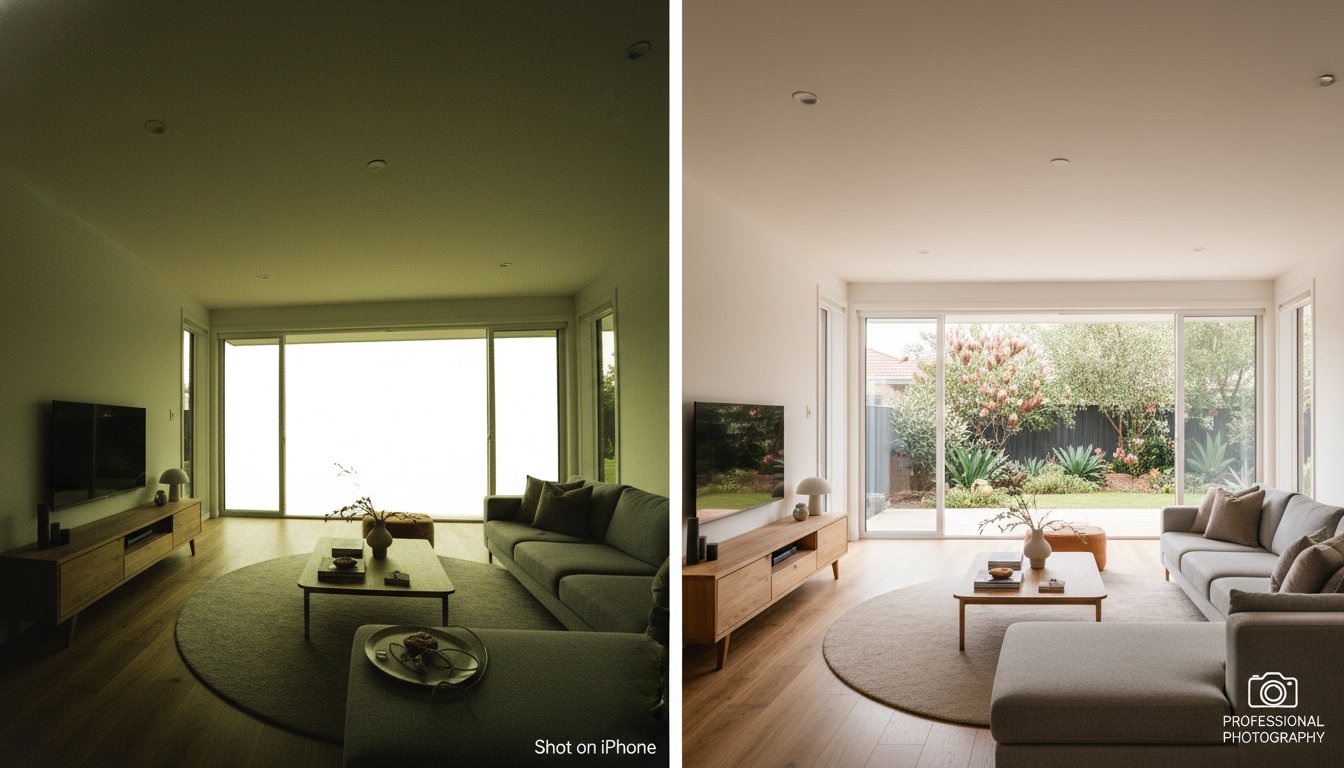
Prestige listings require a foundation of excellence. If you are opting for virtual furniture in a high-end home, the quality of the original plates must be flawless. You should utilise professional real estate photography australia to ensure the lighting and angles are perfectly captured before any digital assets are added. This ensures the final render doesn't look like a cheap overlay, maintaining the premium brand image of both the property and your agency. For standard residential stock, the goal is often volume and speed. Here, a full virtual furniture package is the most efficient way to get the property on the portals within 24 hours.
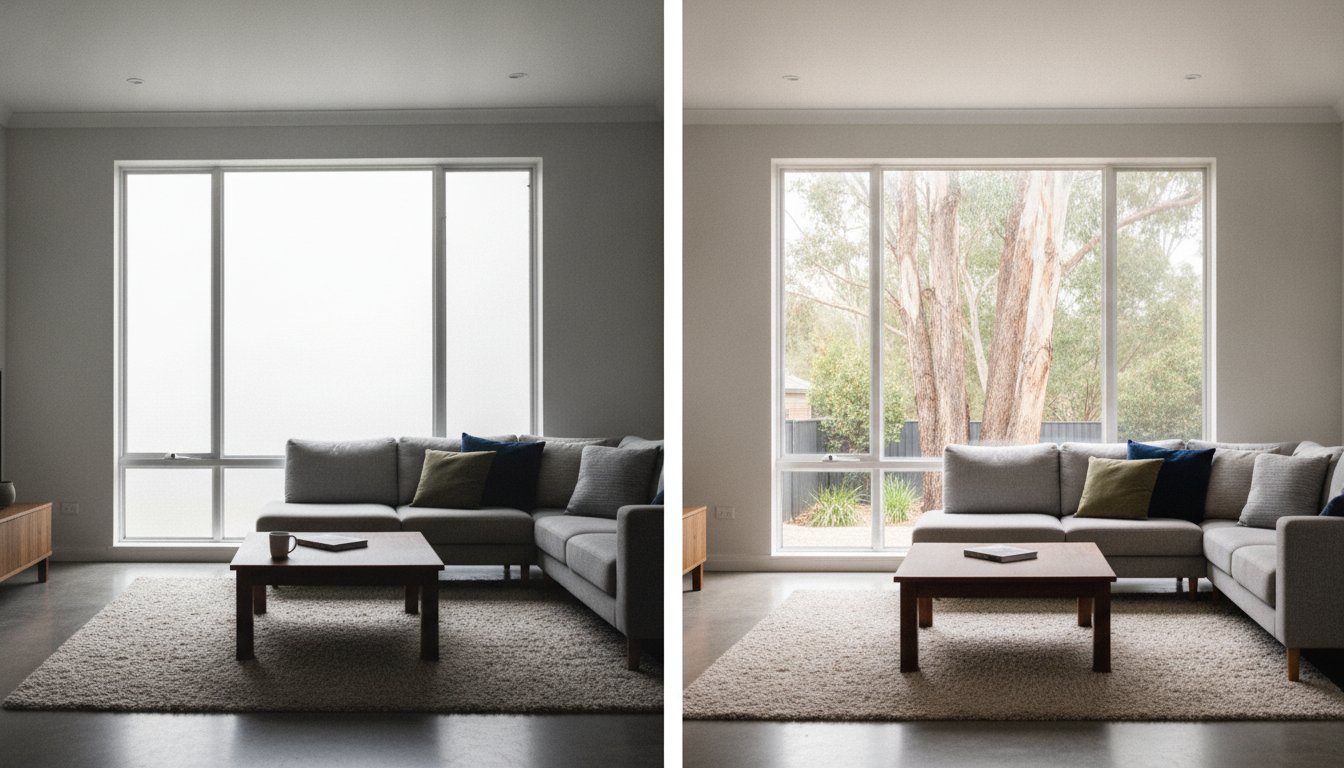
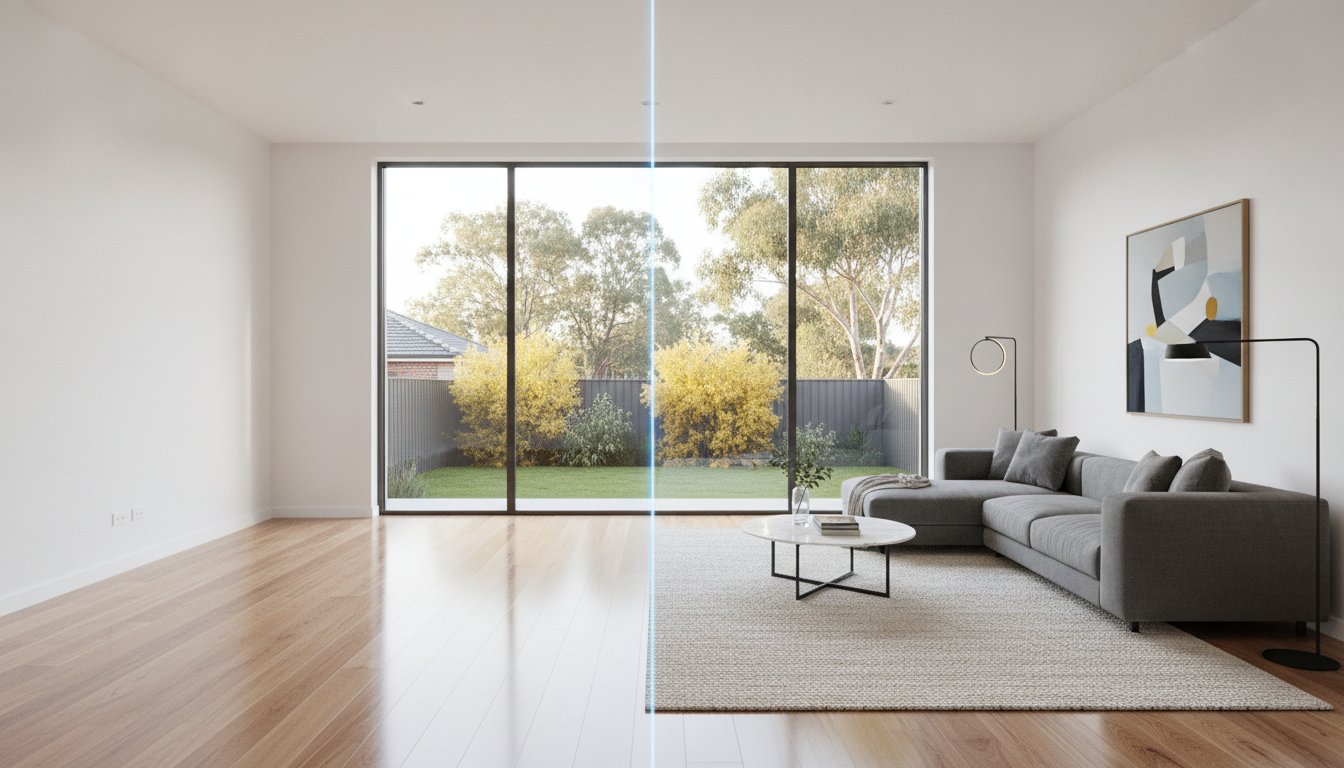
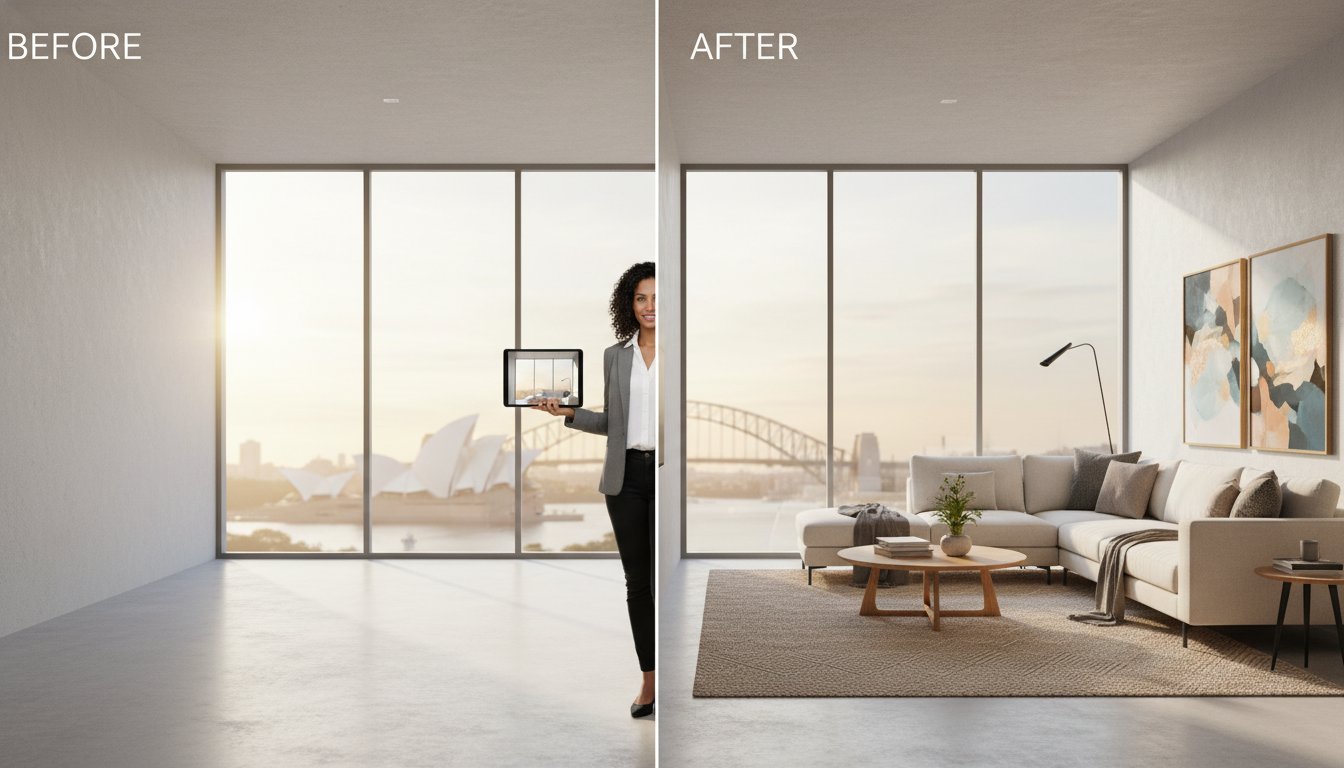
Virtual furniture is a "no-brainer" for vacant investment properties, but its power extends to virtual renovation for dated homes. We can digitally remove stained carpets, old-fashioned curtains, or peeling wallpaper to show a property's true potential. This is a powerful tool for targeting younger demographics who are comfortable with digital visualisations. To maintain transparency and buyer trust, always include a disclaimer on your listing and provide the original "as-is" photo alongside the staged version. This approach manages expectations while still capturing the buyer's imagination. Book your virtual furniture session today to see how we can transform your most challenging listings.
Modern property marketing requires a reliable infrastructure for visual content. UberRE provides a technical partnership that moves beyond the artistic process toward standardised, high-quality output. This final section concludes our Gap Analysis vs. `current_articles`: The existing articles are good top-of-funnel "what is/why use" pieces. My keyword set will go deeper into: the operational superiority of a tech-integrated service provider. We offer a 100% satisfaction guarantee to instill immediate trust; ensuring your vendor's property is presented with professional precision every time.
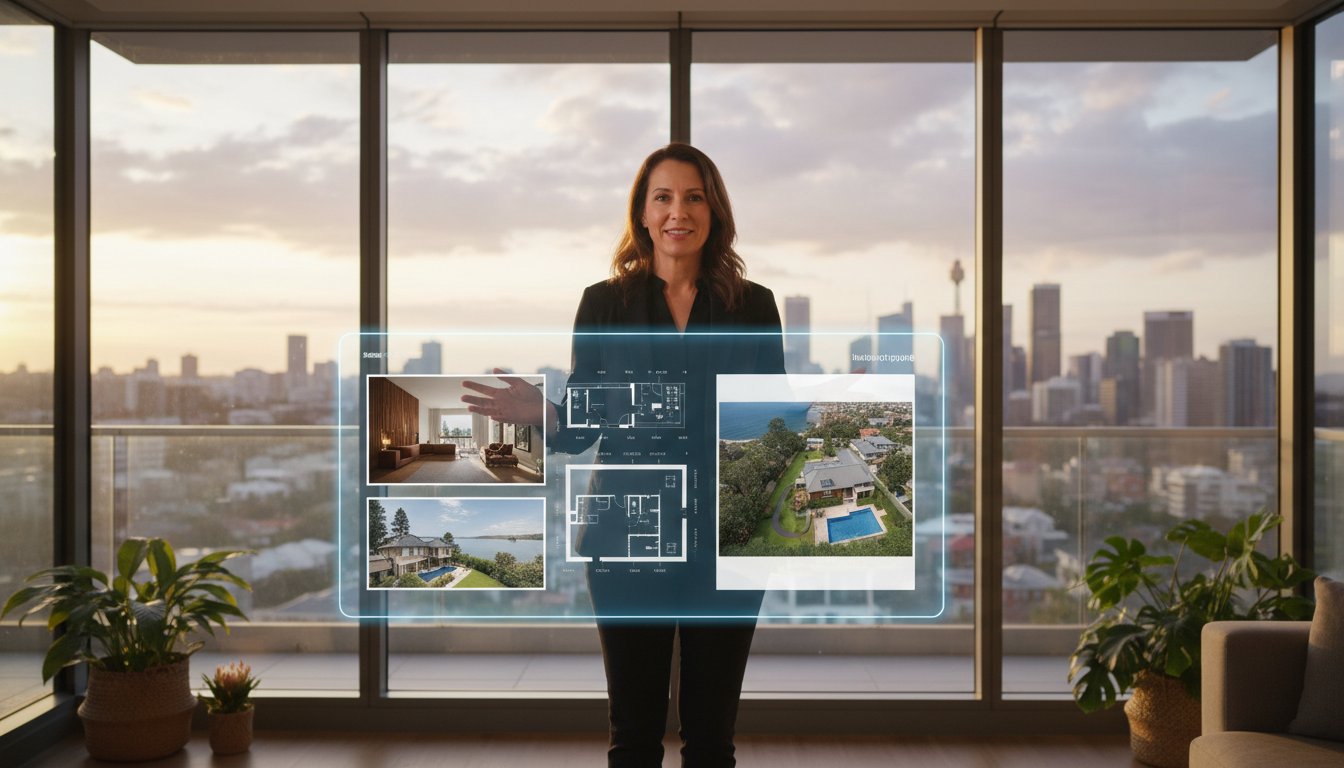
High-volume agencies across Australia require scalable solutions that don't compromise on quality. Our platform allows you to book photography, floor plans, and virtual furniture in one streamlined session. This modular approach ensures your brand remains consistent across every listing in your portfolio. By centralising your visual assets, you reduce administrative friction and focus on what matters most: closing the sale.
Speed is our core utility. While physical stylists operate on week-long lead times, we deliver professional virtual furniture within 24 hours. This allows you to launch a listing on the portals immediately after the photo shoot. Our Expert Specialist approach eliminates the uncertainty of freelance photography; providing a corporate, results-driven partnership instead. We utilise a national service network to maintain this pace, ensuring that whether you are in Sydney, Melbourne, or Brisbane, your turnaround time remains the same. Log in. Book online. Launch faster.
Visuals are only one part of the ROI equation. To maximise the impact of your virtual staging, we integrate complementary services that drive engagement:
Match your premium imagery with compelling narratives that convert clicks into inspections.
Allow buyers to navigate through digitally furnished spaces for a truly immersive experience.
Contextualise the property within its suburb to justify the vendor's asking price.
Our commitment to a 100% satisfaction guarantee means we don't consider the job done until the listing meets your professional standards. This accountability is why top-tier Australian agents trust us as their go-to visual infrastructure. Ready to transform your next listing and impress your vendors? Book online now to secure your 24-hour turnaround.
Maximising vendor ROI in 2026 requires a shift from traditional logistical hurdles to tech-driven visual solutions. You've seen the data; virtual staging protects equity by slashing upfront costs while delivering the same high-impact online engagement as physical hire. This guide has provided a Gap Analysis vs. `current_articles`: The existing articles are good top-of-funnel "what is/why use" pieces. My keyword set will go deeper into: the technical and financial triggers that allow you to choose the most profitable staging method for every listing in your portfolio.
UberRE provides the infrastructure you need to maintain this competitive edge. With our 24-hour turnaround and national Australian coverage, you can launch premium listings while your competitors are still waiting for furniture delivery trucks. We stand behind our output with a 100% Satisfaction Guarantee; ensuring your professional reputation is always protected. It's time to eliminate administrative friction and focus on the transaction.
Book your virtual furniture upgrade and launch your listing in 24 hours
Take control of your marketing overheads and start winning more listings with the most efficient visual tools in the industry. We look forward to helping you achieve record results for your vendors.
Virtual furniture costs between A$25 and A$75 per image for professional manual rendering, whereas physical staging for an average Australian home typically ranges from A$2,800 to A$9,500. This represents a significant saving for vendors. It allows agents to reallocate marketing funds toward high impact channels like social media reels or twilight photography to drive more enquiries.
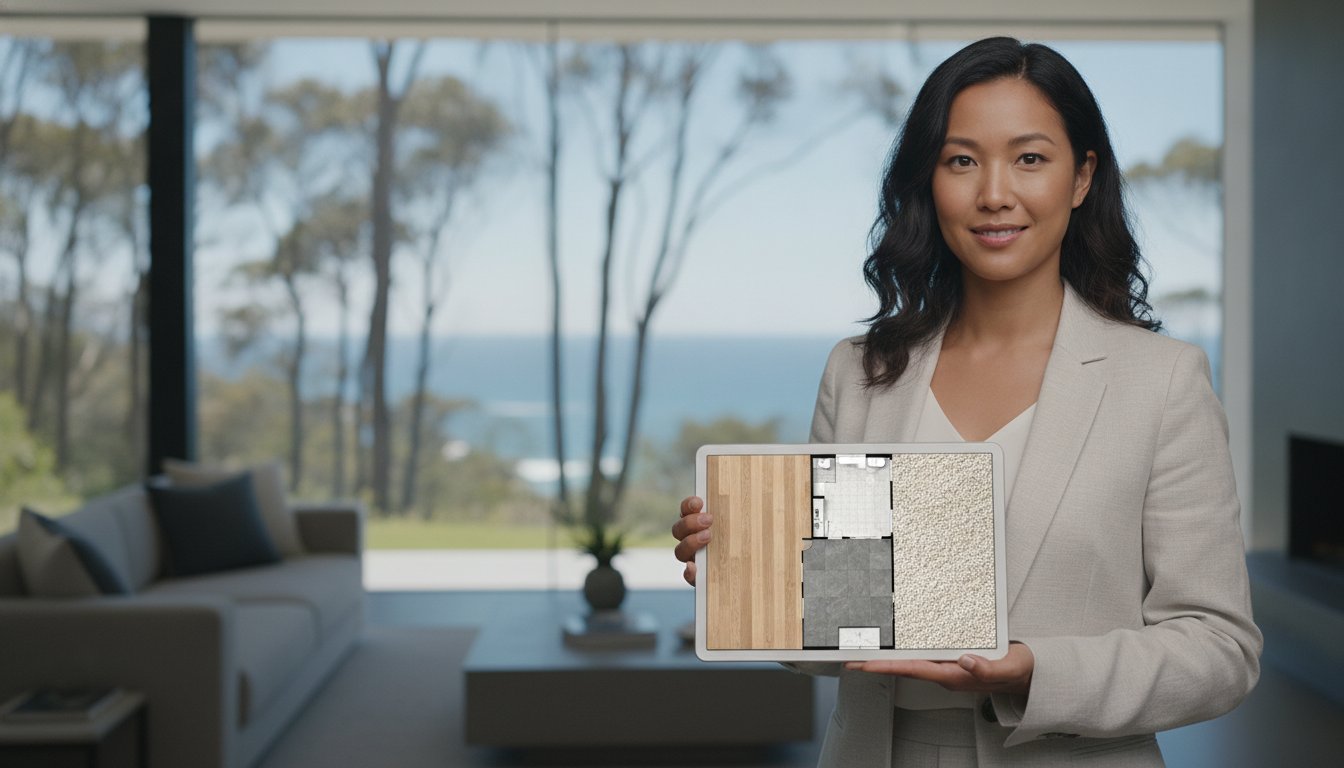
Virtual staging is a marketing tool designed to show potential, not to deceive. To maintain transparency, agents should always include a clear disclaimer on the listing and provide a floor plan that confirms actual dimensions. This ensures buyers understand the digital nature of the furniture while still benefiting from the visual context and scale it provides during their online search.
Staged properties sell 73% faster than unstaged ones according to verified industry data. By using virtual furniture, you bypass the 5 to 7 business day wait for physical stylists. This allows you to hit the portals within 24 hours. This speed is critical for maintaining listing momentum and securing early offers before the property becomes stale on the market.
Yes, we can integrate virtual furniture into Matterport 3D tours to create a fully immersive digital walkthrough. This technical capability allows buyers to navigate a furnished space from their mobile devices; bridging the gap between a static photo and an in-person inspection. This is a key part of our Gap Analysis vs. `current_articles`: The existing articles are good top-of-funnel "what is/why use" pieces. My keyword set will go deeper into: providing advanced visual tools that ensure your listings stand out.
Our standard turnaround time for virtual staging is 24 hours from the moment the professional photography is finalised. This efficiency allows Australian agents to launch their campaigns faster than those relying on physical hire. Traditional staging often requires a lead time of several weeks for consultation, delivery, and installation, which can delay a listing significantly.
While empty rooms are easier to stage, we offer virtual renovation services that can digitally remove existing clutter or dated furniture. You don't necessarily need to clear the room before the shoot. Our specialists can strip the space back to a blank canvas before adding modern, high end digital pieces that match the property's target demographic.
Virtual staging is highly effective for dated properties through virtual renovation techniques. We can replace old carpets, update wall colours, and remove obsolete window treatments digitally. This allows buyers to see the bones of the property without being distracted by aesthetic choices from previous decades. It is an essential tool for selling the future potential of a home.
Virtual furniture provides the superior ROI for standard residential listings due to its low entry cost and immediate turnaround. Because it achieves a similar online impact to physical staging for a fraction of the investment, it protects the vendor's equity. This is a central theme in our Gap Analysis vs. `current_articles`: The existing articles are good top-of-funnel "what is/why use" pieces. My keyword set will go deeper into: the specific financial advantages of digital first marketing.

-2.png)