
With national property listings surging 22.8 per cent higher than last year, your property description is no longer just a list of features; it is a high-stakes technical asset that must perform under pressure. You likely recognise the frustration of staring at a blank screen while a premium listing sits in the queue, or watching a property with cinema-grade photography fail to generate enquiries because the text feels generic. These common real estate copywriting mistakes don't just waste time; they actively erode your agency's authority in a cooling market where buyers are increasingly scrutinising every detail.
We understand that the pressure to list quickly often leads to repetitive, low-impact copy that doesn't do justice to your visual assets. This guide promises to help you master the art of high-conversion property descriptions by eliminating these errors and blending professional copy with premium visual marketing. We will examine how to build a standardised brand voice that drives higher quality leads, ensures compliance with 2026 national consumer protection regulations, and accelerates your listing turnaround times through a more technical, efficient approach to content creation.
• Master the 'Three-Second Rule' by synchronising your headline with your primary visual asset to capture buyer attention instantly.
• Optimise listing skimmability using the inverted pyramid structure, ensuring vital property data remains prominent in a fast-paced digital market.
• Eliminate frequent real estate copywriting mistakes by positioning your text as a strategic tour guide that validates the details found in your professional photography and floorplans.
• Build a premium brand voice by stripping away redundant 'agent speak' and replacing cliches with high-impact, technical descriptors.
• Scale agency productivity and listing speed by outsourcing copy to professional specialists, ensuring a consistent standard across every property listing.
In the 2026 Australian digital market, the buyer journey is strictly visual-first. Prospective purchasers scroll through portals with high velocity, making split-second decisions based on a singular marketing unit: the primary image and the headline. One of the most significant real estate copywriting mistakes is treating these elements as separate entities. If your text doesn't immediately validate what the eye sees, the user moves on. This synergy relies on the fundamental principles of copywriting, where every word serves to drive a specific action. This is the "Three-Second Rule" in practice; you have a tiny window to harmonise your message before the buyer continues their scroll.
Effective listings distinguish clearly between features and lifestyle benefits. While specifications like "four bedrooms" or "double garage" are essential for search filtering, benefits like "effortless weekend entertaining by the north-facing pool" create the emotional connection required for an enquiry. In a market where national listings have increased by 22.8 per cent as of July 2026, creating a sense of urgency and social proof is vital. You aren't just selling a structure. You're selling a solution to a buyer's specific lifestyle deficit. Modern agents use data, such as the 4.69 per cent average gross rental yield, to provide the technical "proof" that supports their lifestyle "promises."
Your headline must function within the rigid technical constraints of realestate.com.au and Domain. Use power verbs like "Capture," "Elevate," or "Secure" to instil immediate movement. Avoid the trap of clickbait. 2026 buyers are tech-savvy and value factual accuracy over hyperbole, especially with the increased penalties for underquoting in NSW. Portals often truncate long titles on mobile devices, so keep your most impactful keywords within the first 60 characters to ensure maximum visibility.
The first paragraph serves as the emotional bridge between the professional real estate photography and the technical data. Identify the property's hero feature immediately. Whether it's a panoramic Darwin harbour view or a sleek Melbourne terrace, the hook must speak directly to the primary persona. For a first-home buyer, focus on accessibility and entry-level value. For an investor, highlight the stability of the 97.4 per cent resale profitability seen in the first half of 2026. By addressing specific buyer pain points early, you eliminate the common real estate copywriting mistakes that lead to high bounce rates and low engagement.
Structuring a listing for maximum impact requires a technical approach to information hierarchy. With over 80 per cent of Australian buyers now browsing on mobile devices, the way you arrange your text is as critical as the words themselves. One of the primary real estate copywriting mistakes is burying the "lead" at the bottom of the description. Instead, adopt the "Inverted Pyramid" model used in professional journalism. This ensures that the most vital property data is visible immediately, before the user is required to scroll. Avoiding these structural real estate copywriting mistakes is essential for maintaining a premium brand voice that buyers trust.
Mobile formatting demands brevity. Long, unbroken paragraphs appear as daunting walls of text on a smartphone screen. By breaking your content into distinct, modular sections, you cater to both the emotional browser and the logical decision-maker. If you find yourself struggling with the technicalities of professional writing, focusing on improving your copywriting skills can help you master these structural nuances and ensure your listing remains digestible at a glance.
The editorial section should be a curated experience, not a dry list of rooms. Focus on the flow of the home by referencing the layout of your floorplan. This creates a mental walkthrough for the reader. Describe the "Saturday Morning" experience: the way light enters the breakfast nook or the proximity to local cafes in Sydney's inner-west or Melbourne's bayside. Keep sentences punchy and action-oriented. Use verbs that invite the reader into the space. For agencies looking to standardise this high-end output, you can register for a professional account to access expert-led marketing tools.
While the narrative sells the dream, the feature list sells the reality. Organise your bullet points by zones to help the logical buyer categorise the property's value. This clarity is a hallmark of professional property marketing. Consider grouping your features as follows:
Open-plan lounge with spotted gum flooring and a dedicated media room.
Master suite featuring a walk-in robe and ensuite with floor-to-ceiling tiles.
North-facing deck, low-maintenance gardens, and a double lock-up garage.
Include technical data such as land size, school catchments, and energy ratings. Using bold text for high-value items like a Butler’s Pantry or Ducted Air Conditioning ensures these features aren't missed during a quick skim. This dual-layered approach satisfies the browser's need for speed while providing the detailed proof required for a serious enquiry.
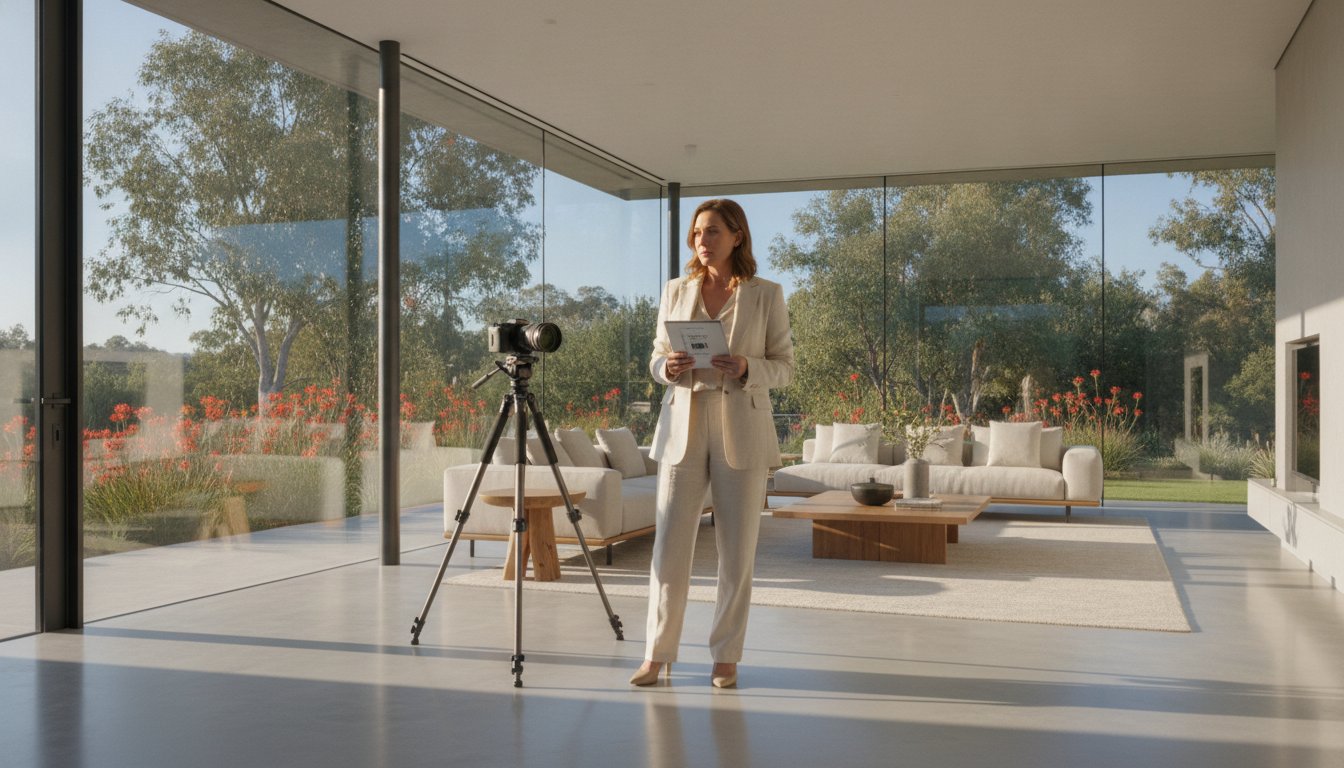
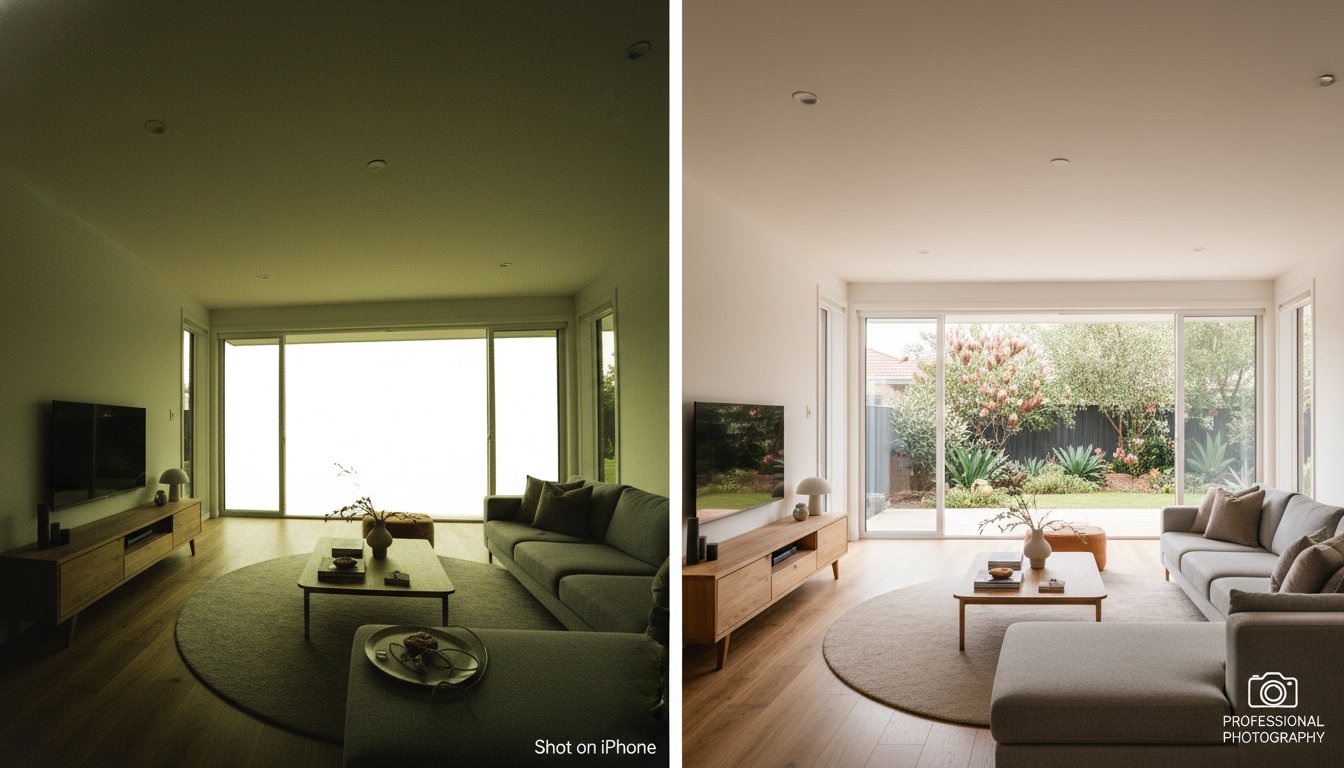
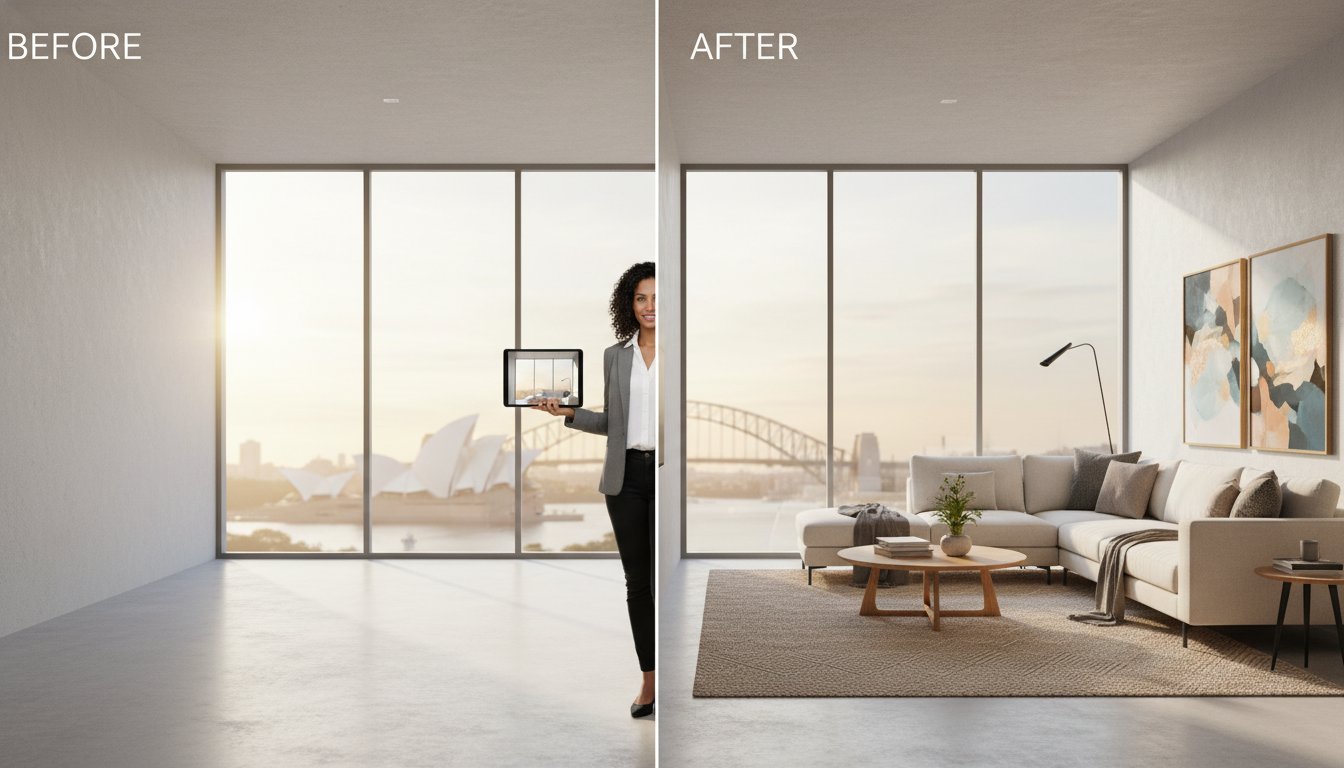
High-performance listings function as a cohesive marketing engine where text and imagery are inextricably linked. One of the most frequent real estate copywriting mistakes is treating these assets as isolated silos. Your written description must act as a technical tour guide for your professional real estate photography. While the image captures the aesthetic, the copy provides the necessary context, validating the visual proof presented to the buyer. This synergy is particularly crucial in 2026. National property listings increased by 12.4 per cent in July 2026 alone, meaning agents must be more precise to capture attention in a crowded market.
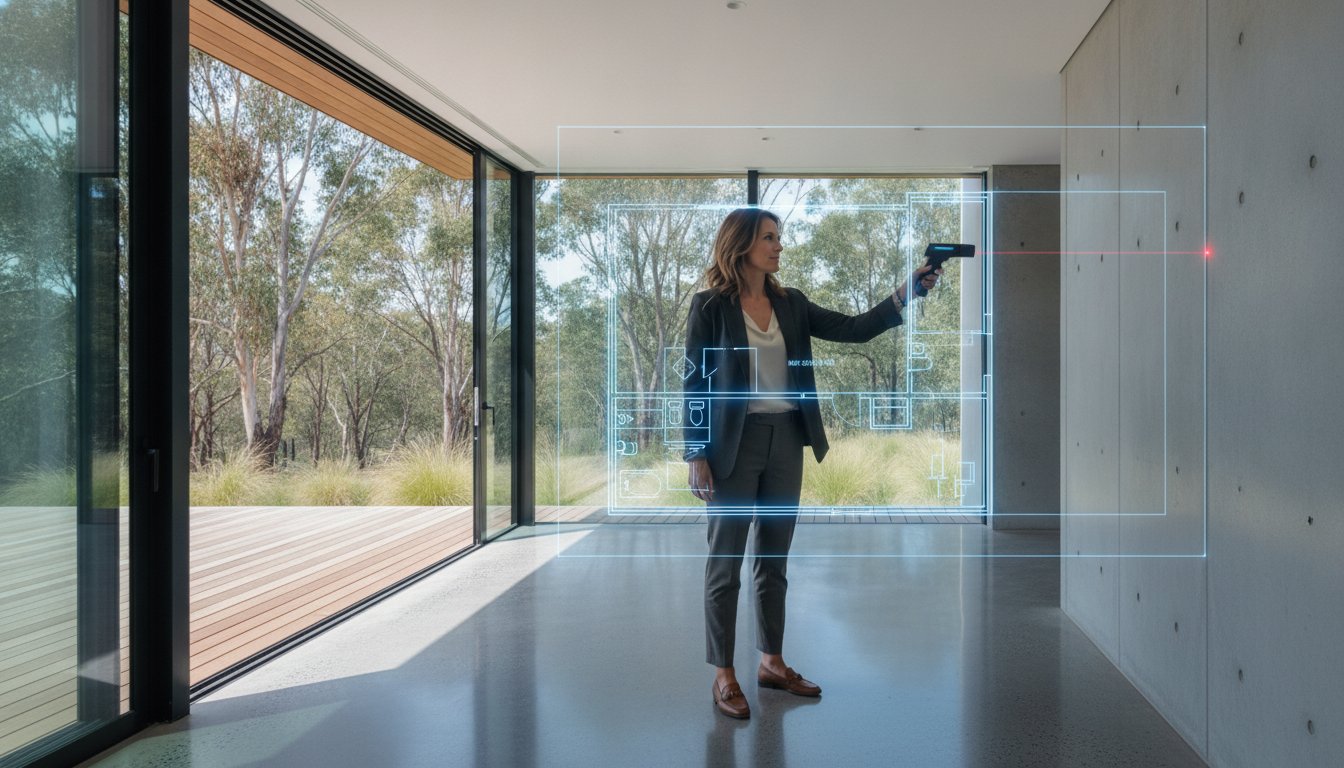
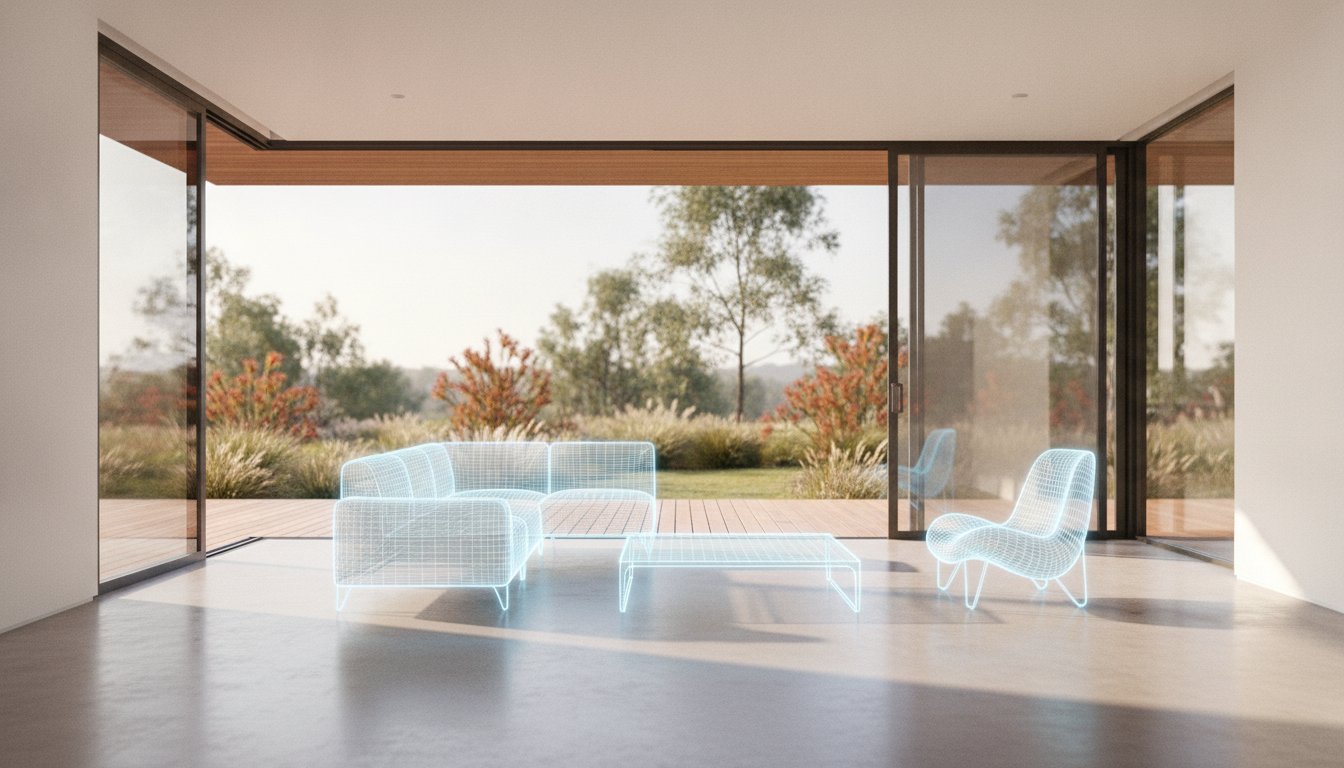
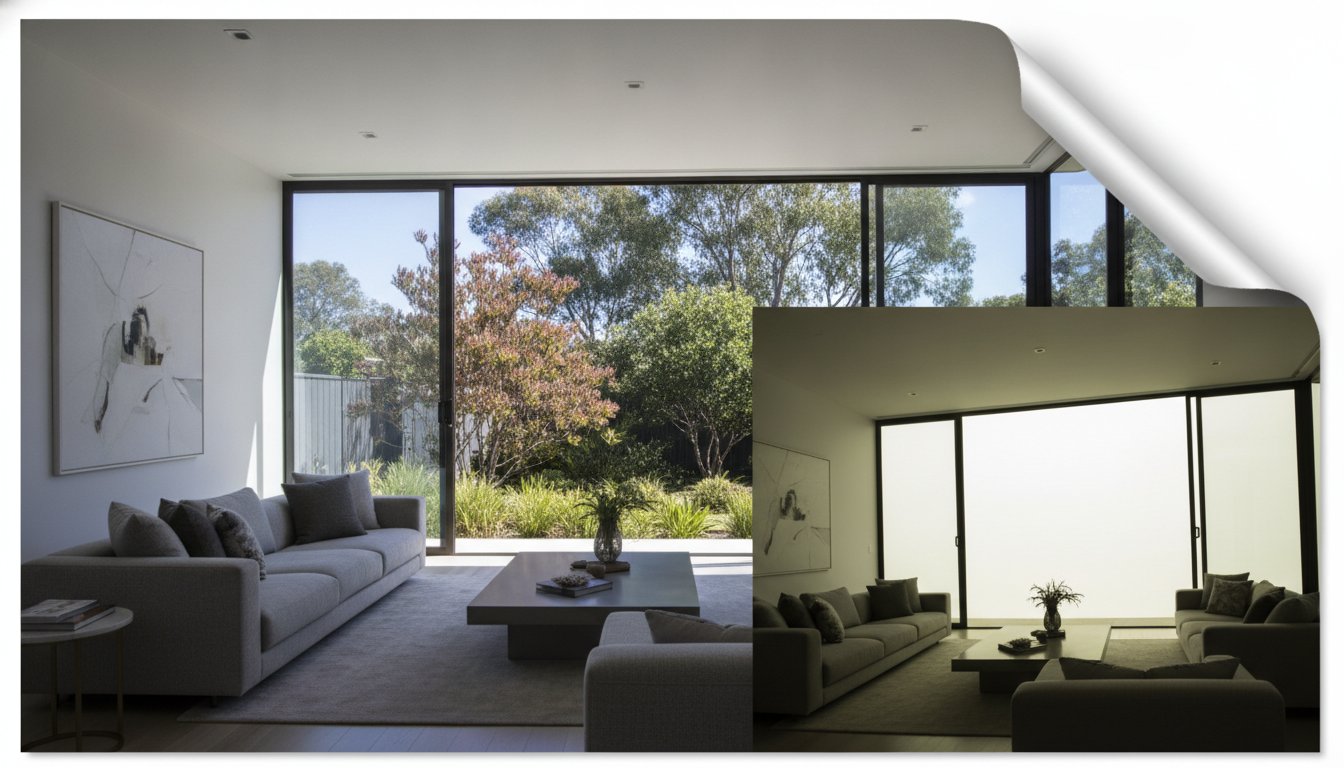
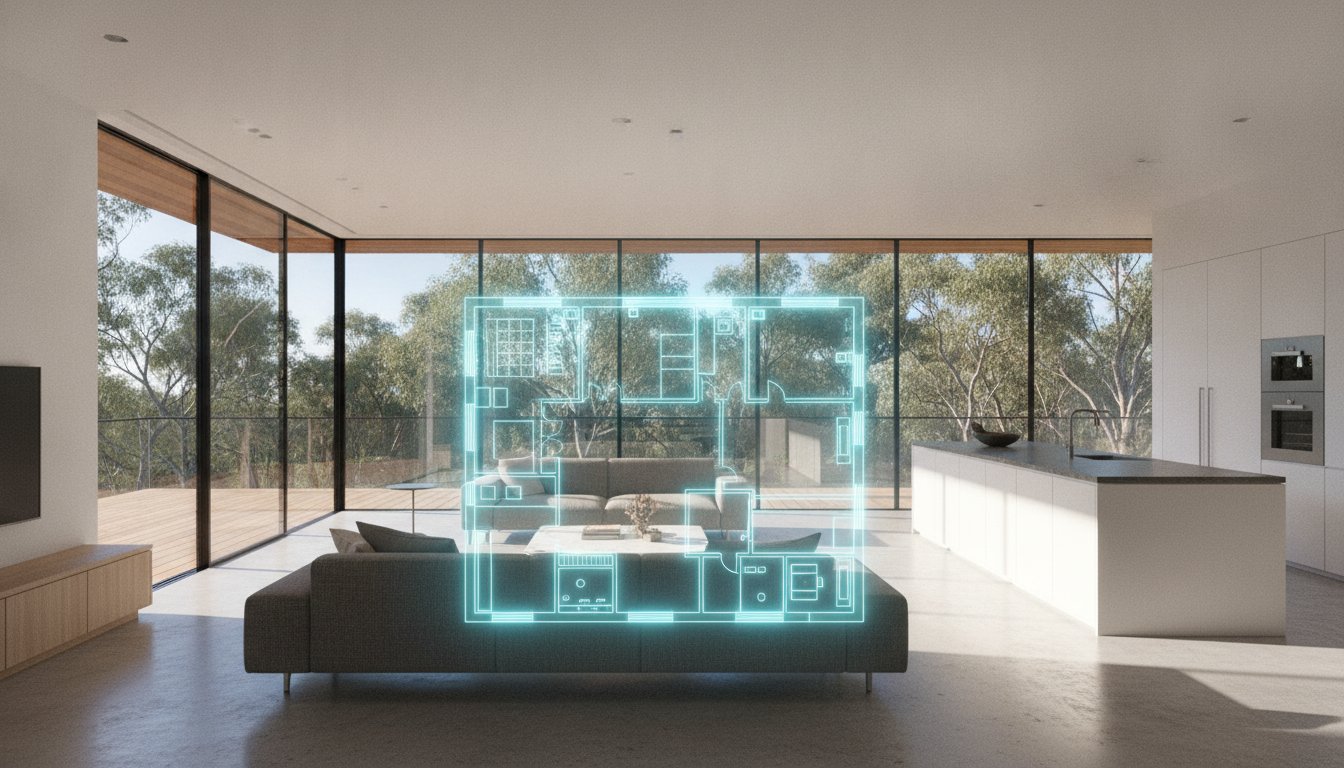
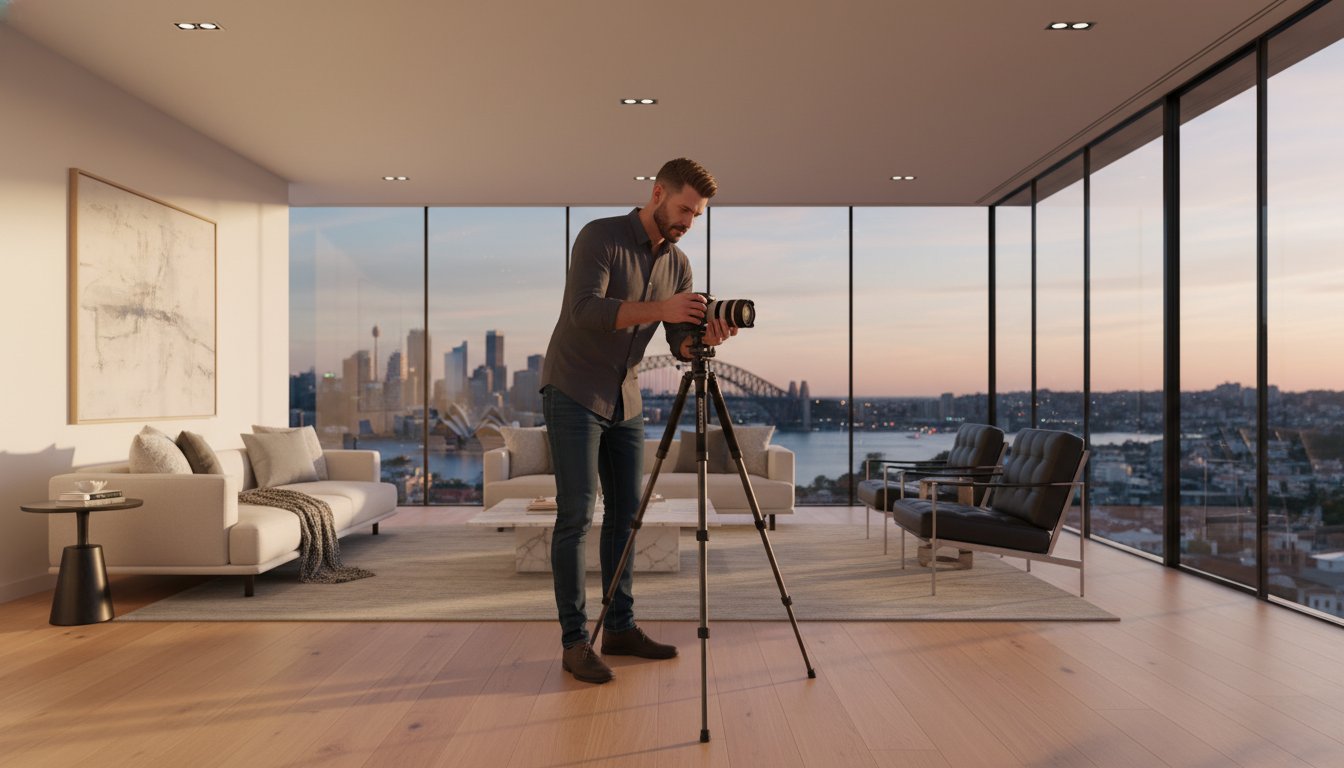
Copy should explicitly explain what a lens cannot capture. Use your words to describe the sensory experience of a home, such as "cool coastal breezes" or a "whisper-quiet street frontage." Highlight technical upgrades like hydronic underfloor heating or high-spec acoustic glazing that may not be obvious in a photo. Referencing real estate floor plans is also vital to explain complex spatial relationships. If a photo shows a large living area, the copy should confirm its dimensions and how it connects to the alfresco zone. To maintain professional integrity, ensure all claims align with the NSW Fair Trading advertising guidelines regarding factual accuracy in property representations. By avoiding these real estate copywriting mistakes, you ensure every marketing dollar spent on visuals is maximised by the text.
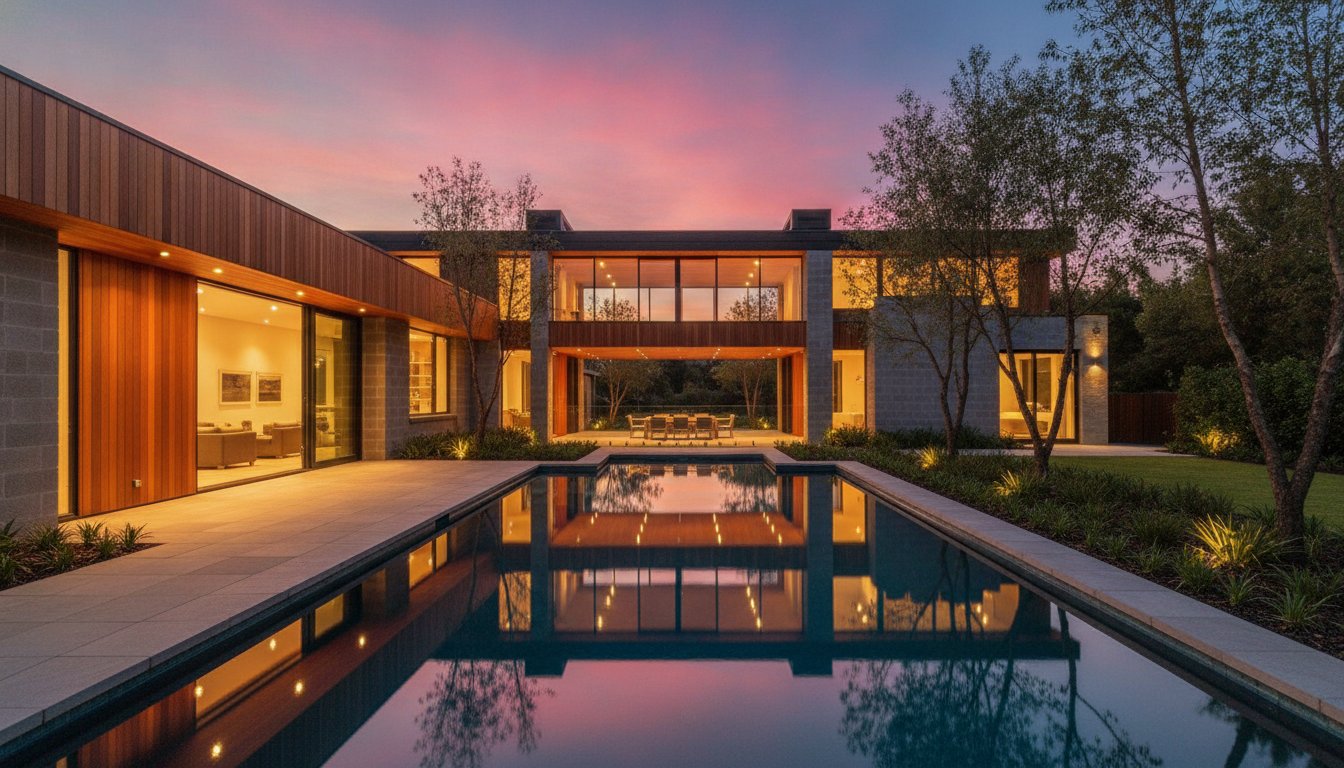
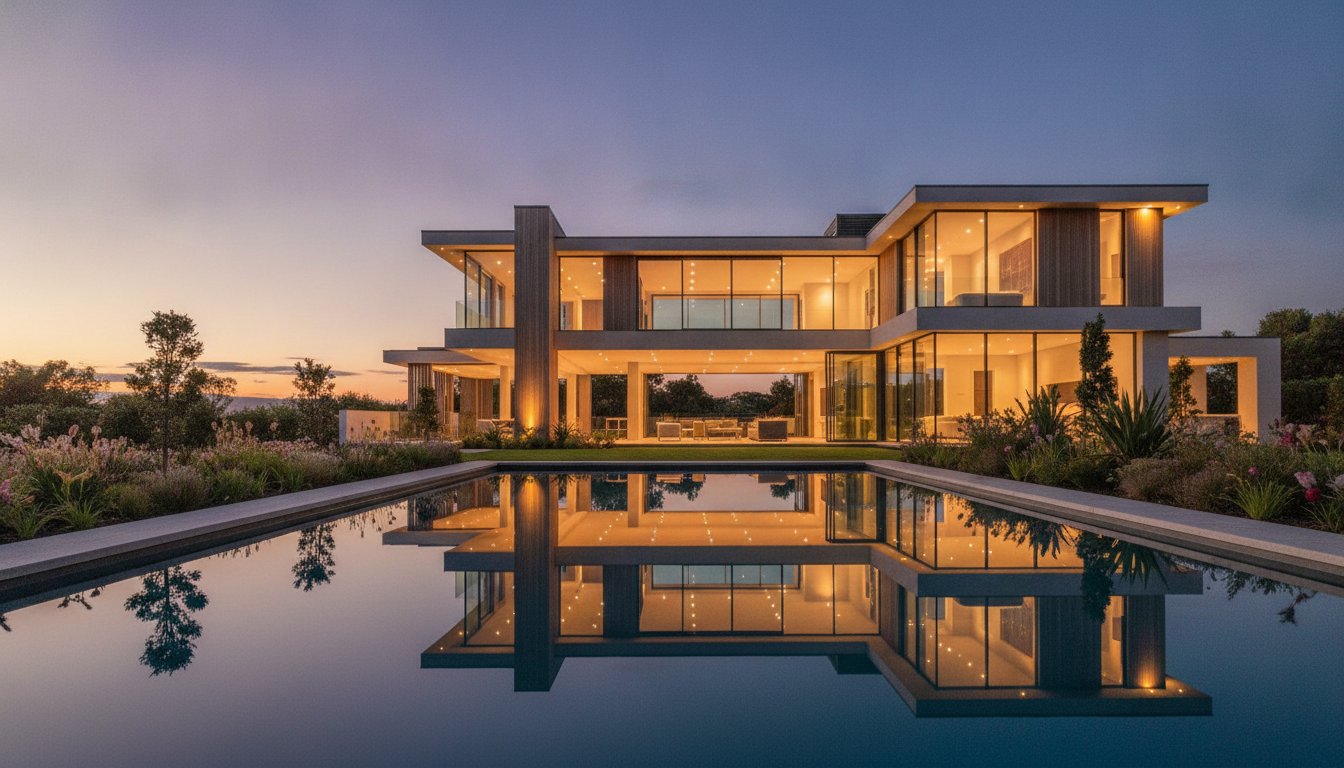
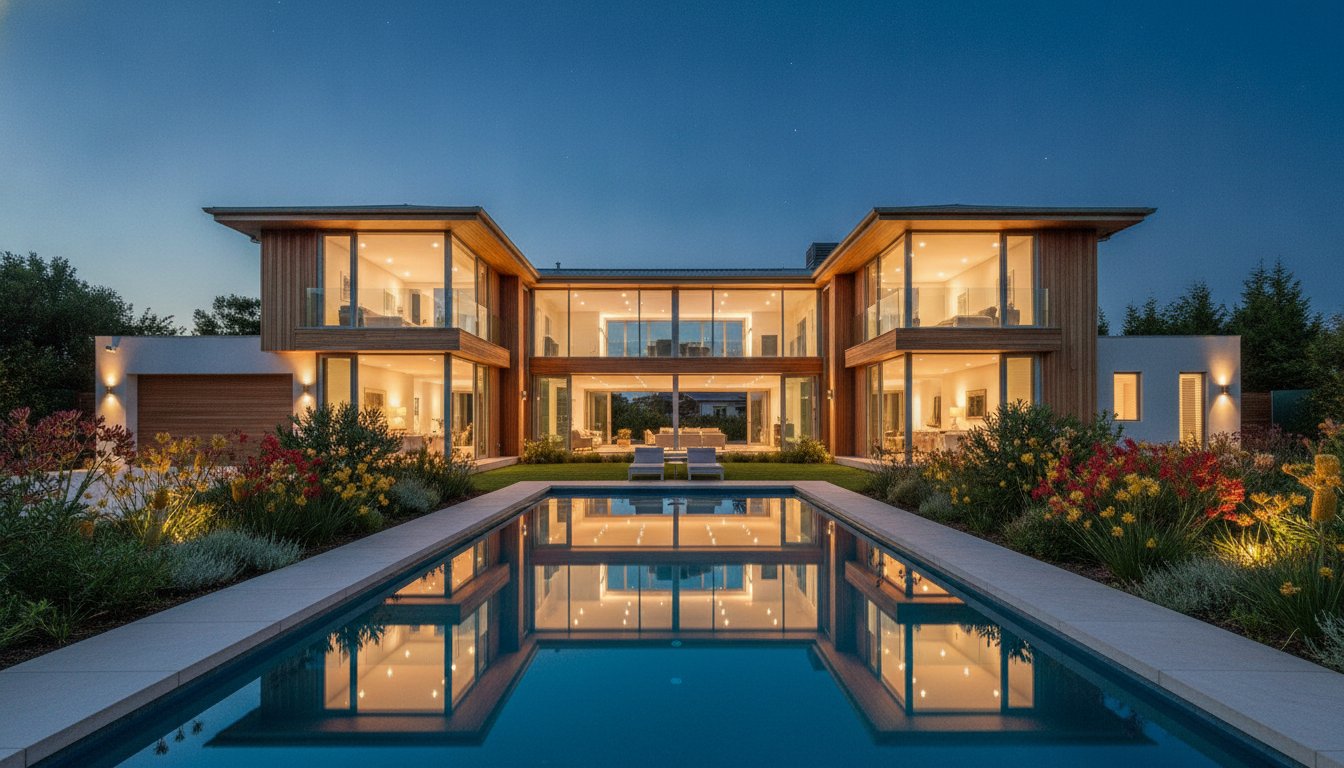
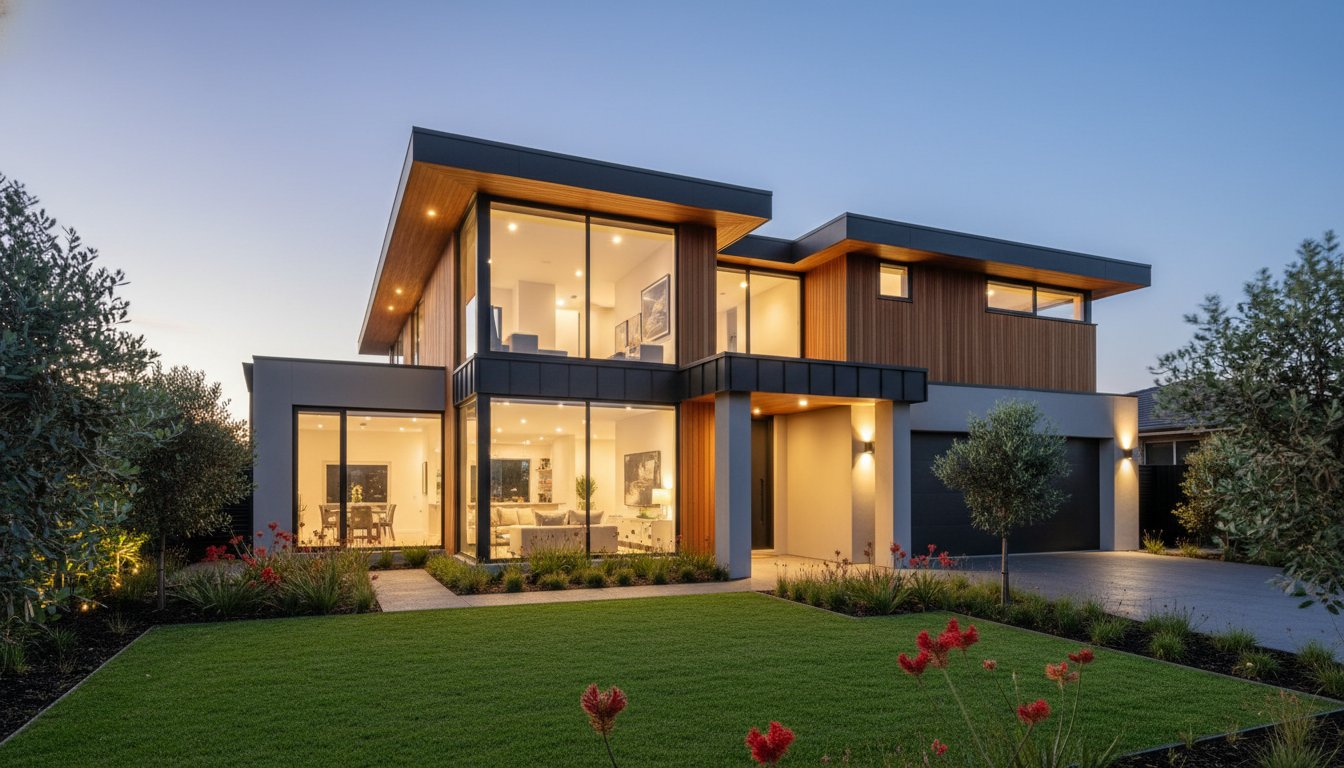
The opening sentence of your listing must validate the day or twilight photography used as the hero shot. If the primary image features a striking architectural facade at dusk, the copy should immediately reference that "commanding street presence" or "illuminated designer profile." This prevents cognitive dissonance for the buyer. Use your text to highlight premium finishes that might be lost in a wide-angle lens, such as book-matched marble or custom joinery. On social media reels, ensure your captions are brief and drive viewers toward the full listing details for the technical specifications.
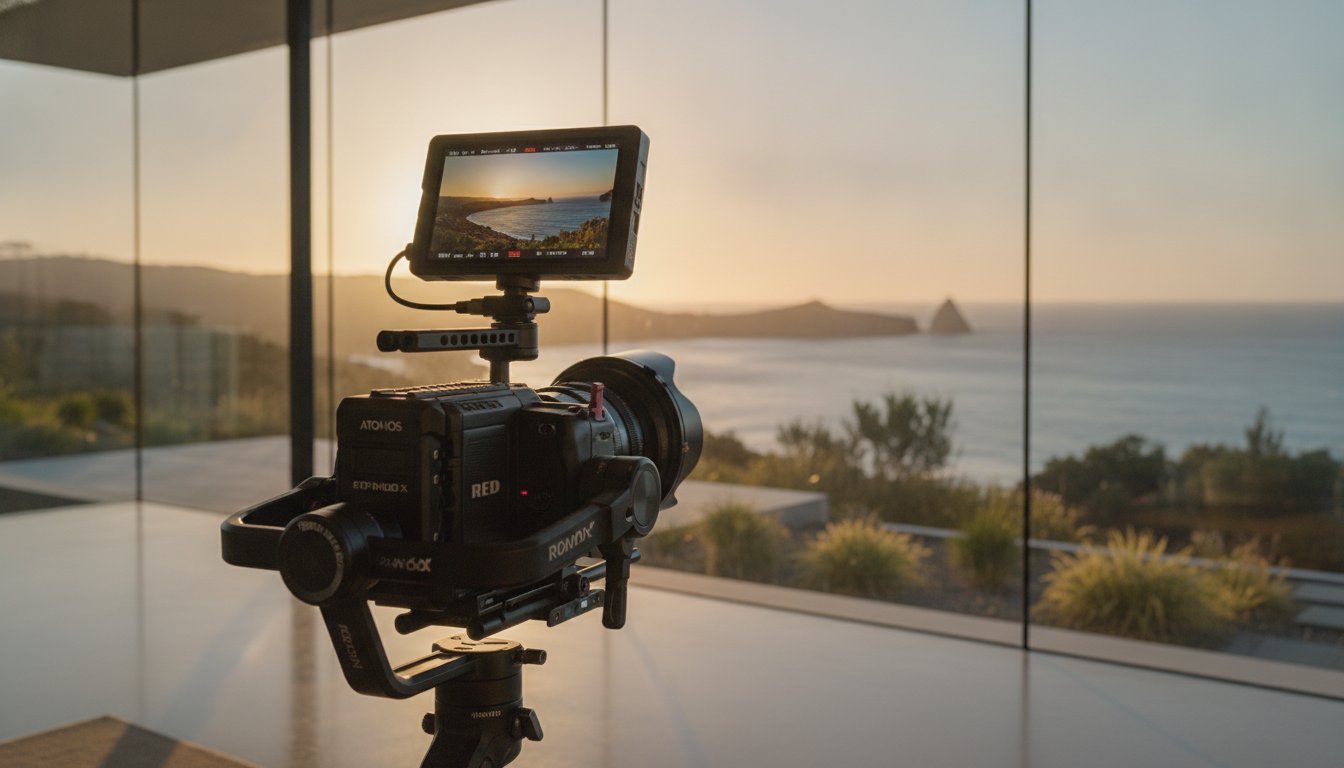
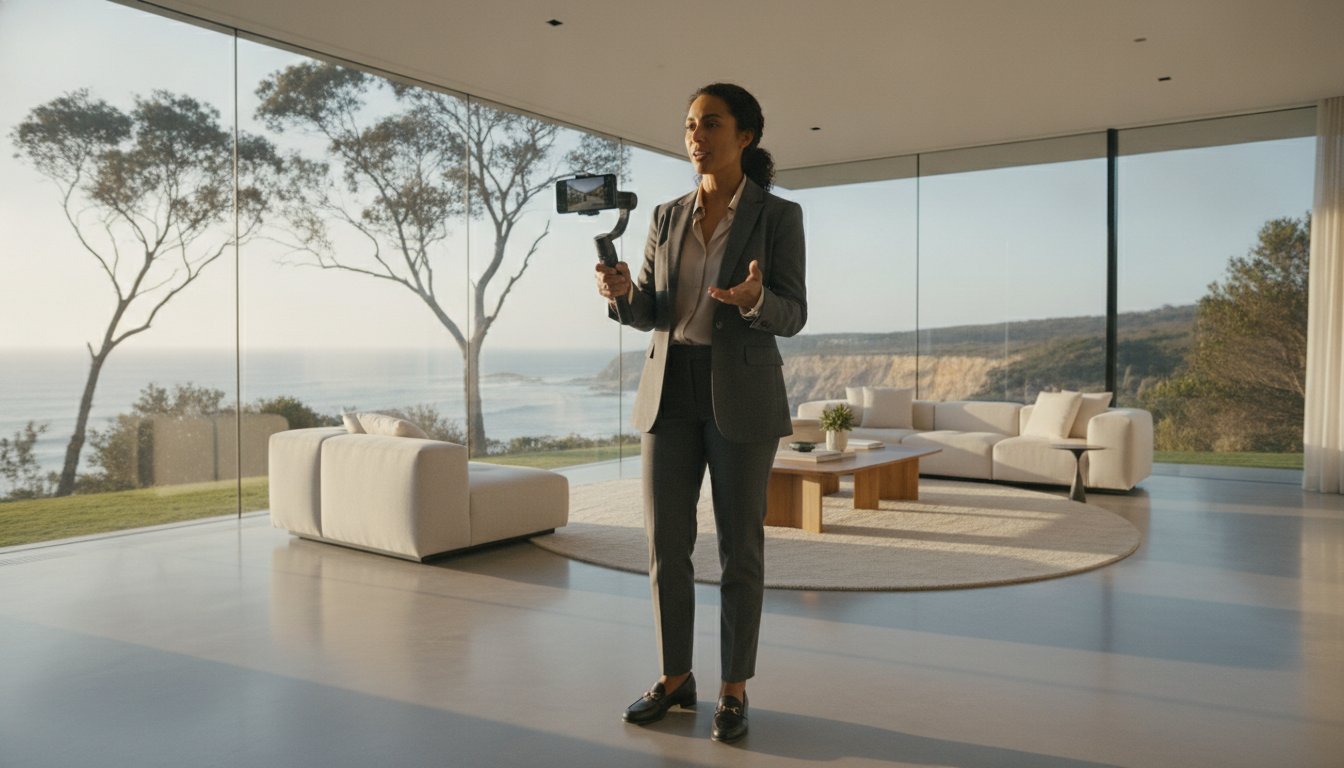
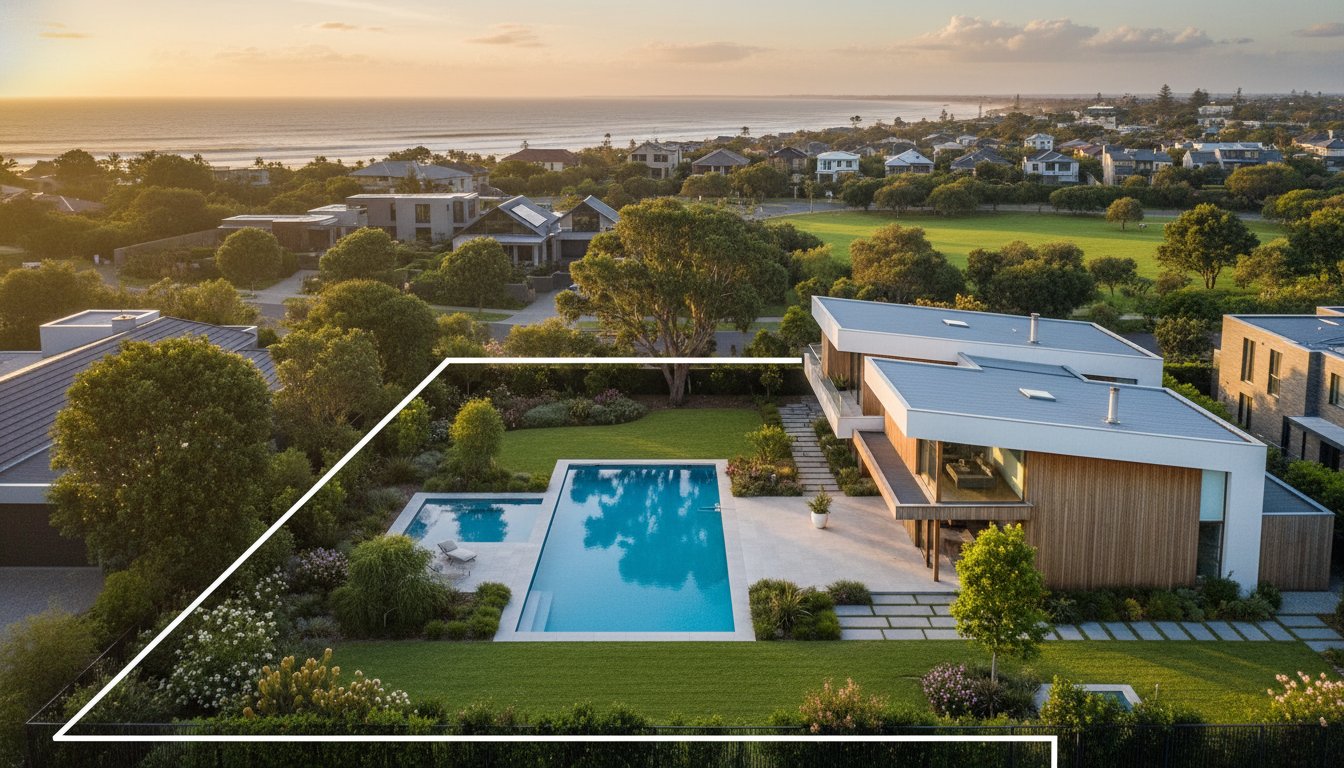
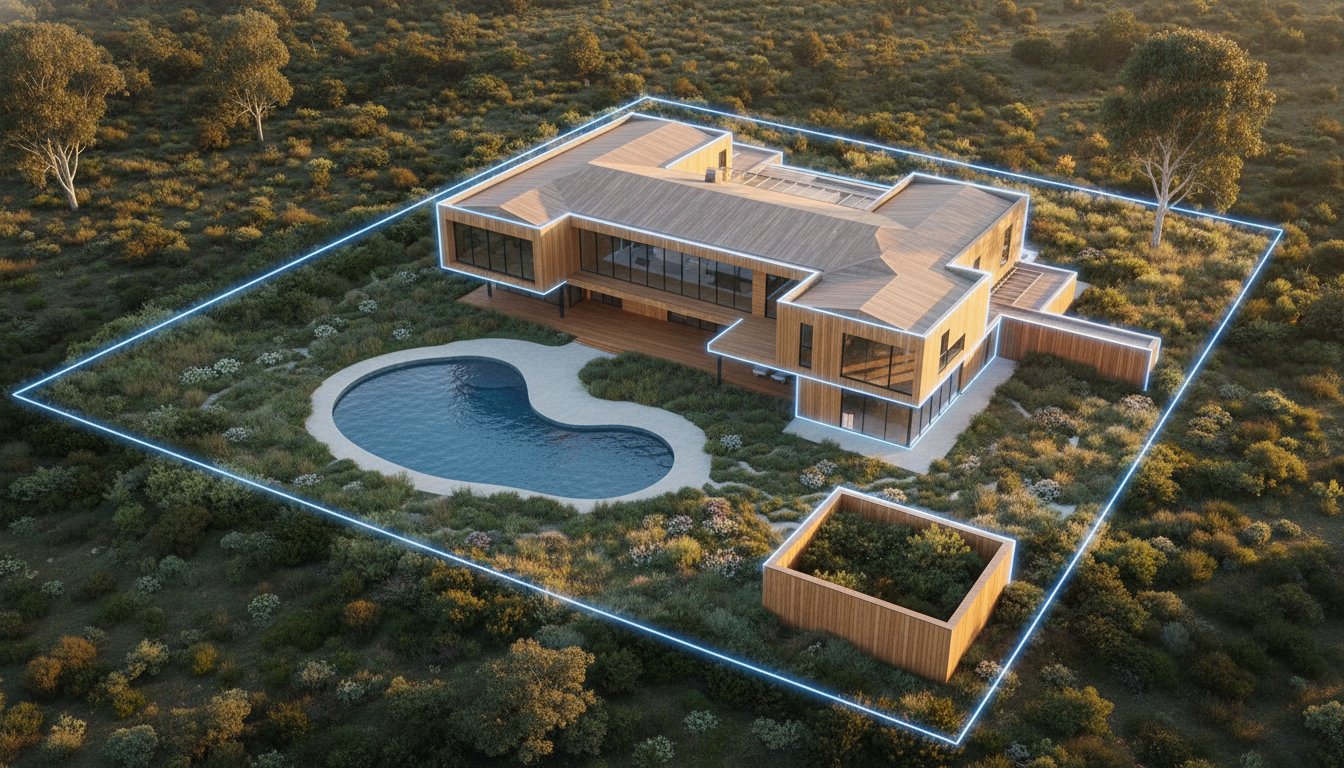
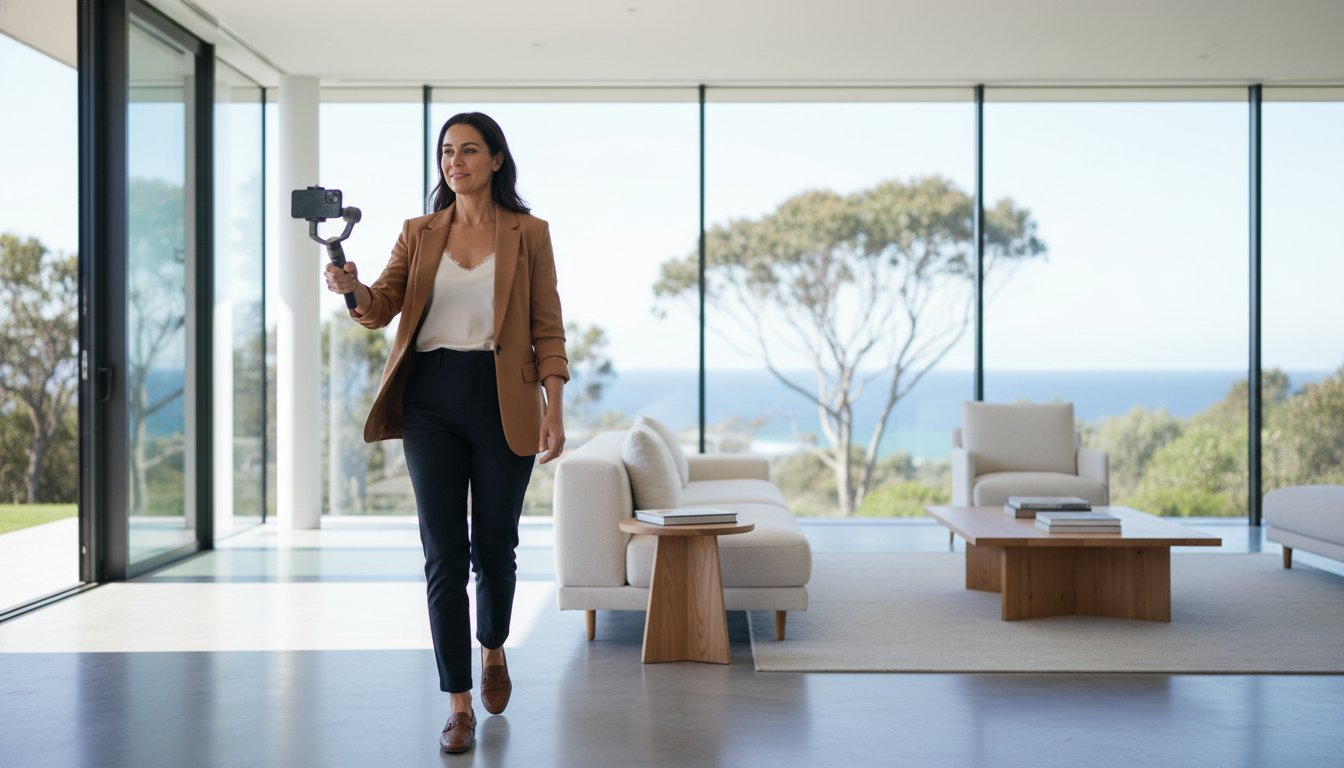
Use your written narrative to provide the broader location context captured in aerial drone photography. Explain the proximity to transport hubs or the exact distance to the shoreline. When integrating a video marketing tour, your copy should set the stage for the cinematic experience. It should invite buyers to view the lifestyle in motion. Direct potential purchasers to use the Matterport 3D Tour for a self-guided walkthrough. This allows them to verify the spatial logic of the floorplan at their own pace. This technical coordination reduces friction and builds immediate buyer confidence.

Language is the final filter through which a buyer evaluates your professionalism. In a market where Sydney and Melbourne dwelling values are under pressure, your choice of words determines whether a listing feels like a premium opportunity or a risky liability. One of the most common real estate copywriting mistakes is the reliance on 'agent speak', those tired cliches that buyers have learned to ignore. Replacing vague descriptors with technical, noun-driven clarity instils immediate trust and prevents your brand from appearing amateur. Correcting these real estate copywriting mistakes is the fastest way to elevate your agency’s market position.
Adjectives like 'oversized' or 'north-facing' provide a sense of scale and orientation that is verifiable. Conversely, subjective terms like 'charming' or 'cosy' often act as code for 'small' or 'outdated.' Using these can inadvertently devalue your brand. If a property has genuine weaknesses, adopt an 'honesty policy.' Frame a lack of parking as 'unrivalled proximity to transit' or a small yard as 'low-maintenance urban living.' This transparency builds rapport and qualifies the right buyers early. Precision in punctuation and grammar is also non-negotiable. A single typo in a million-dollar listing suggests a lack of attention to detail that can alienate high-end leads.
Specific material mentions suggest high-tier quality. Use 'Value Words' that signal durability and luxury to justify the price point. In 2026, where interest rates influence buyer capacity, emphasizing existing value is critical. Avoid 'Red Flag' words that imply hidden costs. Consider these distinctions:
Granite, Stainless, Landscaping, Bespoke joinery, and Zoned climate control.
Potential, TLC, Fixer-upper, Original condition, and Motivated seller.
Translating cliches is essential for modern marketing. 'Cosy' becomes 'efficient floorplan'. 'Original condition' becomes 'an opportunity for bespoke modernisation'. This shift in vocabulary moves the reader from identifying a problem to envisioning a solution while maintaining a professional, authoritative tone.
Your CTA is the bridge to conversion. Passive instructions like 'Contact the agent' are frequently ignored by modern browsers. Use imperative verbs to drive engagement and provide a clear, action-oriented path. 'Book your private inspection' or 'Register for the auction' sounds more professional and urgent. Given the 2026 requirements for price transparency in NSW, ensure your CTA aligns with the mandatory Statement of Information. State clear EOI deadlines to create a sense of professional urgency without resorting to desperate language.
The most expensive hour in an Australian agent's day is the one spent struggling with a blinking cursor. In a market where national property listings have surged by 22.8 per cent over the last year, speed is no longer just a preference; it's a technical requirement. Taking a DIY approach is often one of the most costly real estate copywriting mistakes an agency can make. When you calculate the opportunity cost, the time spent drafting a single description is time lost from high-value activities like appraisals, listing presentations, and closing negotiations. Professional property marketing services allow you to treat copy as a modular, high-quality product rather than a logistical bottleneck.
Integrating professional copy into your broader digital brand ensures that your social media reels and portal listings maintain a consistent, premium tone. By delegating this task, you ensure that every property, from a compact studio to a multi-million dollar estate, receives the same level of technical precision. A 24-hour turnaround for finished content provides a significant competitive advantage, allowing you to go live while buyer interest is at its peak. This efficiency is the infrastructure required for a modern, results-driven partnership.
Delegating your copy removes the emotional bias that often clouds an agent's or vendor's perspective. A professional writer identifies the most marketable features with objective clarity, ensuring the sales message remains focused and punchy. Beyond the narrative, expert writers understand the mechanics of SEO. They create descriptions that are optimised for both portal algorithms and Google Search rankings, ensuring your listing reaches the widest possible audience. This technical expertise prevents common real estate copywriting mistakes that lead to poor visibility and low enquiry rates. Freeing yourself from the writing process allows you to focus on the human elements of the transaction where your expertise is most needed.
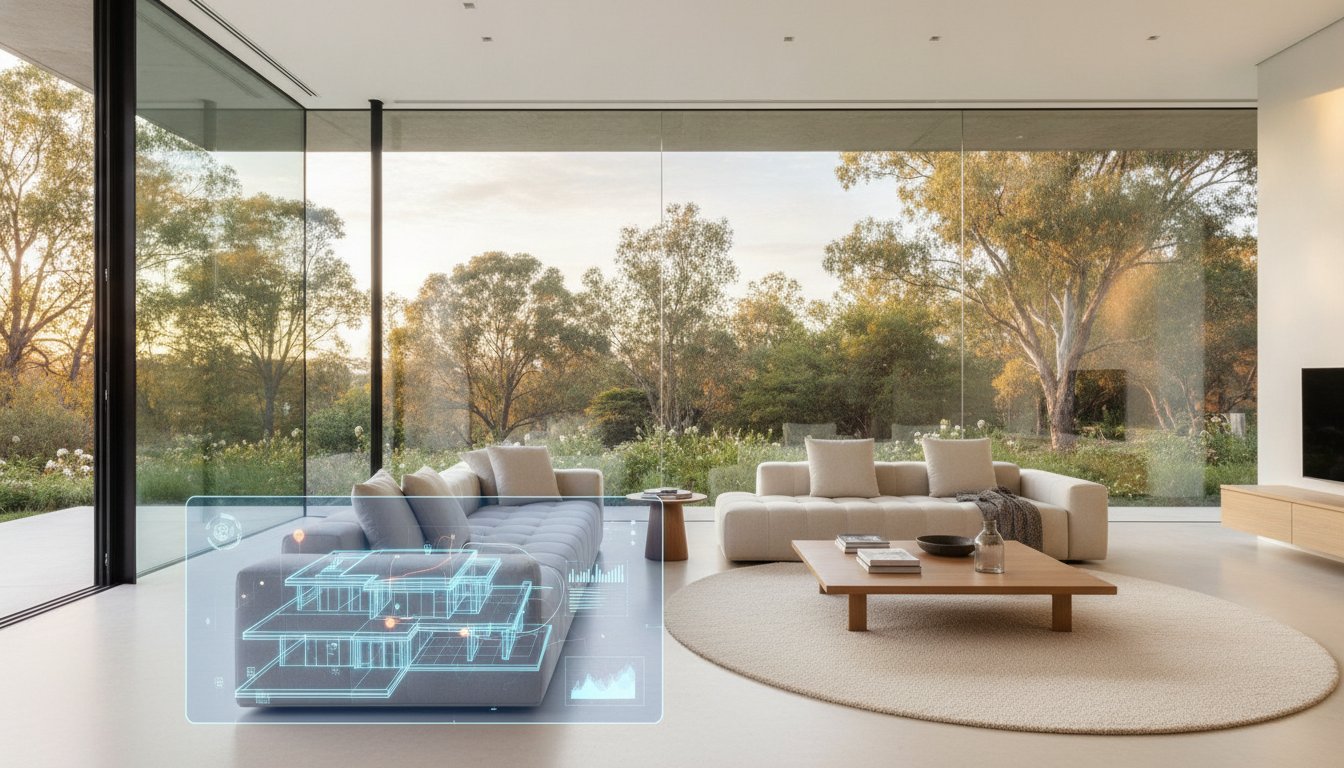
UberRE provides a tech-forward solution that standardises marketing excellence across your entire agency. Our platform combines professional photography with construction-grade floorplans and expert copy, delivered via a single, streamlined booking interface. This integrated approach ensures that your floorplans provide the technical "proof" for the lifestyle "promises" made in the text. By utilizing our national network of specialist copywriters, you receive a standardised, premium brand voice that instils immediate trust in industry professionals. We move away from the unpredictable nature of freelance work toward a corporate, results-driven partnership that values your time and prioritises high-quality, standardised output for every listing.
Mastering the technical balance between visual proof and written persuasion is the key to standing out in a crowded 2026 property market. By synchronising your professional photography with benefit-driven narratives and mobile-optimised structures, you ensure your listings capture attention within the critical first three seconds. Eliminating common real estate copywriting mistakes isn't just about better grammar; it's about building a standardised, premium brand voice that instils immediate buyer trust and drives higher quality leads.
Transitioning from a DIY approach to a tech-integrated marketing solution provides the speed and consistency required for modern efficiency. UberRE delivers national excellence with a 24-hour turnaround on all visual and written content. Our expert Australian copywriters work alongside our photographers and floorplan specialists to provide a total service assurance that saves you time and elevates your agency's professional profile.
Start streamlining your listing workflow today and secure your position as a forward-thinking leader in the Australian property sector.
Target a length of 200 to 300 words for your main editorial narrative to maintain high engagement on mobile devices. While portals like realestate.com.au allow for more text, buyers in a fast-paced market prioritise skimmability. Focus your highest-impact information in the first 100 words to ensure the core value proposition is seen before the user needs to scroll.
Use a hybrid approach for maximum effectiveness. Paragraphs are essential for creating a lifestyle narrative and emotional connection, while bullet points are required for technical specifications. This structure caters to both the emotional browser and the logical decision-maker, ensuring that vital data like land size and internal finishes are easily digestible at a glance.
Adopt a transparent "honesty policy" to build immediate trust with prospective purchasers. Avoid tired cliches like "fixer-upper" and instead frame the home as a "prime opportunity for bespoke modernisation" or a "blank canvas for architectural renewal." Highlighting the "raw potential" or "solid bones" of a structure attracts serious renovators while qualifying the lead early in the process.
Prioritise "hero features" that validate your primary visual assets, such as north-facing orientations, panoramic views, or premium kitchen joinery. Include technical infrastructure that buyers cannot see in photos, such as school catchment zones, energy efficiency ratings, and proximity to transport hubs. These details provide the logical "proof" for the lifestyle "promises" made in your opening hook.
Synchronise your written copy with high-energy Social Media Reels and video tours. Use punchy, action-oriented captions that create immediate curiosity rather than trying to tell the whole story. Drive users toward a clear call to action, such as clicking a link for the full technical specifications and floorplans, to move them from social browsing to your active sales funnel.
Professional writers are essential to eliminate common real estate copywriting mistakes that devalue your brand and lower enquiry rates. Outsourcing this task removes emotional bias and ensures your descriptions are optimised for both SEO and portal algorithms. It also creates a massive time-saving advantage, allowing you to focus on high-value tasks like appraisals and closing negotiations.
AI can serve as a useful tool for generating initial structural drafts, but it requires significant human oversight for local accuracy. Automated tools often lack the nuanced understanding of Australian market conditions and 2026 legal requirements, such as NSW underquoting reforms. A professional human edit is necessary to ensure the tone remains authoritative and the facts are verifiable.
The most effective call to action uses imperative verbs to drive immediate user engagement. Avoid passive phrases like "For more information, call the agent." Instead, use direct, action-oriented instructions such as "Book your private inspection," "Register for the auction," or "Download the contract of sale." This creates a sense of professional urgency and provides a clear path for the buyer to take the next step.

-2.png)