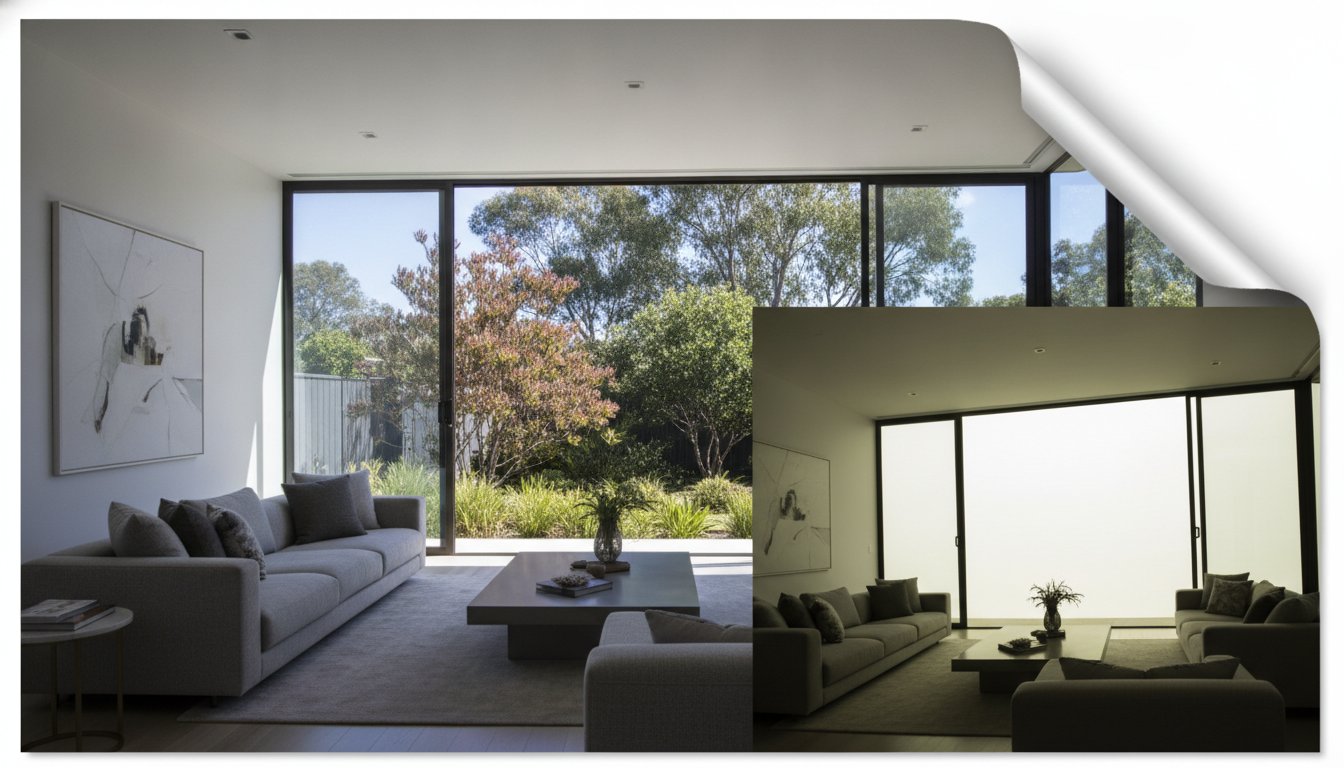
Did you know that 89 per cent of home buyers consider photos the most critical factor when searching for a property online? Despite this, many agents still find themselves stuck with dark, distorted images that make a premium listing look cheap. Knowing how to spot a bad real estate photographer before you book them is the difference between a fast sale and a stagnant listing. It's about moving beyond the "iPhone trap" and ensuring your marketing partner delivers an Uber-standard, high-quality output every single time.
You likely already understand that inconsistent quality and missed deadlines are more than just a nuisance; they're a direct threat to your professional brand and your vendor's bottom line. Protect your reputation. This guide provides a technical checklist to help you vet photographers like a specialist. Identify the subtle business warning signs and technical red flags that separate a hobbyist from a true property marketing partner. We examine everything from poor vertical alignment to the integration of construction-grade technical tools, giving you the resources to secure a streamlined workflow and higher click-through rates.
• Identify technical failures like leaning vertical lines and blown-out windows that instantly signal an amateur approach.
• Recognise that a 24-hour turnaround and integrated booking portals are non-negotiable benchmarks for professional reliability.
• Learn how to spot a bad real estate photographer by assessing their ability to manage high-contrast Australian sunlight and dynamic range.
• Understand the "First 2 Seconds" rule and how poor-quality imagery negatively impacts your digital shopfront.
• Transition to a standardised marketing partner to eliminate inconsistent quality and streamline your property listing workflow.
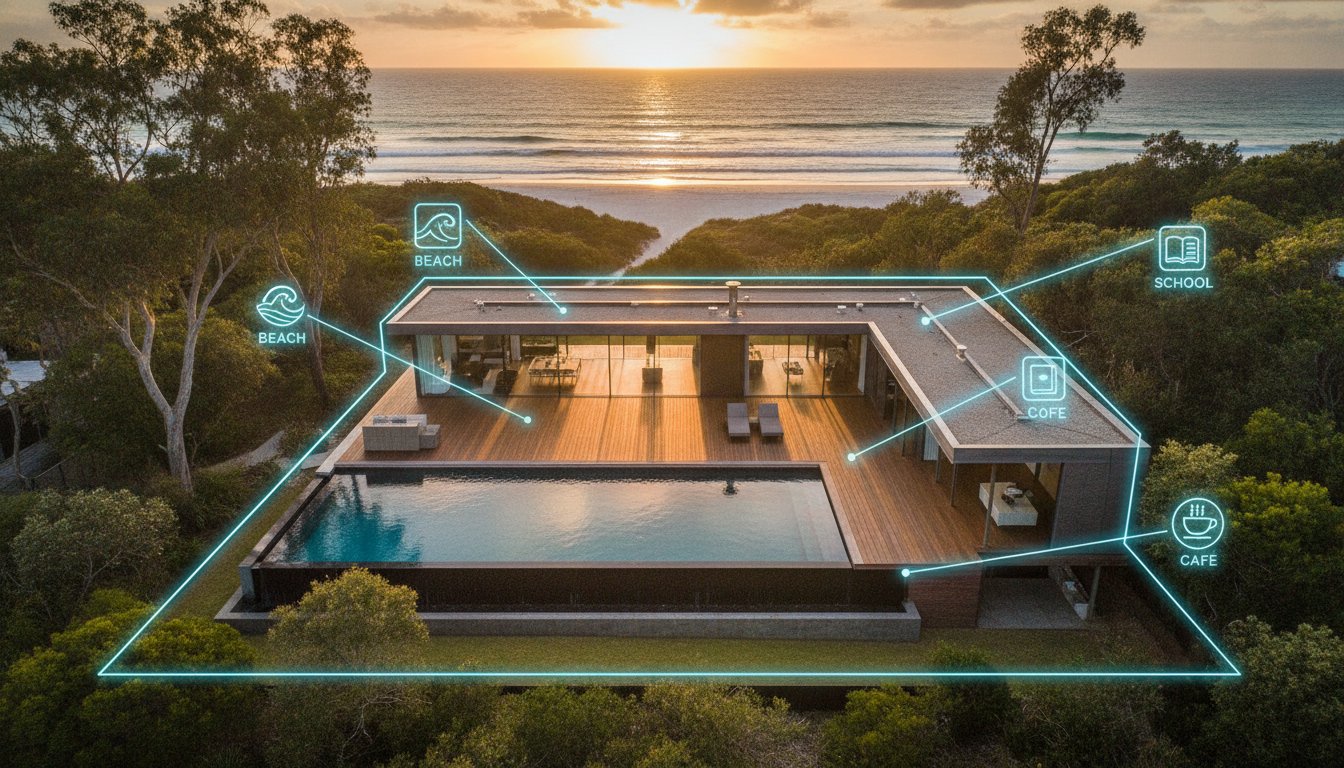
In the 2026 Australian market, your listing photos serve as your primary digital shopfront. Buyers aren't just browsing; they're filtering at high speed. If your imagery looks amateur, you've already lost the lead. Research from Gitnux indicates that 89 per cent of home buyers consider photos the most critical factor in their search. When you fail to meet this expectation, you trigger the "First 2 Seconds" rule. This is the brief window where a user decides to click through or bounce. Poor imagery causes an immediate "click away" response, sending potential buyers straight to a competitor's listing. Understanding how to spot a bad real estate photographer is essential to prevent this digital friction.
Amateur photography does more than look "cheap"; it actively strips perceived market value from a property. When a photographer ignores core Architectural photography principles, the results are often disastrous for the vendor. Poor lighting makes a bright, open-plan living area feel like a dark cavern. Cramped angles and improper lens choice make spacious master suites look uninviting and small. There is a direct psychological link between photo quality and perceived market value. Statistics from DMR Media show that homes marketed with high-quality professional photos can sell for up to 47 per cent more per square foot. Today's vendors are tech-savvy. They know what premium marketing looks like and expect a level of visual sophistication that justifies your commission.
Every listing you take to market is a public portfolio for your next listing presentation. If you consistently use amateur photographers, you're branding yourself as a budget-tier agent. This makes it significantly harder to win "Appraisals" or "Authorities to Sell" in competitive suburbs where presentation is everything. High-quality, standardised visuals help you project an image of modern efficiency and total service assurance. The hidden cost of "cheap" photography isn't just the small fee you save upfront. It's the thousands of dollars in lost commissions from potential vendors who choose another agent with higher visual standards. Knowing how to spot a bad real estate photographer protects your reputation and ensures you remain the go-to specialist for premium property marketing.
Maintaining a high standard across all your visual assets, including your personal profile, is essential for a cohesive brand; you can learn more about BR-Photography for professional portraiture that aligns with a premium market presence.
Beyond the immediate visual impact, bad photography creates a ripple effect of inefficiency. Low-quality enquiries from "bargain hunters" replace high-intent buyers, wasting your time on properties that should have moved quickly. To maintain a streamlined marketing workflow, you need a partner who understands the technical science of property marketing, not just someone with a camera and a hobbyist's mindset. Investors who value this professional efficiency often apply the same rigour to their portfolio management, using PropAlly to track cash flow, tax, and compliance for their rental properties.
Vetting a portfolio requires looking past the subject matter to the technical execution. Many agents mistake a "pretty" house for a good photograph. However, true professional real estate photography is a science of precision. If you want to know how to spot a bad real estate photographer, start with vertical line discipline. In a professional shot, walls and door frames must be perfectly vertical. If the walls appear to lean inwards or outwards, the photographer has failed to level their camera or correct the perspective in post-production. This "leaning" effect creates a subtle sense of instability that unbalances the entire listing.
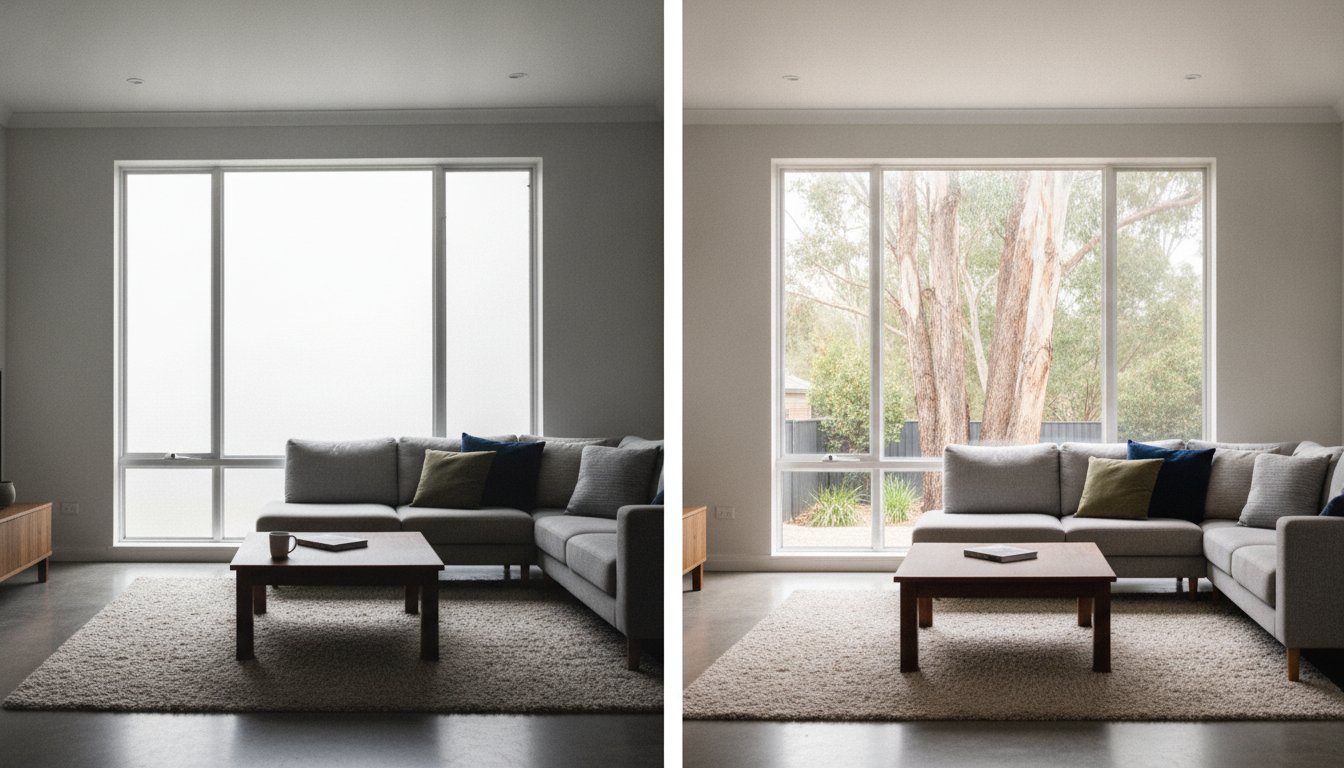
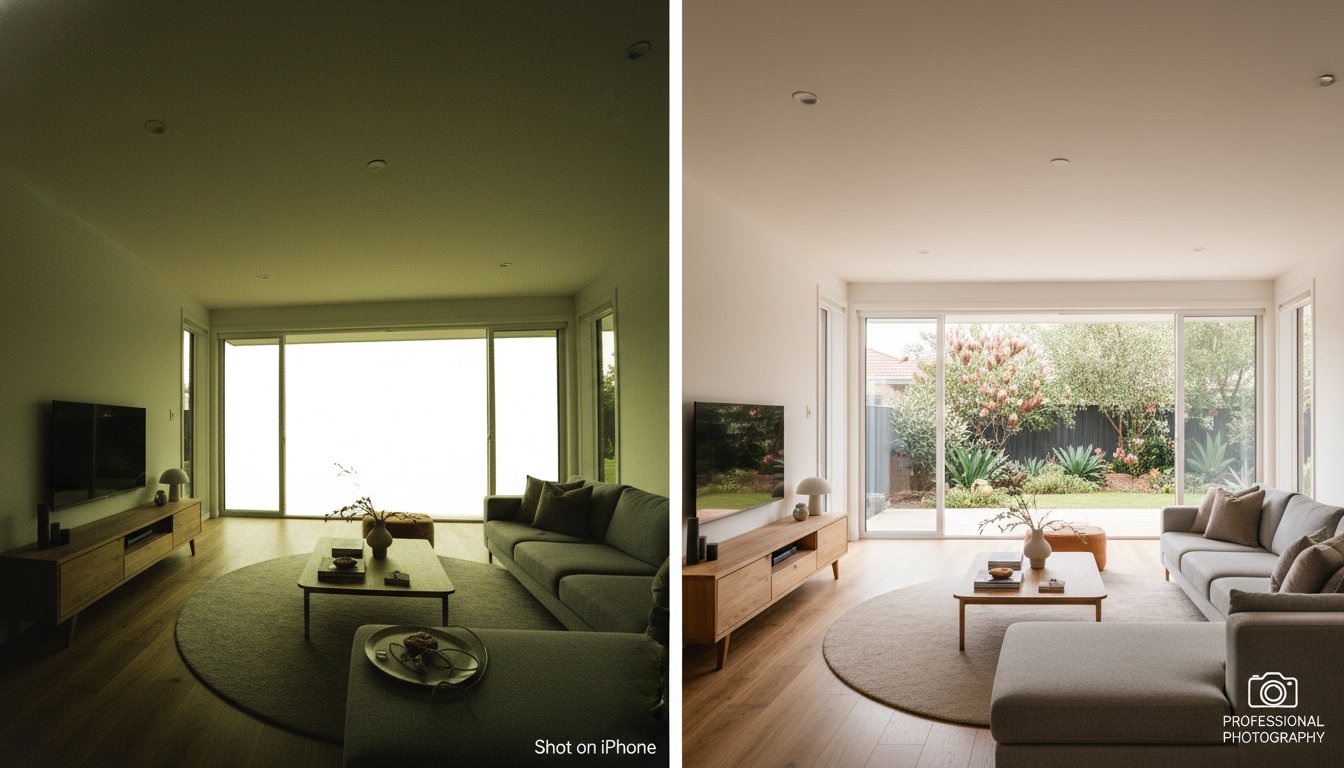
Next, apply the "Blown-Out Window" test. Look at the windows in interior shots. Can you see the garden, the pool, or the streetscape? Or is the window just a glowing white void? Amateurs often struggle with dynamic range, leading to overexposed windows that hide the property's surroundings. A professional uses advanced bracketed exposures or flash-ambient blending to ensure the view outside is as clear as the room inside. Similarly, watch for "Nuclear" colours and HDR ghosting. Over-processed images with neon-green grass and unnaturally orange floorboards look deceptive. Buyers today value transparency; unrealistic edits lead to disappointment during the physical inspection.
Camera placement dictates the flow of a room. Professionals generally follow the "Chest Height" rule. Shooting from eye level makes furniture look small and emphasises the ceiling. Shooting too low makes the room feel like a cavern. The goal is a balanced perspective that highlights the floor plan. Identify "dead space" by checking if the frame contains too much ceiling or carpet. A superior shot utilises a 3-wall composition to show depth and scale, helping buyers understand how the space connects. If the portfolio features "fish-eye" distortion where a small bedroom looks like a football field, it's a major red flag. This misleading tactic breaks trust with potential buyers.
Mixed lighting is a common disaster for uncertified freelancers. Interior globes often cast an orange hue, while natural light from windows is blue. A bad photographer leaves these competing temperatures uncorrected, resulting in muddy, unattractive colours. Professional standards require neutral, accurate colour balance that feels "lived-in" rather than clinical. Shadow management is equally vital. Scan the images for the photographer's reflection in mirrors or shadows of tripods on the floor. These technical lapses distract from the property and signal a lack of attention to detail. To ensure your listings meet a higher, standardised quality, register for a professional account to access vetted marketing specialists.
Technical brilliance is irrelevant if the operational side of the partnership is broken. If you're wondering how to spot a bad real estate photographer, look at their booking system. A professional doesn't operate via text message or Instagram DMs. If your photographer lacks a dedicated booking portal, you're dealing with an amateur who hasn't invested in the infrastructure required for high-volume agency work. This lack of systems inevitably leads to missed appointments and administrative friction that slows down your listing cycle.
The 24-hour benchmark is now the industry standard for property marketing. In the competitive Australian market, waiting 48 or 72 hours for edits is a significant bottleneck. Professional partners provide a total service assurance, guaranteeing that your media is ready for the portal the very next day. Reliability also extends to insurance and compliance. Always verify that your photographer carries public liability insurance. It's a boring detail until a tripod tips over on a vendor's expensive marble floor or a drone malfunction occurs. An uncertified, uninsured operator is a massive liability to your agency.
Professional delivery is about more than just sending a link. Bad photographers often rely on messy cloud folders or expiring WeTransfer links that clutter your inbox. Look for partners who provide sleek, permanent galleries where you can easily download different resolutions for print and web. This workflow should allow for easy integration with other essential assets like real estate floor plans and site maps. Revisions should be a standardised part of the process. Whether you need a quick sky replacement for a grey-day shoot or a minor digital de-clutter, a professional partner handles these requests through an organised feedback loop rather than a series of back-and-forth emails.
Relying on a solo "one-man-band" freelancer is a risk to your business continuity. When they get sick or go on holiday, your marketing grinds to a halt. A corporate marketing partner eliminates this "lottery" by providing a team of vetted specialists. This ensures consistent quality across all your listings, regardless of which individual is behind the lens. Standardised pricing is another hallmark of a professional entity. You should know exactly what a shoot costs before you book. Avoid the inconsistency of "quote on the day" pricing, which makes it impossible to provide accurate marketing quotes to your vendors. Choosing a tech-integrated solution provider ensures your workflow remains streamlined as your agency grows.

Modern smartphones are impressive, but they aren't professional tools for high-end property marketing. A $2000 phone cannot compete with a full-frame sensor and a dedicated wide-angle lens. The primary issue is sensor size. Small phone sensors struggle with dynamic range, particularly in the harsh, high-contrast Australian sunlight. When you're looking for how to spot a bad real estate photographer, check if they rely solely on mobile devices or "consumer-grade" gear. Professional equipment allows for the capture of detail in both the brightest windows and the darkest corners simultaneously, something mobile AI still cannot replicate without looking artificial.
Lighting is another clear differentiator. Amateurs often rely on the camera's auto-exposure, resulting in flat, uninspiring images. High-end day photography requires "off-camera" lighting to add depth and dimension to a room. This technique highlights textures and ensures colour accuracy across different surfaces. Software-based solutions like "Portrait Mode" are designed for faces, not floor plans. They often create "fake" blur that ignores architectural depth, making a room look distorted rather than spacious.
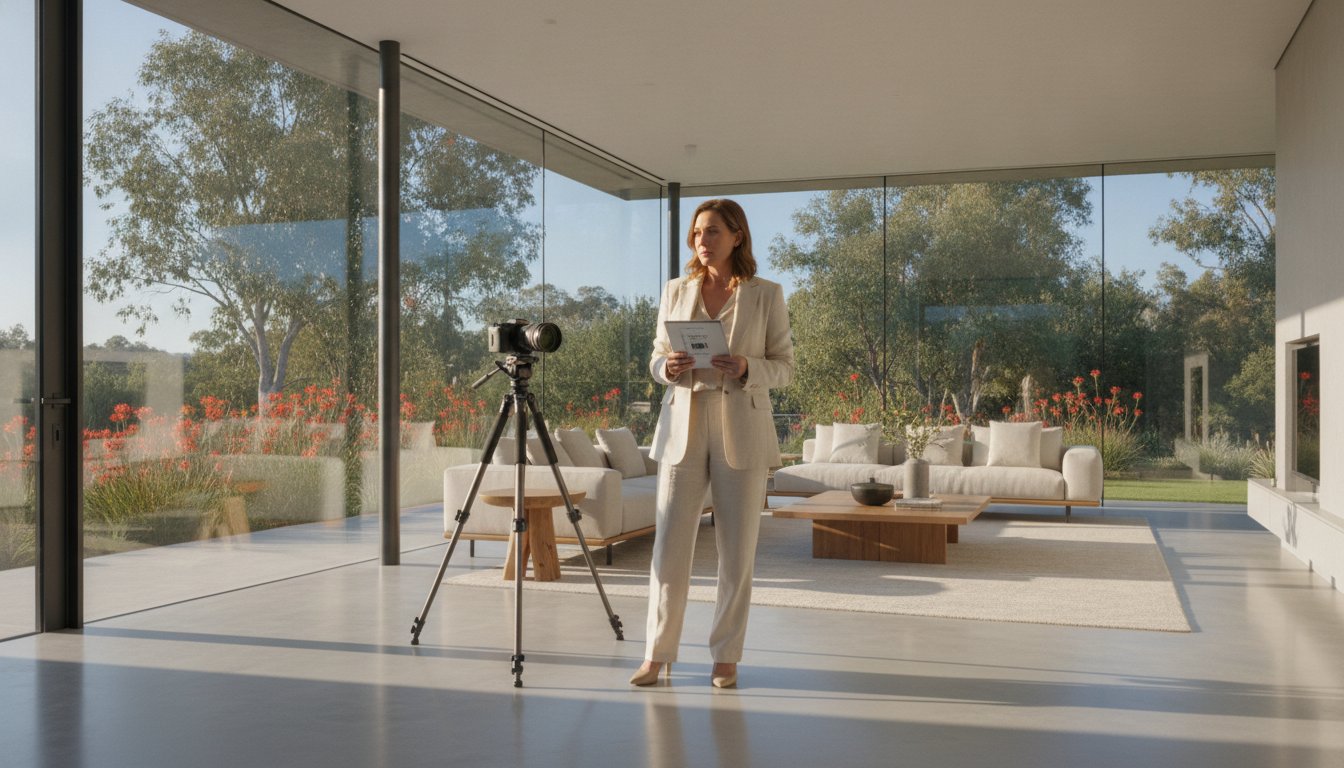
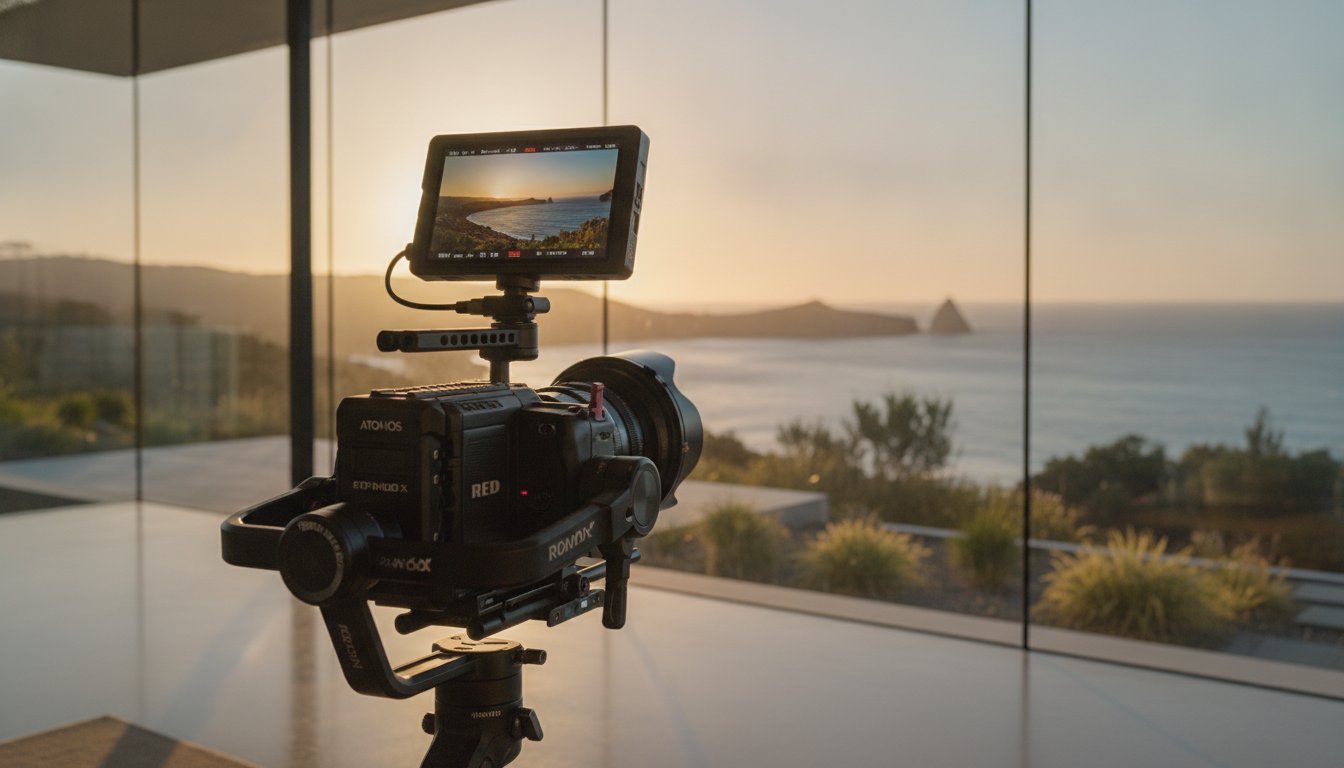
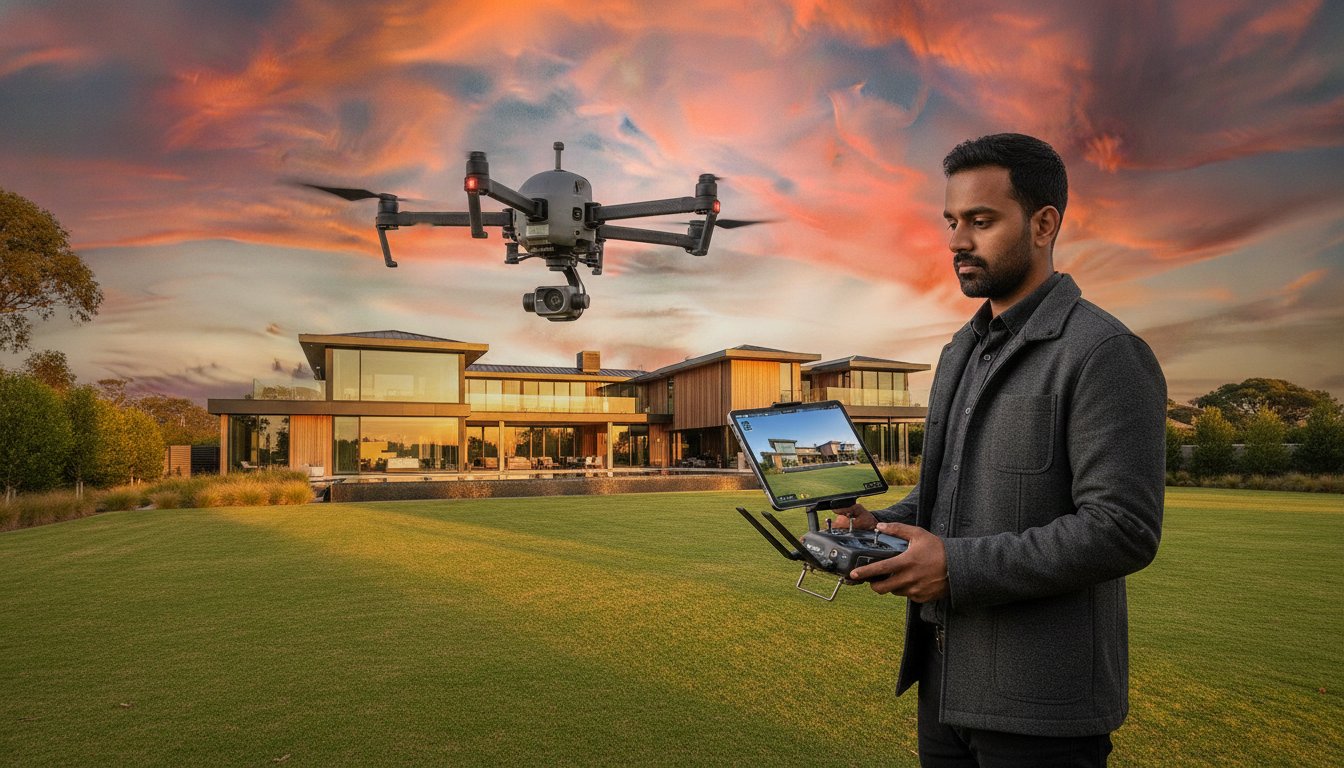
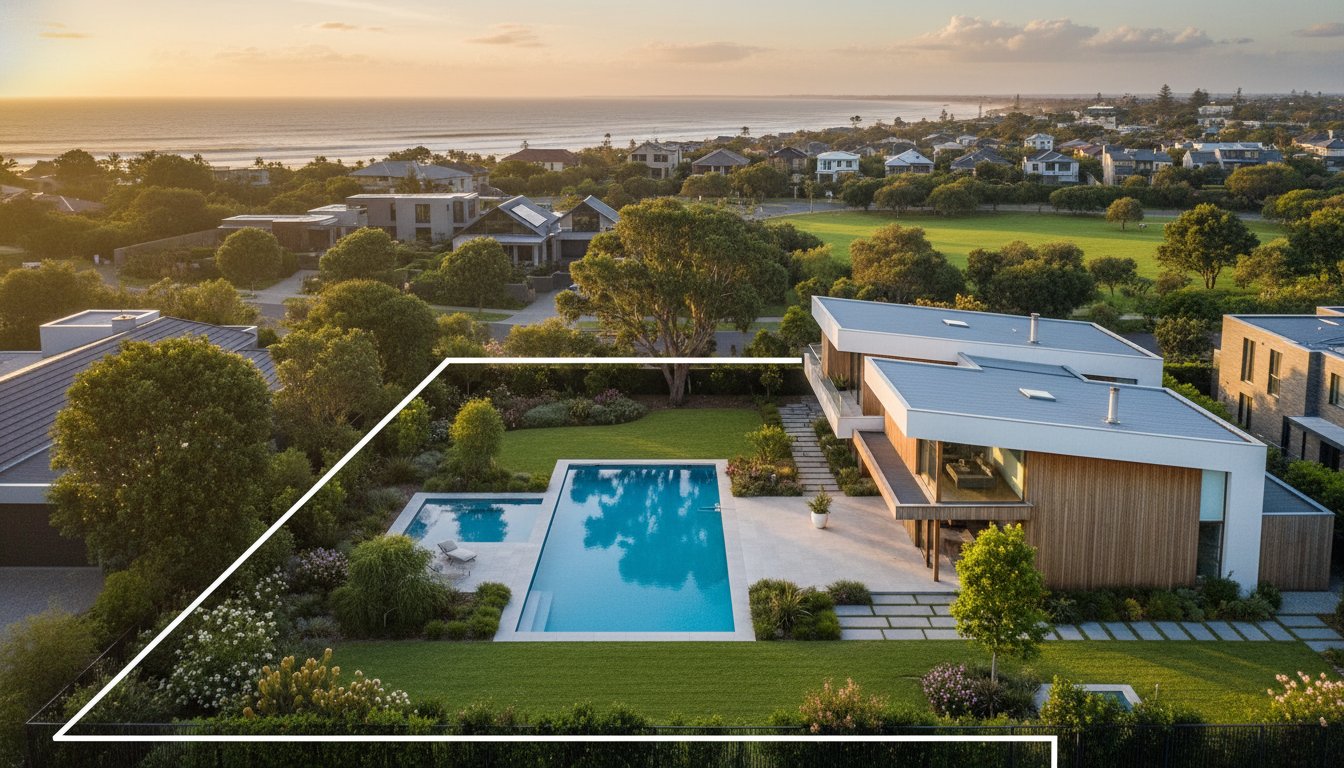
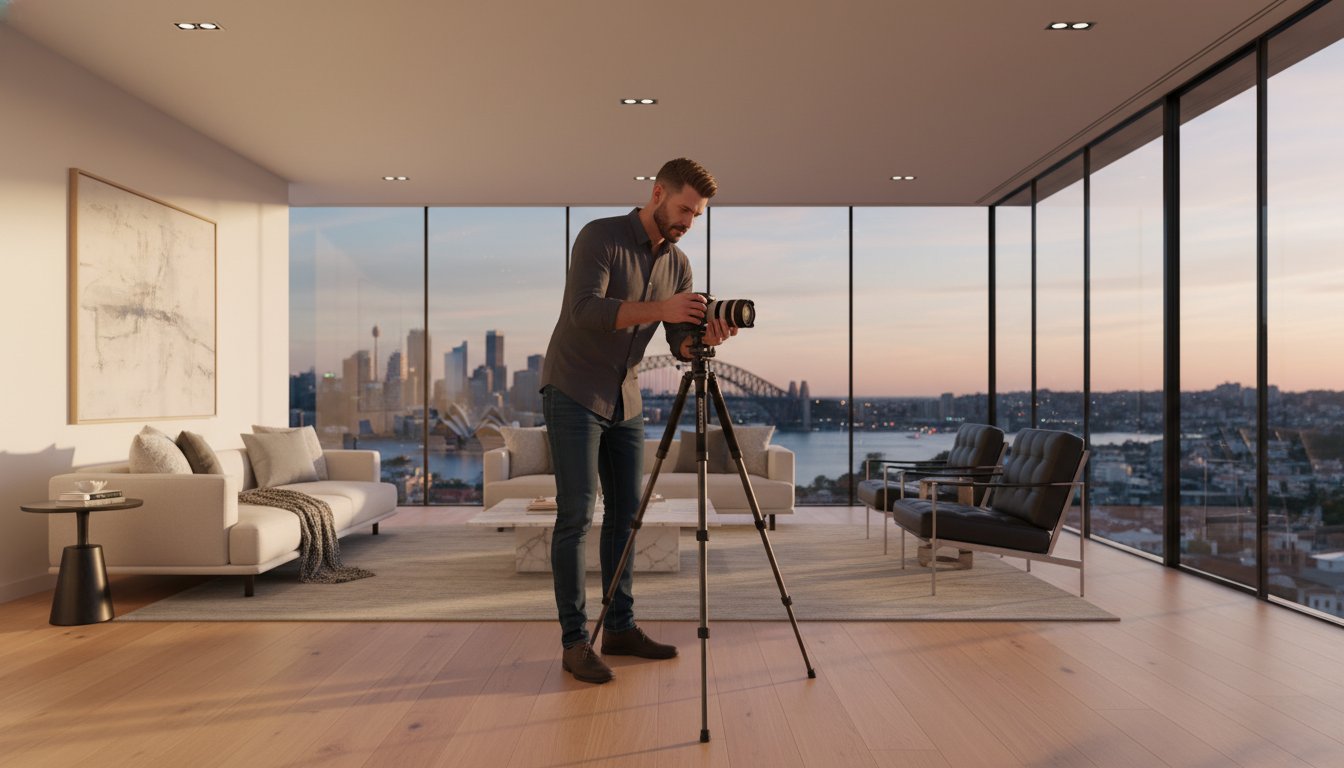
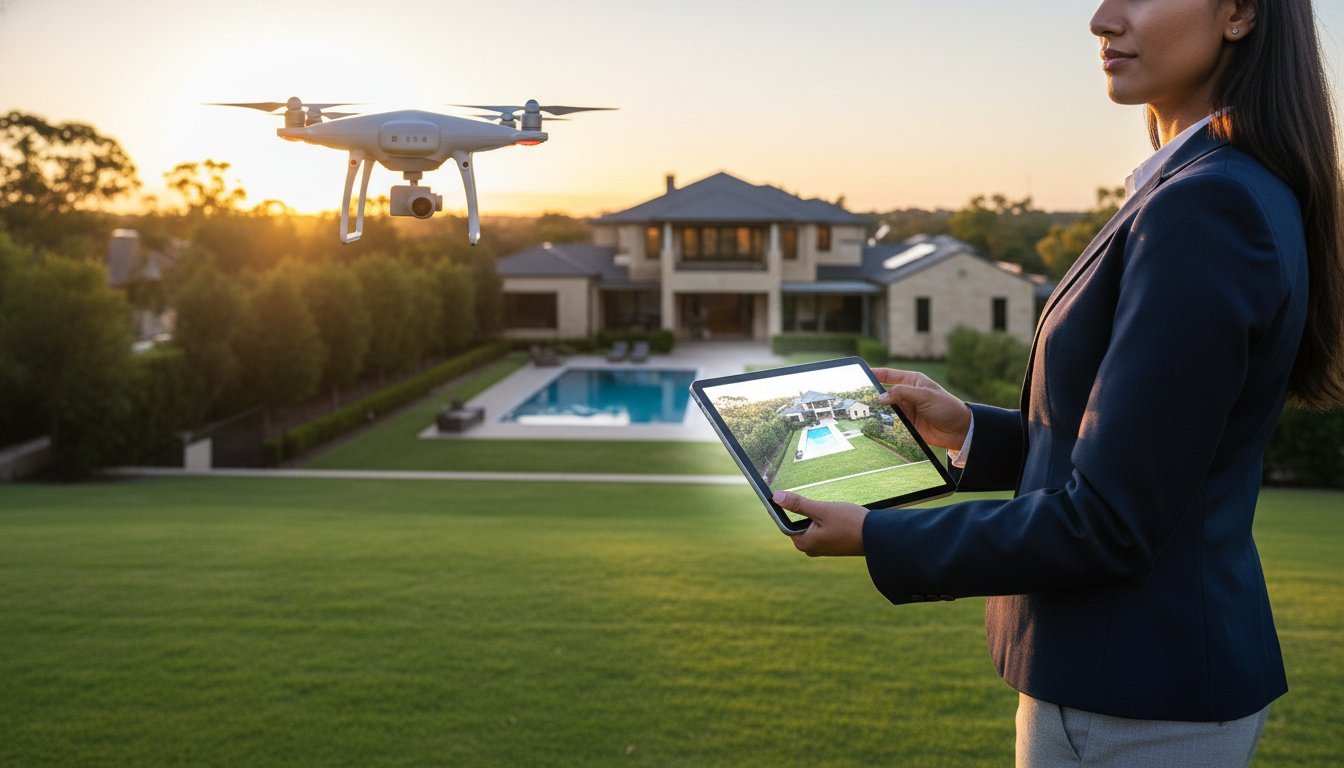
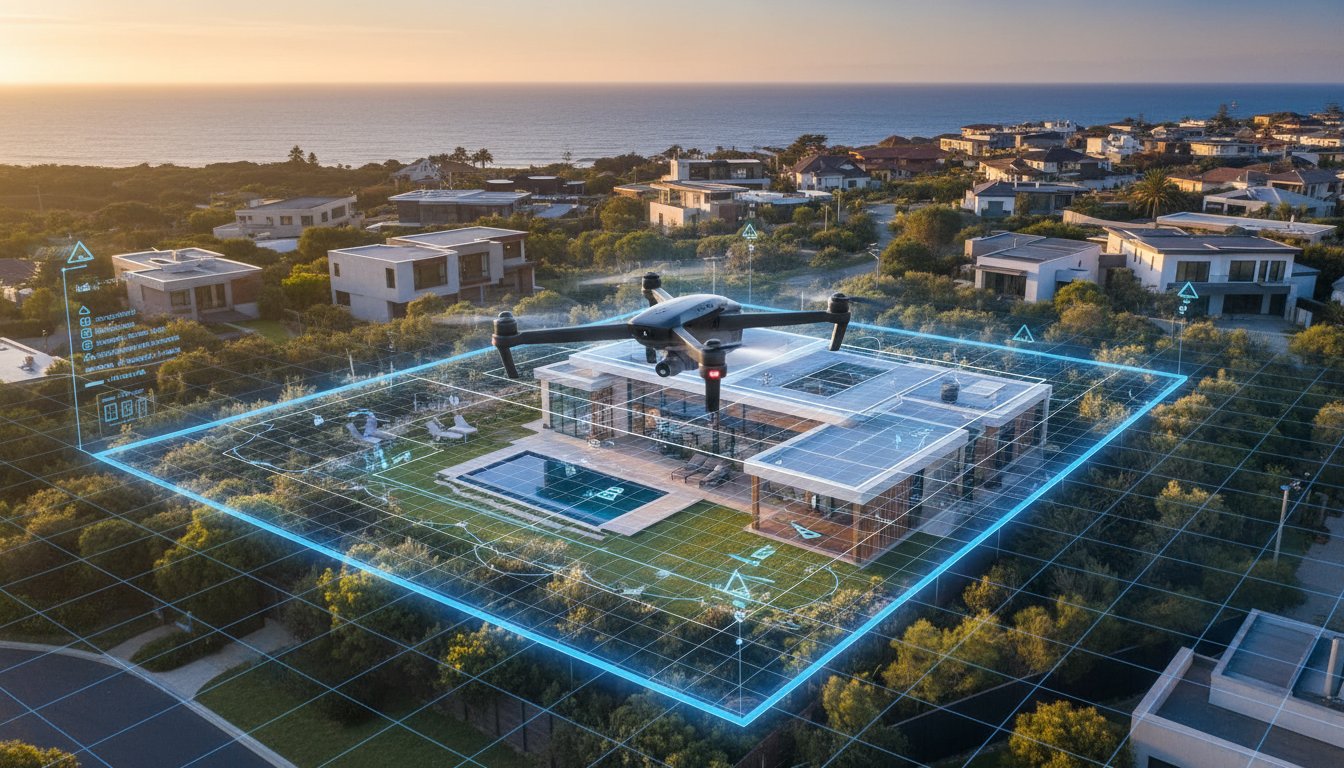
Architectural precision requires specific hardware. Professionals use tilt-shift lenses to keep vertical lines straight and eliminate the "keystoning" effect common in amateur shots. A sturdy tripod is also non-negotiable. It allows for long exposures in low-light areas, ensuring every corner of the property is sharp and noise-free. For a complete marketing suite, aerial drone photography provides a necessary height advantage. This perspective captures the property's relationship with its surroundings, a view no handheld camera can achieve. If your photographer lacks these specialised tools, they are likely a hobbyist rather than a dedicated marketing partner.
Professional editing is 50 per cent of the final quality. There is a vast difference between an "Instagram Filter" and professional RAW editing. RAW files contain significantly more data, allowing for advanced techniques like window pulls, sky replacements, and grass greening without degrading the image. A bad photographer often delivers over-saturated "nuclear" colours that look deceptive. A professional partner ensures the final output is polished yet realistic, maintaining the integrity of the home while maximizing its visual appeal. To upgrade your listings with standardised, high-tech visual solutions, create your professional account today and experience the difference of a tech-integrated partnership.
Knowing how to spot a bad real estate photographer is only half the battle; the other half is finding a partner that replaces risk with reliability. UberRE eliminates the "Bad Photographer" lottery through rigorous standardisation. We move away from the unpredictable nature of freelance work toward a corporate, results-driven partnership. Our 24-hour turnaround guarantee is the industry benchmark, ensuring your media moves from the shoot to "Live on Portal" without delay. This speed is essential for maintaining a fast-paced marketing cycle and satisfying vendor expectations in a competitive market.
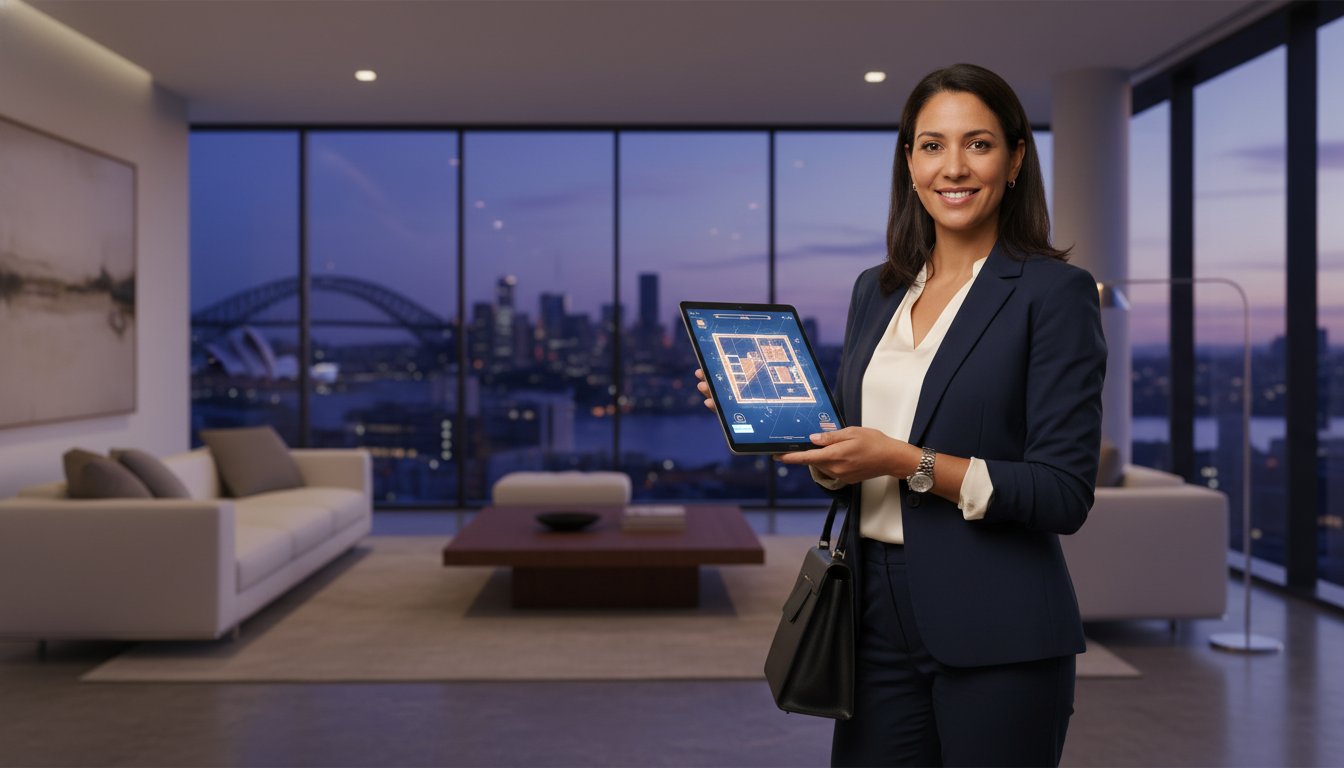
Eliminate administrative friction with our centralised booking and campaign management platform. Instead of chasing individual contractors, you gain access to a tech-integrated solution provider. This platform allows you to manage multiple listings simultaneously, providing a streamlined user experience that values your time. By choosing a partner that prioritises modular, high-quality output, you secure a dependable infrastructure for all your property marketing services.
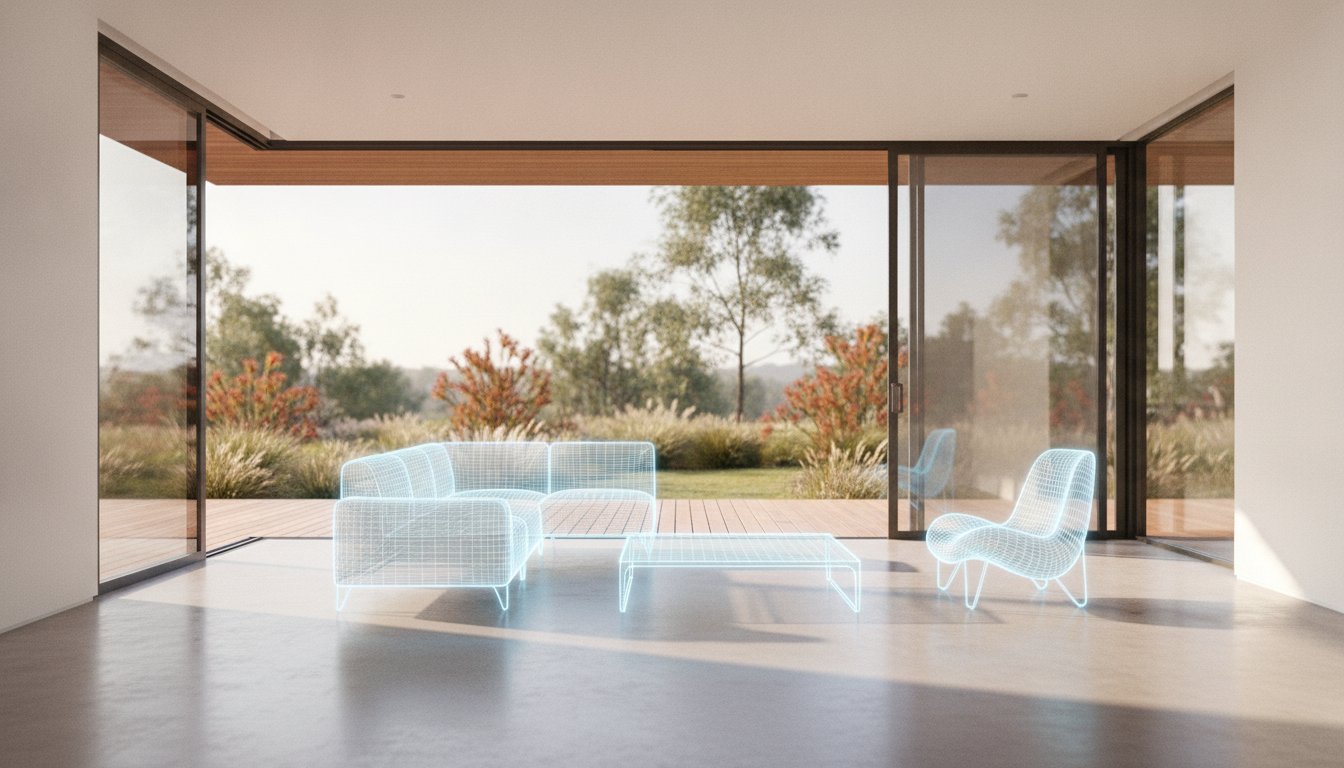
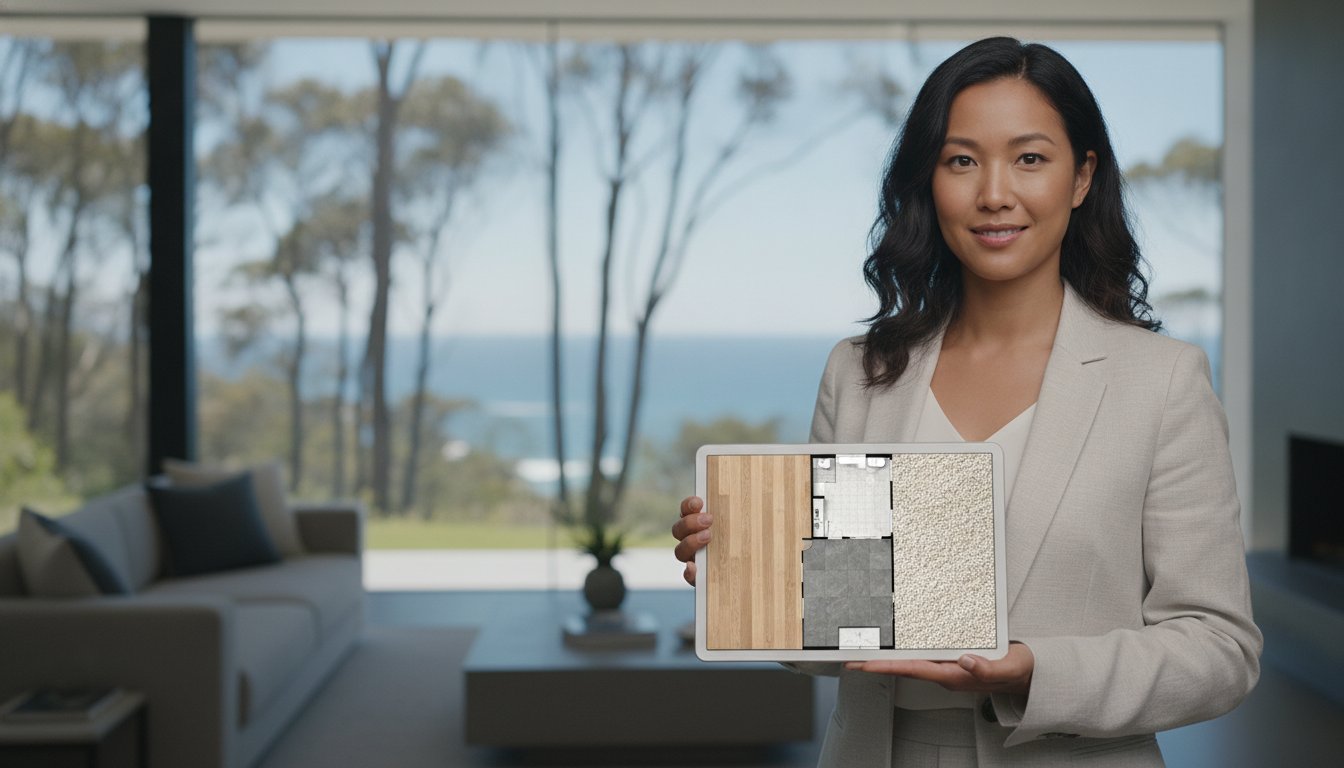
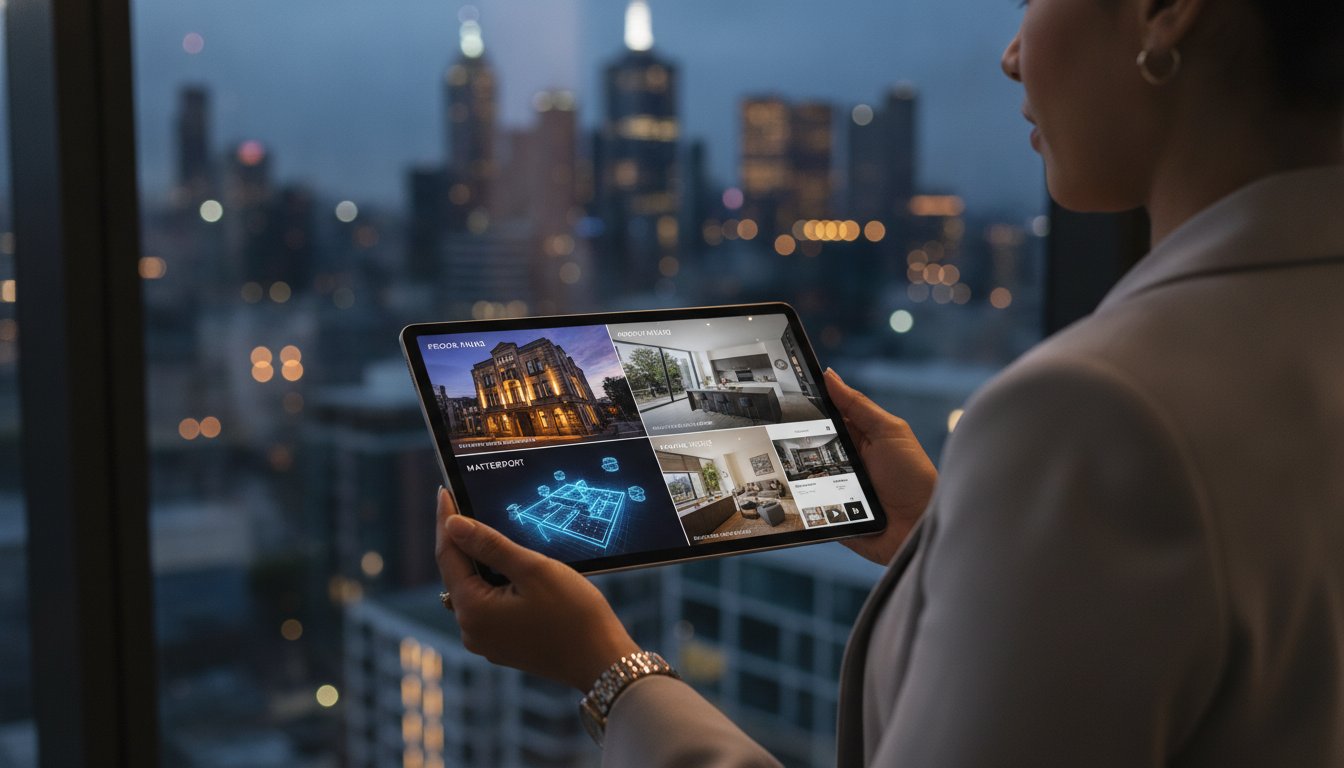
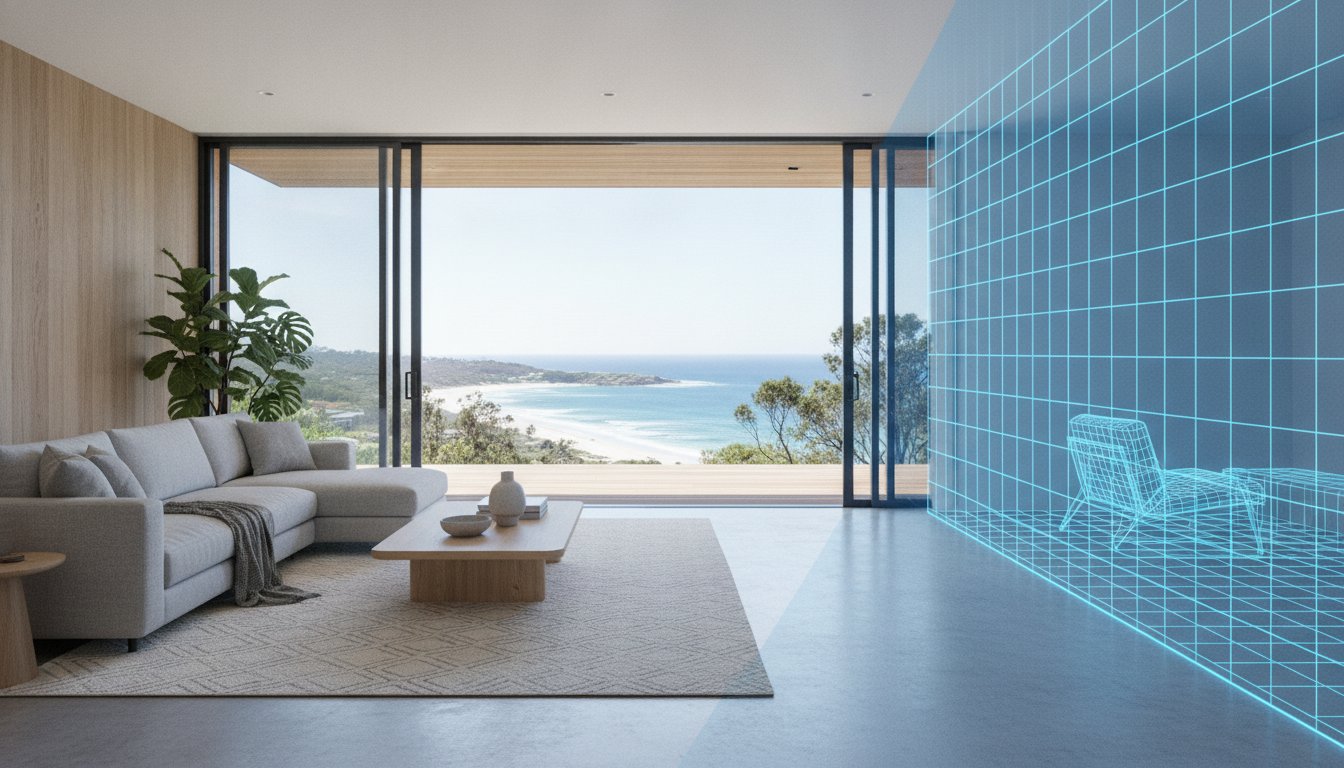
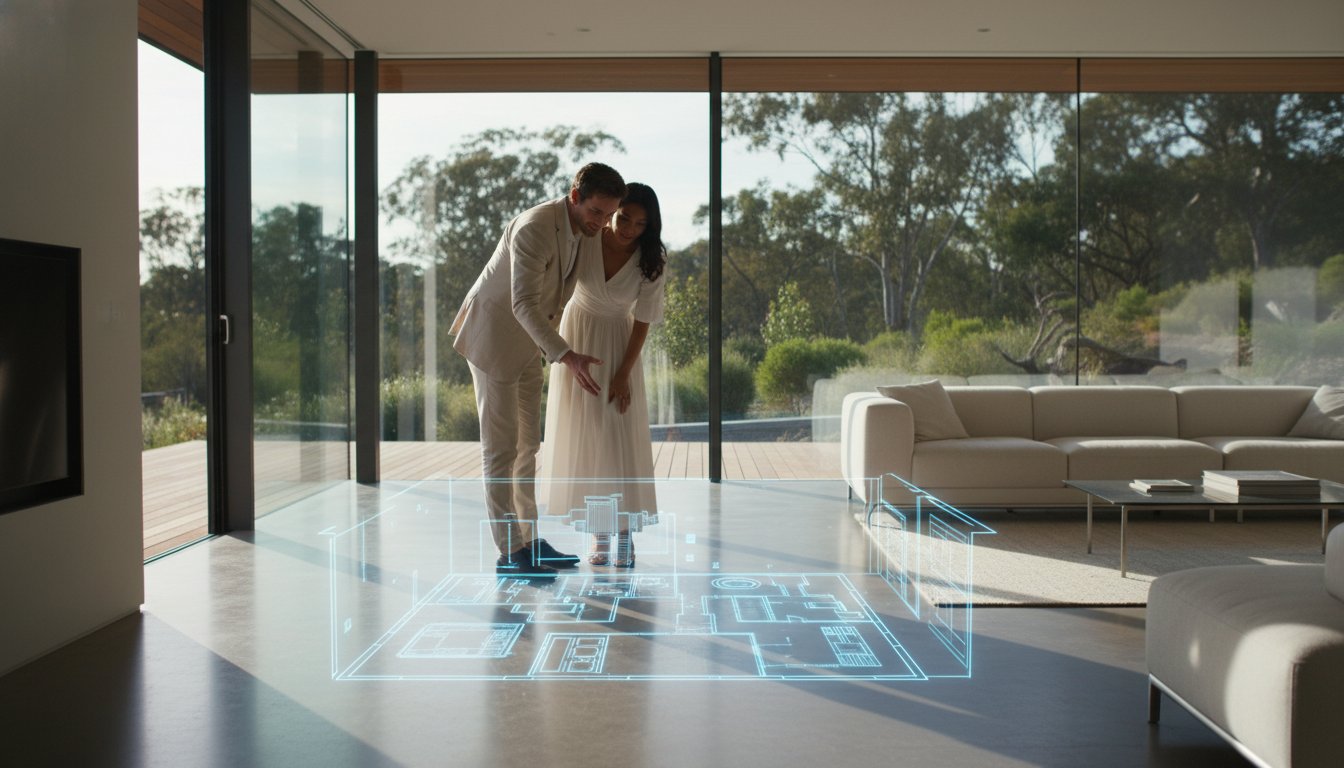
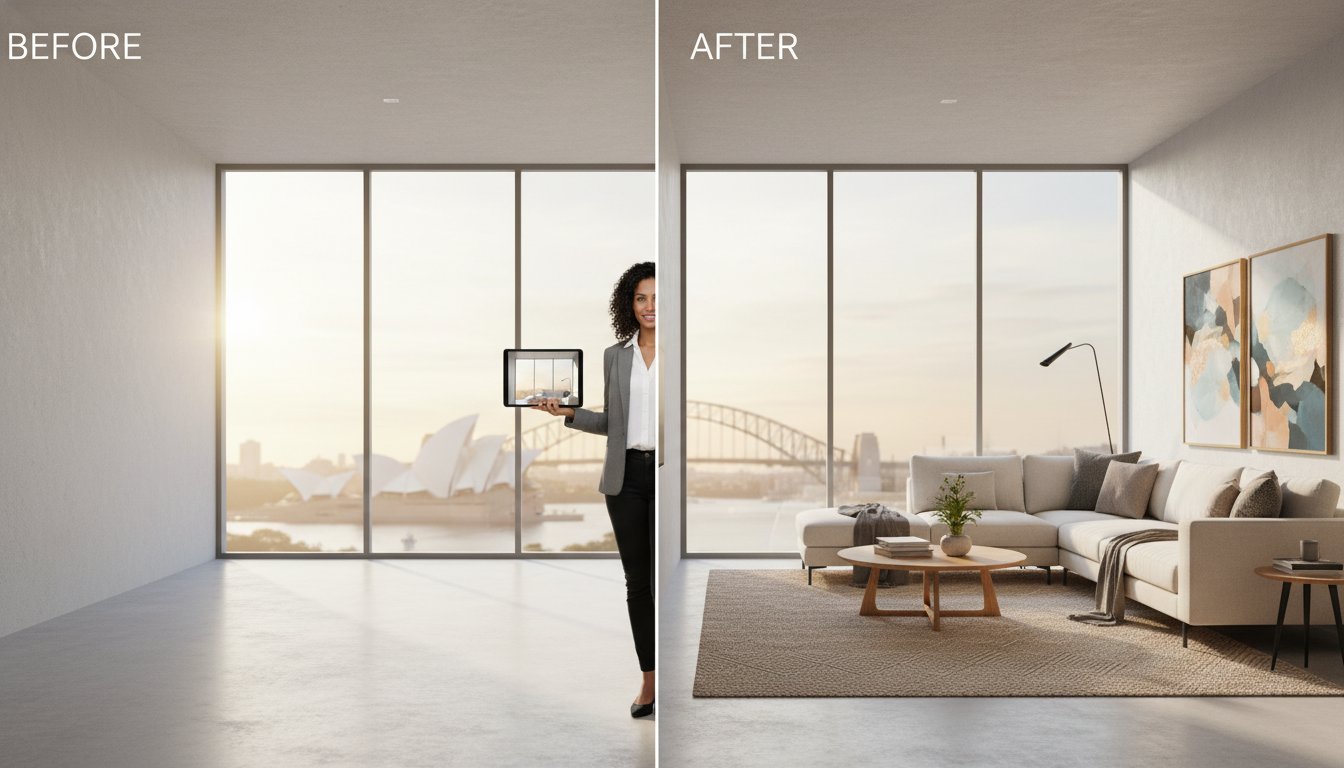
Professional marketing requires more than just a single hero shot. Our comprehensive suite allows you to integrate twilight photography and high-impact video tours seamlessly into your campaign. We deliver accurate standard and textured floorplans alongside your imagery, providing a complete spatial narrative for potential buyers. For empty properties, our virtual furniture and staging solutions help buyers visualise the potential of a space without the logistical nightmare of physical staging. Every asset is produced to a superior, modern standard, ensuring consistency across your entire portfolio.
Transition from the headache of managing unreliable freelancers to a professional marketing infrastructure. UberRE provides national coverage, making it the ideal solution for multi-office agencies seeking standardised quality across different regions. We provide the total service assurance required to win more appraisals and close sales faster. Stop worrying about how to spot a bad real estate photographer and start focusing on your sales pipeline with a partner that understands the logistical needs of modern agents. Secure your visual strategy today.
Organise your next property shoot with UberRE and experience the efficiency of a tech-forward marketing partner.
Success in the 2026 property market requires more than just decent photos; it demands technical precision and operational reliability. You now have the toolkit to identify vertical line failures, blown-out windows, and the logistical bottlenecks that define an amateur partner. Mastering how to spot a bad real estate photographer is the first step toward protecting your personal brand and maximising your vendor's sale price. Don't settle for the "iPhone trap" or the inconsistency of uncertified freelancers when you can leverage a tech-integrated marketing infrastructure.
UberRE provides the total service assurance your agency needs to scale. With national Australian coverage and fixed-fee transparent pricing, we remove the guesswork from your campaign costs. Our 24-hour turnaround guarantee ensures your listings go live while buyer interest is at its peak. Transition to a standardised workflow and focus on what you do best: closing the deal. Take control of your property marketing today.
Book a Professional Real Estate Photographer Today to experience a new standard of visual excellence.
Professional photography rates in Australia typically scale based on property size and the specific assets required for the campaign. Standardised providers utilise fixed-fee transparent pricing to ensure agents can provide accurate marketing quotes to vendors without the friction of "quote on the day" inconsistency. This corporate approach ensures budget certainty across all listings.
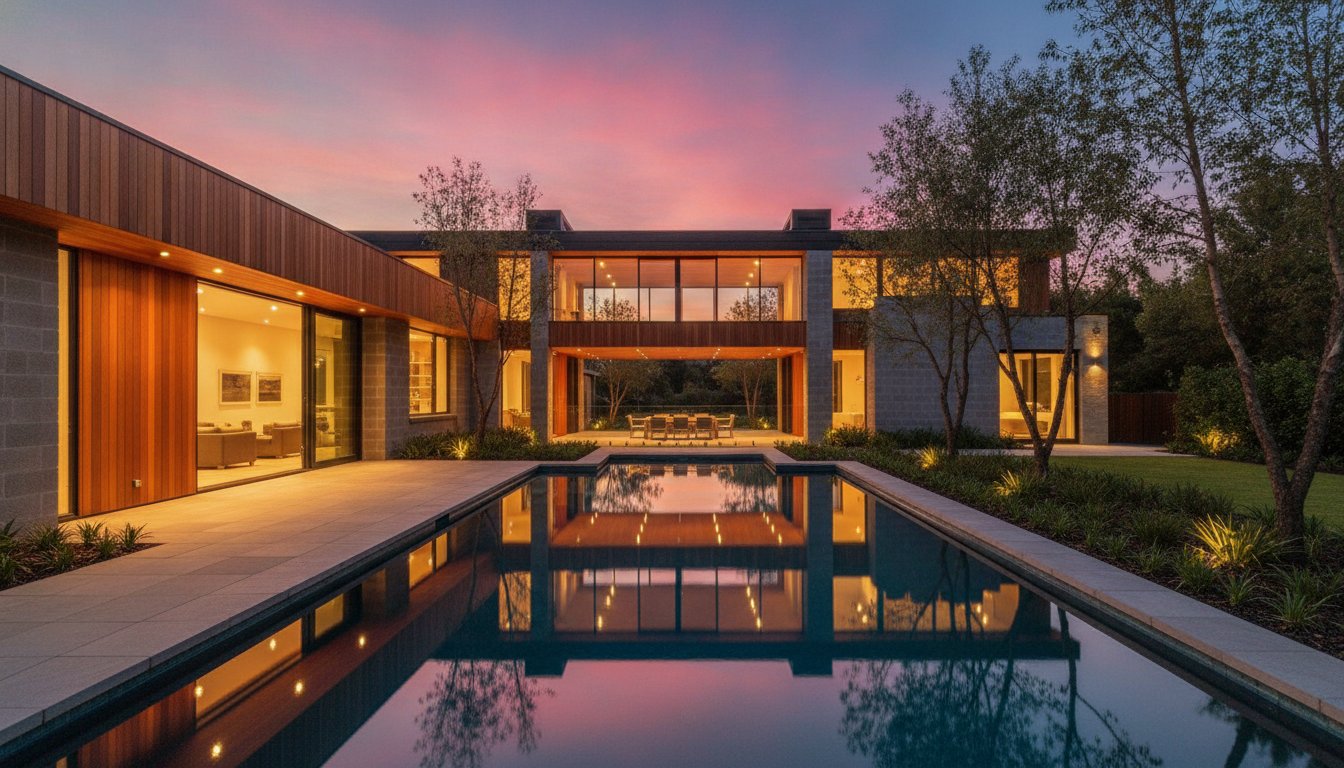
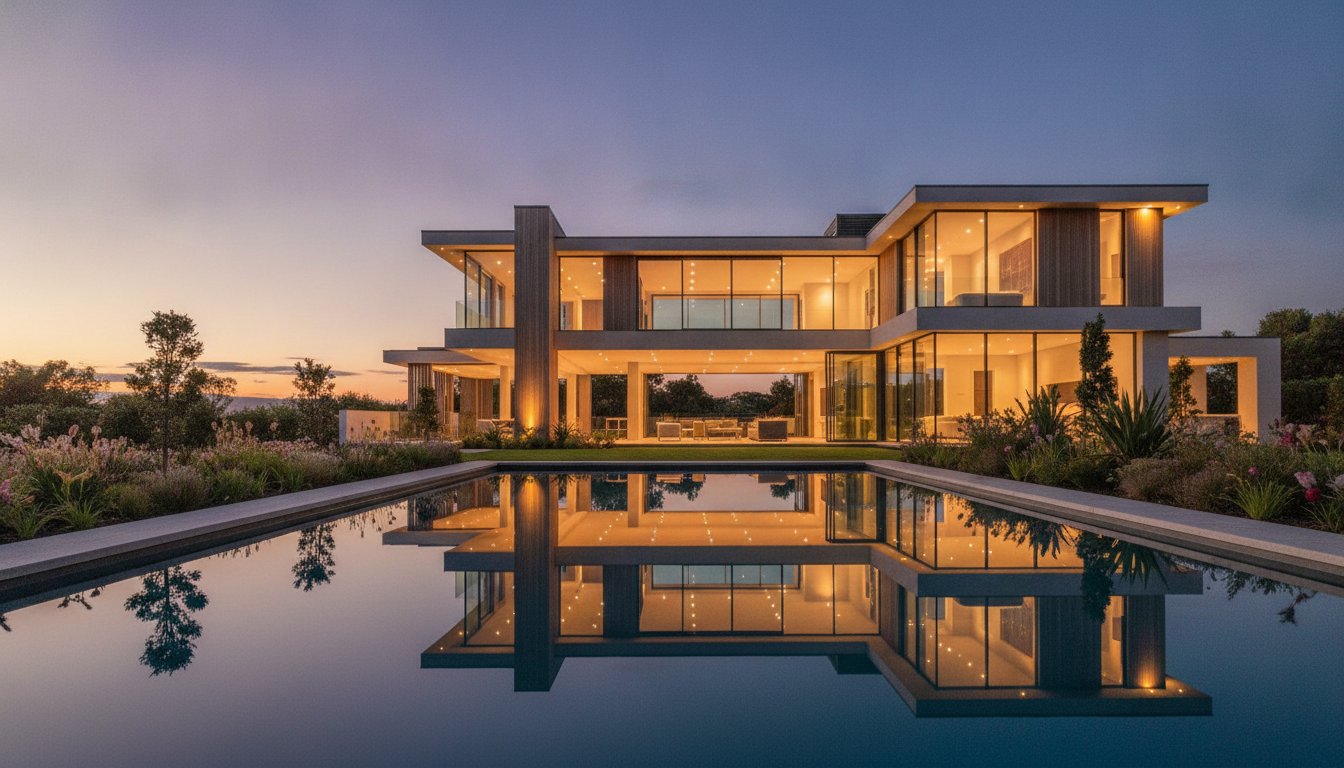
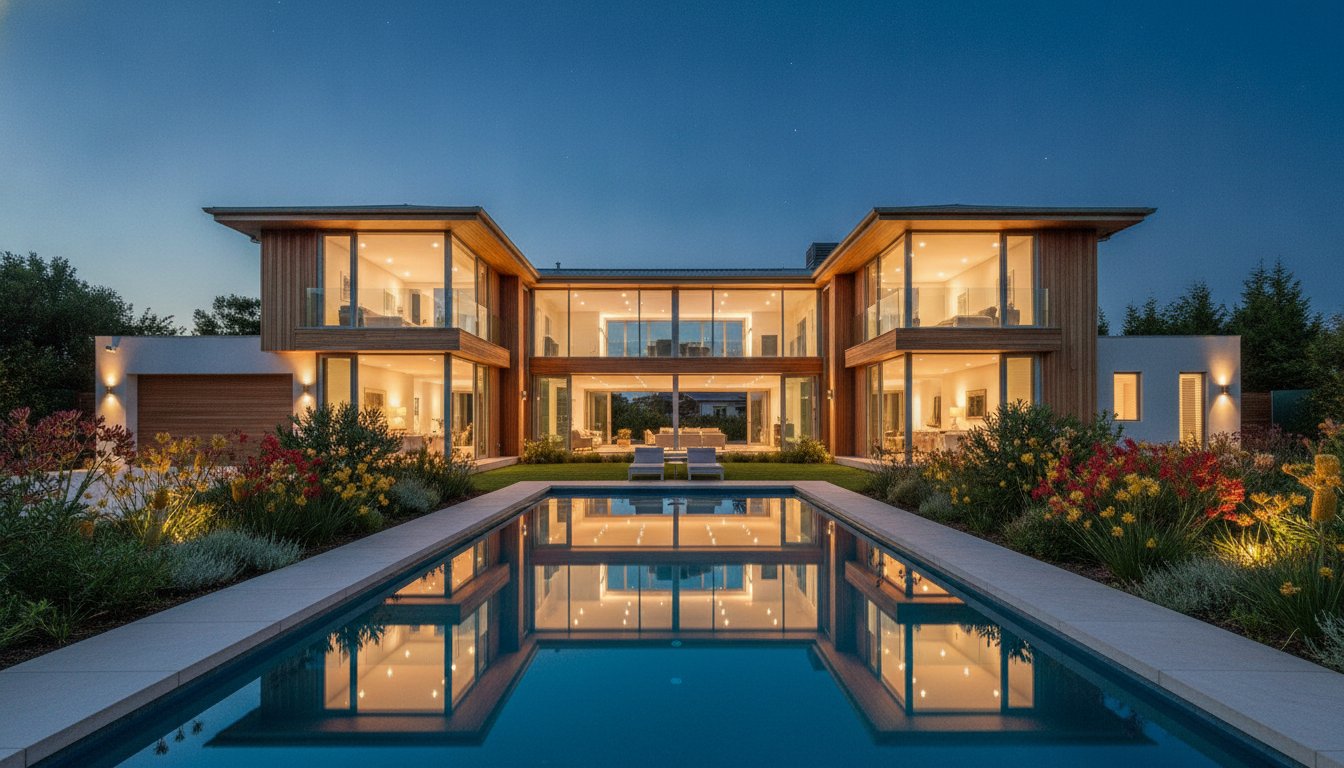
Day photography captures the property in bright, natural light to highlight clarity and space. Twilight photography is captured at sunset to create a high-impact, glowing aesthetic that stands out on digital portals. Twilight imagery often increases engagement by projecting a premium, aspirational lifestyle that day photography alone cannot replicate.
While modern smartphones are convenient, they lack the sensor size and architectural lenses required for high-end marketing. Using mobile devices often results in distorted lines and poor dynamic range in high-contrast Australian sunlight. Understanding how to spot a bad real estate photographer often involves identifying those who rely on consumer tech rather than professional full-frame equipment.
A standard professional shoot usually takes between 45 and 90 minutes. This timeframe varies depending on the property's scale and whether you've booked additional assets like textured floorplans or Matterport 3D tours. Efficiency is maintained through a structured workflow that ensures the photographer captures all necessary angles without disrupting the vendor's day.
Always verify that your photography partner holds comprehensive public liability insurance. This protects you, your agency, and your vendor from the financial risk of accidental property damage or injuries during the shoot. Professional entities provide this as a standard part of their total service assurance, whereas uncertified freelancers often operate without it.
Professional marketing partners use advanced post-production techniques to manage inclement weather. Grey skies are typically replaced with clear, blue sky imagery in the editing suite to ensure the listing remains attractive. This ensures your marketing timeline stays on track regardless of the forecast, maintaining a steady pulse for your campaign.
Vertical lines are the hallmark of architectural precision and professional discipline. If you are learning how to spot a bad real estate photographer, look for leaning walls or tilted door frames in their portfolio. Perfectly straight vertical lines create a sense of structural stability and high-end quality that immediately builds trust with potential buyers.
Presence is not required if you utilise a tech-integrated partner with a standardised workflow. By providing clear shoot notes and secure access through a centralised booking platform, you allow the specialist to execute the task independently. This streamlined approach frees up your time to focus on appraisals and listing presentations while the visual assets are being produced.

-2.png)