
Why are you still paying some of the world's highest advertising fees to traditional portals when your next buyer is already scrolling through Instagram? Learning how to use social media to sell property is no longer a side project; it's the core infrastructure of a modern Australian real estate business. With 73.6% of Australians using Facebook and over half the population active on Instagram as of 2026, your digital presence is now your primary shopfront.
It's frustrating to watch high-quality listings get buried by algorithms while you're trying to keep up with shifting NSW underquoting regulations and rising portal costs. You know you need high-end video to stand out, but the technical barrier and time required to produce professional Reels often feel insurmountable. This playbook will show you how to master scroll-stopping visual storytelling that turns casual scrollers into serious property enquiries. We'll explore the transition from static galleries to high-production vertical video, the impact of the Property and Stock Agents Amendment Act 2026 on social pricing, and how to streamline your content creation to build a premium brand without losing your weekends.
• Understand why social media has become the "first inspection" for 2026 buyers, shifting marketing from passive listings to active storytelling.
• Master how to use social media to sell property by applying the 3-second rule to high-energy Social Media Reels that stop the scroll.
• Optimise your platform strategy by using the Instagram Grid for brand authority and TikTok's algorithm for massive national discovery.
• Drive direct enquiries by moving beyond the "link in bio" with high-impact social calls to action and professional copywriting.
• Streamline your content workflow using modular visual marketing packages to maintain a consistent, premium presence across all channels.
The traditional property sales funnel has been inverted. In 2026, the "first inspection" doesn't happen at a Saturday open house or even on a listing portal. It happens in the palm of a buyer's hand while they're scrolling through their morning feed. Social-first property marketing has moved from being a supplementary tactic to the primary infrastructure for success. It's no longer about passive listings; it's about active storytelling that stops the scroll and creates an emotional connection before a lead even reads the property description.
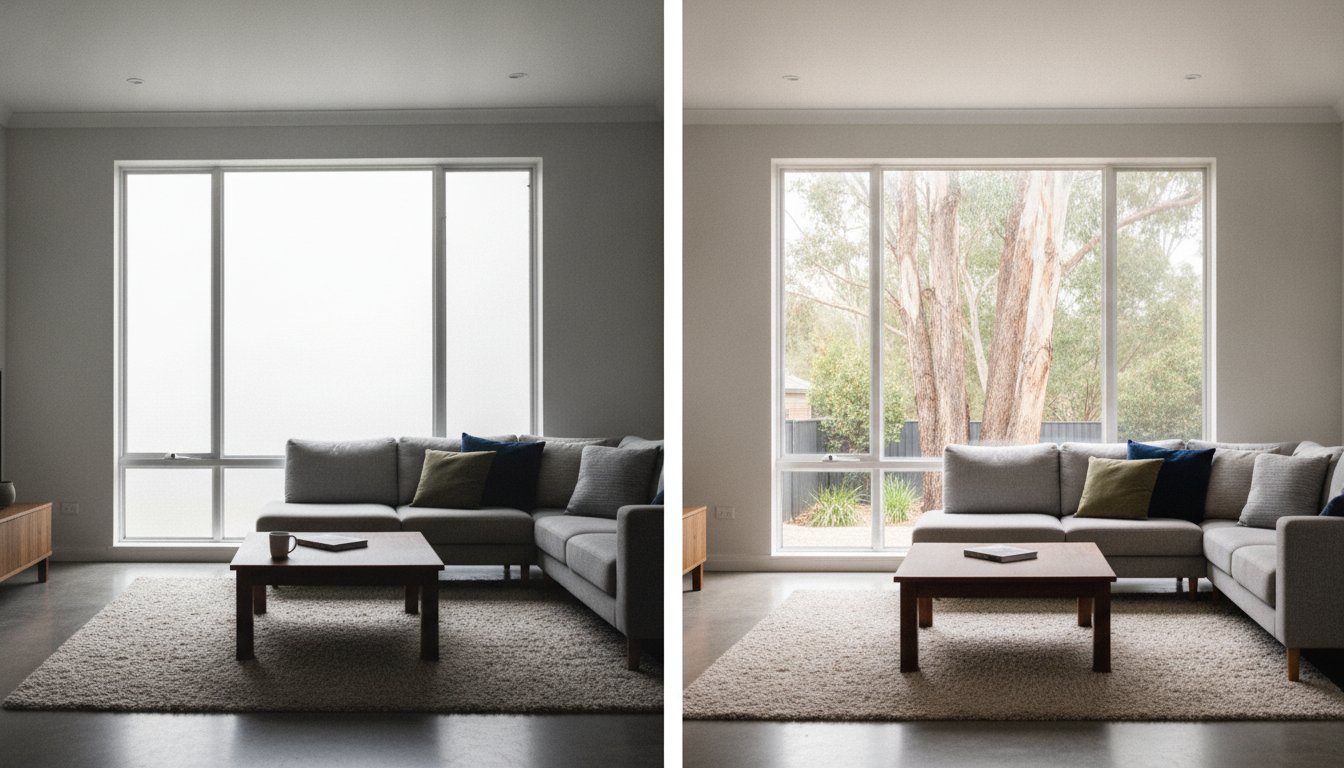
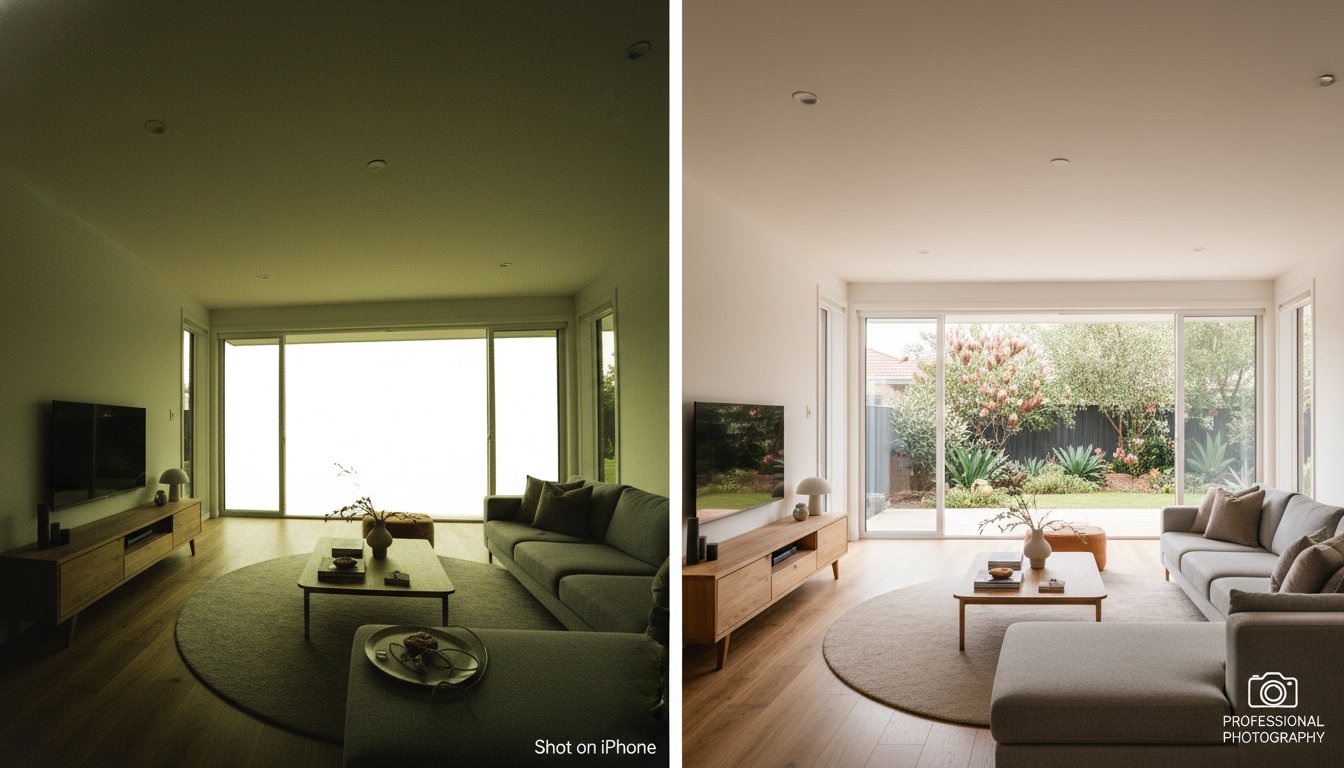
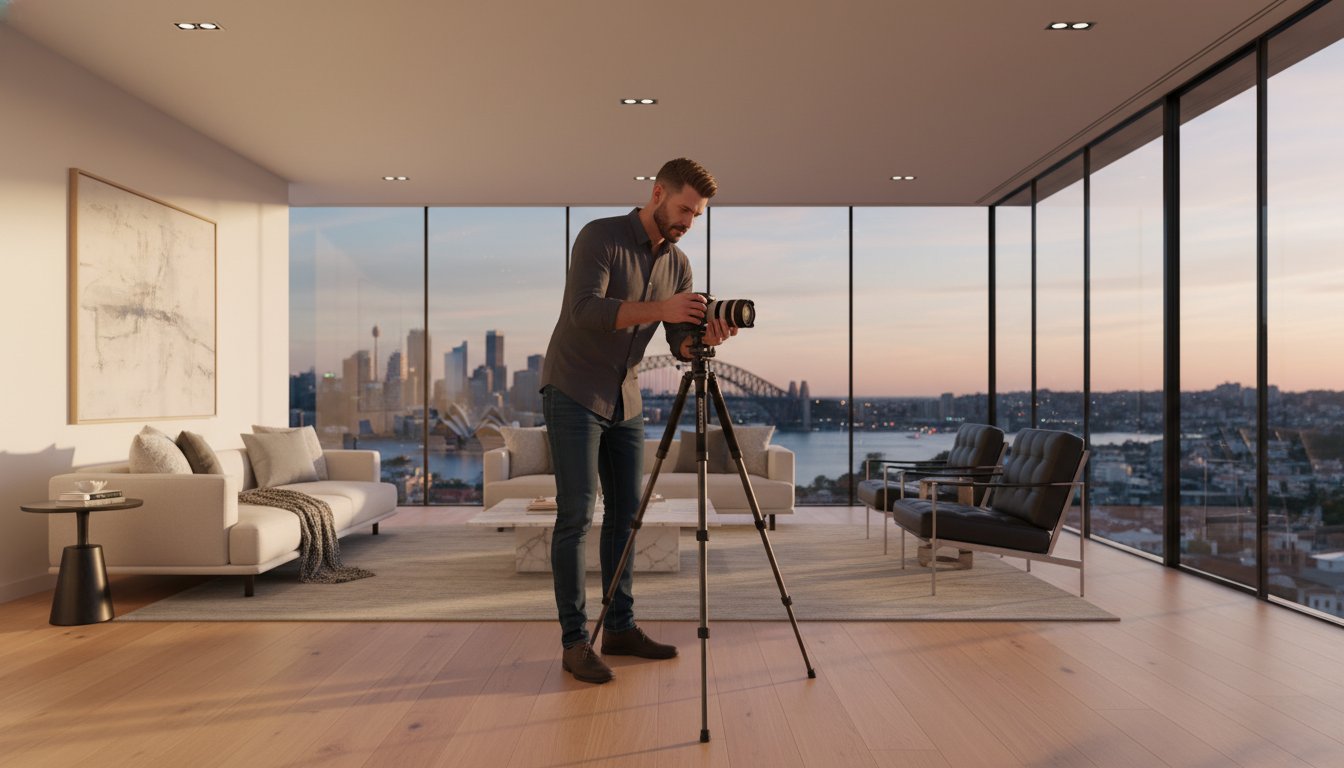
When considering understanding social media platforms for business, agents must realise that social media now acts as a digital shopfront. Potential vendors and buyers use your profile to verify your credibility before they ever pick up the phone. This shift requires a high-end visual standard. Engaging a professional real estate photographer is essential because social users have a low tolerance for low-resolution or poorly lit imagery. High-quality content signals a premium service tier and builds immediate trust in an industry where reputation is everything.
Social media disrupts the traditional funnel by creating a discovery phase that precedes the search phase. Instead of waiting for a buyer to type a suburb into a portal, you're placing the property in front of them based on their interests and location. This proactive approach shortens the days-on-market and increases the pool of potential bidders by capturing interest earlier in the buyer journey.
Relying solely on realestate.com.au or Domain is a high-cost strategy that limits your reach to active searchers. Social media allows you to capture "passive buyers" who aren't currently browsing portals but are open to moving if the right opportunity appears. By learning how to use social media to sell property, you build a long-term digital asset. Your profile becomes a searchable portfolio that works for you 24/7, reducing your dependence on expensive, third-party listing fees that continue to climb in the Australian market.
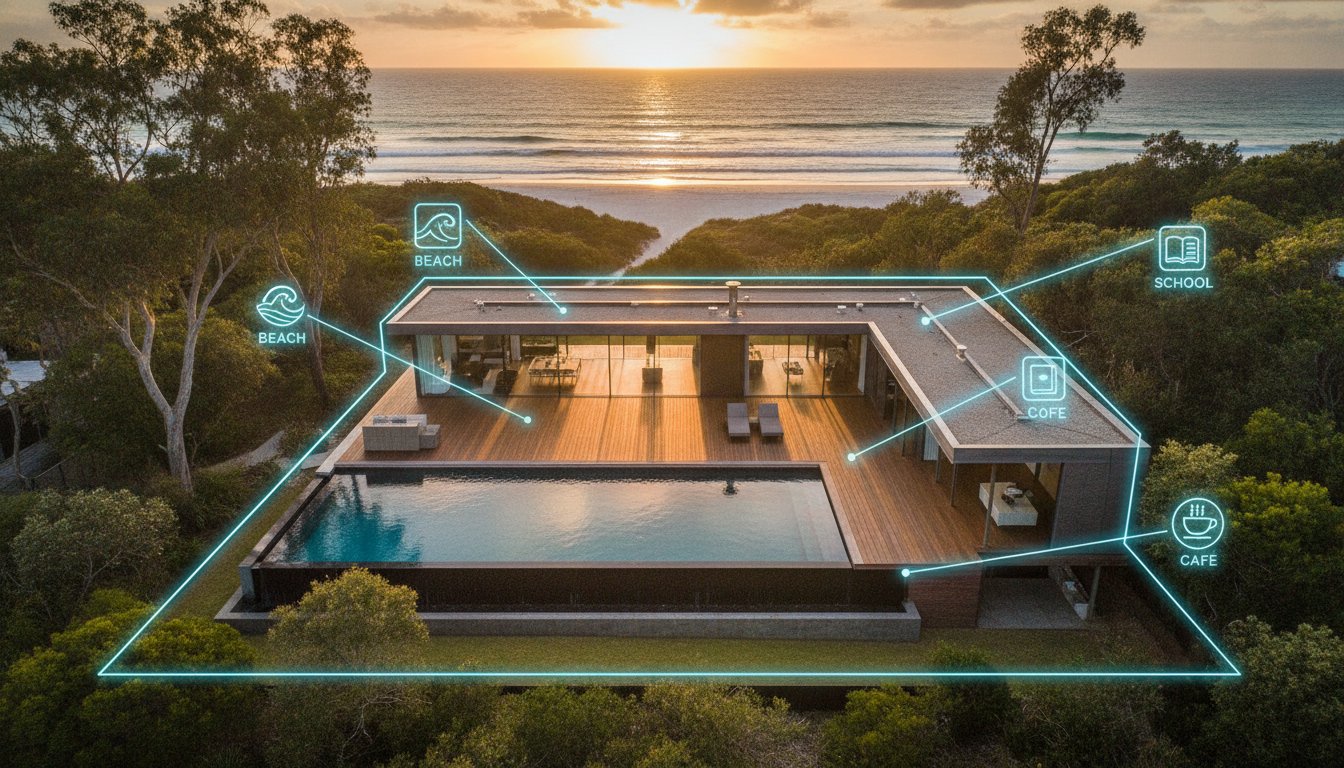
Market segmentation is critical for success in 2026. Millennial and Gen Z first-home buyers dominate TikTok, responding to authentic, fast-paced video tours that feel personal. Conversely, Facebook and Instagram remain the strongholds for downsizers and investors who value aesthetic polish and detailed lifestyle information. Effective content focuses on the local community "vibe" rather than just the house. Showcasing the local cafe, school zones, parklands, or even premium lifestyle services like White Ivy Hair Studio alongside the property helps buyers visualise their lifestyle, which is a key driver for how to use social media to sell property effectively in the current climate.
The first three seconds of a property video determine whether a buyer stays or scrolls. In the fast-paced Australian market, the first frame must be high-impact. Static galleries are dead. To capture attention, agents are transitioning to high-energy social media reels that showcase the property’s flow and character through movement. This approach is the foundation of how to use social media to sell property effectively in 2026.
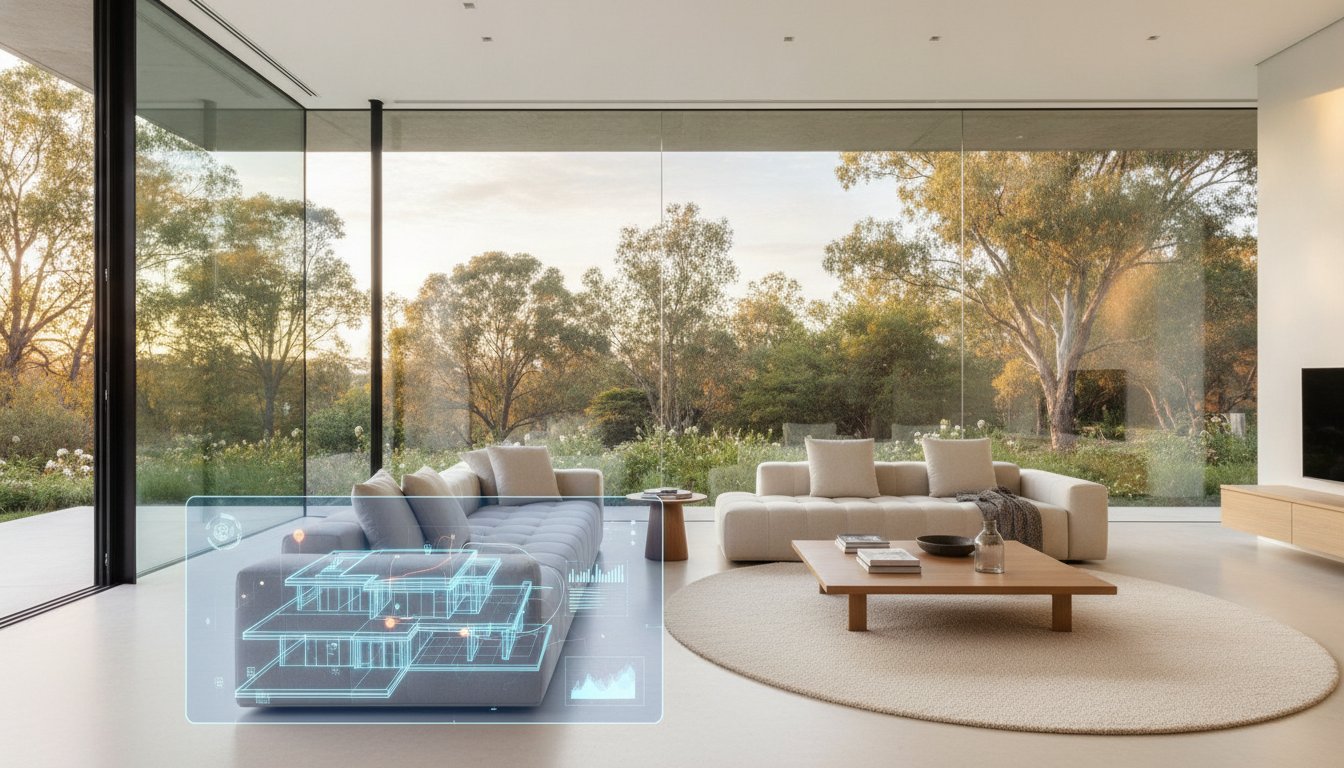
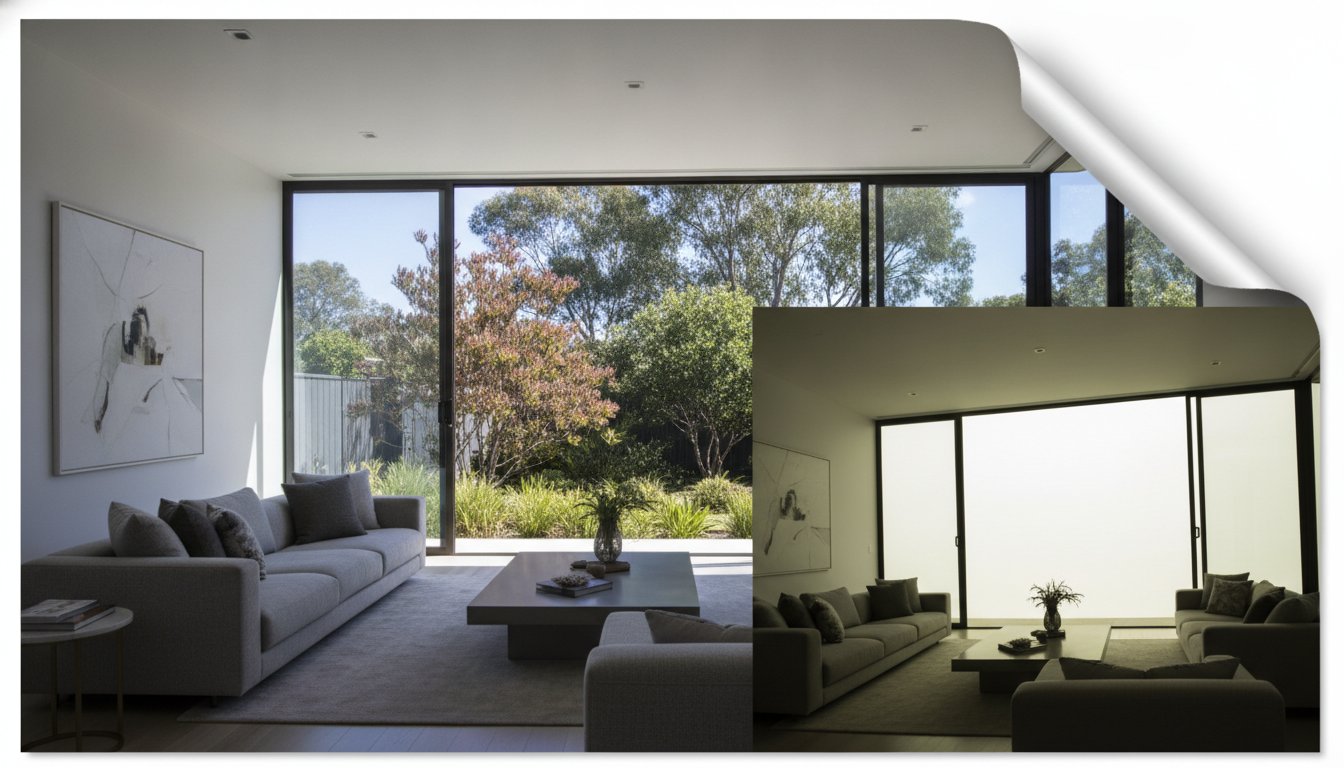
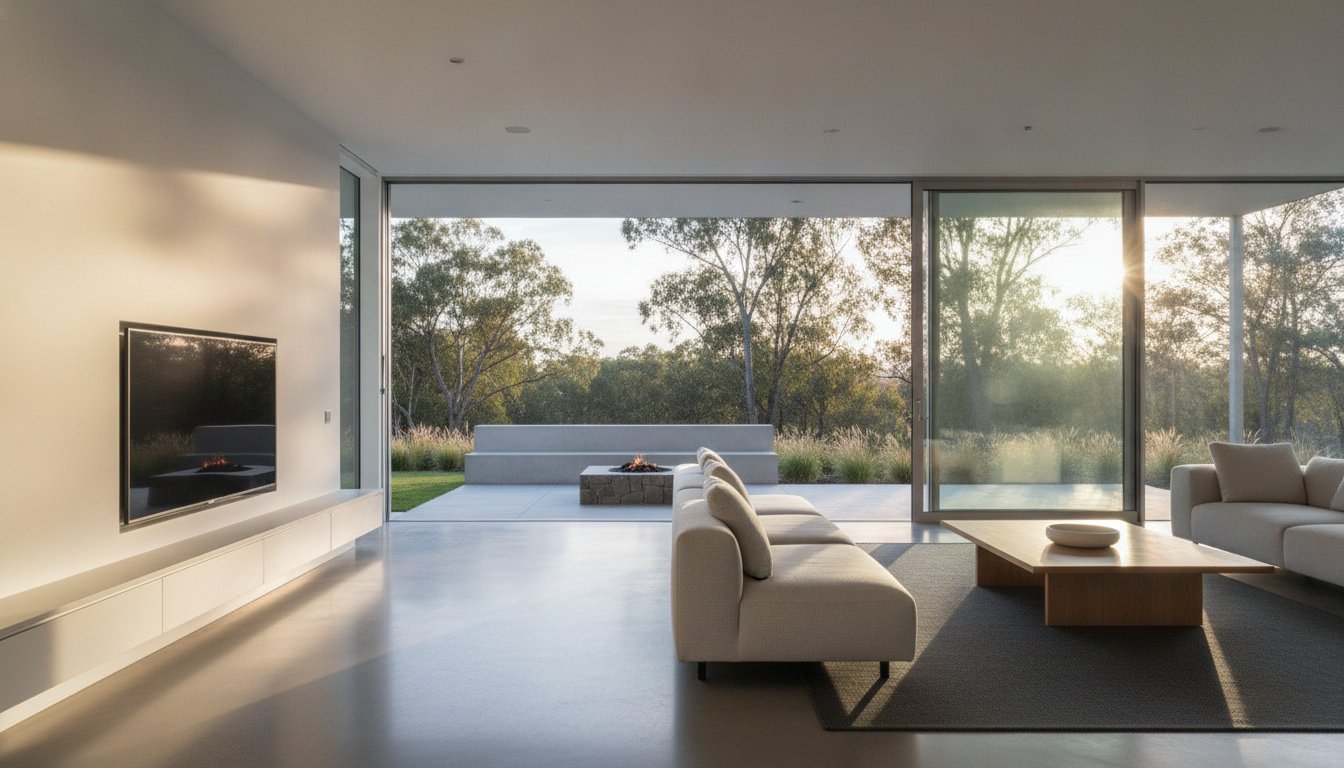
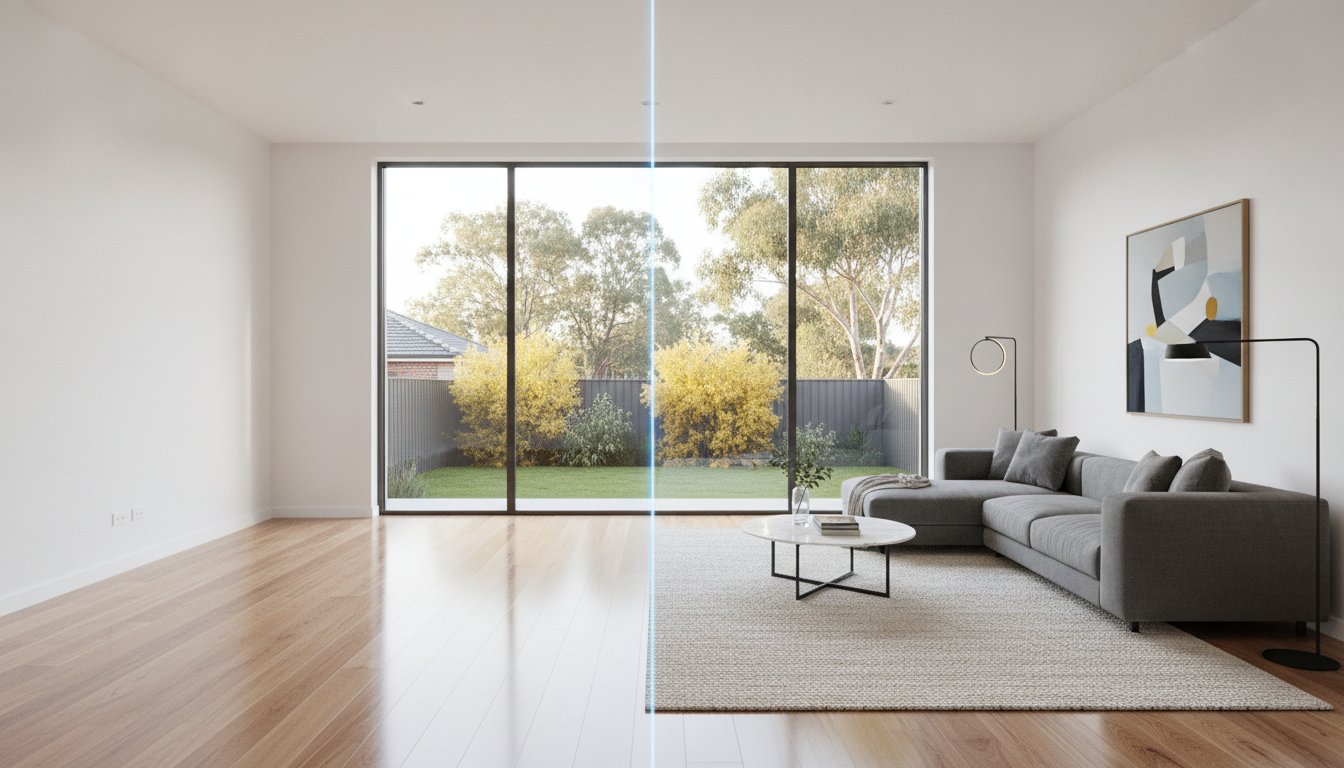
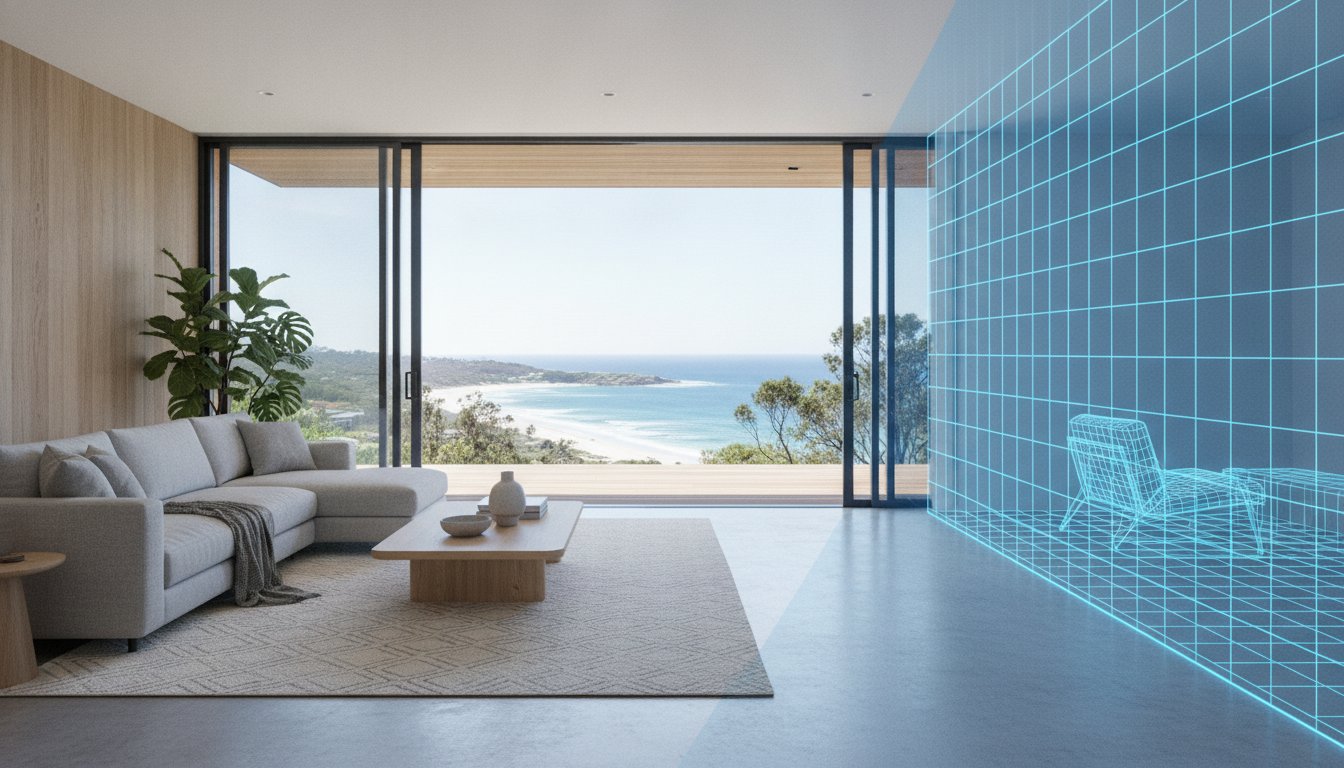
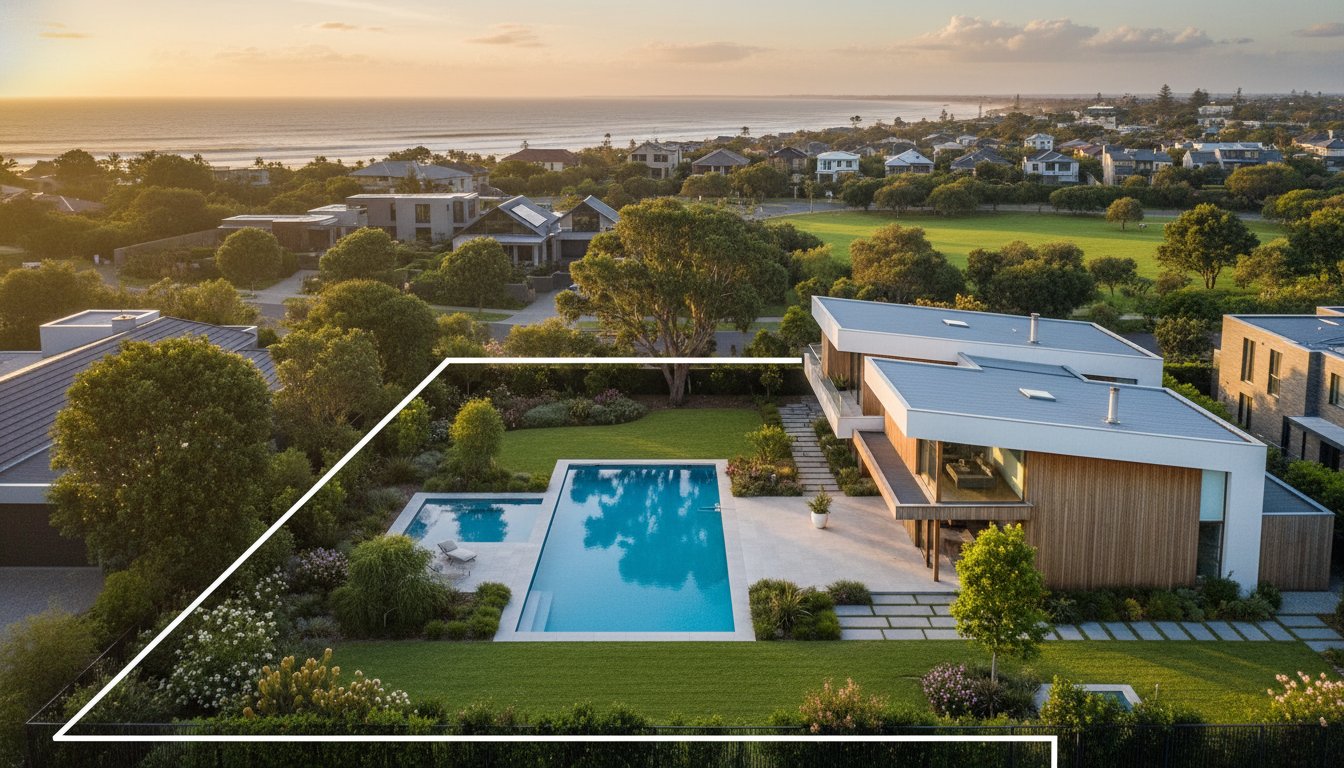
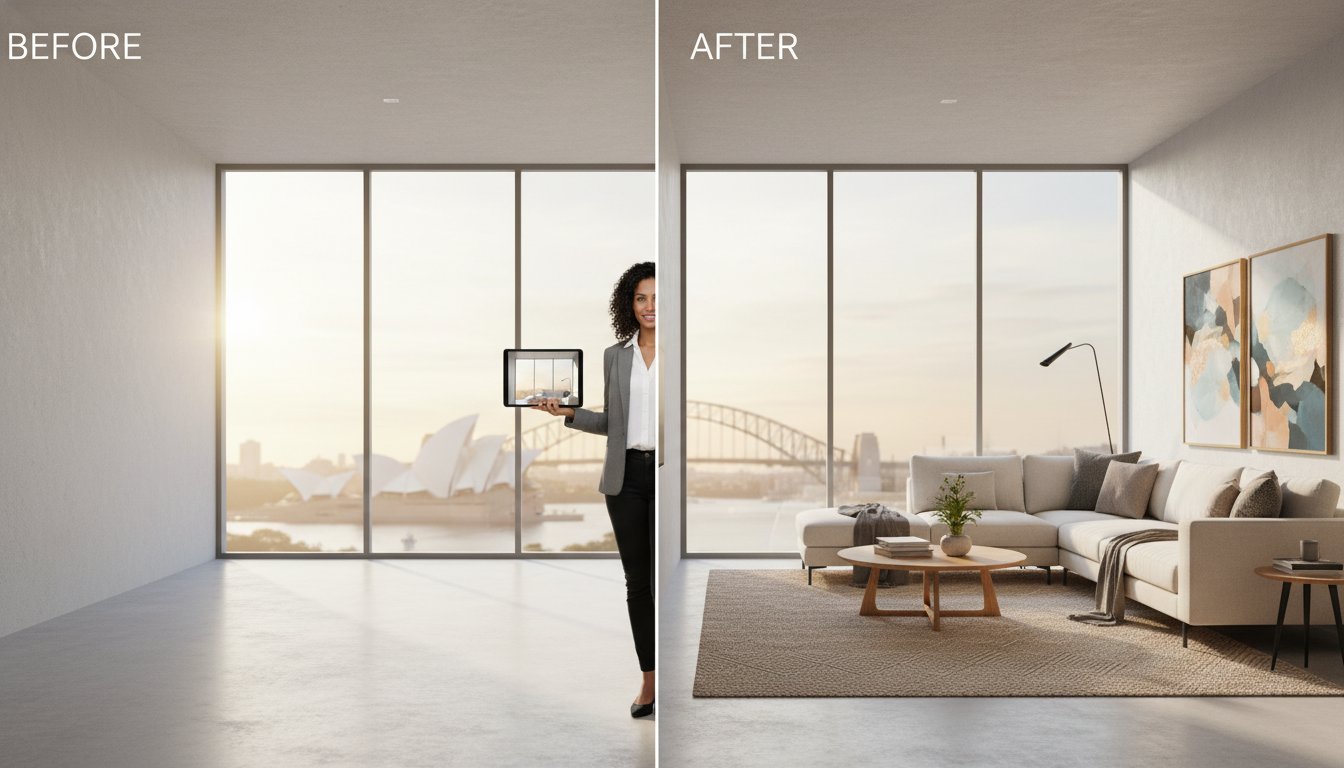
To provide scale and context, aerial drone photography has become a prerequisite. It allows buyers to see the property's proximity to local amenities and its position within the suburb. For vacant listings, virtual furniture is a critical tool. It transforms cold, empty rooms into "lived-in" spaces that resonate emotionally on camera. This helps buyers visualise their own lives in the home, which is essential for driving real interest.
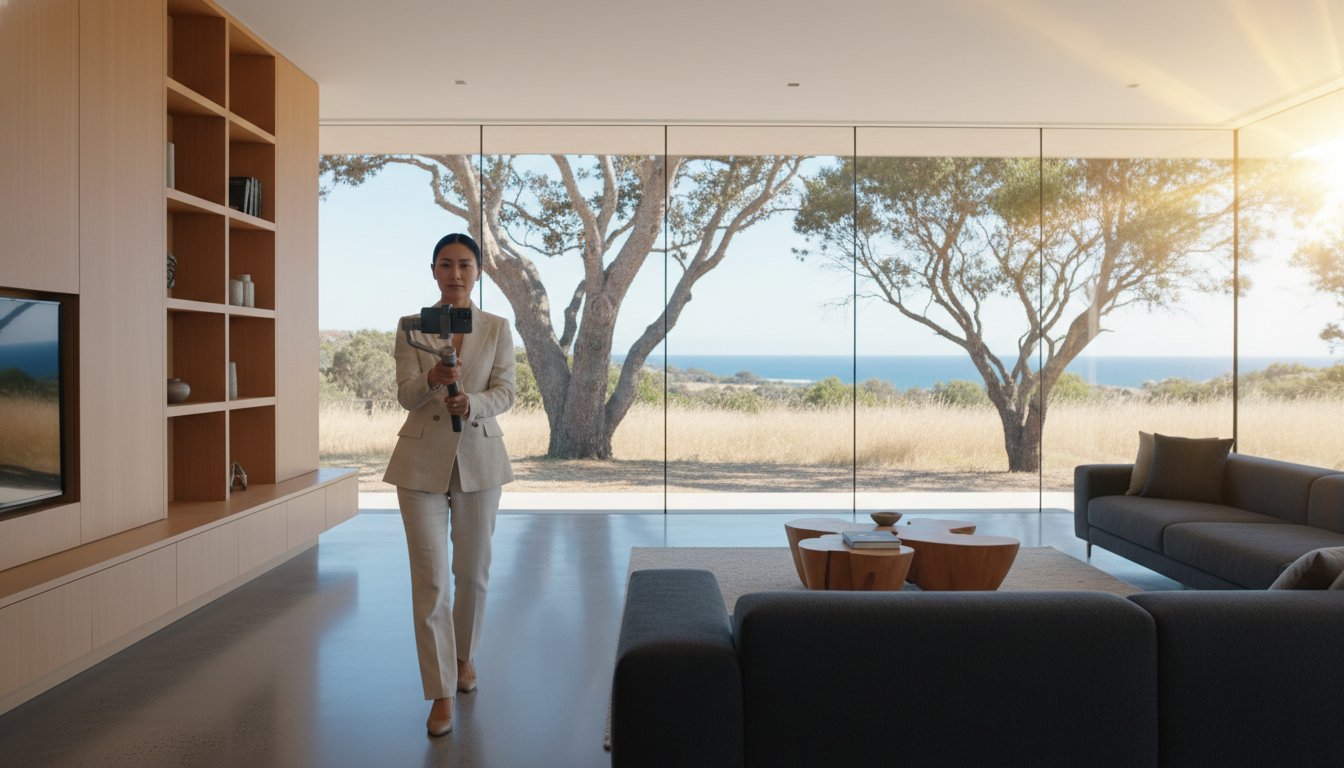
The 9:16 vertical video is the non-negotiable standard for 2026. According to the official government social media guide, businesses must adapt their content to platform-specific formats to maximise reach. Professional reels should incorporate fast-paced editing and trending audio, but they must maintain a level of technical polish that reflects your brand's authority. UberRE’s 24-hour turnaround for visual content ensures that your social momentum remains high, allowing you to post while the market buzz is still fresh.
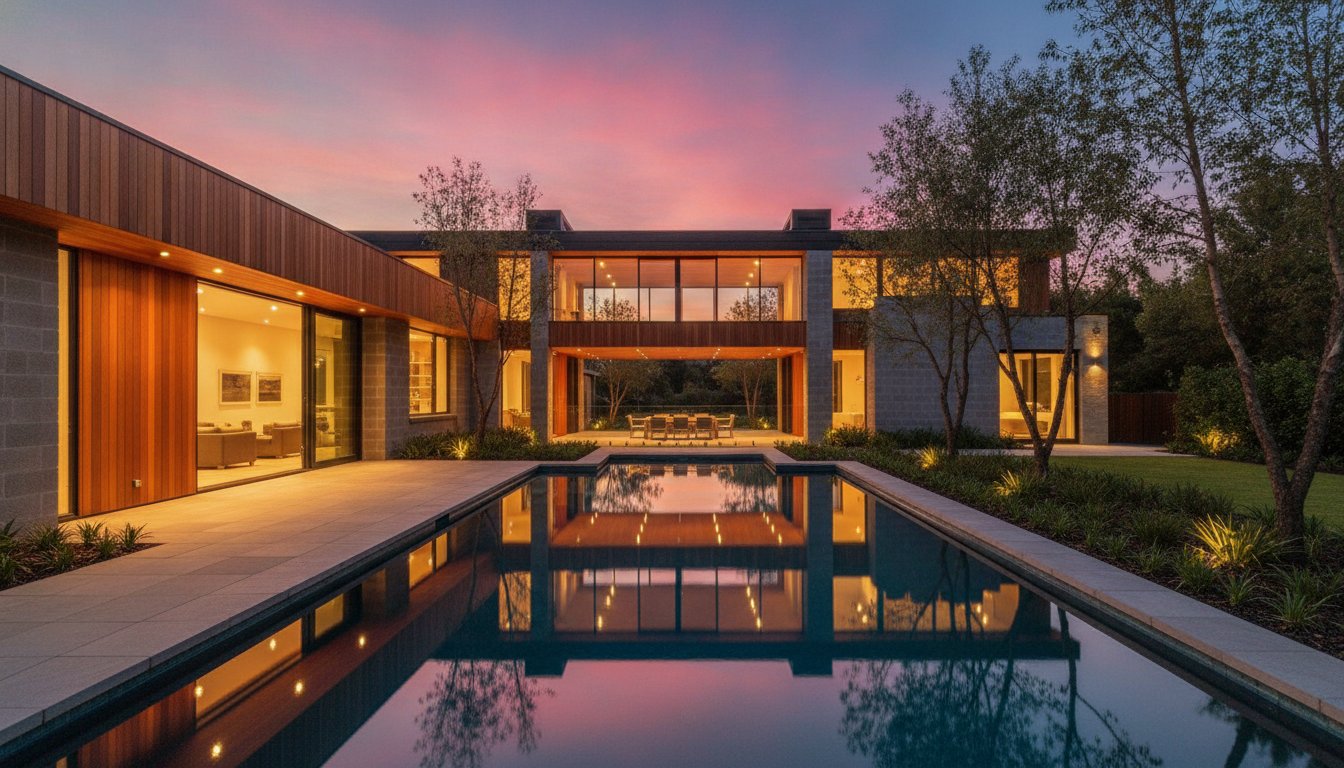
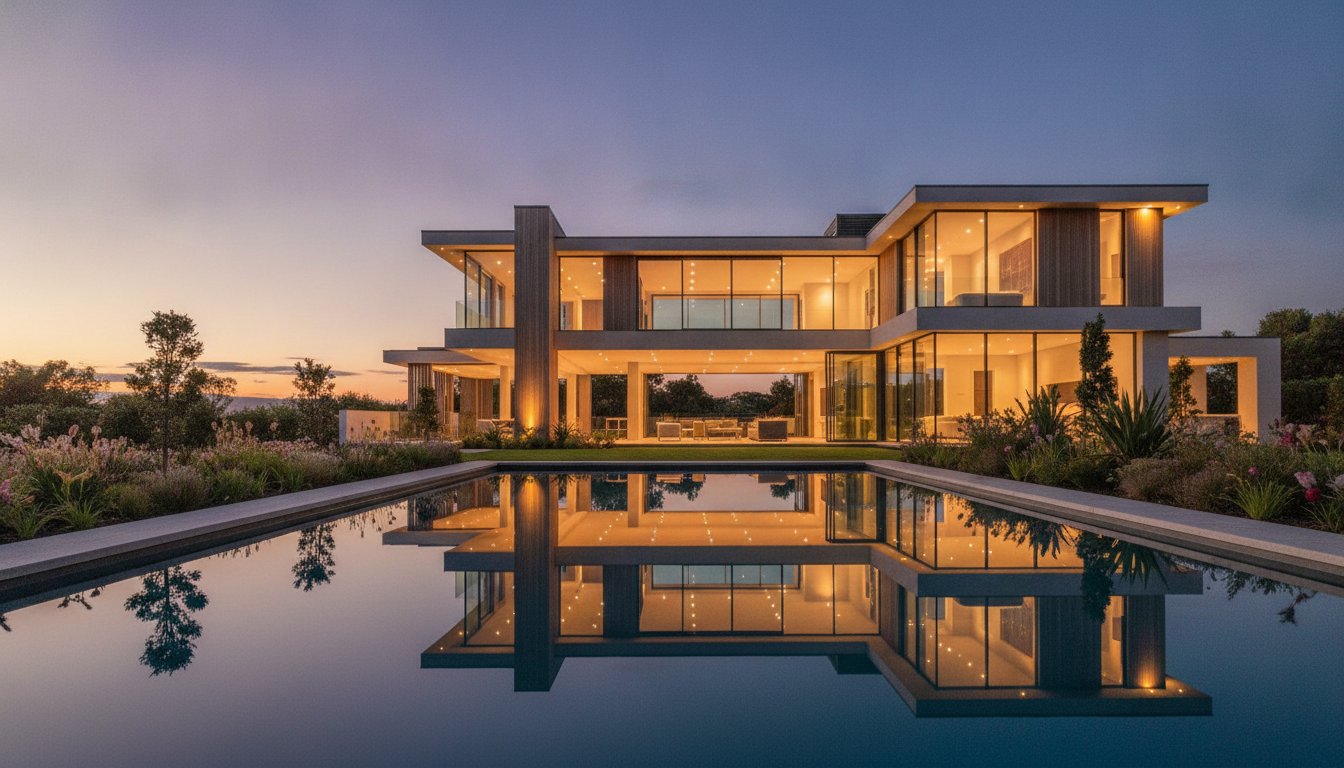
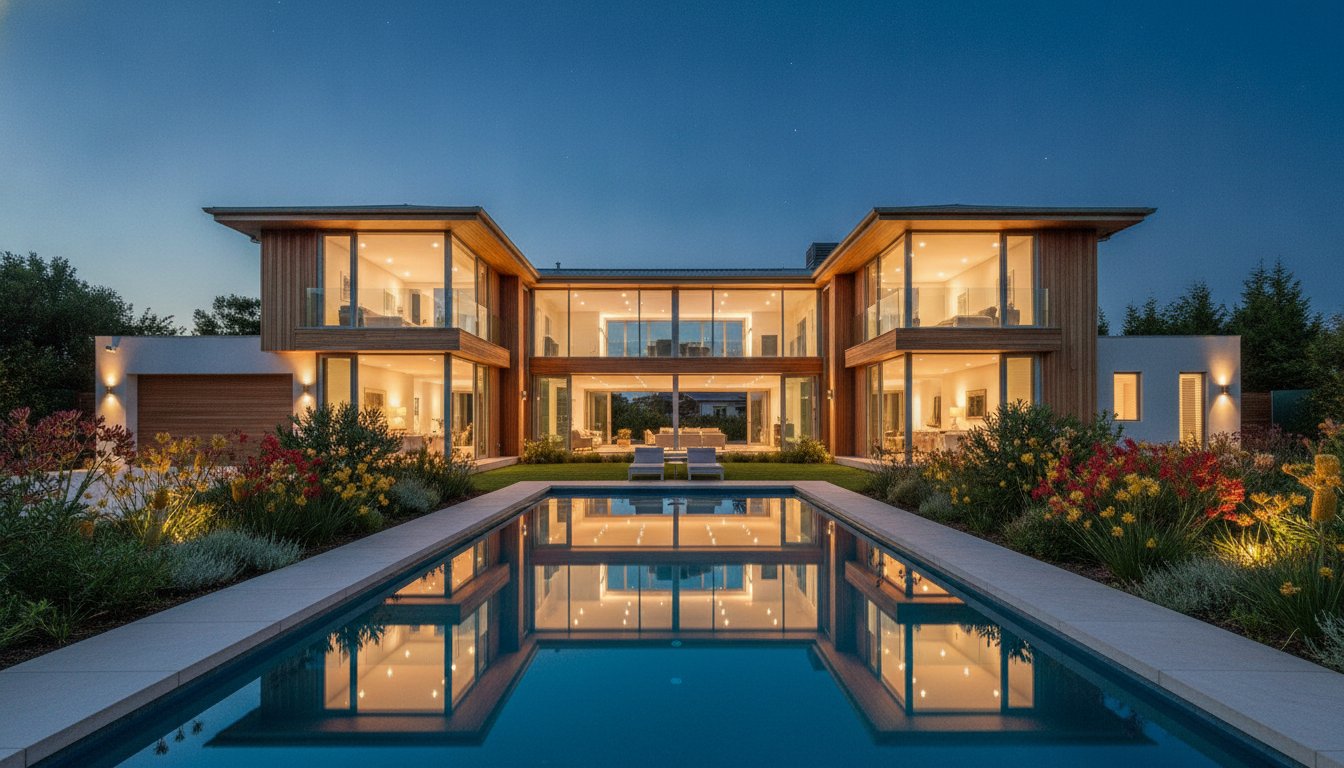
Visuals that trigger emotional responses are the secret to how to use social media to sell property. Twilight Photography often performs 3x better on Instagram than standard day shoots, as the warm lighting creates an aspirational "dream home" atmosphere. Pair these with lifestyle cues like a close-up of a designer kitchen finish or a sun-drenched balcony to build a narrative. For those who want deeper engagement, integrating Matterport 3D tours directly into your social strategy allows for immersive exploration that keeps users on your profile longer. To ensure your next listing stands out with high-end visual infrastructure, you can create a professional account to access specialised social media content.
Platform selection is a strategic requirement, not an optional extra. In 2026, over 55% of Australians are active on Instagram, while Facebook remains a dominant force for local community engagement. Understanding how to use social media to sell property requires a nuanced approach where content is tailored to the specific algorithm of each channel. Instagram serves as your high-end digital brochure, while TikTok operates as a viral discovery engine. Facebook remains the primary hub for suburb-specific targeting, and LinkedIn provides a direct line to high-yield investor networks.
Facebook advertising remains a high-performance tool for lead generation. With average costs in Australia around $0.94 per click or $12.07 per 1,000 impressions as of mid-2026, it offers a cost-effective alternative to traditional portals. Use Facebook to dominate local community groups and run targeted ads that reach passive buyers in specific postcodes. LinkedIn, meanwhile, is the professional's choice. Position high-yield properties and commercial assets here, pairing your visuals with technical data to appeal to the investor demographic.
This community-centric approach is used by businesses of all types to build brand loyalty; for instance, a popular takeaway Tunstall might use hyper-local Facebook targeting to stay top-of-mind for residents in its delivery area, much like an agent works to dominate a specific postcode.
Organise your Instagram Grid to function as a premium digital brochure. Every post should reinforce your brand authority through high-quality imagery and consistent layouts. While the Grid provides long-term credibility, use Stories for immediate impact. Post "Just Listed" updates and behind-the-scenes content to create a sense of urgency. Leverage interactive stickers, such as polls and sliders, to gauge buyer interest in specific property features like outdoor entertaining areas or home offices. This real-time feedback is a powerful component of how to use social media to sell property effectively.
TikTok's interest-based algorithm offers massive national reach, even for accounts with small follower counts. Success on this platform hinges on a blend of authenticity and technical quality. Fast-paced, unpolished video tours often outperform traditional commercials because they feel more genuine to the 2026 buyer. Build your reputation as an expert specialist by posting regular market updates and suburb spotlights. Engaging directly with the comment section is a critical lead generation tactic; answering specific questions about property prices or local amenities can quickly convert a casual viewer into a serious enquiry. This parallels how leading venues build community; for instance, you can learn more about The Vermont Hollywood to see how they use social media to engage fans and promote live events.

Generating views is a vanity exercise if those impressions don't convert into tangible leads. Mastering how to use social media to sell property requires a shift from broadcasting to lead capture. The transition from a "like" to a CRM entry happens through a strategic Call to Action (CTA). Move beyond the generic "link in bio" and utilise integrated lead forms within Meta platforms. These forms allow users to submit their details without leaving the app, significantly reducing friction and increasing conversion rates.
Response speed is the most critical factor in lead retention. Social leads are notoriously transient; your chances of qualifying a lead drop significantly if you don't respond within 30 minutes. High-performing agents use automated triggers or dedicated assistants to ensure immediate contact. This rapid response maintains the momentum created by your high-end visual content and signals a level of professional reliability that builds trust with potential buyers.
Professional copywriting bridges the gap between seeing a property and wanting to inspect it. Keep your captions punchy and direct. Front-load the most impressive feature of the listing, such as an "Infinity pool with a coastal vista" or a "Secret cellar for the serious collector." Use emojis sparingly to break up technical data points while maintaining a premium brand feel. The "Problem-Solution" framework is highly effective: identify a buyer need, like the desire for a quiet home office, and present the property's dedicated study as the ideal solution.
Organic reach is only half the battle. Paid social advertising allows for surgical precision in your targeting. Geofence your ads to reach local buyers within specific postcodes or those who have recently visited similar open homes. Retargeting is your secret weapon for how to use social media to sell property; show your listing again to anyone who watched at least 50% of your initial video tour. This keeps the property top-of-mind. Set a realistic daily budget for a standard four-week campaign to ensure consistent delivery without over-spending.
Scaling a real estate business in 2026 demands high-volume content without compromising technical quality. Consistency is the primary challenge for most agents. UberRE provides the modular infrastructure required to maintain a premium presence across every listing, regardless of the price point. By utilising a single booking platform for photography, floorplans, and video, you eliminate the logistical friction that usually slows down a campaign launch. This streamlined approach is the most efficient way to master how to use social media to sell property at scale.
Outsourcing your content production is no longer a luxury; it's a strategic necessity. Attempting to film and edit your own high-end video content creates a bottleneck that prevents you from focusing on appraisals and listings. Standardising your brand look through professional assets ensures that your digital shopfront remains cohesive and authoritative. This reliability moves your agency away from the fragmented nature of freelance work toward a results-driven partnership that supports rapid growth.
The transition from a new listing to a viral social post should be seamless. Our online booking system allows you to organise day, twilight, and drone shoots in seconds. Because timing is critical for how to use social media to sell property, you receive your social-ready assets within 24 hours of the shoot. This rapid delivery allows you to maintain social momentum and post while the property is fresh in the market's mind. Integrating textured floorplans and Matterport 3D tours into your social stories provides the immersive detail that modern buyers demand.
Staying ahead of the competition requires access to construction-grade technical tools and high-end marketing descriptors. Investing in premium visual assets provides a long-term ROI by building a searchable digital portfolio that attracts future vendors. As algorithms continue to evolve, having a dependable content partner ensures your marketing remains relevant and high-performing. Professional visual storytelling is the infrastructure that turns a standard listing into a premium brand experience.
Organise your next property shoot with UberRE today
The transition to a social-first marketing strategy is no longer optional for Australian agents. Success in 2026 depends on high-quality visual infrastructure that stops the scroll and builds immediate trust with potential vendors. By mastering how to use social media to sell property, you reduce reliance on high-cost portals and build a premium digital asset that attracts both buyers and investors. UberRE provides the technical expertise and 24-hour turnaround required to maintain this momentum across Australia. Our specialised Social Media Reels and high-end photography ensure your listings stand out in every feed.
Leveraging national service coverage means you can specialise your brand across every office and every listing. This systematic approach to content creation allows you to scale your agency without increasing your personal workload. Using professional visual assets is the most efficient way to future-proof your business against shifting market regulations and rising advertising costs. It's time to move beyond the traditional sales funnel and embrace a more efficient, results-driven partnership.
Take control of your digital shopfront and start turning your social feeds into your most productive sales channel today.
Social media is a high-performance lead generation tool that directly facilitates sales by capturing buyers before they reach traditional portals. While branding is a byproduct, the primary function in 2026 is to trigger direct enquiries through targeted reach. By understanding how to use social media to sell property, agents tap into a pool of passive buyers who aren't actively searching listing sites but are ready to act when a compelling property appears in their feed.
Peak engagement for Australian real estate typically occurs between 6:00 PM and 9:00 PM on weekdays when users browse social media after work. Weekend mornings between 8:00 AM and 10:00 AM are also high-traffic periods as buyers prepare for their Saturday inspections. Use your specific platform analytics to identify when your local suburb audience is most active to ensure your listing appears at the top of their feed during these critical windows.
Ad spend should be dictated by your specific campaign duration and the competitive nature of the suburb. As of 2026, social media advertising costs in Australia generally range from $0.75 to $4.50 per click. A robust strategy involves allocating a daily budget that allows for consistent testing across different demographics. This ensures your property reaches the most relevant audience without exhausting your marketing budget before the auction date.
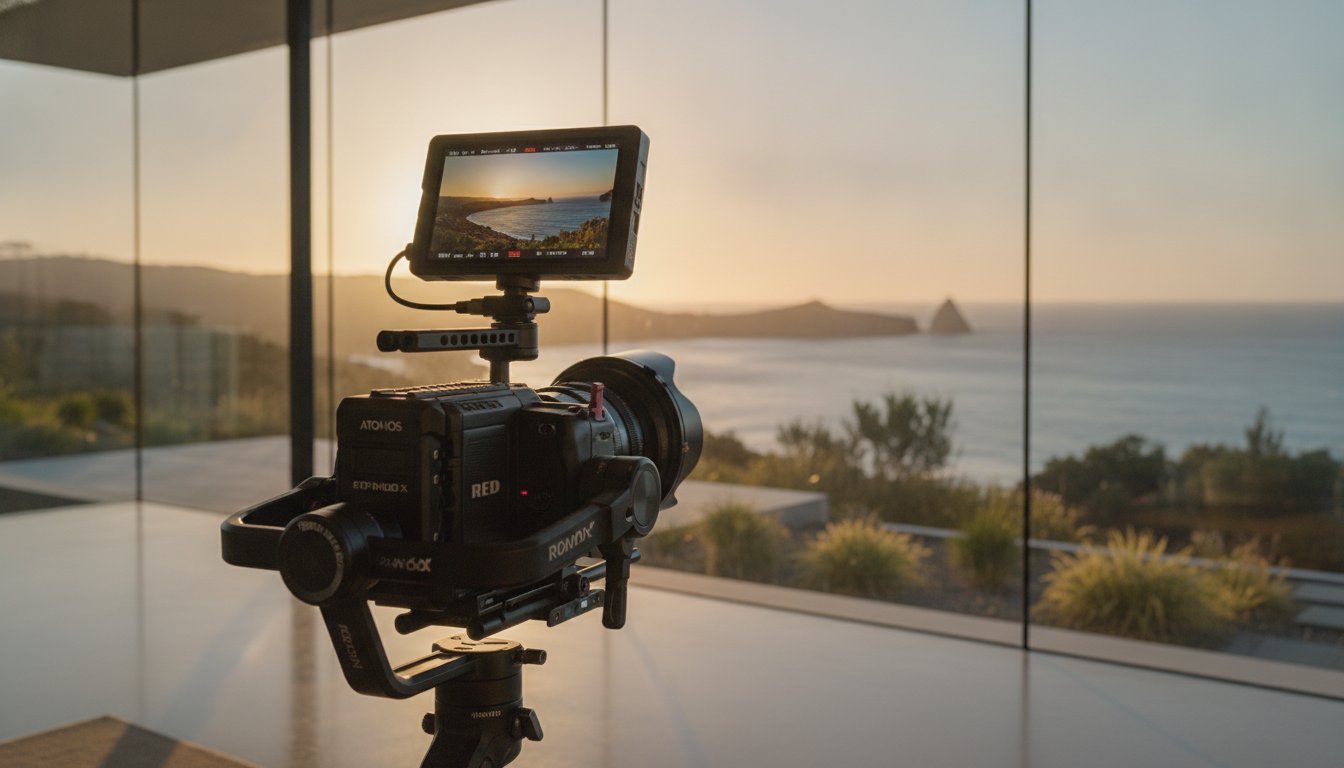
Professional production is the non-negotiable standard for your main feed and Social Media Reels to maintain brand authority. While a phone is suitable for raw, unedited "behind the scenes" Stories, the technical quality of professional video signals a premium service tier. High-resolution visuals produced with specialised equipment ensure your property doesn't look amateurish next to high-end competitor listings in a crowded digital marketplace.
Instagram remains the premier platform for luxury Australian real estate due to its visual-centric nature and high-end aesthetic. It allows for the high-production storytelling required to sell an aspirational lifestyle effectively. For targeting high-net-worth individuals and professional investors, LinkedIn is an essential secondary channel. It provides a direct line to a demographic that values technical data and high-yield investment opportunities alongside premium imagery.
Tracking conversion requires the integration of technical tools like the Meta Pixel and UTM parameters on all external links. These tools allow you to identify exactly which post or ad triggered a website visit or enquiry. Setting up integrated lead forms within Facebook and Instagram provides a direct metric for success. This allows you to calculate your cost per lead and refine your strategy for how to use social media to sell property more effectively over time.
Transparency is essential in the 2026 market, especially following the stricter Property and Stock Agents Amendment Act rules regarding underquoting. Including a clear price or price range in your caption reduces friction and prevents time-wasting from unqualified leads. Clear pricing builds immediate credibility with buyers who are fatigued by the lack of transparency on traditional portals, encouraging more serious and direct enquiries from the outset.
Effective hashtags in 2026 focus on hyper-local targeting and specific property types rather than generic, global terms. Use localised tags like #SydneyRealEstate, #[SuburbName]Property, and #LuxuryHomeAU to reach a relevant audience. Combining these with broader tags like #JustListed and #RealEstateAustralia helps the algorithm categorise your content while ensuring it remains visible to buyers searching specifically within your target postcodes.

-2.png)