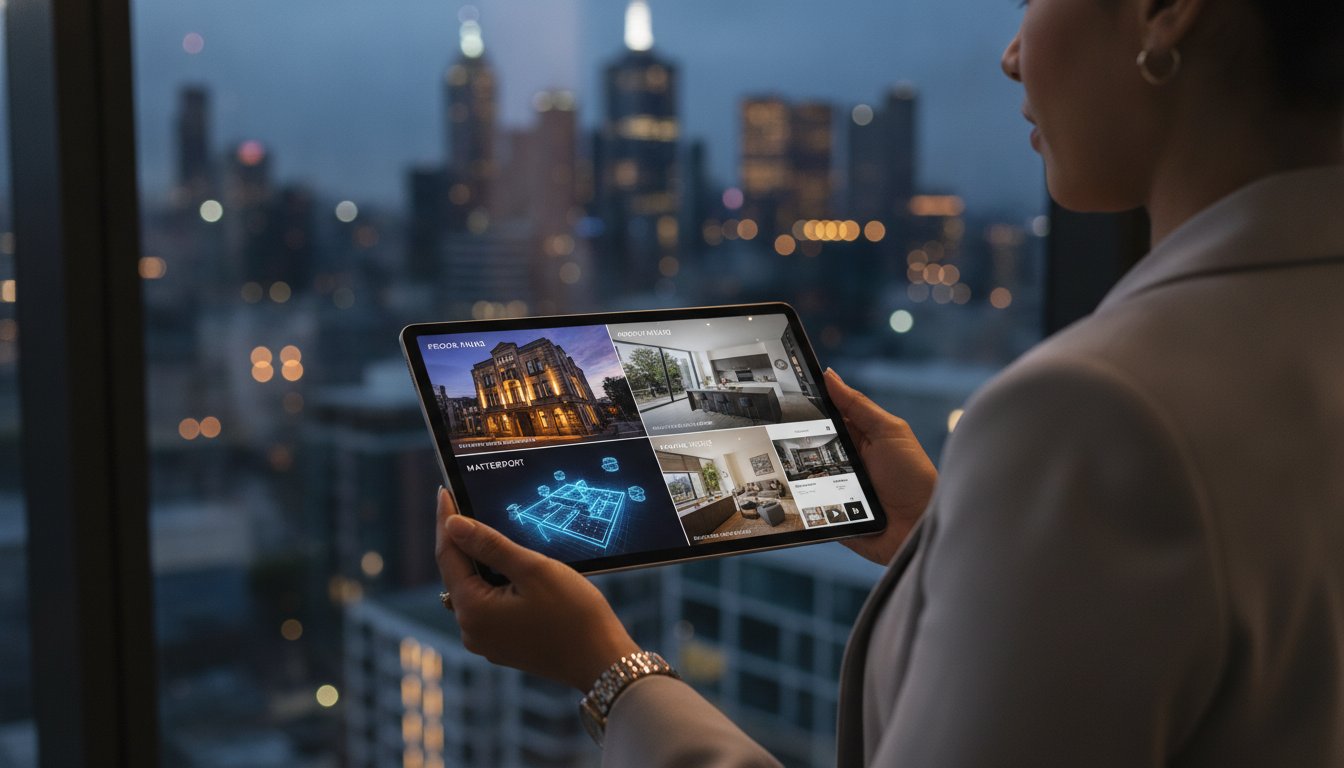
If you believe the choice between little hinges vs matterport is a direct technology battle, you're actually comparing the car to the driver. It's a common point of confusion for Australian agents trying to keep pace with a market where 3D tours are now a baseline expectation for listings. You likely already realise that high-quality visual content is non-negotiable for winning listings and pre-qualifying buyers, but the logistics of managing cameras, software subscriptions, and multiple vendors can quickly become a costly bottleneck.
This article clarifies the relationship between the Matterport hardware ecosystem and full-service providers to help you maximise your property marketing ROI. You'll discover the critical difference between "do-it-yourself" platforms and "done-for-you" services to find the most efficient workflow for your agency. We'll show you how to access construction-grade technical tools without the capital outlay, ensuring you get professional floorplans and immersive tours delivered with total service assurance across Australia.
• Define the relationship between global tech platforms and local service providers to clarify your 2026 property marketing strategy.
• Compare the little hinges vs matterport models to decide between high-cost DIY hardware ownership and the efficiency of a professional managed service.
• Identify how professional 3D tours effectively pre-qualify leads, reducing "tyre-kicker" inspections while supporting the rise in sight-unseen interstate purchases.
• Learn why integrated providers offering 24-hour turnaround on photos, floorplans, and tours provide a superior ROI for fast-paced Australian markets.
• Evaluate the importance of standardised, construction-grade technical tools in delivering a consistent brand experience across national listing portfolios.
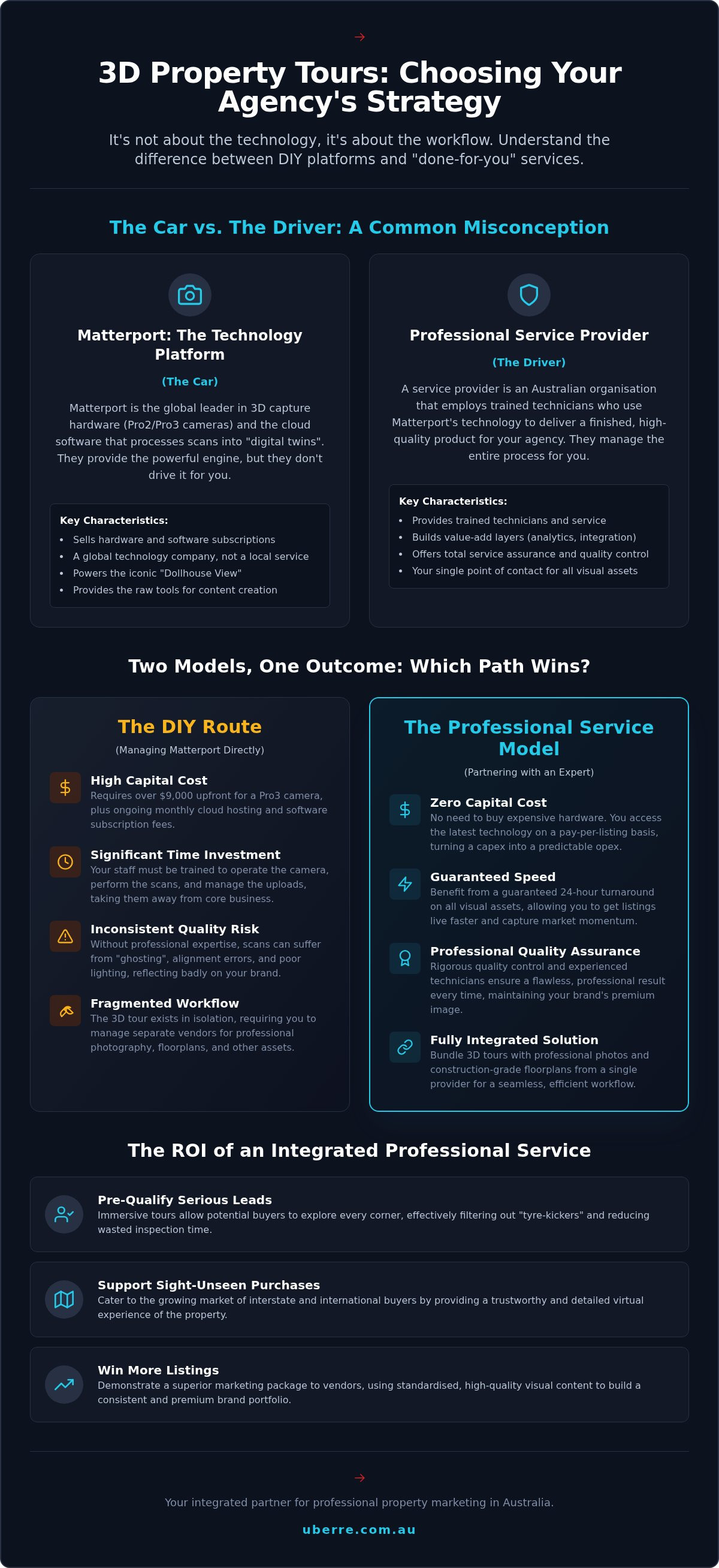
The debate around little hinges vs matterport often stems from a fundamental misunderstanding of how 3D property marketing works. Many agents believe they're choosing between two competing camera technologies or software engines. This isn't the case. You're actually choosing between a global technology platform and a local service provider that utilises that platform to deliver a finished product. It's the difference between buying the raw ingredients and booking a professional chef to prepare the meal.
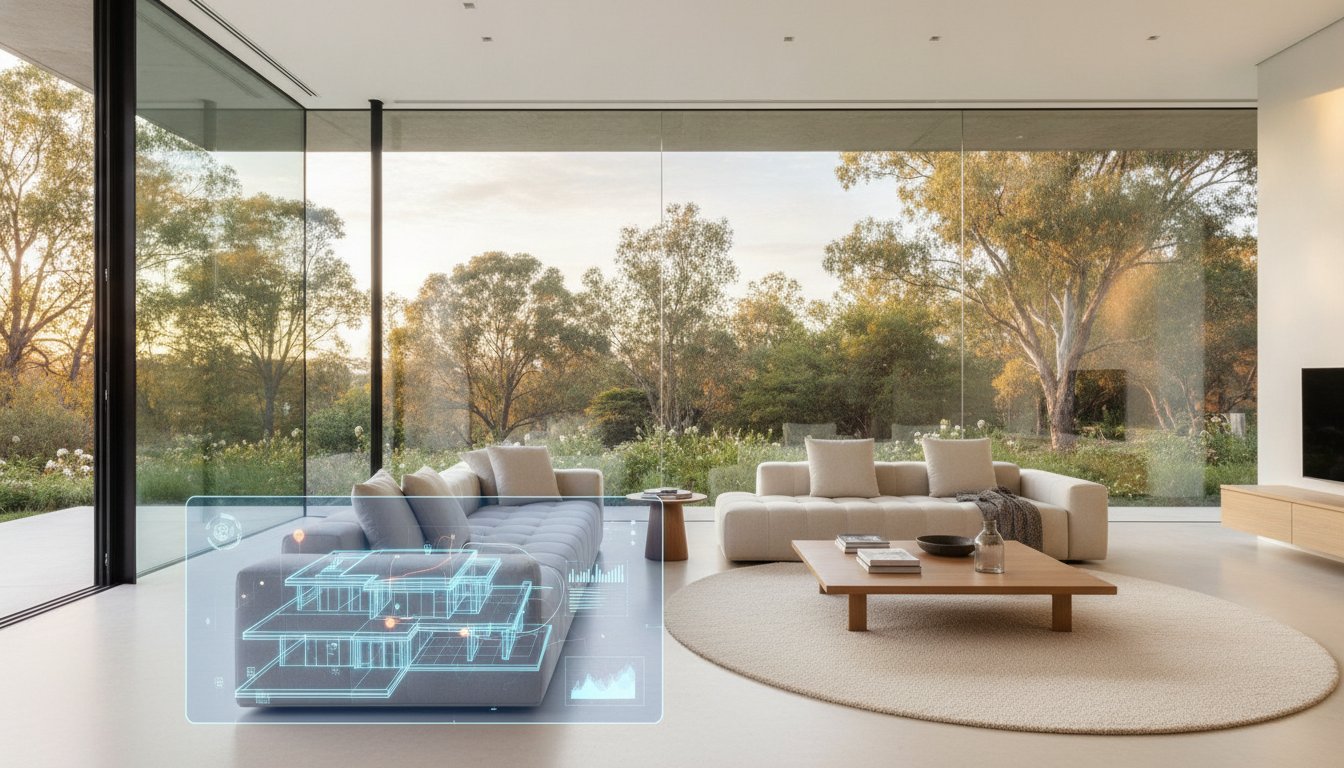
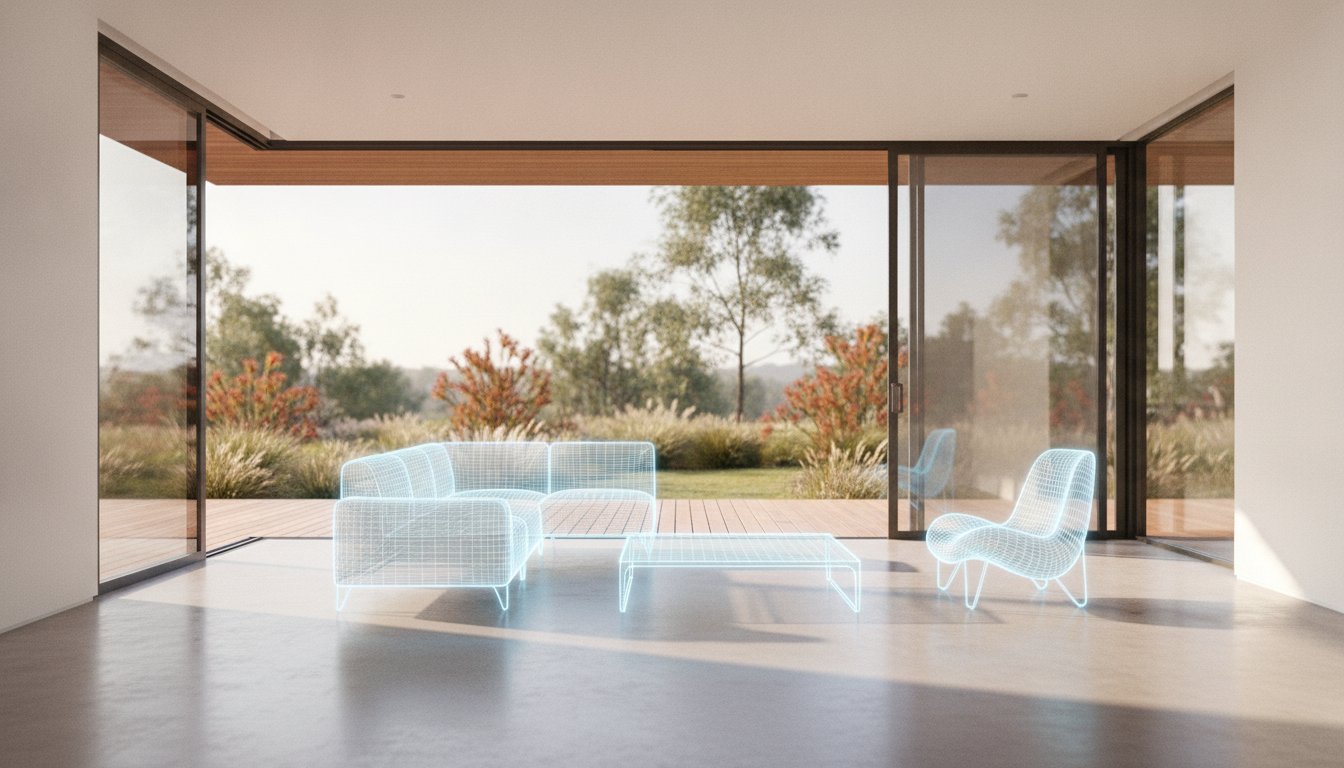
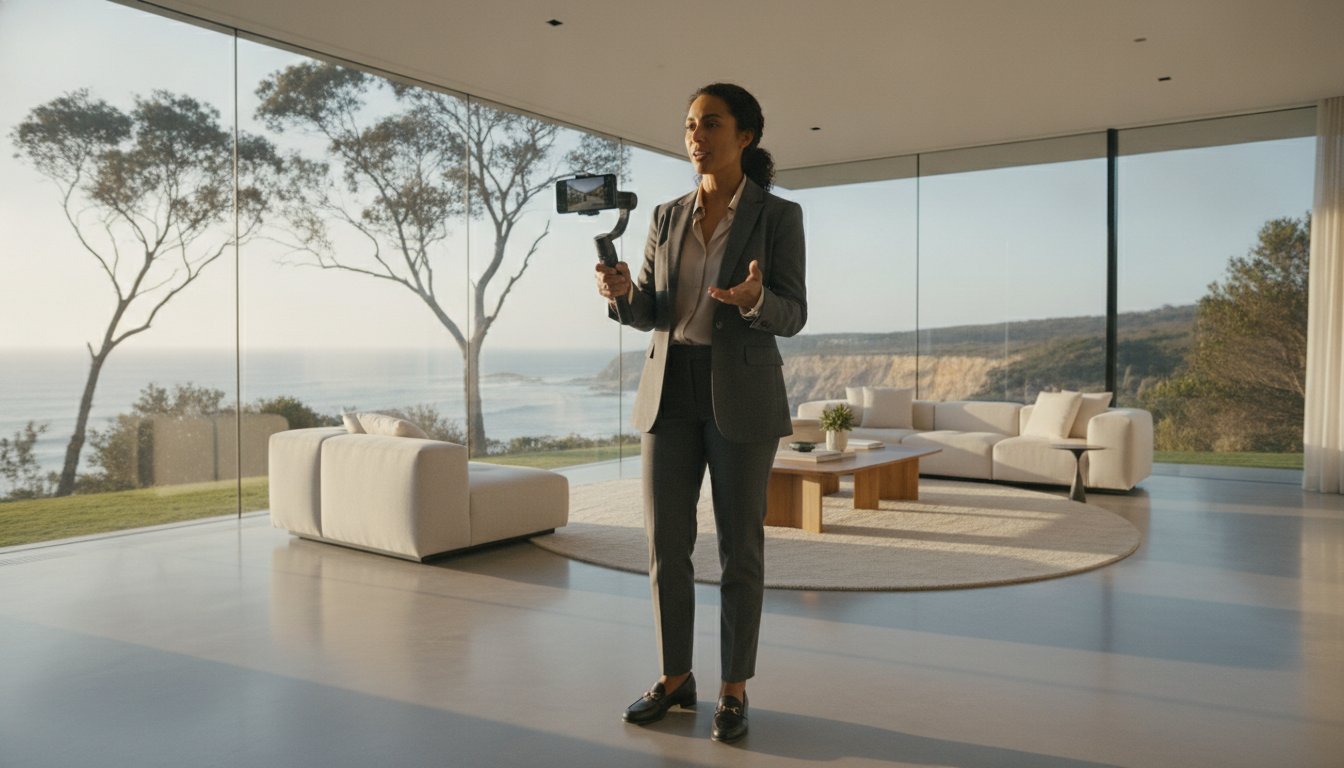
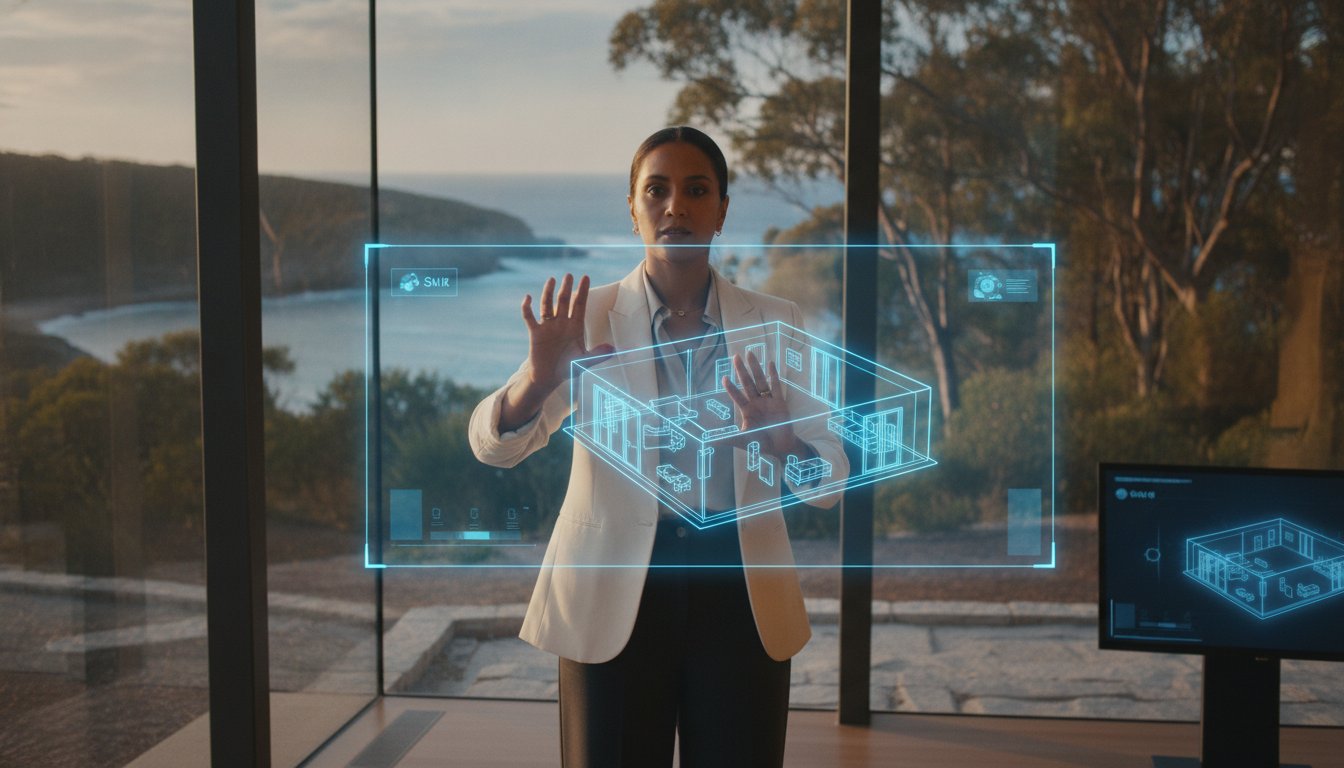
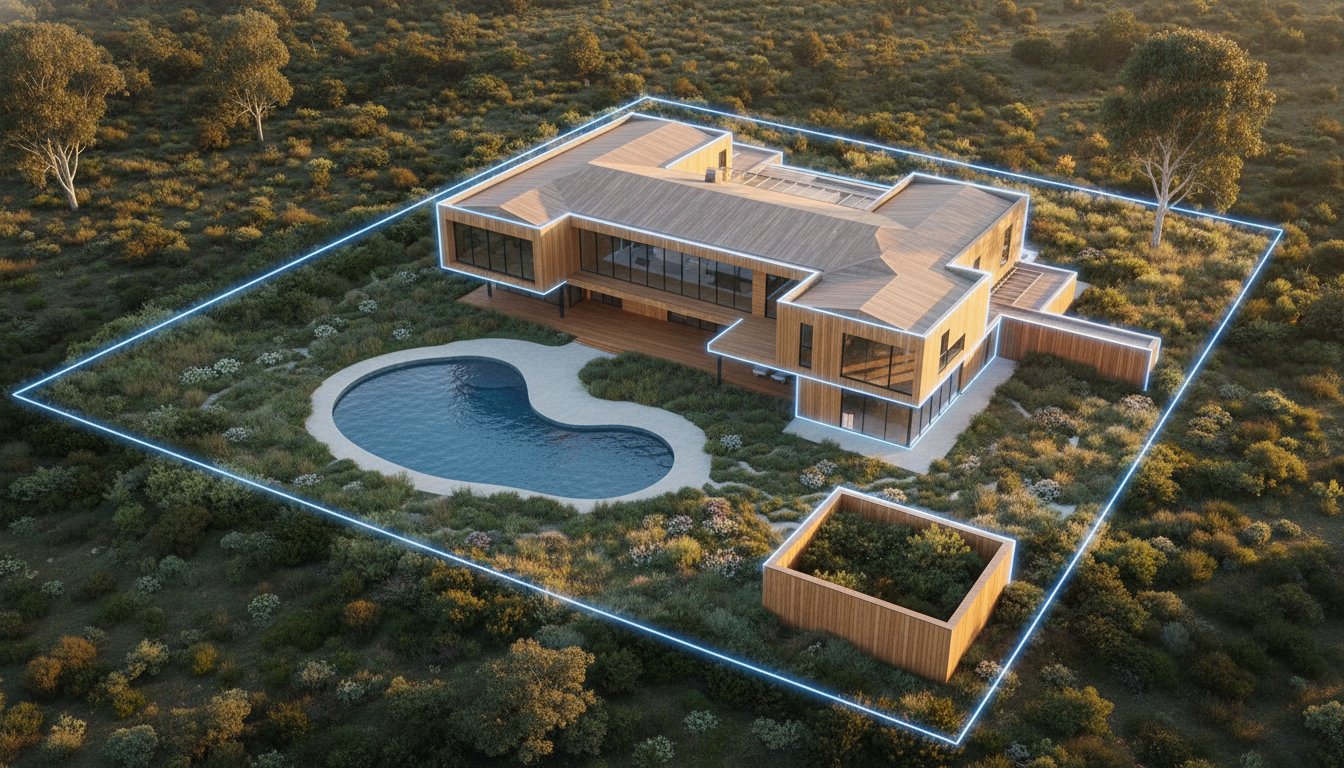
Matterport is the industry-standard software and hardware ecosystem used to create "digital twins" of physical spaces. It's the engine behind the 3D experience. Their Pro2 and Pro3 cameras use high-resolution sensors and LiDAR to capture spatial data, which their cloud-based platform processes into an interactive 3D model. This technology provides the iconic Dollhouse View and precise measurement tools that allow buyers to virtually walk through a home. Matterport provides the infrastructure; they're a tech company, not a photography agency. They sell the tools that allow others to create content.
Little Hinges is an Australian service organisation. They don't manufacture cameras or develop the core 3D stitching software. Instead, they hire and train technicians to visit properties and perform the scans using Matterport's hardware. Their specific value-add lies in the service layer they build on top of the technology. They provide a proprietary analytics dashboard and "Sight Unseen" reports designed to help agents track buyer engagement and data. They've positioned themselves as a specialised data-driven partner for the real estate sector, using Matterport as their primary tool.
Recognising this distinction is vital for your marketing ROI. If you choose a provider solely based on the technology name, you might overlook the logistical efficiency of your workflow. Since both paths lead to a Matterport-powered result, the visual quality is often identical. The real variation appears in the turnaround time, the pricing structure, and how well the 3D tour integrates with your other visual assets like professional photography and floorplans. Choosing a provider is a decision about reliability and service standards, not just a software choice.
For most Australian agencies, the "DIY" route of dealing directly with the Matterport platform is impractical. It requires a significant capital investment in hardware and a monthly software subscription. This is why service providers exist. They remove the technical burden from the agent. However, not all service providers are equal. Some focus purely on the 3D scan, while others offer a comprehensive suite of visual content. When you evaluate your options, consider whether you want a single-point solution for your entire listing or a fragmented approach that requires managing multiple vendors for different tasks.
Deciding on the right 3D strategy for your agency depends on your volume and available resources. When comparing little hinges vs matterport, the "platform vs service" distinction becomes a significant financial and logistical decision. You must choose between investing in expensive hardware or partnering with a specialist provider that manages the entire production cycle. For most high-performing Australian agencies, the choice comes down to capital expenditure versus operational speed.
Purchasing a Matterport Pro3 camera requires a capital investment often exceeding $9,000. For high-volume property managers with tight budgets, this might seem like a way to save on per-listing fees. However, the hardware cost is just the beginning. You must also account for recurring cloud hosting subscriptions and the significant time commitment required for staff to learn the system. Without professional training, DIY scans often suffer from alignment errors or "ghosting" where mirrors or moving objects confuse the sensor. This DIY approach often leads to a fragmented workflow where the 3D tour exists in isolation from other marketing assets.
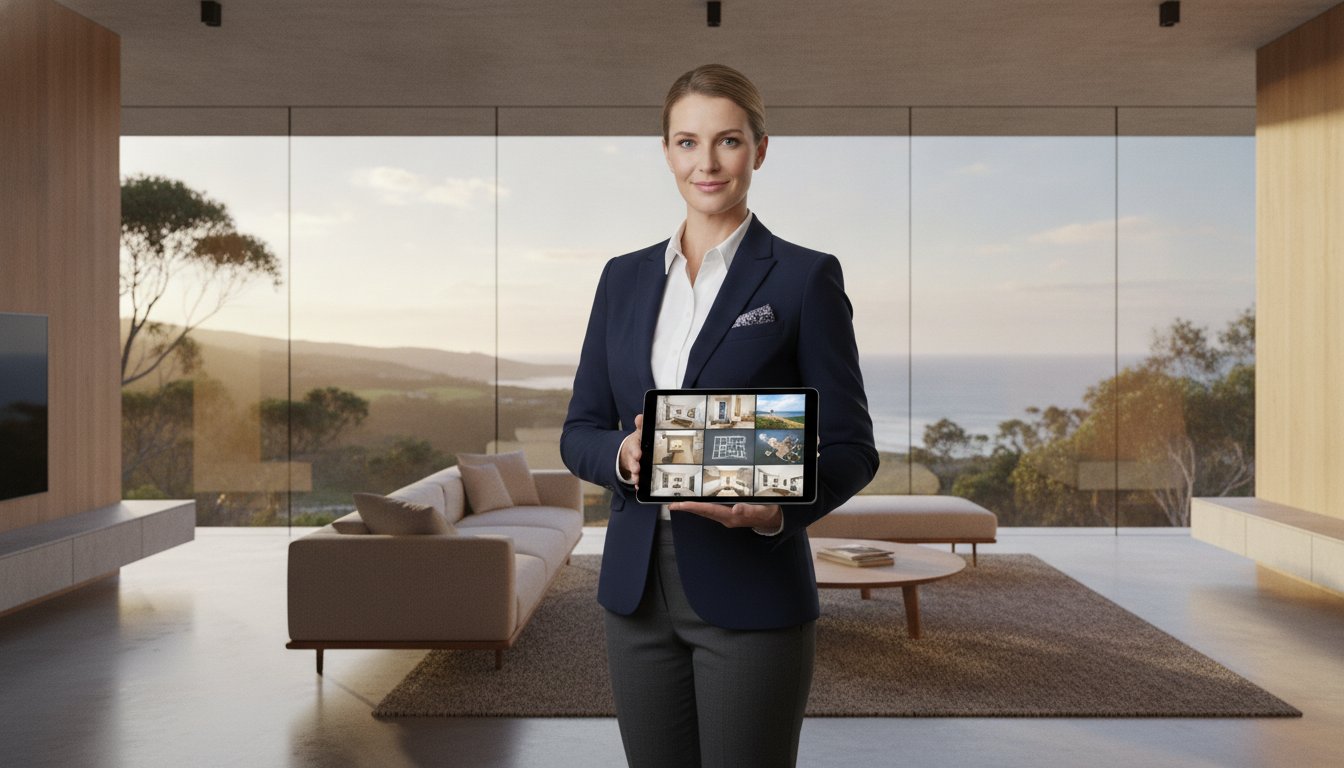
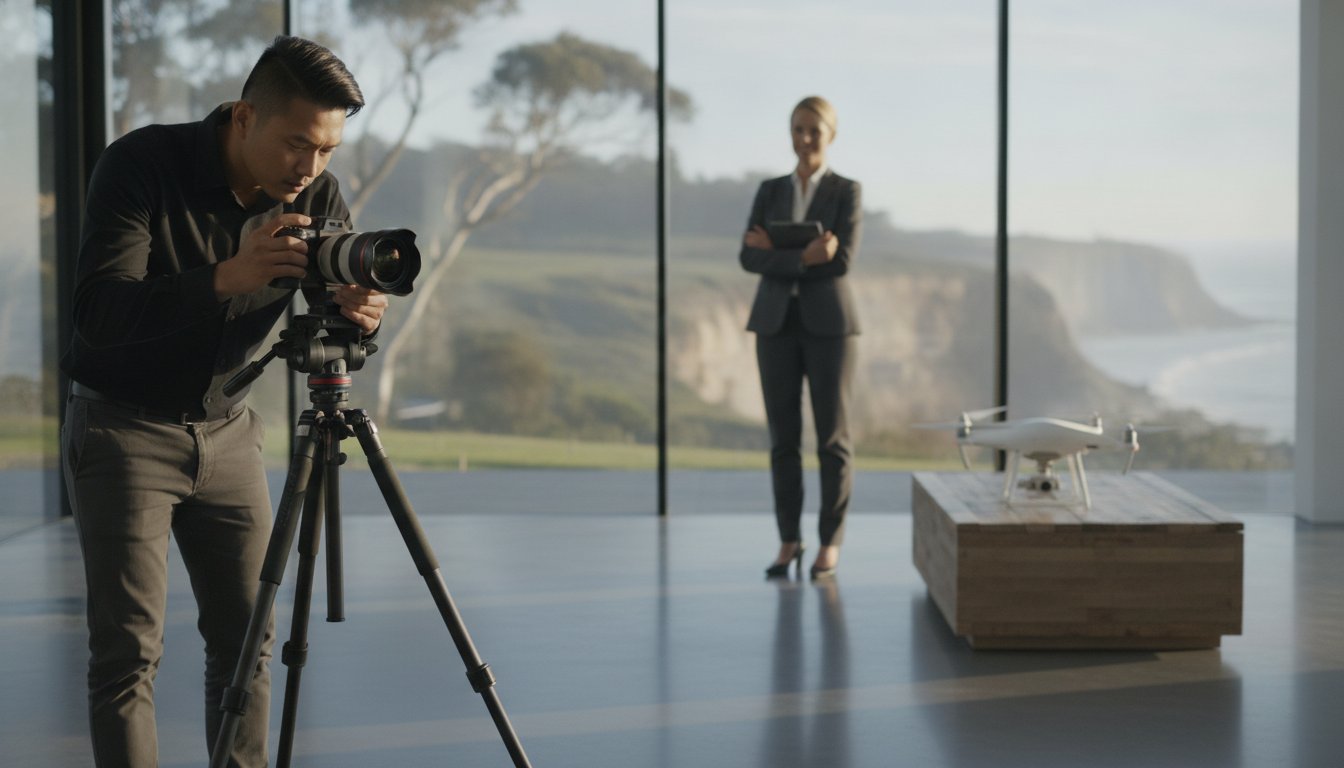
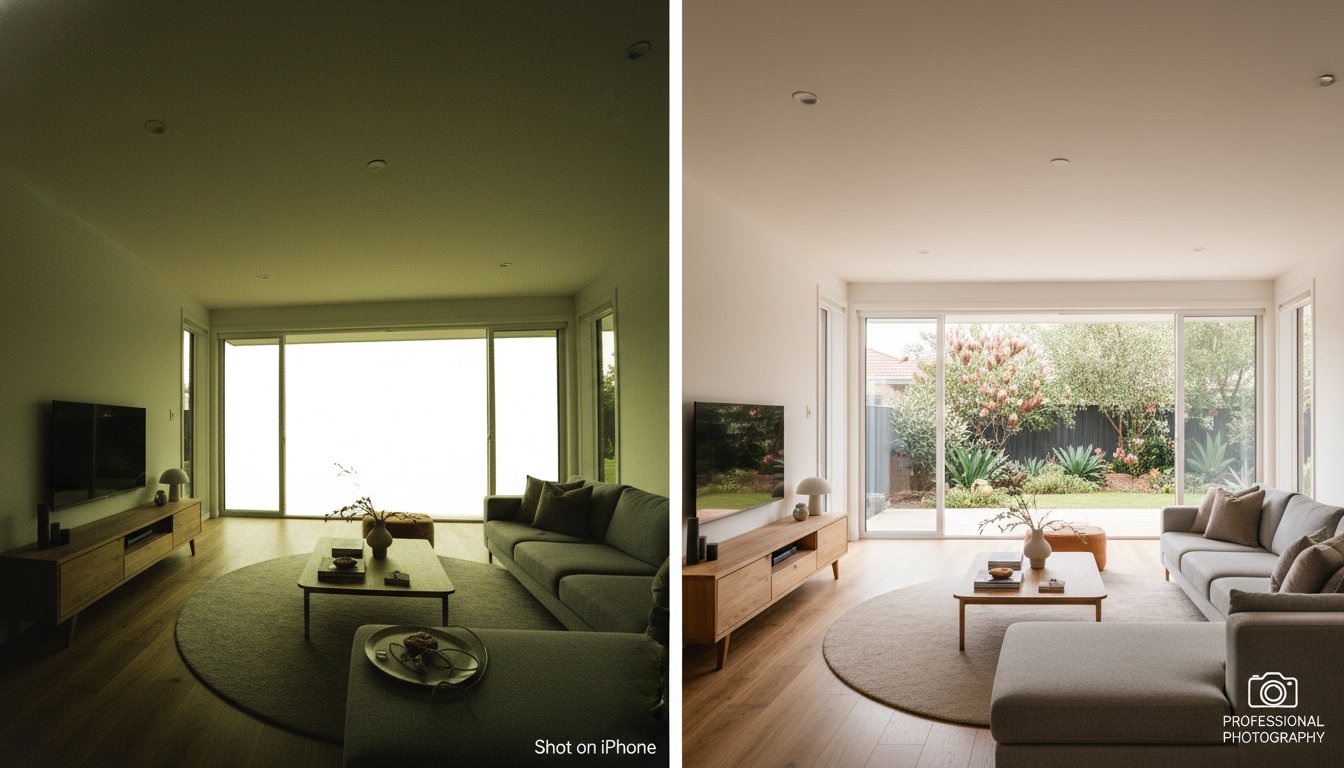
Opting for a professional service eliminates upfront hardware costs and technical headaches. You gain access to the latest capture technology without the $9,000 price tag. Most critically, professional providers offer a total service assurance. This includes guaranteed 24-hour turnaround and rigorous quality control. A major advantage here is the ability to bundle your 3D tour with professional real estate photography. This ensures a consistent visual standard across all platforms. Instead of managing multiple vendors, you book one technician to handle the entire visual suite in a single visit.
Recent Proptech Australia research suggests that while 3D technology is powerful, its effectiveness relies on how the data is used. Professional services often include advanced analytics that go beyond basic view counts. When evaluating little hinges vs matterport, remember that the "service" model isn't just about the scan. It's about the logistical efficiency of your office. Your team should focus on closing deals, not troubleshooting camera firmware or spending hours on-site waiting for a scan to upload. A streamlined, outsourced model allows for rapid scaling during peak seasons without adding to your permanent overheads.
The right choice depends on your business infrastructure. If you value modern efficiency and a standardised output, a managed service is the logical path forward. You can streamline your listing workflow by partnering with a provider that treats 3D tours as a modular product within a larger marketing strategy.
Determining the winner in the little hinges vs matterport debate requires looking beyond the 3D model itself. While the underlying technology provides the visual foundation, the features that drive agent efficiency are analytics, delivery speed, and final image clarity. In a high-stakes market, these factors often dictate whether a listing gains traction or gets lost in the digital noise.
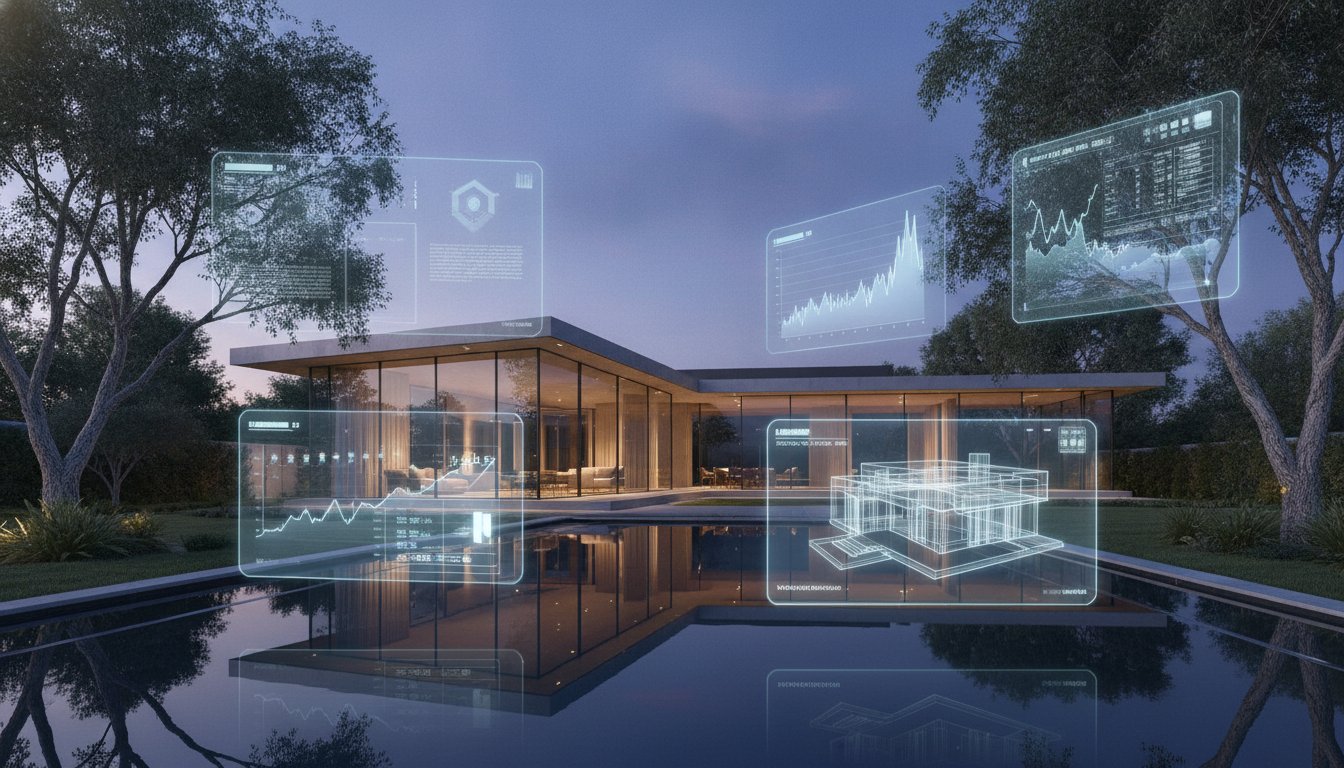
Little Hinges differentiates itself by offering a proprietary analytics layer. This includes "Sight Unseen" reports and detailed buyer engagement data. These tools allow agents to see which parts of a home are attracting the most attention. Standard Matterport metrics, by contrast, focus on core performance indicators like total views and unique visitors. While the extra data from specialised providers is impressive for vendor reporting, its value depends on your agency's capacity to act on it. For many, the primary goal remains the 24/7 digital open house experience, which is a feature shared by all Matterport-powered tours.
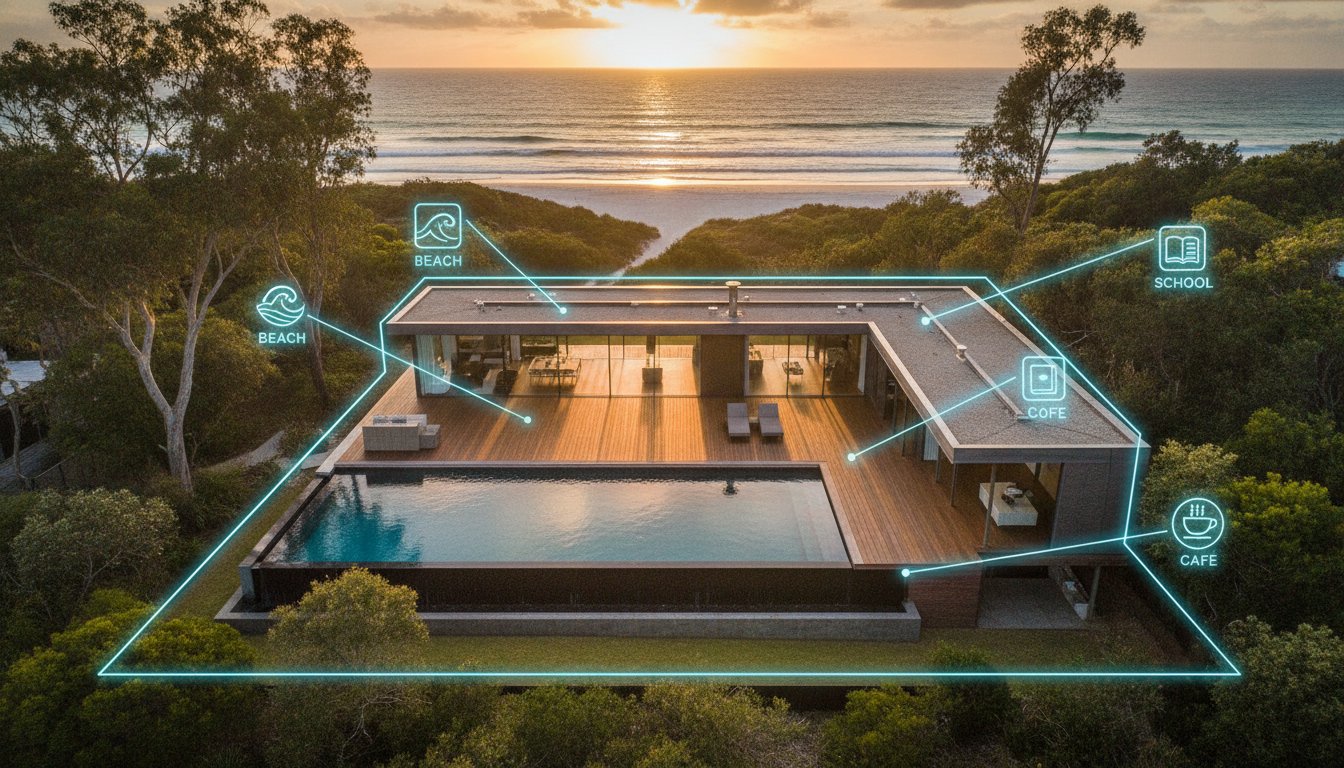
The industry's shift toward this "always open" model is evident in Domain's Matterport campaign, which highlights how virtual tours keep properties accessible around the clock. Whether you use basic metrics or advanced heatmaps, the objective is to pre-qualify leads before they request a physical inspection.
Speed is a critical currency in Australian real estate. A 24-hour turnaround on finished content is now the expected standard for professional marketing. National providers achieve this by using automated processing pipelines and decentralised teams of technicians. This ensures that even if you're listing a property in a regional centre, the quality and delivery speed remain consistent with capital city standards. Reliability isn't just about the scan; it's about the entire production workflow, from the moment the technician leaves the property to the final tour link arriving in your inbox.
Quality also hinges on the hardware used. The transition from the Matterport Pro2 to the Pro3 has significantly improved outdoor capture and large-scale spatial accuracy. Professional service providers prioritising the Pro3 can offer millimetre-accurate floorplans and better clarity in bright Australian sunlight. This hardware advantage, combined with professional post-processing, ensures your 3D tour looks sharp on every device. When you weigh up little hinges vs matterport, consider that the best results come from combining the latest Pro3 sensors with a service model that guarantees next-day delivery.
Superior performance in high-glare environments and larger outdoor spaces.
Use analytics to justify price adjustments or marketing shifts to vendors.
Ensure your 3D provider can deliver the tour alongside your other visual assets.
Maximising your marketing ROI requires a shift in perspective. You shouldn't view a 3D tour as a luxury add-on. Instead, see it as a high-precision filter for your enquiry funnel. By providing an immersive digital experience, you effectively eliminate "tyre-kicker" inspections. This saves hours of travel and on-site time, allowing your team to prioritise buyers who have already "walked" the property online. When evaluating little hinges vs matterport, the true return on investment comes from the speed at which you can move a lead from initial click to a signed contract.
The cost-to-value ratio significantly improves when you move away from standalone services. Booking a full media pack that includes professional photography, textured floorplans, and a 3D tour is far more efficient than managing fragmented vendors. This integrated approach ensures your listing goes live faster and maintains a superior visual standard across every portal. Modern agencies are finding that the logistical savings of a single-visit technician often outweigh the minor price differences between individual tech platforms.
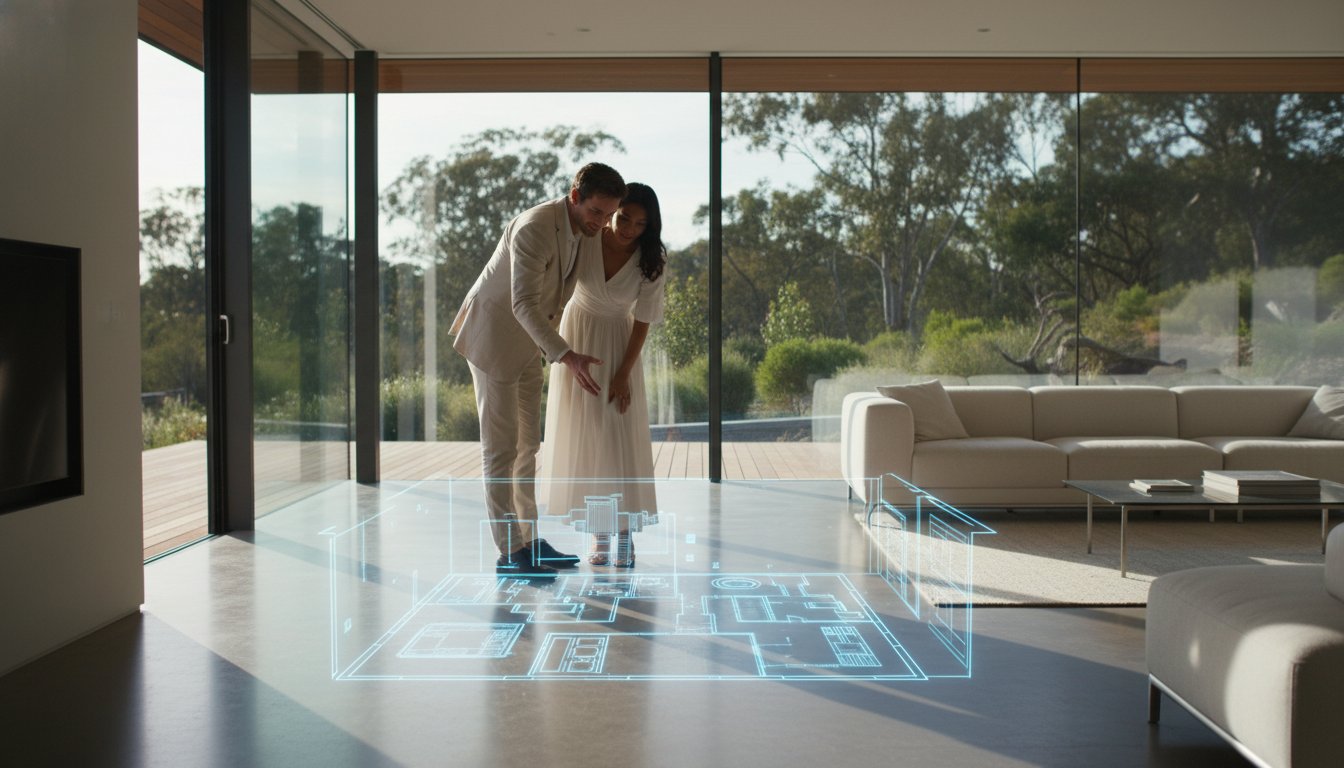
The "Sight Unseen" trend is a dominant force in the 2026 Australian market. Data suggests that approximately 1 in 4 Australians now inspect property outside their own state. For these buyers, a 3D tour isn't just a convenience; it's a critical decision-making tool. Millimetre-accurate measurements allow interstate investors and relocating families to plan furniture layouts and assess spatial suitability with total confidence. This level of technical detail reduces the friction in the transaction, allowing buyers to commit remotely without the need for multiple physical fly-ins.
Top-tier agencies no longer reserve 3D tours for high-end mansions. They use them for every listing to maintain brand consistency and capture more data. By standardising your output, you create a predictable experience for your audience. This consistency builds trust with both vendors and buyers. To get the most out of your budget, you should balance your spend by choosing a provider that offers national coverage and fixed-fee models. This allows you to scale your operations rapidly without the need for internal hardware management or staff training.
For a deeper look at how to implement these tools, read our guide to Matterport 3D virtual tours. Understanding the technical side helps you better explain the value to your vendors during a listing presentation.
Register your account to streamline your property marketing
The little hinges vs matterport debate often overlooks the operational reality of running a high-volume agency. While individual platforms offer specific data points, your primary goal is a streamlined campaign launch. UberRE provides a high-end, tech-integrated solution that replaces fragmented vendor management with total service assurance. We don't just provide a tour; we deliver a modular marketing suite designed for modern efficiency. By positioning ourselves as an on-demand utility for visual content, we allow your team to focus on the transaction while we handle the technical infrastructure.
Eliminating the "vendor juggle" is the fastest way to increase your operational ROI. Instead of coordinating separate appointments for photographers, floorplanners, and 3D technicians, you book a single national partner. This integrated approach ensures that your real estate floor plans align perfectly with your 3D tour data. A single visit from a professional technician captures every asset required for a premium listing. This consistency creates a unified brand experience that instils immediate trust in potential vendors and buyers alike.
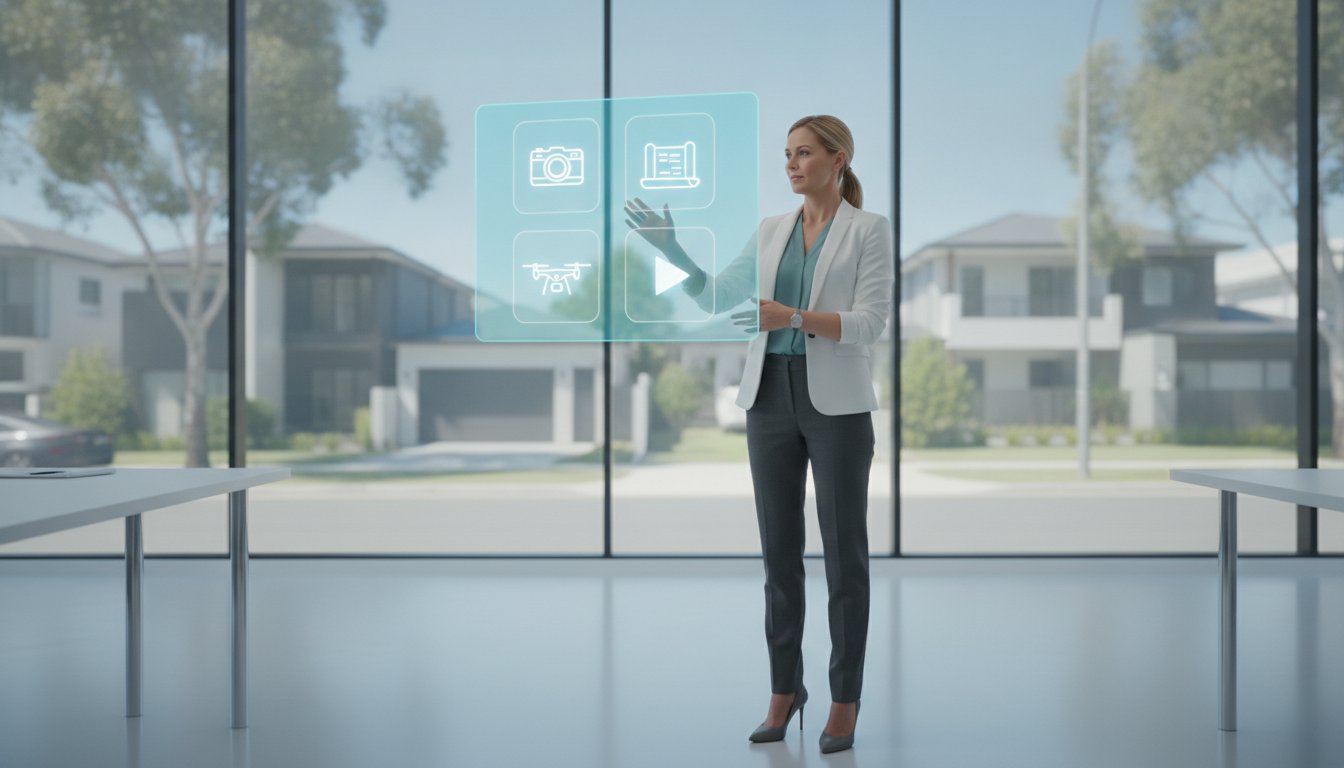
High-end visual storytelling to capture initial interest.
Immersive digital twins for 24/7 open houses.
Spatial clarity for serious buyers and investors.
Action-oriented content for maximum platform engagement.
Our infrastructure is built on the latest construction-grade technical tools. We equip our technicians with Matterport Pro3 hardware to ensure millimetre-accurate precision and superior image clarity in the harsh Australian light. This hardware advantage is backed by a streamlined online platform where you can manage your campaigns and receive finished content within 24 hours. We operate as a tech-forward entity that understands the logistical needs of the modern agent, providing national reliability across both capital cities and regional areas.
Choosing a partner for your property marketing services Australia wide means demanding more than just a scan. It means requiring a corporate, results-driven partnership that guarantees quality at scale. UberRE provides the infrastructure needed to maintain a competitive edge, ensuring every listing you manage benefits from a standardised, premium output. Stop managing multiple invoices and start scaling your agency with a single, dependable visual content provider.
Choosing between little hinges vs matterport is ultimately about deciding how you manage your marketing workflow. The most successful Australian agencies in 2026 are moving away from fragmented vendor models and high-cost hardware ownership. Instead, they're opting for comprehensive service bundles that deliver professional photography, floorplans, and Matterport tours in a single visit. This approach ensures total service assurance and maintains a consistent brand standard across every listing.
Reliability is non-negotiable in a fast-paced market. You need a partner who provides a 24-hour turnaround and uses specialised technical expertise to capture every detail with precision. By centralising your visual content, you reduce administrative friction and get your properties in front of buyers faster. It's the most efficient way to scale your operations without compromising on quality.
Elevate your agency's efficiency and provide the immersive digital experience that modern buyers expect. We're ready to help you dominate your local market with superior visual excellence.
No, Little Hinges is not a direct technology competitor; they are an Australian service provider that utilises the Matterport hardware and software ecosystem. When comparing little hinges vs matterport, you're looking at the difference between a local service layer and the global infrastructure it runs on. Little Hinges adds a proprietary analytics dashboard on top of the standard scan to provide specific buyer engagement data for agents.
While not mandatory, 3D tours have become a standard expectation for Australian listings in 2026 to stay competitive on major property portals. Providing an immersive experience allows you to maintain a 24/7 digital open house, which filters out less serious enquiries and saves significant time. For agents seeking a high ROI, using 3D technology across an entire portfolio ensures brand consistency and captures valuable data from every listing.
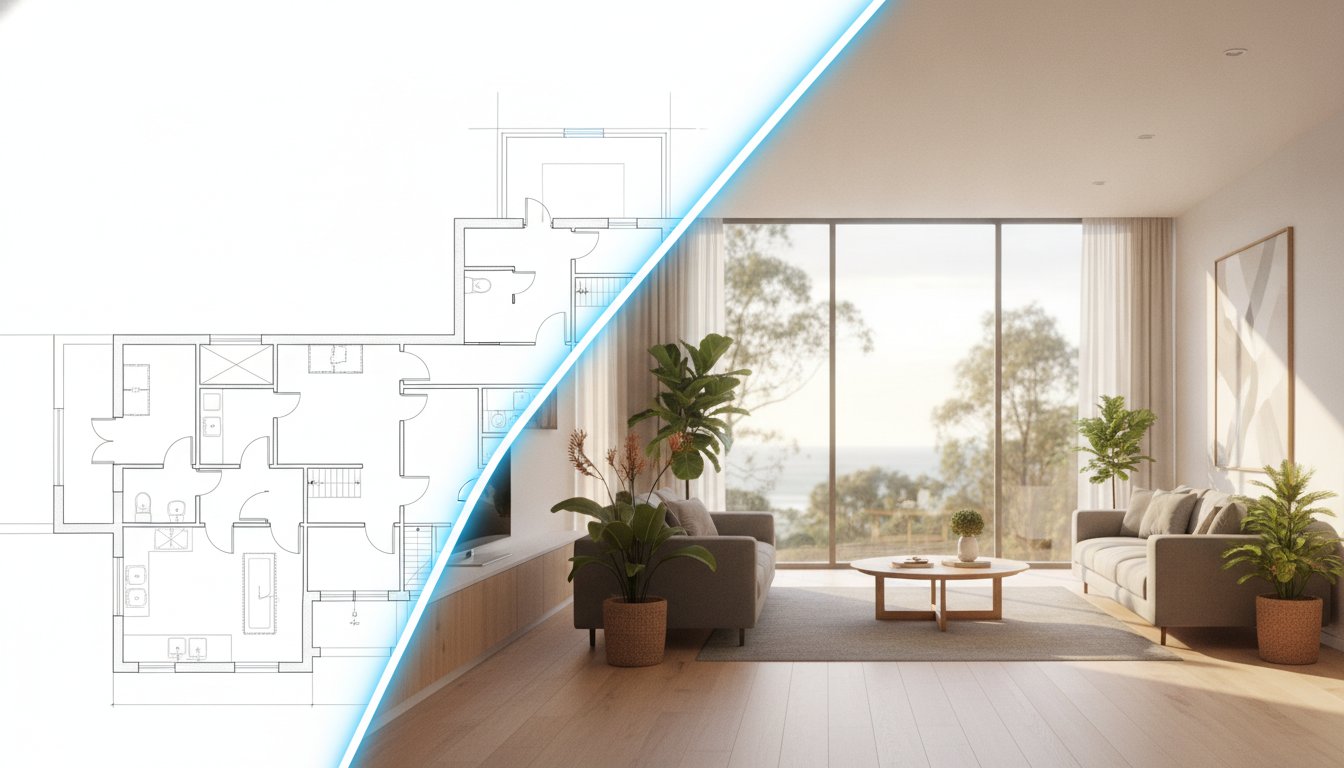
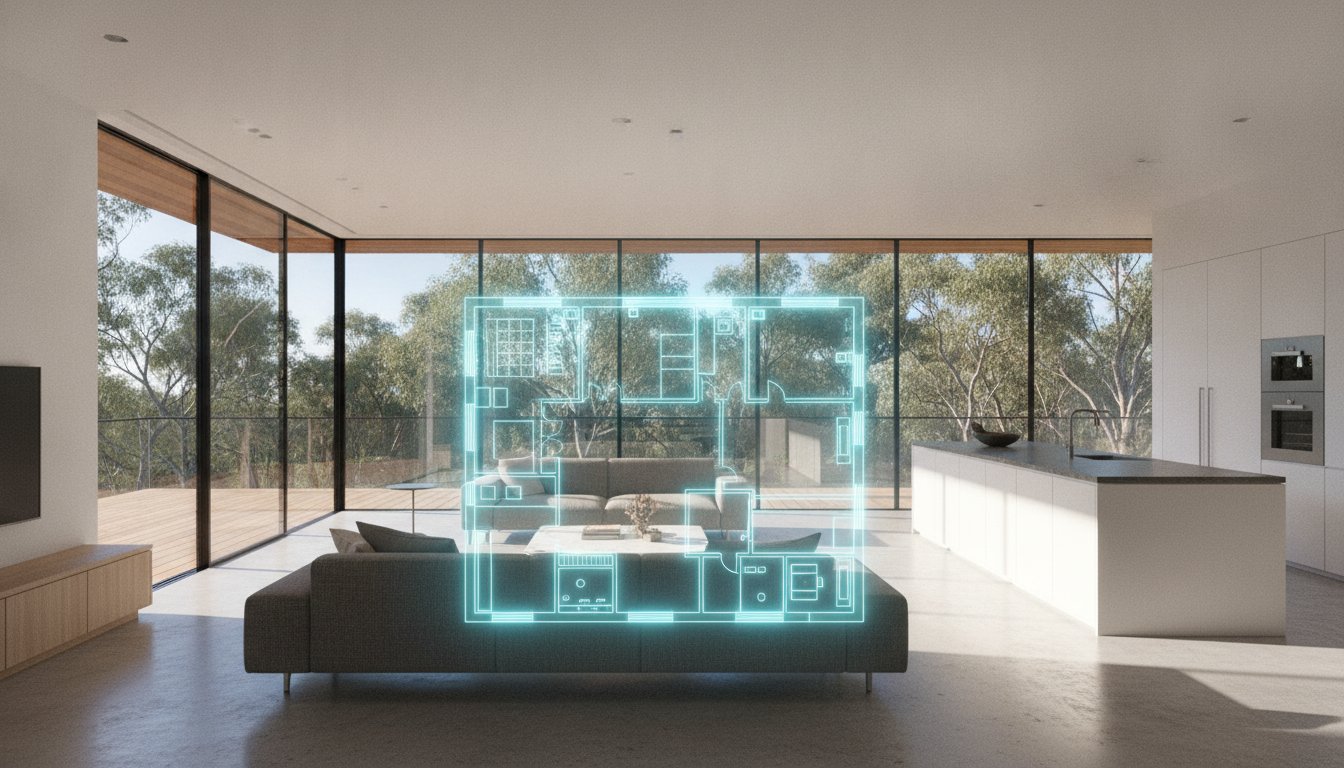
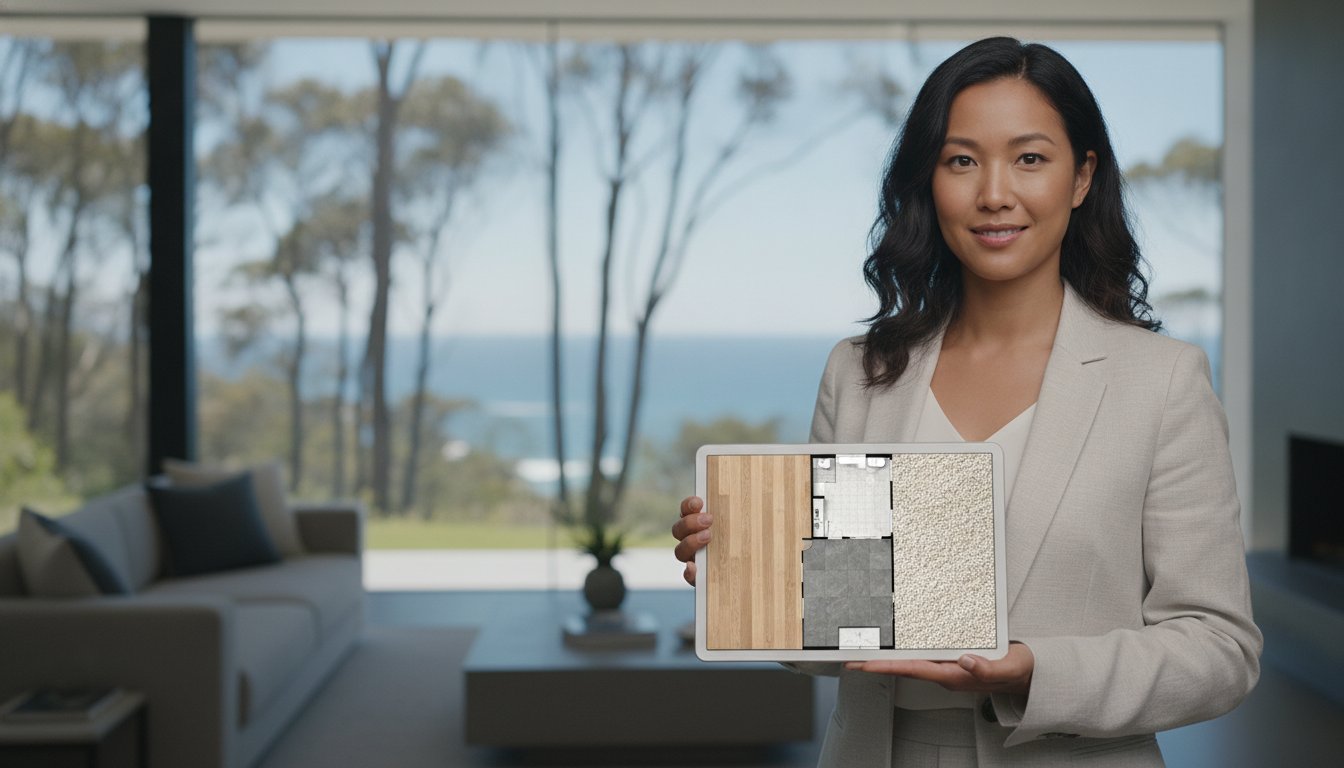
Yes, professional floorplans are a standard output derived from the spatial data captured during a Matterport scan. Because the cameras use LiDAR or infrared sensors, the resulting plans are millimetre-accurate. You can choose from standard 2D layouts or textured floorplans that show room finishes, providing buyers with a clear understanding of the property flow and dimensions without needing a separate measurement visit.
Costs for 3D tours typically depend on whether you choose a standalone service or a comprehensive marketing bundle. Most professional providers operate on a fixed-fee per-listing model, which helps agents manage their marketing budgets with total clarity. Bundling the 3D tour with professional photography and floorplans is generally the most cost-effective way to secure high-quality visual assets while ensuring a 24-hour turnaround on finished content.
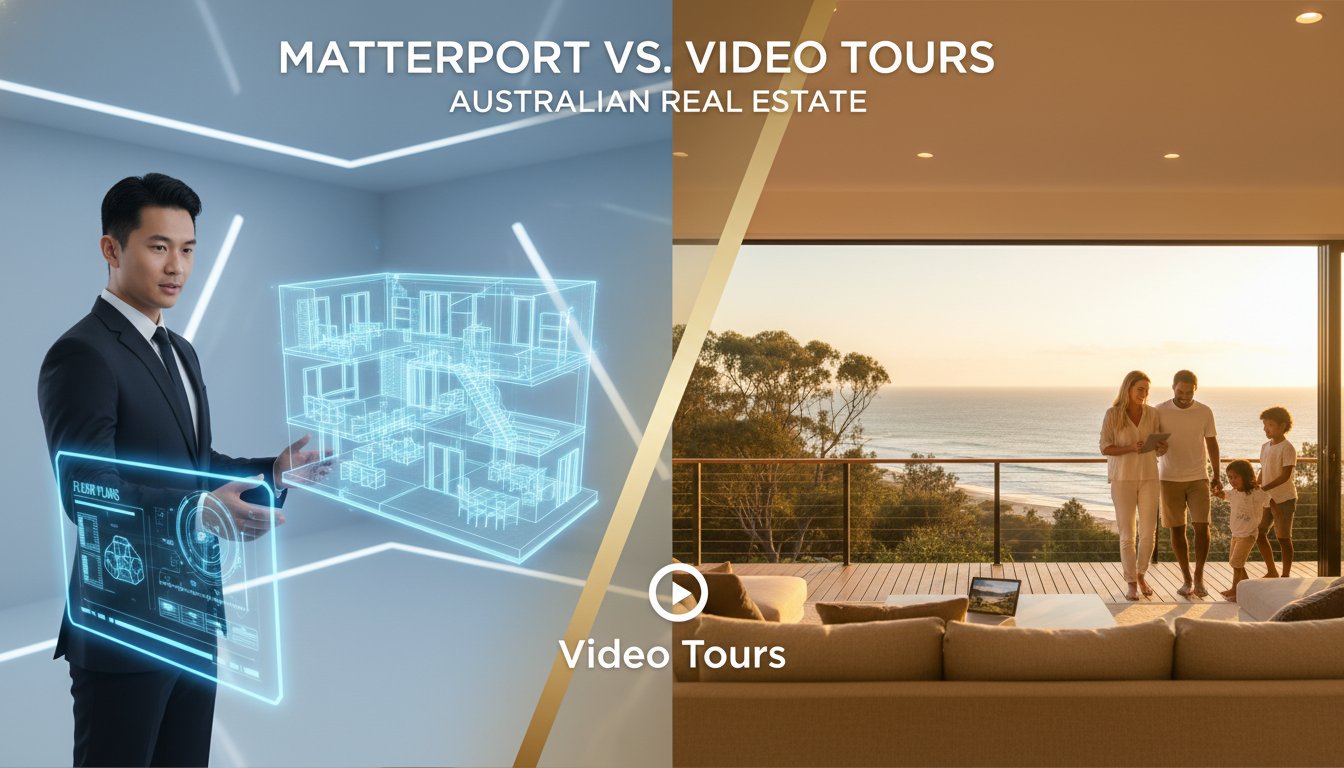
A virtual tour is a self-guided, interactive 3D environment where the user chooses their own path, whereas a video tour is a linear, cinematic walkthrough. Virtual tours allow buyers to linger in specific rooms and take measurements at their own pace. Video tours and social media reels are better suited for driving initial engagement and emotional connection through music and professional editing.
Yes, measurement tools are heavily utilised by buyers, particularly those moving interstate or purchasing sight-unseen. These tools allow potential owners to verify if their existing furniture will fit or to plan for renovations before stepping foot in the property. This technical transparency builds immediate trust and reduces the number of logistical questions an agent has to answer during the sales process.
Scanning a standard four-bedroom house usually takes between 45 and 90 minutes, depending on the complexity of the layout and the hardware used. Technicians using the latest Matterport Pro3 cameras can complete scans faster than those using older models, especially in large outdoor areas. This efficient capture process ensures minimal disruption to the vendor while still securing the high-resolution data required for a premium digital twin.
Yes, 3D tours are highly effective for commercial property listings, including office spaces, retail storefronts, and industrial warehouses. They allow prospective tenants or buyers to assess the suitability of a site remotely, which is vital for commercial transactions where stakeholders may be located in different cities. The ability to provide accurate spatial data and high-quality visuals helps accelerate the leasing or sales cycle for commercial assets.

-2.png)