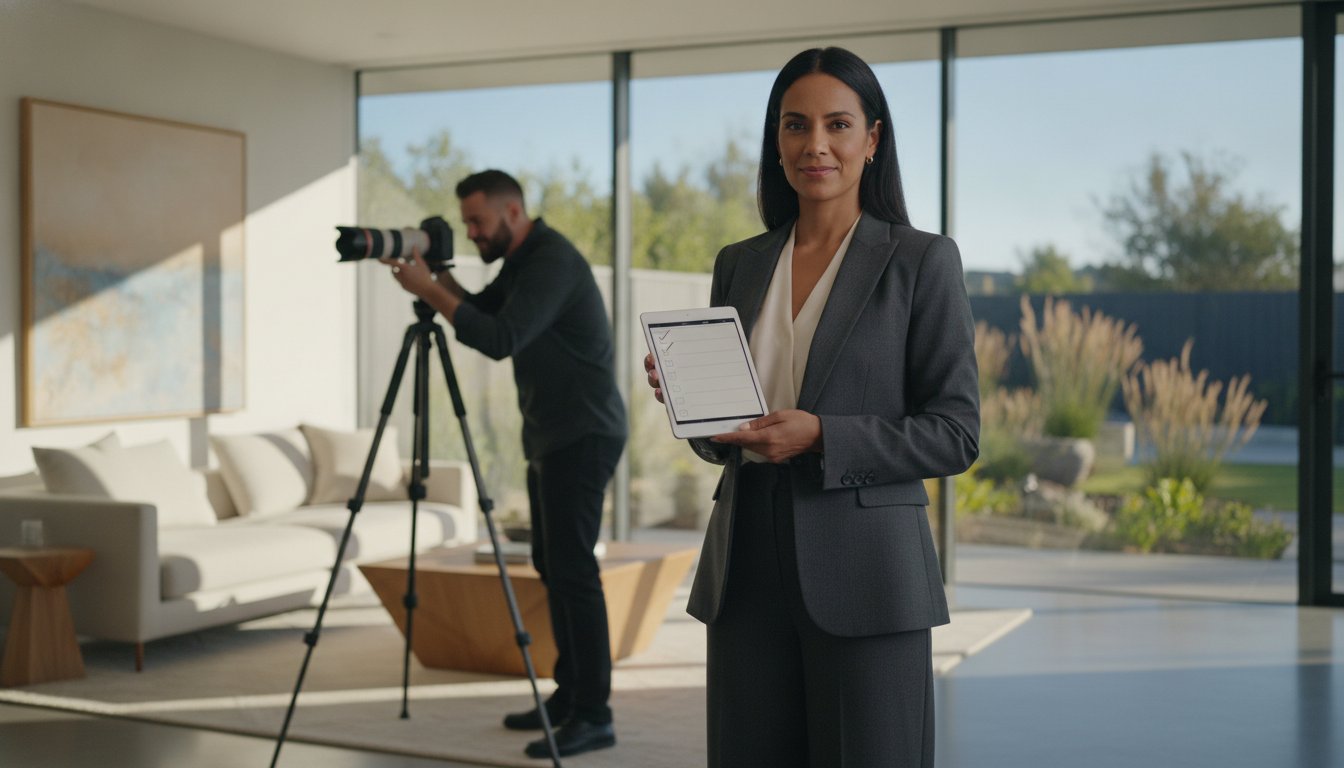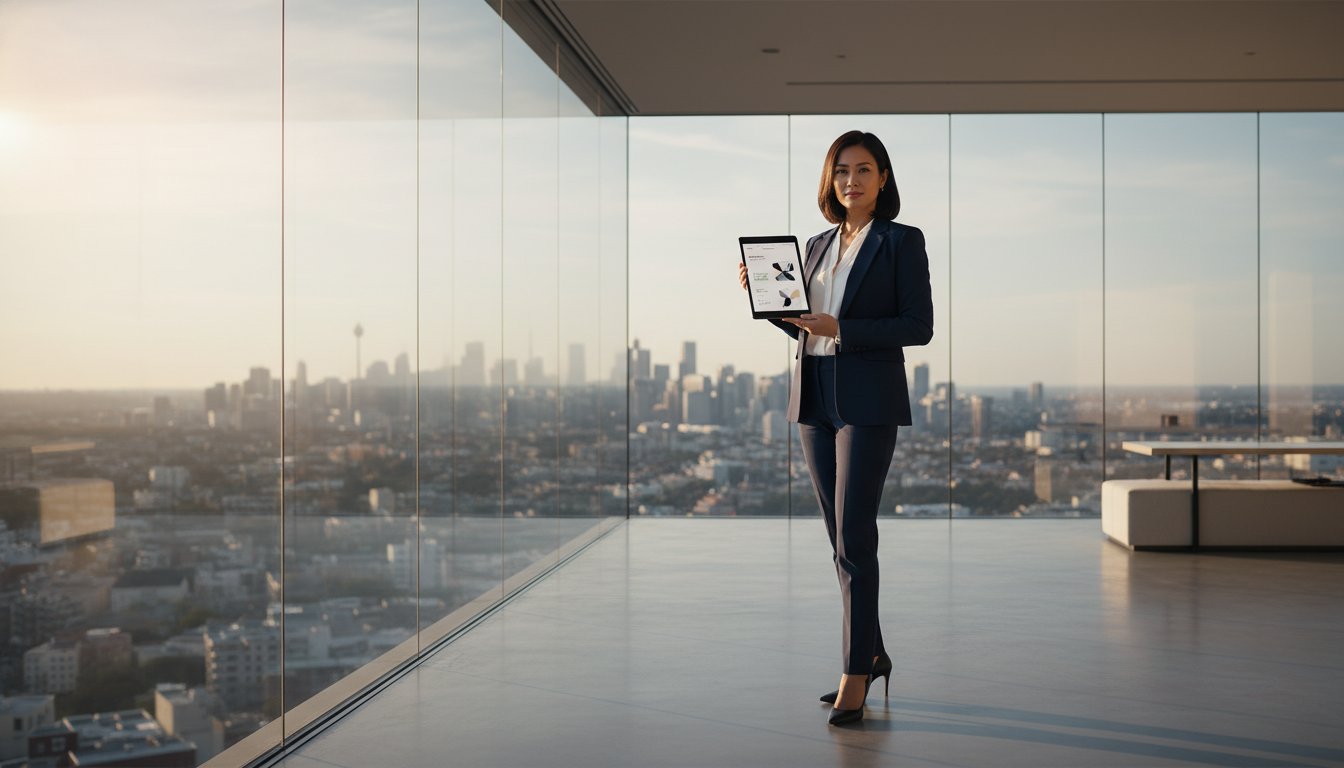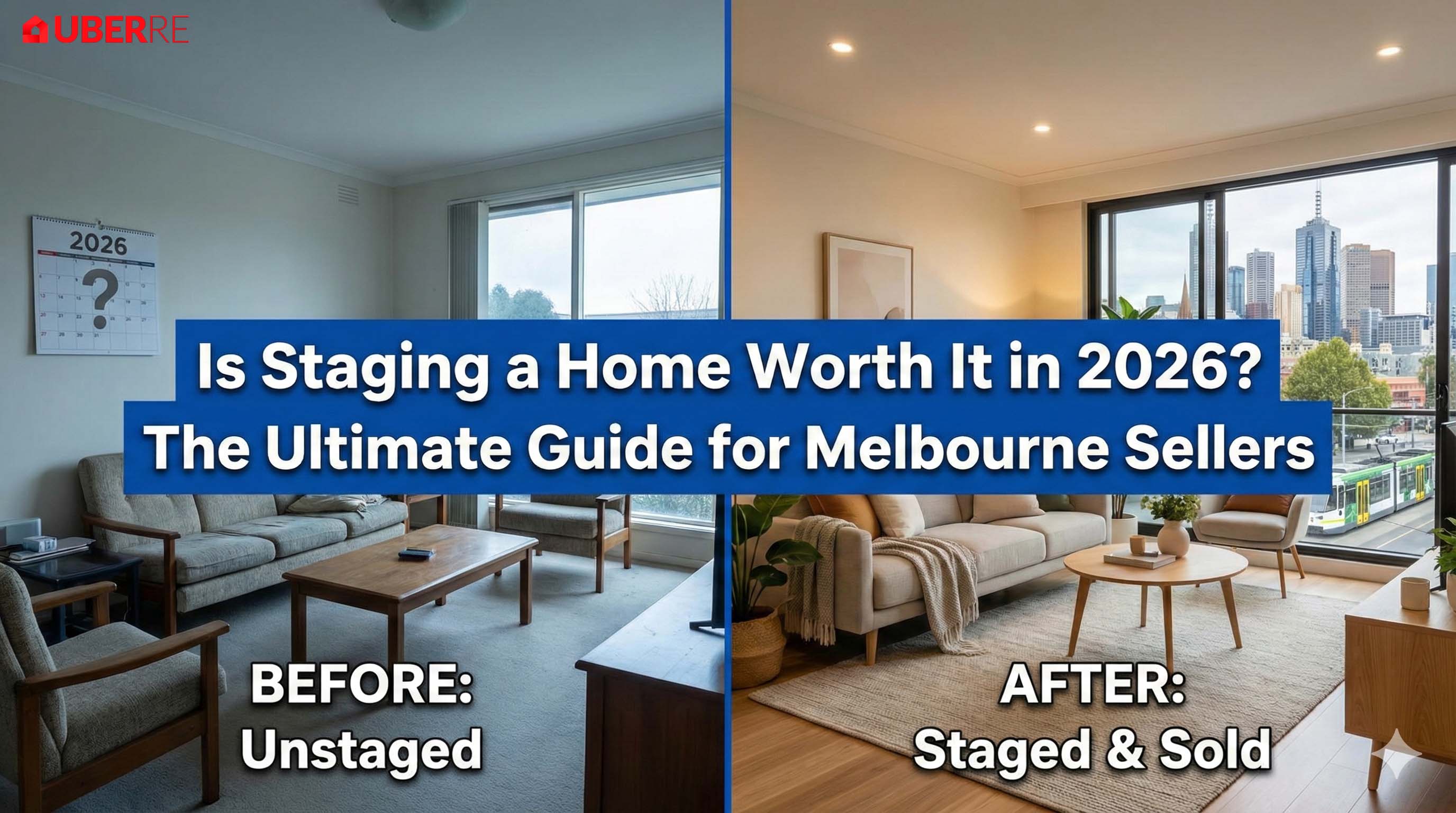
Did you know that 99% of homebuyers in 2026 rank listing photos as the most critical factor when deciding whether to view a property? It's a high-stakes environment where your digital debut determines your final sale price. We know that learning how to prepare a house for real estate photos feels overwhelming, especially when you're managing tight deadlines and the steep costs of traditional physical staging.
This guide simplifies modern property presentation. We'll show you how to master the art of the visual listing using a professional, results-driven framework. By following our technical checklist, you can transform a standard listing into a high-performing asset that attracts more clicks and higher enquiry rates. You'll learn to coordinate a smooth shoot and use digital tools like virtual furniture to ensure your property stands out. Expect a streamlined process that maximises your market impact and drives faster results.
• Recognise why high-quality digital assets are non-negotiable in 2026, given that listings with professional imagery receive 118% more online views.
• Master the specific steps of how to prepare a house for real estate photos to ensure a seamless, efficient shoot that captures your property's best angles.
• Utilise our comprehensive room-by-room checklist to eliminate clutter and depersonalise your space for maximum buyer appeal.
• Explore the advantages of Virtual Furniture to present a premium lifestyle without the logistical burden of physical home staging.
• Optimise your property's kerb appeal by preparing gardens and exterior surfaces for the critical primary listing image.
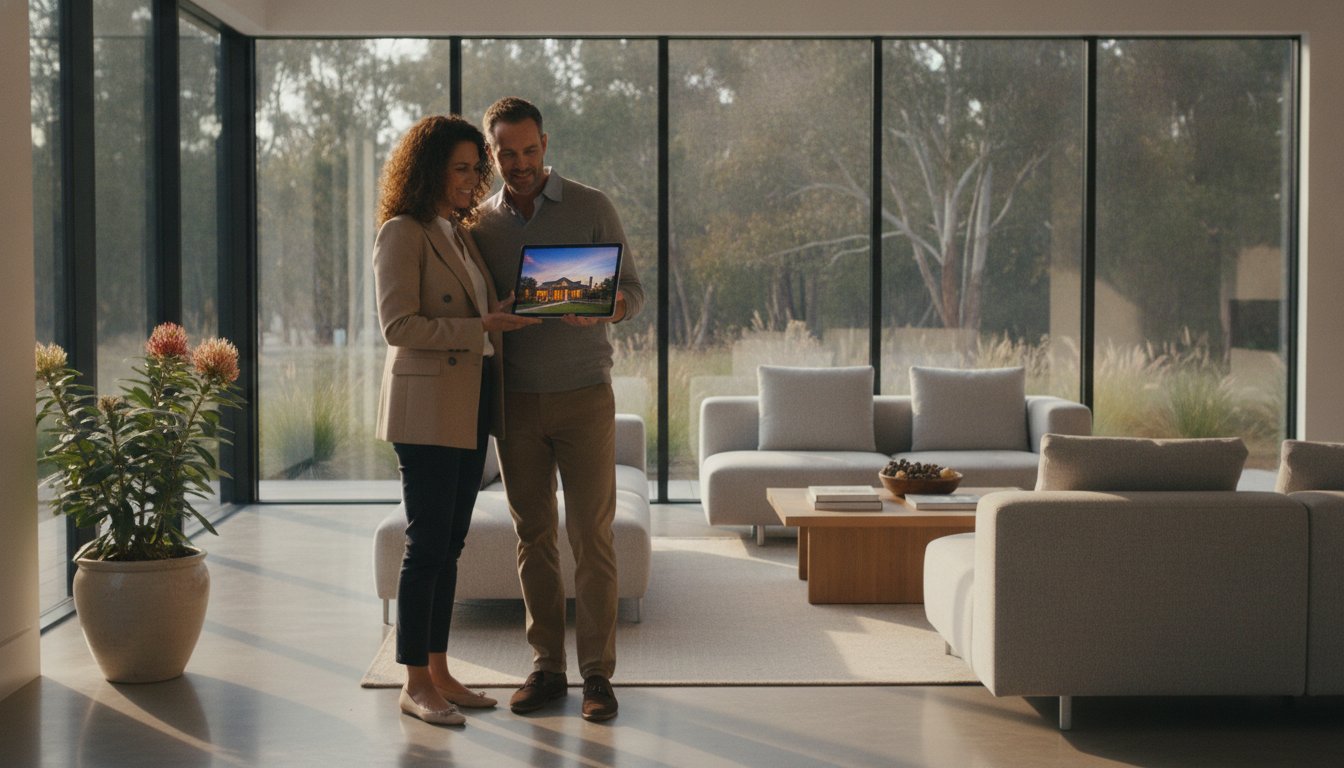
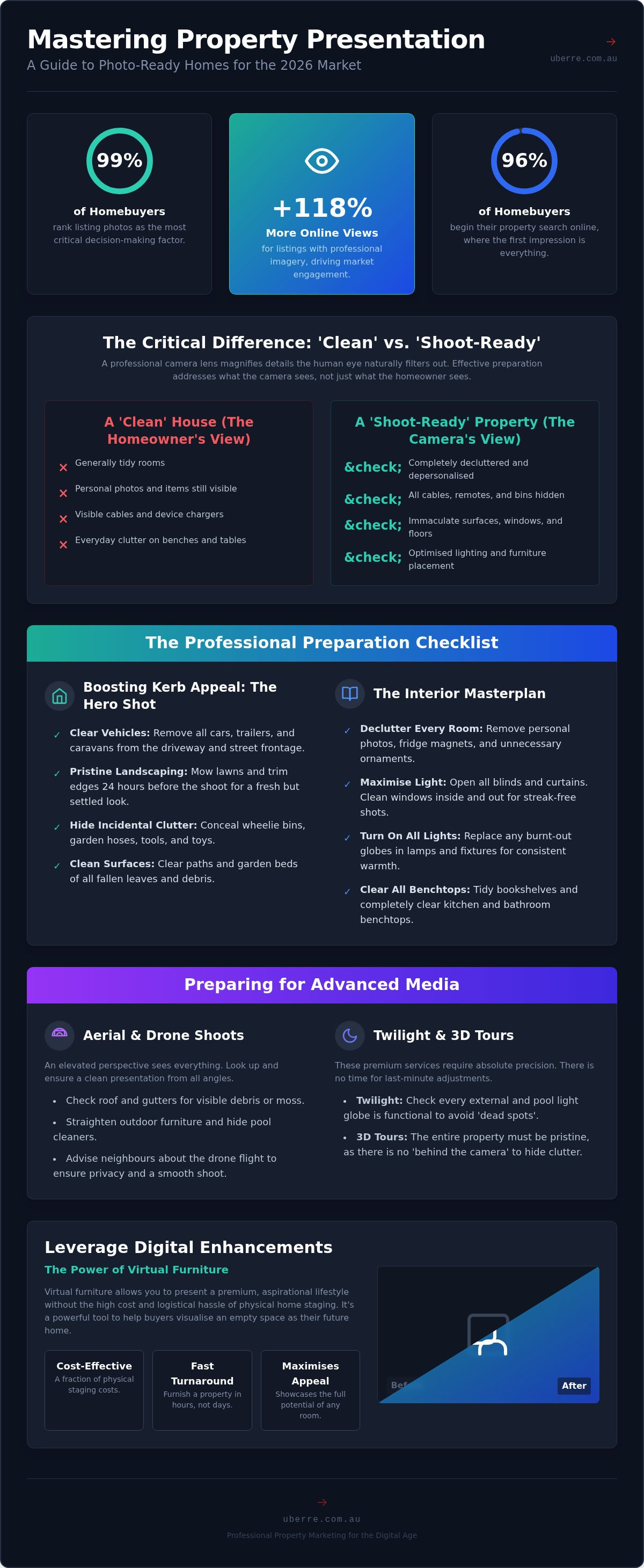
In 2026, 96% of homebuyers begin their property search online. This digital-first behaviour means your listing's initial impression isn't made at the kerbside; it's made on a high-resolution smartphone screen. Research indicates that 99% of buyers consider listing photos the most crucial factor in their decision to view a property. Listings featuring professional imagery receive 118% more online views, proving that visual quality is the primary driver of market engagement.
Understanding how to prepare a house for real estate photos requires a shift in perspective. You must distinguish between a 'clean' house and a 'shoot-ready' property. While a homeowner might see a tidy lounge, a professional camera lens sees every cable, dust speck, and distracting personal item. Professional sensors magnify details that the human eye naturally filters out. Effective preparation ensures these technical tools work for you, rather than highlighting flaws.
Professional images do more than show a room; they build immediate trust. High-quality visuals signal a premium listing and a professional vendor. Conversely, poor imagery devalues even the most luxurious properties, often leading to lower enquiry rates and longer days on market. If you are wondering What is Home Staging? and why it matters, it is the process of curated presentation designed to trigger an emotional response in buyers. Visual marketing ROI in Australian real estate is the measurable increase in enquiry volume and final sale price achieved through high-impact digital assets compared to the initial production cost.
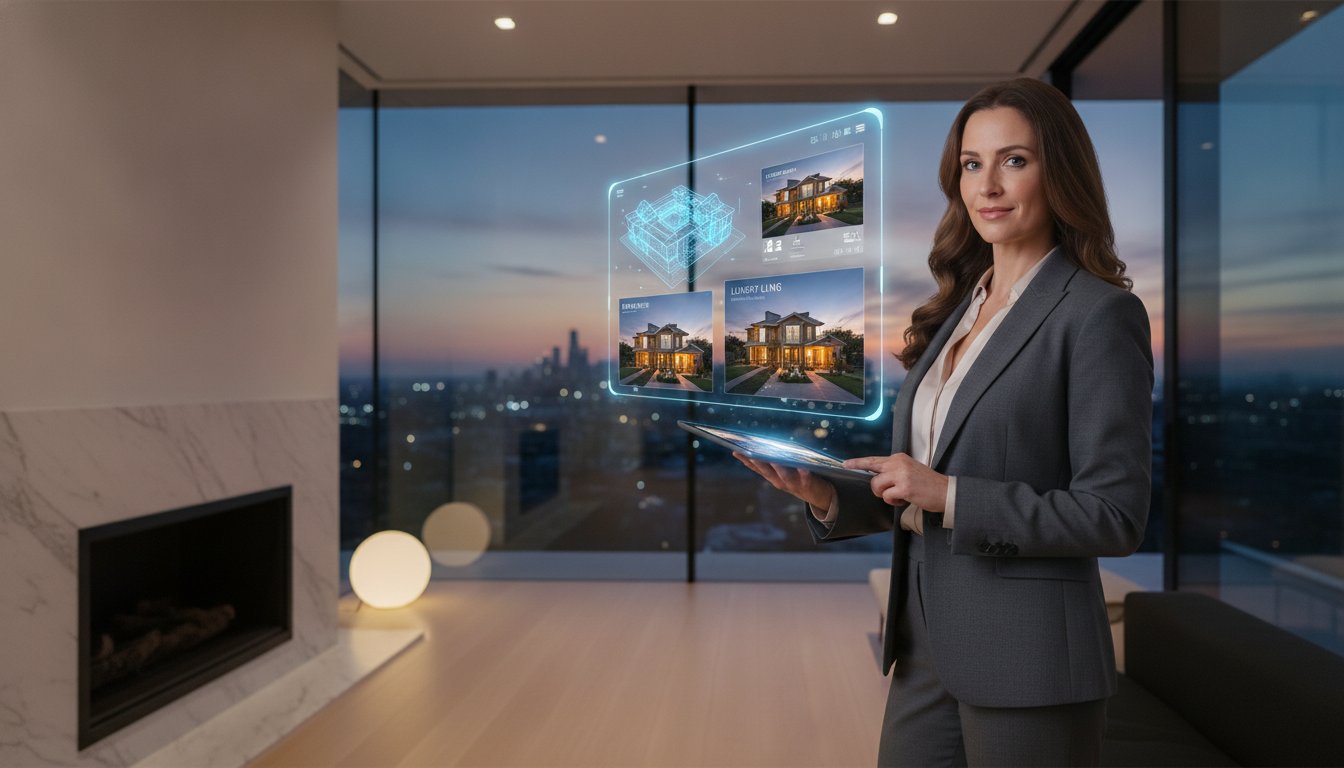
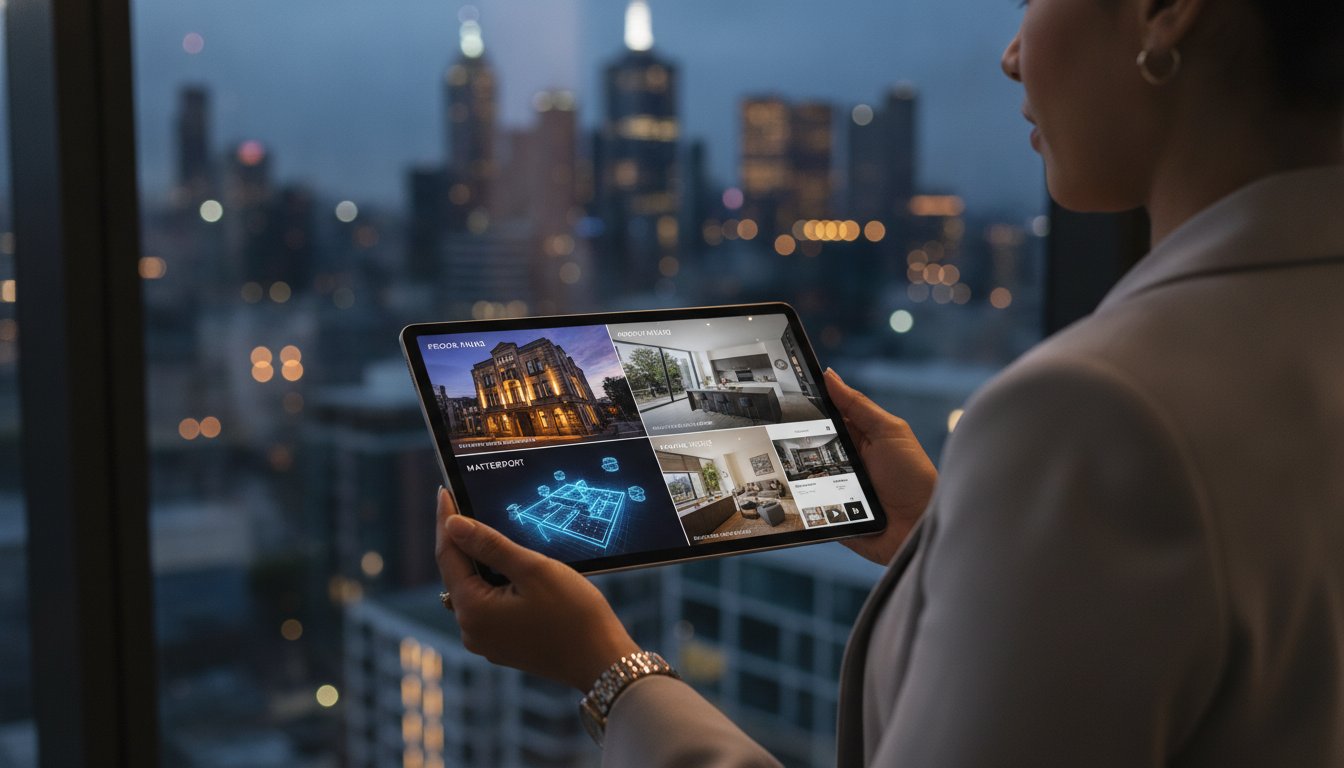
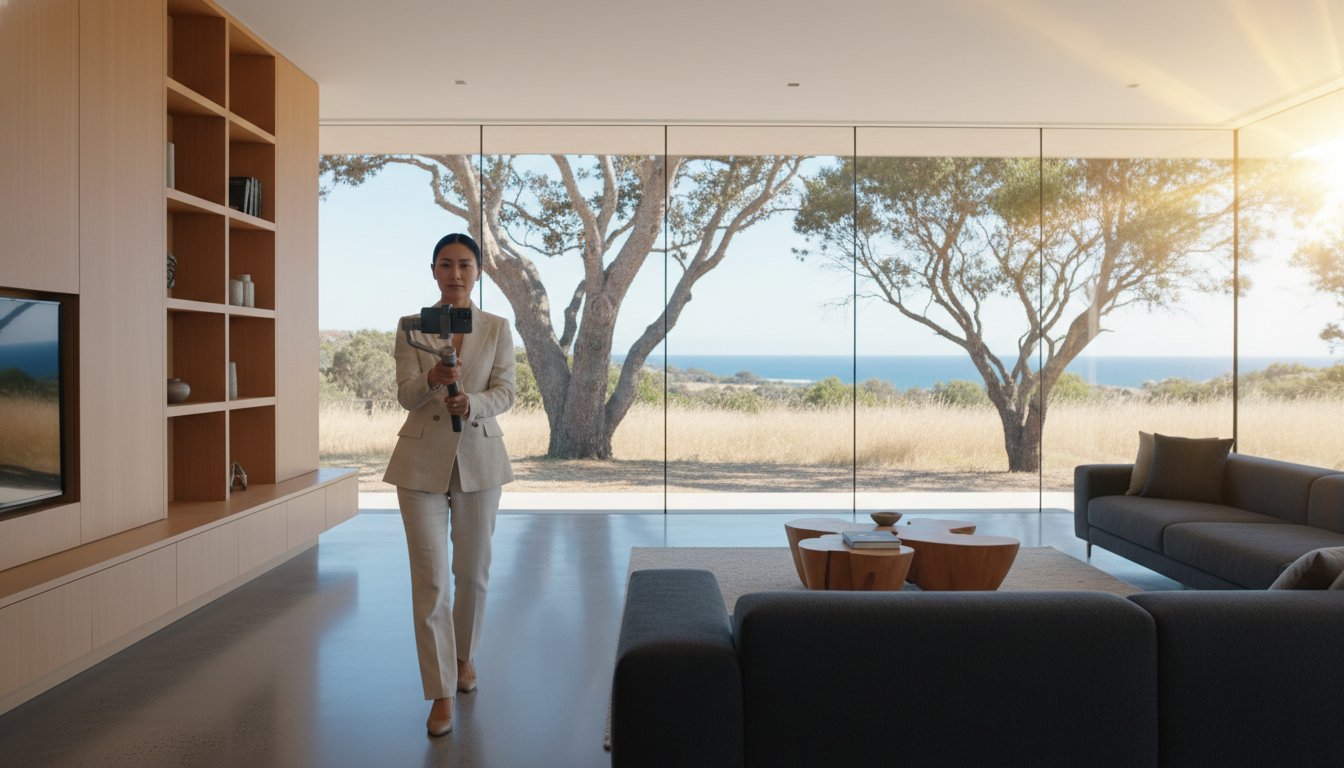
Preparation is even more critical for immersive technology like Matterport 3D tours. These systems capture 360-degree data, meaning there is no 'behind the camera' to hide clutter. High-resolution sensors in 2026 catch every imperfection. Coordinate early with your agent and vendor to ensure the property is vacant and pristine before the photographer arrives. This standardisation is the infrastructure of a successful campaign, ensuring a seamless shoot day and a faster path to a 'sold' sticker.
The 'Hero Shot' is your property's digital handshake. As the primary image on every listing portal, the front of the house dictates whether a buyer clicks or scrolls past. To achieve a clean, professional aesthetic, the driveway and street frontage must be entirely clear of vehicles. This creates an unobstructed sightline that allows the architecture to lead the visual narrative. It is a simple step, but removing cars, trailers, and caravans is essential for a high-quality result.
Landscaping requires precision. Lawns should be mowed and edges trimmed roughly 24 hours before the photographer arrives to ensure the grass looks fresh but settled. Clear all fallen leaves from paths and garden beds. You must also hide 'incidental' clutter that the human eye often ignores but a camera sensor highlights. This includes wheelie bins, garden hoses, boots, and tools. Utilising a Professional Checklist for Every Space ensures these small details don't undermine your marketing investment.
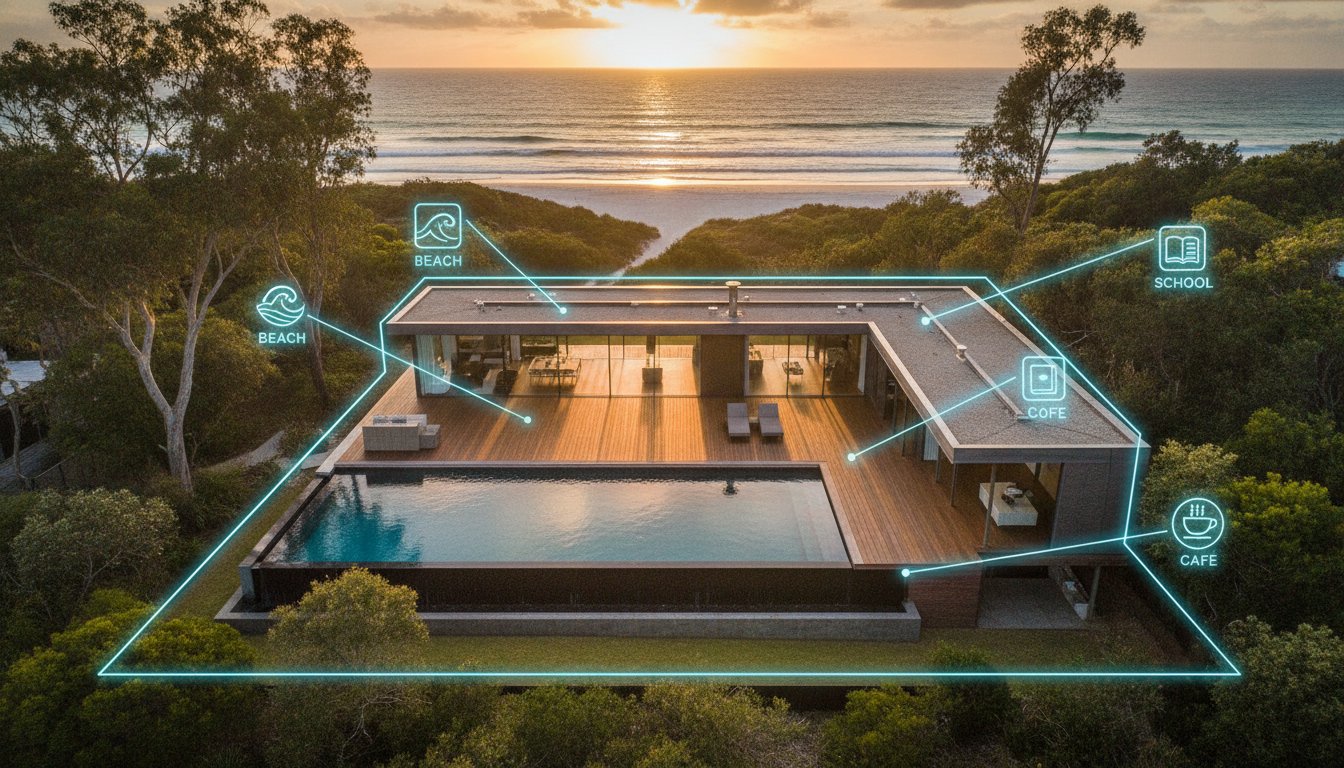
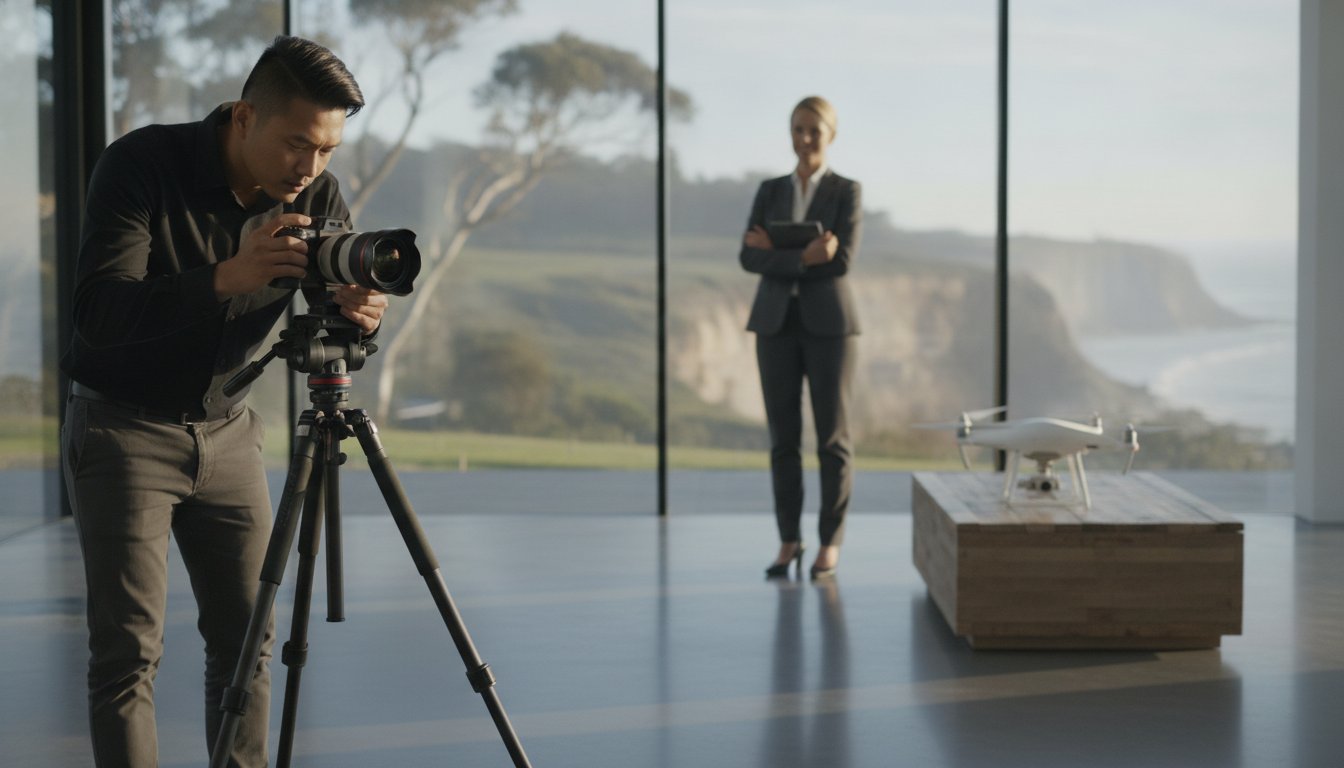
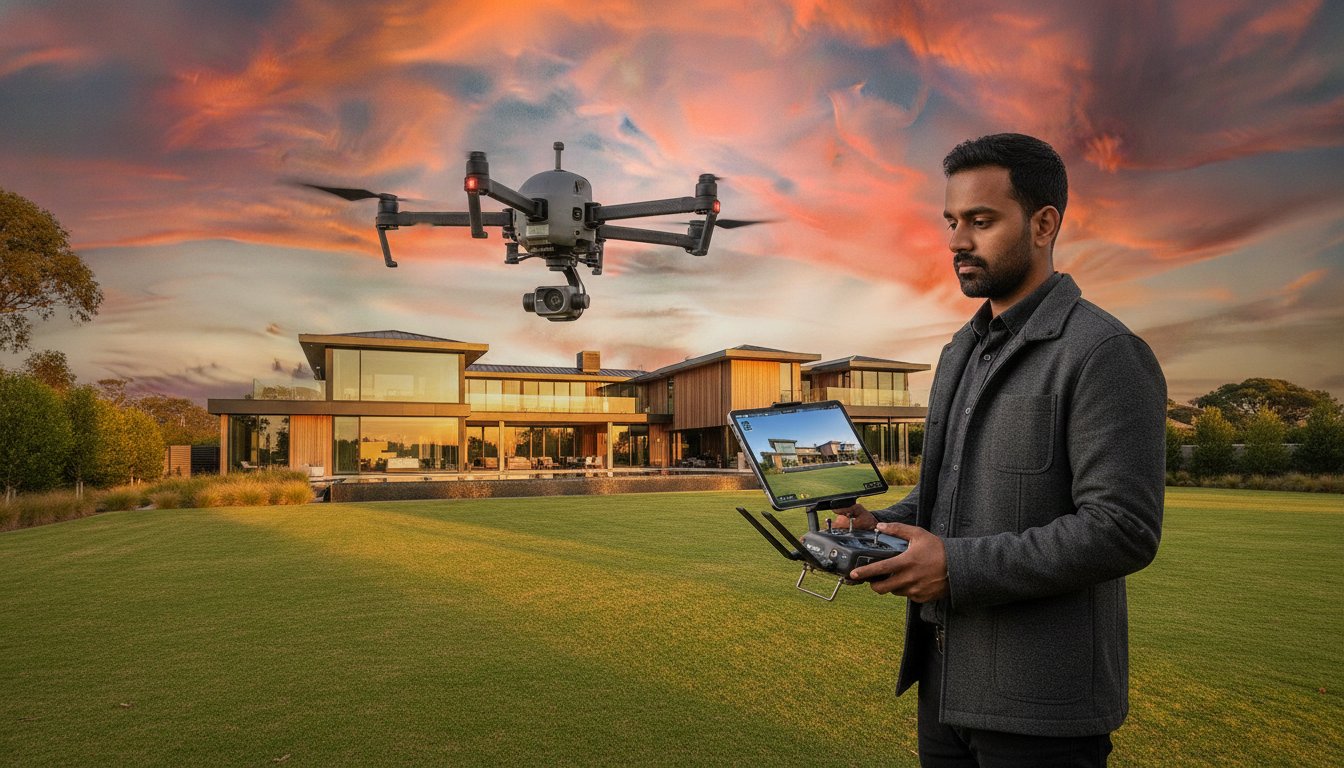
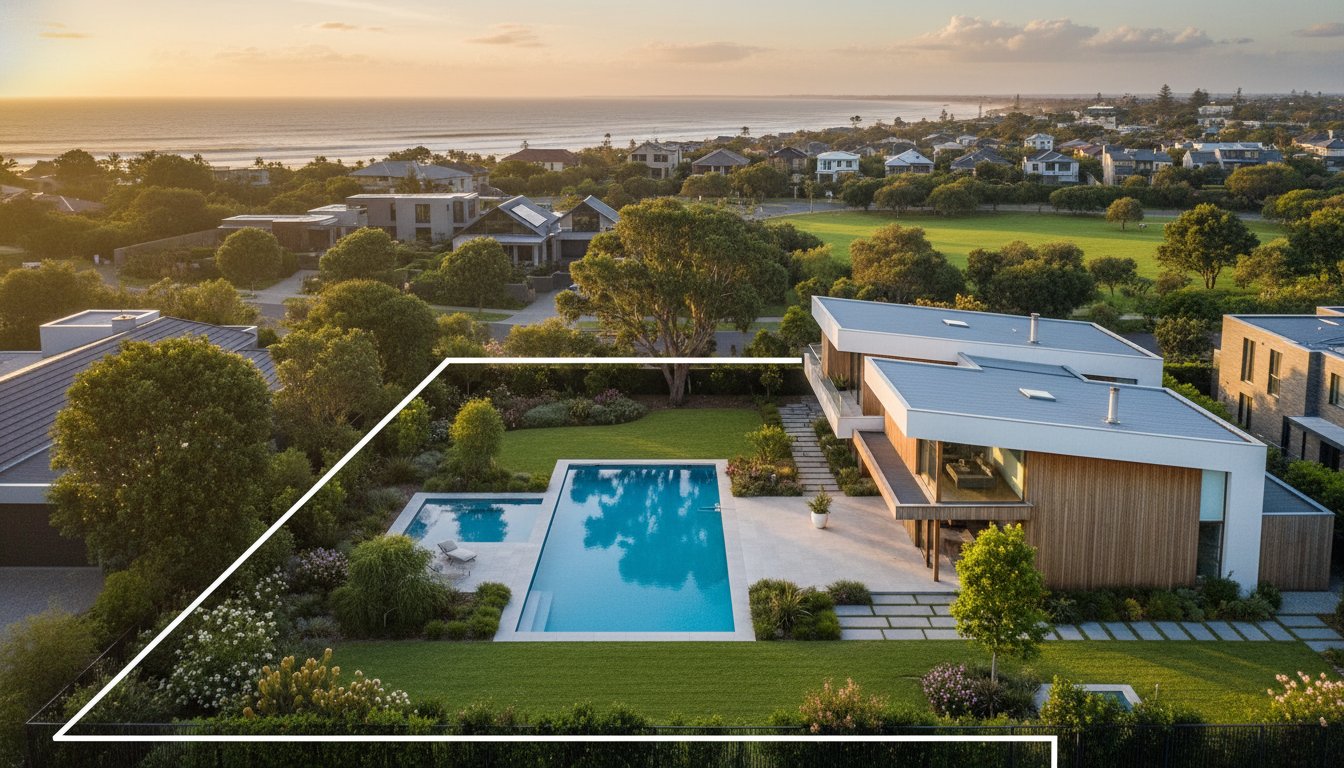
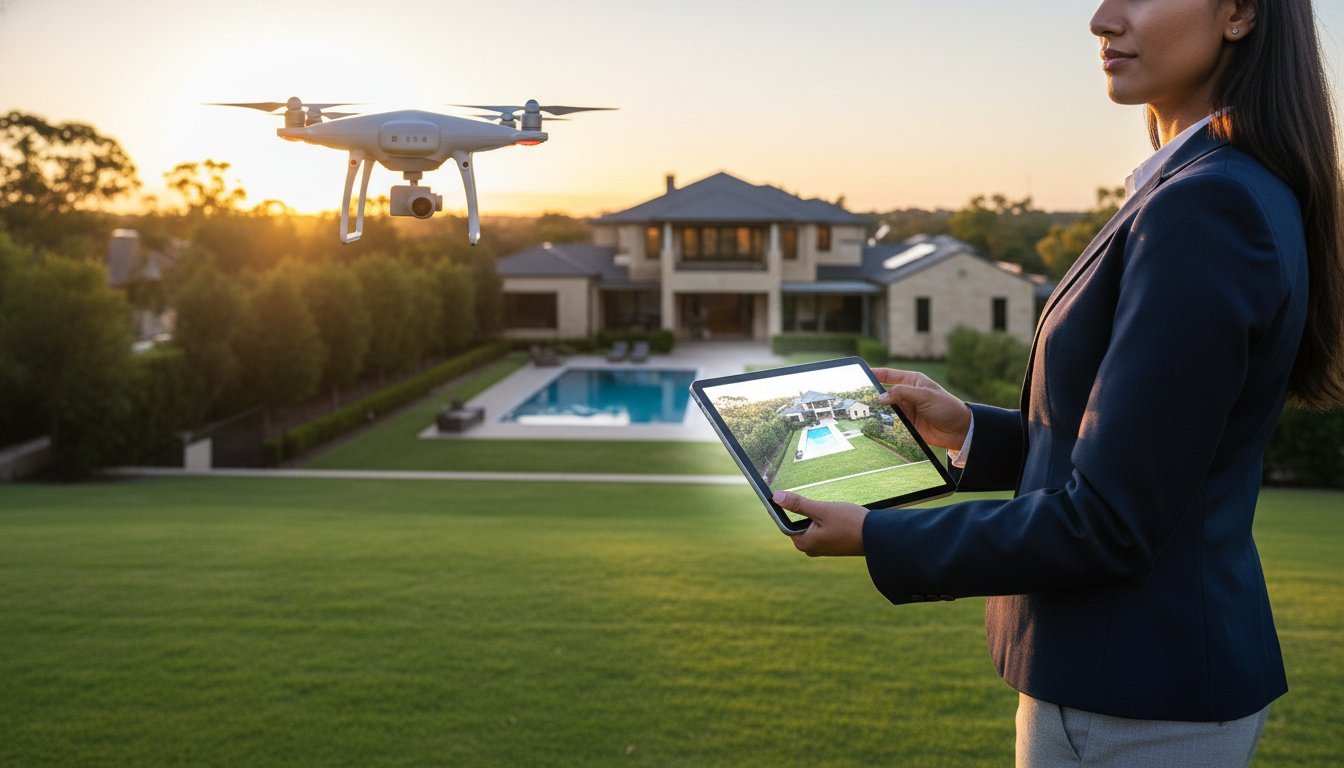
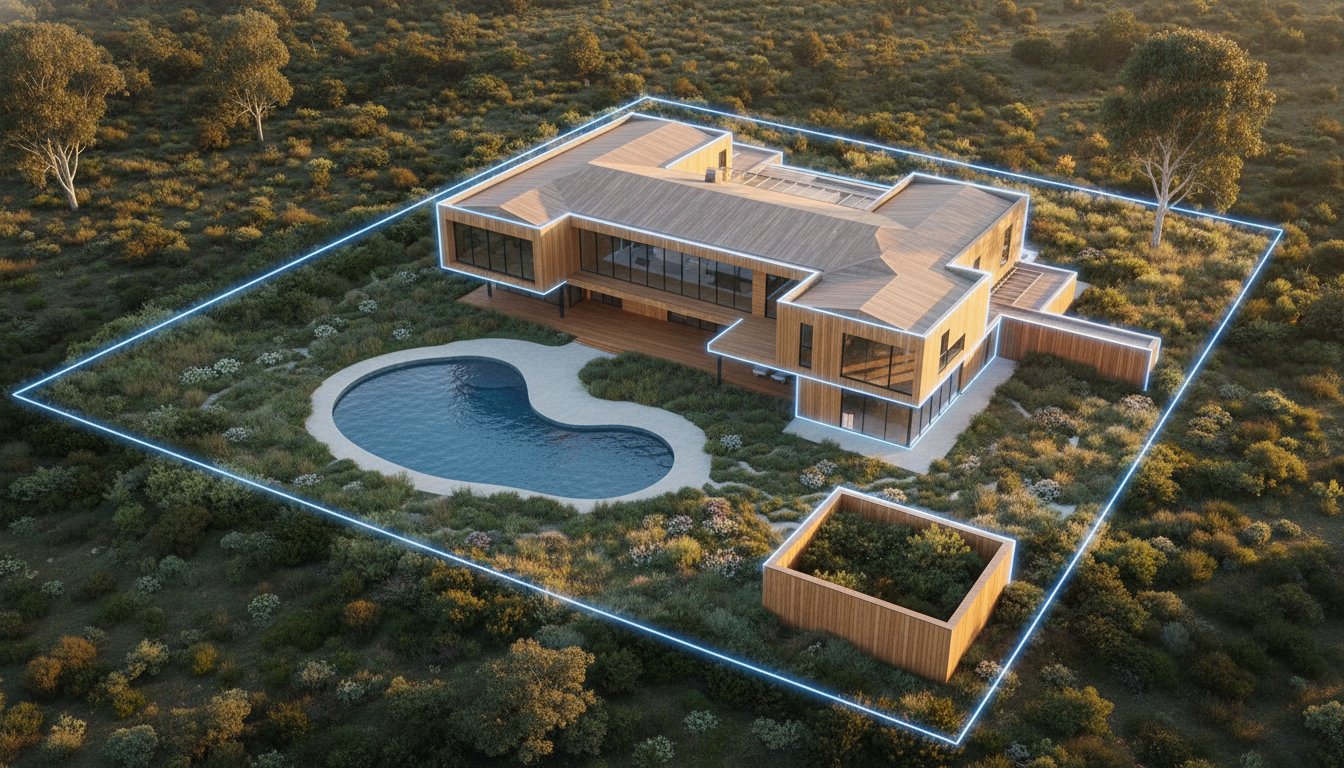
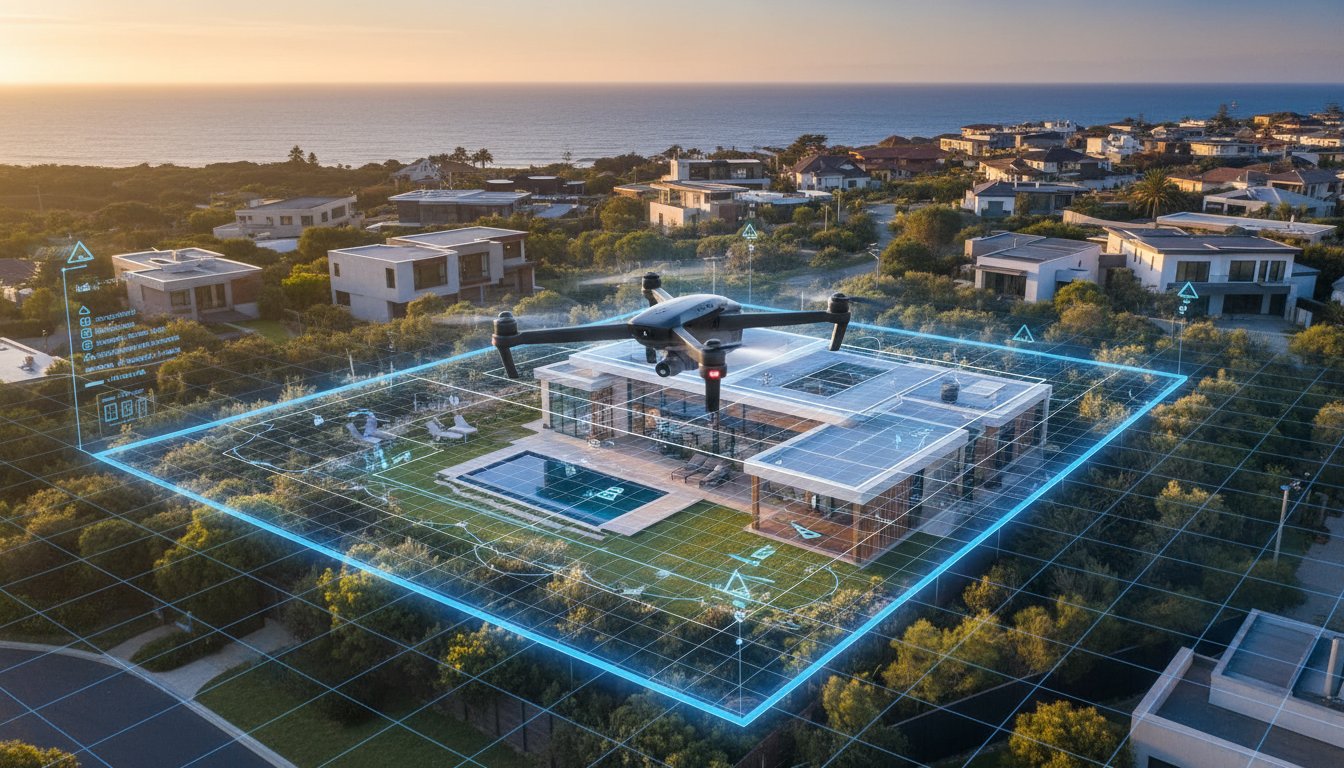
When learning how to prepare a house for real estate photos from an elevated perspective, you must look up. Check the roof and gutters for visible debris, moss, or stray tennis balls that will be obvious in high-resolution files. Organise the backyard by straightening outdoor furniture and removing pool cleaners. Privacy is a priority in residential areas. Have a quick word with neighbours to advise them that aerial drone photography will be taking place. This maintains good relations and ensures a smooth, uninterrupted flight path for the operator.
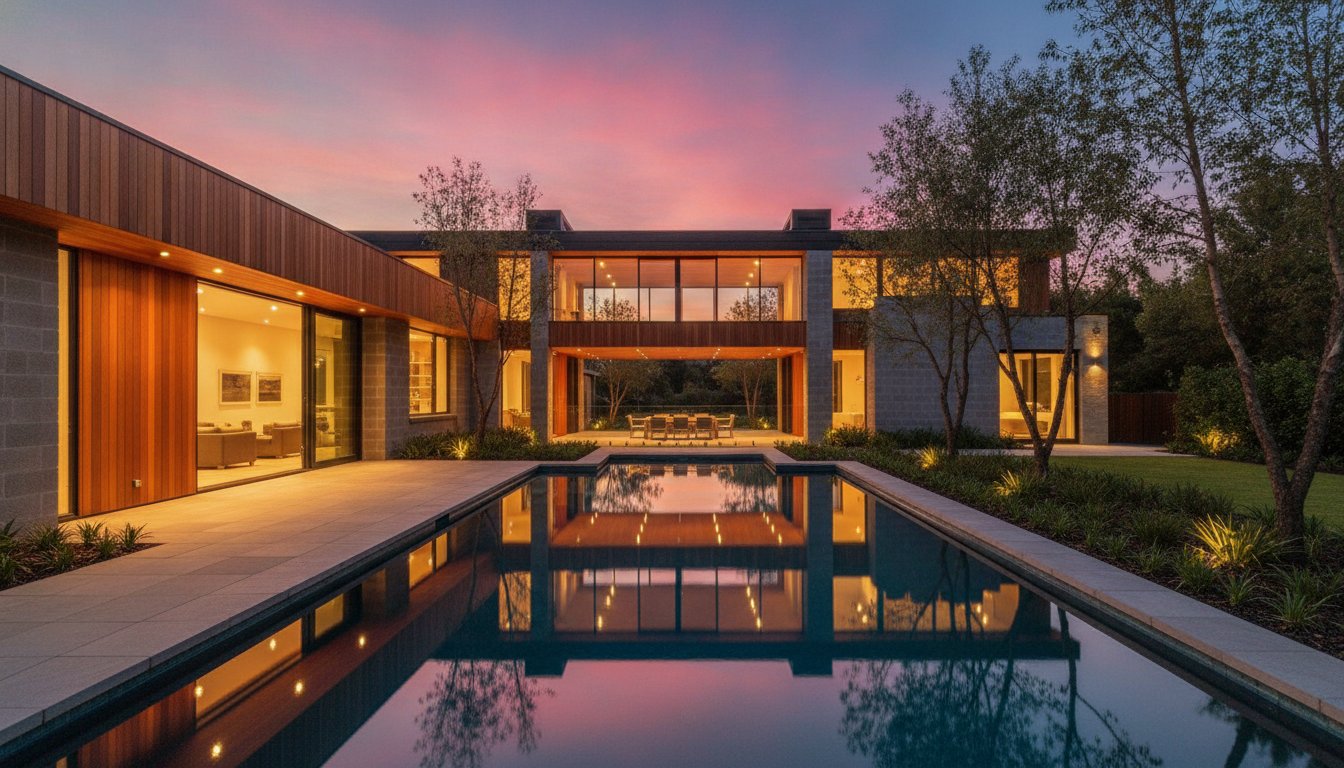
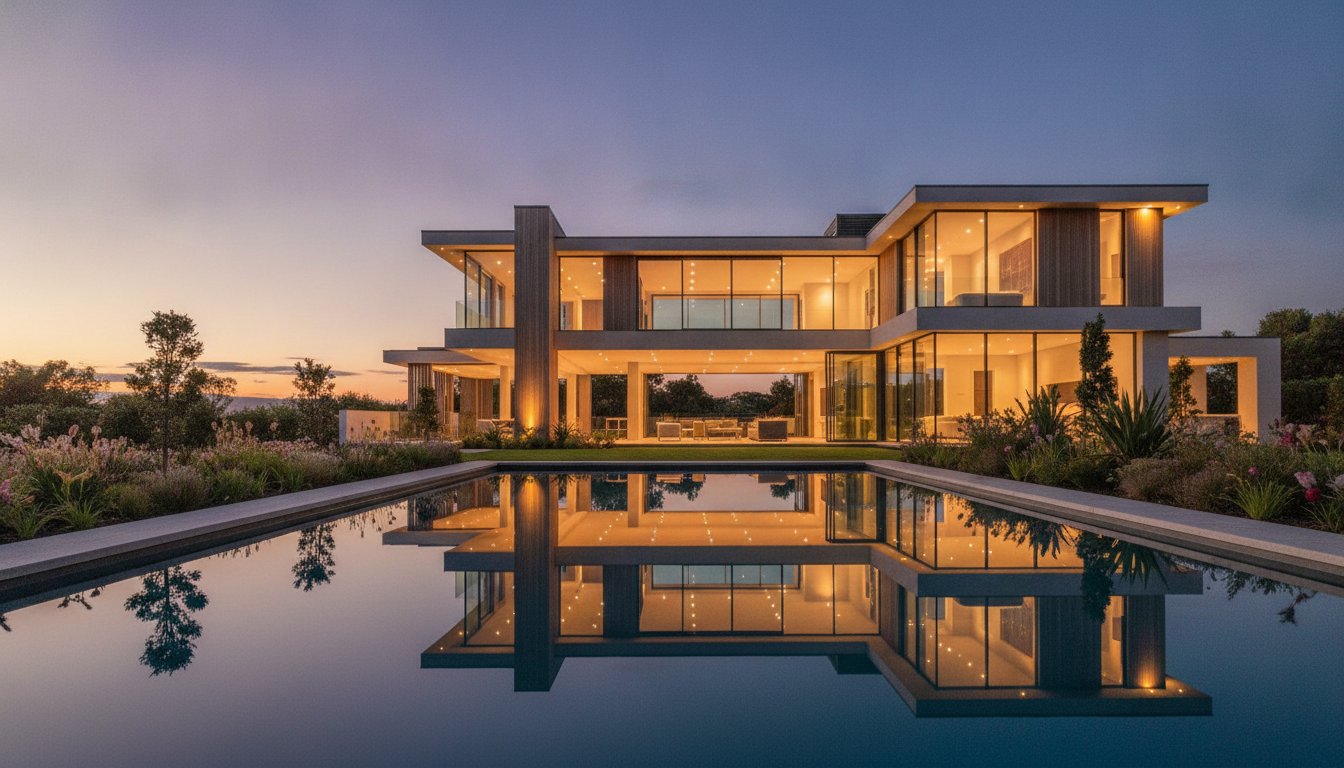
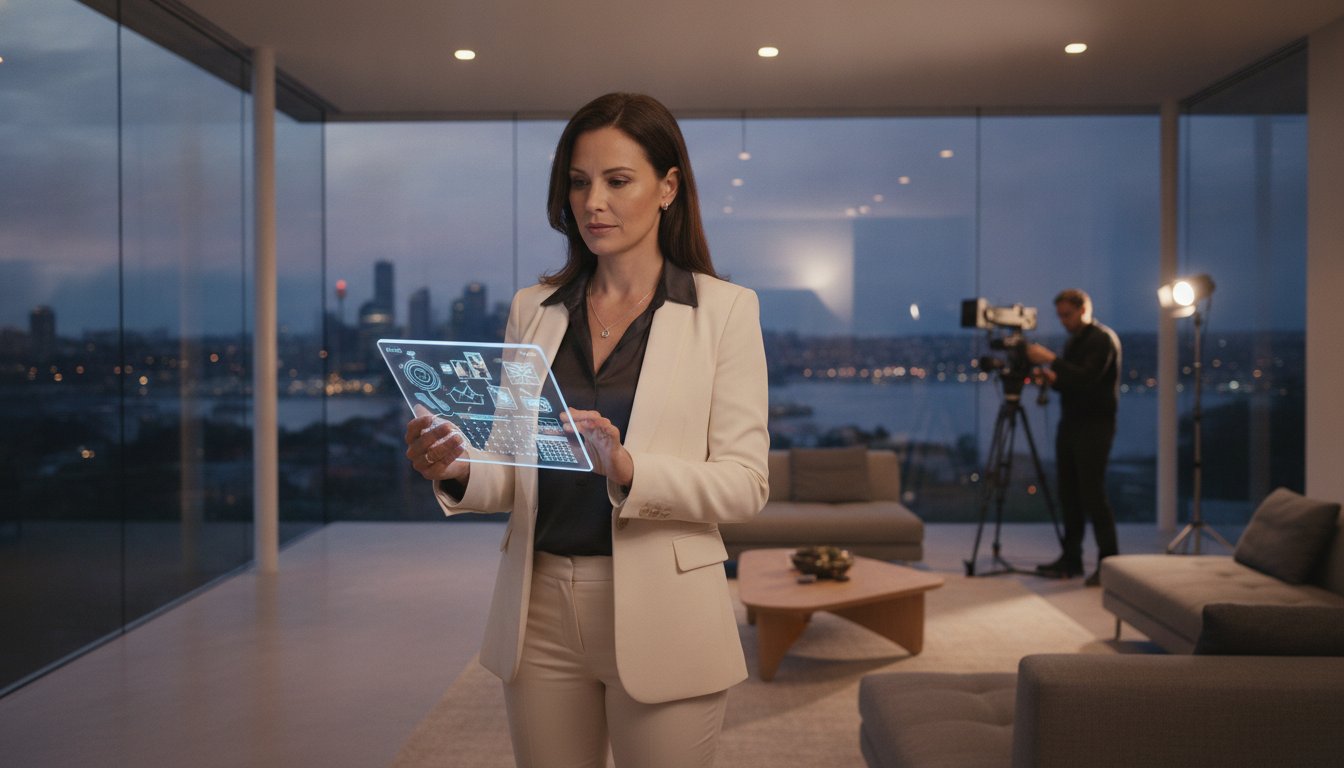
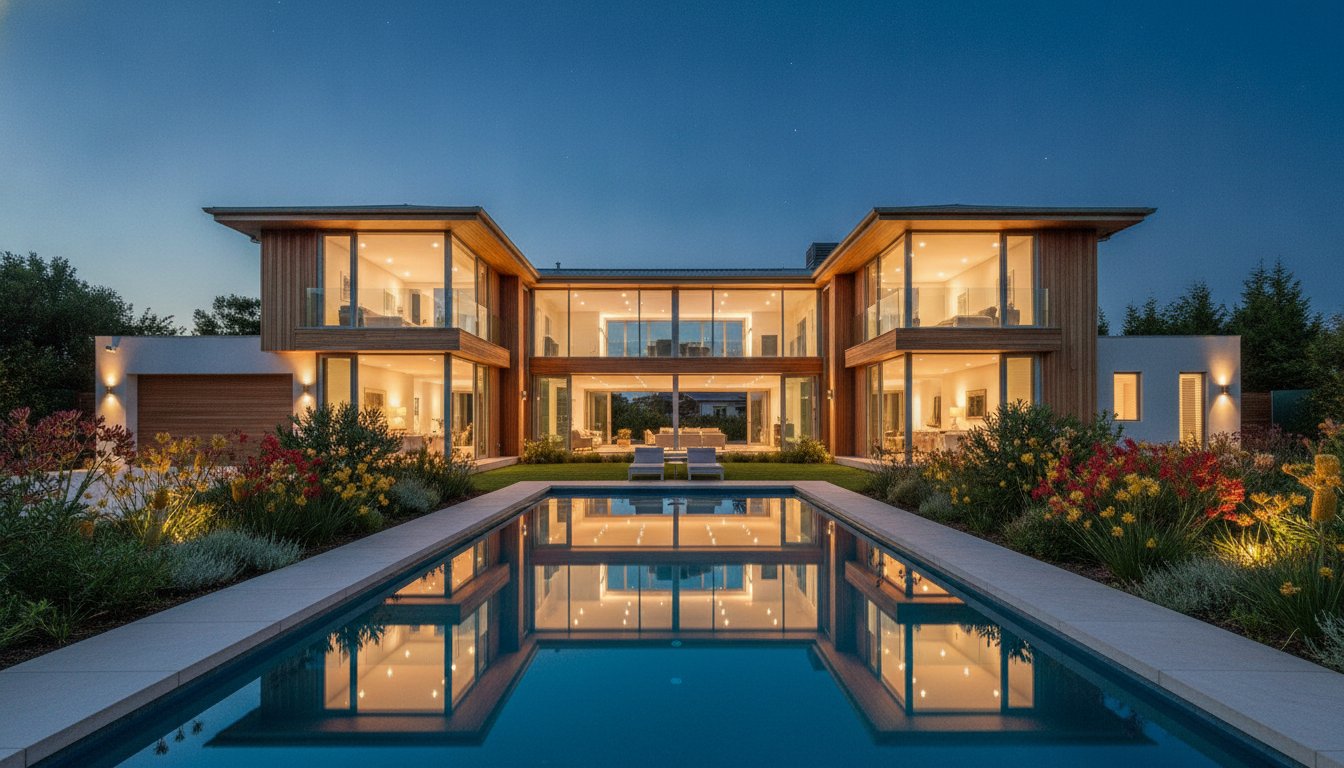
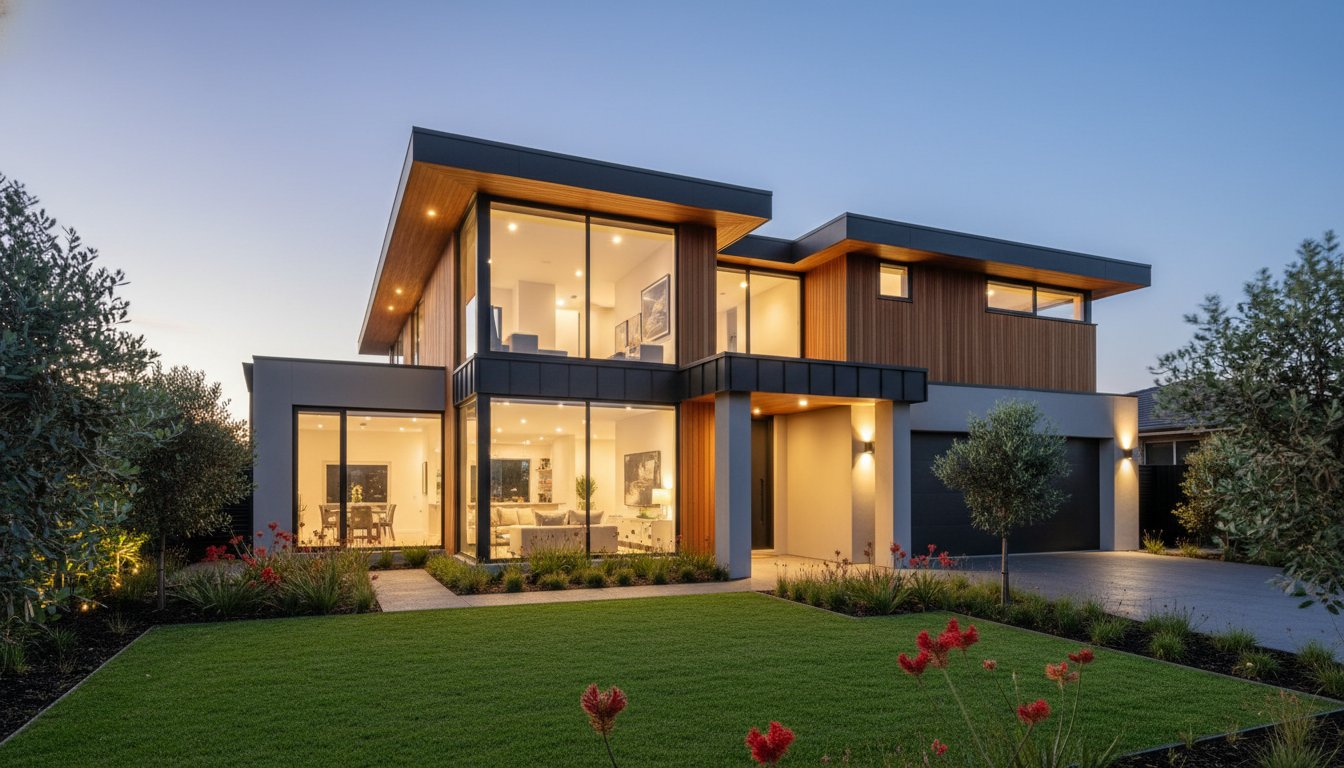
Twilight photography is a premium service that requires exact technical coordination. Check every external globe well in advance. Every light must be functional to avoid 'dead spots' in the final composition. If the property has a pool, ensure the water is skimmed of leaves and all internal lights are switched on. The window for perfect sunset captures is incredibly tight, often lasting only 20 minutes. There is no time for last-minute adjustments once the light begins to fade. If you are ready to elevate your listing with professional media, you can register a new account to book your preferred time slot. Efficiency on the ground translates directly to high-impact results in the final edit.
Interior presentation is about technical optimisation for digital sensors. While a homeowner sees a lived-in space, the camera records every competing element. The golden rule of decluttering is simple: if in doubt, take it out. Surplus furniture and idiosyncratic decor create visual noise that distracts potential buyers and narrows the perceived square footage. By removing unnecessary items, you improve the property's flow and ensure the how to prepare a house for real estate photos process results in a spacious, inviting environment.
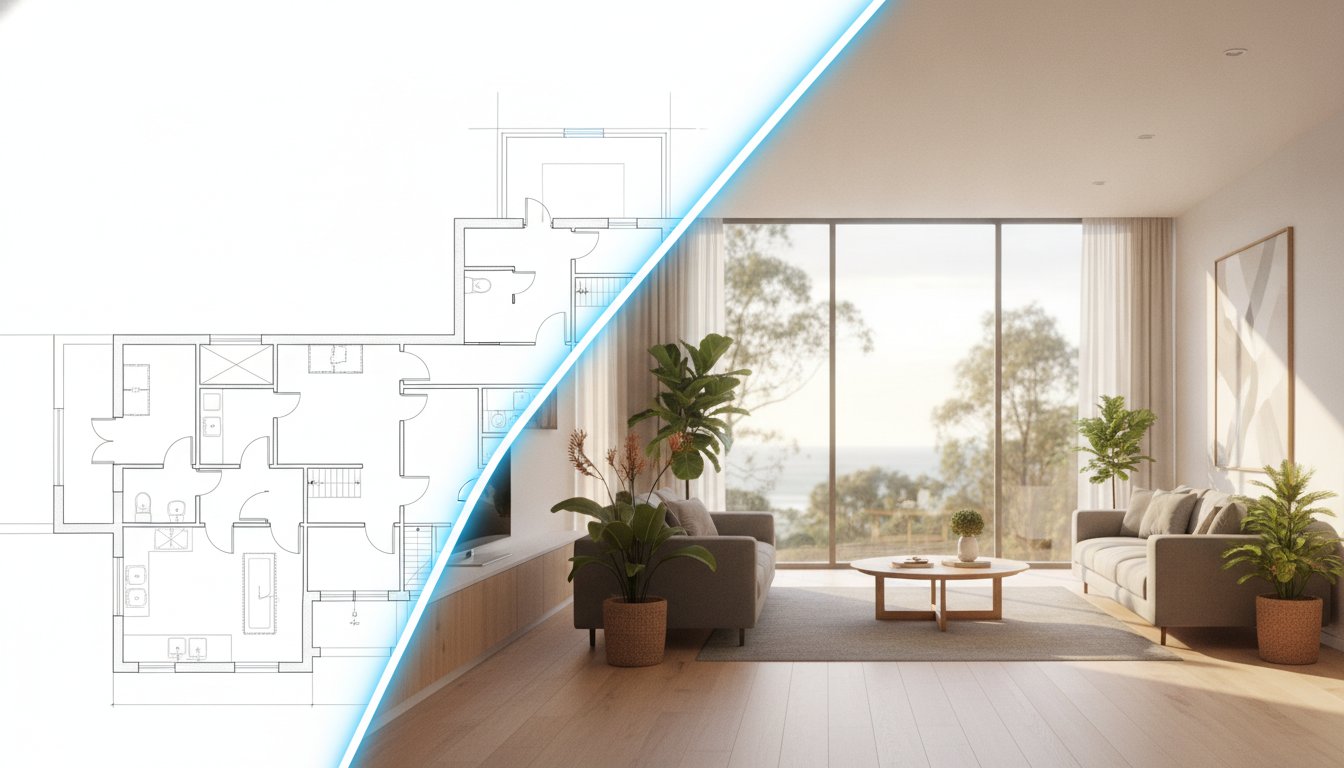
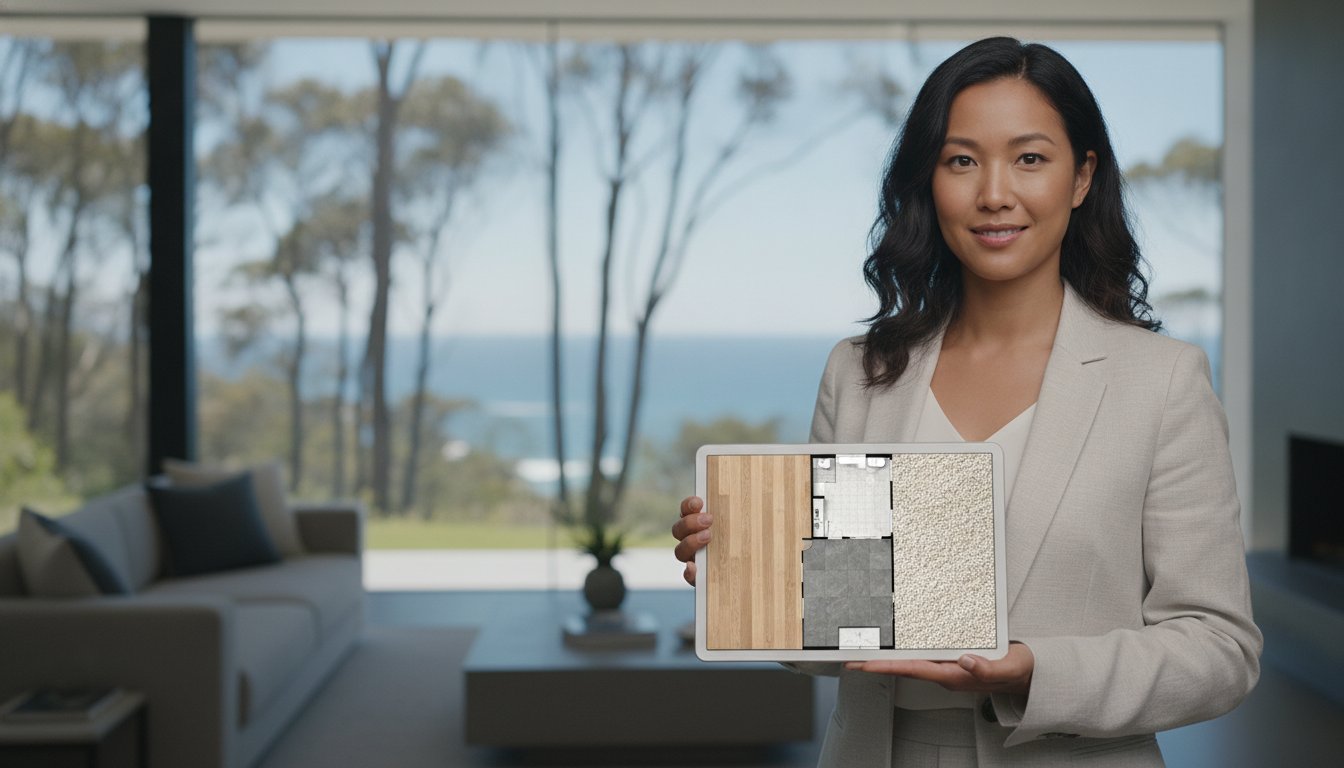
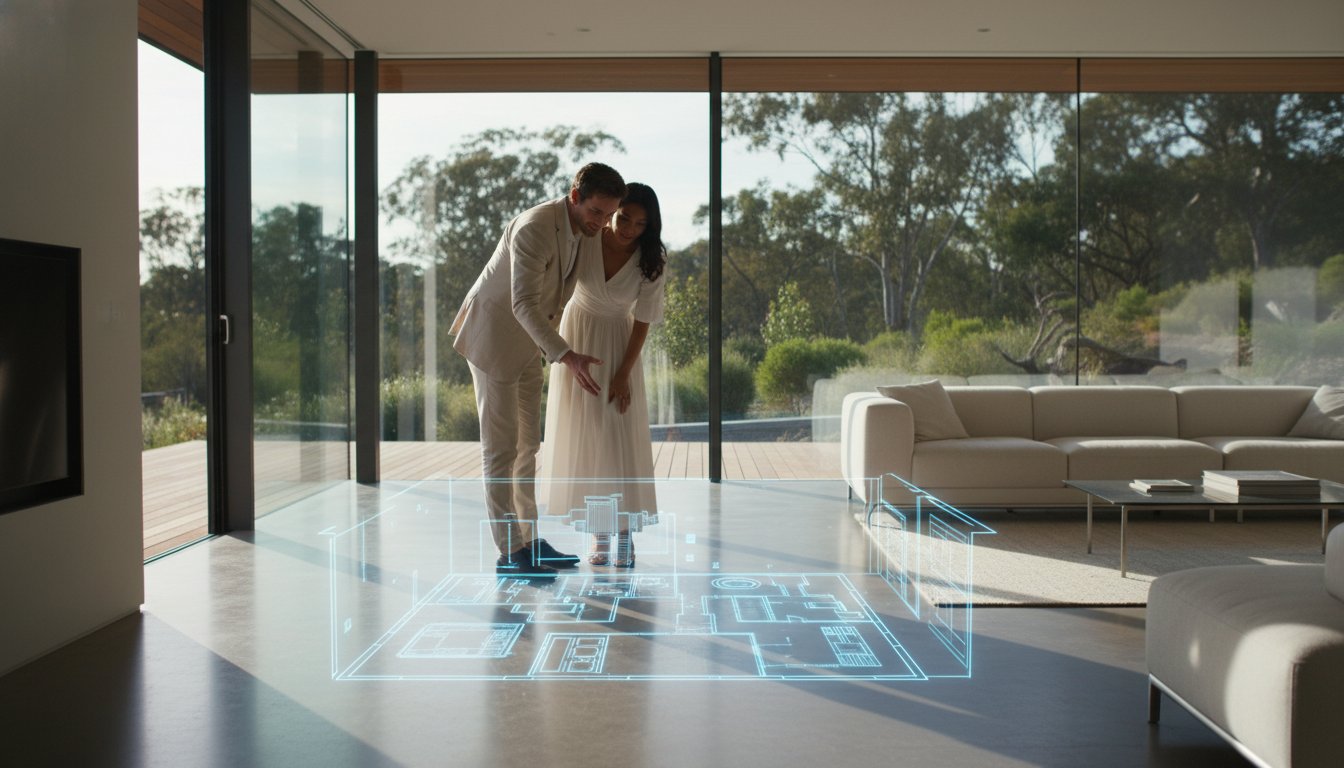
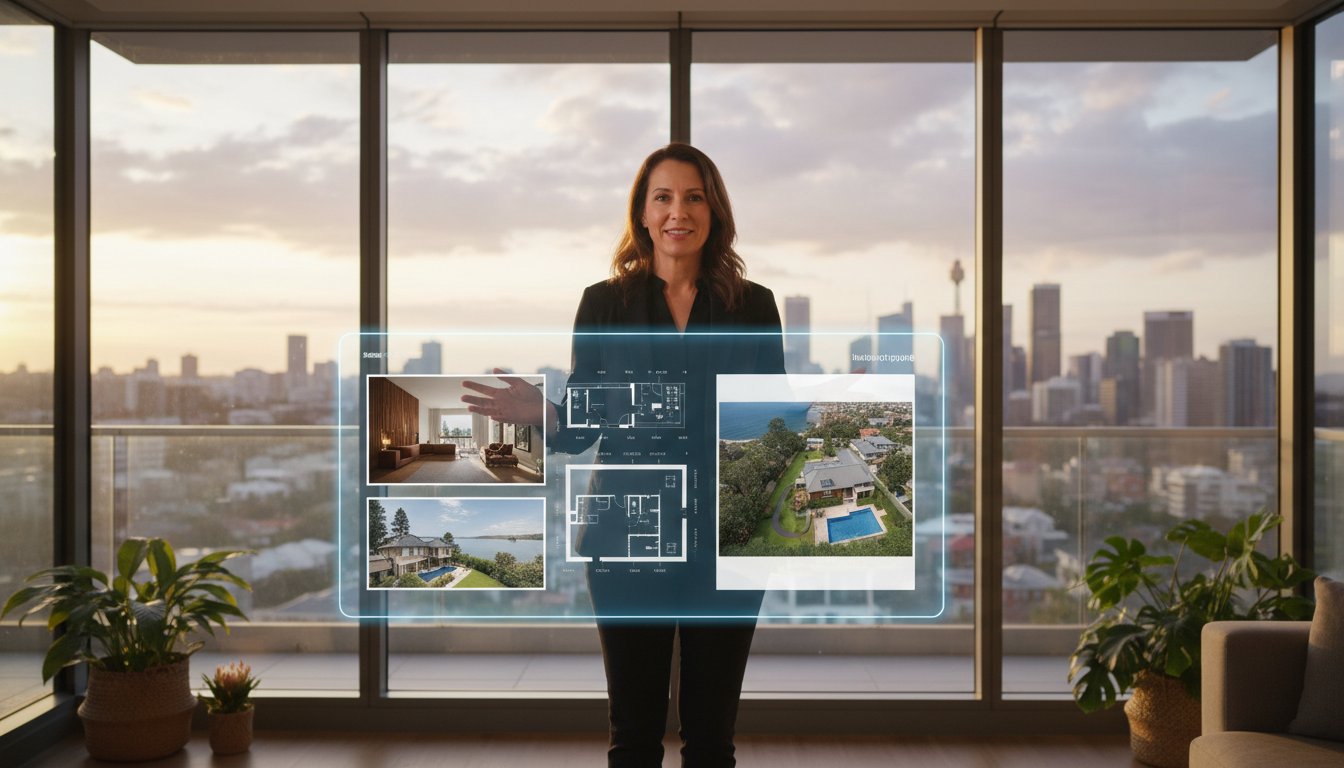
Depersonalisation is a critical tactical move for any premium listing. Removing family photos, religious icons, and personal trophies allows buyers to project their own lives onto the space. This isn't just about aesthetics; it's about marketing psychology. A neutral canvas sells faster. Removing excess furniture also aids in creating precise floorplans. When a real estate photographer has a clear line of sight, the resulting textured floorplans are more accurate, providing the 2026 buyer with the comprehensive digital overview they demand.
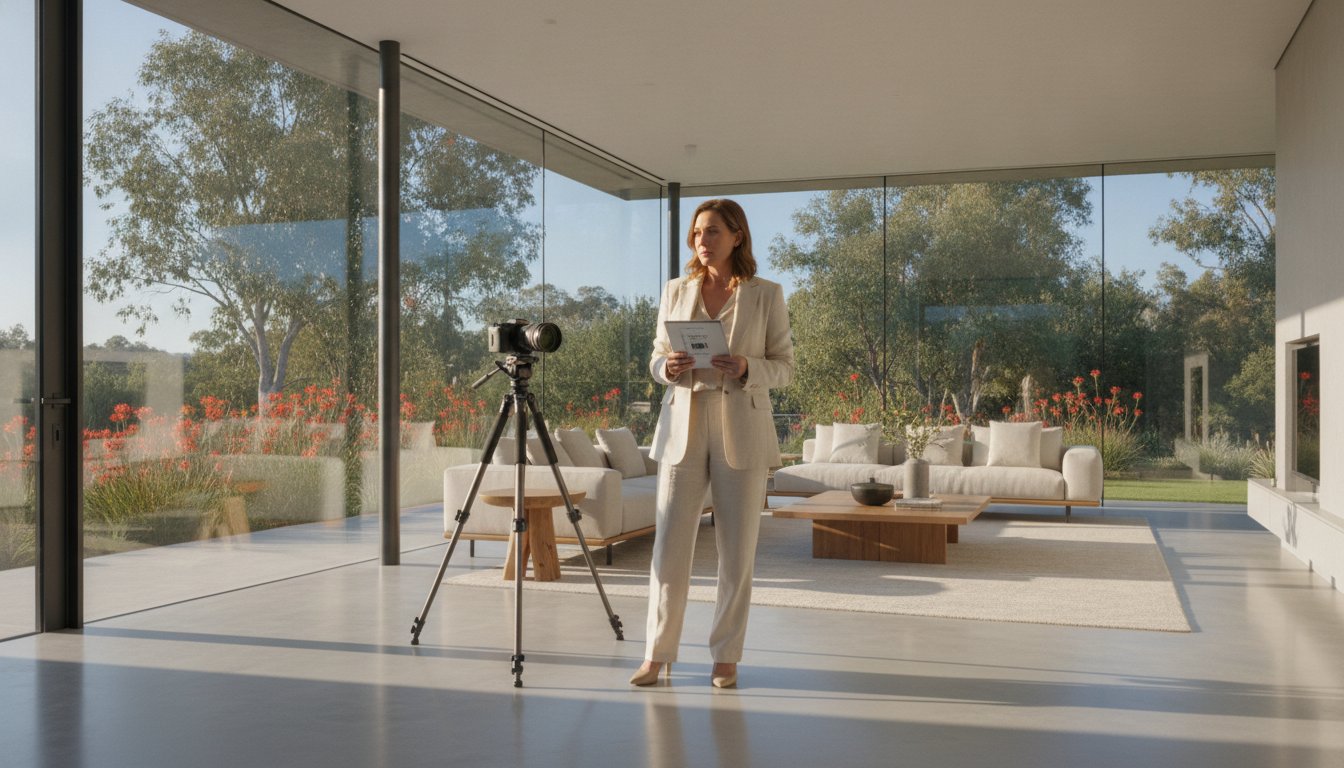
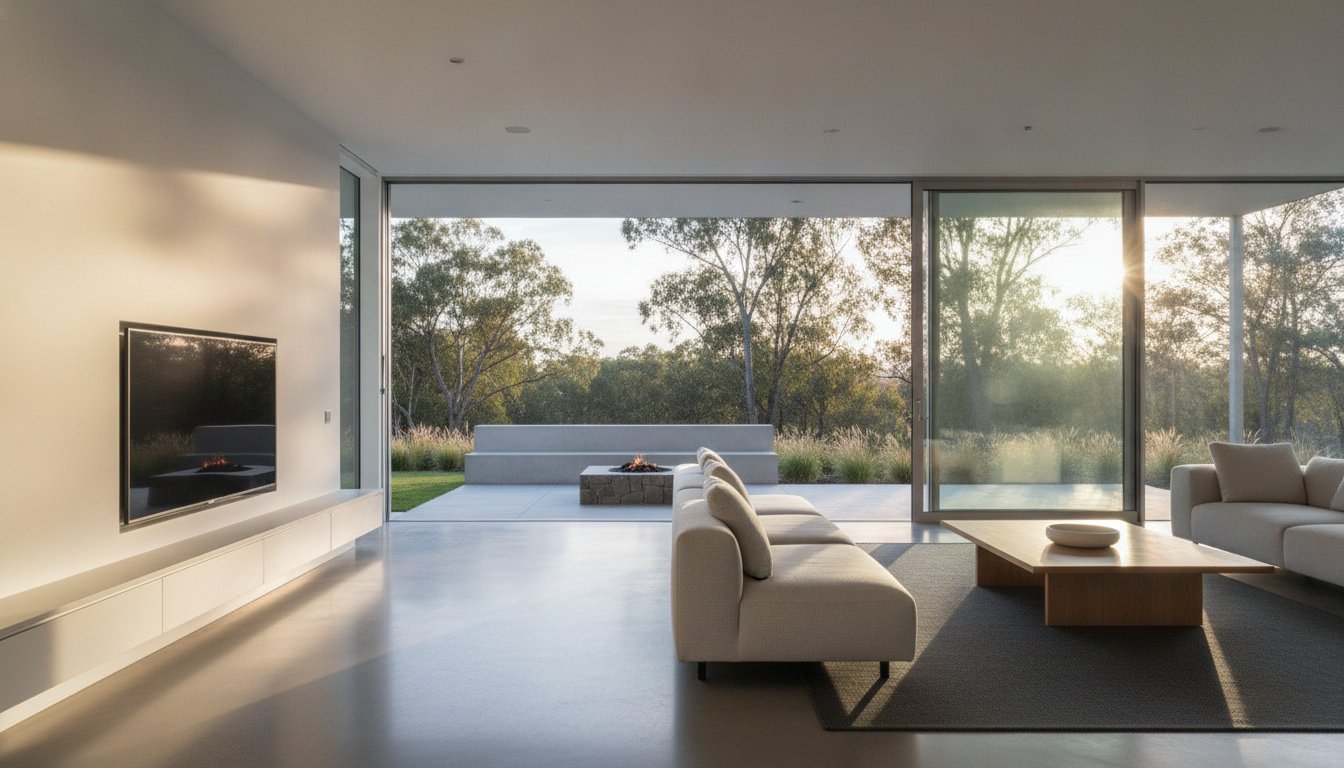
Lighting is a technical foundation, not an afterthought. Open every blind and curtain to maximise natural Australian sunlight. This creates a sense of openness that artificial light alone cannot replicate. However, consistency is vital for a standardised, high-quality output. Ensure all internal globes have the same colour temperature. Mixing 'cool white' and 'warm white' globes creates conflicting colour casts that are difficult to correct in post-production. Additionally, turn off all ceiling fans. Even on low settings, fan blades create motion blur that degrades the sharpness of high-resolution images and disrupts the clean lines of the room.
Clear the 'micro-clutter' that accumulates in daily life. This includes fridge art, magnets, and personal calendars. These items draw the eye away from the architectural features. Organise bookshelves and entertainment units by removing roughly 30% of the items to achieve a minimalist, high-end aesthetic. To create a sense of lifestyle without being personal, use subtle, modular props. A neutral throw rug or a single, high-quality coffee table book adds warmth without cluttering the frame. This disciplined approach ensures your property looks like a professional showroom rather than a storage facility, driving higher engagement and enquiries.
A successful property shoot depends on granular attention to detail. While the previous sections established the masterplan, the physical execution within each room determines the final image quality. Learning how to prepare a house for real estate photos involves a rigorous walkthrough to ensure every surface is technically perfect. This phase is about removing domestic distractions so the architecture and lifestyle potential remain the primary focus. High-resolution sensors in 2026 leave no room for error; what you ignore on the day becomes a permanent fixture in your marketing.
The kitchen is often the most scrutinised room in a listing. Benchtops must be entirely clear. Remove kettles, toasters, and spice racks to create a sense of expansive workspace. Hiding tea towels and dish soap is non-negotiable. Crucially, the kitchen sink must be completely empty and wiped bone-dry. Water droplets or damp patches can appear as unsightly marks under professional strobe lighting. In the living area, manage the 'tech nest' by hiding all remote controls and charging cables. Plump every cushion and ensure rugs are perfectly parallel to the walls. When styling the dining table, a minimalist approach is superior. A bare, clean surface or a single, high-end centrepiece is preferable to a full place setting, which can often appear cluttered and dated in wide-angle compositions.
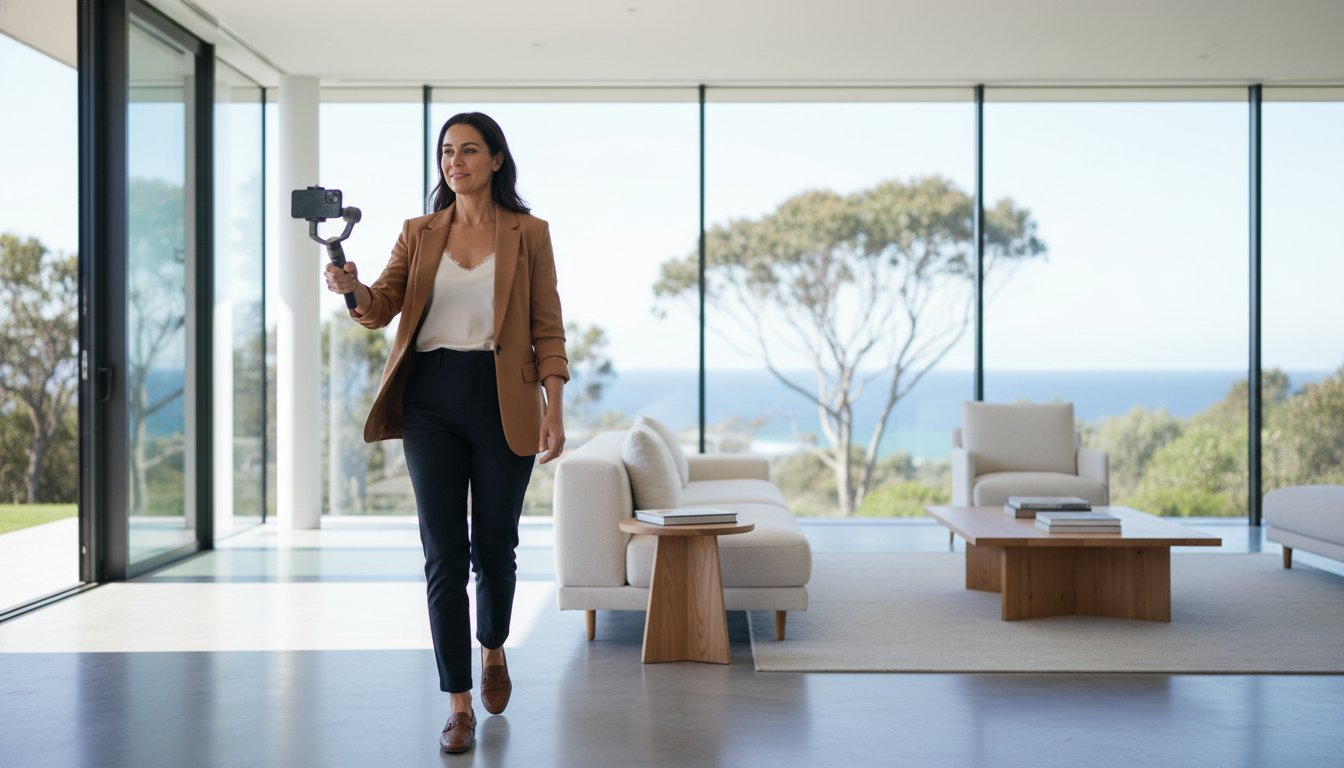
Bedrooms must evoke a premium hotel aesthetic. Use a steamer to remove creases from linens and tuck in all edges for crisp, clean lines. Bedside tables should hold nothing more than a lamp. In bathrooms, hygiene is the visual priority. Close all toilet lids and hide every toothbrush, razor, and shampoo bottle. Ensure mirrors are streak-free and remove all items from the shower floor. This level of detail is vital for consistency across all media. It ensures that your real estate floor plans align perfectly with the visualised space. A clear, organised room allows buyers to understand dimensions and layout without being distracted by personal items. This is especially important for 3D tours where the camera captures 360-degree views, including the corners of laundries and walk-in robes that traditional photography might skip.
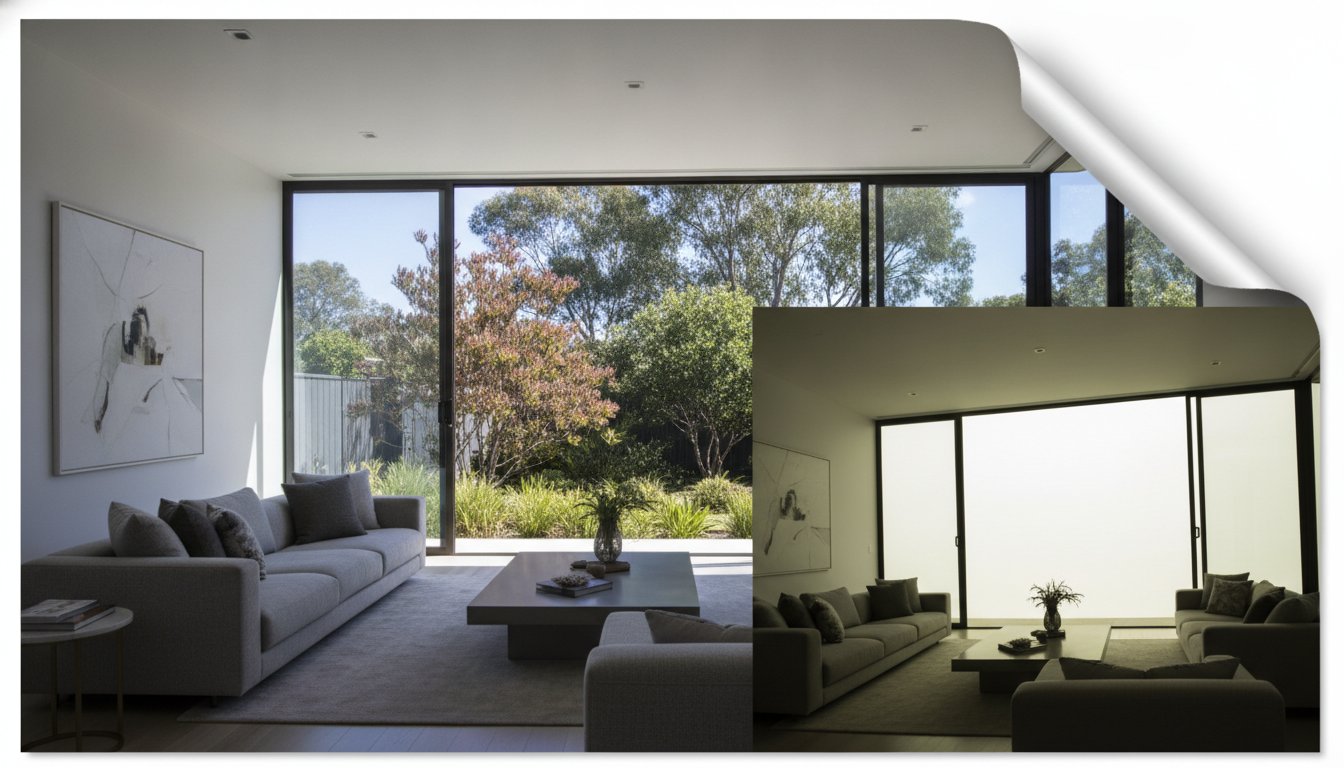
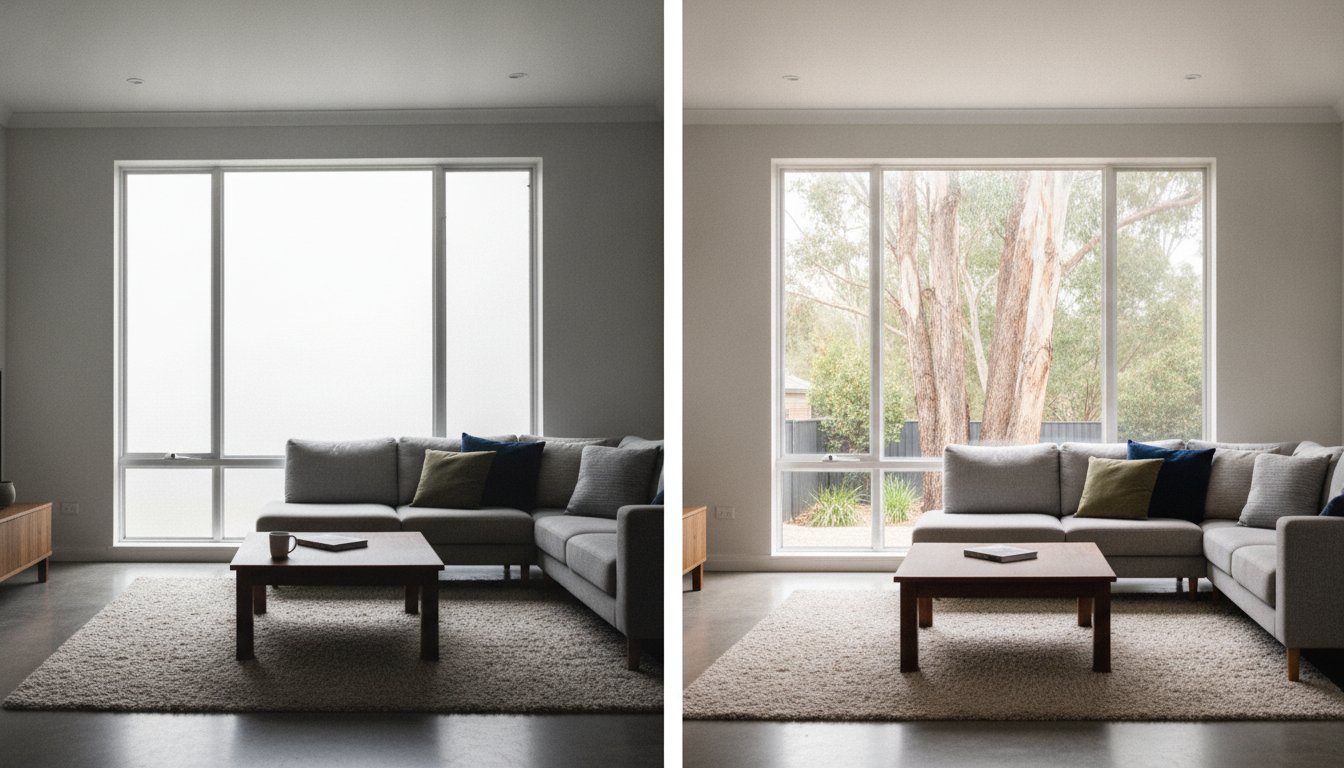
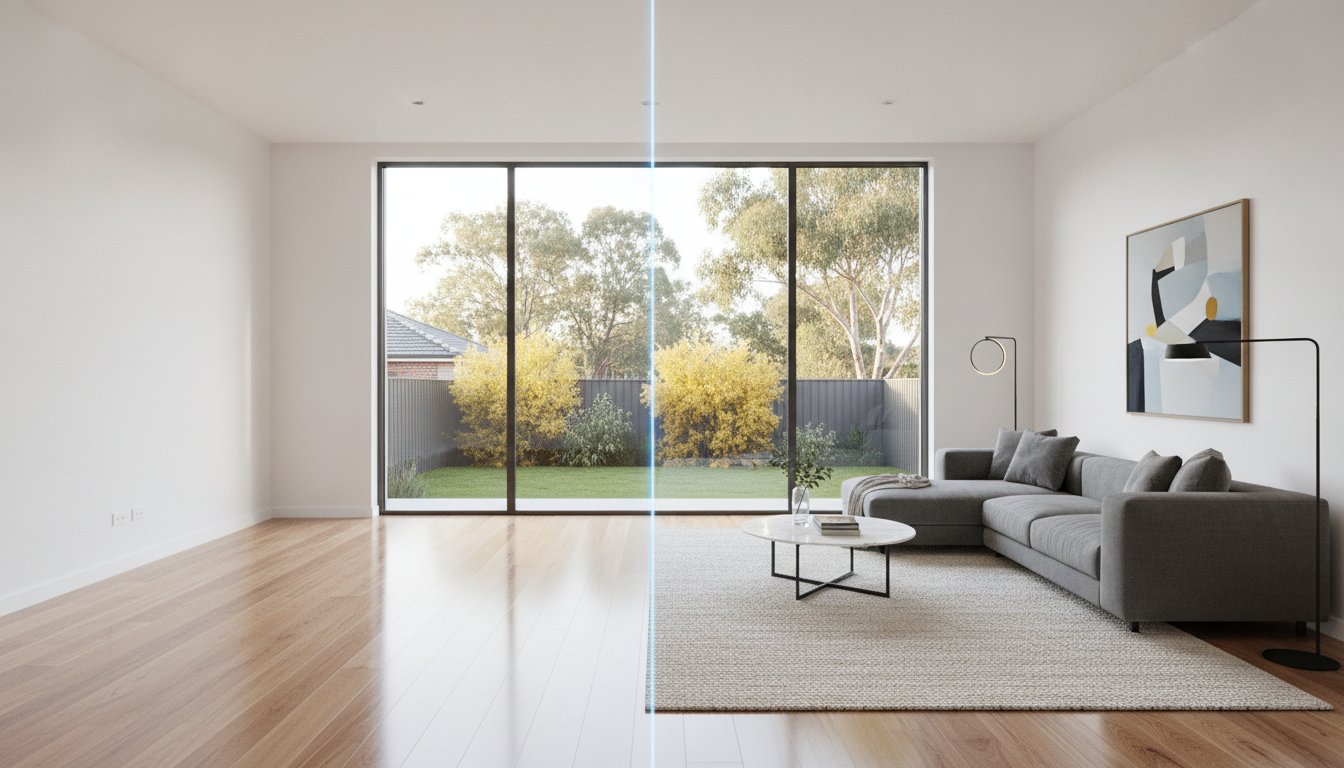
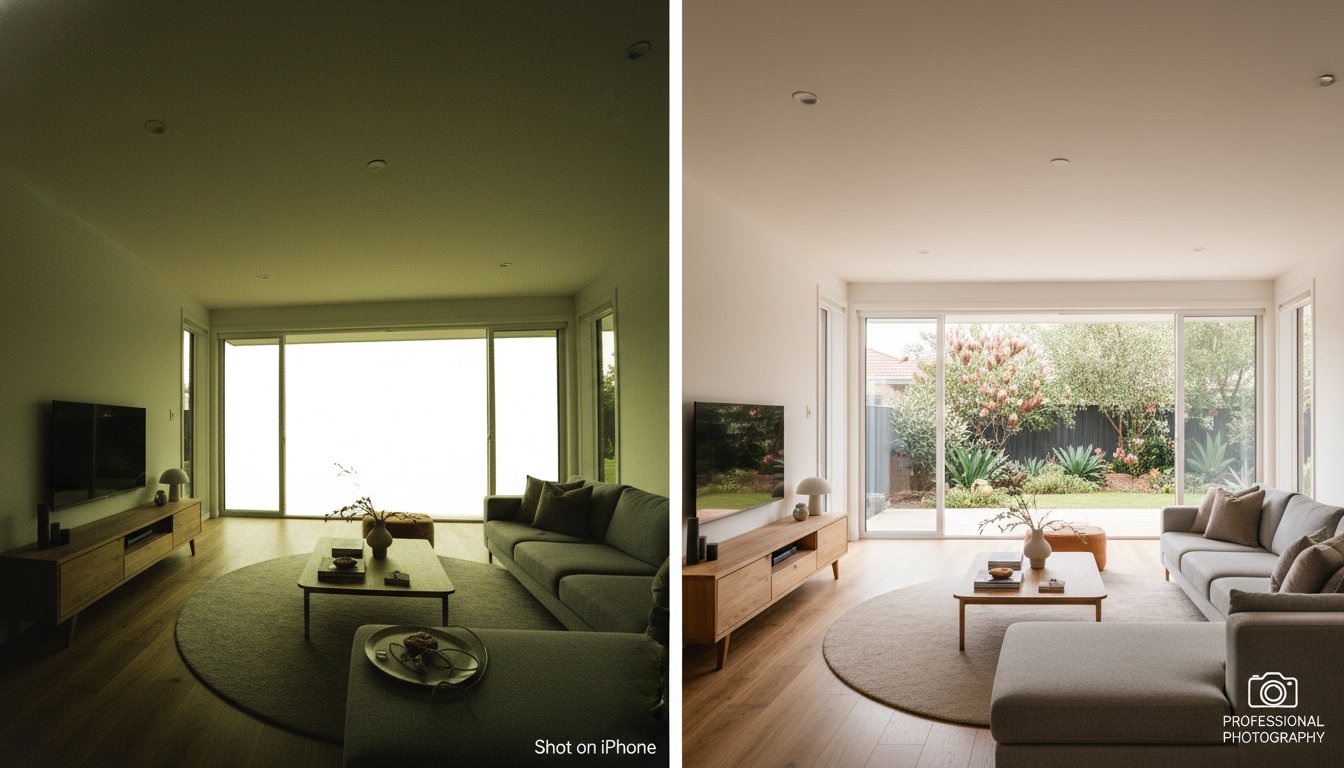
Physical preparation is only half the battle in a 2026 property campaign. While the manual work of decluttering and cleaning is essential, modern marketing relies heavily on post-production to ensure a flawless digital debut. Digital enhancements allow you to overcome environmental factors that are beyond your control. For example, blue sky replacement is a standard tool that ensures every listing looks like a perfect Australian summer day, regardless of the actual weather during the shoot. This technical safety net maintains campaign momentum and ensures your visual assets remain high-impact and consistent.
Digital 'decluttering' is another powerful tool for busy agents and vendors. While we always recommend physical tidying, professional editors can remove minor oversights like a stray power cord or a faint scuff mark on a wall. This isn't about misrepresentation; it's about refining the image so the viewer's eye isn't drawn to irrelevant imperfections. When you are mastering how to prepare a house for real estate photos, knowing what can be solved in post-production reduces the stress of shoot day and allows the photographer to focus on composition and lighting.
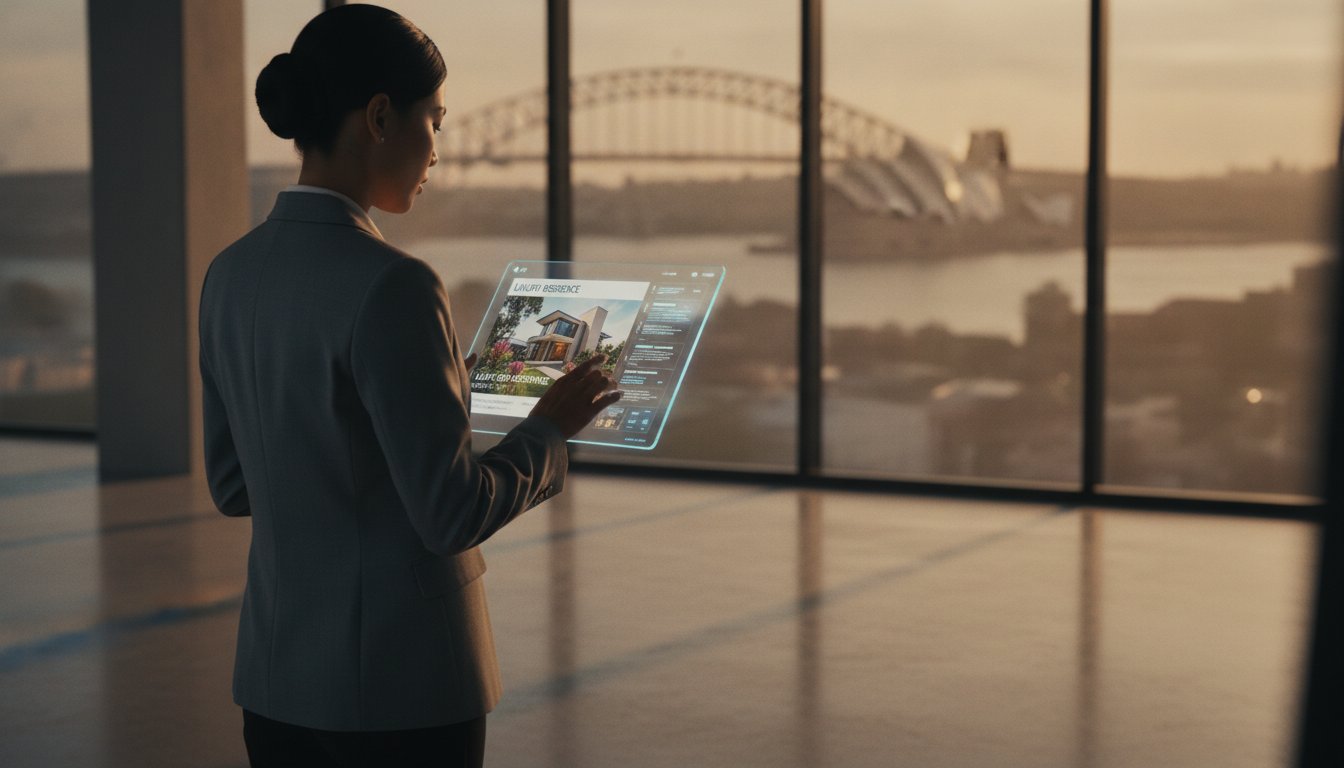
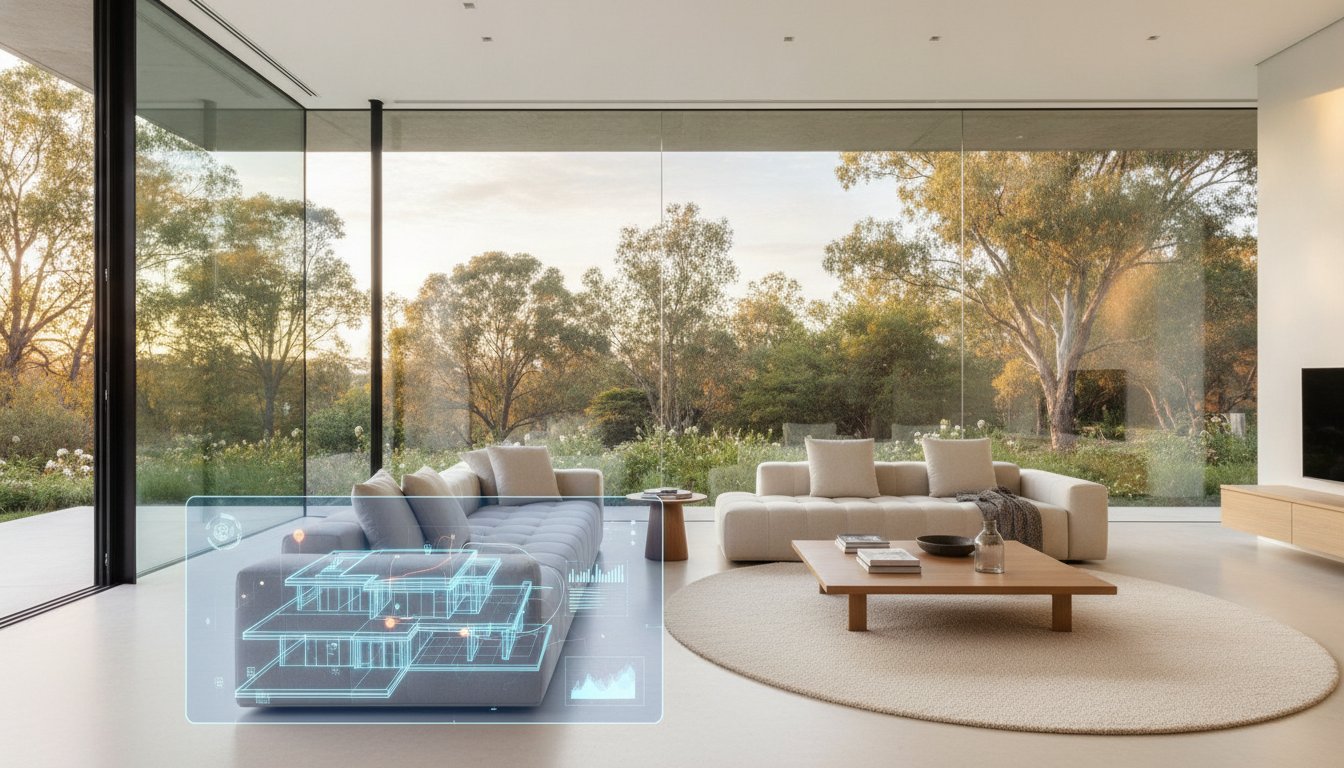
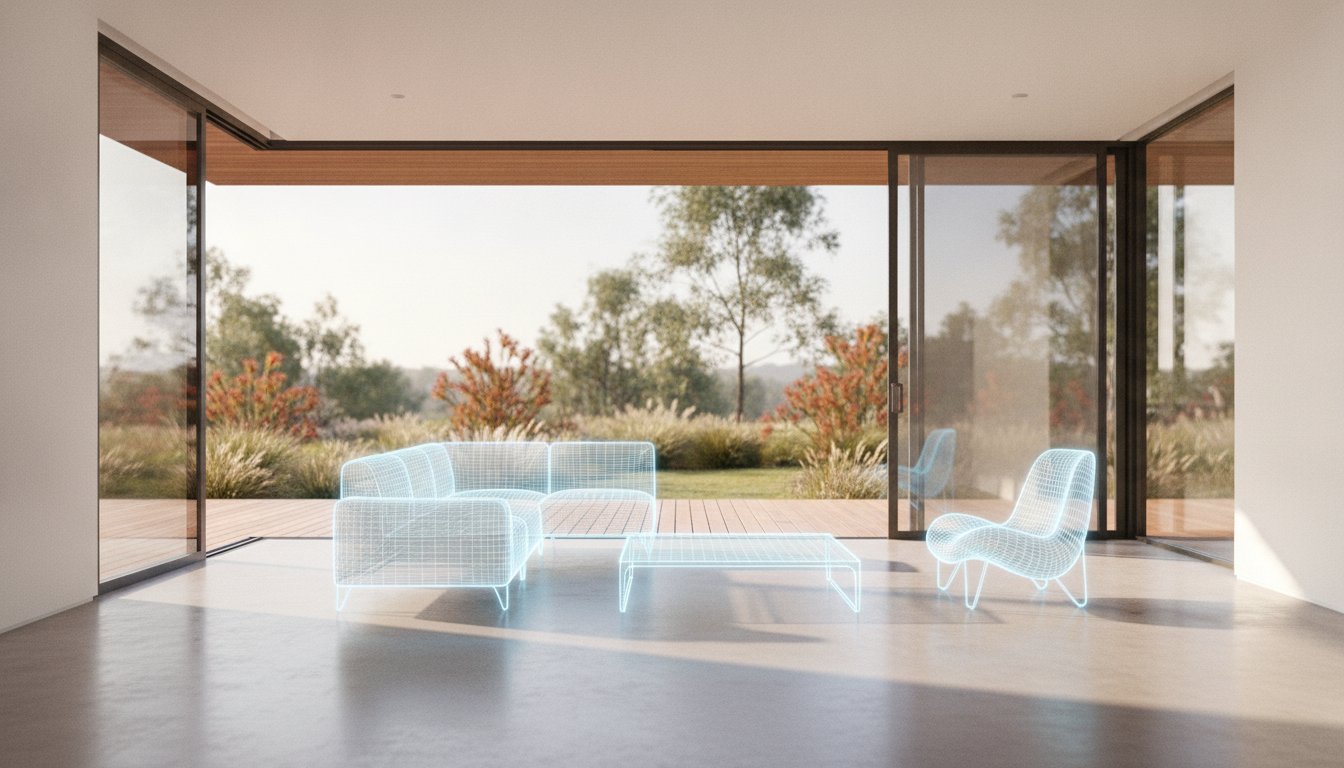
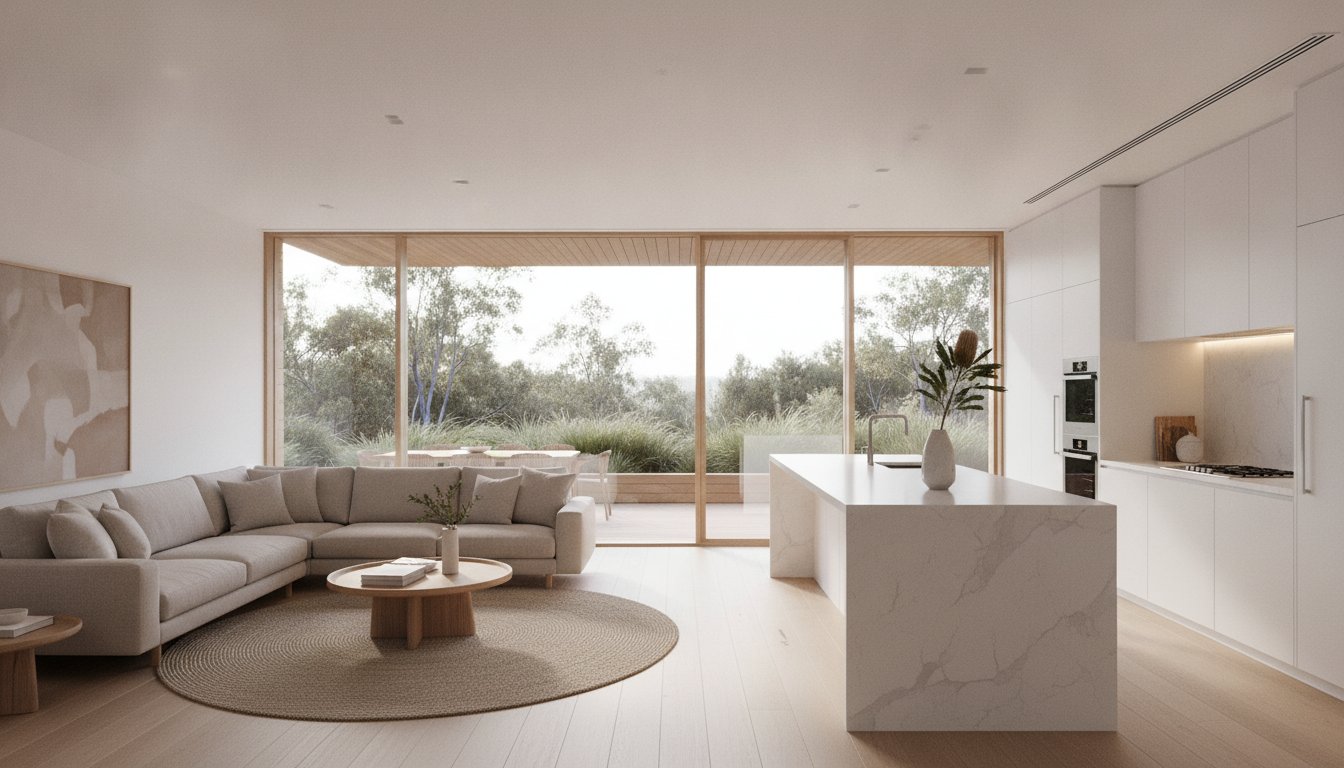
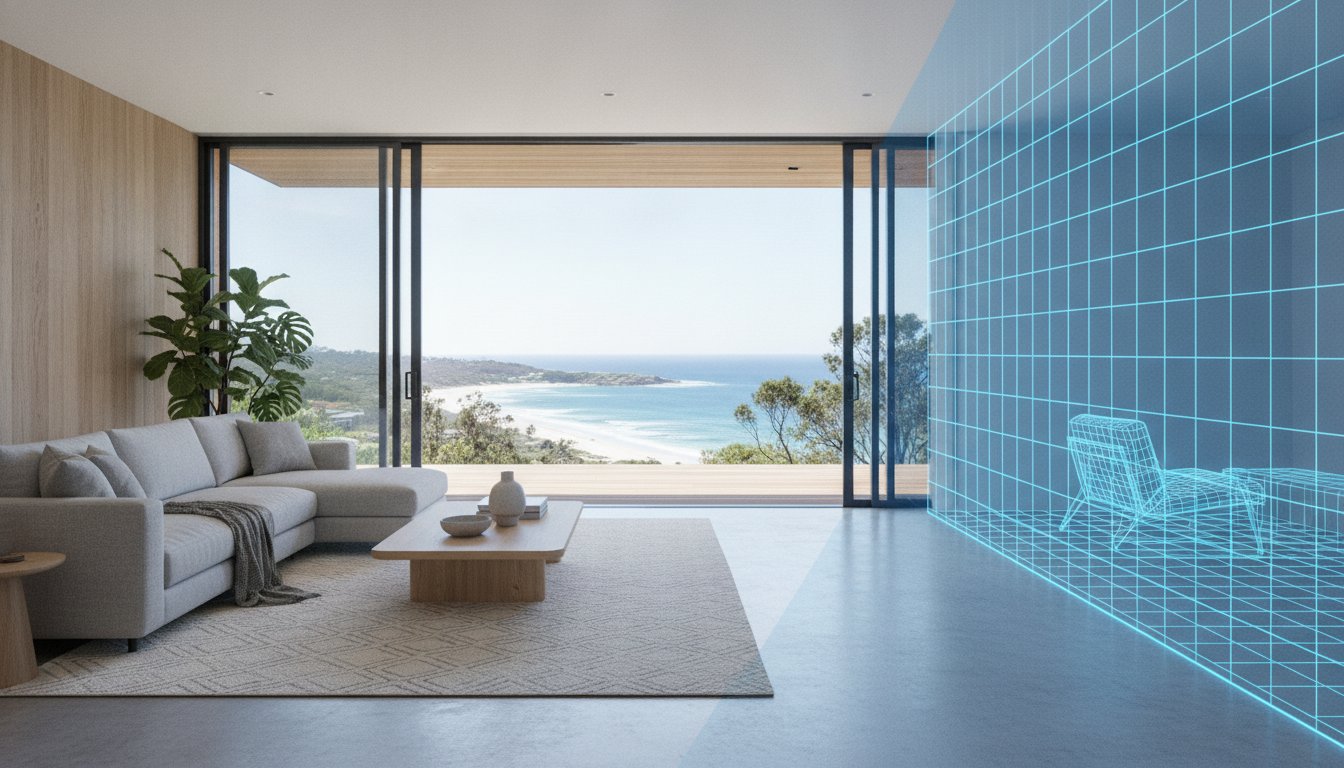
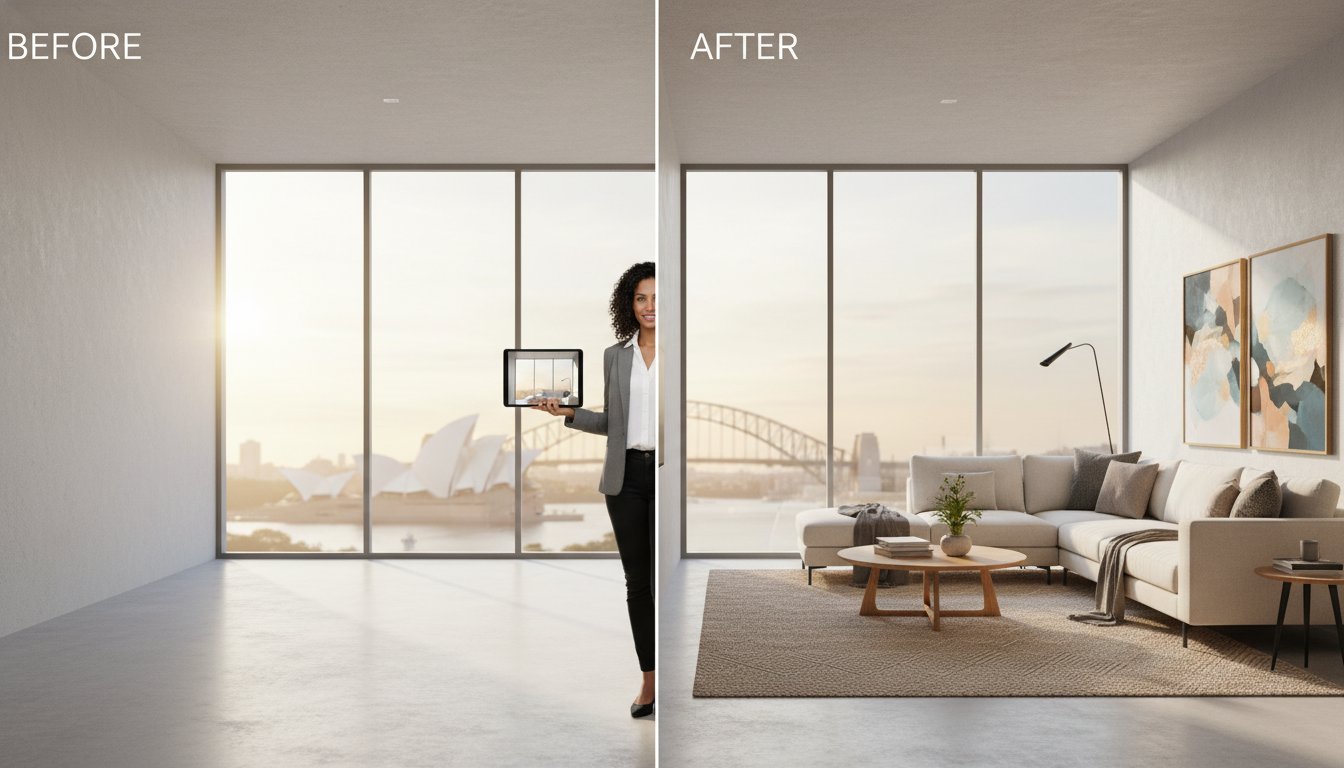
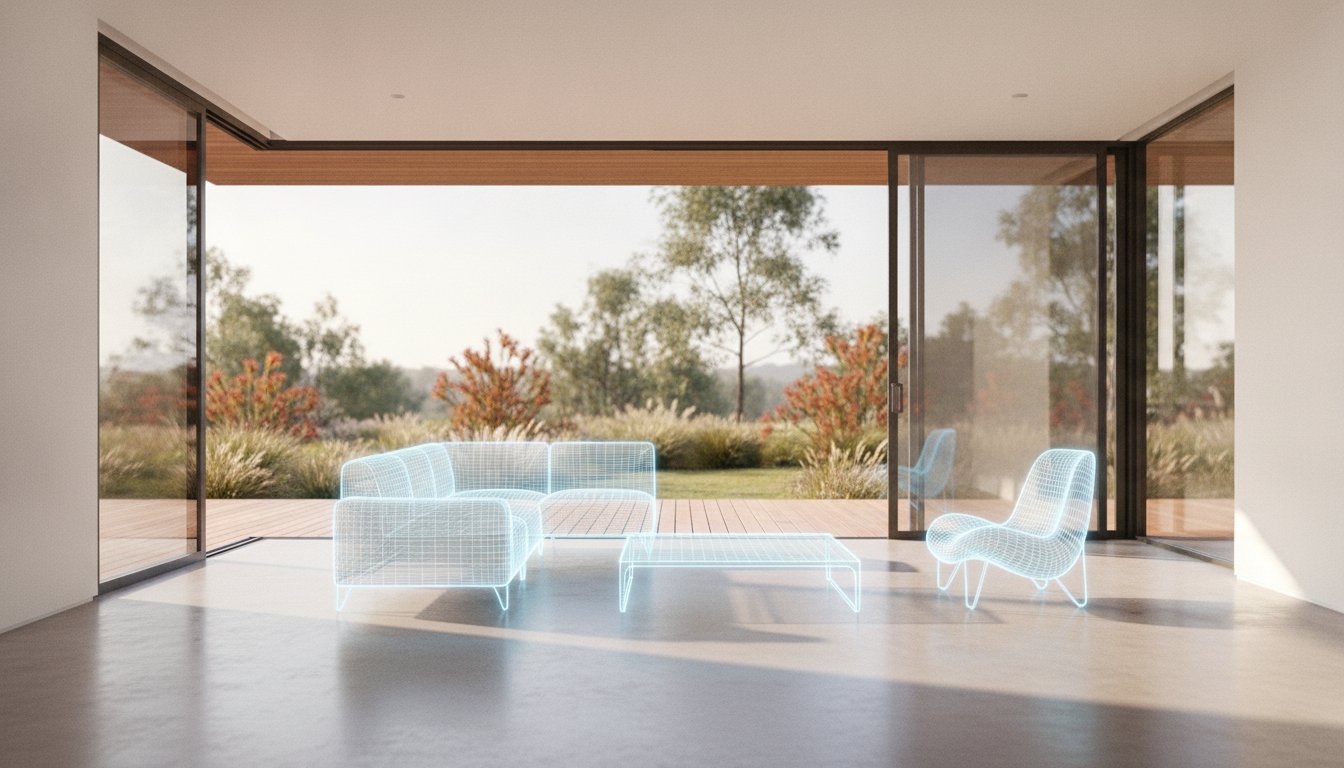
Virtual Furniture has become the 2026 agent's secret weapon for empty or partially furnished properties. Compared to the high costs and logistical headaches of physical furniture hire, virtual staging is a cost-effective, scalable alternative. It allows you to showcase different lifestyle configurations without moving a single chair. Virtual furniture provides a sense of scale in compact spaces, helping buyers understand how a queen-sized bed or a home office setup actually fits the floorplan. However, transparency is vital. In line with modern industry standards, always disclose when images have been virtually staged to maintain buyer trust and meet ethical marketing requirements.
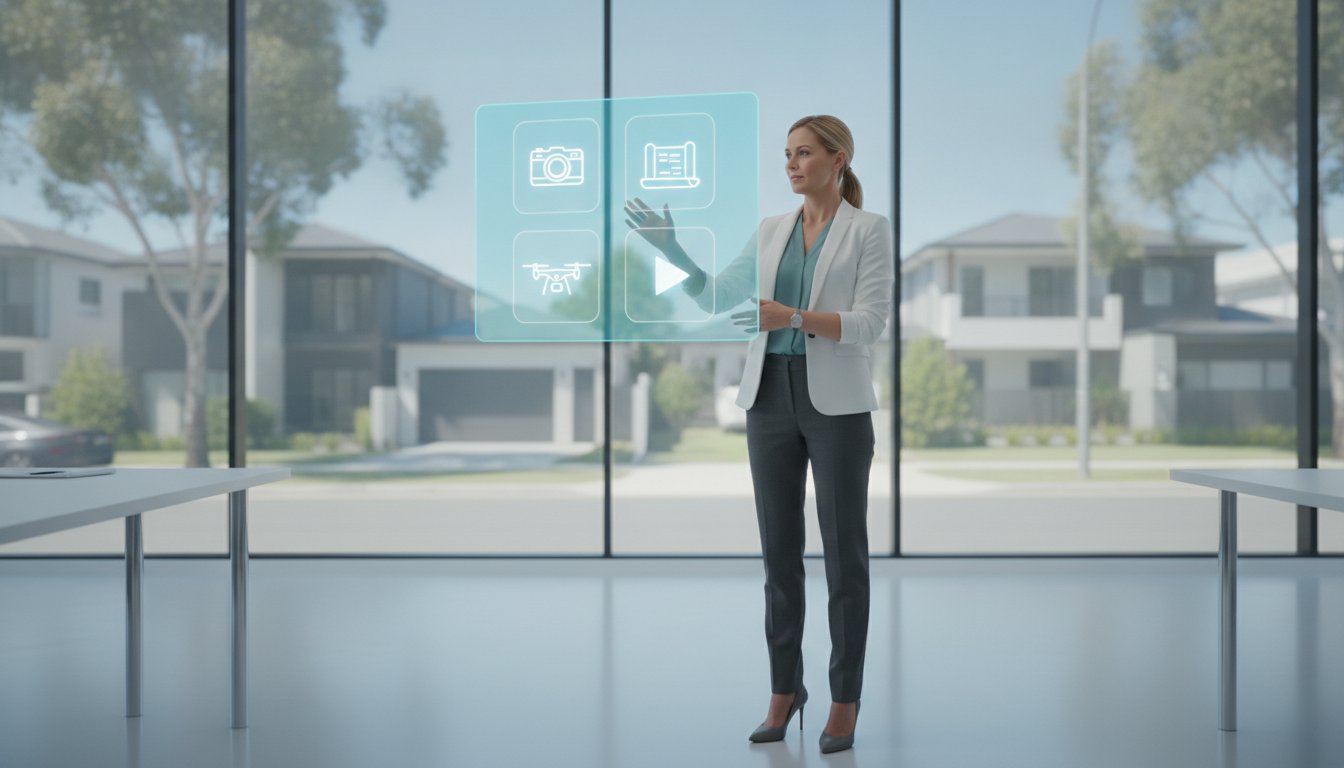
The real estate photographers at UberRE utilise high-end sensors and lighting gear that minimise prep stress by capturing the property in its best possible light. Our standardised output ensures that every listing, from a studio apartment to a multi-million dollar estate, receives the same premium treatment. To complement the visuals, our professional copywriting service bridges the gap between what a buyer sees and what they feel, creating a cohesive narrative that drives enquiry rates.
Speed is the ultimate currency in a fast-paced market. UberRE provides a 24-hour turnaround on finished content, allowing you to go from shoot to live listing in a single day. Our national platform offers the reliable infrastructure agents need to maintain brand consistency across multiple regions. By combining disciplined physical preparation with our advanced digital solutions, you ensure your property doesn't just enter the market; it dominates it.
Mastering the technical requirements of property presentation is the most effective way to ensure your listing dominates the digital marketplace. Success in 2026 requires more than a simple tidy up. It demands a strategic approach to lighting, space optimisation, and the seamless integration of advanced media. By following our professional framework on how to prepare a house for real estate photos, you eliminate the distractions that hinder buyer engagement and focus purely on your property's value.
High-quality visual infrastructure is the foundation of every successful sale. UberRE provides the reliability and technical expertise needed to launch your campaign with confidence. We offer expert photographers across Australia and a guaranteed 24-hour turnaround on finished content. Our comprehensive marketing packages ensure you have every tool required for a fast, efficient, and profitable listing launch.
Take control of your digital debut and secure the maximum sale price for your property.
A standard residential session typically requires 60 to 90 minutes on-site. This timeframe depends on the property's square footage and the complexity of the service package, such as adding video tours or site plans. To maintain this efficiency, ensure the property is fully prepared before the photographer arrives. Delays caused by last-minute cleaning can disrupt the technical schedule and impact the final output quality.
You don't need to be present during the shoot. Many industry professionals prefer the property to be vacant or managed by the listing agent to ensure the photographer has unobstructed access to all areas. If you choose to stay, please remain in a designated area not being photographed. This prevents accidental appearances in mirrors or windows and allows the specialist to work through the checklist quickly.
Professional editors cannot remove permanent structural features like power lines, telecommunications towers, or neighbouring buildings. Removing these elements constitutes material misrepresentation and violates 2026 Australian consumer protection laws regarding property marketing. When considering how to prepare a house for real estate photos, focus on managing temporary clutter and presentation rather than attempting to digitally alter the property's physical environment.
Interior photography usually proceeds as planned regardless of the weather. For external shots, our post-production team utilises advanced blue sky replacement to ensure a premium, sunny aesthetic. If extreme weather conditions prevent safe drone operation or significantly degrade the hero shot, we will coordinate a reschedule for the exterior components while completing the internal media to keep your campaign on track.
A high-performing listing generally requires between 20 and 40 edited images. This volume provides a comprehensive overview of the property without overwhelming potential buyers. Quality is always superior to quantity. Every image should serve a specific marketing purpose, highlighting key architectural features or lifestyle benefits. Repeating similar angles of the same room can dilute the impact of your digital presentation.
You only need to organise the inside of cupboards if they are a primary selling feature, such as a custom butler's pantry or an expansive walk-in wardrobe. For standard storage, simply ensure the doors are closed. However, if you have booked a Matterport 3D tour, keep in mind that the 360-degree sensors may capture glimpses inside partially open doors, so a general tidy is recommended.
Twilight photography is a high-impact investment for properties with significant external lighting, pool areas, or city views. It creates a sophisticated, emotive atmosphere that stands out in crowded search results. While it represents a premium service tier, the increased enquiry rates for lifestyle-focused properties often justify the additional cost. It is an effective way to differentiate a listing in a competitive market.
You will receive your standardised, high-quality media within 24 hours of the shoot completion. This rapid turnaround is part of our commitment to modern efficiency, allowing you to move from the photography session to a live listing without delay. All files are delivered in web-ready formats, ensuring your campaign maintains its momentum from the moment the how to prepare a house for real estate photos process is complete.

-2.png)