Statistics confirm that properties featuring 20 or more professional photos sell 20% faster, yet many Australian agencies still struggle with inconsistent visual quality. You've likely experienced the frustration of low click-through rates on realestate.com.au or dealt with vendors who feel their home looks flat online. These setbacks often stem from common real estate photography mistakes to avoid, which can devalue a listing before a buyer even steps through the front door.
We understand that managing unreliable freelancers and varying image standards isn't just a headache; it's a drain on your agency's bottom line. This article provides a technical roadmap to rectify visual marketing errors and maximise property value in the 2026 market. You'll learn how to implement a streamlined, tech-forward approach that combines high-end imagery with precise floorplans and drone data to accelerate property turnovers and secure premium sale prices for your vendors. We'll show you how to transform your visual content into a high-speed data asset that delivers a professional, dependable brand image across every listing.
• Master the "3-second rule" to ensure your listings capture immediate attention on major property portals like realestate.com.au.
• Identify and rectify critical real estate photography mistakes to avoid, including technical errors like converging verticals and blown-out windows that devalue a home.
• Optimise street appeal and interior staging by removing personal distractions and exterior clutter before the photographer arrives.
• Adopt a multi-asset marketing strategy by integrating textured floorplans and video tours to meet the immersive expectations of 2026 buyers.
• Standardise your agency’s visual output to eliminate the administrative burden of managing multiple freelance contractors and ensure brand consistency.
Professional real estate photography is a high-speed commercial tool. It isn't just about making a lounge room look "nice"; it's about generating a measurable return on investment. In the competitive 2026 market, listings live or die by the "3-second rule." This is the critical window you have to capture a buyer's attention on realestate.com.au or Domain before they swipe past. If your lead image fails to arrest their attention, you've lost the enquiry entirely.
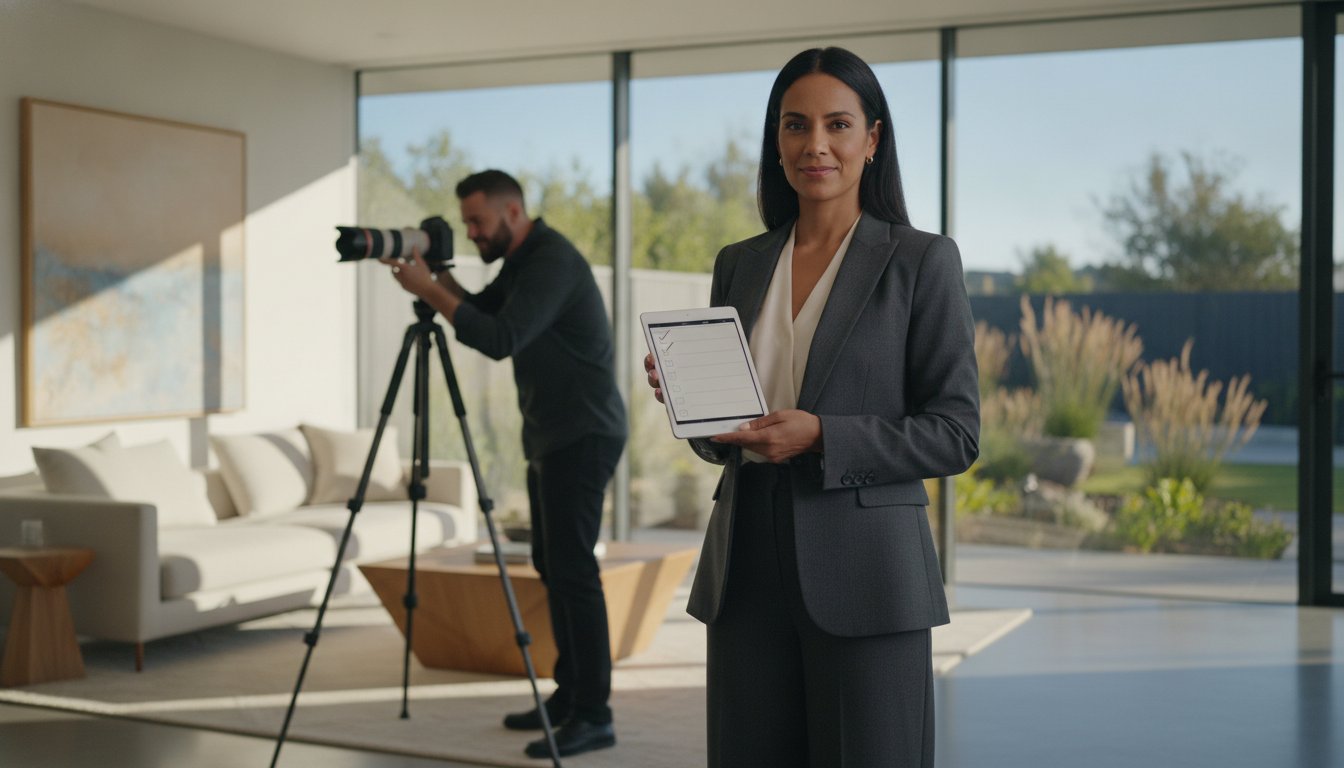
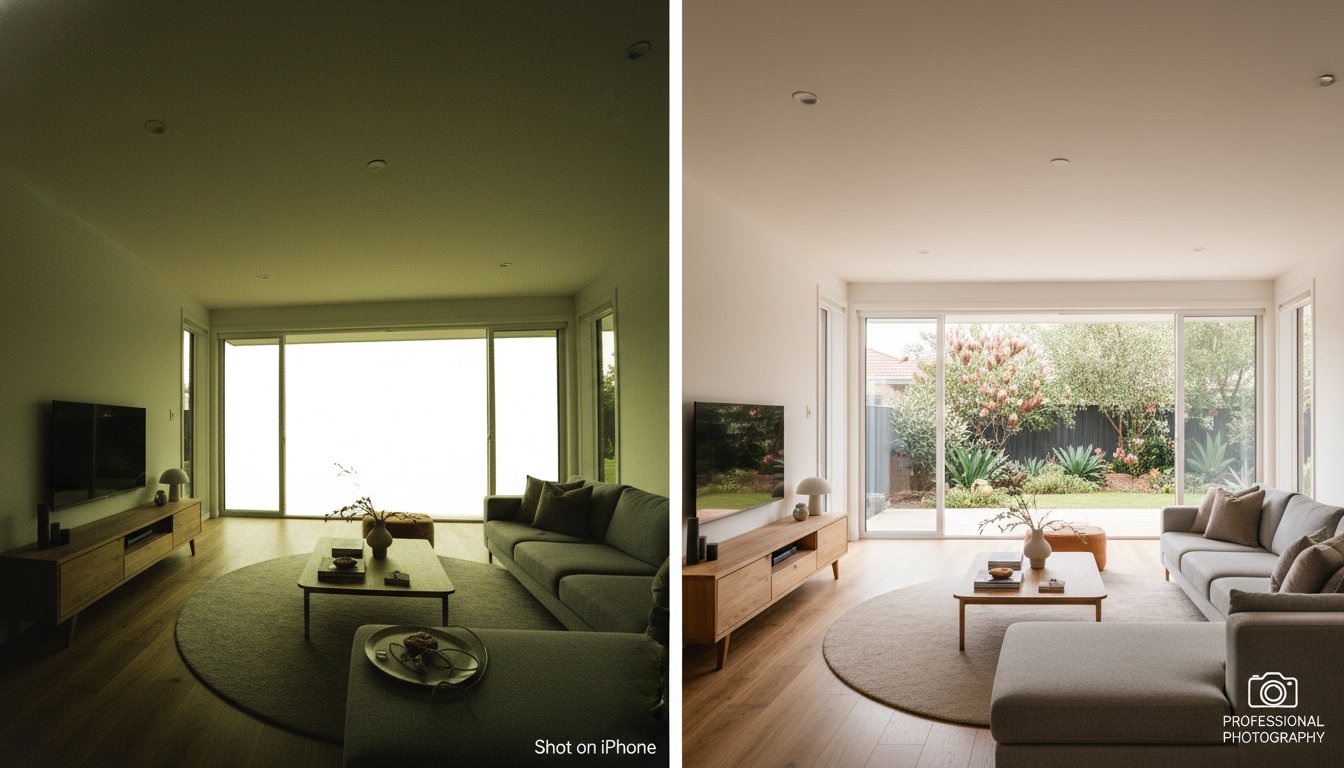
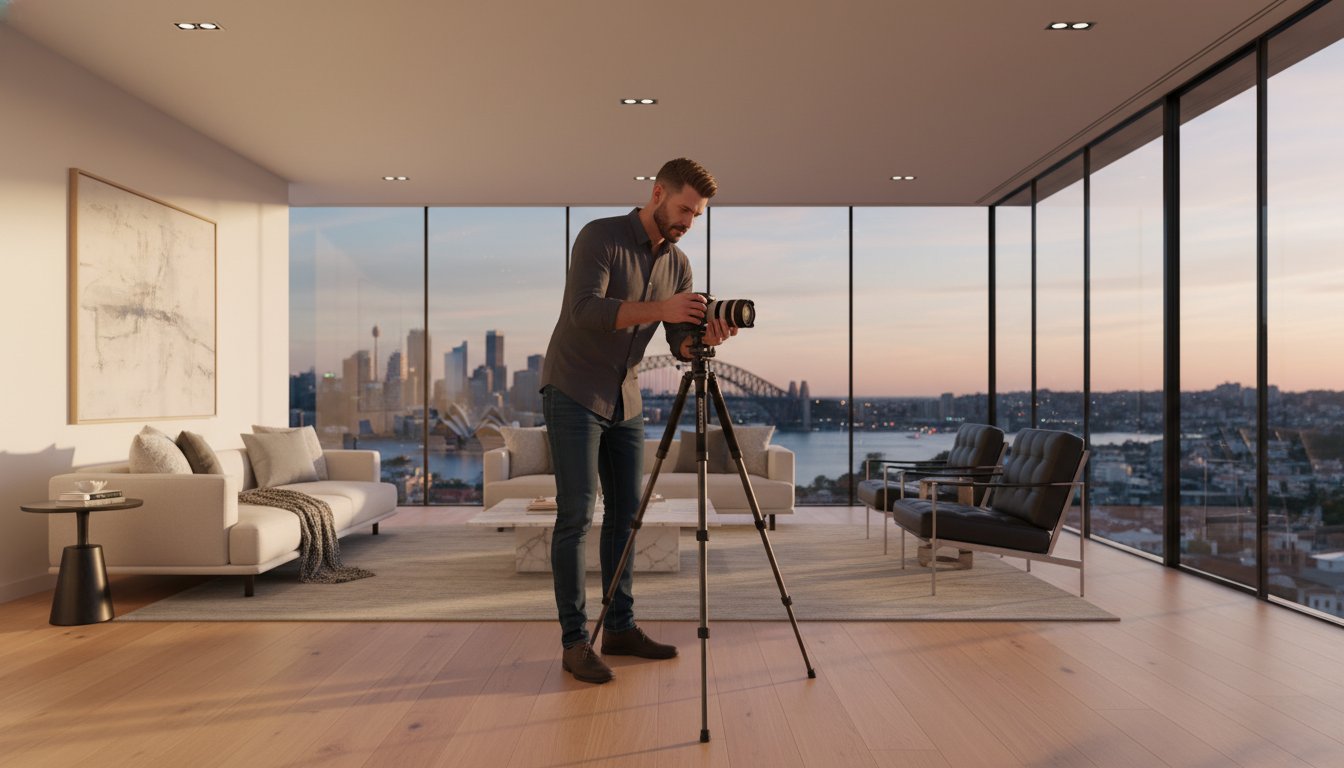
Many agents fall into the trap of thinking a modern smartphone can replace a dedicated professional real estate photographer. While phone cameras have improved, they can't replicate the dynamic range of a full-frame sensor or the technical precision of off-camera lighting. Using inferior equipment is one of the most common real estate photography mistakes to avoid, as it results in distorted spaces and flat, unappealing lighting. Professional imagery relies on the fundamental principles of architectural photography, focusing on perspective control and vertical alignment to project stability and space. When your visuals look cheap, your brand equity suffers along with the property's perceived value.
Low-quality imagery directly impacts your Click-Through Rate (CTR). Verified data shows that homes with professional photos receive 61% more online views. When a listing looks amateur, it signals a lack of quality, often leading to lower opening offers from buyers who perceive the property as "discounted." If the initial visual impact is poor, the listing risks becoming "stale" on the portals. Once a property has been on the market for several weeks without traction, buyers assume there's a fault, forcing price reductions that far exceed the cost of a professional marketing suite.
Your marketing choices reflect your professional standards. When you present a vendor with a premium, standardised visual suite, you provide tangible evidence of your value. It justifies your commission and builds immediate trust. A high-end presentation creates a psychological "halo effect" where the buyer perceives the home as better maintained. The Listing First Impression serves as the primary driver of digital enquiry, acting as the singular gateway between a browser and a lead.
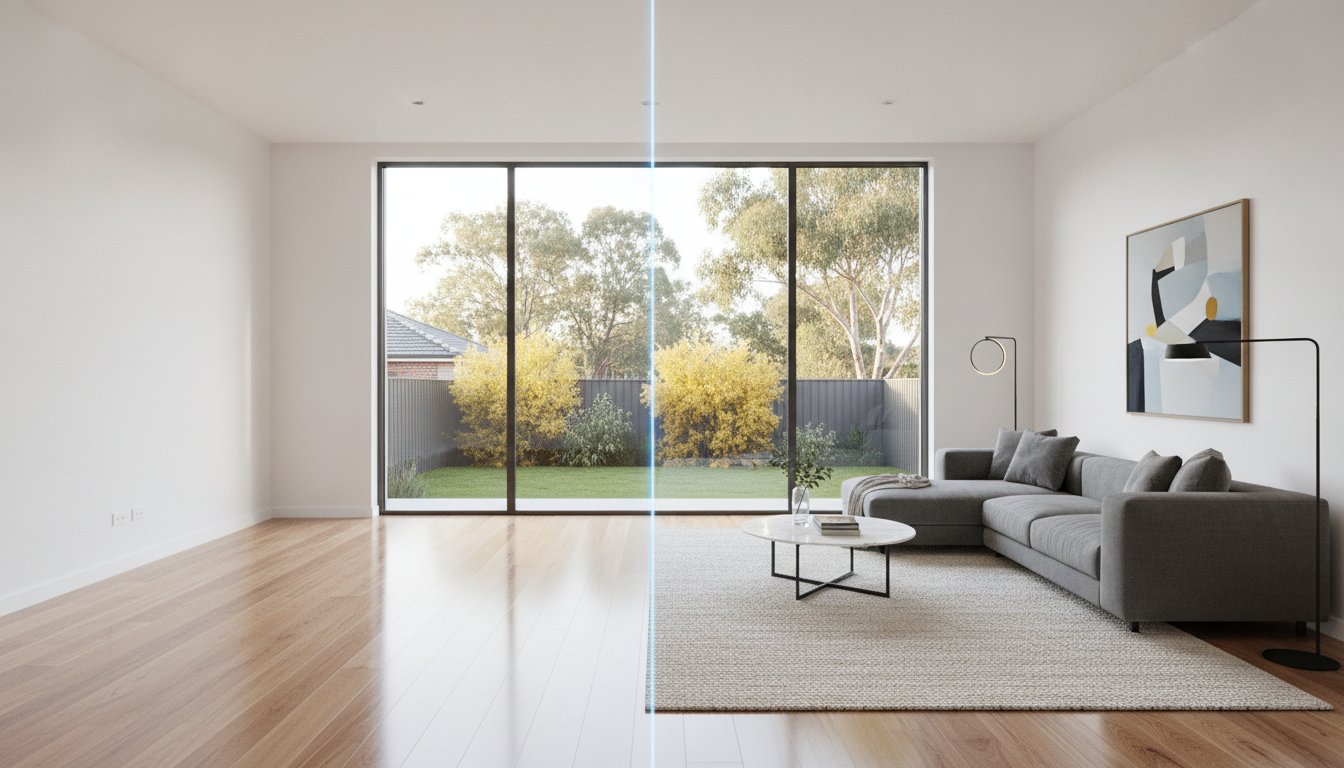
Technical precision distinguishes a commercial asset from a simple snapshot. Many real estate photography mistakes to avoid stem from a lack of architectural understanding, specifically regarding vertical alignment. Converging verticals occur when the camera tilts up or down, causing walls to appear as if they're leaning inward or falling over. This creates a sense of instability and makes rooms feel cramped. To maintain a professional standard, vertical lines must be 100% perpendicular to the floor to ensure architectural accuracy.
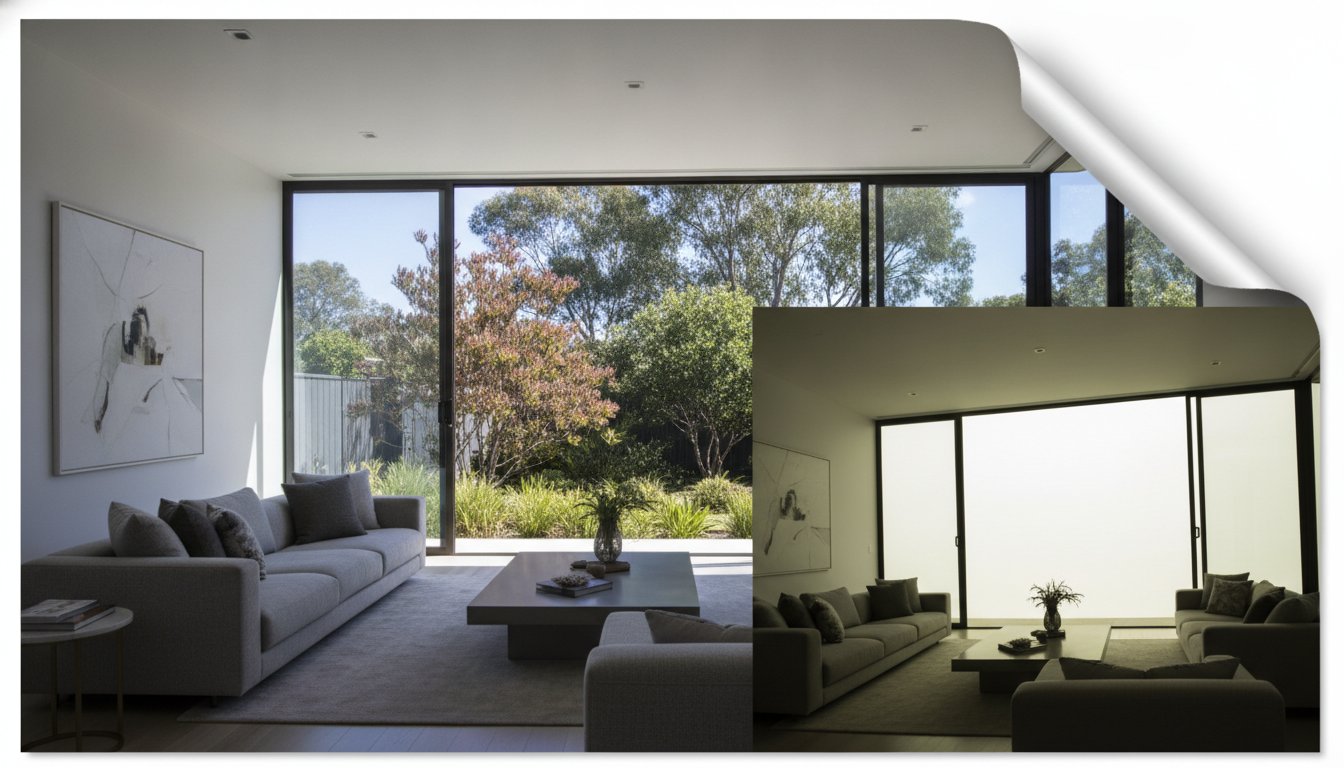
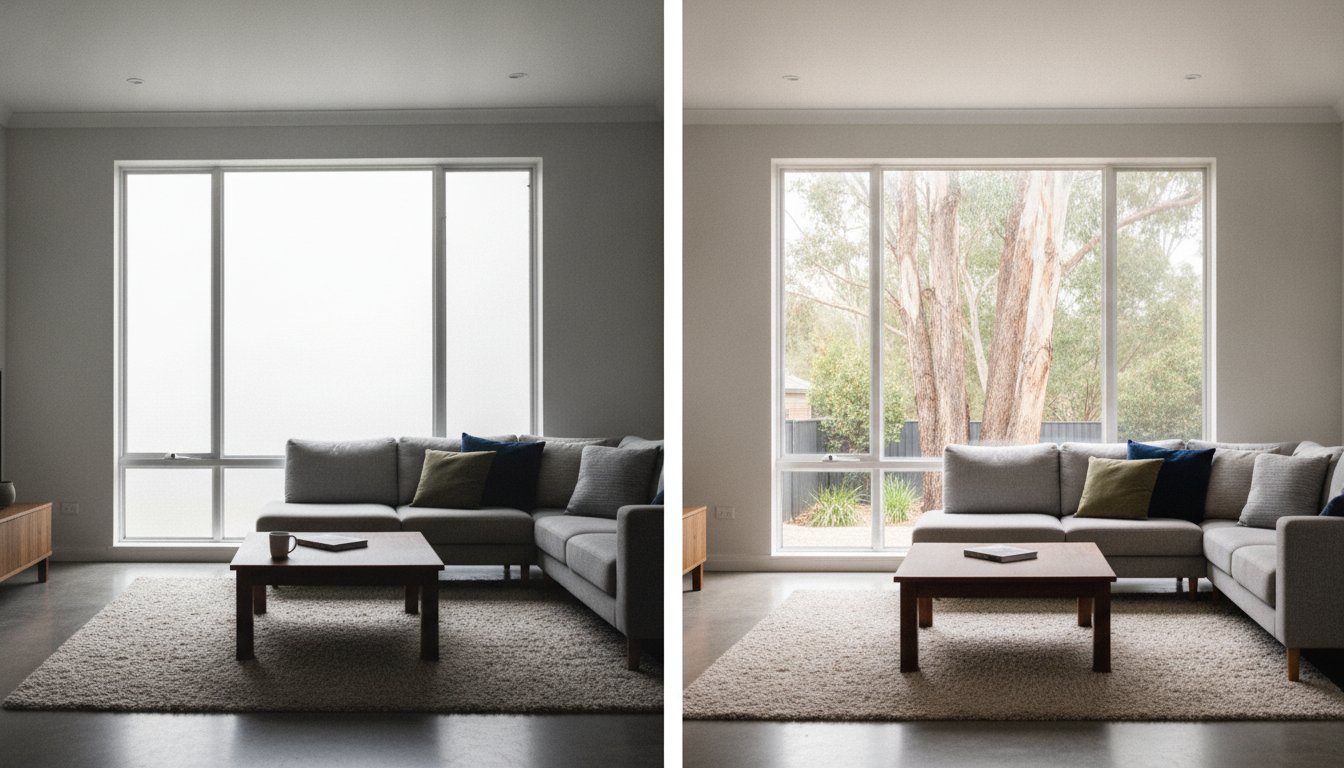
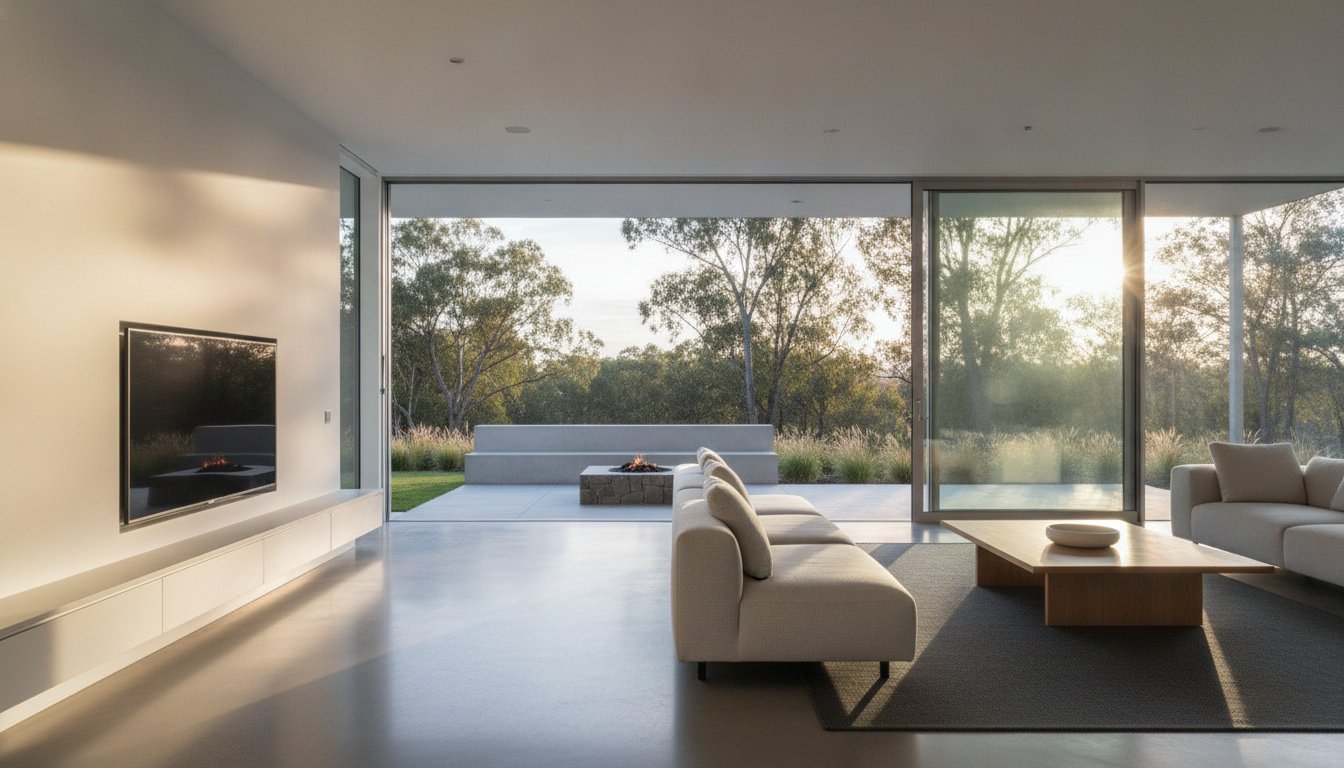
Another frequent error is the "blown-out window" effect. In the harsh Australian sun, the interior light is significantly darker than the exterior view. Without technical intervention, windows become rectangular patches of white glare, hiding the garden or city skyline. This loss of visual data prevents buyers from assessing the property's surroundings. Similarly, shooting from eye-level is a common mistake. Professional sensors should typically be positioned at waist or chest height to balance the ratio of floor to ceiling, providing a more grounded and spacious perspective.
Avoid the "fish-eye" trap. While wide-angle lenses are necessary for small Australian laundries and bathrooms, over-using ultra-wide focal lengths (below 16mm) distorts reality. If a bedroom looks like a gymnasium in the photos but feels like a shoebox in person, you break buyer trust before the first inspection. Accuracy is the foundation of a successful digital enquiry.
Relying solely on "natural light" is a significant risk. While it sounds appealing, natural light often creates deep, uninviting shadows in corners while overexposing areas near windows. High Dynamic Range (HDR) bracketing is a technical necessity. By capturing multiple exposures and blending them, day photography can balance interior warmth with exterior clarity. This process ensures the viewer can see the texture of the carpet and the blue of the sky in a single, crisp frame.
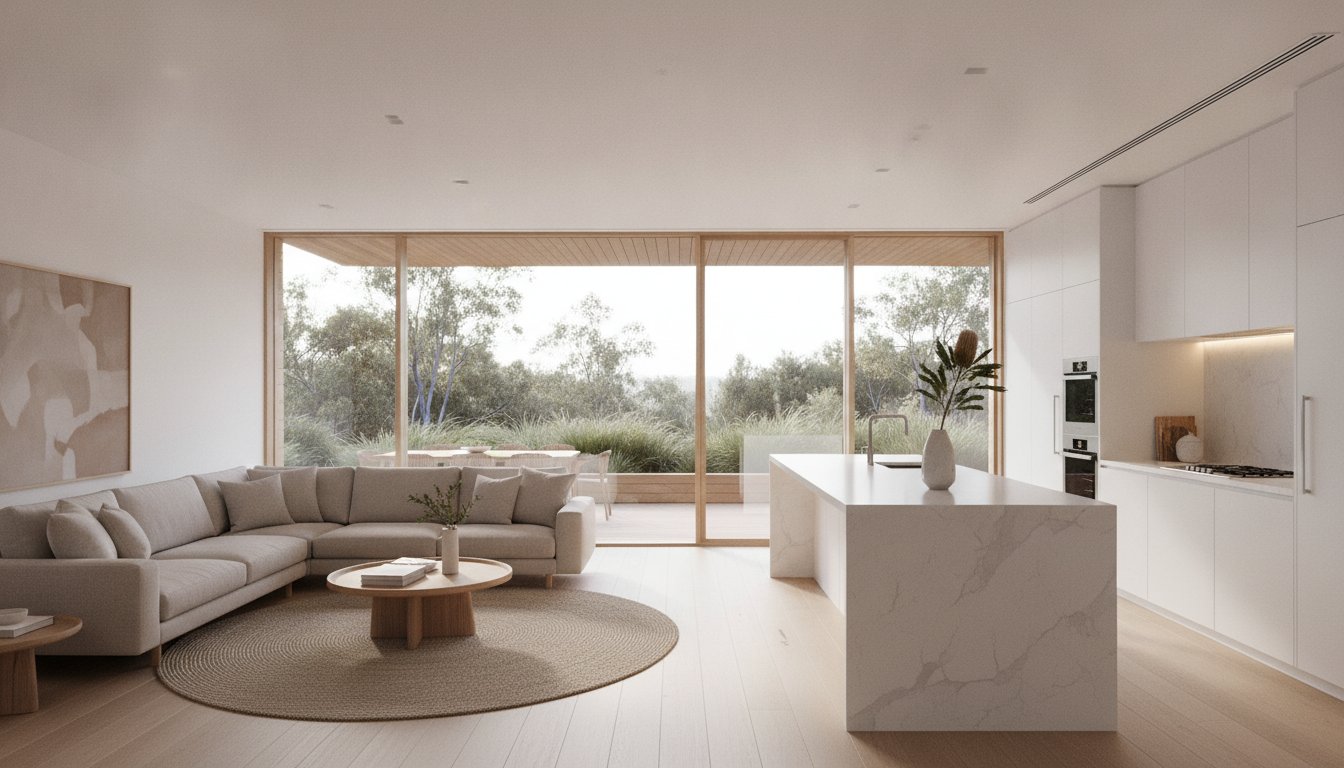
Poor framing can ruin even the most expensive renovation. Including too much ceiling makes a room feel cold and empty, while too much floor can make it feel cluttered. Use "leading lines" strategically. These are natural edges, like kitchen islands or hallway floorboards, that guide the buyer's eye toward the focal point of the room. Effective composition isn't about showing every corner; it's about defining the flow of the home. If you want to elevate your brand's visual standard, you can register for a technically precise shoot that eliminates these common errors.
Technical perfection is only half the battle. Even a shoot with flawless vertical alignment fails if the subject matter is cluttered or overly personal. One of the most damaging real estate photography mistakes to avoid is failing to depersonalise the space. Potential buyers need to envision their own lives in the home, which is impossible when distracted by family photos, fridge magnets, or kids' drawings. These items draw the eye away from the home's architectural features and toward the current owner's life.
Street appeal is equally vital. Agents often focus on the interior while forgetting to move bins, garden hoses, or cars from the driveway. These elements create visual "noise" that makes a property look unkept or rushed to market. In the kitchen and bathroom, "realism" is your enemy. Leaving out toothbrushes, dish soaps, and soggy tea towels suggests a lack of hygiene and care. Every surface should be clear to highlight the quality of the fixtures and the extent of the bench space.
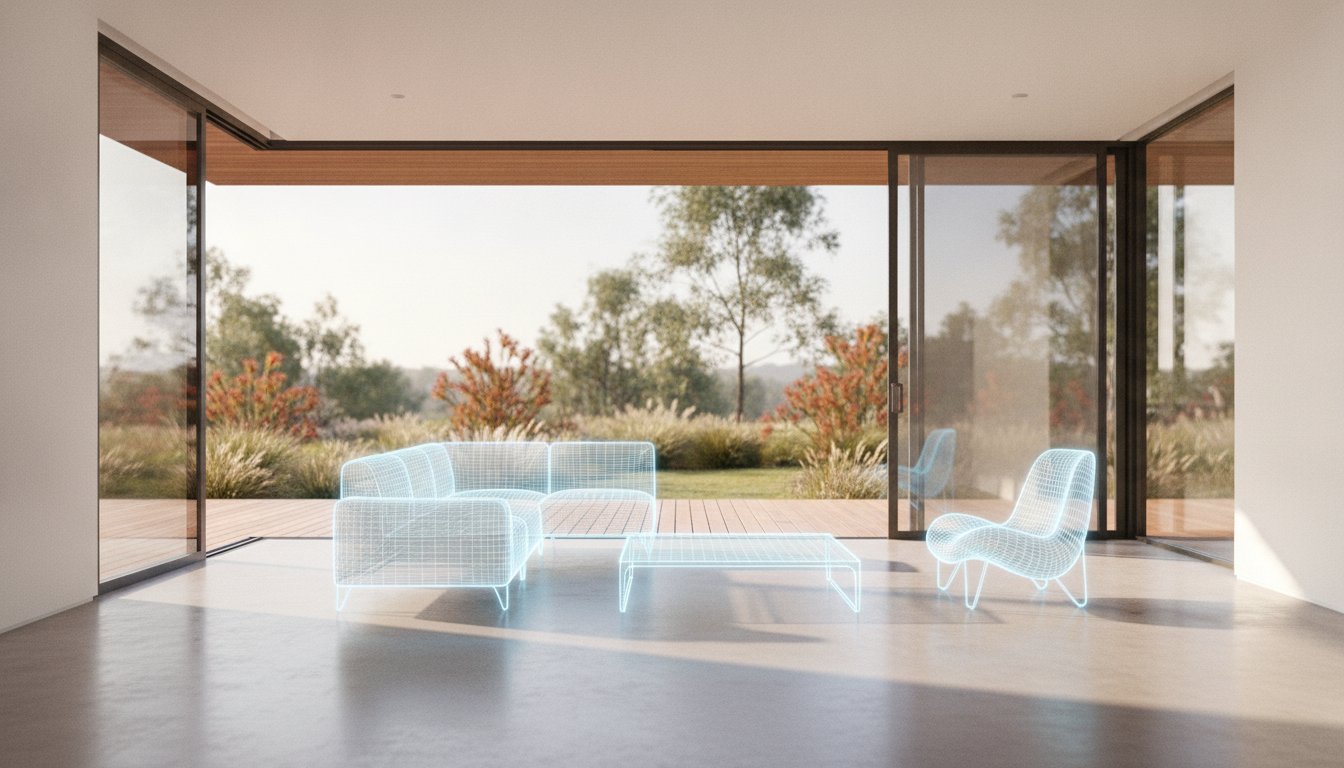
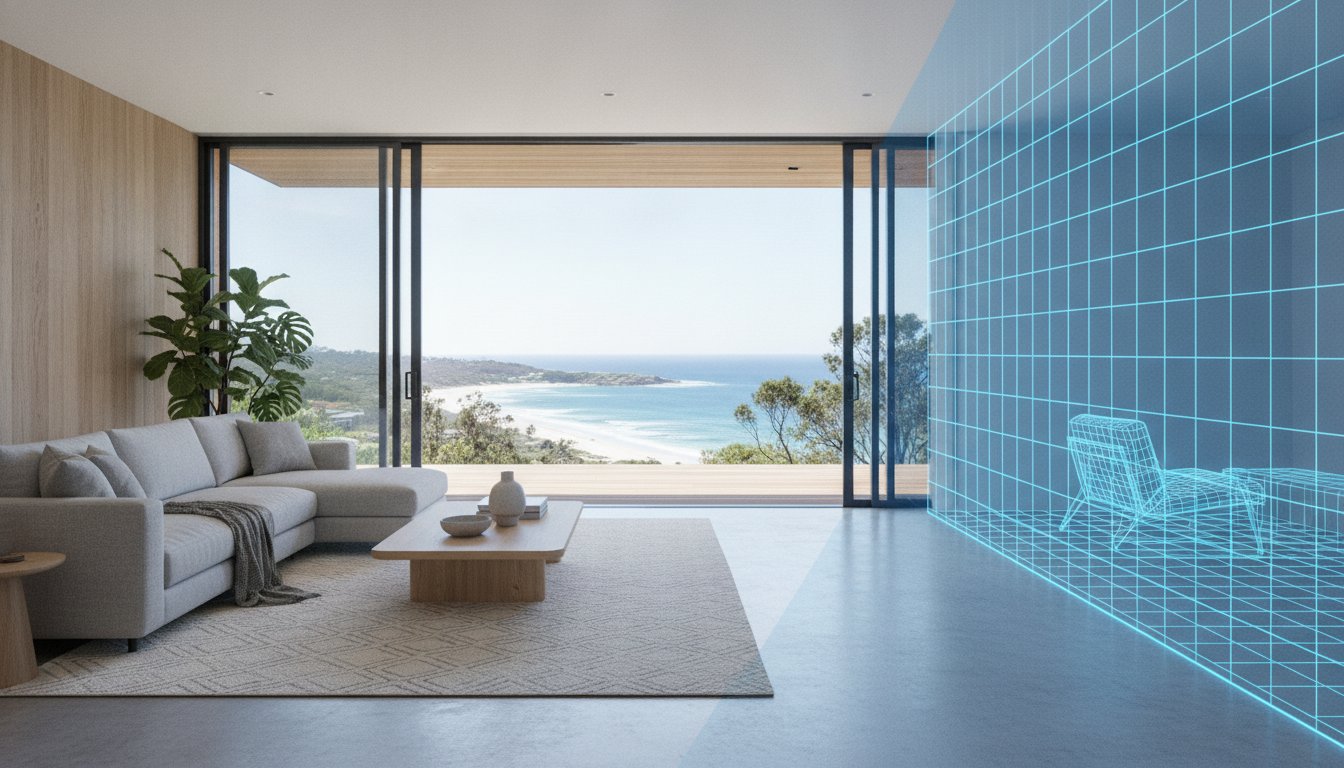
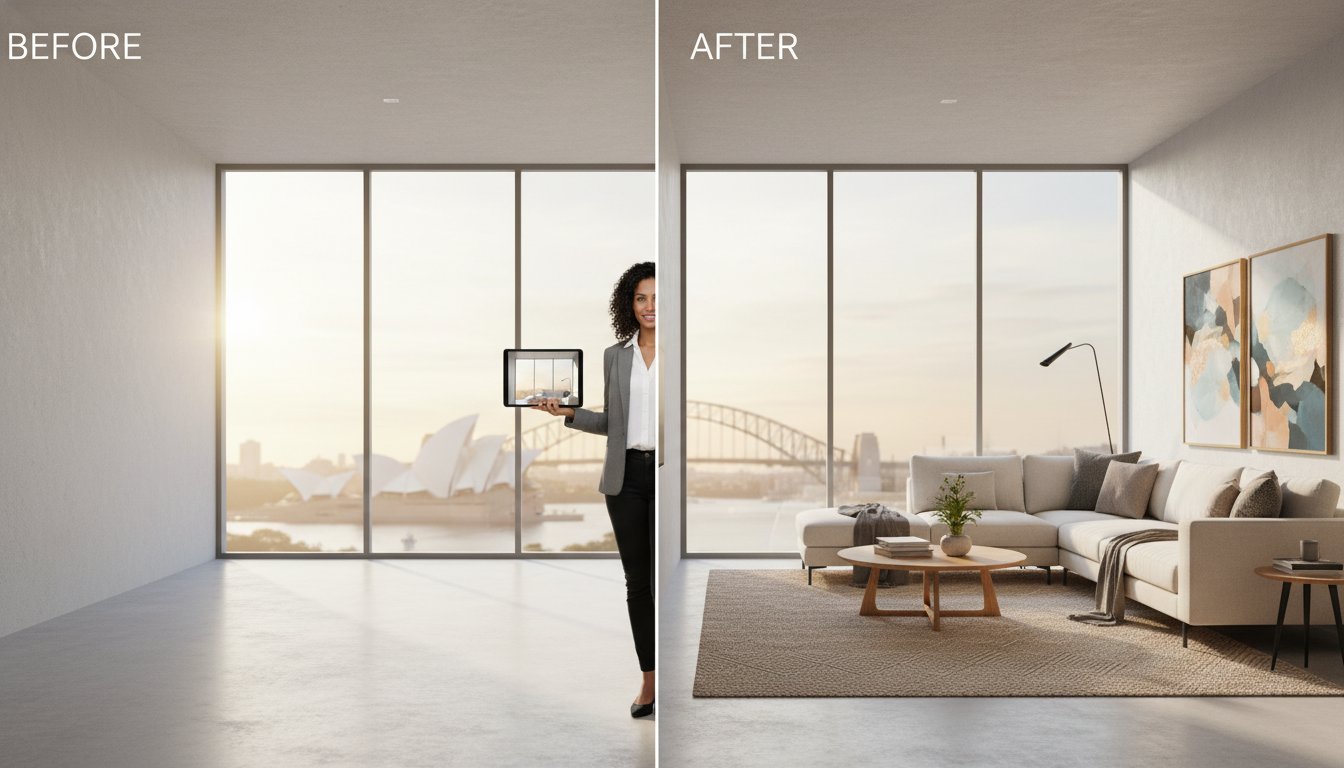
The "Empty Room" dilemma is a significant hurdle for vacant properties. Without furniture, buyers struggle to gauge the scale of a room or understand its intended purpose. You can solve this by integrating virtual furniture to provide context and warmth without the logistical cost of physical staging.
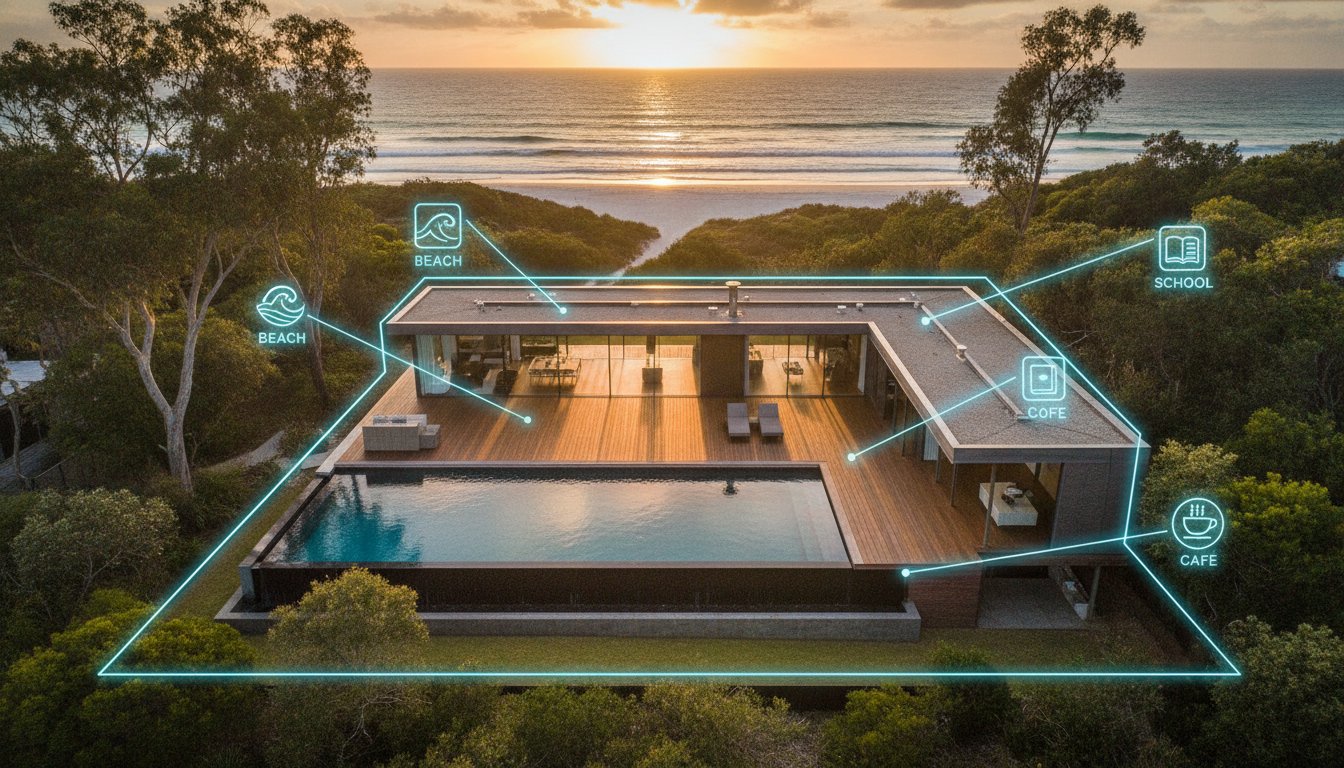
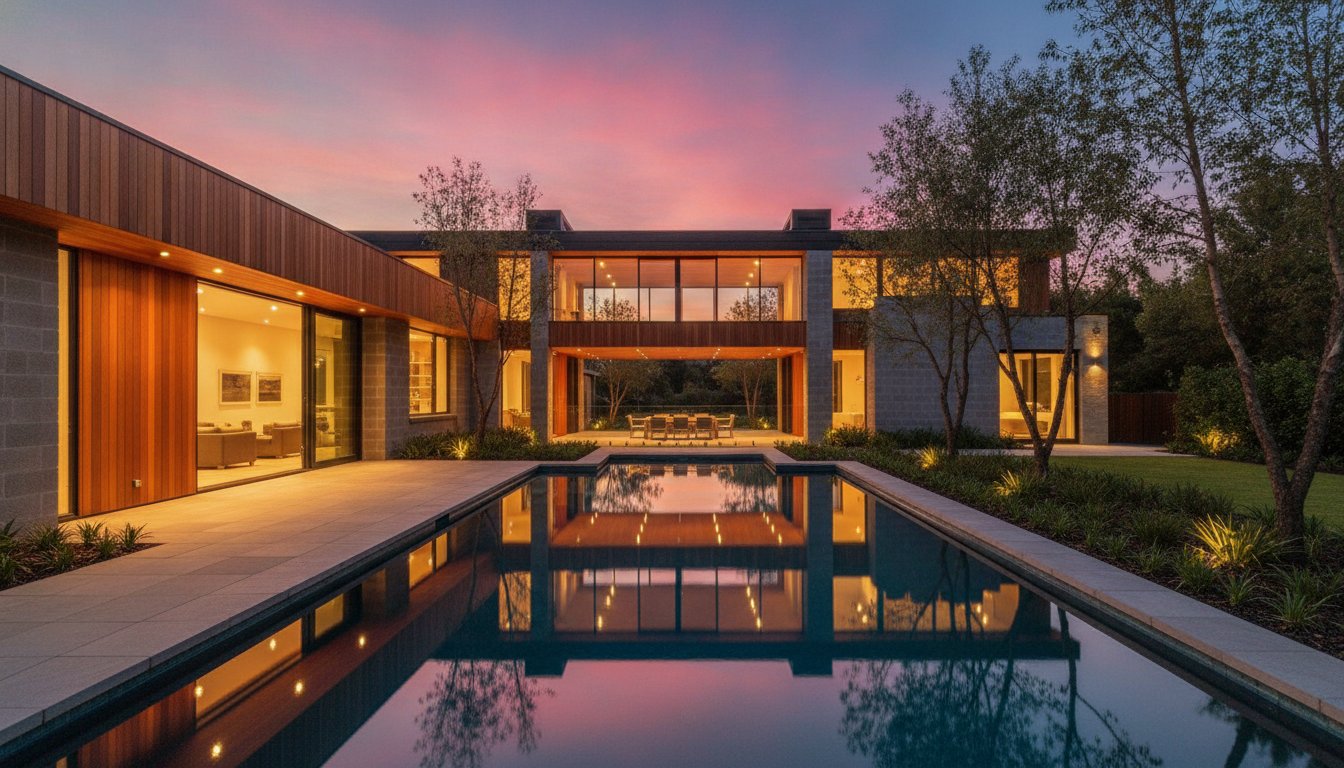
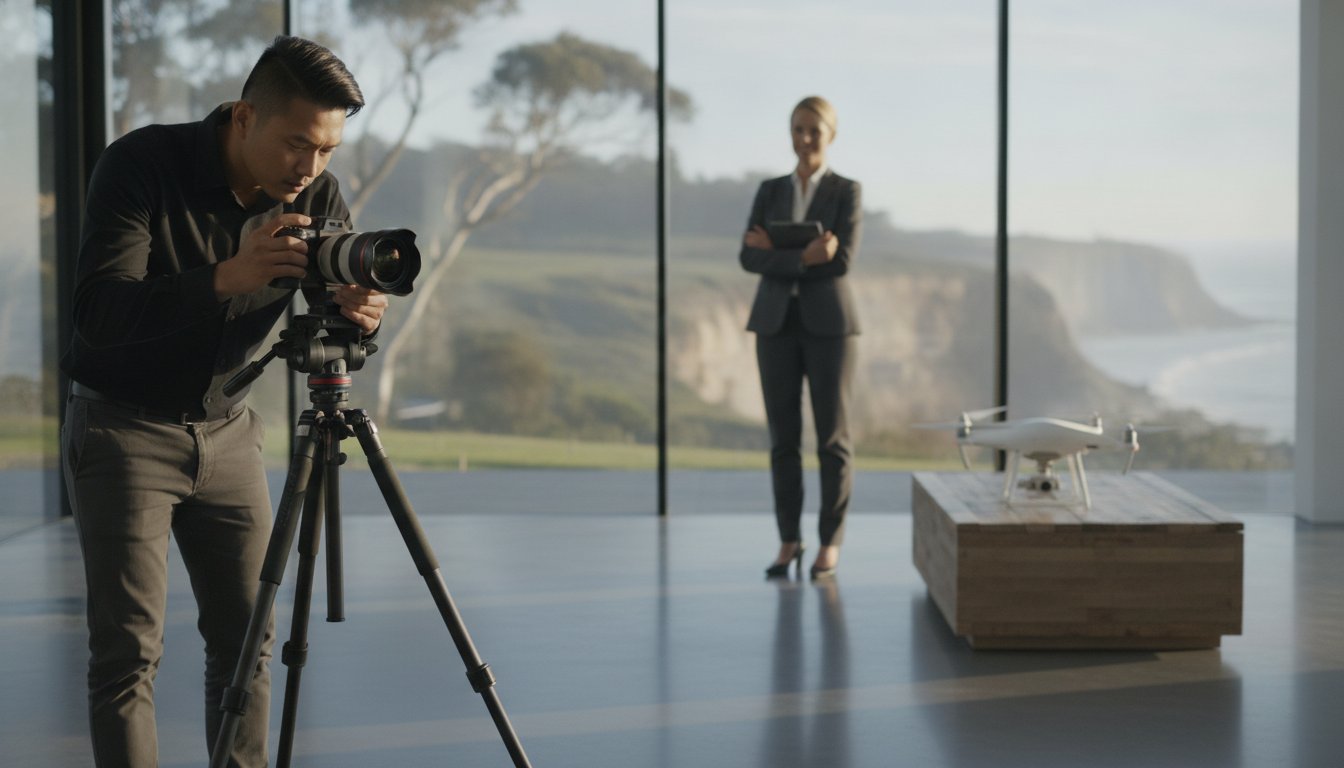
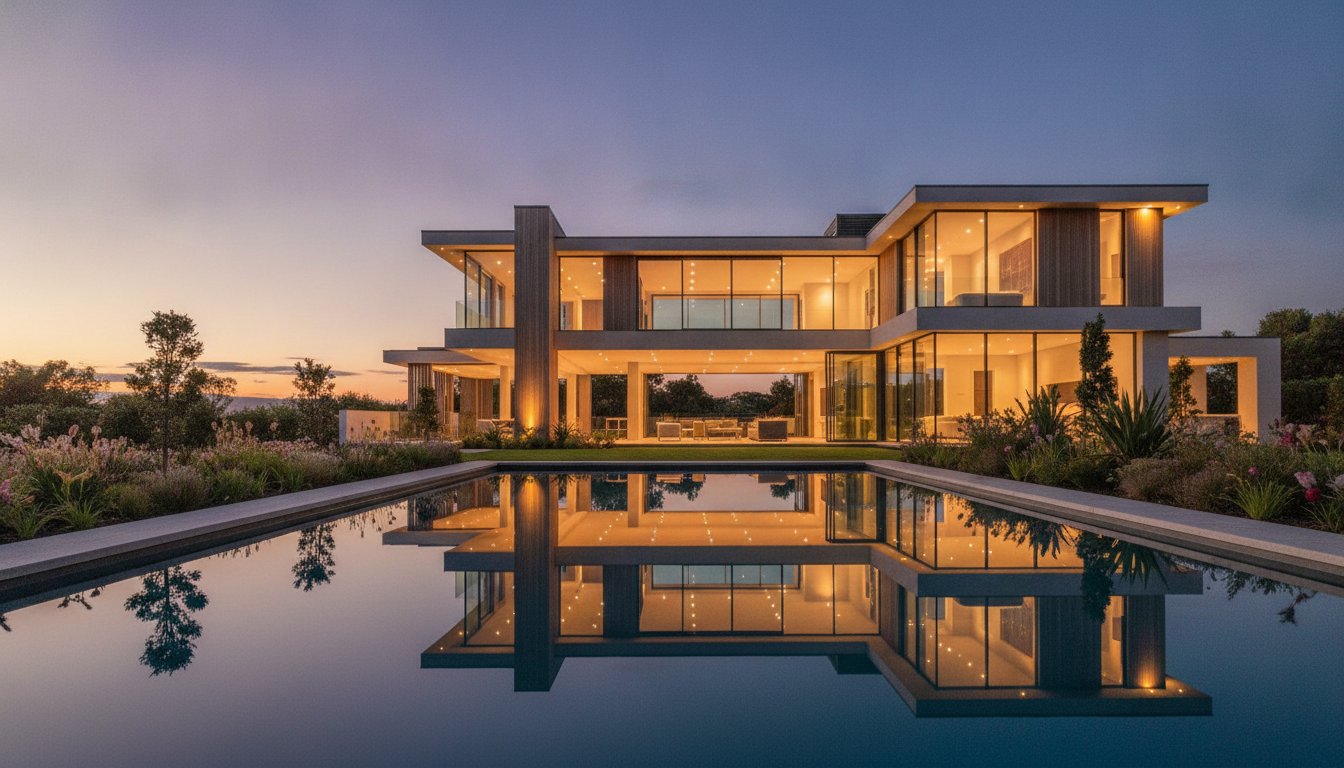
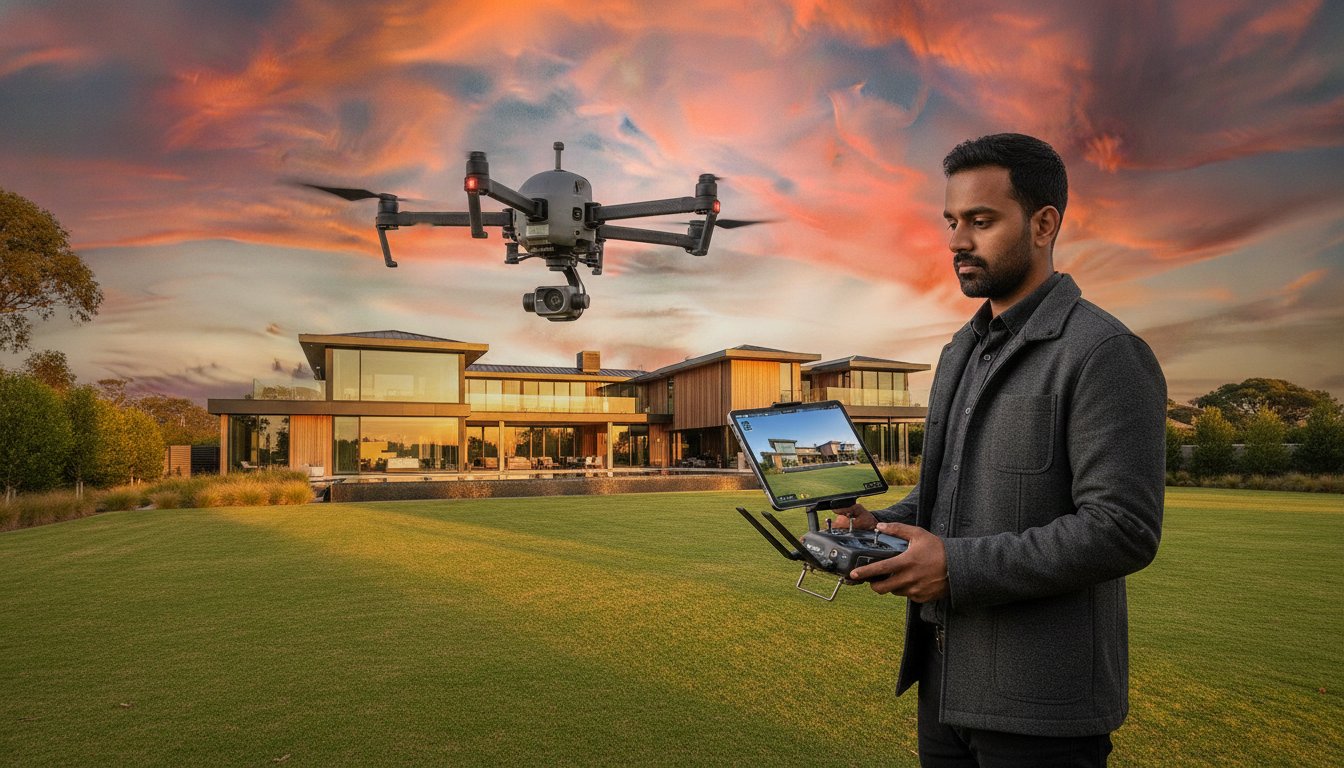
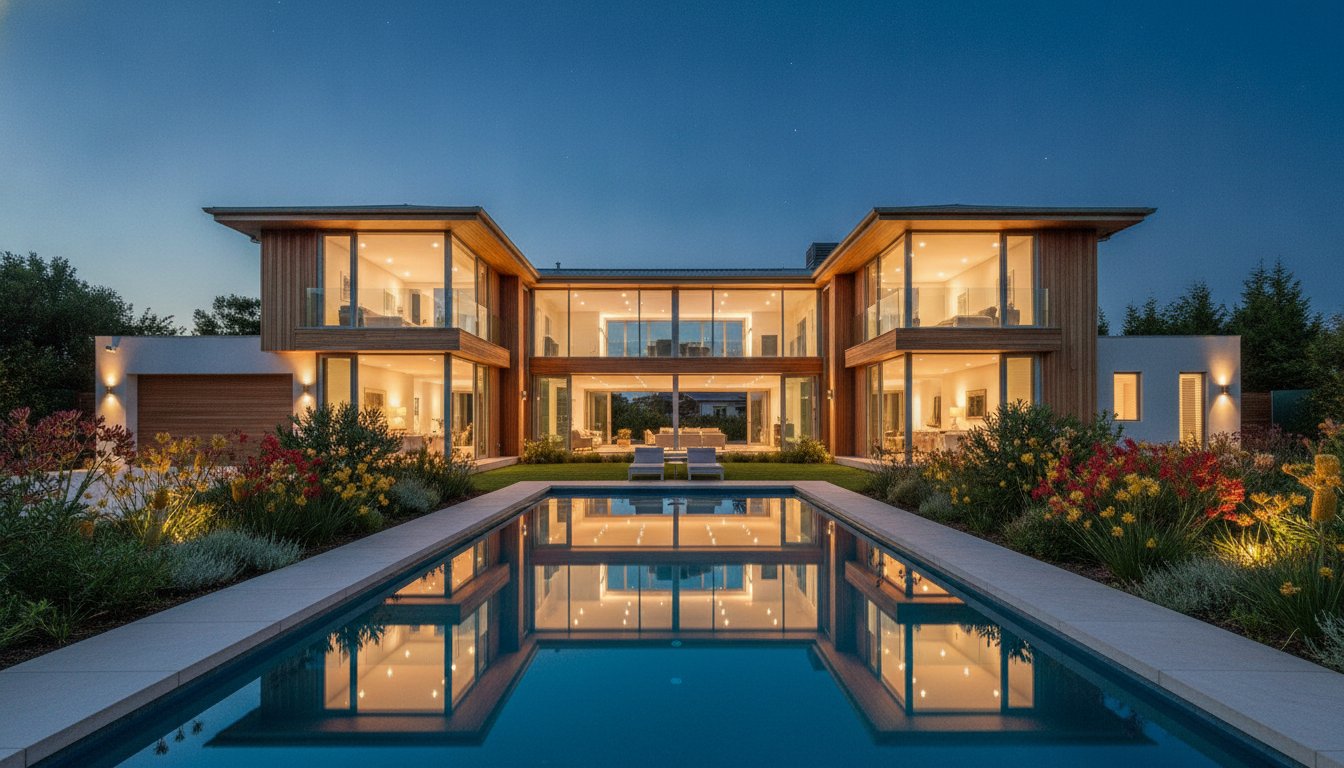
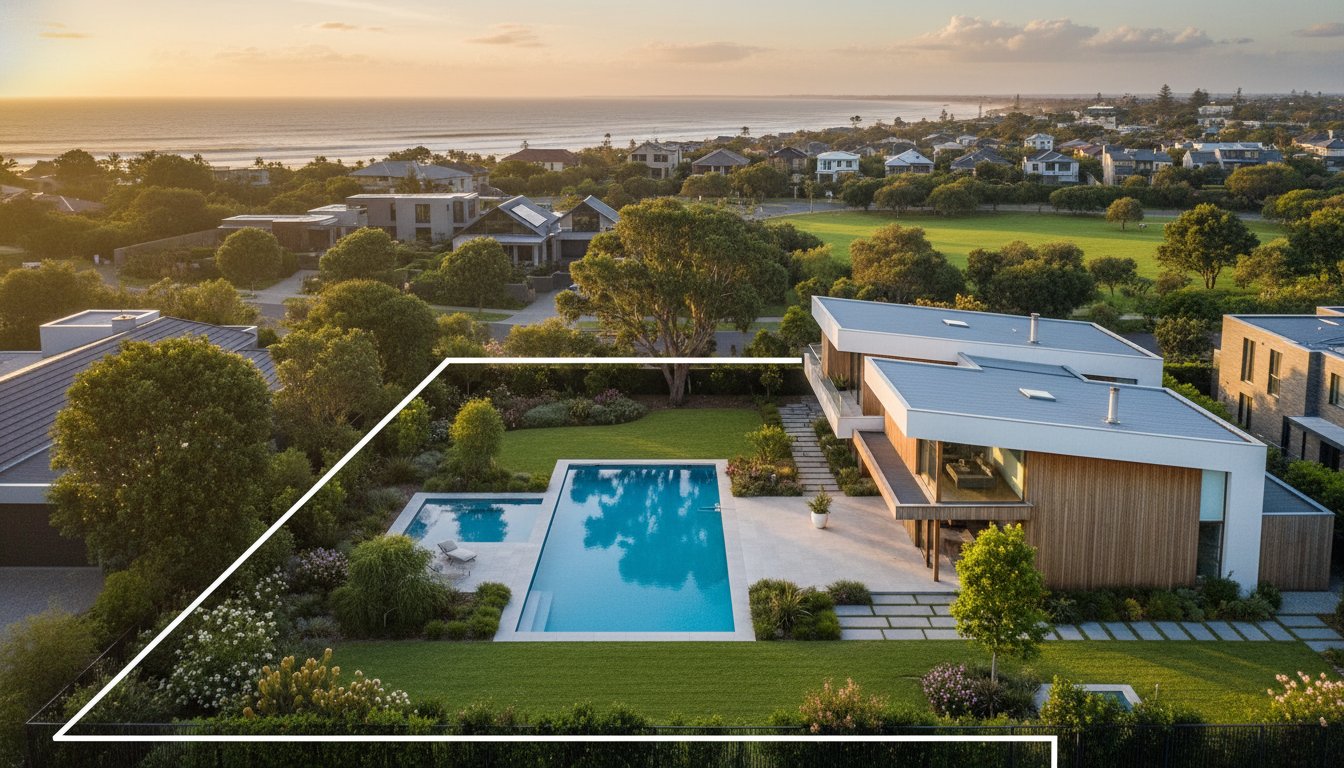
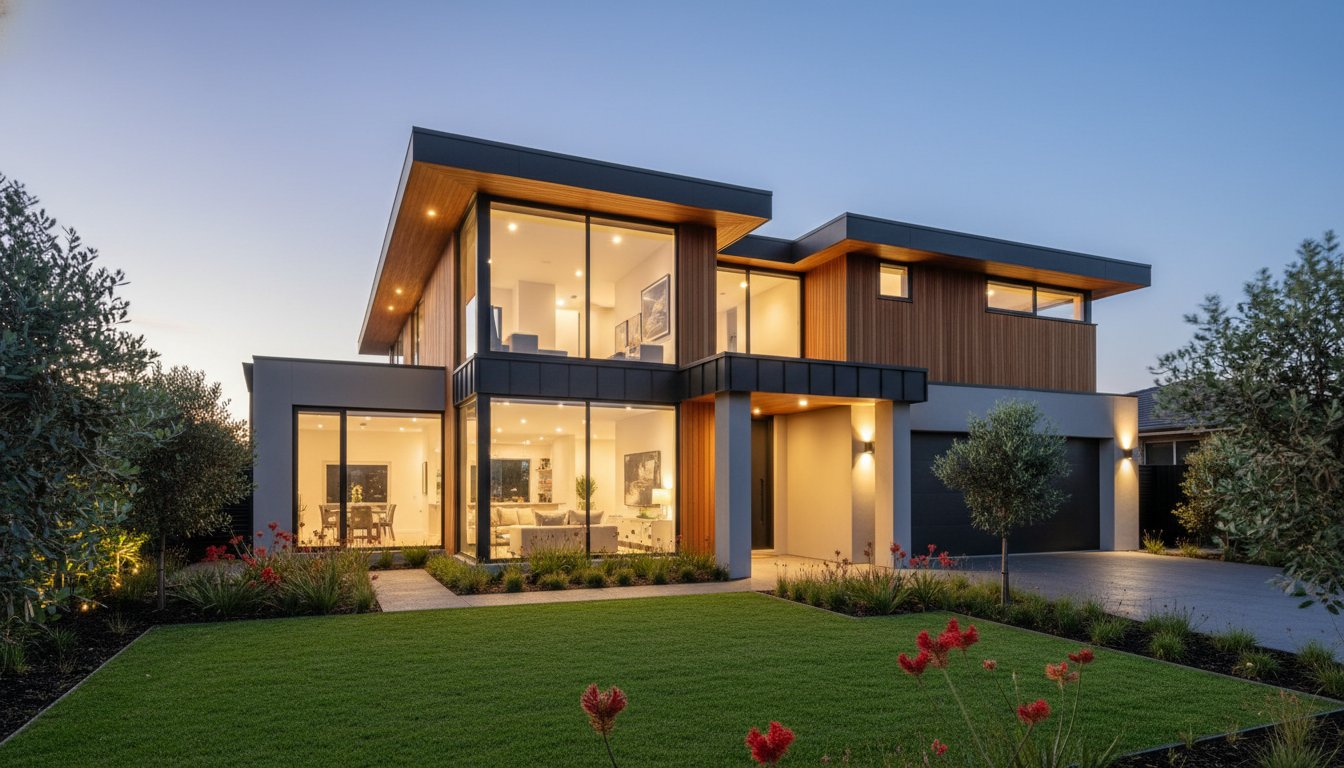
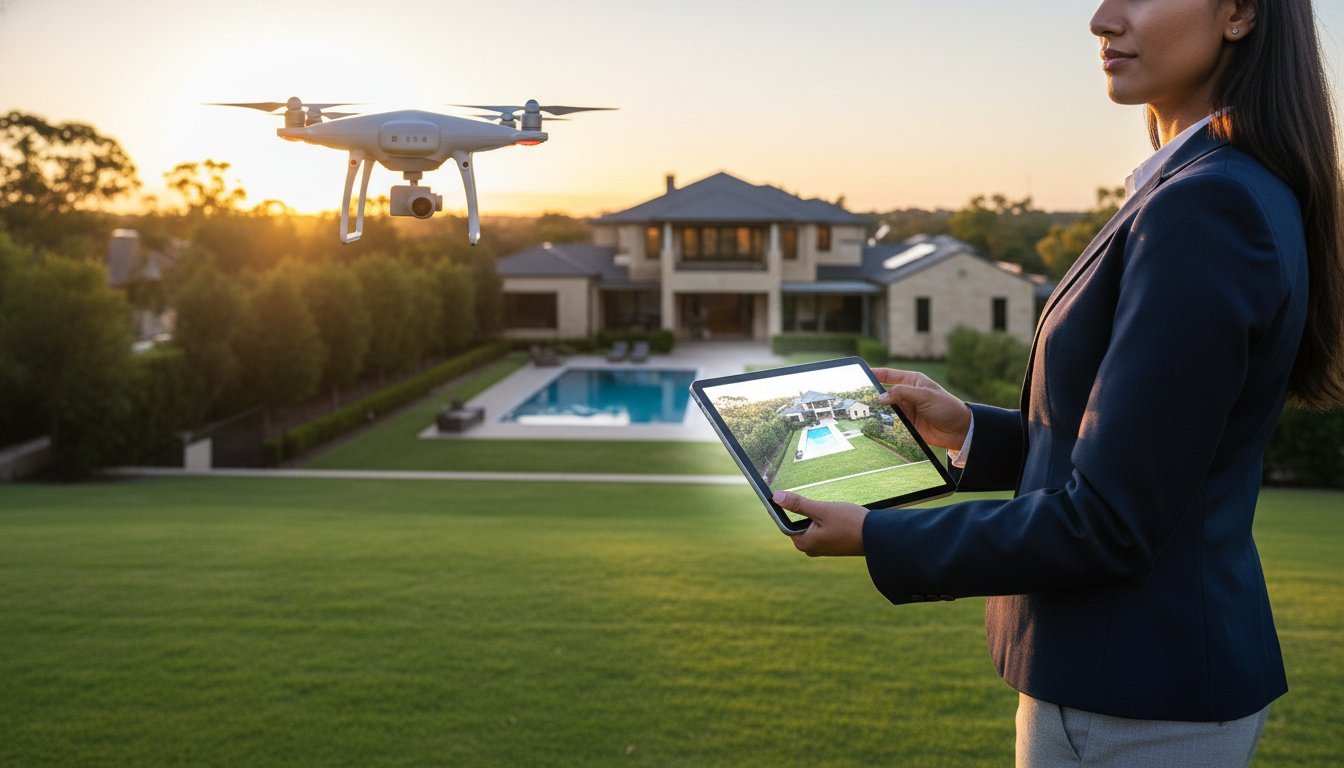
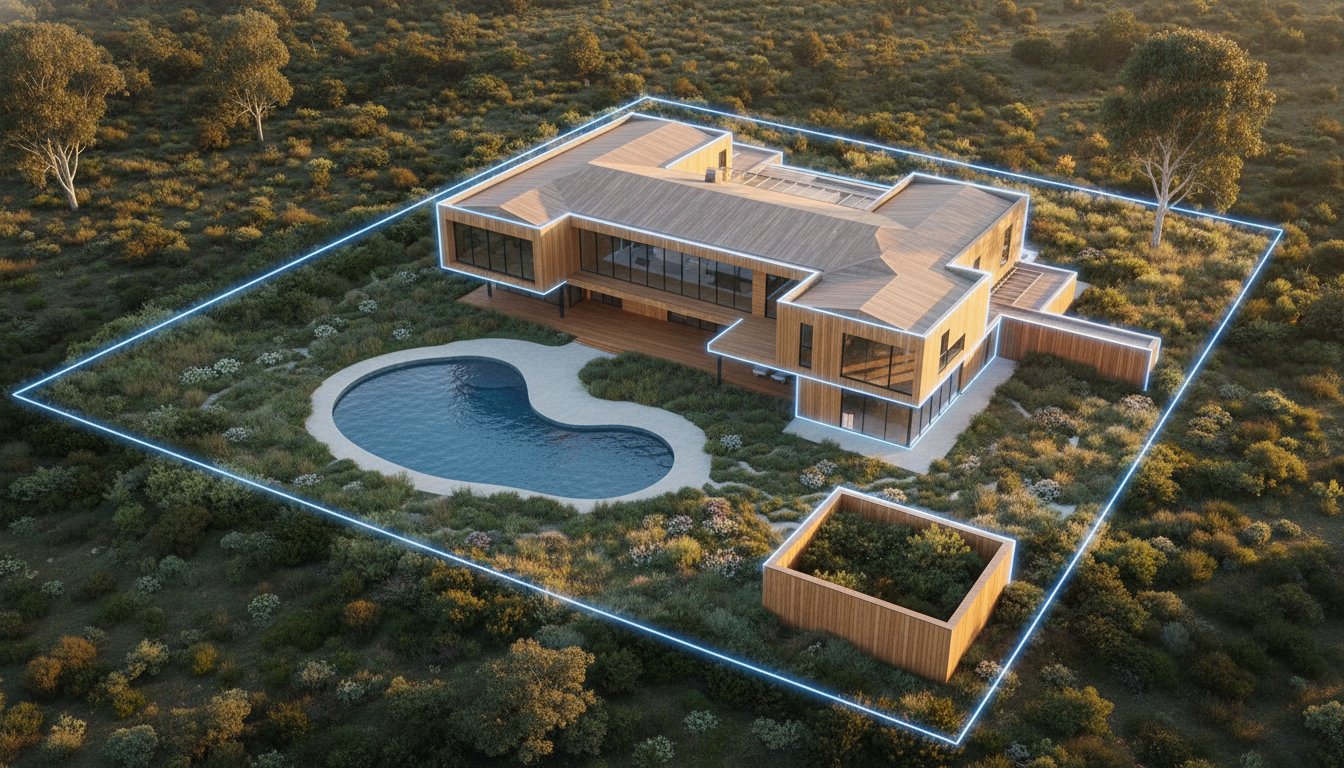
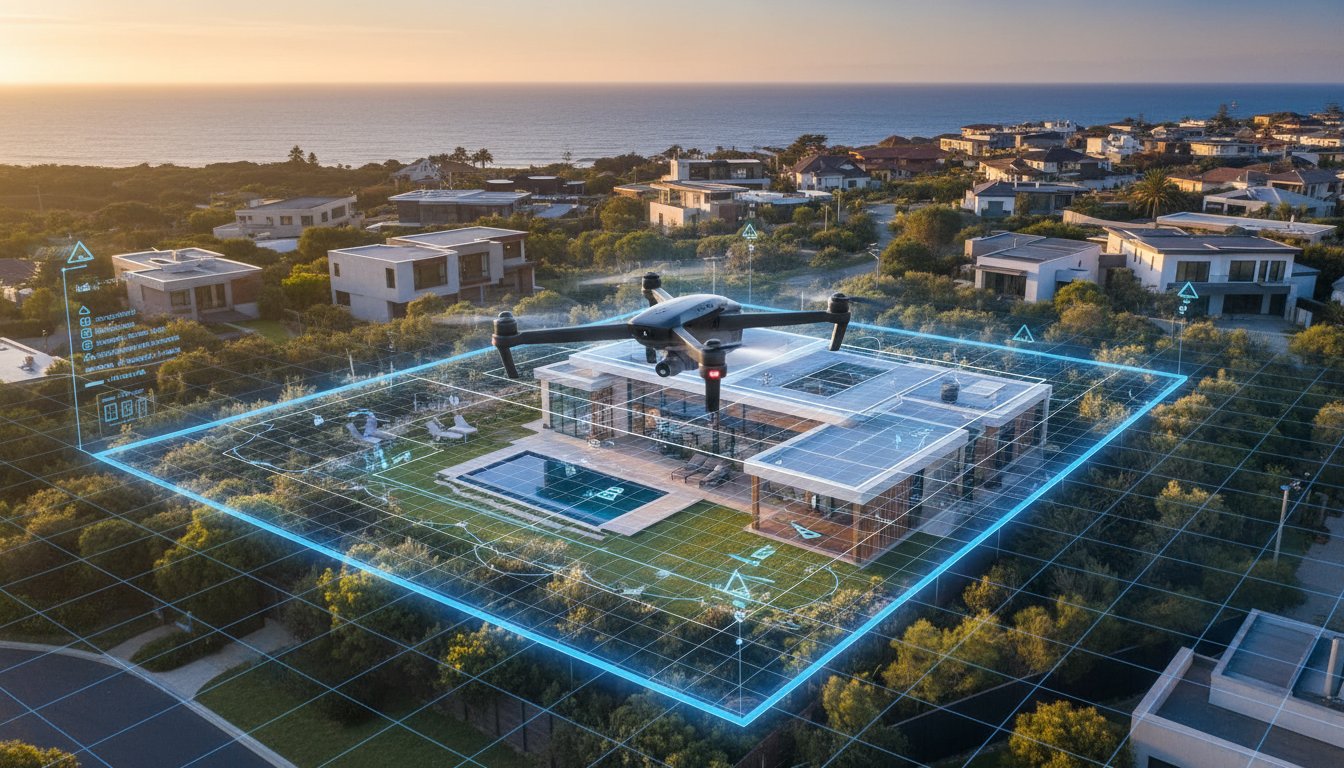
In the Australian market, the outdoor entertaining area is often the primary selling point. Common mistakes include photographing decks with dirty pool covers or unarranged outdoor furniture. These areas should look like ready-to-use entertaining hubs. Utilising "Day to Dusk" editing can transform a flat outdoor shot into an emotive, aspirational evening scene. To provide a complete perspective of the property's layout and surroundings, aerial drone photography for real estate is essential for capturing the full block context and proximity to local amenities.
Leaving a luxury home empty is a missed opportunity when digital solutions are so precise. Virtual staging allows you to "furnish" a property in a specific style that appeals to your target demographic. This isn't about deception; it's about presentation. You can also use digital enhancement to fix minor, temporary defects like brown grass or grey, overcast skies. Maintaining "truth in advertising" is paramount, but presenting the best possible version of the home ensures you don't lose potential enquiries to easily fixable visual flaws.
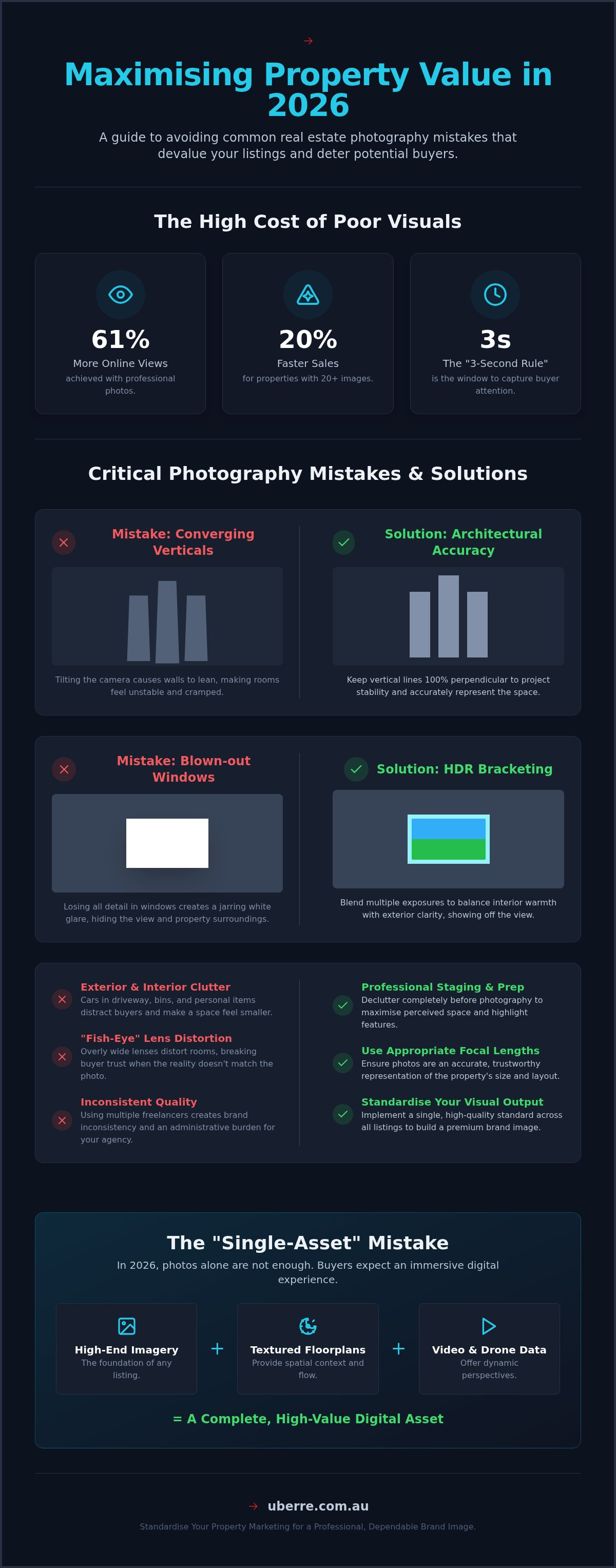
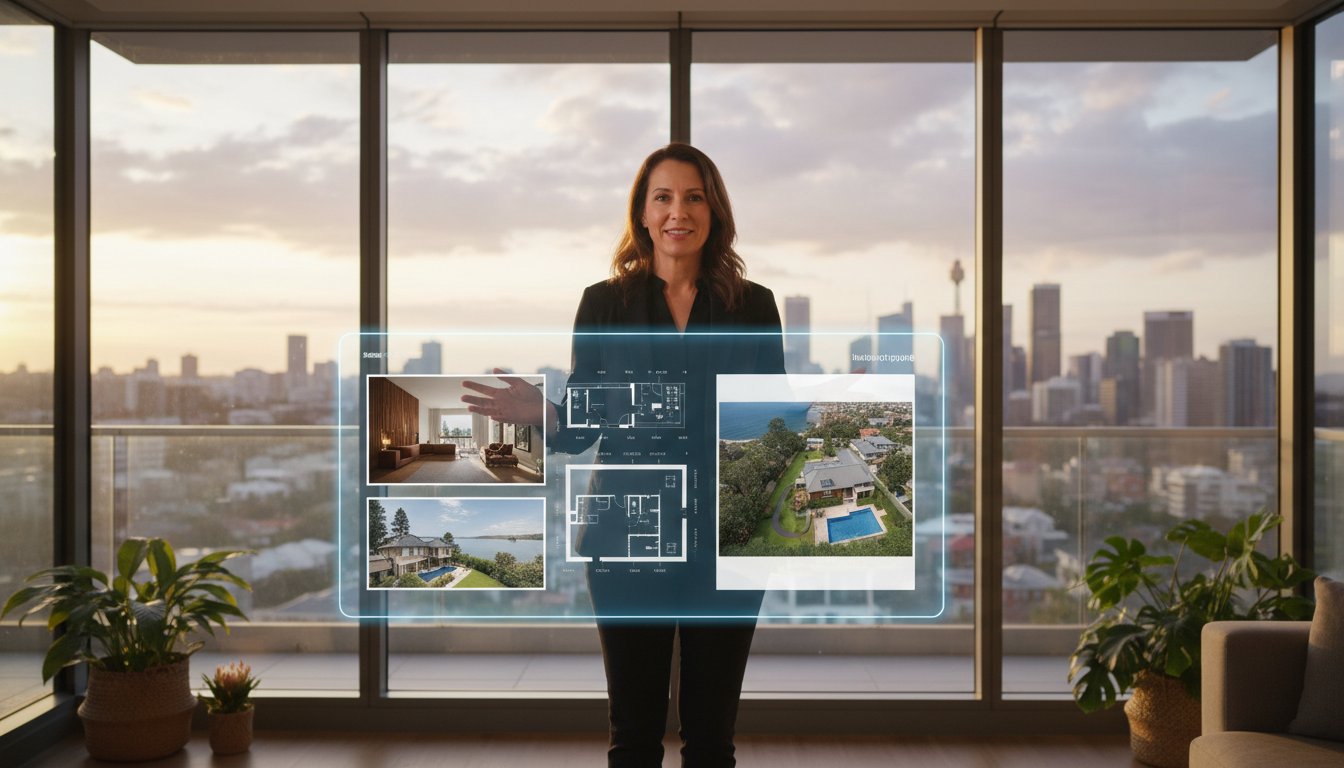
In 2026, a property listing acts as a comprehensive digital storefront. If you only provide static images, you're only telling half the story. Relying on a single asset type is one of the most significant real estate photography mistakes to avoid. Modern Australian buyers are technically savvy and time-poor. They expect a visual ecosystem that allows them to "experience" the home before they ever set foot on the property. When you omit context, you create friction in the buyer's journey, leading to lower engagement and fewer high-quality enquiries.
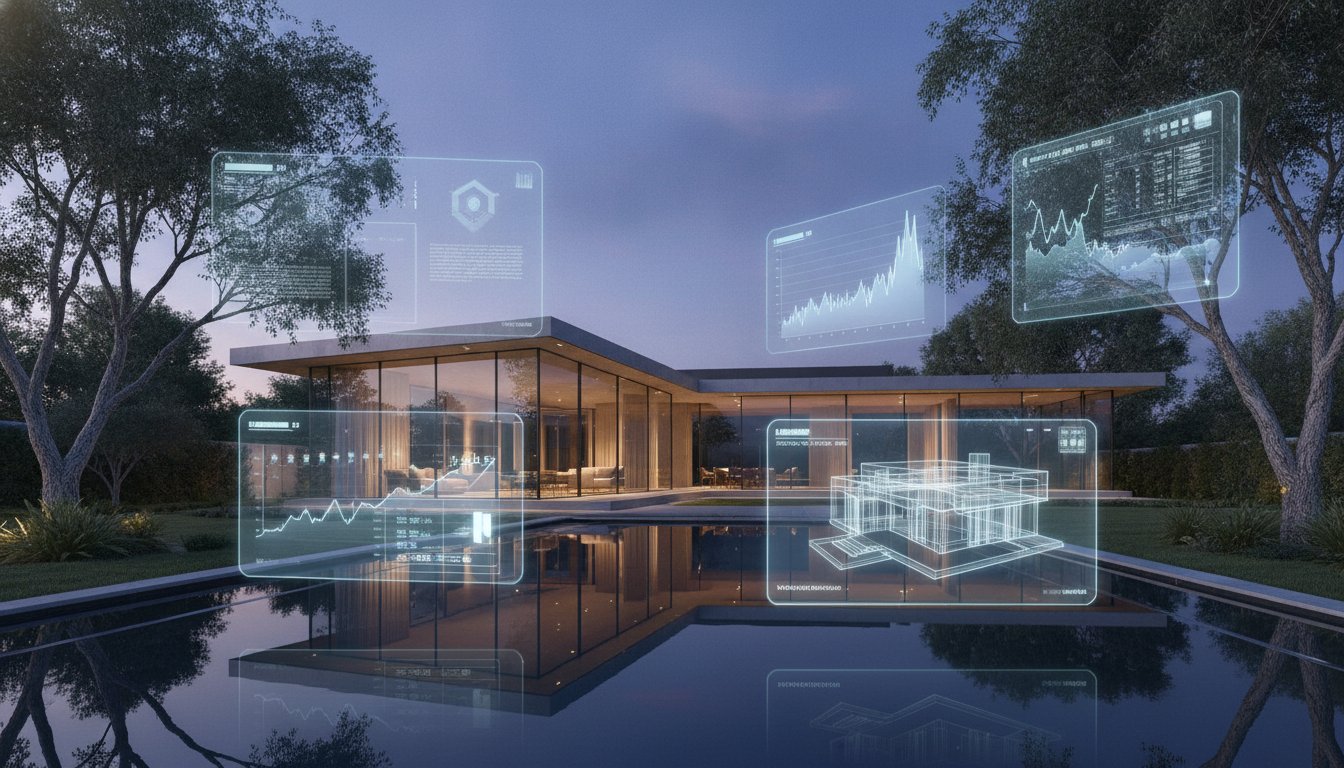
A "single-asset" approach ignores how browsers actually digest property data. While photos capture attention, they don't explain the relationship between rooms or the property's position in the street. You need a multi-sensory marketing package that combines technical precision with lifestyle appeal. This integrated strategy transforms your marketing from a simple gallery into a high-speed data asset designed to convert browsers into buyers. Without this depth, your listing feels incomplete and fails to compete with the immersive presentations of top-tier agencies.
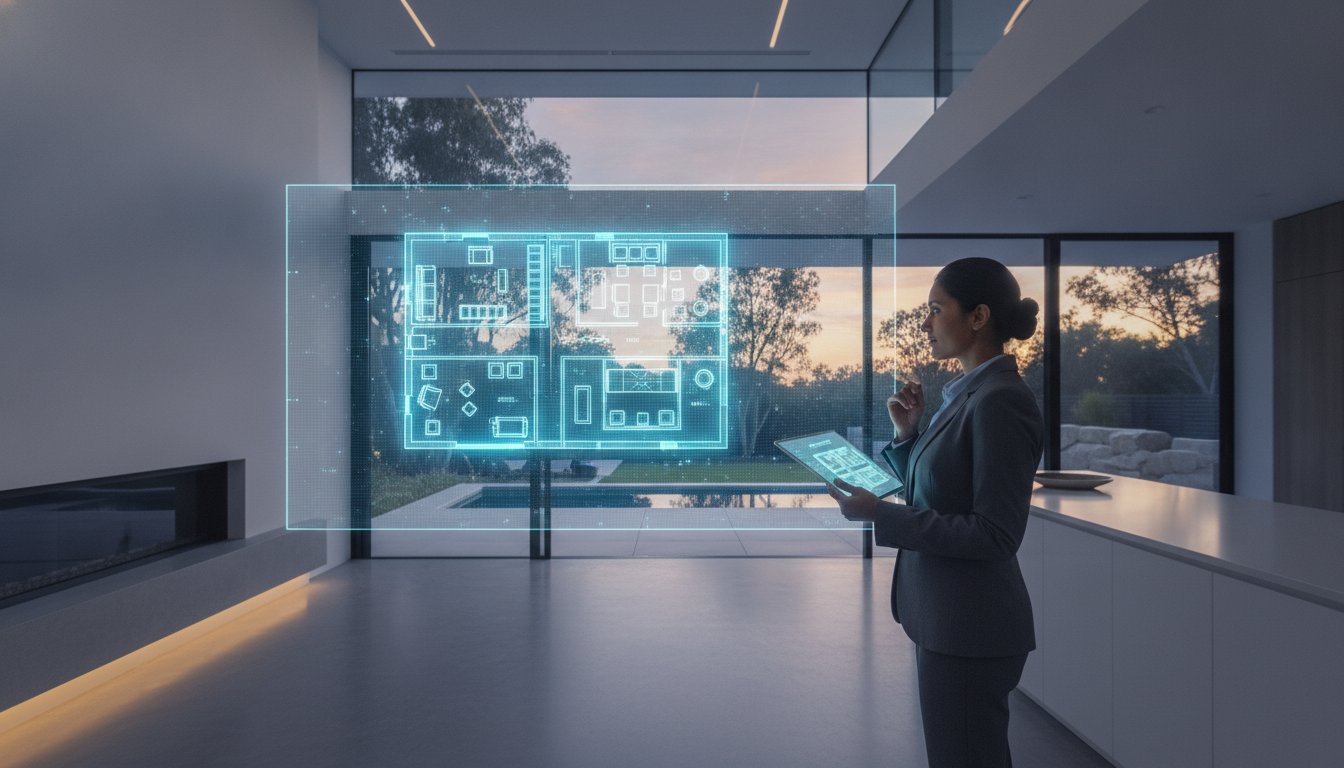
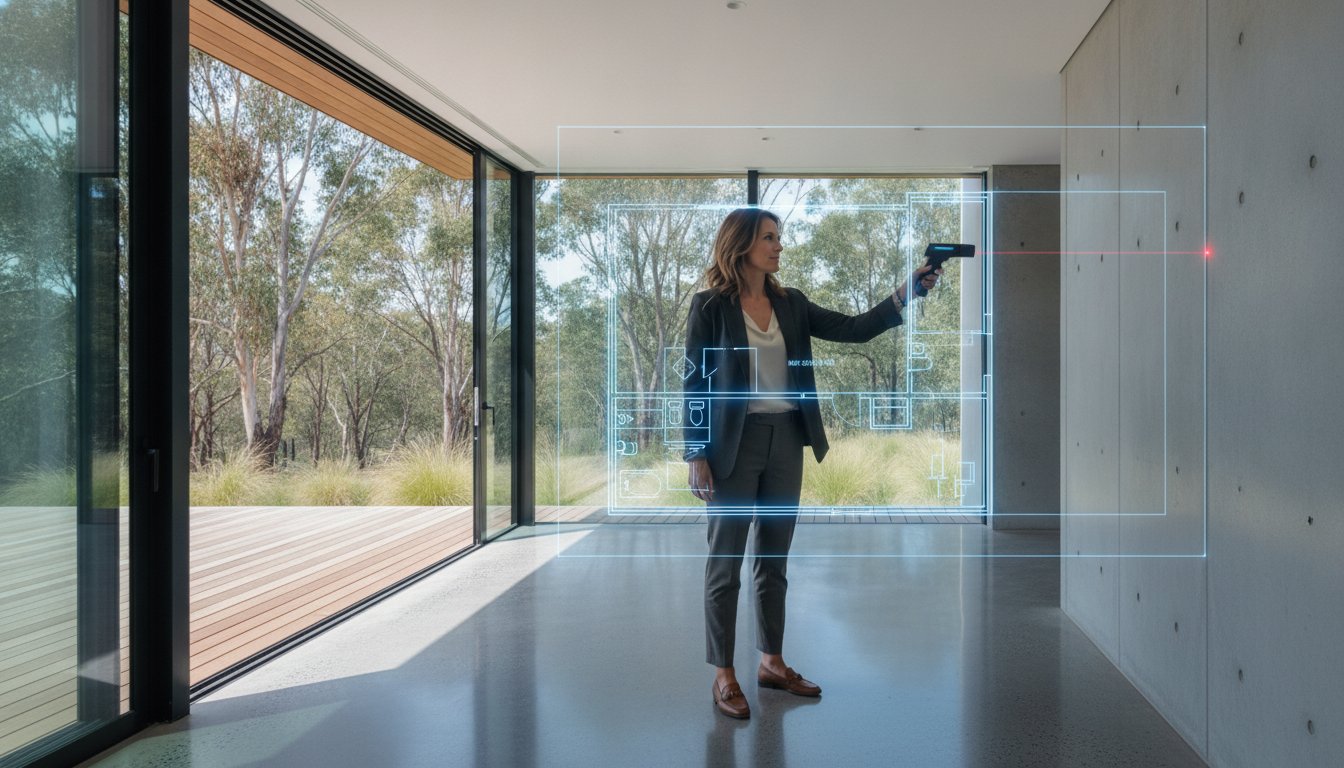
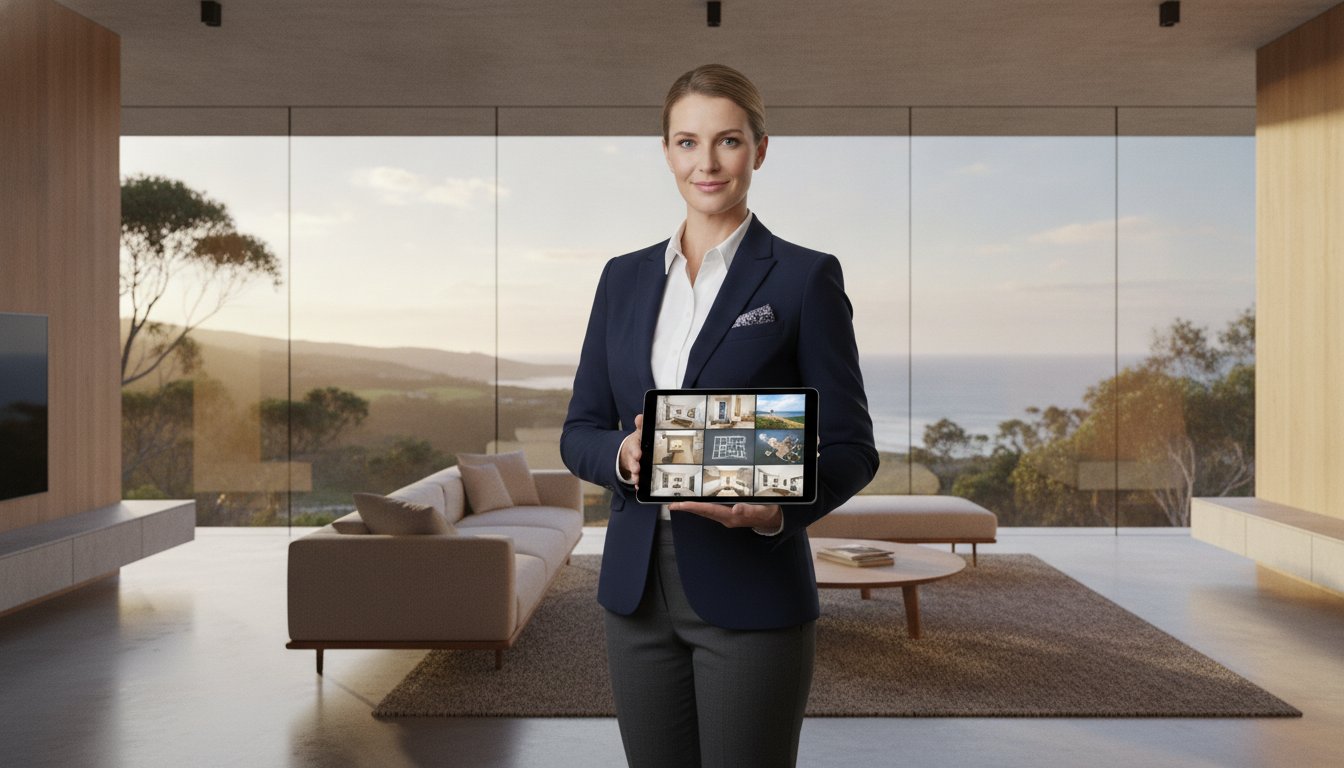
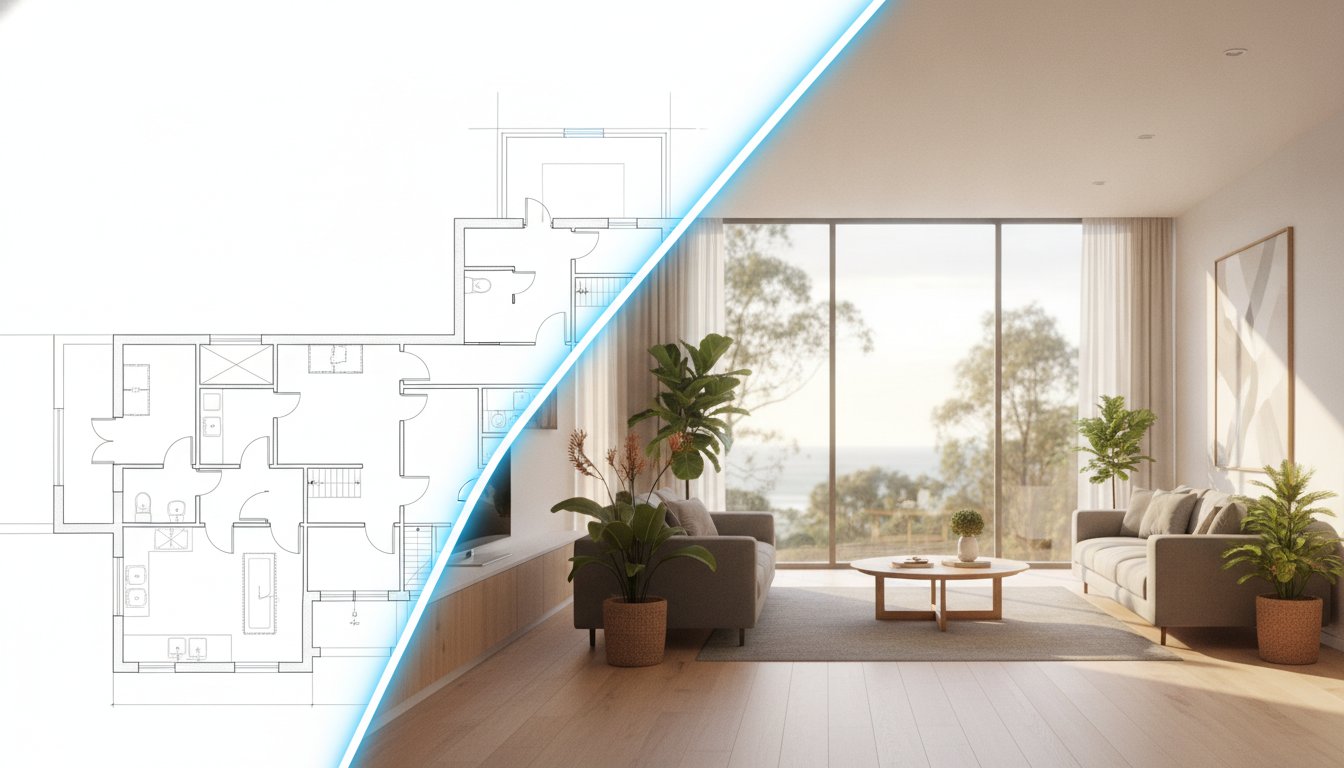
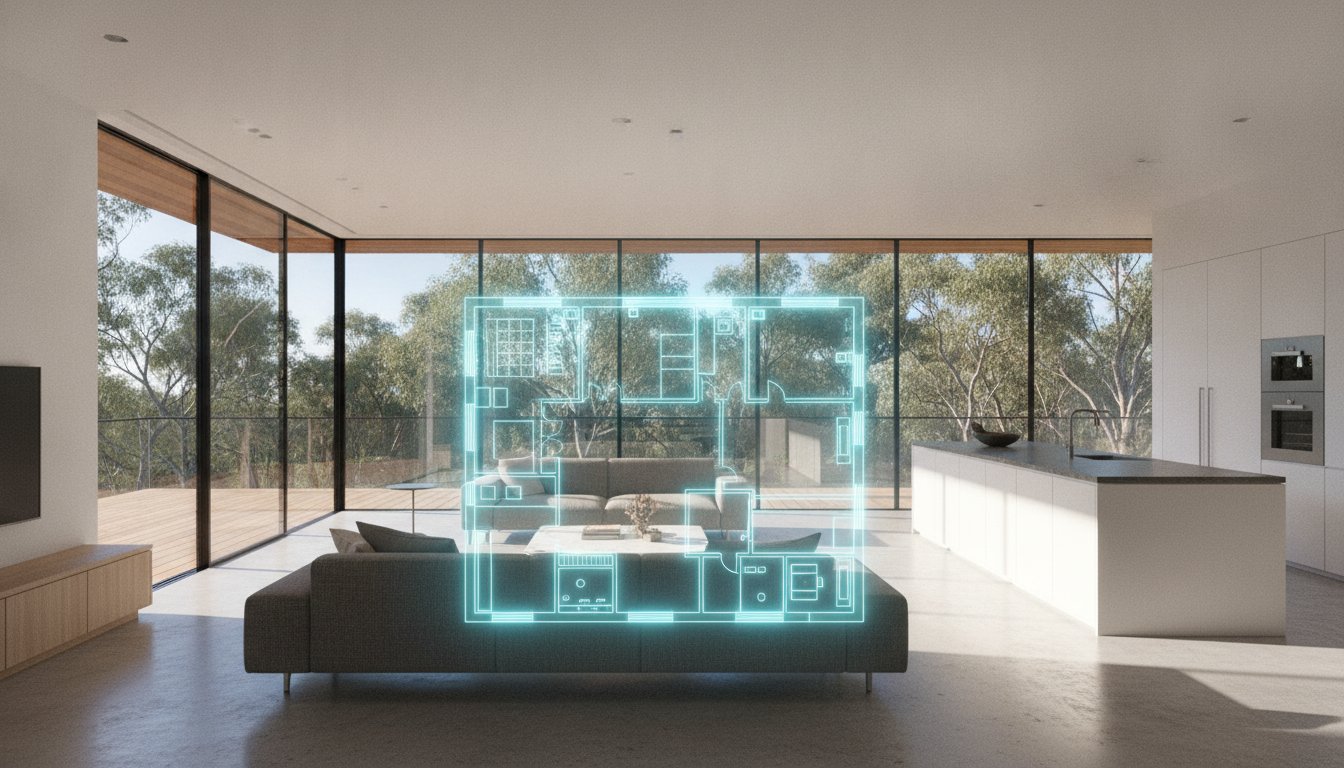
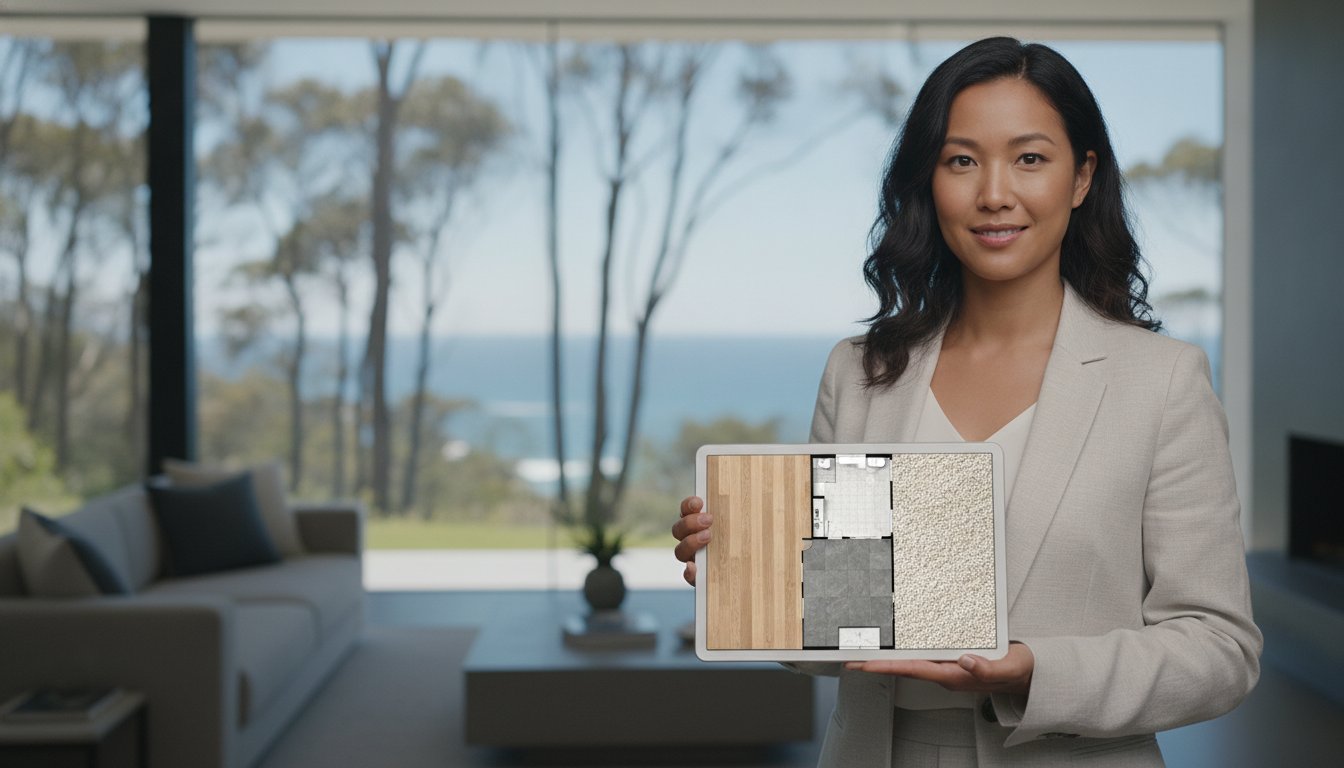
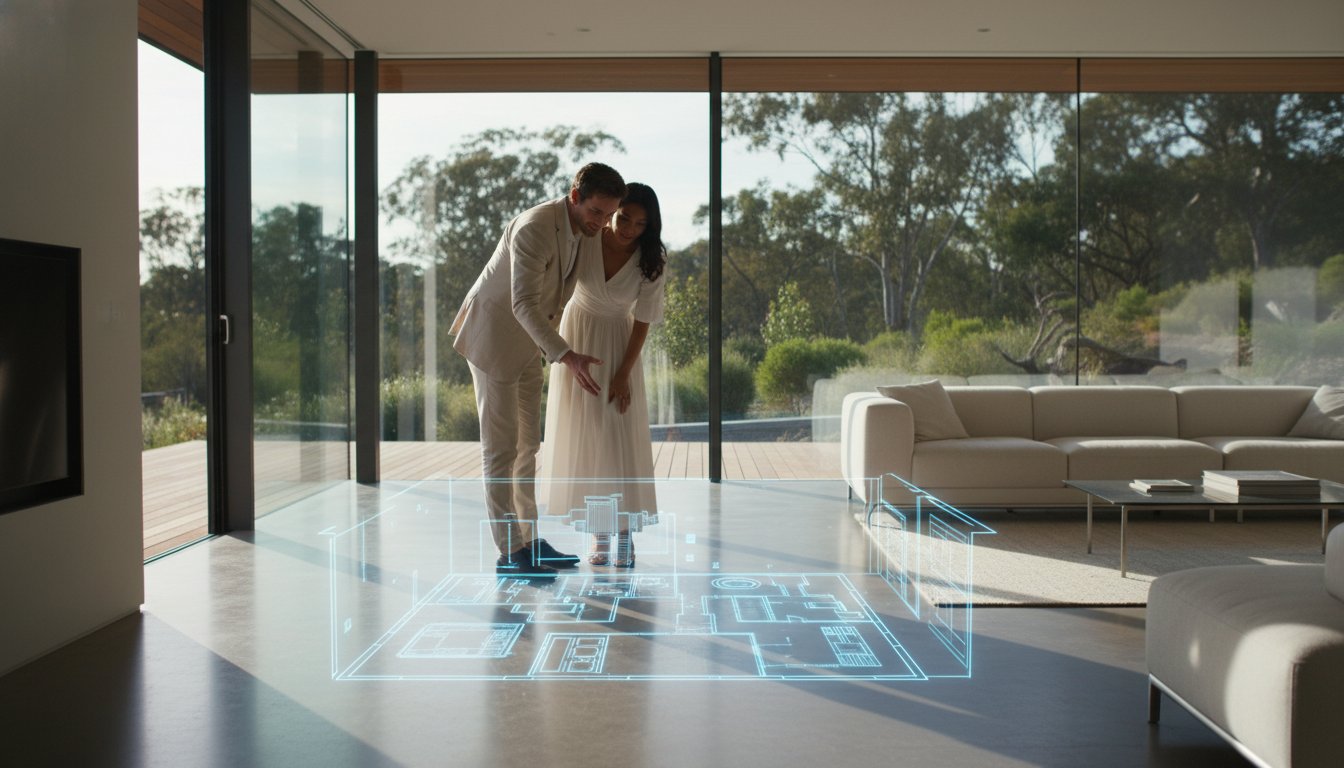
Industry data consistently shows that floorplans are the second most-viewed item on a property listing, right after the lead hero image. Omitting real estate floor plans is a tactical error that leads to confused buyers. If a buyer can't understand the flow of the house, they won't feel confident enough to book an inspection. Move away from low-quality, hand-drawn sketches. Professional textured floorplans provide immediate clarity on room dimensions, floor finishes, and spatial orientation. Accurate site plans are also essential, helping buyers visualise land use and future potential for extensions or landscaping.
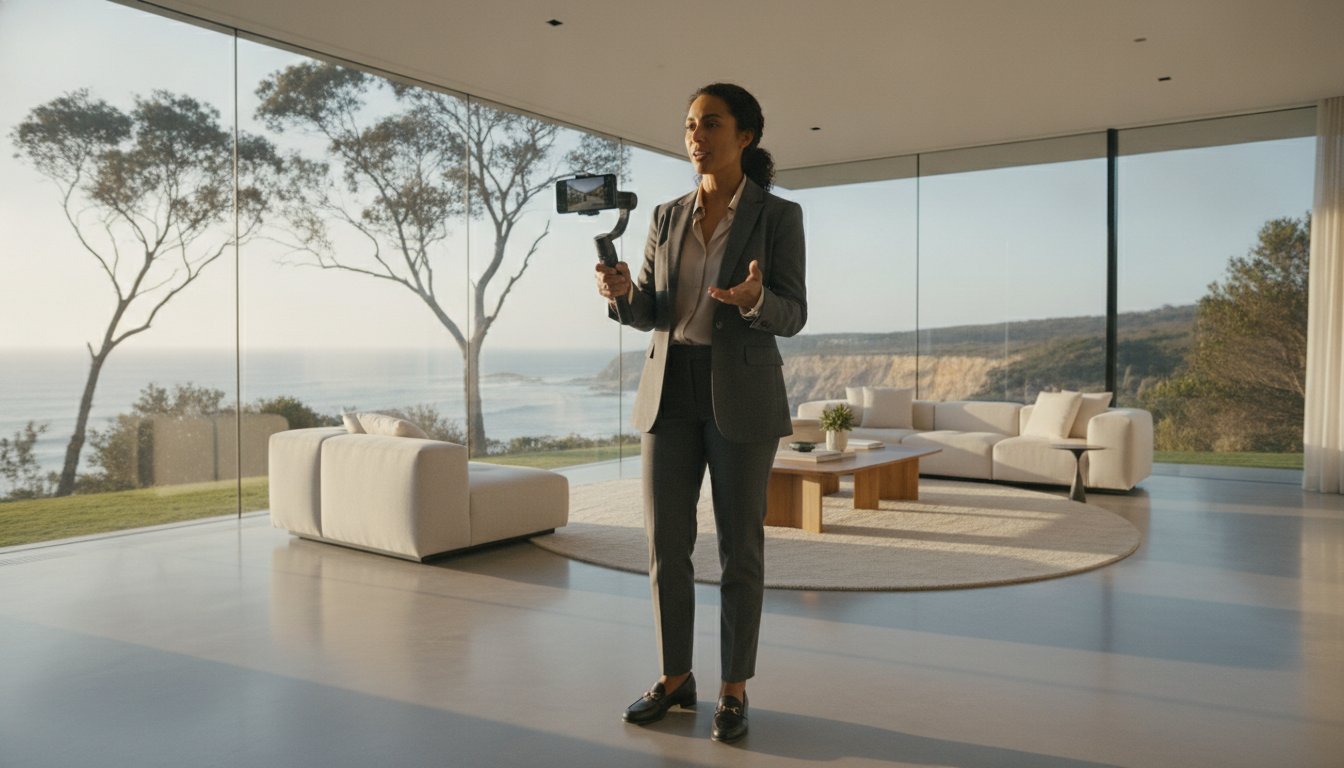
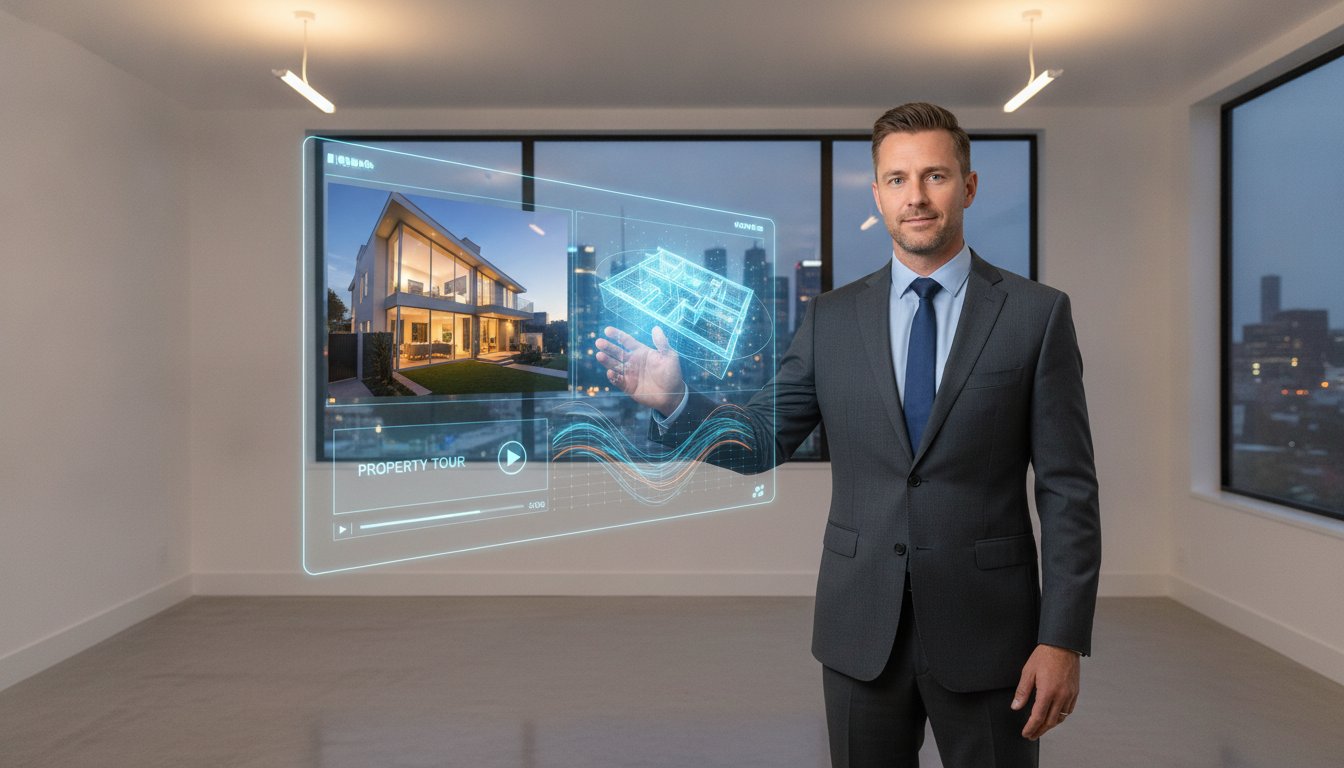
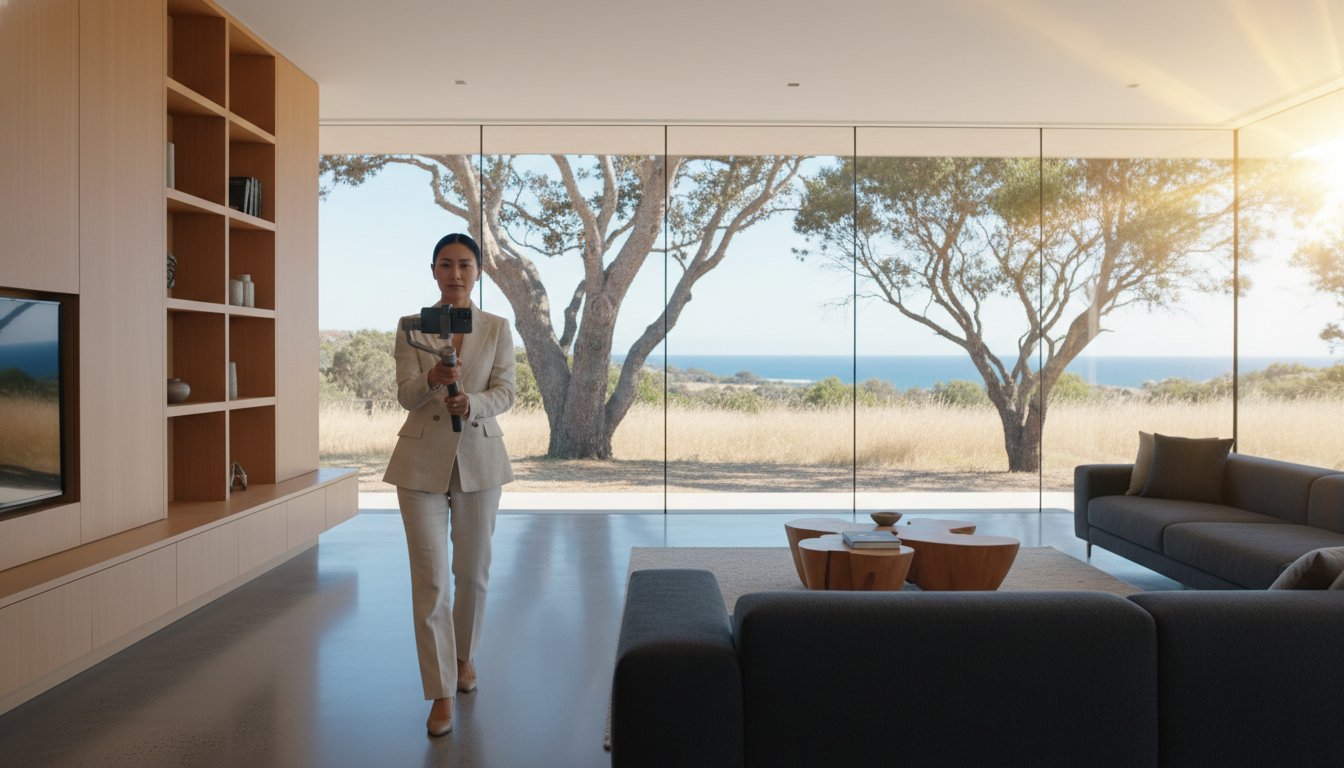
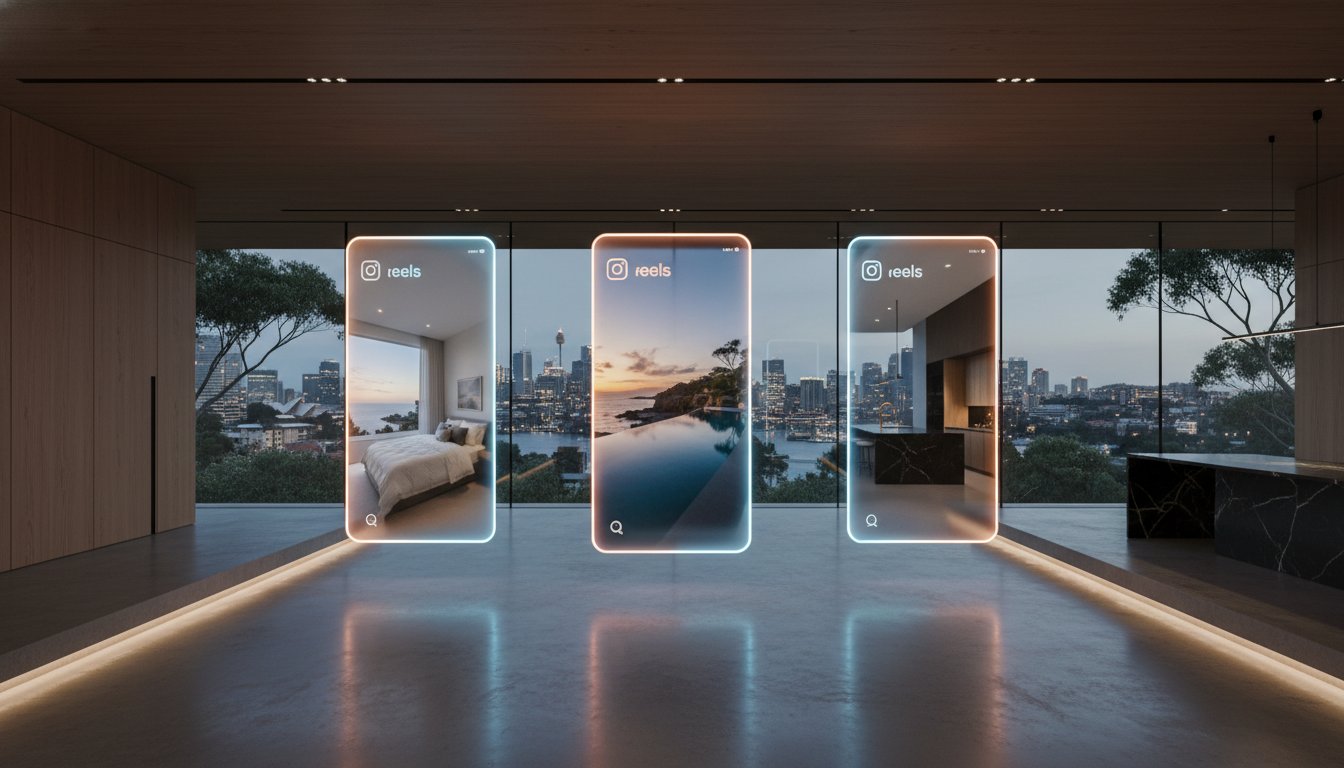
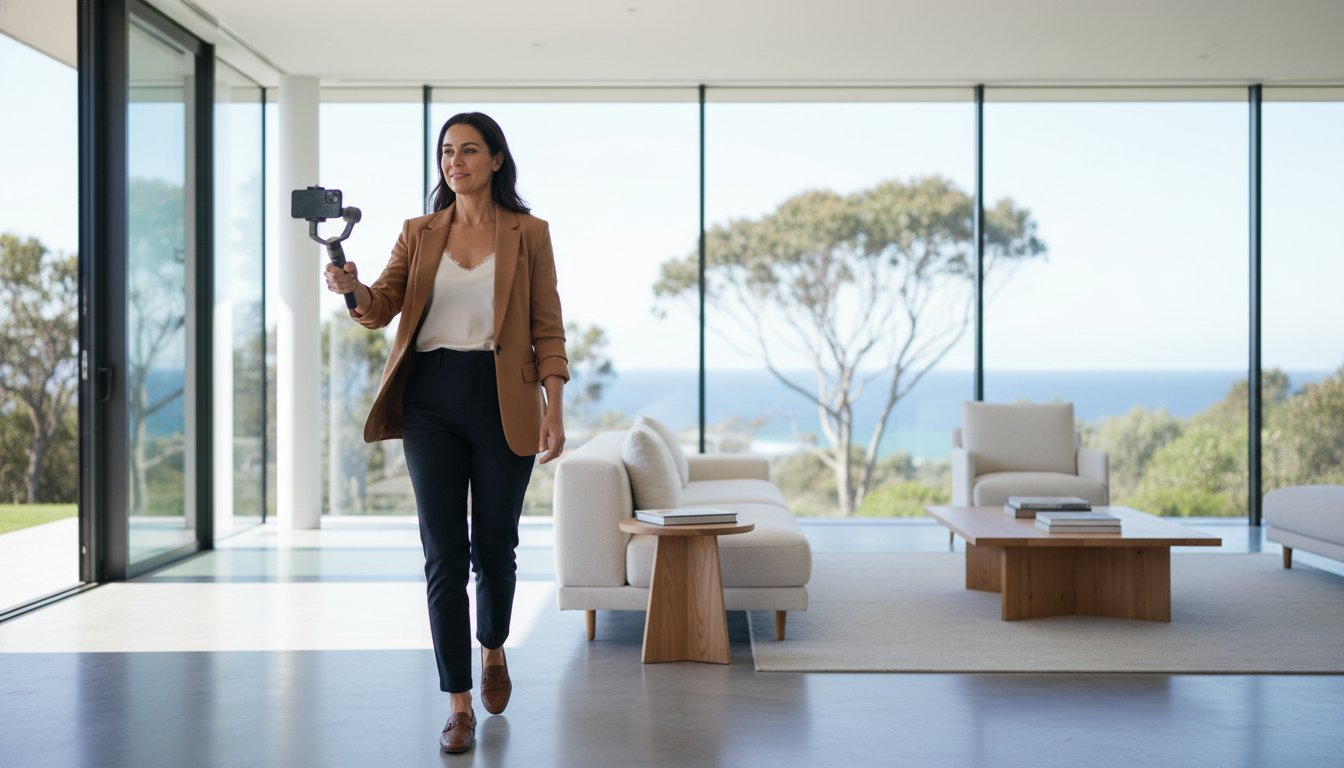
Static photography misses the "feeling" of a space. Effective video marketing for real estate agents is now a non-negotiable for capturing social media reach. Short-form social media reels and walking tours provide a sense of flow and lifestyle that photos cannot replicate. They allow you to showcase the transition from indoor to outdoor living, which is a primary selling point in the Australian market. Repurposing your photography into video assets ensures your listing stays relevant on platforms like Instagram and TikTok, reaching passive buyers who may not be actively searching on the major portals. For a complete overview of how to build a premium visual suite, consult our property marketing services Australia guide.
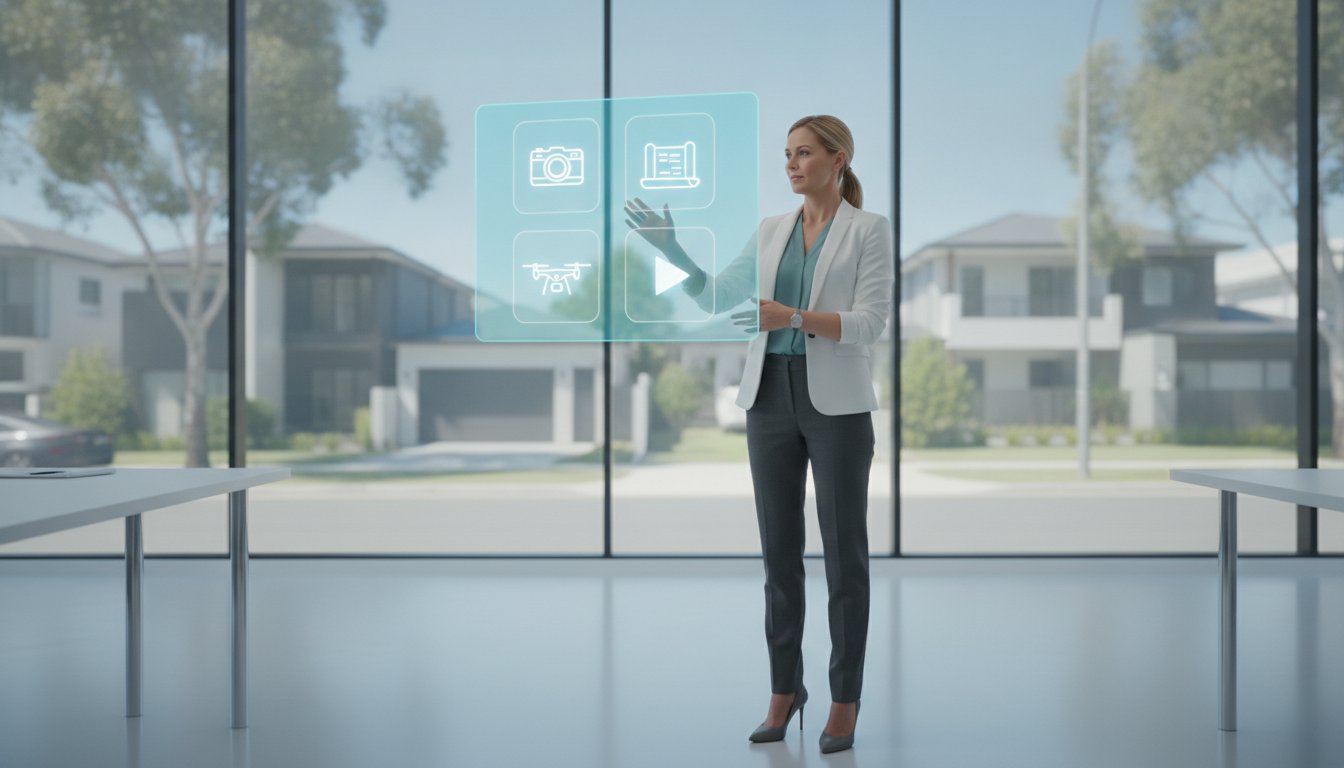
The administrative burden of managing five different contractors for a single listing is a significant operational drain. Coordinating separate bookings for photography, floorplans, drone, video, and copywriting leads to fragmented communication and inconsistent quality. This fragmented approach is one of the major real estate photography mistakes to avoid, as it dilutes your agency's brand equity. UberRE provides a centralised, tech-integrated infrastructure that removes this friction, allowing you to manage your entire visual marketing suite through a single, dependable platform.
Consistency is the foundation of a premium brand. Every listing in your portfolio should look like it belongs to the same professional suite, regardless of the property's price point. By utilising our standardised output, you ensure that your agency's digital storefront remains cohesive and authoritative. Our 24-hour turnaround advantage allows you to get your listing live while the "coming soon" buzz is at its peak, ensuring you capture maximum market momentum without the delays typical of freelance workflows.
Moving away from the "freelance lottery" is essential for agencies looking to scale. UberRE functions as a high-speed data utility, offering a reliable, results-driven partnership rather than the casual nature of independent contractors. We utilise construction-grade technical tools and professional full-frame sensors to ensure every asset meets a rigorous, standardised tier of quality. Our fixed-fee per-listing model provides total budget predictability, eliminating the hidden costs often associated with property marketing. You can book a comprehensive shoot, including Matterport 3D tours and social media reels, in under two minutes through our streamlined interface.
Success in the 2026 property market requires technical precision and administrative efficiency. Review your current listing performance against the real estate photography mistakes to avoid discussed in this guide. If your click-through rates are stalling or your vendors are questioning the visual representation of their homes, it's time to pivot to a more sophisticated solution. Organising a trial shoot is the most effective way to experience the UberRE difference and see how a standardised marketing suite can accelerate your property turnovers.
Book your professional real estate photographer with UberRE today
The Australian real estate market in 2026 leaves no room for amateur visuals. Technical errors like converging verticals and blown windows don't just look poor; they actively stall sales and devalue your agency's brand equity. By identifying the critical real estate photography mistakes to avoid, you can transition from inconsistent freelance work to a high-speed, standardised marketing suite that converts browsers into buyers.
Success now relies on a multi-asset approach where professional photography, textured floorplans, and social media reels work in unison. UberRE specialises in high-impact property marketing for Australian agents, providing a 24-hour turnaround on all visual content to maintain listing momentum. Our fixed-fee pricing ensures budget predictability with no hidden costs, allowing you to focus on closing deals rather than managing multiple contractors. It's time to move away from the "freelance lottery" and embrace a corporate, results-driven partnership.
Take control of your visual brand and start delivering the premium, tech-forward presentation your vendors expect. We're ready to help you streamline your workflow and maximise every property's sale potential.
Failing to provide a complete visual marketing suite is the most common error. Relying on photos alone is one of the primary real estate photography mistakes to avoid. Modern buyers expect a multi-sensory experience, including textured floorplans and video tours, to fully understand the property's layout and flow before they commit to an inspection.
No. Smartphone sensors cannot replicate the dynamic range or technical precision of a professional full-frame sensor. Professional equipment is required to manage the high-contrast lighting typical of the Australian climate. This ensures windows aren't blown out and shadows remain detailed, providing a crisp, commercial-grade result that builds buyer trust.
In 2026, standard professional real estate photography packages in Australia typically range from $110 to $500 per listing. Additional technical services like drone photography or Matterport 3D tours will increase the total package price. Professional marketing is a strategic investment that can increase sale prices by 5% to 10% according to industry research.
The best time depends on the property's orientation. Mid-morning or early afternoon usually offers the most balanced light for interiors. For the exterior facade, twilight sessions are highly effective for creating an aspirational entertainer's vibe that stands out on realestate.com.au and Domain during the initial search phase.
Yes. Floorplans are consistently the second most-viewed asset on any property listing. While photos attract aesthetic interest, floorplans provide the spatial data buyers need to confirm the home meets their requirements. Omitting them is another of the common real estate photography mistakes to avoid that can lead to lower enquiry rates.
Remove all clutter and personal items like family photos and fridge magnets. In the kitchen, clear the benchtops of small appliances, dish soaps, and tea towels. Outside, move cars from the driveway and hide bins to ensure the property's street appeal is the focal point of the lead hero image.
Day photography focuses on technical clarity and showcasing the property's natural light and architectural detail. Twilight photography is a lifestyle-driven choice that highlights the home as an evening entertaining space. Both services are modular components of a professional marketing suite designed to capture different buyer emotions.
Speed is critical for maintaining market momentum. UberRE provides a standardised 24-hour turnaround for all finished visual content, including photography, floorplans, and drone assets. This rapid delivery ensures your marketing remains on schedule and your listings go live without administrative delays across all Australian capital cities.

-2.png)