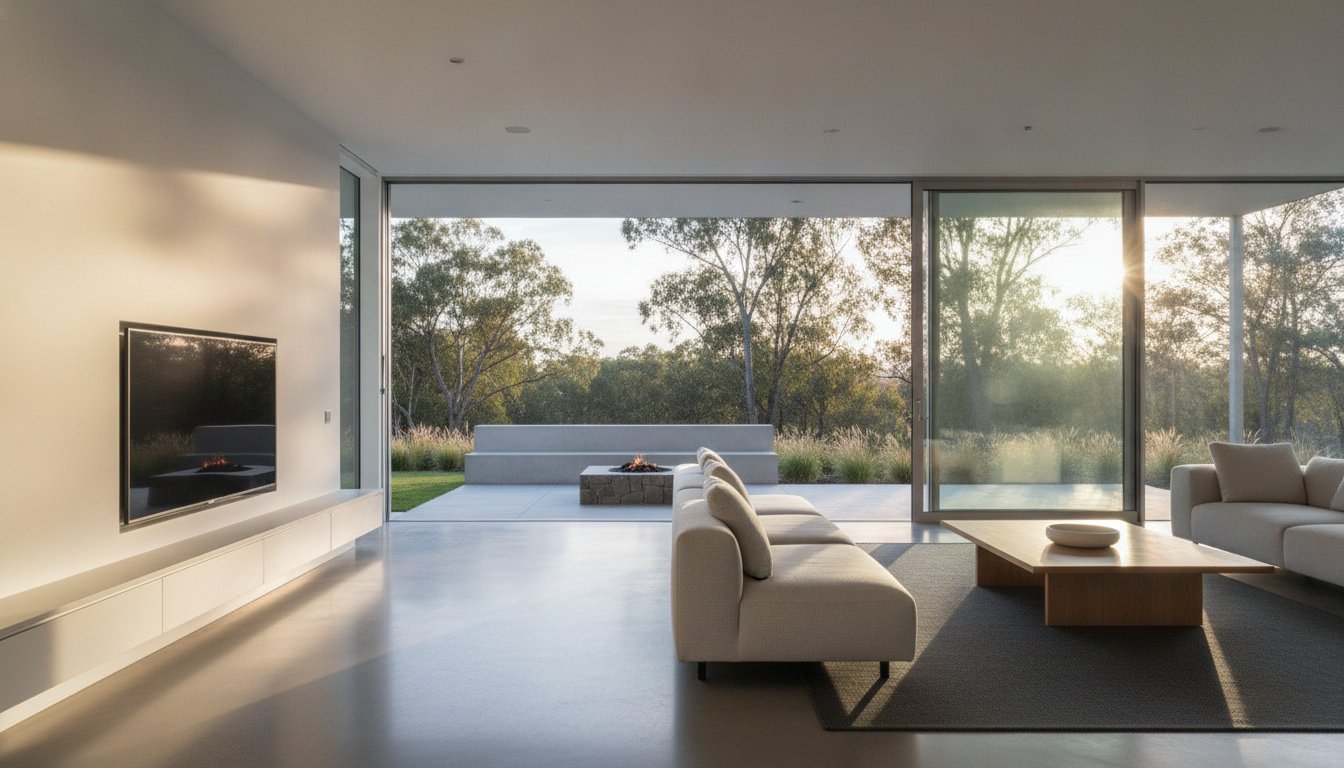
In the competitive world of Melbourne real estate, first impressions are everything. Most buyers start their journey online, scrolling through dozens of listings. In those crucial few seconds, a captivating image can make the difference between a buyer clicking "read more" or moving on to the next property. This is where home staging plays a pivotal role.
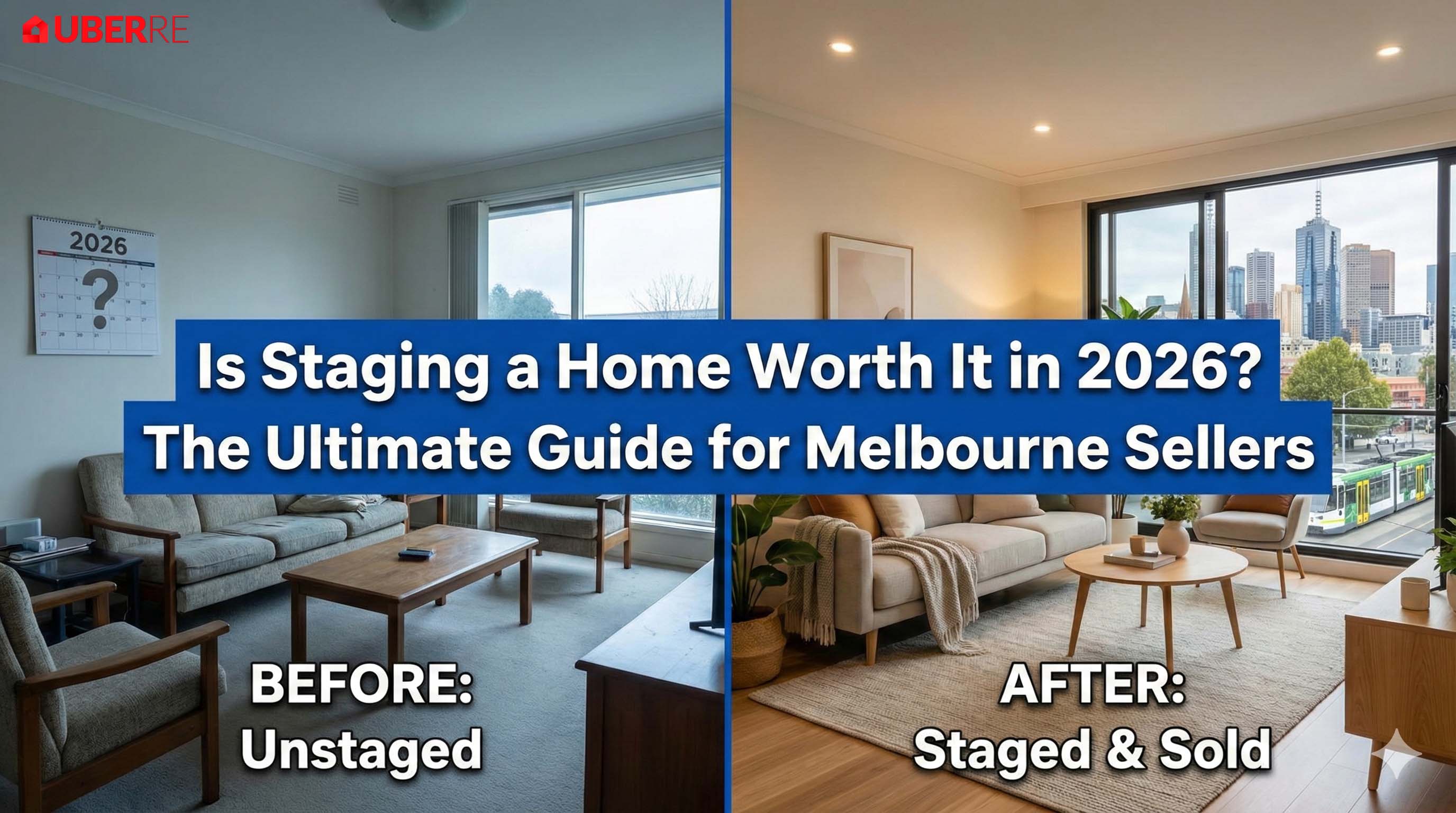
Staging transforms a cold, empty space into a warm, inviting home that buyers can envision themselves living in. But when it comes to preparing your property for sale, you have two main options: traditional physical staging or modern virtual staging. Both have their merits, but for many sellers, the deciding factor comes down to one thing: budget.
This guide will break down the costs, pros, and cons of each method to help you decide which approach is best for your wallet and your sale.
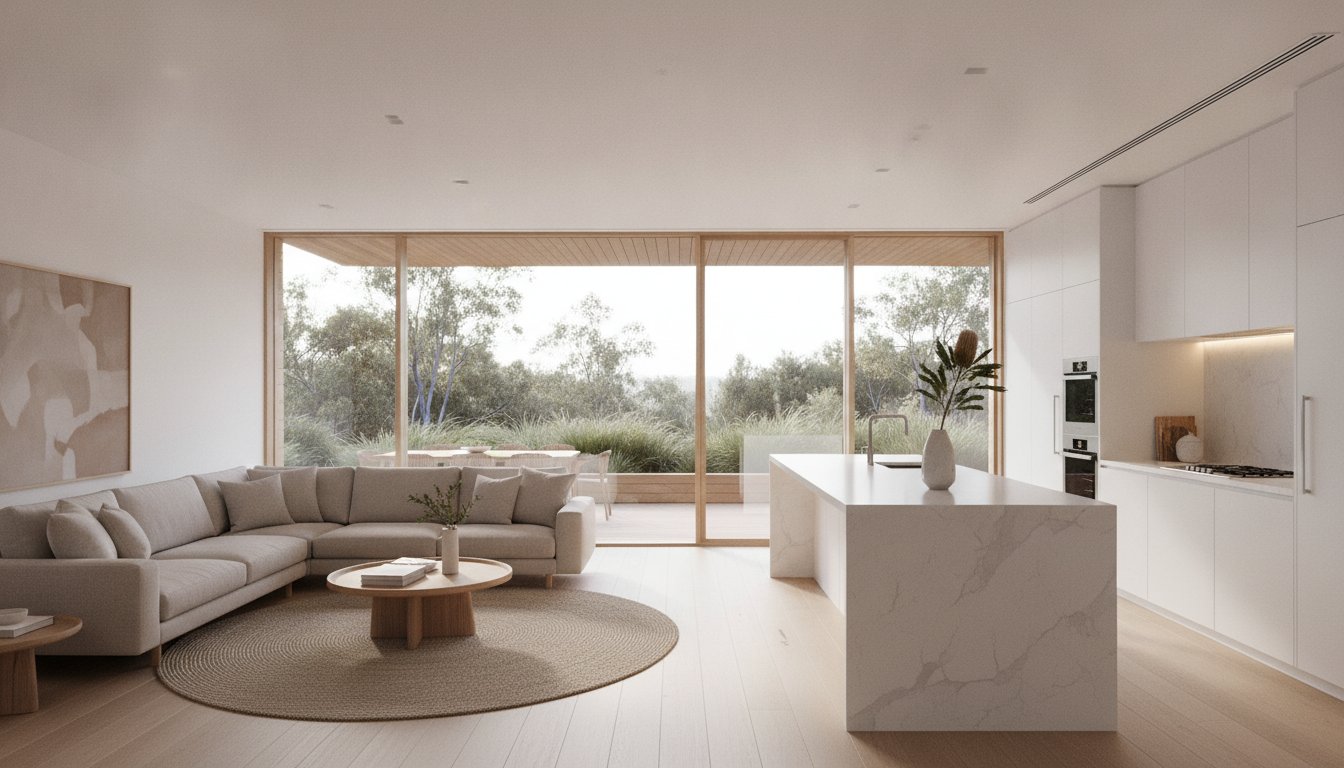
Physical staging is the traditional method of hiring a professional stager to furnish and decorate your home with real furniture, art, and accessories. This process involves an initial consultation, renting furniture for a set period (usually 4-6 weeks), and a team to move everything in and arrange it perfectly.
Pros:
Cons:
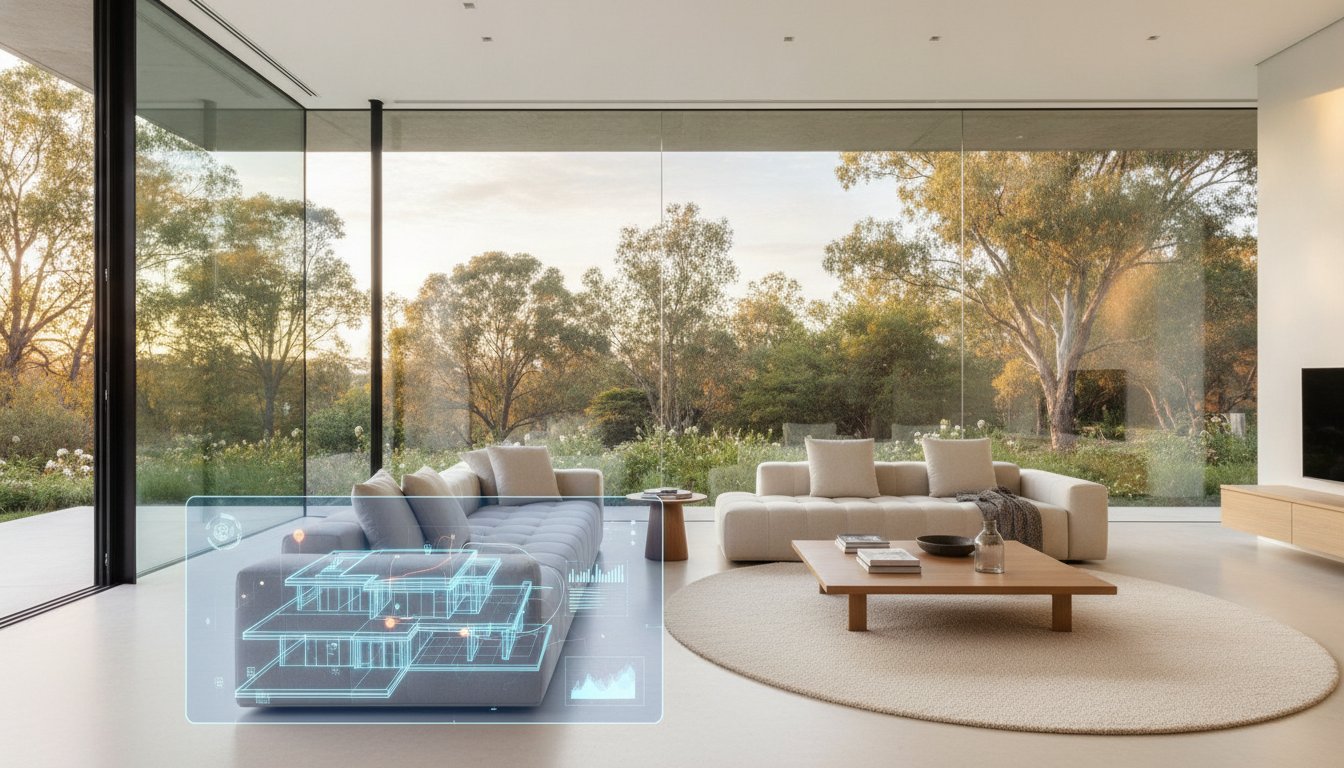
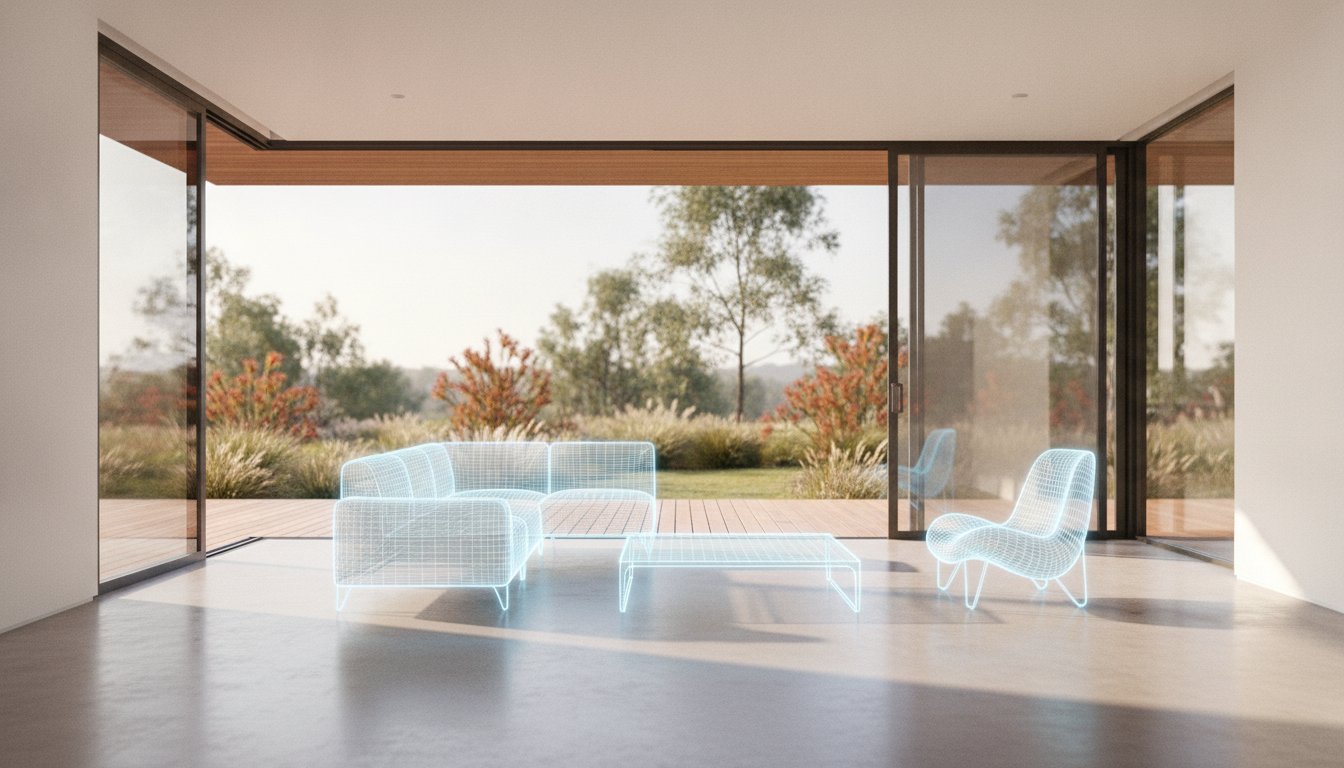
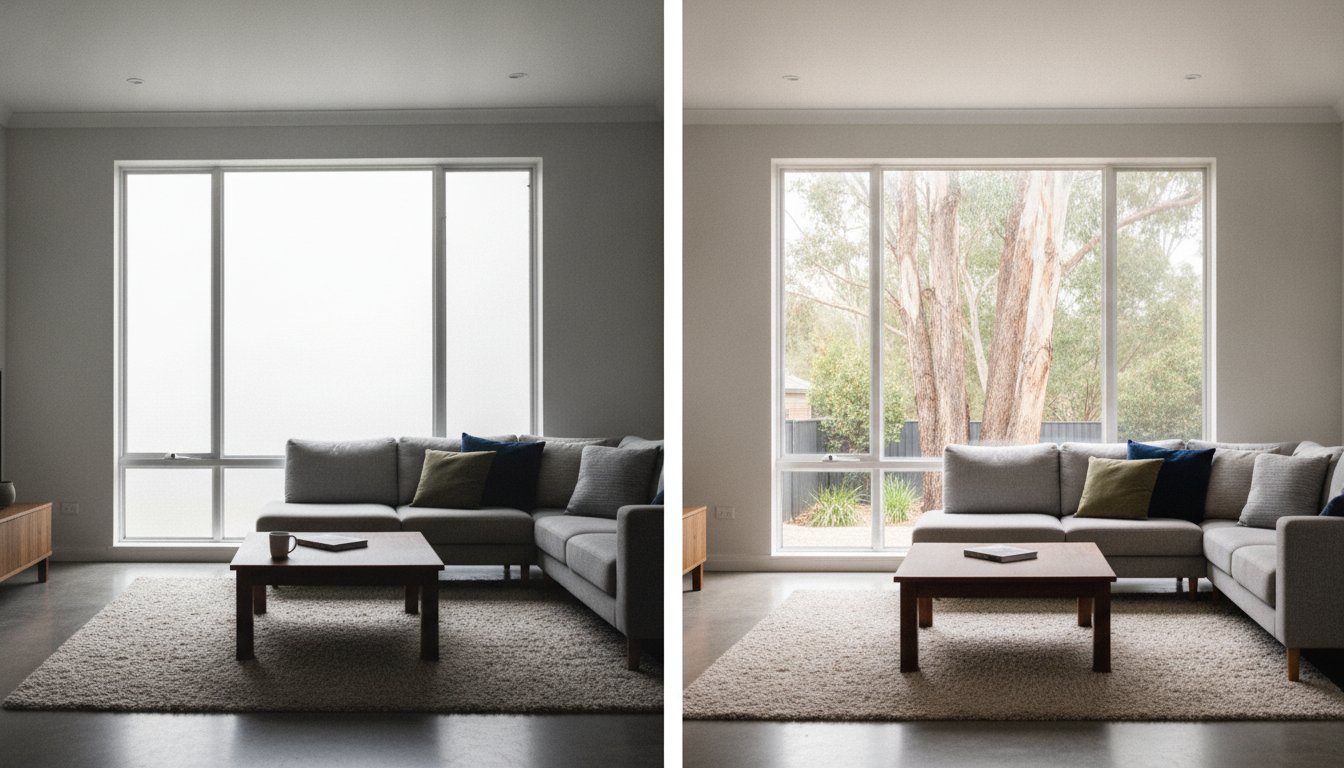
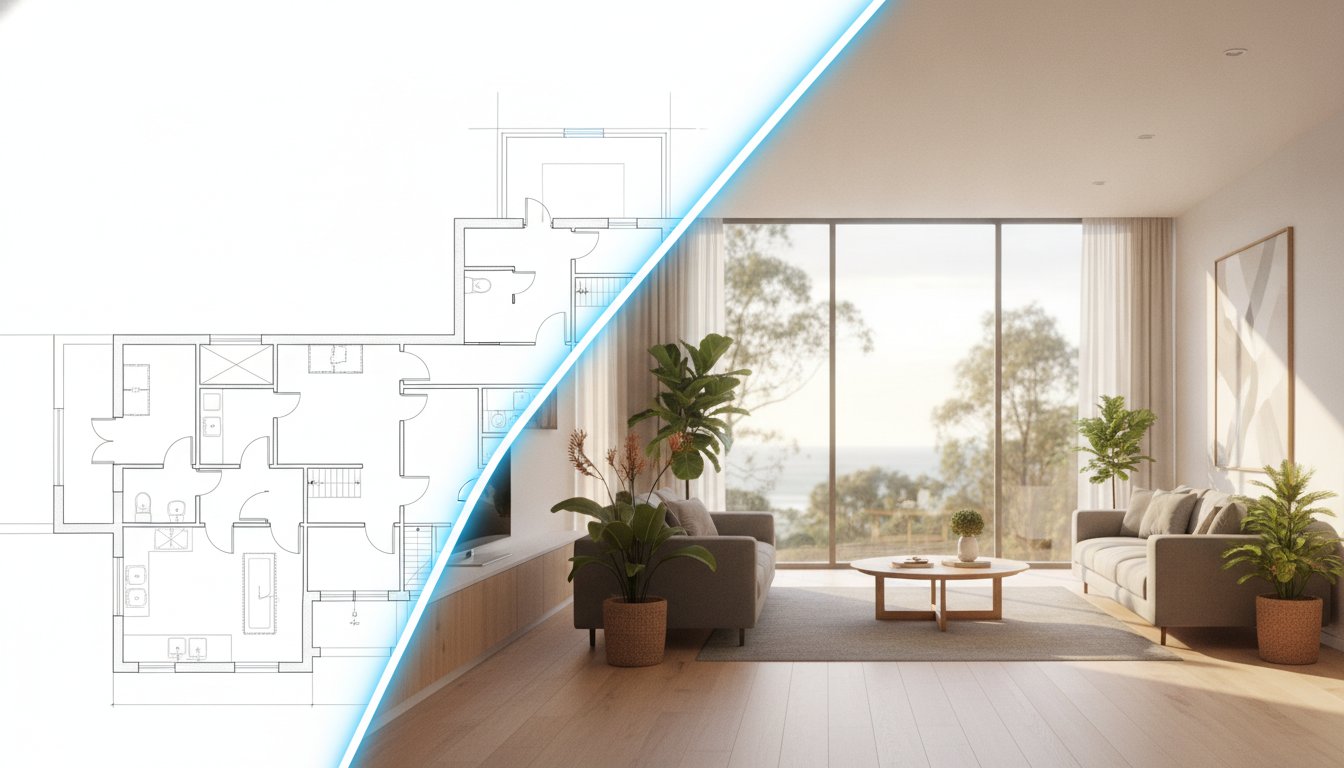
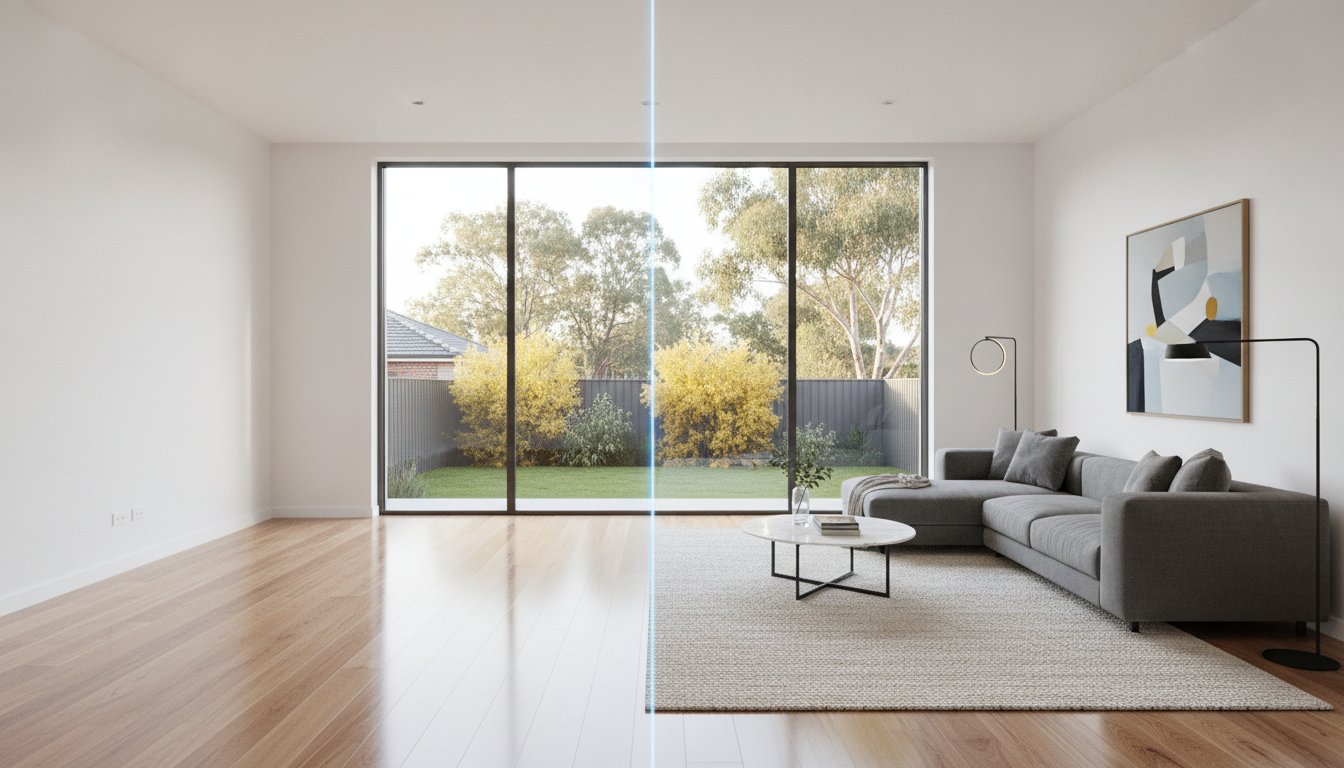
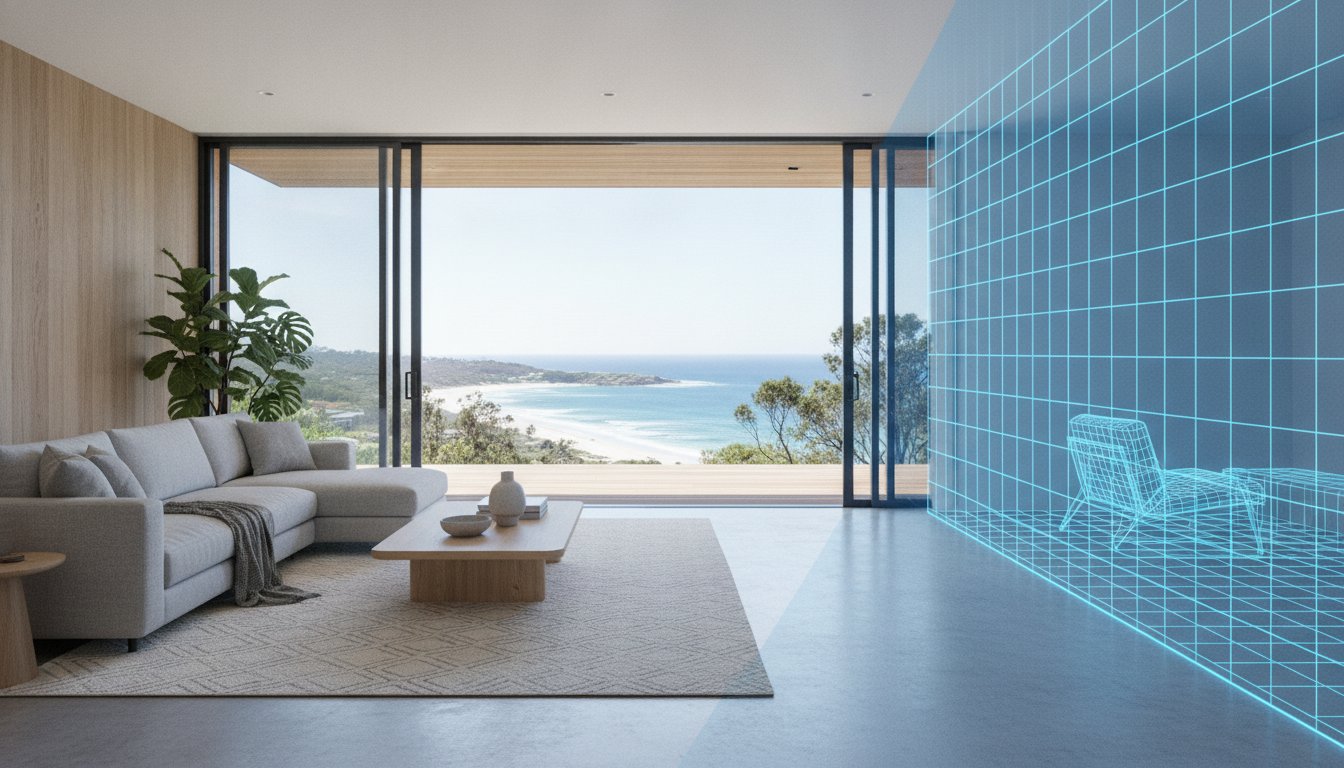
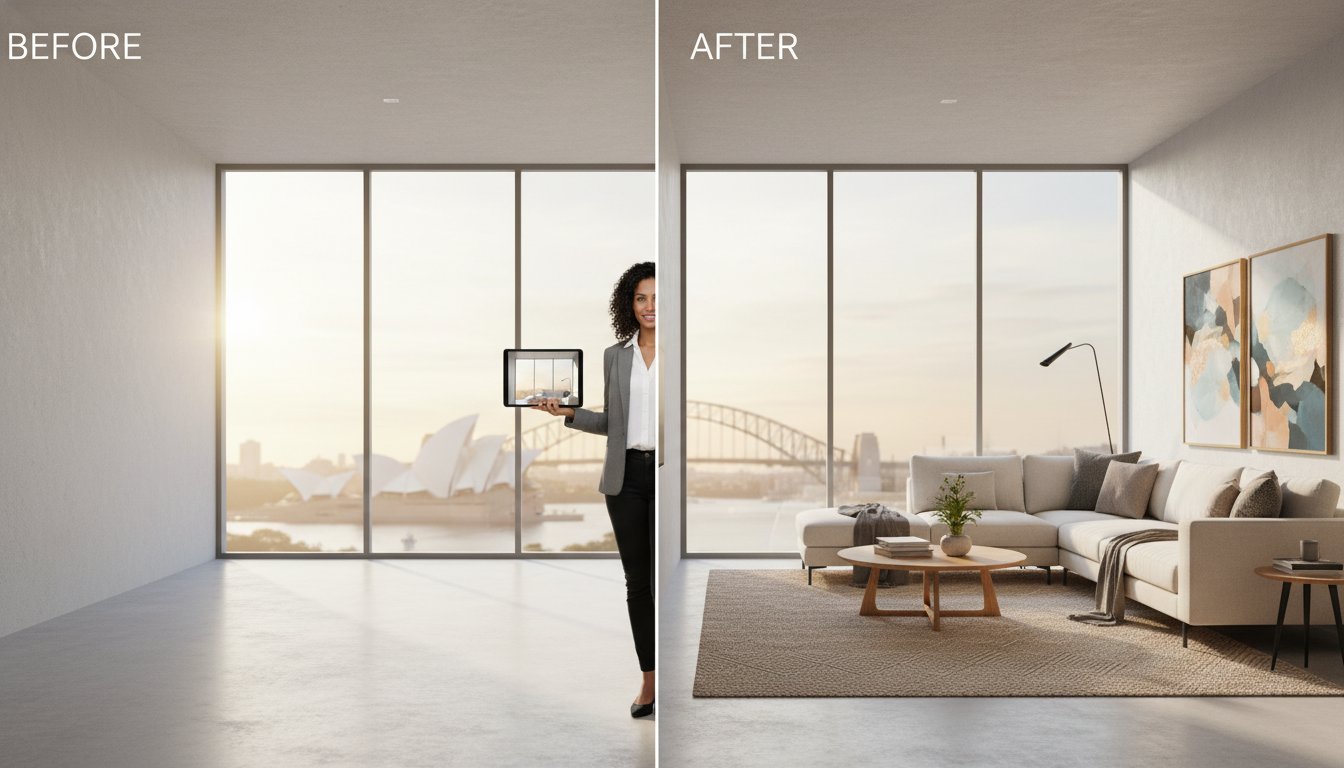
Virtual staging is a digital process where graphic editors add photo-realistic furniture, decor, and even lighting to high-resolution photographs of empty rooms. It's a powerful marketing tool designed to make your online listing stand out.
Pros:
Cons:
This is where the difference becomes stark. Let's look at typical pricing scenarios.
The Verdict on Budget: For the vast majority of sellers, virtual staging is the clear winner for budget-friendliness. It offers a high-impact marketing solution for a fraction of the price of traditional staging, with zero ongoing costs.
Deciding between the two depends on your specific circumstances, property type, and target market.
Choose Virtual Staging If:
Choose Physical Staging If:
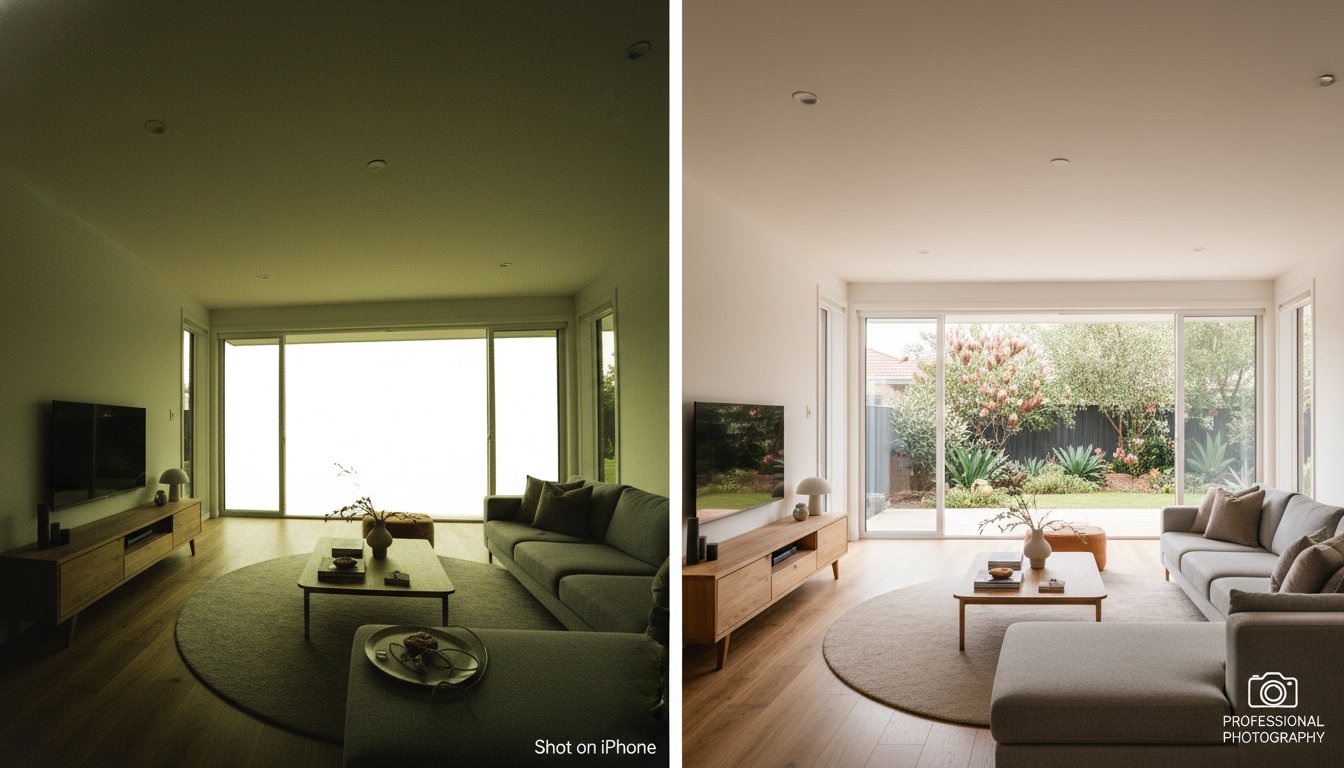
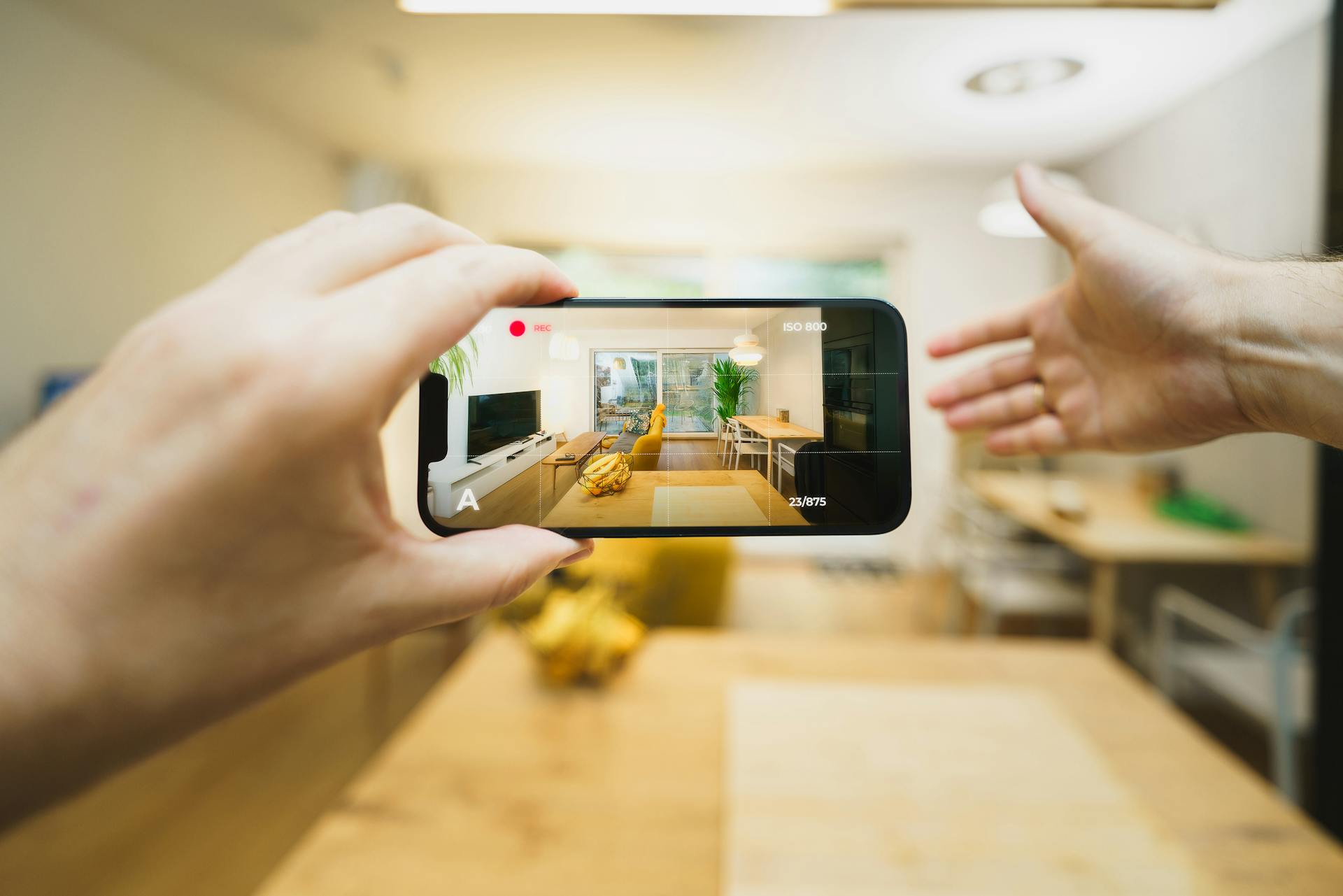
Regardless of which staging method you choose, the foundation of a successful sale is high-quality photography. Even the best physical staging will look underwhelming if captured with a smartphone.
When searching for a real estate photographer Melbourne, look for professionals who offer comprehensive services. Many top-tier photographers now include virtual staging as an add-on to their standard real estate photography packages. This can be a convenient and cost-effective way to bundle your marketing needs.
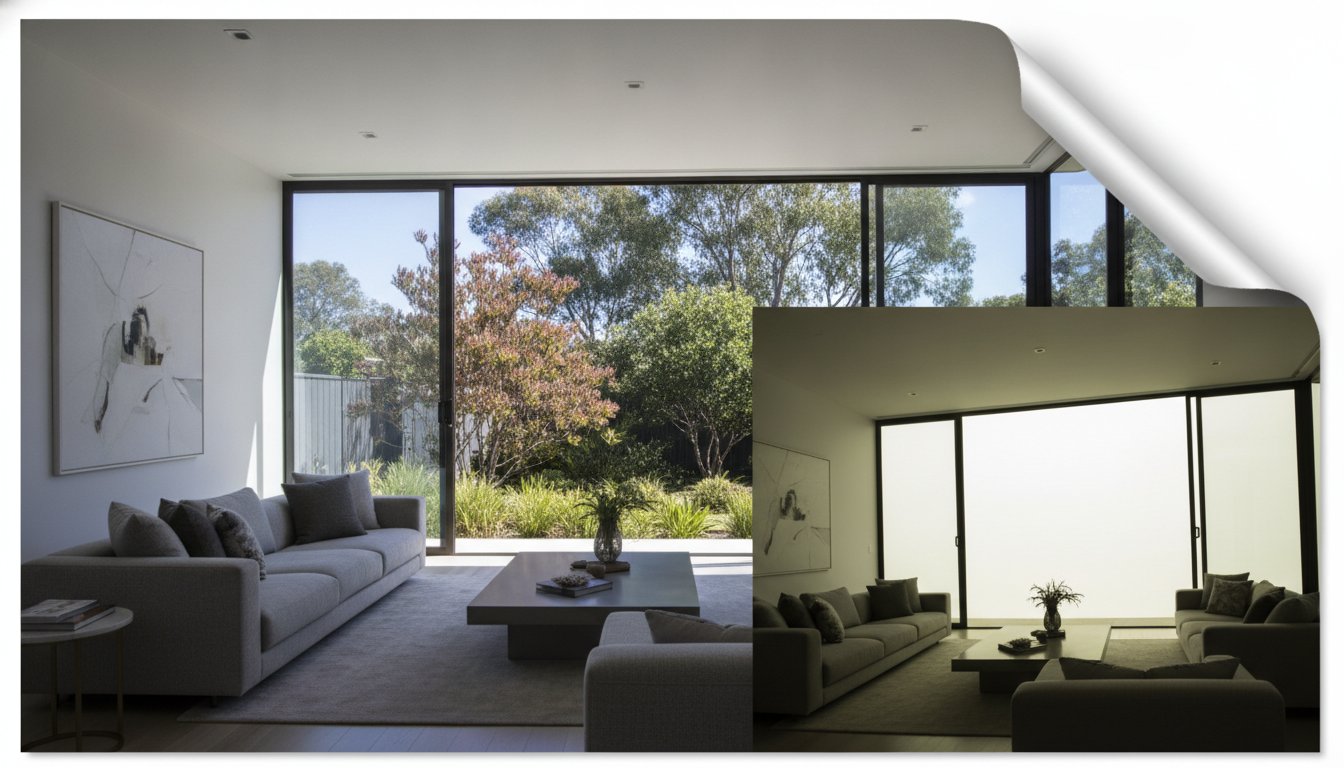
When inquiring about real estate photography melbourne price, ask if they offer virtual staging and see examples of their work. A skilled editor can make virtual furniture look incredibly realistic, with correct lighting, shadows, and reflections.
Conclusion
Both physical and virtual staging are powerful tools to help sell your property faster and for a better price. However, when budget is a primary concern, virtual staging offers an undeniable advantage. It allows you to present a stunning, fully-realized home to online buyers without the hefty price tag, logistical headaches, and ongoing fees of traditional staging.
By combining professional real estate photography services with high-quality virtual staging, you can create a compelling online listing that drives traffic to your open homes, giving you the best chance of a successful sale in the Melbourne market.
1. How much does real estate photography in Melbourne cost?
Our real estate photography Melbourne price structure is designed to offer maximum value for both small apartments and luxury estates. While basic packages start at competitive rates for standard daylight shoots, the final cost depends on the size of the property and any add-ons like drone shots or floor plans. We believe in transparency, so you can view our full real estate photography pricing online to find a solution that fits your specific marketing budget.
2. What is included in your real estate photography packages?
We offer comprehensive real estate photography packages to ensure your listing stands out in the Melbourne market. A standard package typically includes a set number of high-resolution interior and exterior images, professional editing (including blue sky replacement), and rapid delivery. You can also customize your package with additional real estate photography services such as aerial drone imagery, 3D Matterport tours, and virtual staging.
3. How quickly can a real estate photographer in Melbourne deliver the images?
We know that in the fast-paced Melbourne property market, time is money. As a leading real estate photographer Melbourne service, we typically deliver edited, high-resolution images within 24 hours of the photoshoot. This allows you to get your property listed on major real estate portals without delay.
4. Do you offer virtual staging services?
Yes! As part of our premium real estate photography services, we offer high-quality virtual staging. This is a cost-effective alternative to physical staging, allowing you to furnish empty rooms digitally. It is particularly popular for rental listings and vacant sales, helping buyers visualize the potential of the space for a fraction of the cost of renting furniture.

-2.png)