Only 35% of real estate agents currently hire professional photographers, yet those who do see their listings sell 32% faster. In a high-stakes market where buyers form an opinion in less than two seconds, a mediocre photo doesn't just look bad; it costs you money. You've likely felt the frustration of inconsistent image quality or slow turnaround times that delay your market entry. Managing separate contractors for floorplans, video tours, and social reels is an administrative burden that modern agencies can no longer afford.
Mastering the art of vetting your visual marketing partner ensures every listing stands out on realestate.com.au and Domain while protecting your brand from hidden licensing fees. This guide outlines the 15 essential questions to ask a property photographer to help you secure a standardised, 24-hour workflow. We'll show you how to move away from the unpredictability of freelancers toward a tech-integrated solution that delivers all your visual assets from a single, reliable source. By the end of this article, you'll have a clear framework to identify an expert specialist who can drive higher engagement and faster results for your vendors.
• Understand the shift toward digital-first inspections and how premium visual quality directly accelerates click-through rates on major Australian portals.
• Learn why a 24-hour delivery workflow is the essential benchmark for staying competitive during peak selling seasons.
• Identify the critical questions to ask a property photographer to ensure CASA drone compliance and social media reel readiness.
• Secure your agency’s commercial interests by vetting for clear copyright terms and mandatory public liability coverage.
• Streamline your operations by transitioning from unreliable freelance models to a high-output, national marketing infrastructure.
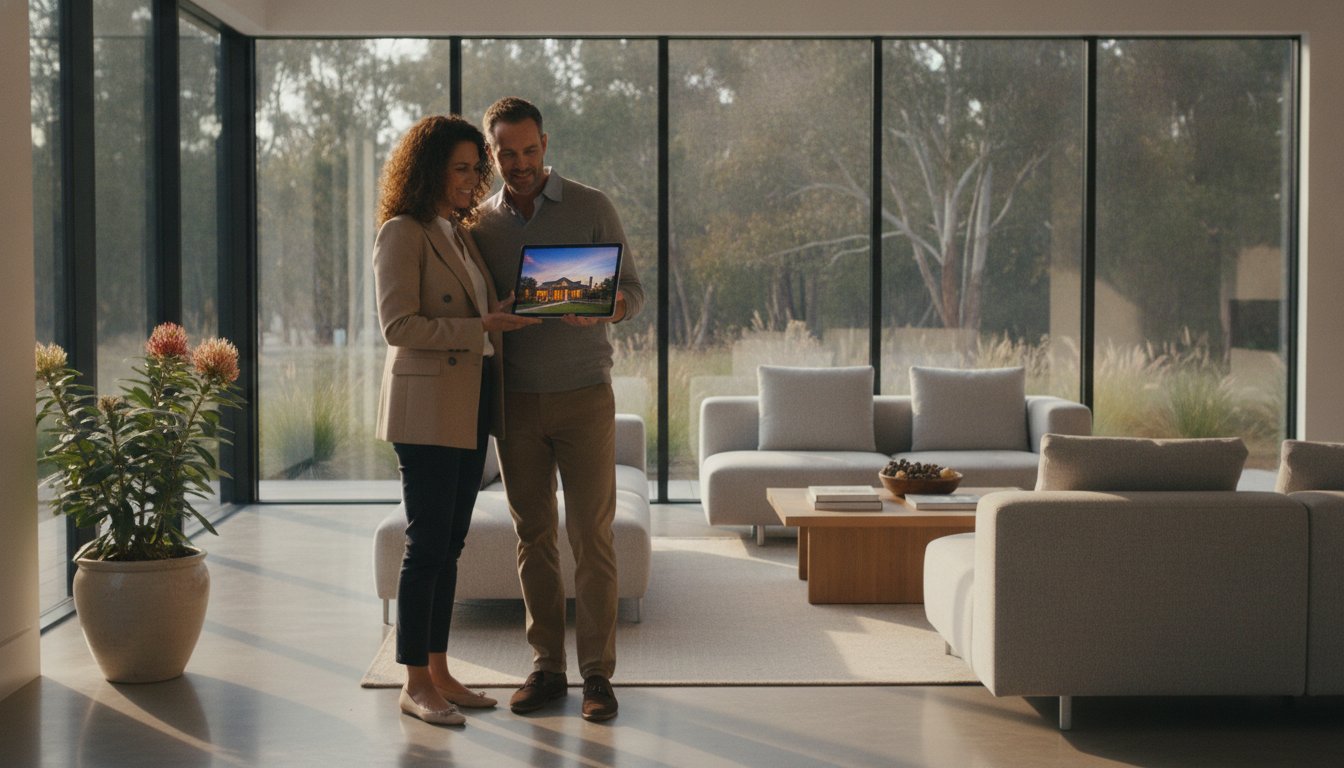
The digital thumbnail has officially replaced the physical kerbside appeal. In 2026, the "first inspection" happens on a mobile screen, often while a potential buyer is commuting or multitasking. If your listing fails to capture attention within the first two seconds of a scroll, it essentially doesn't exist. This shift toward a digital-first market means the questions to ask a property photographer must focus on their ability to stop the scroll and drive click-through rates on major Australian portals like realestate.com.au and Domain.
Hiring a good enough photographer is a strategic error that costs you more than just a sale. It costs you future vendor leads. When prospective sellers research your recent results, they aren't just looking at the final price; they're evaluating how you presented the property. A premium, tech-integrated visual strategy signals that you're a high-performing agent who invests in your clients' success. High-quality imagery is no longer an optional upgrade; it's the foundational infrastructure of a modern real estate business.
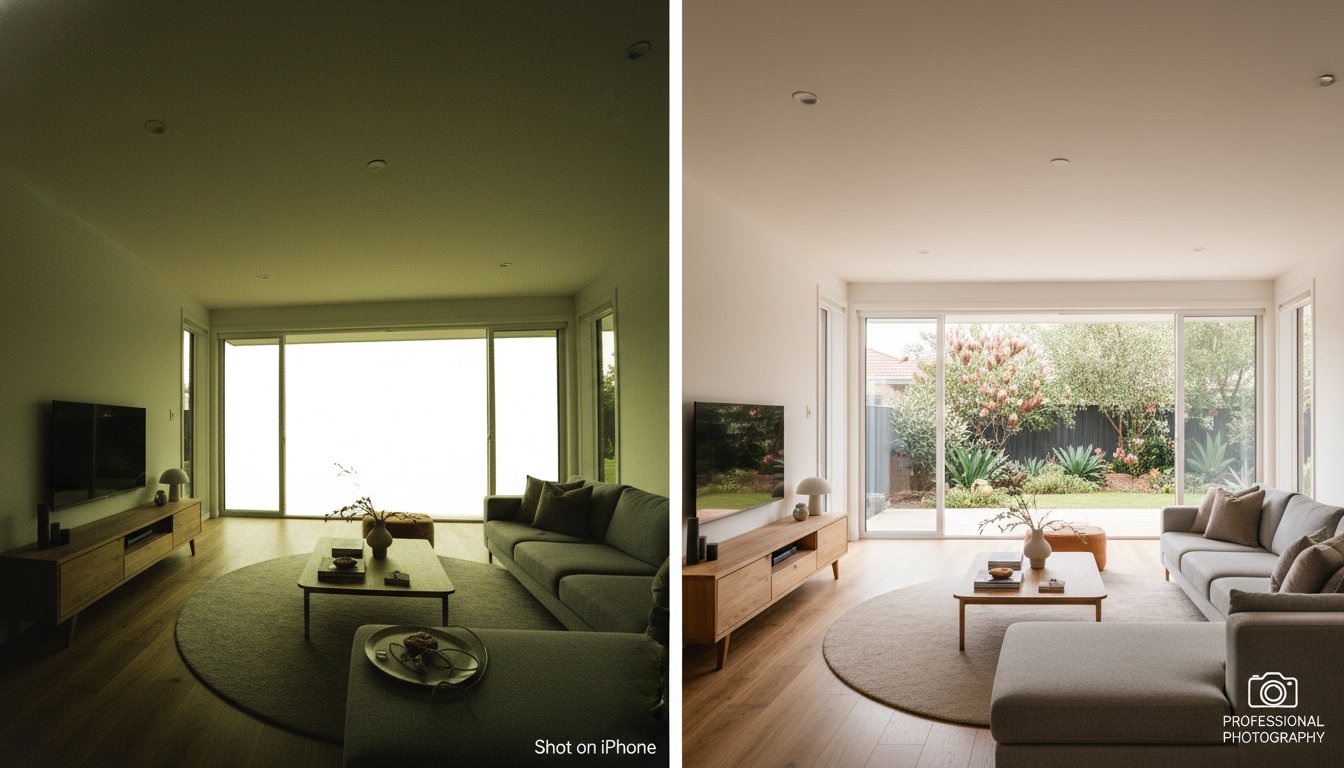
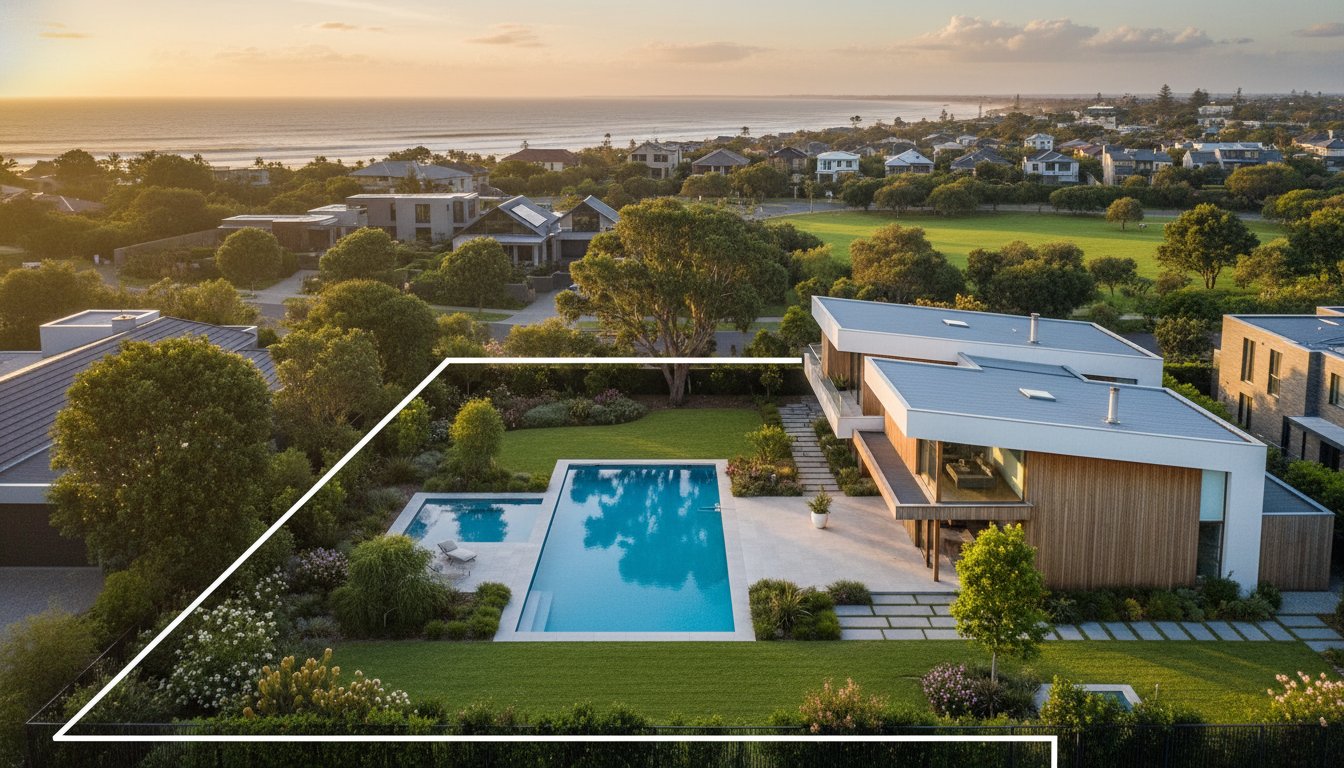
Buyers now use mobile apps as their primary filter. Research indicates that listings featuring professional photography sell for 5-10% more than those with amateur shots. This isn't just about "pretty" pictures. It's about the technical application of Architectural photography principles to ensure vertical lines are straight, colours are accurate, and light is balanced. Consistency across your agency’s listings builds a recognisable personal brand. When every property you list looks like a premium offering, you establish immediate trust with industry professionals and serious buyers alike.
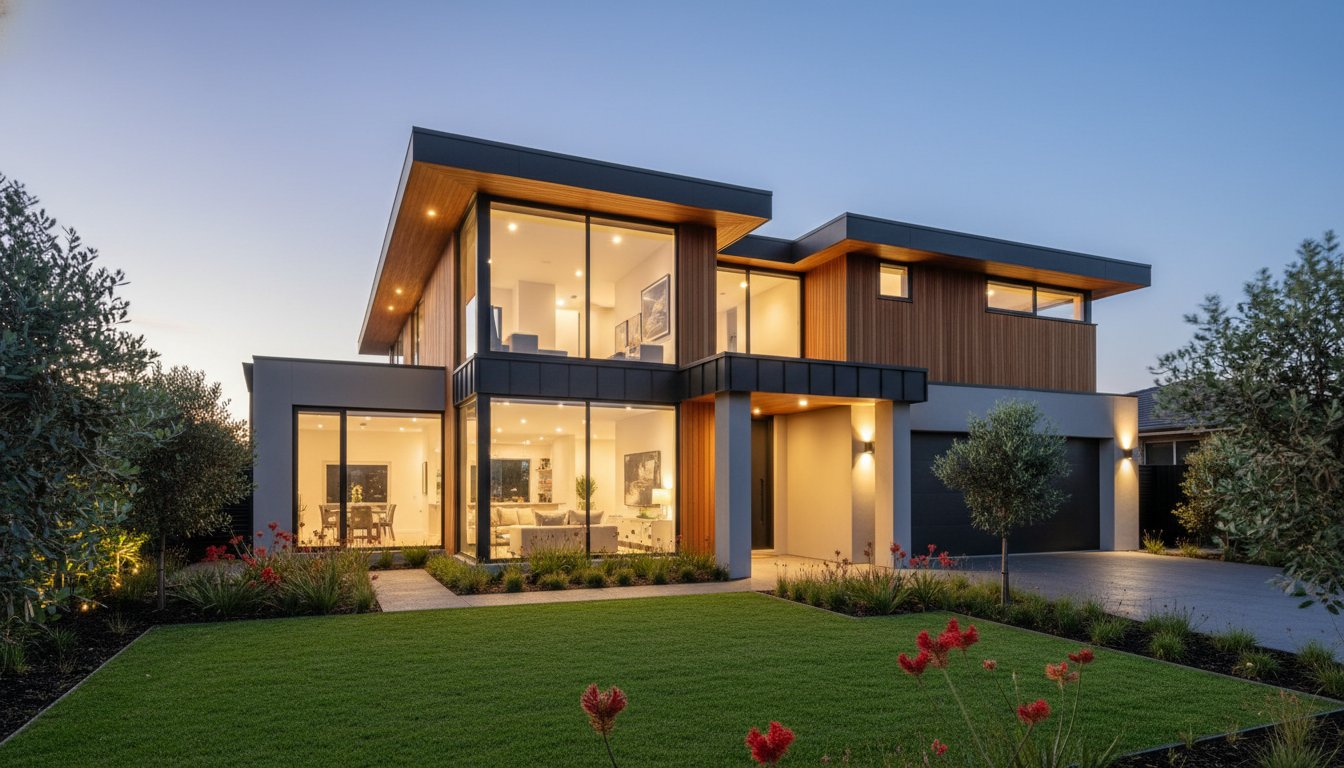
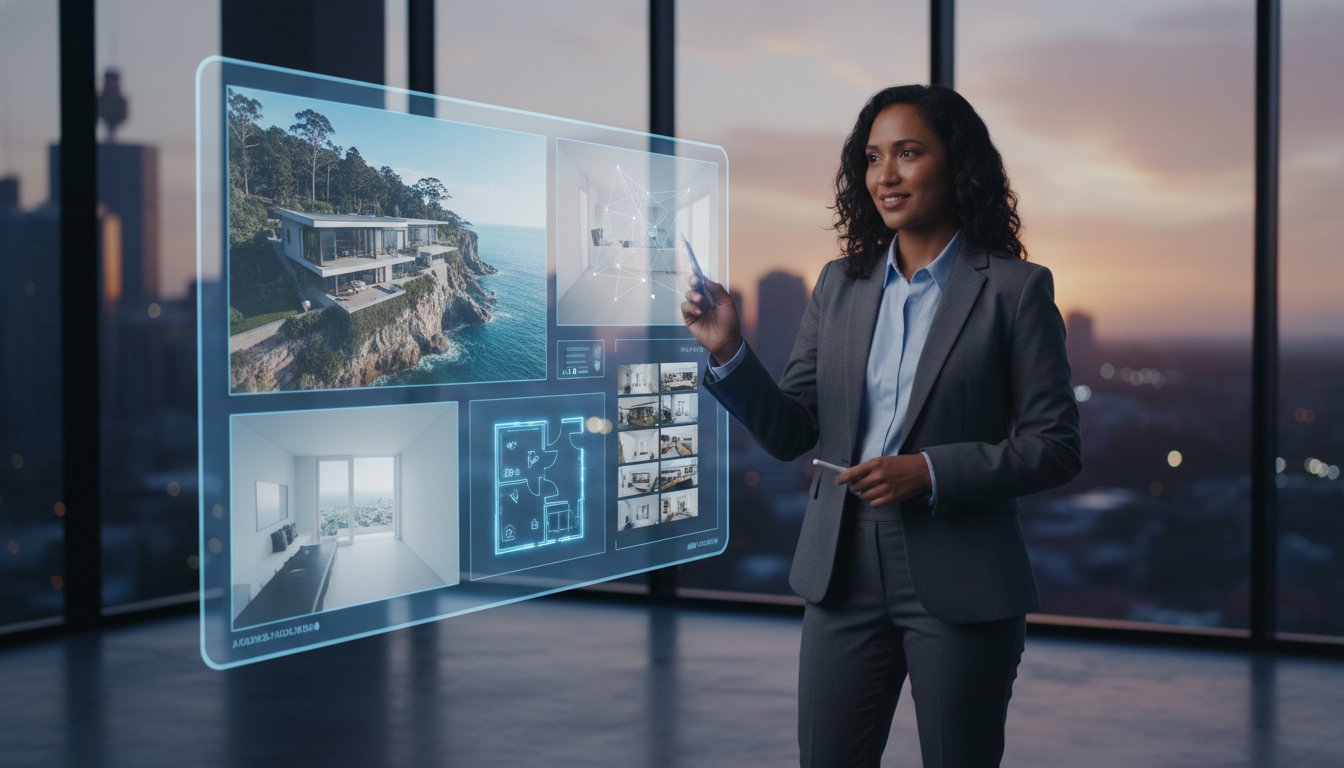
Static images are the baseline, but they're no longer the finish line. To keep potential buyers engaged with your listing longer, you need a cohesive marketing package that tells a complete story. This includes twilight photography, textured floorplans, and immersive video tours. Data shows that listings with video receive 403% more inquiries compared to those without. Using comprehensive property marketing services australia allows you to deploy a multi-platform strategy that spans from portal listings to social media reels.
When you select a real estate photographer, you're looking for a partner who understands this modular approach. You need a single source for all visual assets to ensure the floorplan matches the video walkthrough, which matches the drone aerials. This technical synergy creates a frictionless experience for the buyer, reducing the days on market and increasing the likelihood of a record-breaking result. Don't settle for a fragmented workflow that slows down your market entry.
In the fast-moving Australian property market, speed is a non-negotiable asset. A listing that lingers in "coming soon" status due to slow post-production loses critical momentum during those vital first 48 hours of a campaign. When evaluating potential partners, your questions to ask a property photographer must probe beyond their portfolio and into their actual operational capacity. A 24-hour turnaround is no longer a luxury add-on. It's the industry gold standard required to keep your marketing timeline on track and your vendors satisfied.
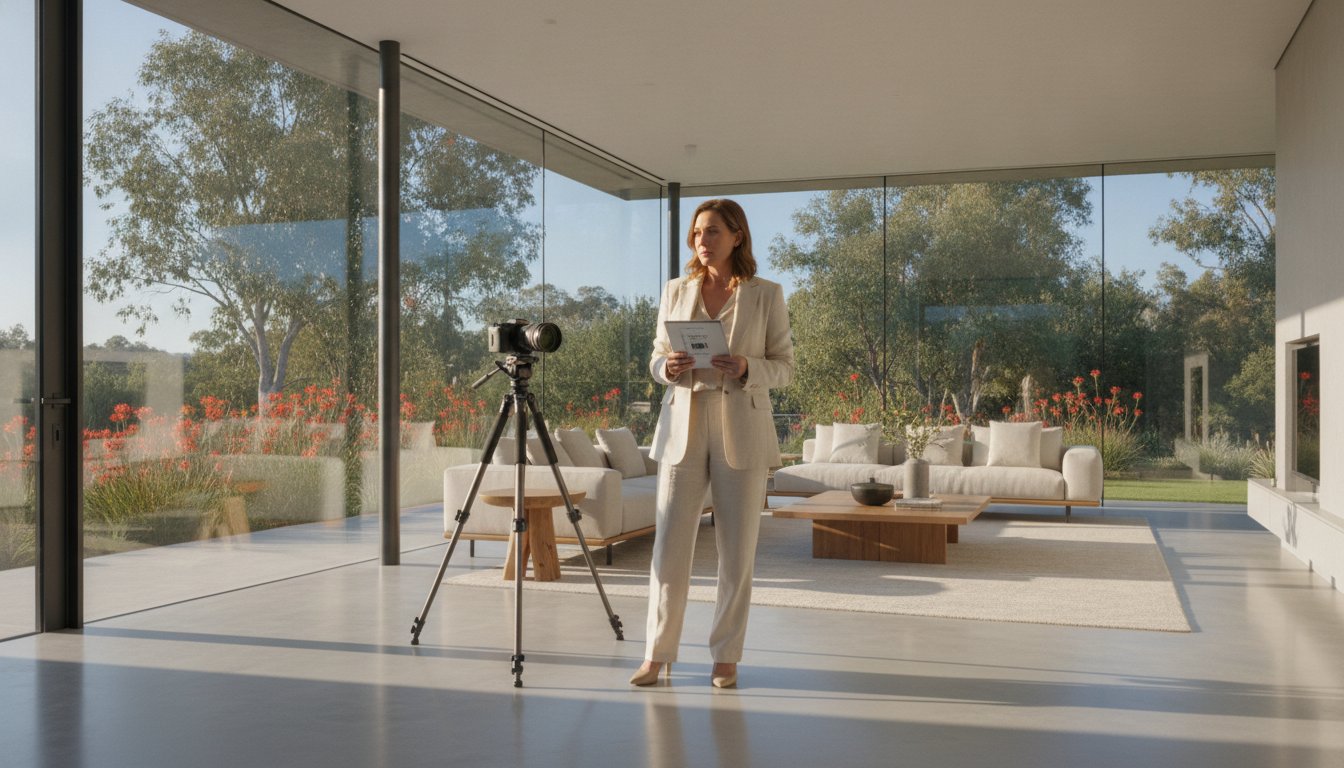
"What is your exact delivery window from the end of the shoot?" This should be your first hurdle. Professional firms utilise standardised editing workflows to ensure both consistency and speed across every project. While Adobe's guide to real estate photography details the technical complexity of post-processing, a tech-integrated provider automates the heavy lifting to meet tight deadlines without sacrificing quality.
Delays in receiving your Day Photography or floorplans directly postpone your "live" date on major portals, stalling your campaign before it even begins. This creates an unnecessary bottleneck for your admin team and can lead to friction with clients. Seek out a partner who provides automated notifications and a centralised delivery platform. This ensures that assets are ready for download the moment they pass quality control, removing the need for constant follow-up emails or manual tracking.
"How do I book a shoot and what is your availability?" The answer to this question reveals whether you're dealing with a solo freelancer or a professional infrastructure. If the booking process involves phone tag or waiting for a text message response, the service model is fundamentally flawed for a busy agency. Modern real estate professionals require an online booking portal that offers immediate visibility into available time slots. This is especially critical during the high-pressure spring selling season when lead times for independent contractors often blow out.
Scalability is equally vital for growing agencies. You need a partner capable of handling high-volume requirements across various regions without compromising on the final output. Whether you're listing a city apartment or a sprawling regional estate, the logistical process should remain identical. Selecting a real estate photographer with national coverage helps you avoid travel surcharge surprises and ensures a uniform aesthetic for your entire brand. To experience this level of logistical efficiency, it's worth registering for a professional account to manage your upcoming listing portfolio.
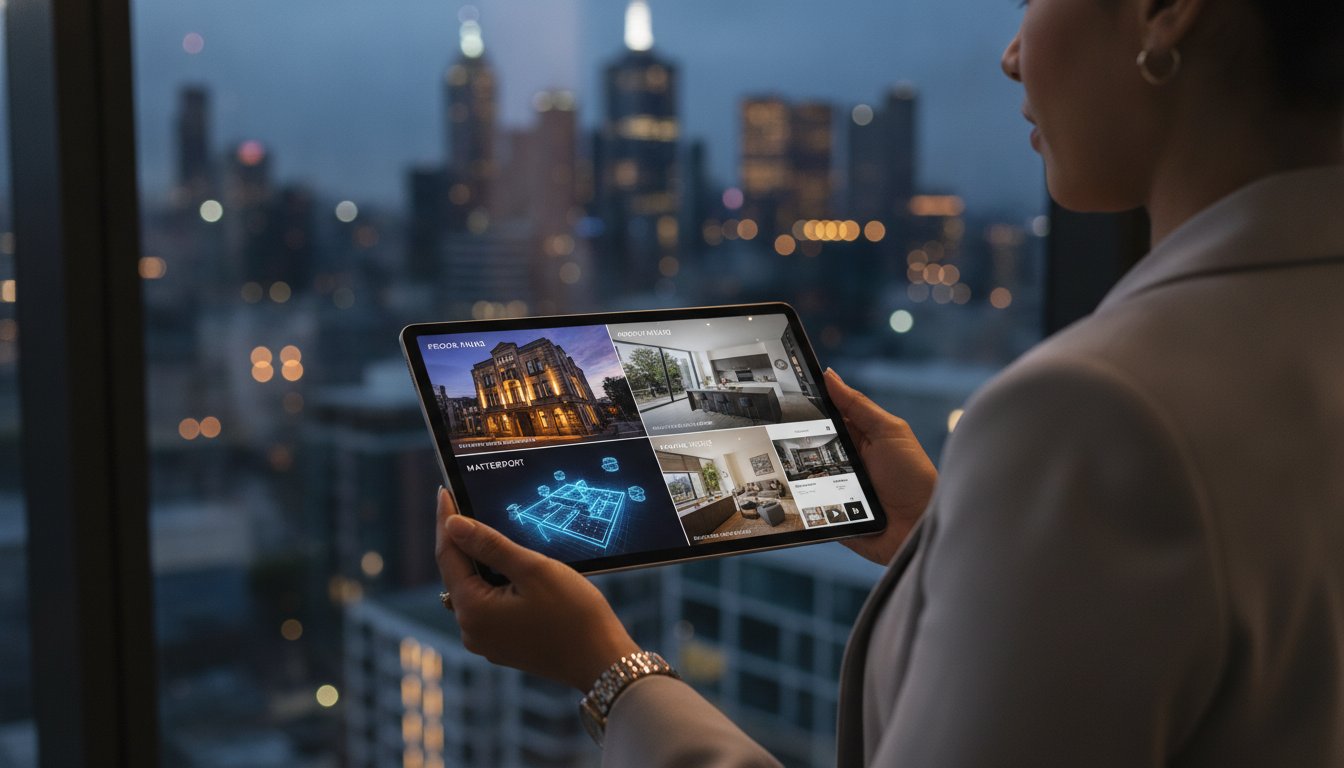
Professional gear in 2026 is no longer defined by the brand of camera in a bag. It is defined by the technical stack used to capture a property's digital twin. When considering your questions to ask a property photographer, you must shift your focus from basic lenses to the tech-integrated modules that drive listing engagement. A modern marketing partner should offer a suite of modular products, including Matterport 3D Tours, Social Media Reels, and laser-accurate Site Plans, all delivered through a single, streamlined workflow.
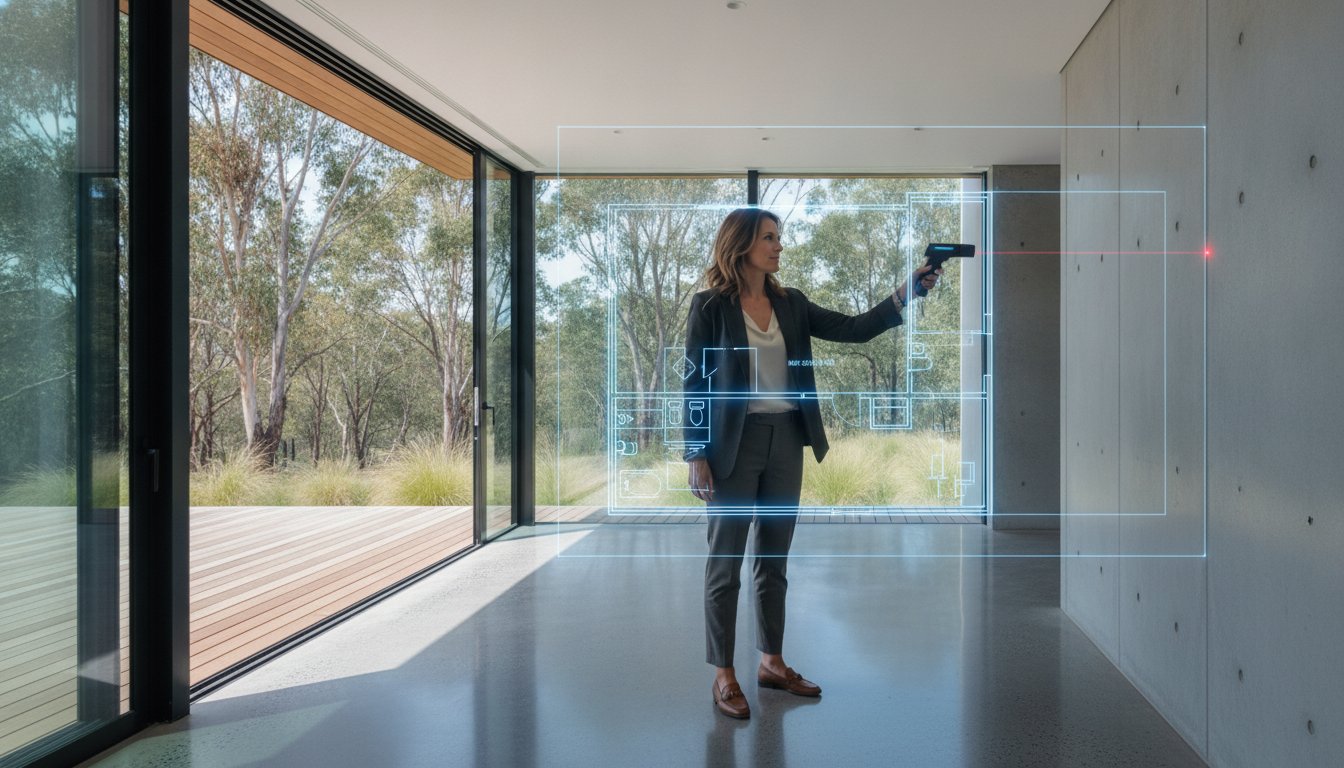
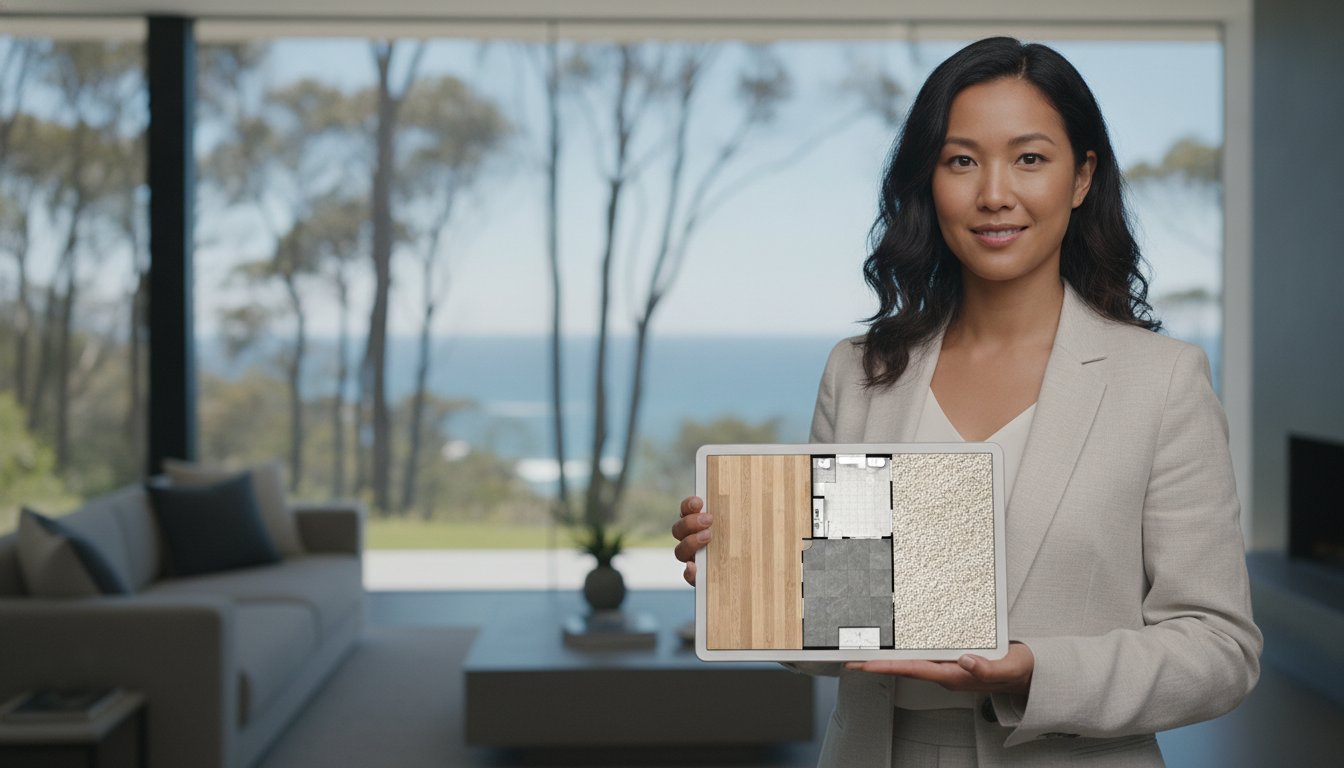
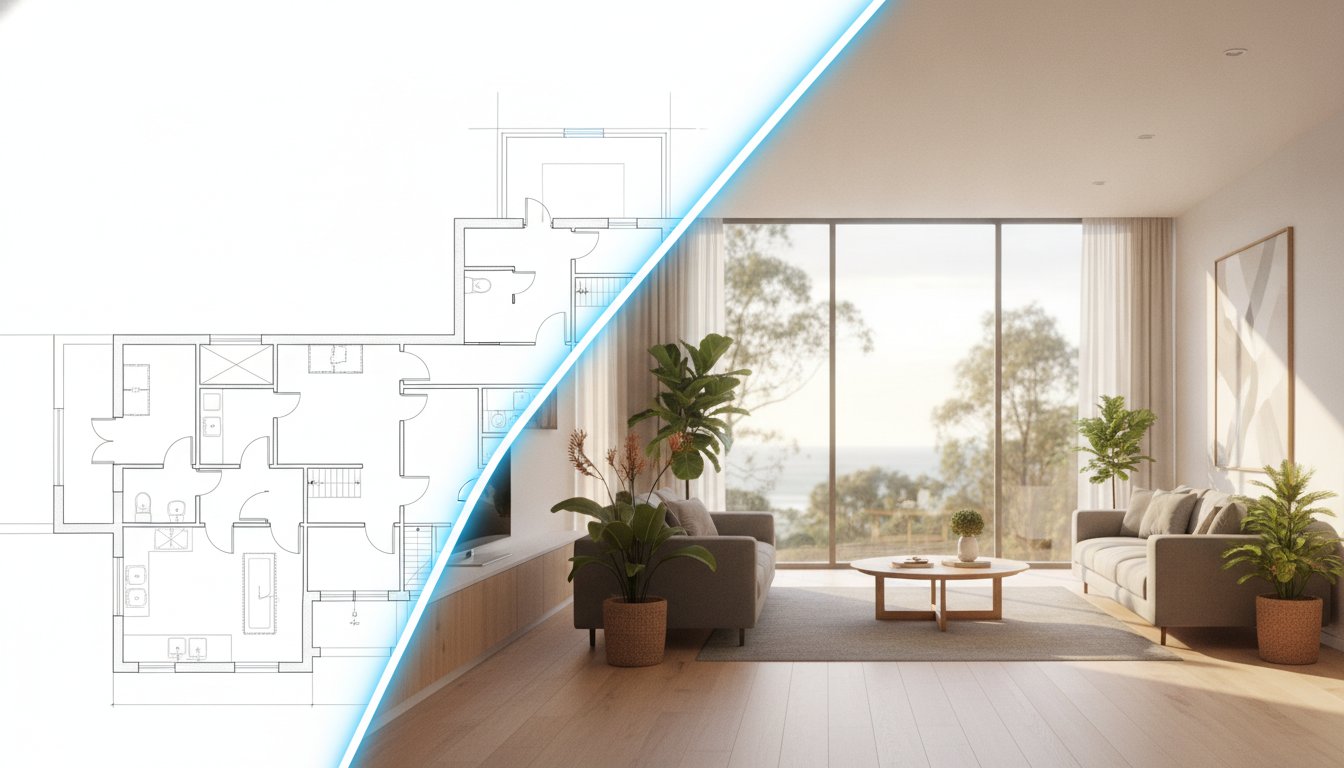
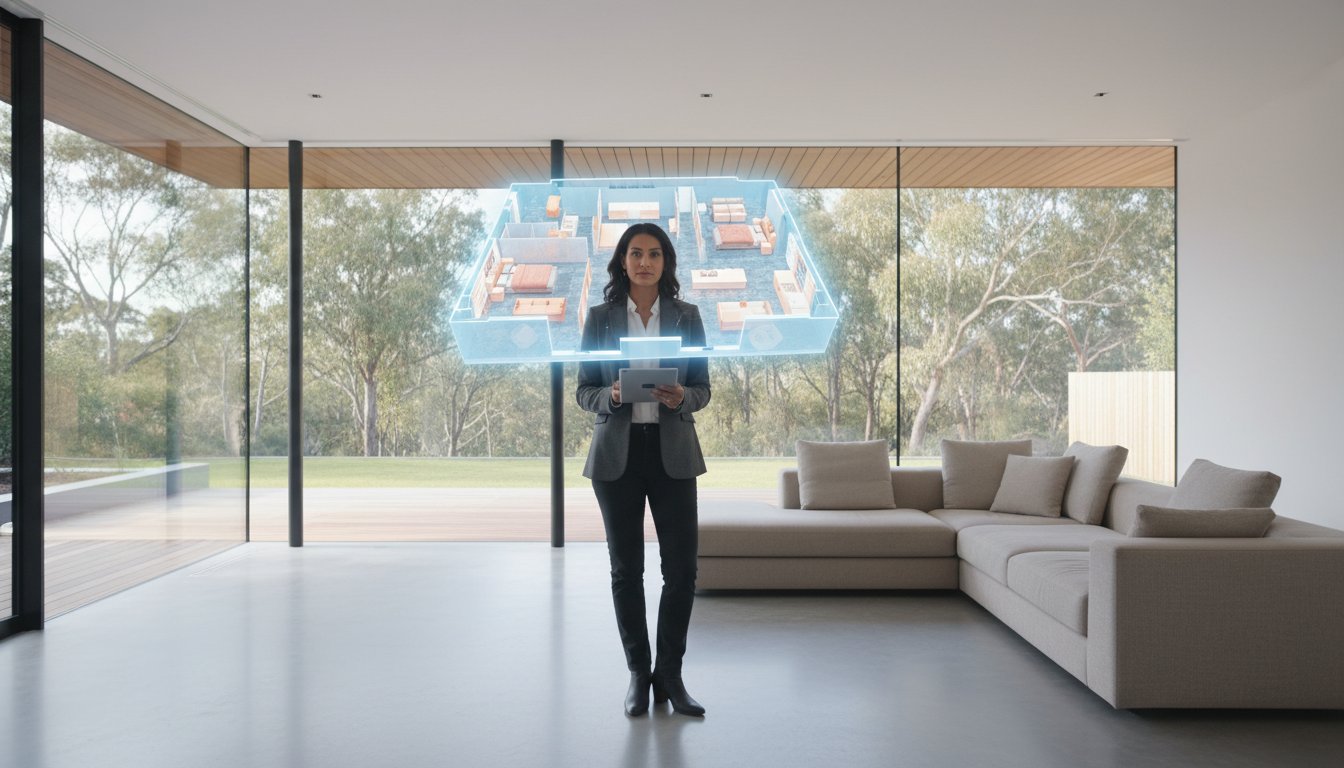
Precision is paramount. High-performing agencies now demand textured floorplans that are laser-measured on-site to ensure absolute accuracy. This level of technical confidence prevents future disputes and provides buyers with the data-rich experience they expect. If a photographer is still relying on hand-drawn sketches or approximate measurements, they are a liability to your brand. You need a specialist who treats visual media as a technical deliverable rather than an artistic hobby.
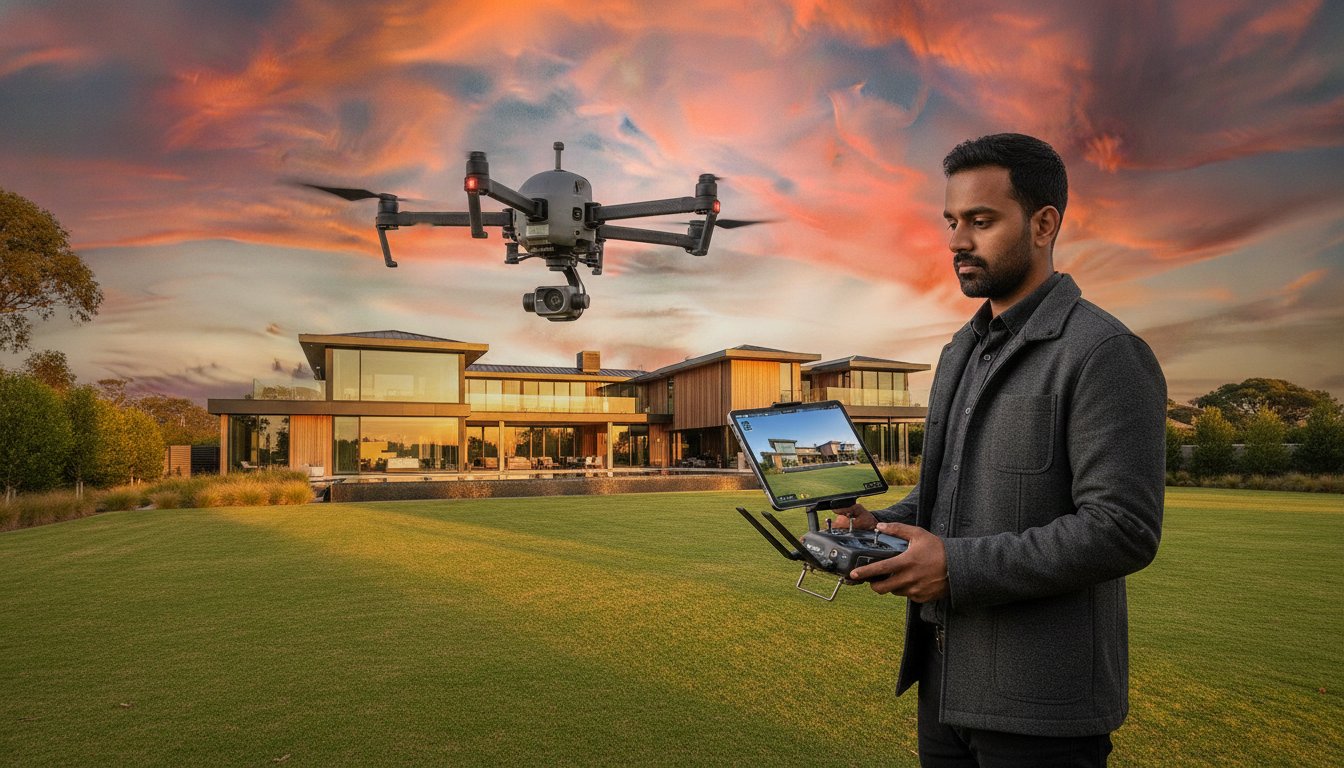
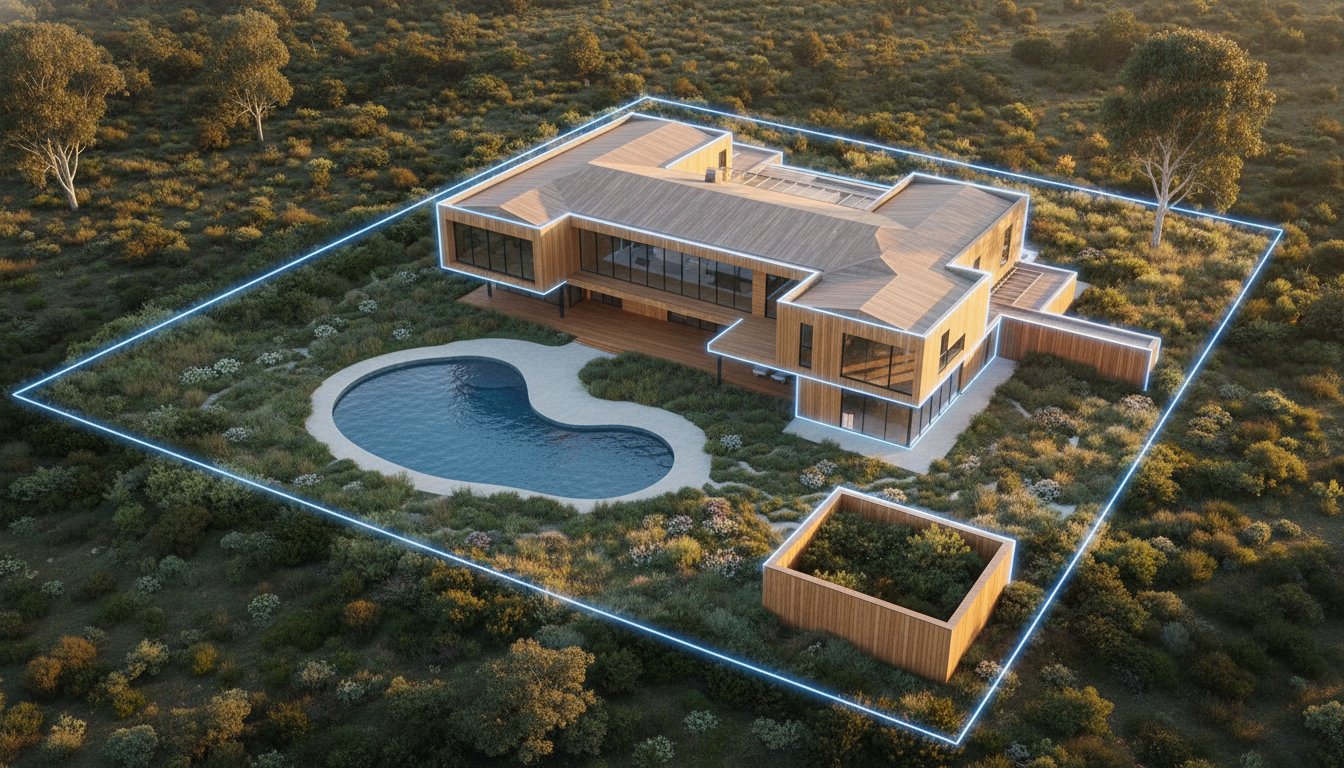
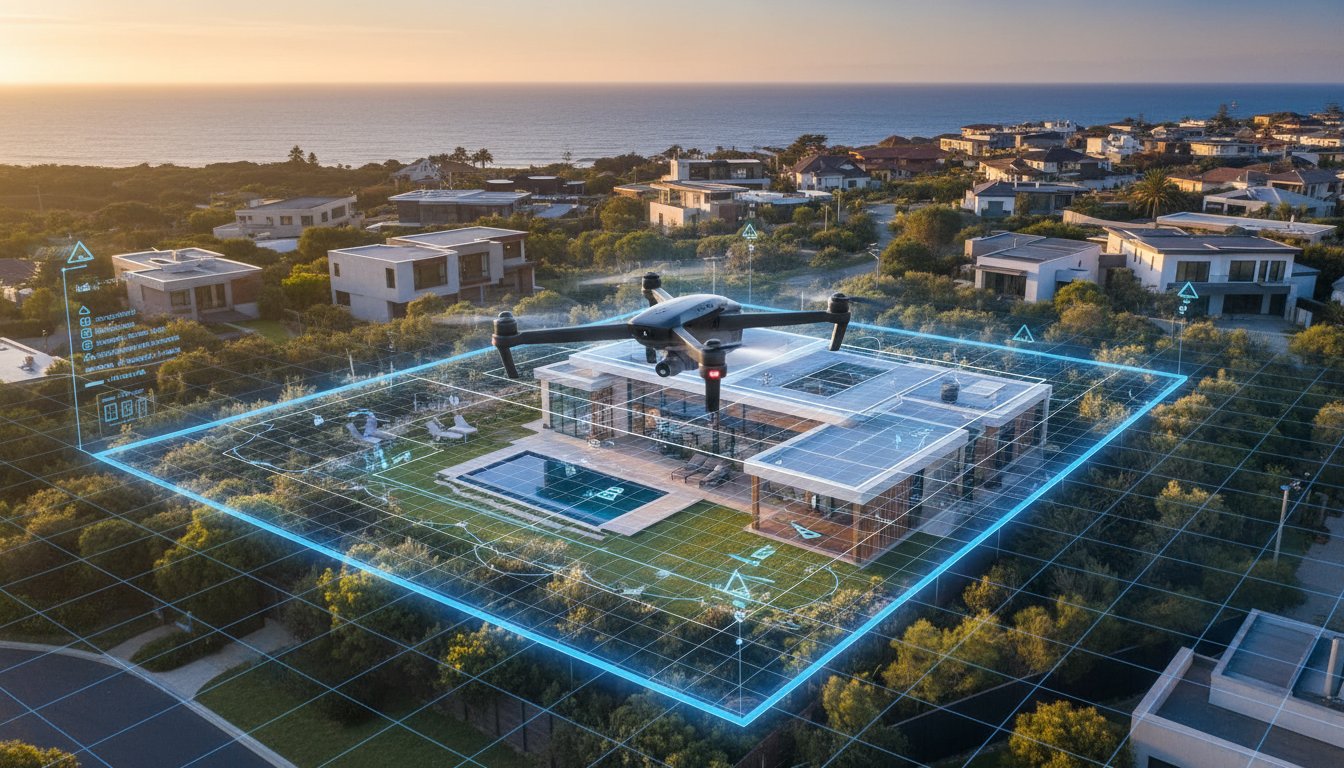
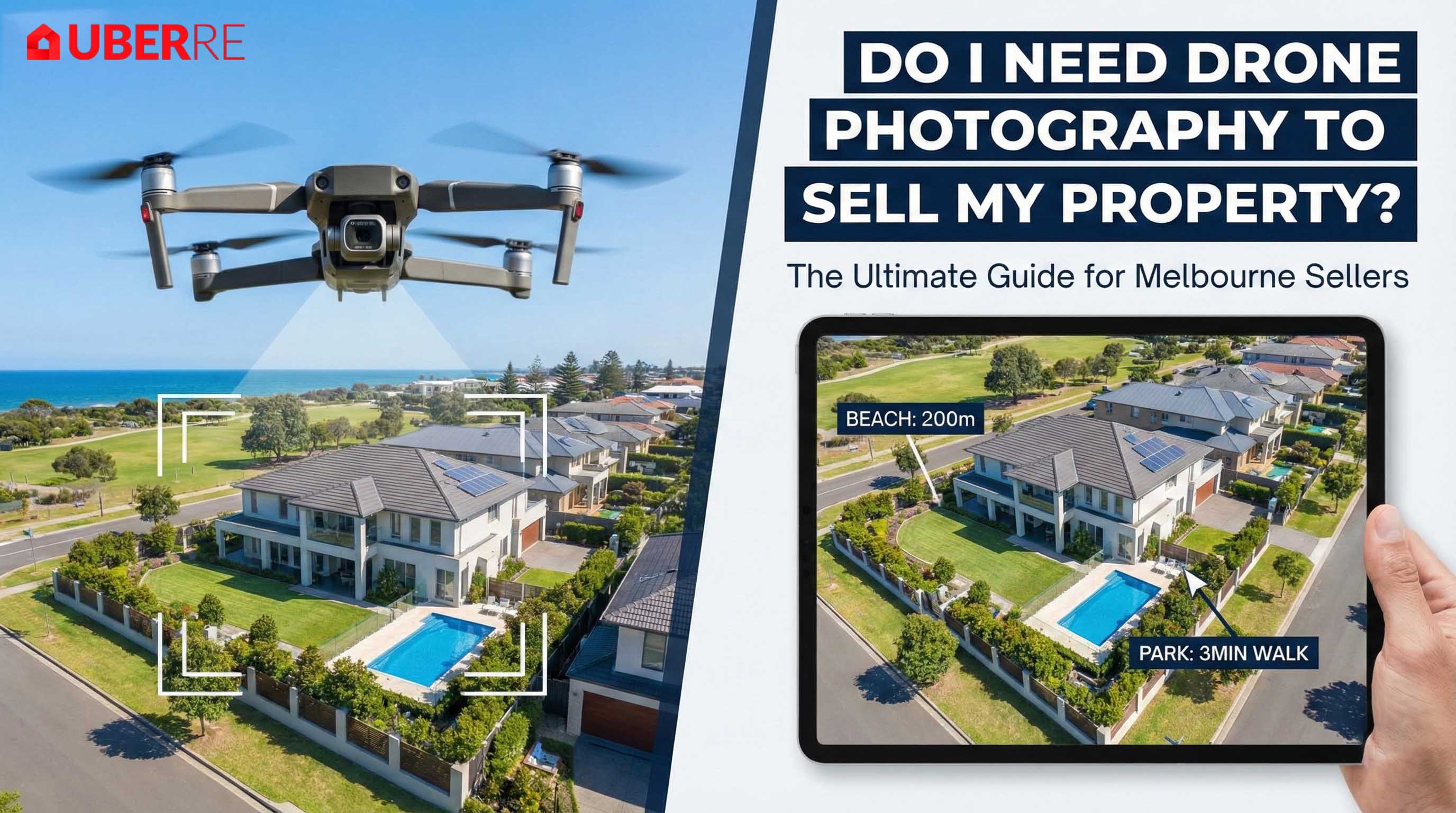
"Are you a fully licensed drone operator for commercial work?" This is a non-negotiable safety and legal hurdle. In Australia, commercial drone use requires strict CASA licensing compliance. Hiring an unlicensed hobbyist exposes your agency to significant fines and insurance risks. Beyond the legalities, you must evaluate how they use aerial drone photography for real estate to provide geographical context. It is about showing the proximity to local schools, parks, and transport hubs, not just taking a high-altitude photo.
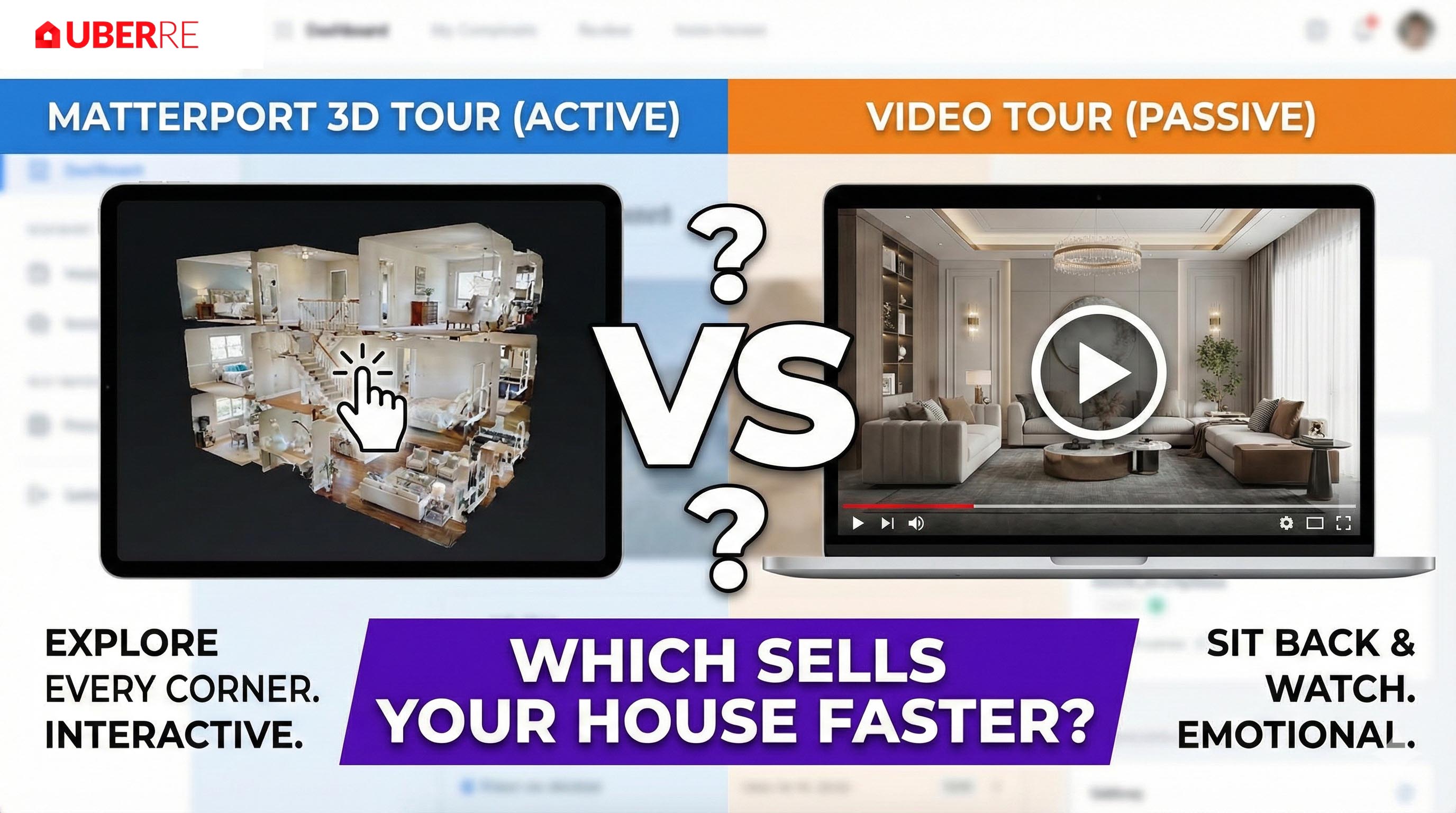
Immersive tech has also moved from an optional extra to a core competency. You should be assessing their ability to create Matterport 3D virtual tours that allow buyers to navigate a property remotely. This technology serves as a 24/7 open house, filtering for serious enquiries and reducing the time spent on unqualified inspections. Ensure your partner treats these 3D assets as a standard part of their technical infrastructure.
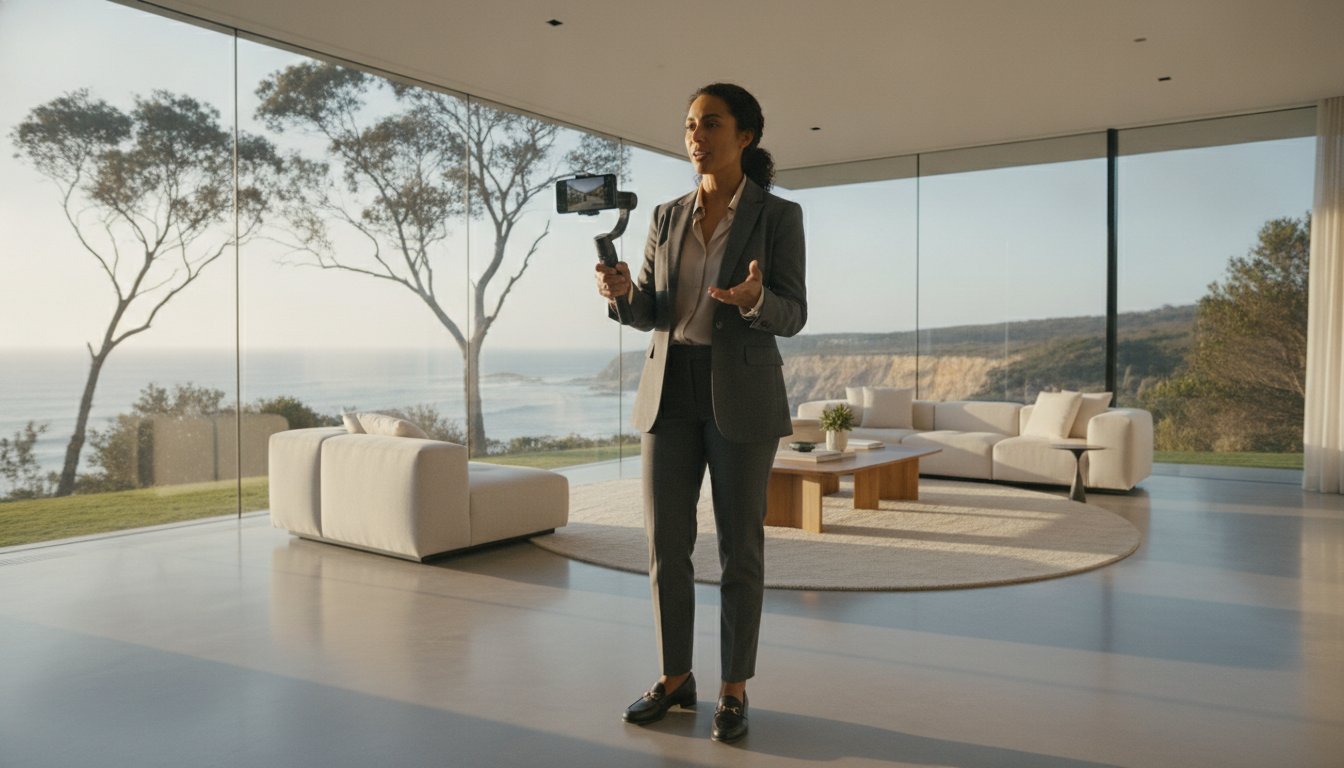
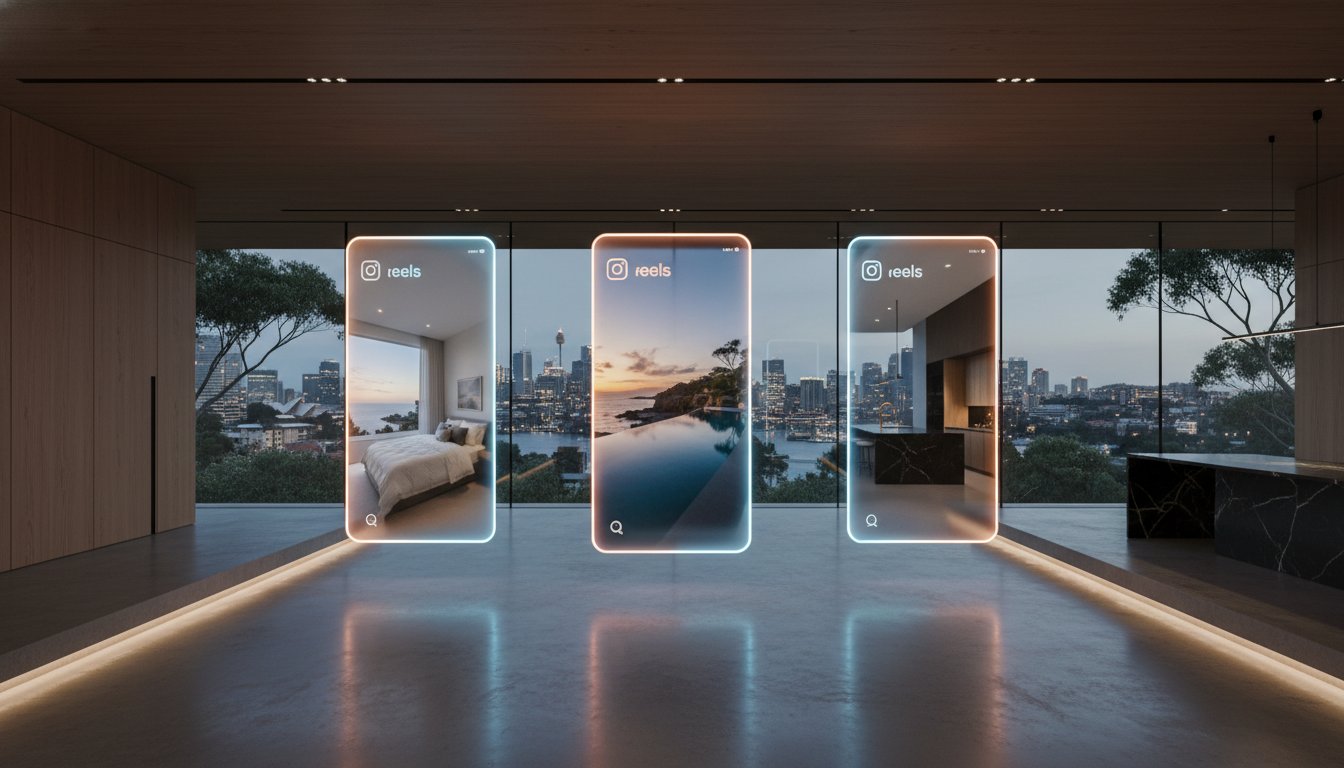
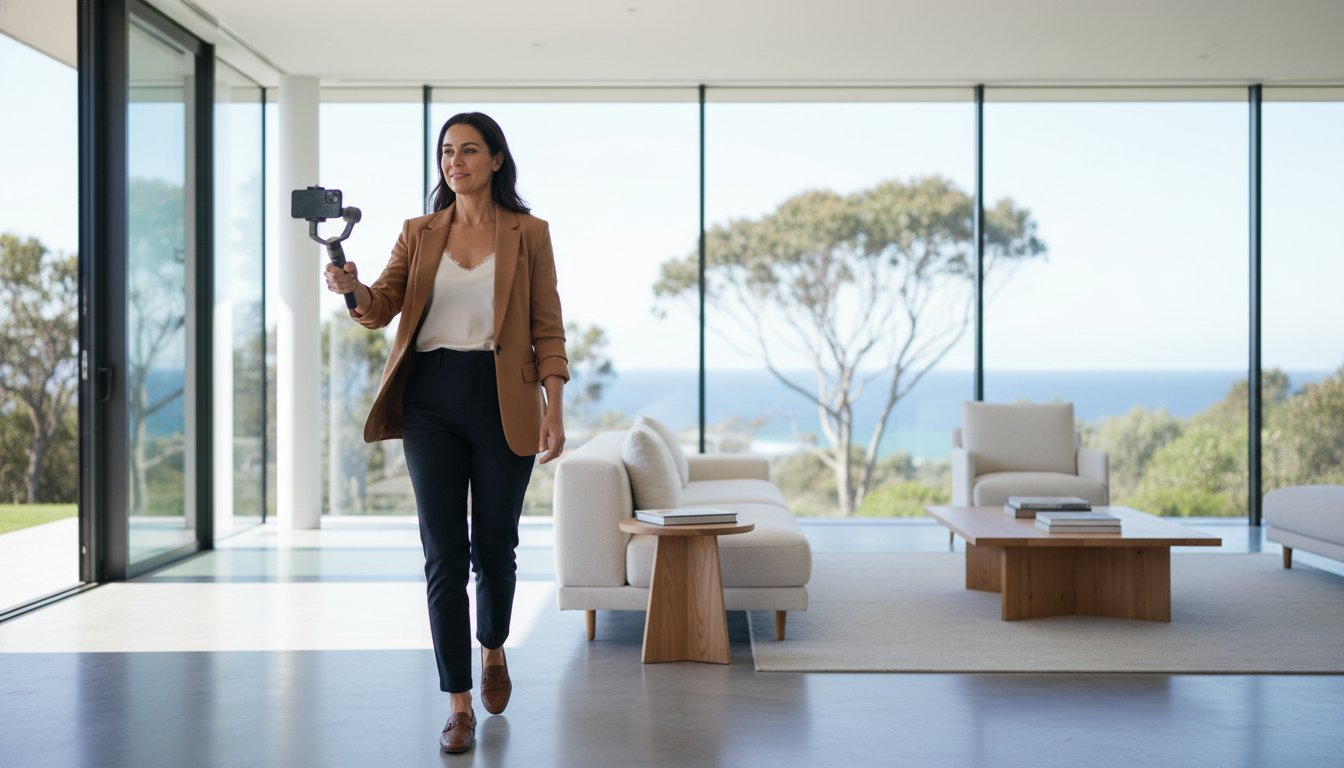
"Do you provide social media reels formatted for mobile viewing?" This question identifies whether a photographer understands the modern buyer's habits. A standard landscape video tour is no longer enough for a mobile-first audience. You need 30-second, punchy reels specifically designed for Instagram and TikTok. These assets require different framing, faster pacing, and vertical orientation from the moment of capture.
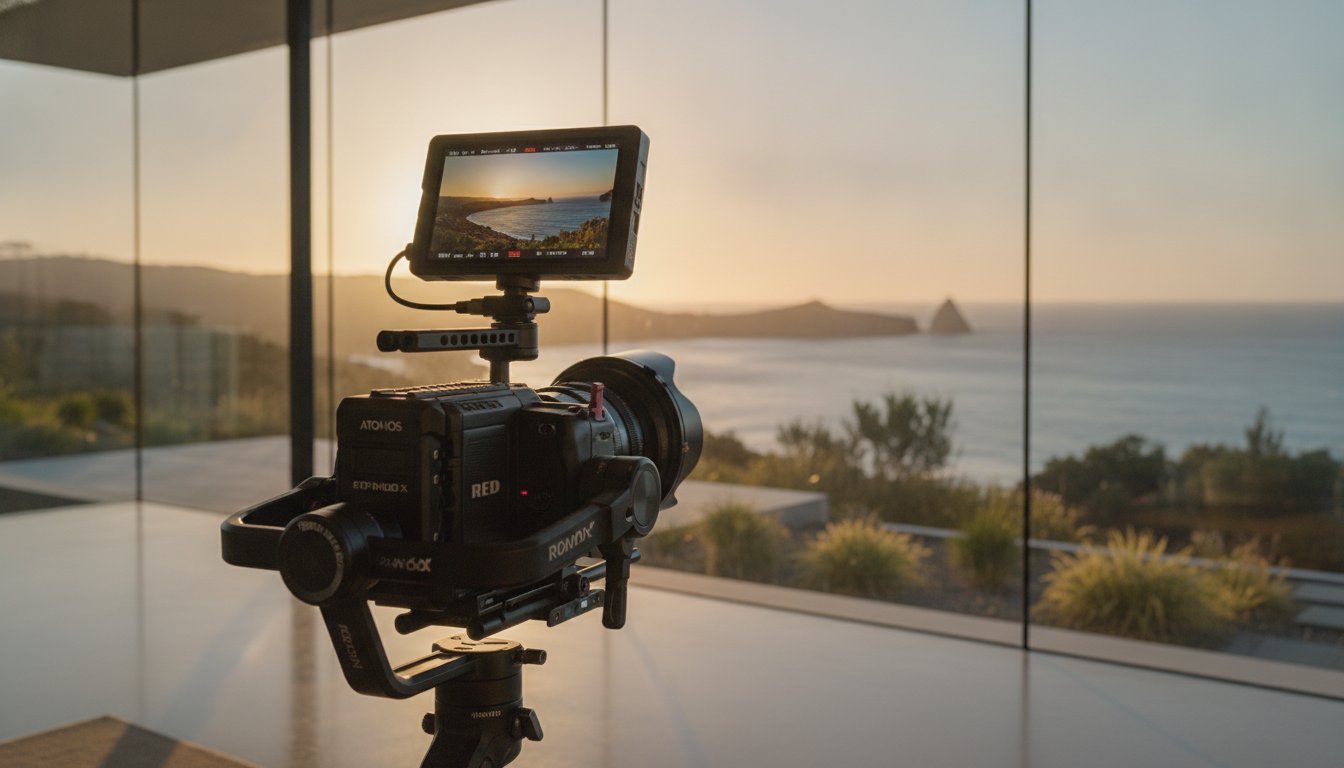
Your marketing partner must demonstrate a deep expertise in video marketing for real estate agents to ensure your content performs well across all algorithms. This includes the ability to deliver high-impact Aerial Video and cinematic walkthroughs that maintain attention. If they cannot provide social-ready formats, you're left with the administrative burden of editing the footage yourself, which defeats the purpose of hiring a professional marketing service.

Professional risk management is often the invisible divider between a hobbyist and a dedicated marketing partner. While the visual output is what buyers see, the commercial framework is what protects your agency and your vendors from legal or logistical friction. One of the most critical questions to ask a property photographer involves their insurance and licensing structure. You must ensure that your visual assets are backed by professional accountability rather than just a handshake deal.
"Who owns the copyright to the images after the invoice is paid?" This question is essential because, under Australian law, the creator typically retains copyright unless a written agreement states otherwise. You need a clear terms of service that grants your agency broad usage rights across print, digital, and social media platforms for the life of the campaign. Without this clarity, you risk future disputes over image reuse or third-party licensing fees.
Equally vital is vetting for Public Liability insurance. Bringing an uninsured contractor onto a vendor's private property is a significant liability for any agency. A professional real estate photographer should provide proof of coverage as a standard part of their onboarding process. This protects everyone involved in the event of accidental property damage or personal injury during a shoot, ensuring that a simple marketing task doesn't escalate into a costly legal issue.
"What happens if my assigned photographer is sick on the day?" For a solo freelancer, the answer is often a last-minute cancellation that derails your entire marketing timeline. This is where the advantage of a national firm becomes clear. By utilising a service with a deep bench of professional talent, you gain a built-in contingency plan. If one specialist is unavailable, another is deployed to ensure your shoot proceeds as scheduled. This reliability is the go-to infrastructure required for high-volume agencies that cannot afford a single day of downtime.
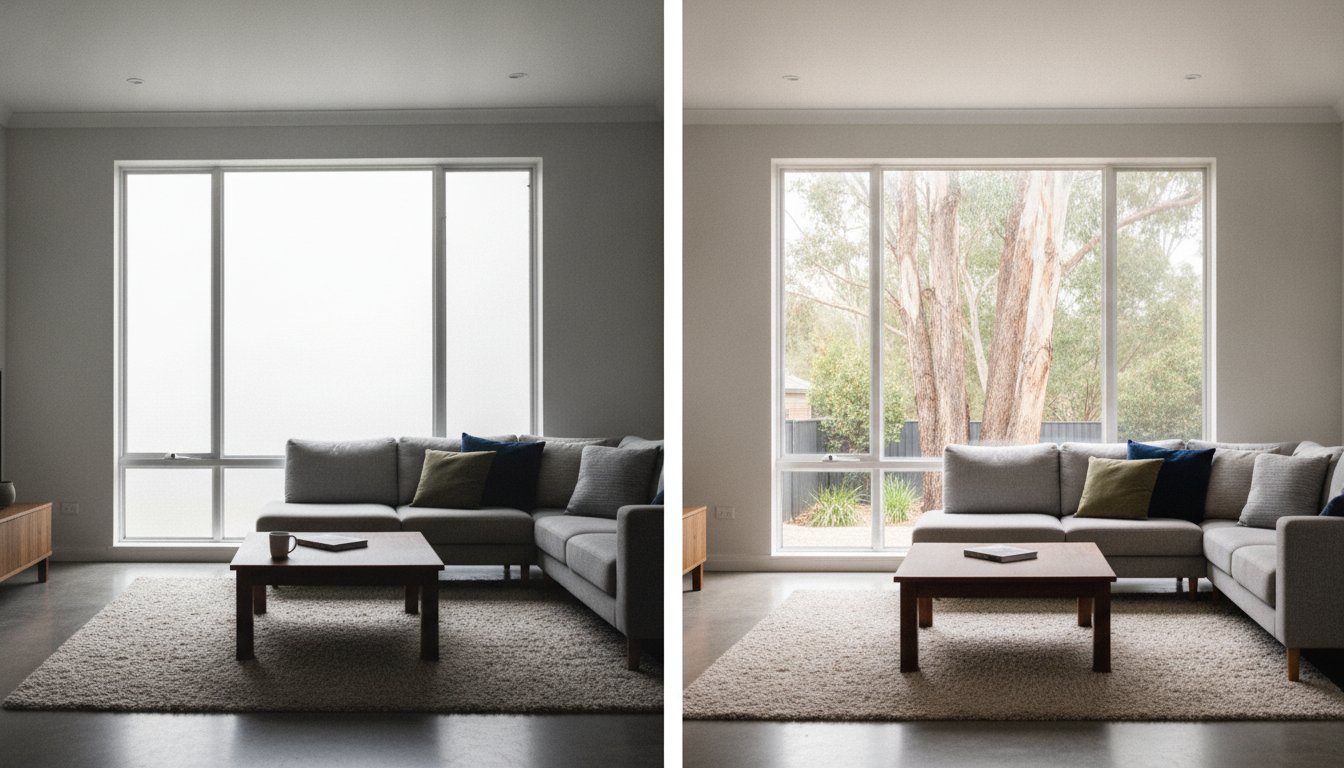
Unpredictable "Melbourne-style" weather also requires a sophisticated rescheduling policy. You need to know exactly how your partner handles rain or overcast conditions before the situation arises. A tech-forward firm will offer standardised editing styles, such as sky replacements, to maintain brand consistency even when the weather doesn't cooperate. This ensures that every listing across your office maintains the same premium aesthetic, regardless of the individual photographer or the conditions on the day. To secure this level of service reliability for your next campaign, you can register for a professional account and access our streamlined booking system.
Standardised pricing is the final piece of the reliability puzzle. Moving away from "quote-on-request" models removes administrative friction and allows your team to provide immediate, accurate marketing costs to vendors. When services are presented as distinct, modular products, you can build a marketing package in seconds, knowing the price and the delivery window are locked in. This transparency builds trust with your clients and allows your admin team to focus on selling properties rather than chasing invoices.
The move toward "Marketing-as-a-Service" is the defining trend for high-performing Australian agencies in 2026. Relying on a fragmented network of individual freelancers creates a logistical bottleneck that slows your time-to-market and dilutes your brand. When you review your final list of questions to ask a property photographer, the most telling answer involves their ability to scale. A national firm provides a single point of contact for Day Photography, textured floorplans, and Professional Copywriting, ensuring your campaign is ready for launch within a guaranteed 24-hour window.
Managing multiple contractors for a single listing is an administrative drain. By consolidating your visual and written assets into one workflow, you remove the friction of chasing different delivery dates and varying invoice formats. This integrated approach allows your team to focus on vendor relationships rather than coordinating logistics. Before you book your next shoot, ensure your partner meets these five non-negotiable traits of a 2026 property marketer:
for all standard visual assets.
with verified public liability coverage.
that provides immediate availability.
including social-ready vertical reels.
to ensure office-wide brand consistency.
Every real estate photographer within a professional firm operates as part of a larger technical ecosystem. This structure is specifically designed to eliminate "style drift," which is the inconsistent editing quality that occurs when an agency uses various freelancers with different post-production habits. Whether you're listing a high-end coastal estate or a suburban unit, the visual narrative must remain uniform. This consistency reinforces your agency’s reputation for excellence on every portal. Consolidated monthly invoicing further streamlines your operations, allowing your accounts team to manage marketing spend with a single, transparent provider.
Transitioning from a legacy photographer to a modern marketing partner is a strategic move that directly improves your "Days on Market" metrics. By removing the delays associated with fragmented contractors, you gain immediate marketing momentum the moment a property is ready for the lens. This professional efficiency allows you to present a more sophisticated image to prospective vendors, helping you win more listings through proven reliability and faster results.
Stop managing individual contractors and start deploying a tech-integrated marketing infrastructure. Book your first shoot with the UberRE platform today to experience the 24-hour standard that keeps your listings ahead of the competition.
The transition toward a digital-first property market requires more than just high-resolution stills. Success in 2026 relies on a 24-hour delivery guarantee and a tech-integrated approach that captures every facet of a listing. By utilising the right questions to ask a property photographer, you ensure your agency is protected by CASA licensed drone operators and professional public liability. You move from managing fragmented freelancers to utilising a dependable infrastructure with national Australian coverage.
A streamlined workflow isn't just a convenience; it's a commercial necessity that directly impacts your days on market metrics. When you partner with an expert specialist, you gain the technical confidence to promise your vendors a premium result every time. High-quality, standardised output is the new benchmark for effective property marketing across realestate.com.au and Domain.
Elevate your next listing with UberRE’s 24-hour visual marketing suite. Take control of your visual assets and start delivering the high-impact results your clients expect.
Professional property photographers typically offer floorplans as a modular add-on rather than a default inclusion. High-performing agencies prefer a single source for both visuals and textured floorplans to ensure technical consistency across the listing. When reviewing your questions to ask a property photographer, confirm if they use laser-measurement tools to guarantee the precision required for modern site plans.
The industry gold standard for professional real estate photography in Australia is a 24-hour turnaround. Specialist firms utilise standardised editing workflows to deliver high-quality assets by the next business day. This rapid delivery is essential for maintaining marketing momentum and ensuring your listing goes live on major portals without unnecessary administrative delays.
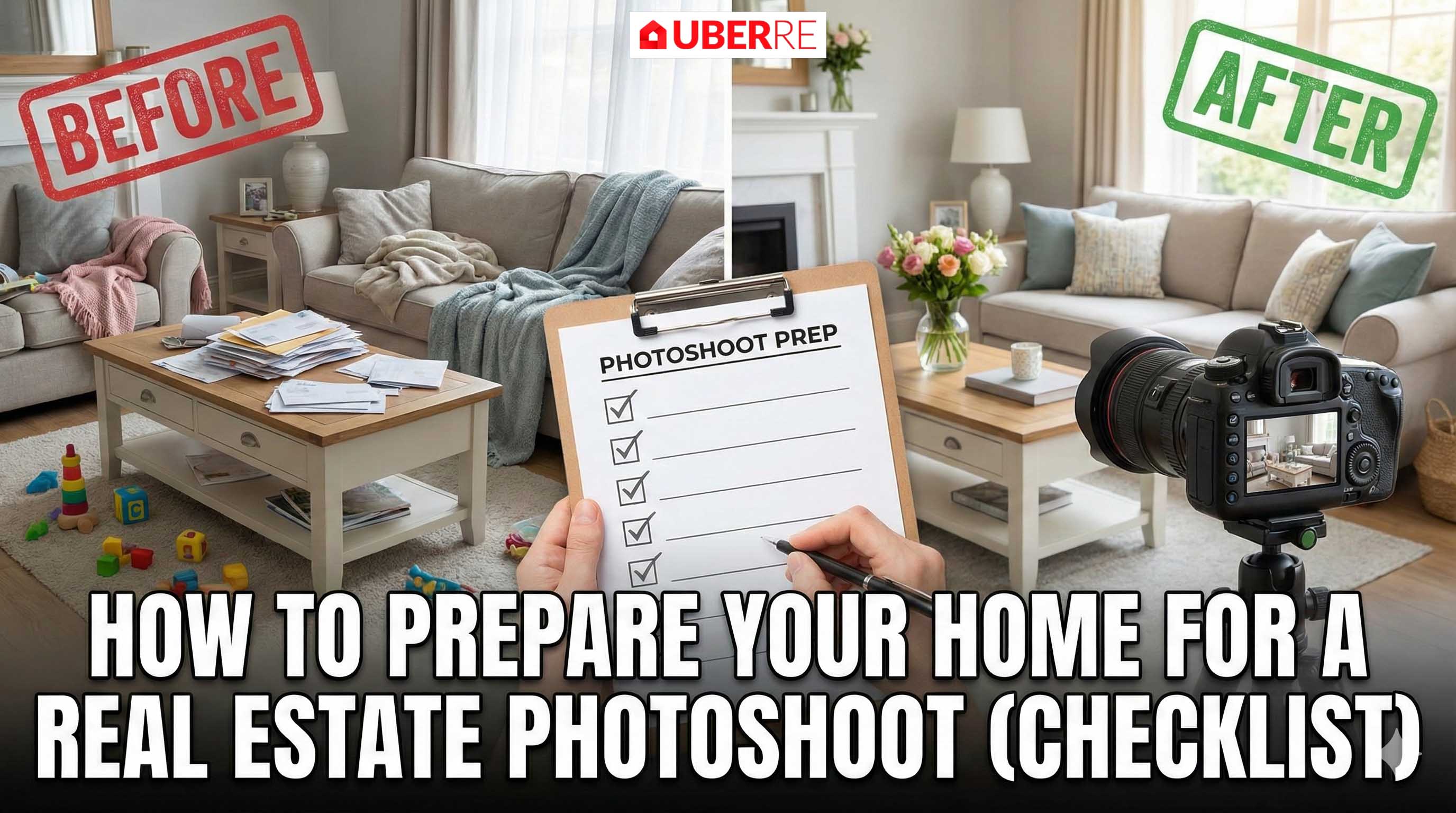
You don't need to be present on-site if you provide clear access instructions and ensure the property is presented in a photo-ready state. Many agents utilise streamlined online booking platforms to note specific hero shots or access details, allowing them to focus on vendor relationships while the specialist handles the technical capture. This creates a more efficient workflow for busy agencies.
Professional photographers use advanced sky replacement technology to ensure your listing looks bright and inviting even in overcast conditions. If the weather is severe enough to impact safety or drone operations, a national firm with a deep bench of talent can quickly reschedule your shoot. This contingency planning prevents campaign bottlenecks while maintaining a premium visual standard for your brand.
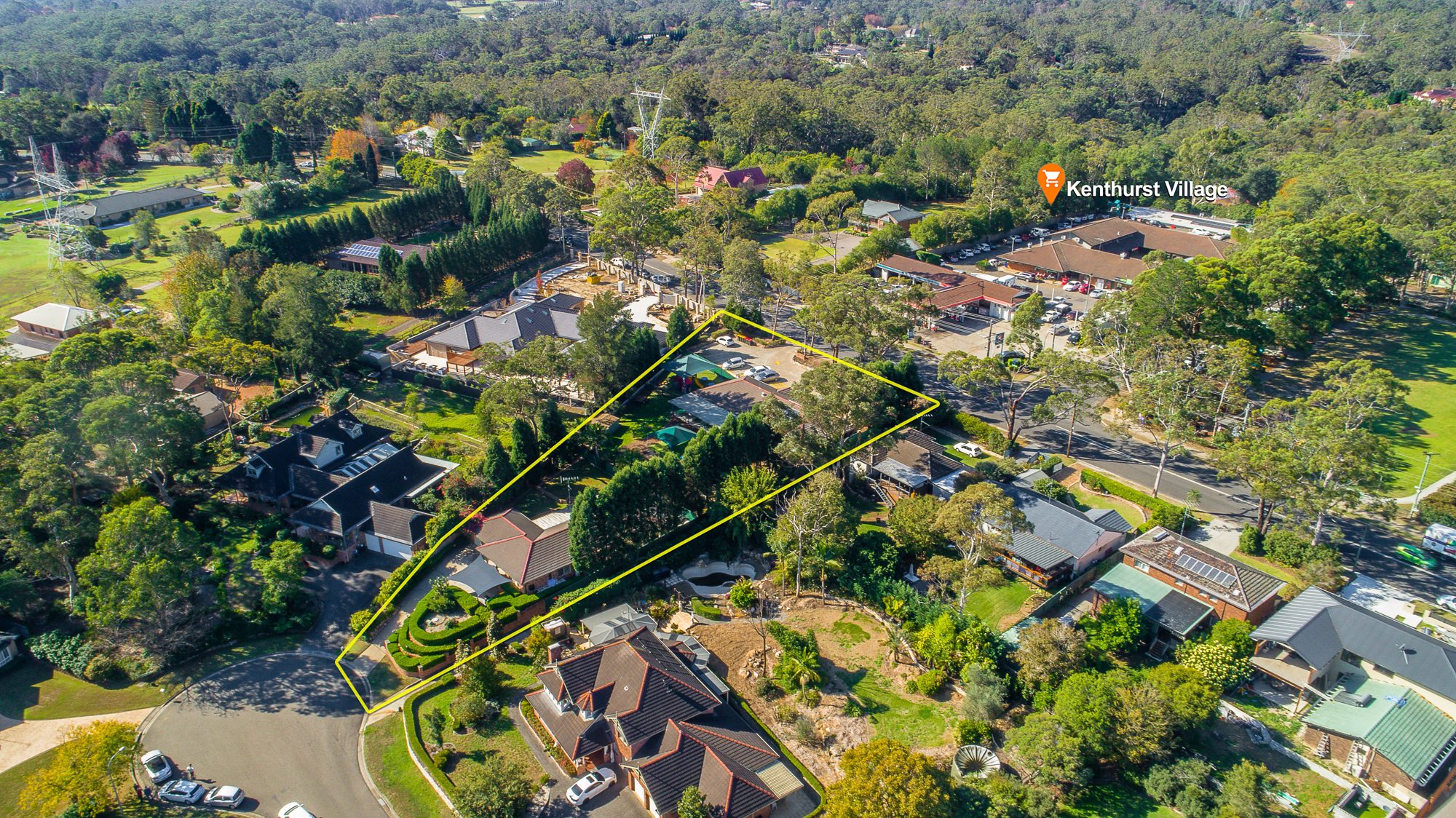
Aerial photography is highly effective for standard listings because it showcases the property's proximity to local schools, parks, and transport hubs. Research shows that listings with drone shots can sell significantly faster by providing geographical context that ground-level photos cannot replicate. It is a vital tool for demonstrating lot size and the property's position within the neighbourhood.
For a standard 3-bedroom home, you should expect a set of 12 to 20 high-impact, edited images. Quality is always more important than quantity; a focused selection of professional shots keeps potential buyers engaged without overwhelming them. This range typically covers all internal living areas, bedrooms, and key external features like outdoor entertaining spaces.
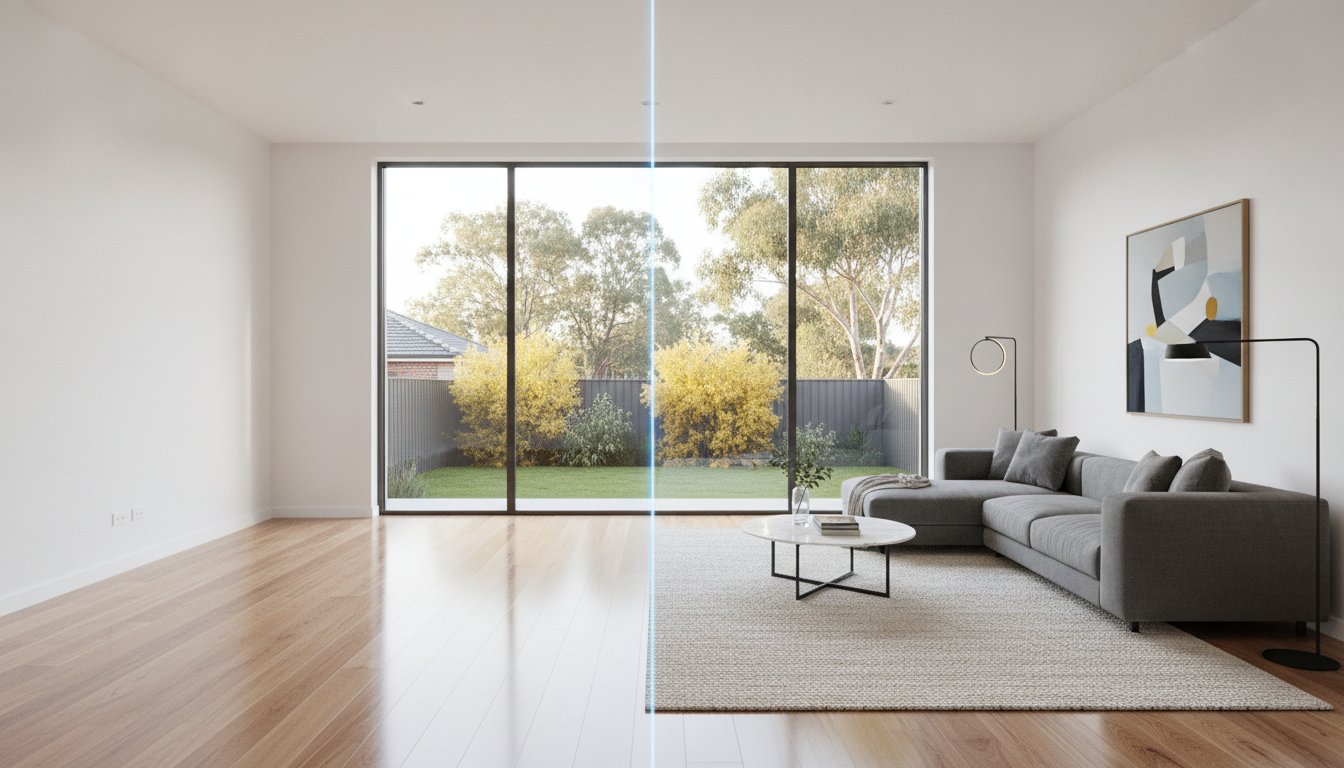
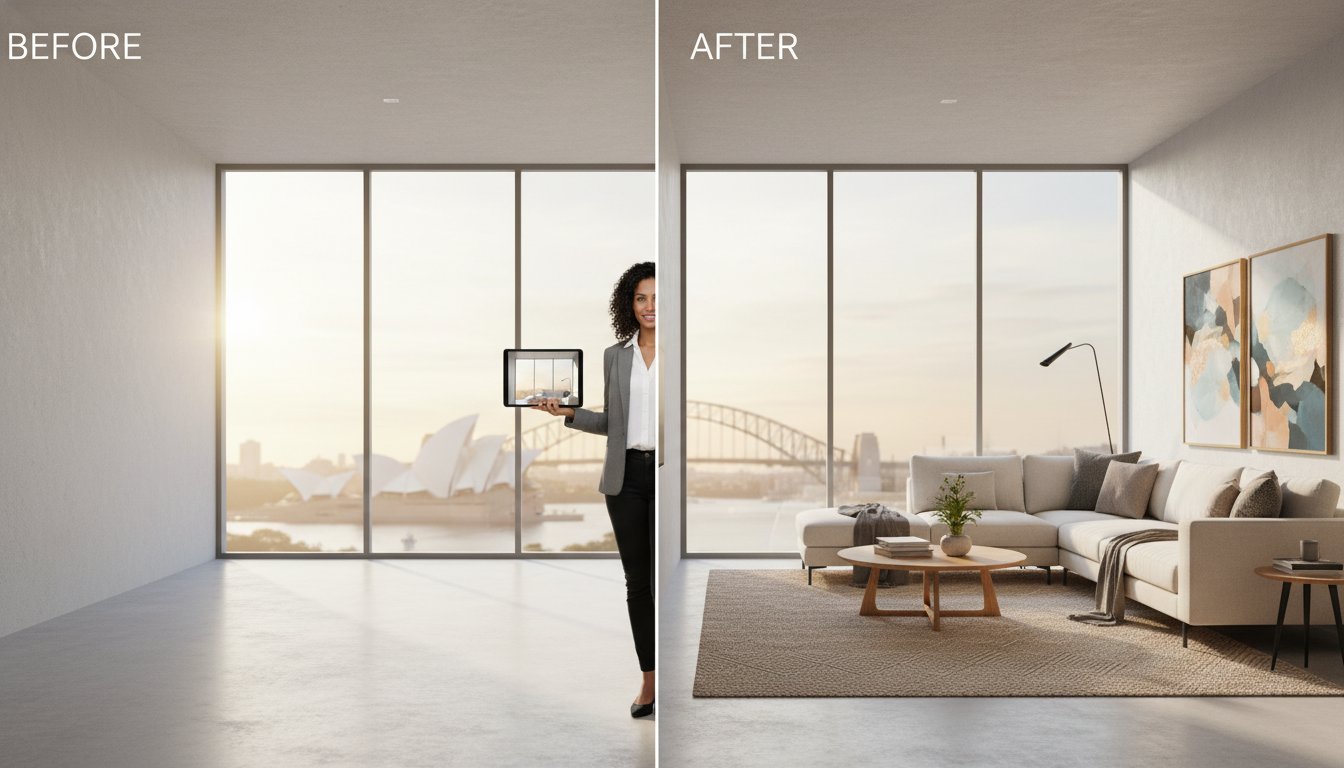
Yes, modern photographers offer virtual furniture as a tech-integrated solution for empty properties. This service is far more cost-effective than physical staging and helps buyers visualise the scale and potential of a space. It's a standard modular product that allows you to present a polished, lived-in feel without the logistical burden of hiring physical furniture.
Under Australian law, the photographer usually retains the copyright unless a specific written agreement states otherwise. Paying the invoice typically grants the agent a license to use the images for the duration of the property's marketing campaign. One of the vital questions to ask a property photographer is to clarify usage rights for social media and future personal marketing before the project begins.
Book with UberRE
8 professional photos ready within 24 hours of the shoot, for print, online and social media. Same price everywhere we work in Australia.
See the service and prices
-2.png)