
A 3D scan isn't a traditional photoshoot; it's a high-precision data capture event where every misplaced object or moving shadow represents a potential technical failure. In the competitive 2026 Australian property market, a botched scan doesn't just look unprofessional, it creates costly delays in your marketing timeline. You've likely experienced the frustration of "ghosting" effects from a pet moving mid-scan or the uncertainty of how large mirrors and glass splashbacks might distort a Matterport Pro3 LiDAR sensor. Learning how to prepare a house for 3d scan is the difference between a seamless digital twin and a wasted site visit.
We understand that your time is a finite resource and vendor management is already a full-time job. This guide provides the technical blueprint to ready any property for a perfect capture, ensuring you receive professional-grade assets within 24 hours. We will outline the essential decluttering protocols, the secret to handling reflective surfaces, and the logistical steps required to freeze a space for a high-precision scan. By following these standardised procedures, you'll impress buyers with an immersive experience while eliminating the need for expensive re-work.
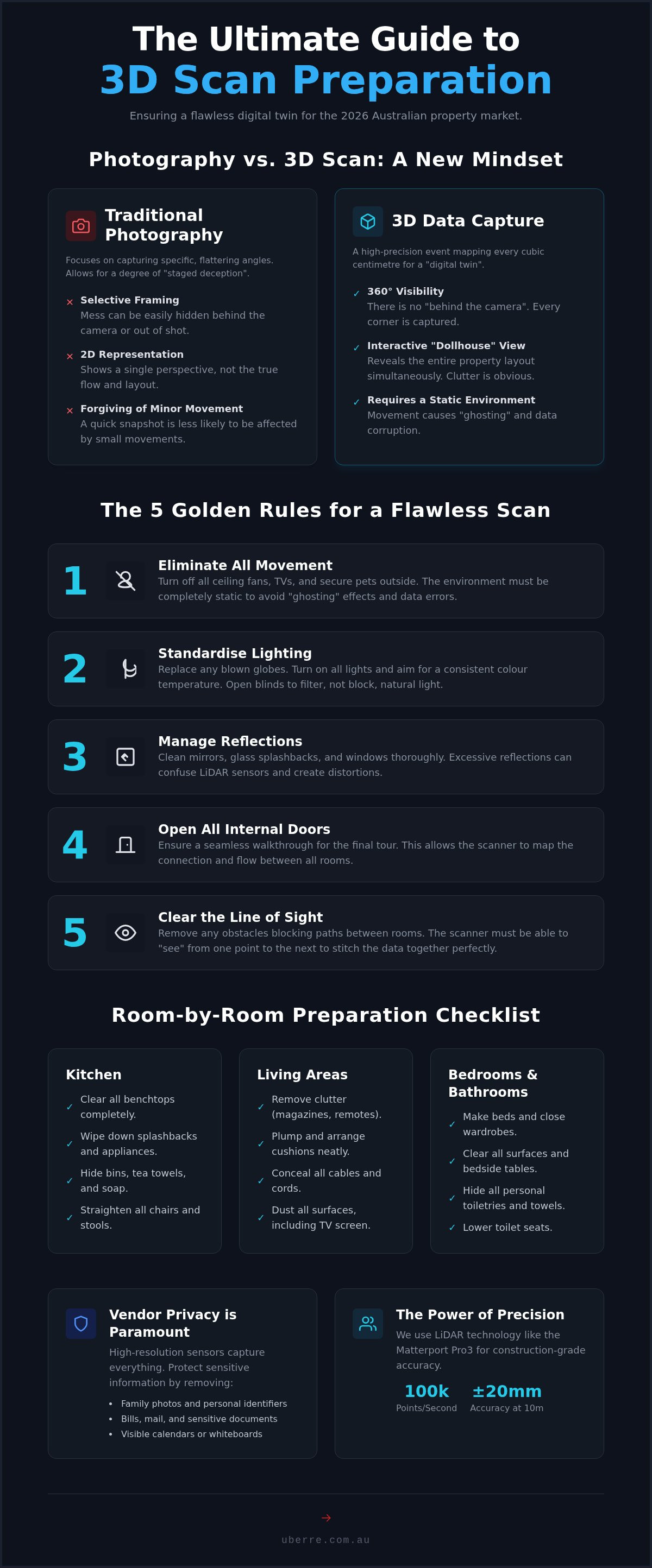
• Understand why 360-degree data capture requires a more rigorous approach than traditional photography, as the "dollhouse" view reveals every angle of the property layout simultaneously.
• Master how to prepare a house for 3d scan by applying the five golden rules, including the total elimination of movement and the standardisation of internal lighting.
• Implement a room-by-room checklist to ensure high-traffic areas like kitchens and living rooms are frozen in a state of professional perfection before the technician arrives.
• Protect vendor privacy and ensure regulatory compliance by removing sensitive documents and personal identifiers that high-resolution LiDAR sensors can easily capture.
• Leverage UberRE’s technical expertise and 24-hour turnaround to transform a well-prepared property into a high-precision digital twin ready for immediate market listing.
Standard photography allows for a degree of staged deception. A photographer can move clutter behind the tripod or shoot around a messy corner to find the perfect angle. A 3D scan is different. It's a comprehensive data capture event that records every cubic centimetre of a home. When you consider how to prepare a house for 3d scan, you must shift your mindset from taking pictures to mapping a total environment. The primary objective is to eliminate visual noise that distracts from the spatial flow of the final model.
Modern 3D scanning relies on LiDAR technology to measure distances with extreme precision. The Matterport Pro3, for instance, captures 100,000 points per second with an accuracy of ±20mm at a 10-metre distance. It isn't just capturing light; it's capturing geometry. This technical rigour is why real estate floor plans generated from these scans are considered construction-grade assets. Any movement during this process causes data corruption. A pet walking through the room or a ceiling fan spinning creates ghosting effects. These glitches break the immersion of What is a Virtual Tour? and can lead to distorted room dimensions in the final digital twin. To ensure a flawless result, the environment must be completely static.
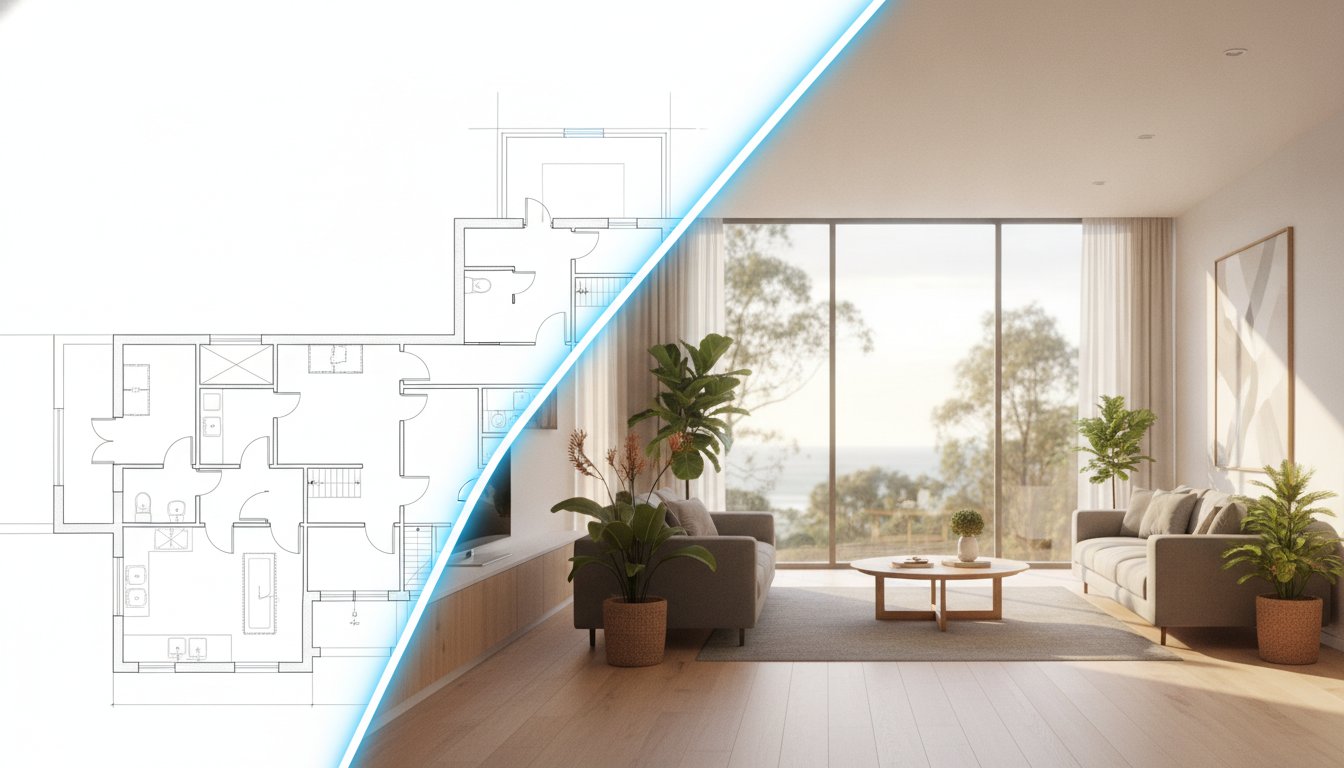
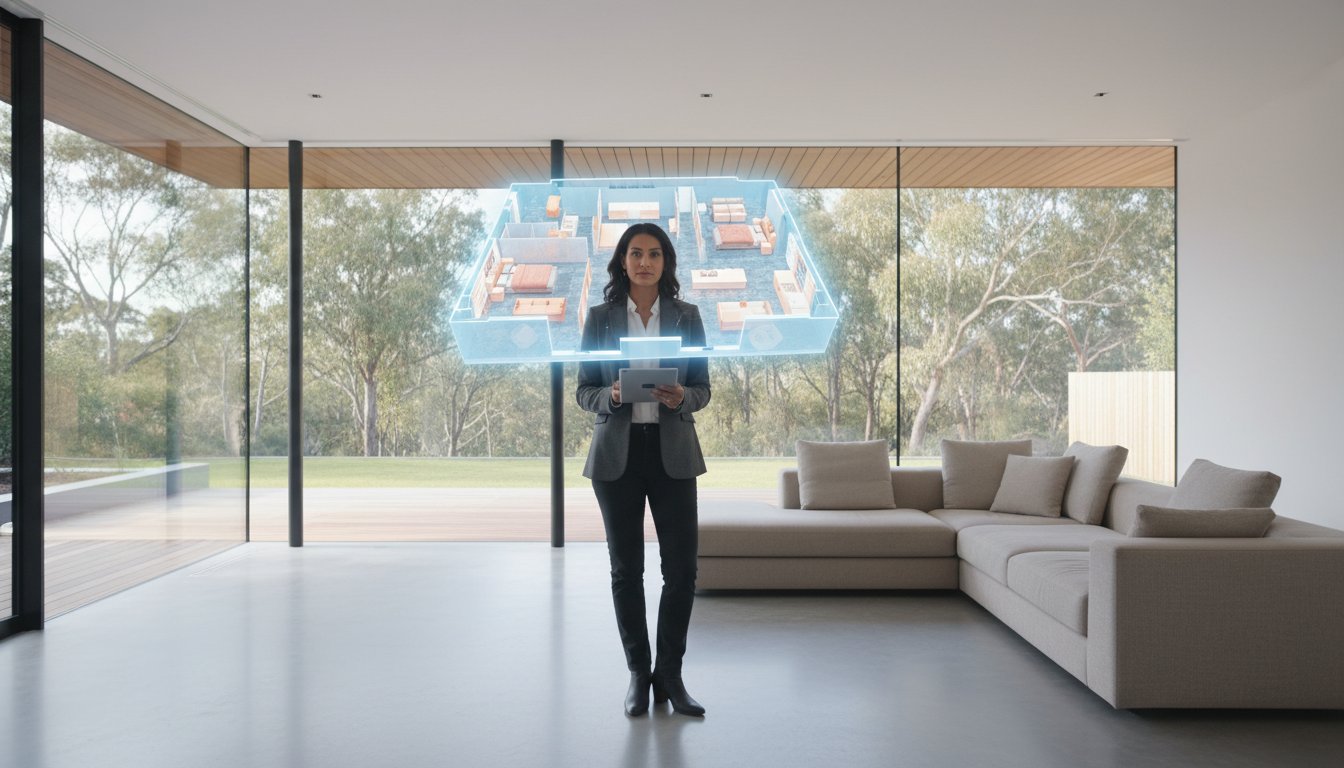
Traditional shoots usually have a safe zone behind the camera lens where bags and equipment can be stashed. In a 3D scan, that zone doesn't exist. The scanner rotates 360 degrees, capturing the ceiling, the floor, and every corner of the room. Common hiding spots like hallways, open cupboards, or the space behind a sofa are fully exposed. This data is used to create the dollhouse view, a unique perspective that allows buyers to see the entire property layout simultaneously. If one room is cluttered, it ruins the transparency of the entire model.
Preparation must be holistic across the entire floor plan. You cannot clean one room at a time while moving mess into the next. Every thoroughfare must be clear for the scanner's path. Any physical obstacle doesn't just look messy; it can block the line of sight required for the camera to stitch different scan points together. If the camera cannot see the next point, the scan fails. Proper preparation ensures the technician can move through the property with modern efficiency, delivering your marketing assets within the 24-hour window.
A 3D virtual tour is only as good as the data collected during the initial capture. Achieving a high-precision digital twin requires more than just a quick tidy. It involves controlling the physical environment to prevent technical glitches and data corruption. When considering how to prepare a house for 3d scan, agents must follow five non-negotiable rules to ensure the final product aligns with industry best practices.
Switch off ceiling fans and secure pets outside the property to prevent ghosting.
Replace any blown globes and ensure a consistent colour temperature across all rooms to avoid jarring transitions.
Clean mirrors and glass to prevent 'infinity' glitches where the scanner misinterprets the depth of a room.
This ensures a seamless walkthrough and prevents the scanner from becoming 'trapped' in a single space.
Ensure there is a direct path between scanning points to allow for perfect data stitching.
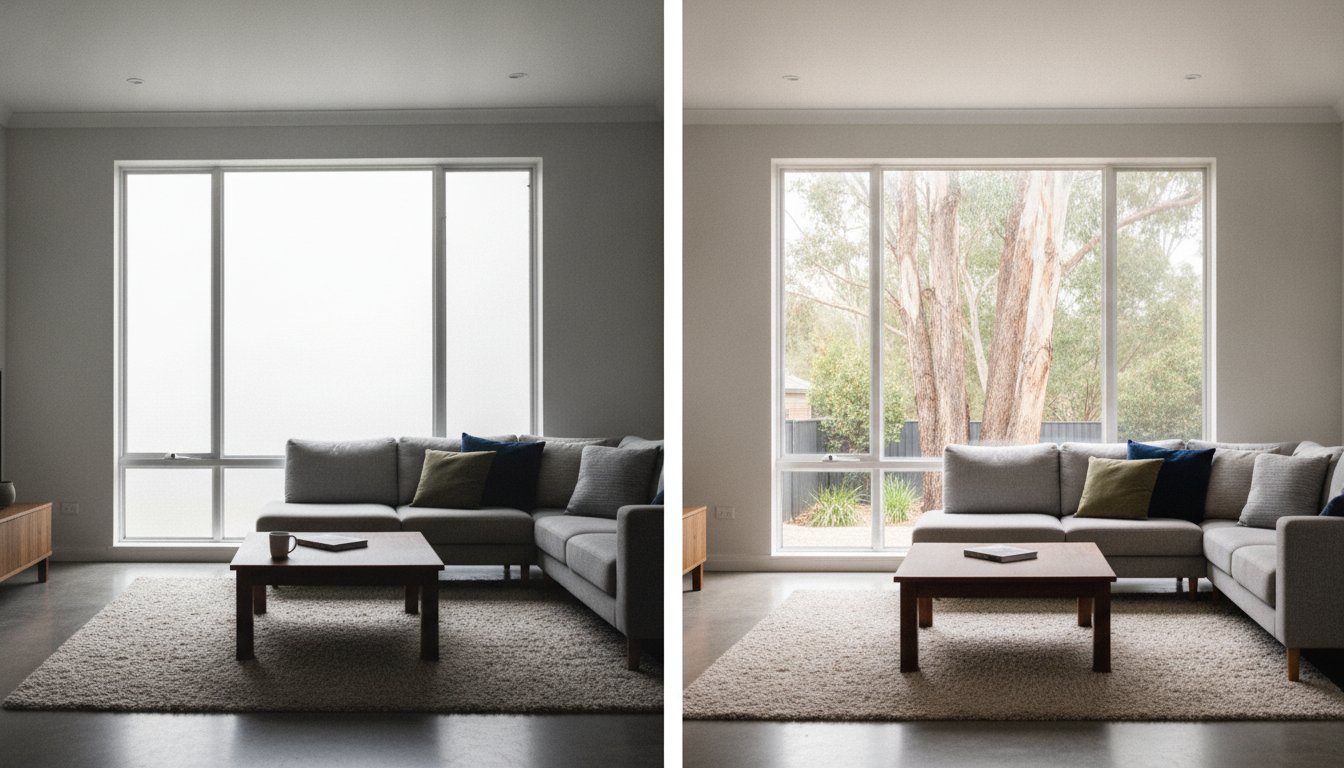
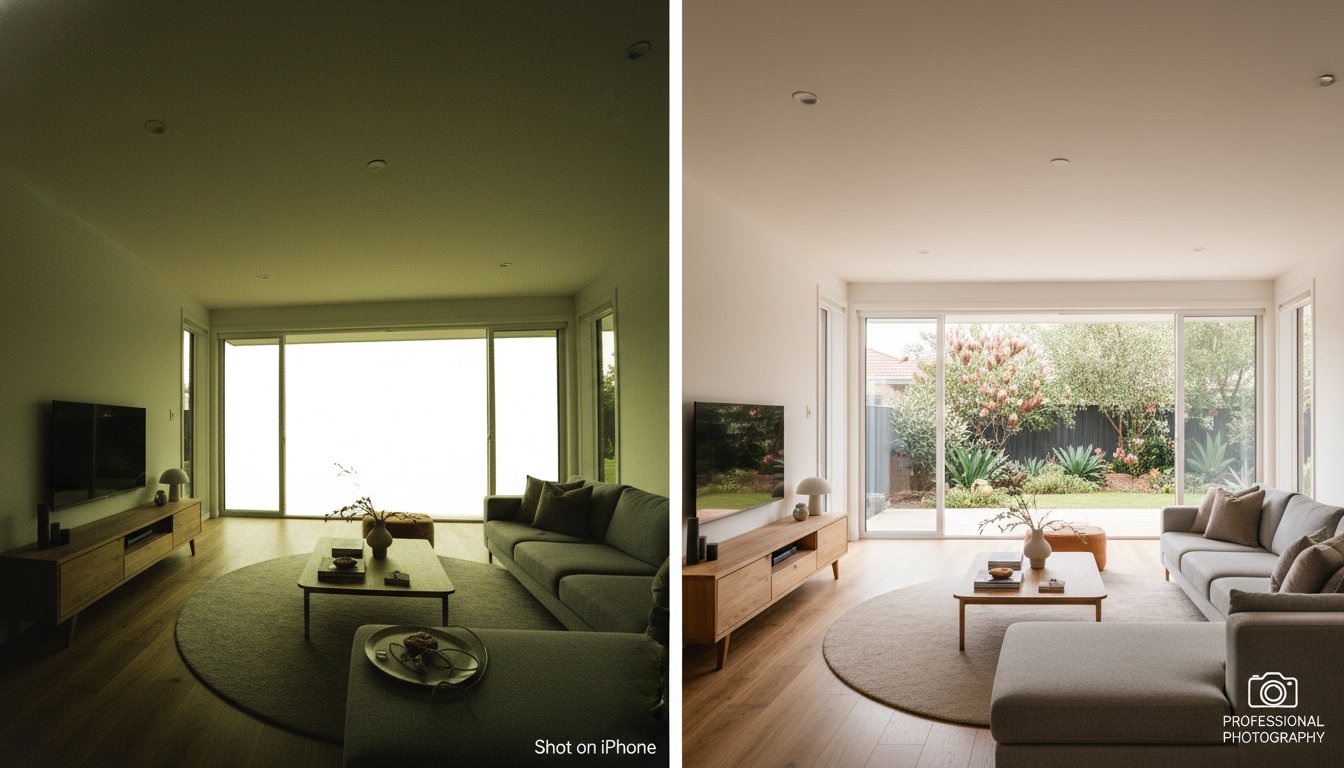
In Australia, harsh sunlight can often blind infrared sensors, particularly in large sunrooms or alfresco areas. To mitigate this, position blinds to filter natural light without creating extreme glare. Specular reflection occurs when light reflects from a surface in a single outgoing direction, often causing 'blind spots' or depth errors for LiDAR sensors. By managing these reflective surfaces, you prevent the 'funhouse' effect that ruins professional listings. For agents looking to scale their marketing with high-precision assets, it's worth registering a professional account to access our standardised capture services.
The most common cause of re-work is human or animal interference. During the scan, the property becomes a strict no-go zone. Agents and vendors must stay behind the scanner or, ideally, leave the house entirely. Pets must be removed from the scan area completely. Even a dog in a different room can cause spatial errors if they move against a shared wall or bark during the process. Finally, attention to detail is paramount. Ensure all toilet lids are down and bins are hidden consistently across the entire floor plan. This level of preparation allows a real estate photographer to focus on technical execution rather than moving furniture, ensuring your assets are delivered within the 24-hour window.
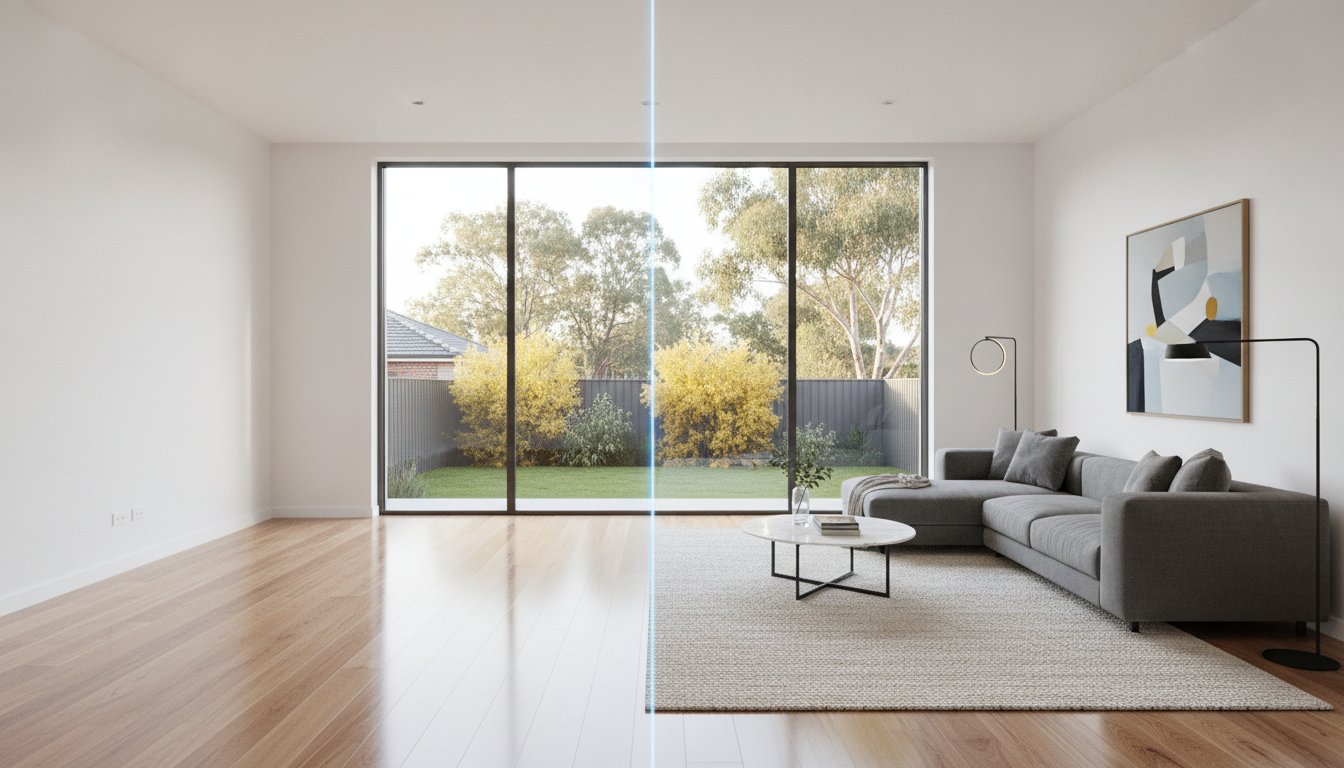
High-resolution spatial data capture leaves no room for oversight. When you are coordinating how to prepare a house for 3d scan, you must treat every room as a set for a high-end production. Because the scanner captures the floor and ceiling simultaneously, small details like a stray power cable or a wrinkled bedsheet become permanent digital blemishes. Following a rigorous room-by-room protocol ensures the final model reflects the premium nature of the listing.
Implement a total "clear bench" policy. Remove all sponges, dish soap, and tea towels. Ensure the fridge is completely cleared of magnets, notices, and personal photos to maintain a neutral, professional aesthetic.
Plump all cushions and organise coffee table books or magazines into neat stacks. Hide all remote controls and tuck away visible power cables behind furniture to eliminate visual clutter.
Smooth out bed linens to remove all creases. Critically, ensure the space under the bed is completely clear; the low-angle perspective of a 3D scanner often reveals items hidden from a standing eye-level.
Aim for a sterile "hotel" feel. Remove all personal toiletries, toothbrushes, and used towels. Take away bathmats to expose the floor tiling, which helps the scanner better define the room's dimensions.
Modern Australian homes often feature expansive open-plan zones that can confuse a scanner if not organised correctly. Position furniture to clearly define the lounge, dining, and kitchen areas without creating physical barriers that block the technician's path. Large sliding doors leading to alfresco areas should be either fully open or fully closed. If the weather permits, keeping these doors open creates a seamless transition that highlights the indoor-outdoor lifestyle buyers crave. Ensure the outdoor furniture is as meticulously arranged as the interior to maintain a consistent quality throughout the tour.
Decide early whether to include walk-in robes in the scan. If they are included, they must be as organised as the main bedroom; if not, keep the doors firmly shut. Avoid the common "clutter trap" of bedside tables and vanity units by removing everything except one or two decorative items. Consistent door positioning is vital for Matterport 3D virtual tours to function correctly. A door that is half-open can create "alignment errors" in the software, so ensure every door in the house is set to its final position before the scan commences. This level of detail allows our technicians to work with maximum efficiency, ensuring your marketing assets are ready for the 24-hour delivery window.
Digital privacy is a critical consideration often overlooked during standard real estate shoots. High-resolution 3D tours allow viewers to explore every corner of a property with forensic detail, which creates a significant liability for the modern agent. In 2026, the Office of the Australian Information Commissioner (OAIC) is conducting its first ever privacy compliance sweep specifically targeting the real estate sector. Failing to protect a vendor's sensitive data can lead to penalties of up to A$66,000 per breach. Learning how to prepare a house for 3d scan must include a rigorous audit of all personal and financial identifiers to mitigate these risks.
Remove all personal portraits and school photos to maintain vendor anonymity and safety.
Clear all mail, bank statements, and calendars from desks and fridges to prevent identity theft.
Secure jewellery, small electronics, and high-end collectables that may attract unwanted attention from the public.
Inspect mirrors and glass for "hidden" reflections that might reveal the vendor, pets, or the technician during the capture process.
Modern LiDAR sensors, such as the Matterport Pro3, capture 100,000 points per second with incredible clarity. This level of detail means that small text on a bank statement or a password written on a sticky note becomes perfectly legible when a user zooms into the 3D model. These security risks become permanent once the tour is published to major portals. You must conduct a final privacy sweep of every room to ensure no sensitive information remains in the scanner's line of sight before the technician arrives.
Effective marketing requires transitioning the property from a "home" to a "house." Removing idiosyncratic decor and personal memorabilia helps potential buyers visualise their own lives within the space without distraction. This process is a cornerstone of professional property marketing services in Australia. By de-personalising, you protect the vendor's digital footprint while simultaneously increasing the property's broad market appeal. Ensuring these details are managed before the appointment is essential for maintaining our 24-hour delivery timeline and ensuring the scan is perfect on the first attempt.
UberRE provides a high-performance infrastructure for visual marketing, offering a streamlined booking interface for agents across Australia. Our technicians are specialists in spatial data capture, utilising the latest Matterport Pro3 LiDAR technology to ensure precision across every square metre of a property. By integrating a 3D scan with our professional real estate photography, you secure a comprehensive marketing suite that is delivered within a guaranteed 24-hour turnaround. While knowing how to prepare a house for 3d scan is your responsibility as the agent, we provide the technical expertise to translate that preparation into a high-conversion digital asset.
We move away from the inconsistency of freelance work toward a standardised, results-driven partnership. UberRE delivers a uniform level of excellence across every listing, whether it is a studio apartment in the city centre or a sprawling estate in the suburbs. Our tech-integrated solutions allow for seamless data management, saving agencies significant administrative time by providing a single point of contact for all visual media. This corporate approach ensures professional accountability and a reliable output that aligns with the fast-paced requirements of the Australian property market.
Success on site depends on the synergy between the agent's preparation and the technician's execution. Before our specialist arrives, perform a final walkthrough to ensure all lights are on, internal doors are positioned correctly, and the vendor has secured all pets and personal items. Brief your vendor on the fact that the property must remain a static environment during the scan to avoid data corruption. This preparation allows our team to work with maximum efficiency, capturing the 100,000 points per second required for a construction-grade digital twin.
Ready to elevate your property marketing with high-precision 3D assets? Register your account and book now to experience a new standard of professional service and 24-hour delivery across Australia.
Mastering how to prepare a house for 3d scan transforms a standard listing into a high-precision digital asset. By controlling the physical environment and managing digital privacy with forensic detail, you eliminate the risk of technical re-work. These steps ensure your property is captured perfectly on the first attempt, allowing for a seamless transition from site visit to live listing.
UberRE provides the technical infrastructure required for modern property marketing. Our professional technicians operate Australia-wide, delivering standardised excellence and a guaranteed 24-hour turnaround on all visual content. We handle the complex data capture while you focus on managing your vendor relationships. It's a tech-forward partnership that empowers agents to deliver immersive, data-rich experiences that meet the rigorous demands of the 2026 market.
Take the lead in your local market by providing the most sophisticated virtual tours available. We look forward to helping you elevate your next listing with speed and precision.
A standard three to four bedroom home typically takes between 60 and 90 minutes to capture fully. While the Matterport Pro3 LiDAR sensor can complete an individual sweep in under 20 seconds, the total duration depends on the number of scan points required for a seamless walkthrough. Complex architectural layouts or multiple storeys will naturally extend the time needed on-site to ensure data accuracy.
You don't need to be present if the technician has clear access instructions and the property is fully staged. Many agents prefer to use lockboxes or meet the specialist briefly to provide entry. Because the scan requires a completely static environment, having fewer people on-site is actually beneficial. It reduces the risk of accidental movement or "ghosting" glitches during the data capture process.
The scanner can measure geometry in the dark using infrared or LiDAR, but it requires consistent light to produce a high-quality visual tour. For marketing purposes, we recommend scanning during daylight with all internal lights switched on. This ensures the 360-degree imagery is bright and inviting for buyers, as the camera sensors rely on ambient light to record accurate colour and texture.
It is generally not possible to edit out physical clutter once the scan is finalised. A 3D model is a complex mesh of spatial data, and "patching" one area can corrupt the geometry of the entire tour. This is why knowing how to prepare a house for 3d scan is so vital. The property must be in its final, clean state before the technician begins the appointment.
Yes, we can scan outdoor spaces including gardens, pools, and alfresco zones. The Matterport Pro3 is specifically designed for this, with a LiDAR sensor that has a range of up to 100 metres and performs reliably in direct sunlight. To prepare these areas, ensure the lawn is mown, the pool is clear of cleaners, and all garden hoses are neatly stowed away before we arrive.
Yes, 3D scans are the industry standard for generating high-precision floor plans. The scanner captures millions of data points to measure room dimensions with professional accuracy. We use this spatial data to produce standard or textured floor plans as part of our integrated marketing suite. This ensures your listing has a complete set of assets that align perfectly with the virtual walkthrough experience.
The scan will only reveal the interior of cupboards or wardrobes if the doors are left open during the process. We generally recommend keeping storage areas closed unless they are a premium selling feature, such as a custom walk-in robe. If you choose to include them, they must be meticulously organised, as the 360-degree lens will capture every shelf and corner with forensic detail.
All TV and computer screens should be switched off. Active screens often cause glare, flickering, or reflections that distract from the room's features and can lead to technical glitches in the final imagery. Blank, clean screens provide a neutral, professional look that allows potential buyers to focus on the property's layout and spatial flow without being distracted by digital media or personal content.
Book with UberRE
Matterport tours ready within 24 hours of the scan, with the first 6 months of hosting included.
See the service and prices
-2.png)