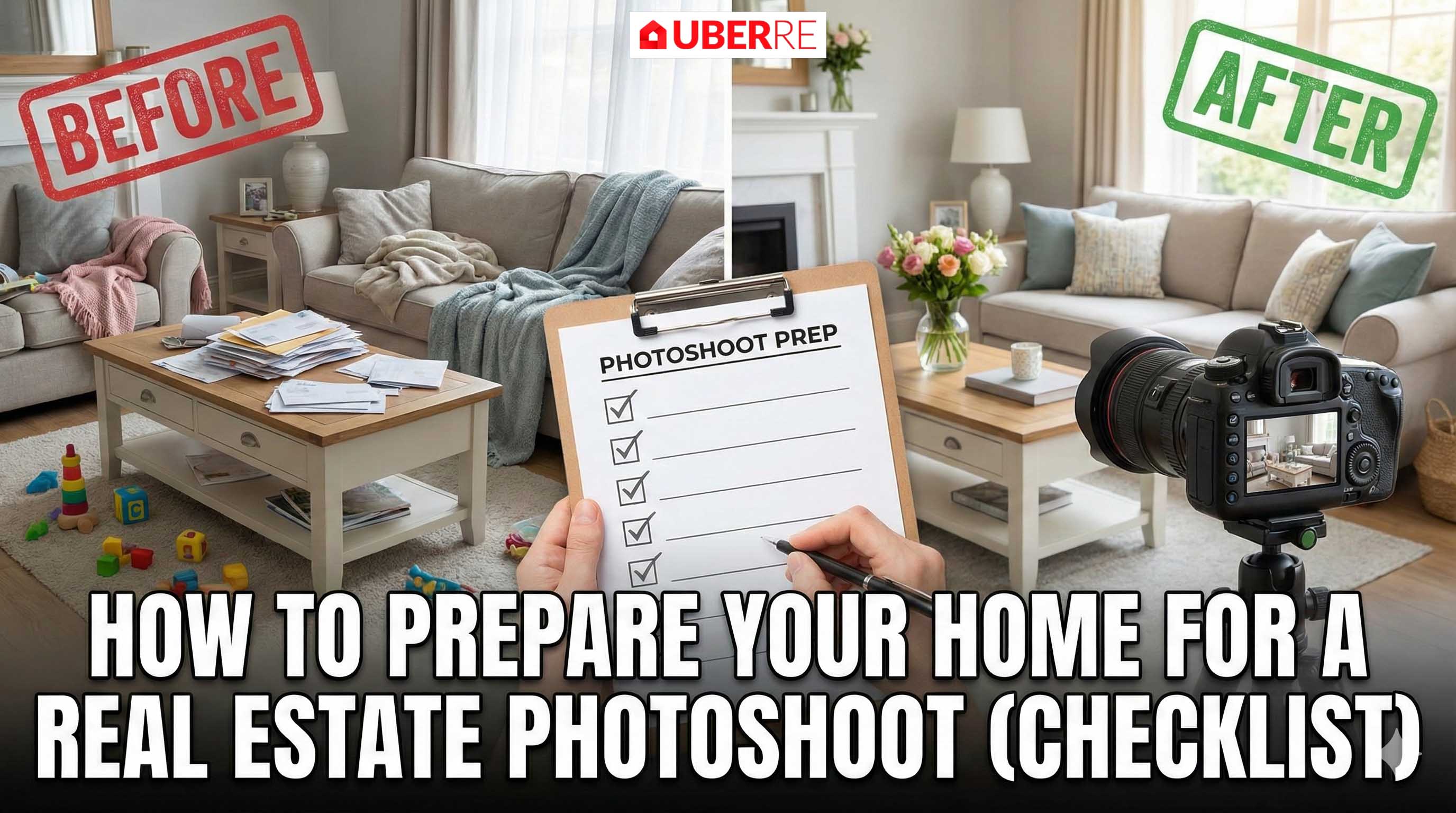
Listings with professional photography sell 32% faster than those without, yet many agents still risk their reputation on sub-par visuals. In a market where 95% of buyers use the internet for their property search, a single poor image can instantly devalue a listing. When reviewing bad real estate photos examples, the issues range from simple clutter to complex technical failures like vertical distortion or poor light management. These blunders don't just look unprofessional; they actively drive down click-through rates and extend time on market.
You likely understand that high-quality imagery is non-negotiable, but identifying exactly where a campaign falls short is the first step toward improvement. This article provides a technical analysis of common visual mistakes and the measurable cost of poor marketing. We'll outline the 2026 standards for property presentation, helping you avoid embarrassing listing errors while ensuring your brand projects a sense of modern efficiency and reliability. Learn how to protect your vendor's equity and your own professional standing through superior visual assets.
• Quantify the financial risk of poor imagery and understand the "Three-Second Rule" that dictates buyer engagement on Australian property portals.
• Identify critical visual blunders through specific bad real estate photos examples, from "accidental agent selfies" to conversion-killing room clutter.
• Recognise the technical limitations of smartphone hardware, specifically regarding sensor noise and distorted HDR processing in challenging interior light.
• Implement a robust listing audit using the "Vertical Line Test" and "Clean Lens Check" to maintain a premium, professional standard.
• Optimise your marketing workflow with standardised visual assets and rapid 24-hour turnaround to move from shoot to portal with maximum efficiency.
In the high-velocity Australian property market of 2026, "bad" real estate photography is any visual asset that fails to communicate property value or triggers a negative emotional response. It isn't just an aesthetic issue. Poor marketing represents a measurable financial leak. When agents rely on bad real estate photos examples like poorly exposed interiors or distorted wide-angle shots, they ignore foundational Architectural photography principles. This technical neglect directly influences the bottom line.
Digital portals like Realestate.com.au and Domain have gamified the property search. A prospective buyer makes a "stay or go" decision in under three seconds. If the hero image lacks clarity, the listing is scrolled past. The marketing spend is effectively wasted. Data confirms the impact: listings with professional photos sell 32% faster than those without. Additionally, 89% of homebuyers state that professional photos are a crucial feature on a listing website. Ignoring these metrics results in lost equity and extended time on market.
The human brain associates visual clarity with physical condition. If a listing photo is grainy or cluttered, buyers subconsciously assume the property is poorly maintained. Dark, yellow-toned rooms feel uninviting or "dodgy". This emotional disconnect prevents enquiry. Every missed click represents a potential lead lost to a competitor who understands the value of a professional real estate photographer. The cost of a missed lead is the difference between a competitive auction and a stagnant private treaty sale.
Your digital footprint is your resume. Modern vendors are sophisticated; they audit an agent’s historical listings before signing a management agreement. One set of "terrible" photos can devalue your entire brand. To maintain a premium reputation, agents must adopt consistent property marketing services Australia wide. This ensures every listing projects technical excellence rather than becoming a viral joke on social media pages dedicated to listing failures. Professionalism is a total service assurance that builds immediate trust with industry peers and clients alike.
Effective visual marketing is fundamentally about telling your property's story through photos. However, many Australian listings fail this narrative due to avoidable technical errors. When reviewing bad real estate photos examples, four recurring issues signal a lack of professionalism to potential buyers. These mistakes don't just look poor; they actively obscure the property's value.
Mirrors, glass splashbacks, and windows often capture the "accidental agent selfie". This breaks the buyer's immersion and shifts the focus from the home to the person taking the photo.
Unmade beds, dirty dishes, and overflowing bins are ultimate conversion killers. They suggest a lack of care and force buyers to see a mess rather than a lifestyle.
This occurs when the camera isn't perfectly level, causing walls and doorframes to converge. It makes rooms look like they are falling over or distorted.
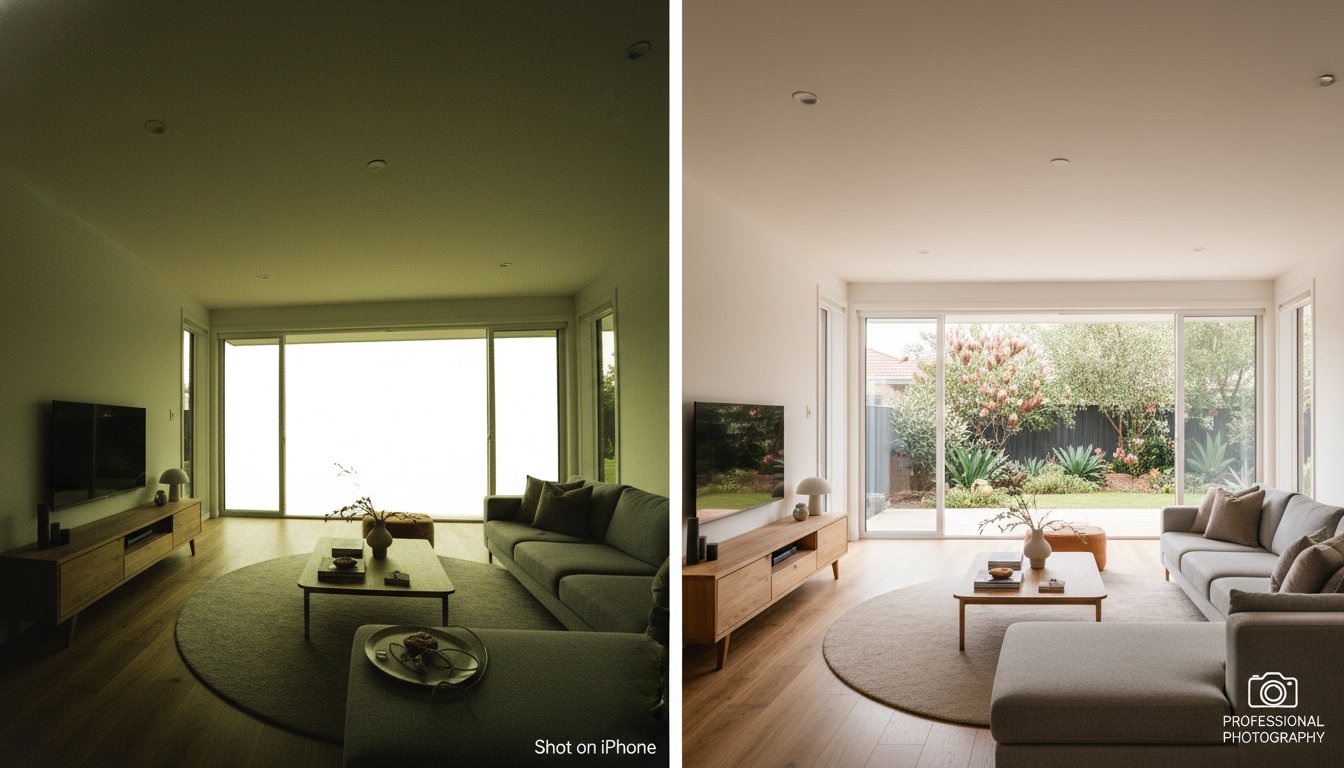
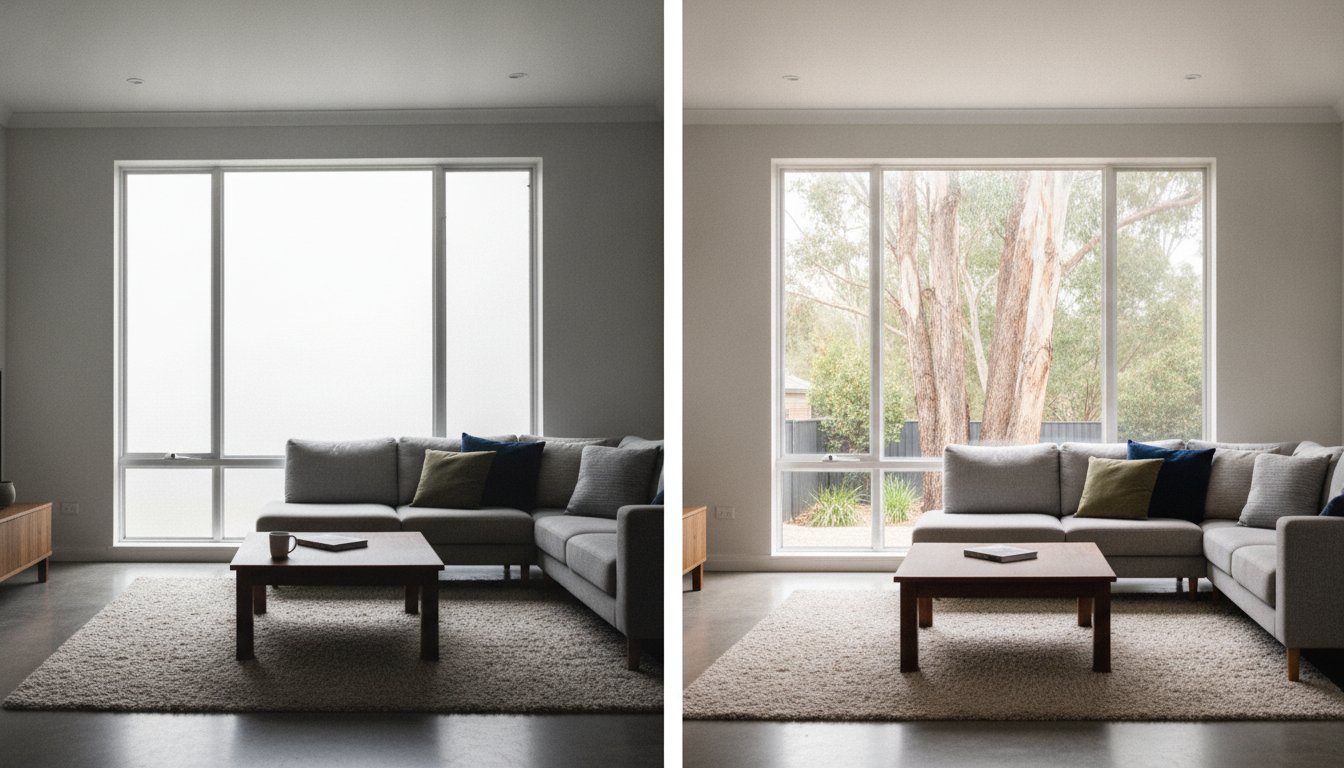
Blown-out windows occur when the camera can't handle high contrast. The interior might look fine, but the windows become white voids, completely losing the garden or city view.
Camera height is a critical factor in room scale. The "shooting from the hip" mistake often makes furniture look oversized and ceilings feel oppressive. Professional kits are set at specific heights to maintain a natural perspective. Additionally, extreme wide-angle lenses create "tunnels" where rooms look unnaturally long. This distortion creates a false representation that leads to buyer disappointment during physical inspections. Poor framing that focuses on the floor rather than architectural features further diminishes the property's appeal.
The "Yellow Tint" is a common disaster caused by mixing natural daylight with warm interior globes without adjusting white balance. It makes modern homes feel dated and dingy. Conversely, using a harsh, direct flash creates cold shadows and a "hospital-like" atmosphere. Achieving a balanced, inviting exposure requires the technical precision found in professional real estate photography. Expert photographers use bracketed exposures to ensure both the interior details and the outdoor views are perfectly visible.
To ensure your next campaign avoids these visual pitfalls, you can create an account to access standardised marketing assets and maintain a premium brand presence.
The gap between consumer technology and professional hardware has narrowed, yet the physical limitations of mobile devices remain a primary source of listing failure. Many agents believe a high-end smartphone from 2026, such as an iPhone 15 Pro or Samsung S26, is sufficient for property marketing. These devices rely on aggressive computational processing to compensate for tiny sensors. When reviewing bad real estate photos examples, the most common technical flaws originate from this reliance on software over physical optics. Professionalism requires more than just a modern phone; it requires the right tools for architectural accuracy.
Professional day photography utilises full-frame sensors that are significantly larger than those found in mobile phones. This size difference is critical for low-light performance and dynamic range. Smartphone photos often look "noisy" or grainy in darker corners of a room because the small sensor cannot capture enough light data. While phones use automated High Dynamic Range (HDR) to balance bright windows and dark interiors, the result is often "cartoonish" or flat. Professional kits use manual bracketing and high-quality glass lenses to maintain clarity without the artificial glow common in DIY attempts.
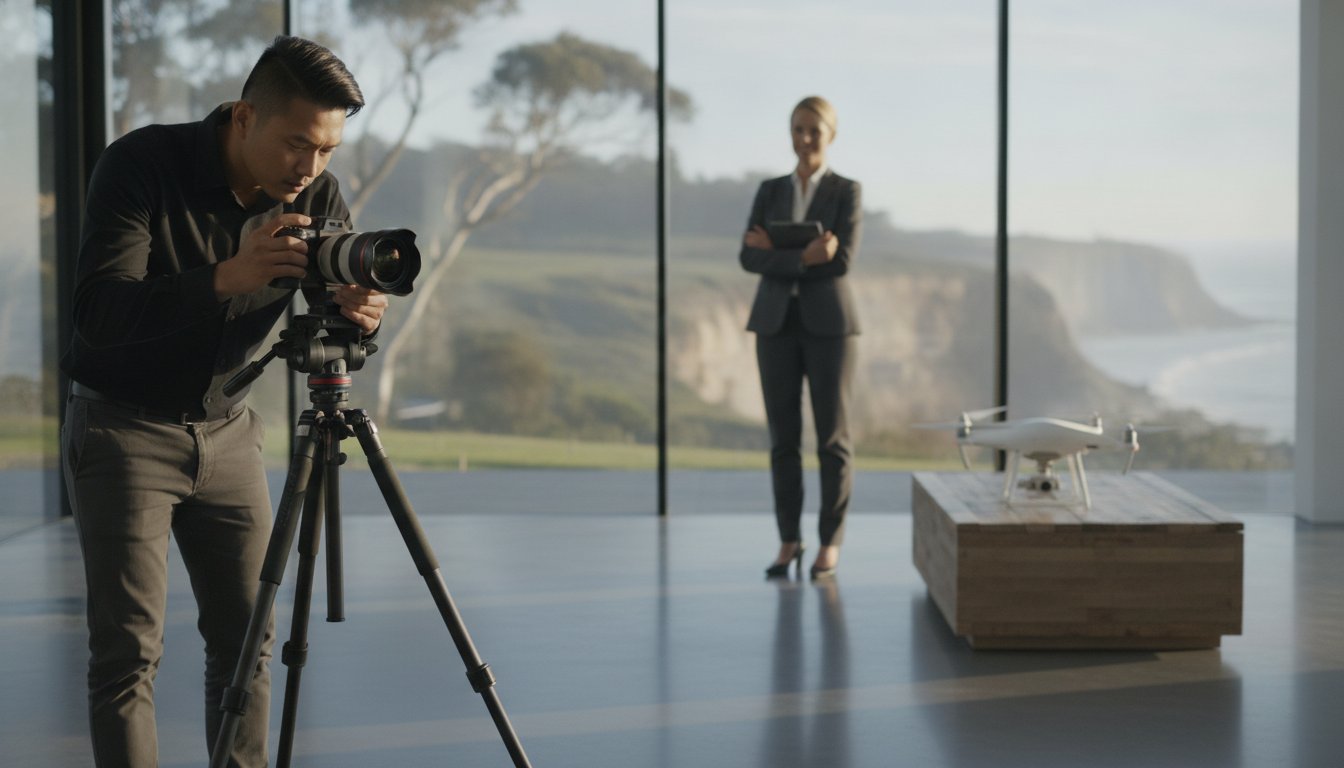
Stability is another factor often overlooked in DIY marketing. Professional gear includes geared heads and heavy-duty tripods. These tools allow for micro-adjustments to ensure perfect symmetry. Handheld smartphone shots almost always suffer from slight tilts or perspective distortion. This makes rooms feel unstable or poorly constructed, undermining the property's value before a buyer even reads the description.
Post-production is where many DIY listings fall apart. Mobile "filters" are designed for social media, not architectural precision. One of the most glaring issues in bad real estate photos examples is over-saturation. When an agent tries to "pop" a dull image with a standard filter, the grass often turns a neon green that looks entirely fake. This creates immediate distrust in the buyer's mind.
Professional retouching focuses on colour accuracy and skilled sky replacement. Fixing a grey Australian winter day requires manual blending to ensure the light falling on the building matches the new sky. Without this technical precision, the marketing asset looks amateurish. Expert retouchers ensure that white walls stay white, avoiding the yellow or blue colour casts that frequently ruin smartphone captures in challenging interior light.

A rigorous audit process separates elite agencies from those who settle for mediocre results. Before any campaign goes live on realestate.com.au or Domain, you must perform a technical review of your assets. This prevents the public embarrassment associated with bad real estate photos examples that often circulate on industry watch-pages. Use this systematic checklist to ensure every pixel projects professional authority and technical confidence.
Look for "haze" or smudging in the images. This is a primary failure in DIY attempts where a dirty smartphone lens creates a soft, unprofessional glow that obscures detail.
Examine the corners of rooms and doorframes. They must be perfectly upright. If the lines converge or tilt, the image lacks the architectural precision required for premium marketing.
Zoom into mirrors, glass splashbacks, and TV screens. Ensure the photographer, their tripod, or any stray lighting equipment is not visible in the shot.
Does the lead image immediately communicate the property’s most valuable feature? If it doesn't stop the scroll within three seconds, the campaign is underperforming.
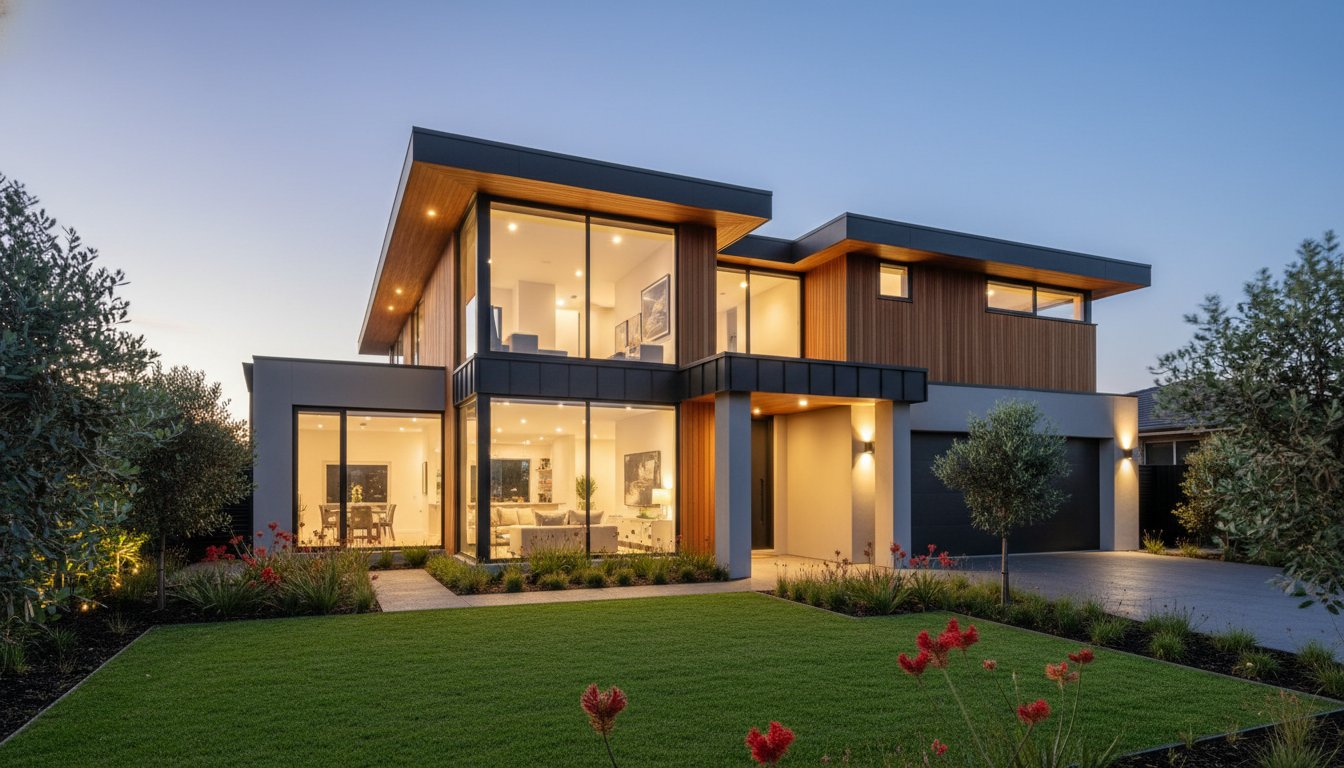
Visual excellence begins before the shutter clicks. Decluttering is essential, and depersonalising—along with ensuring the property is professionally cleaned, including freshened carpets—is equally critical for the Australian market. Buyers need to envision their own lives in the space, not the vendor's family history. Lighting plays a major role; while natural light is preferred, turning on every interior lamp adds a layer of warmth and depth. Finally, prioritise kerb appeal. The first exterior photo is your primary asset for attracting high-intent leads and should be shot during optimal daylight or twilight hours.
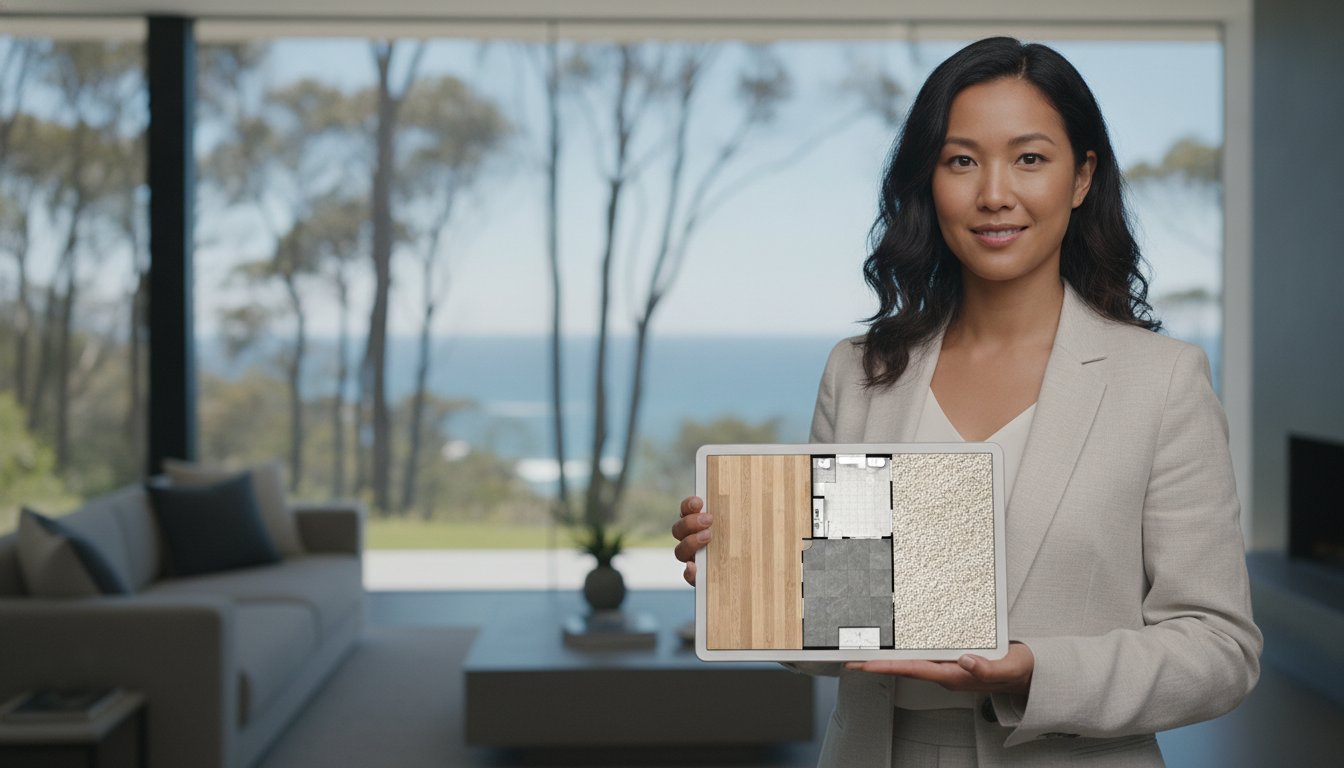
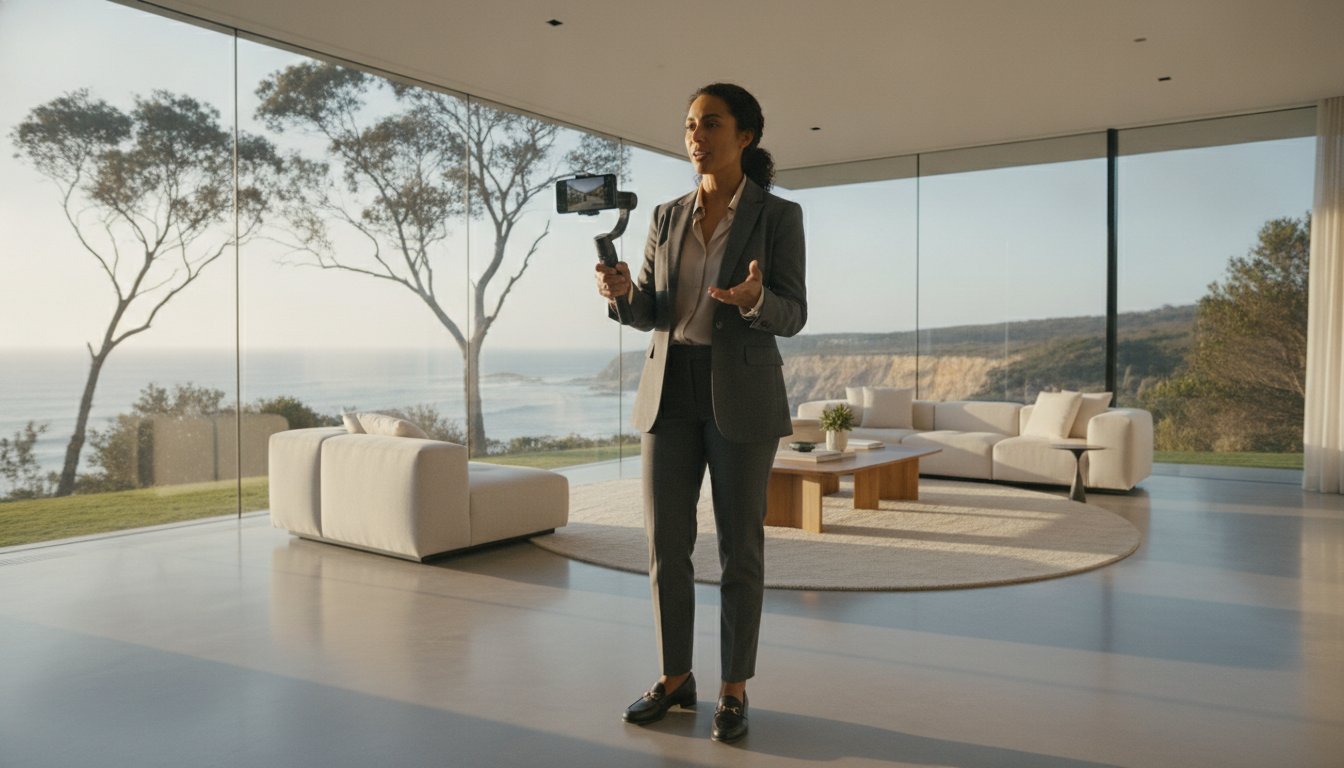
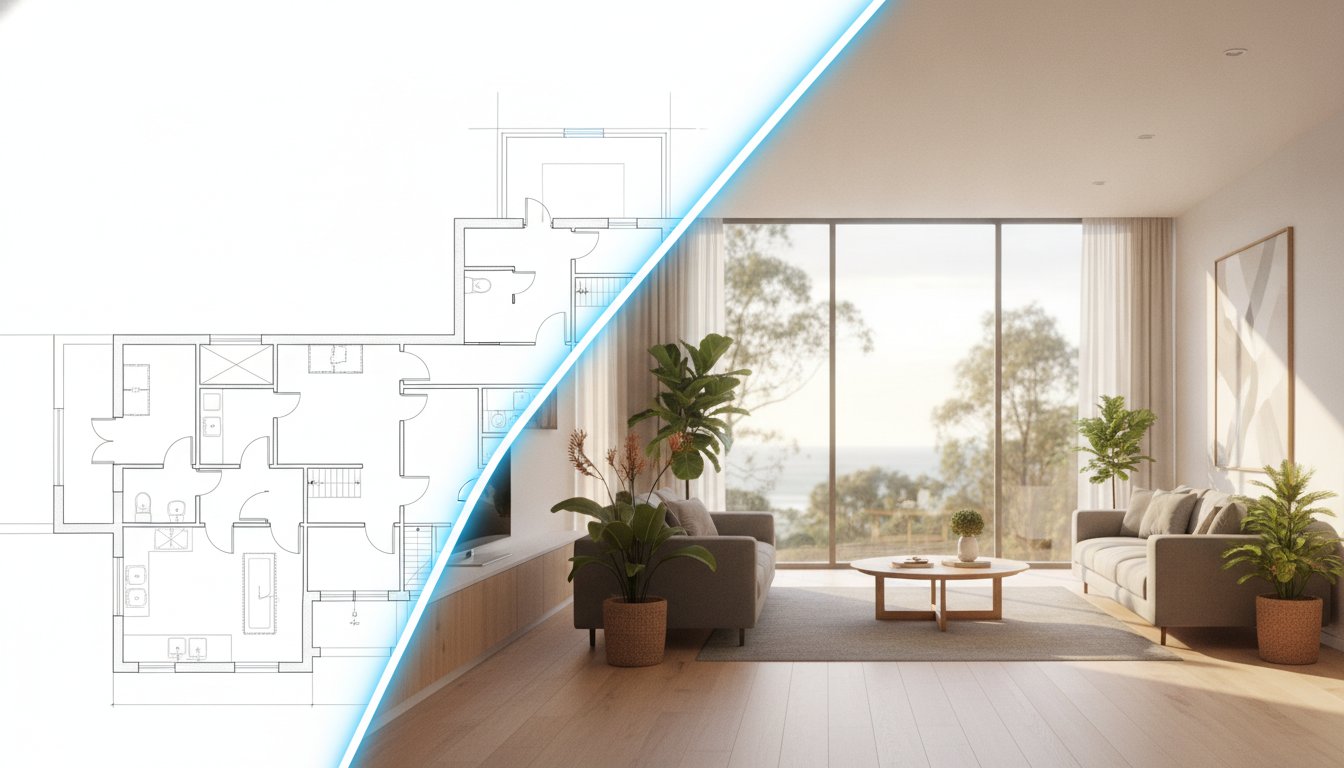
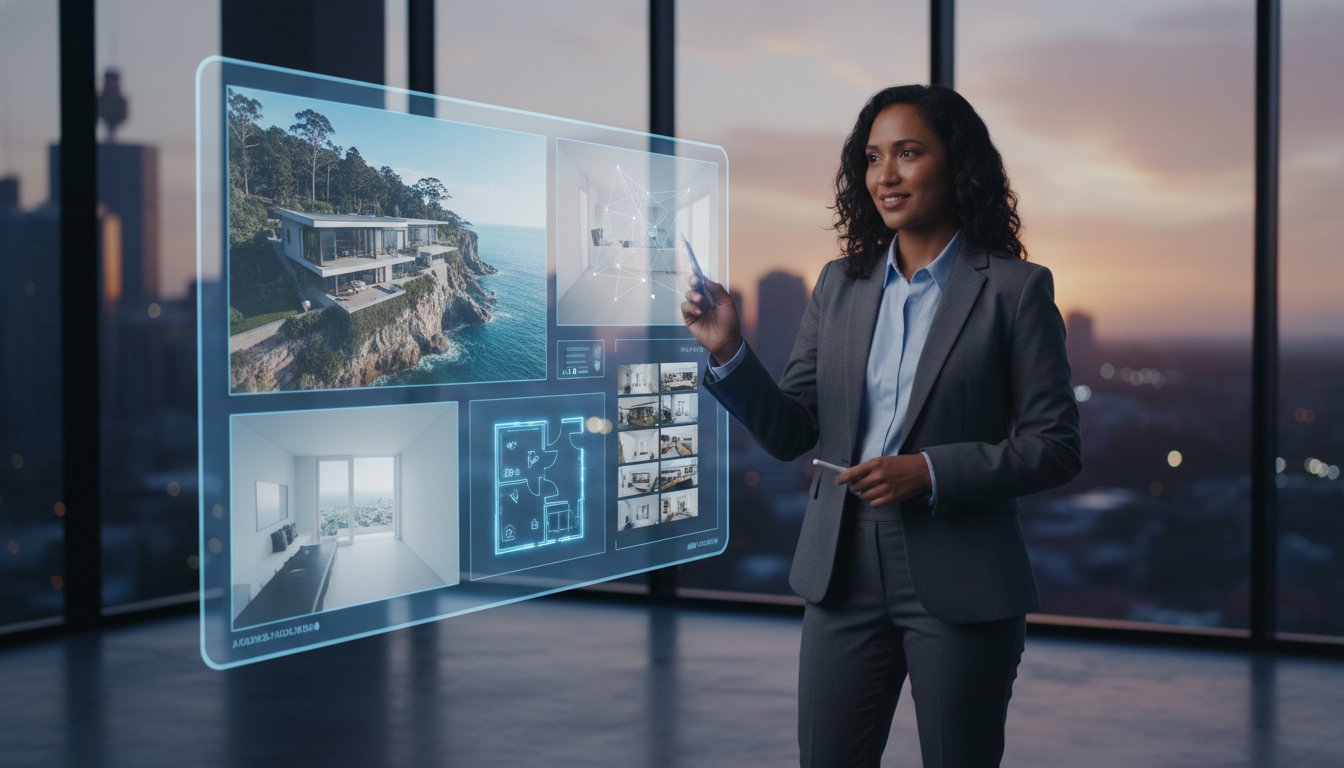
A modern listing is a multi-dimensional experience. Ensure your real estate floor plans are accurate and easy to read, as buyers consider these a crucial feature for understanding spatial flow. If a room feels empty or uninspiring, utilise virtual furniture to demonstrate scale and lifestyle potential. Shaky, handheld video tours are just as damaging as bad real estate photos examples; every video asset must flow logically and maintain a steady, professional pulse to keep viewers engaged.
Maintain a consistent standard across your entire digital portfolio and avoid these common pitfalls. Register your account to access a suite of standardised marketing products designed for the fast-paced Australian business environment.
UberRE positions itself as the essential infrastructure for high-performance visual content, moving away from the inherent variability of freelance work toward a results-driven corporate partnership. While we've analysed numerous bad real estate photos examples and their technical failures, the solution lies in a standardised approach. Our model ensures every listing meets a premium benchmark, providing immediate trust for industry professionals who value reliability and accountability.
Efficiency is the core of our service delivery. We provide a 24-hour turnaround, moving your listing from the shoot to the portal with maximum speed. This logistical precision is backed by a Total Service Assurance, offering a level of professional accountability that independent contractors can't match. By integrating high-end photography with textured floorplans and video tours, we create a cohesive marketing campaign that reinforces your brand’s authority in the Australian market.
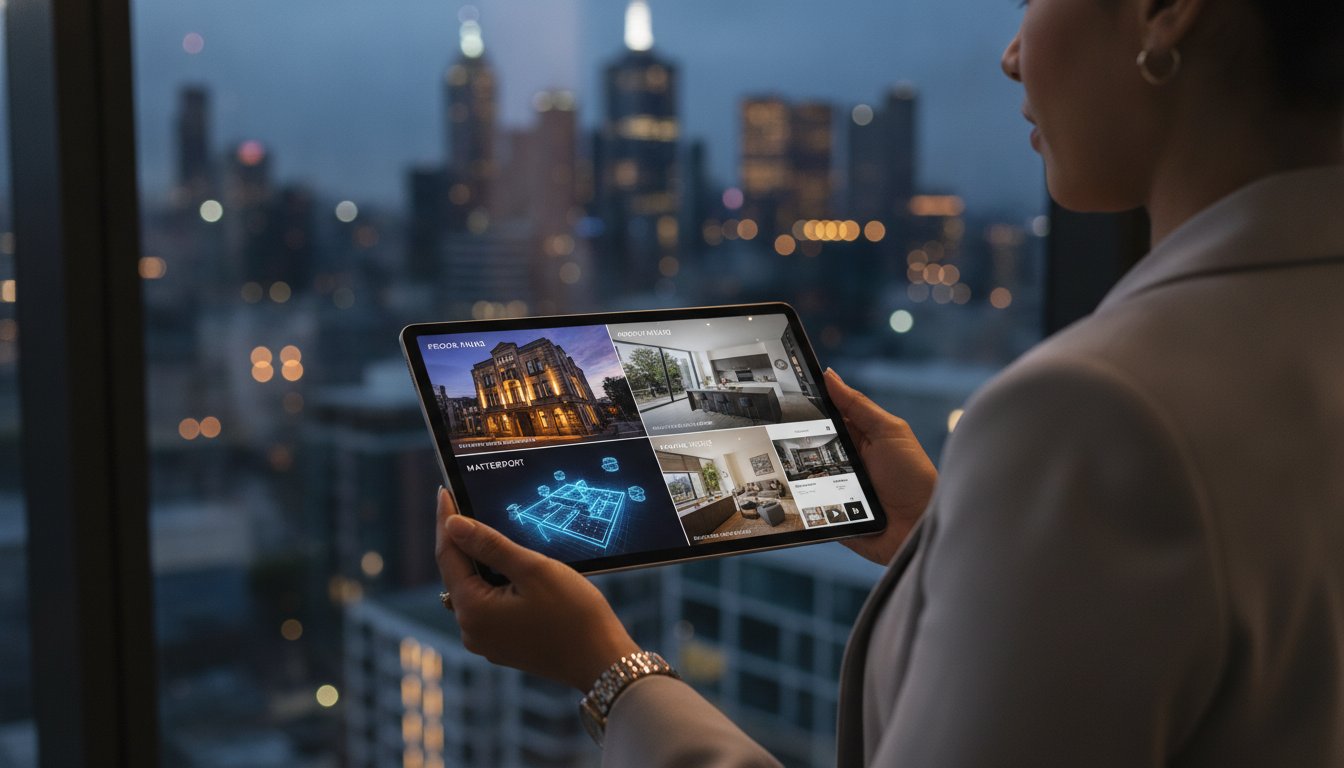
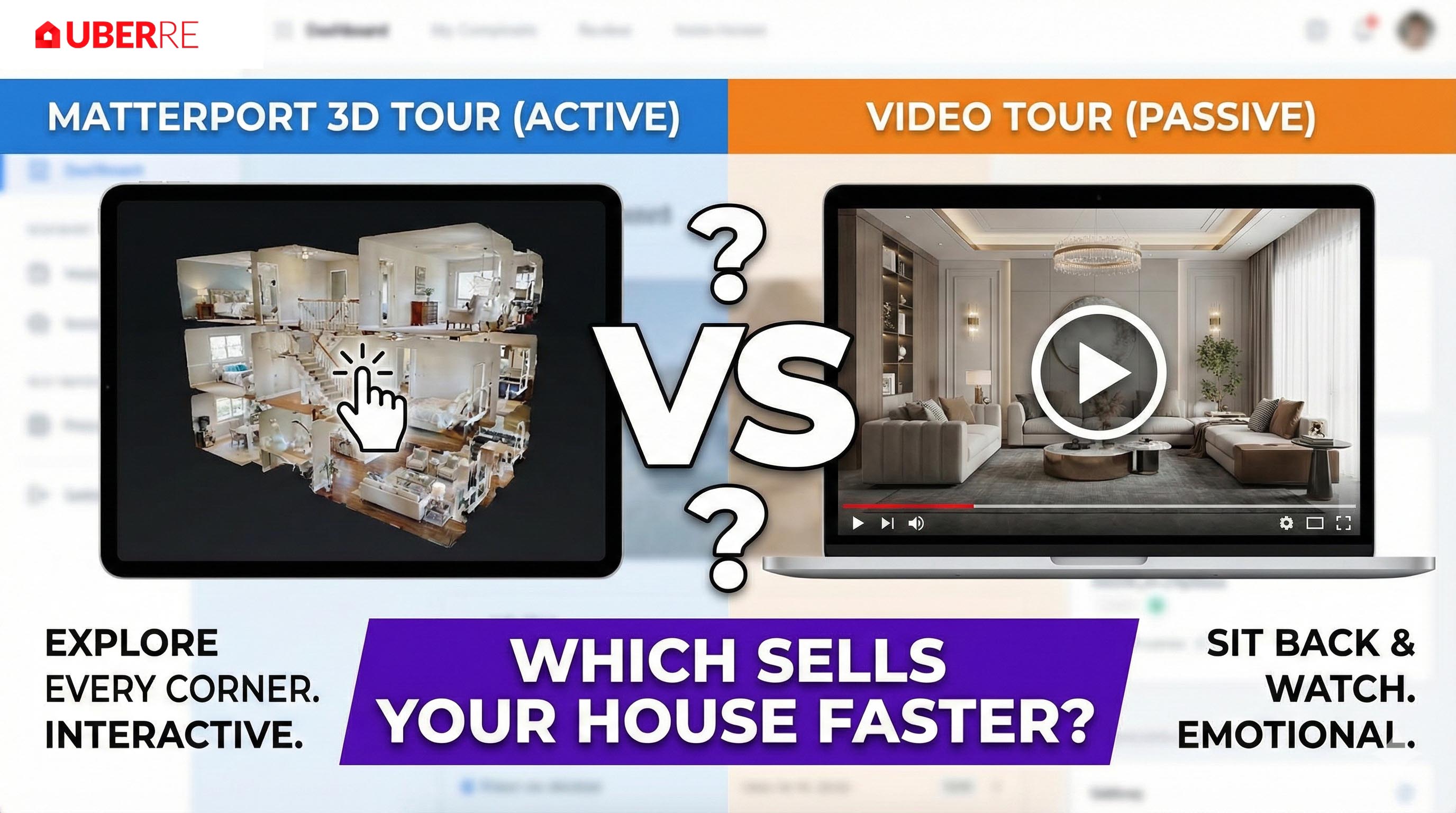
Our streamlined booking platform removes administrative friction, allowing you to secure marketing assets in seconds. This allows agencies to scale their operations with confidence, supported by reliable national coverage. Beyond traditional media, we provide access to advanced technical tools like Matterport 3D virtual tours. These immersive experiences filter out casual browsers and attract highly qualified leads, ensuring your marketing spend is utilised with maximum impact.
When pitching to hesitant vendors, frame professional imagery as a strategic investment in property equity rather than a mere expense. Use the data provided in this guide to demonstrate how professional assets reduce time on market and increase enquiry rates. In a competitive environment, the ROI of professional visual content is undeniable. It's about setting a standard that justifies your commission and protects the vendor's bottom line. Don't risk your reputation on bad real estate photos examples that drive buyers away.
Book your professional real estate photographer today and secure the visual infrastructure your property brand deserves.
Protecting a property’s market value requires a shift from reactive marketing to proactive visual standardisation. You've seen how technical failures and bad real estate photos examples can erode buyer confidence and extend days on market. By moving beyond the limitations of smartphone hardware and implementing a rigorous audit process, you ensure every listing projects a premium brand image. Technical precision isn't just about aesthetics; it's about measurable ROI and vendor trust.
UberRE provides the high-tech infrastructure needed to maintain these standards at scale. We offer a guaranteed 24-hour turnaround and comprehensive national coverage across Australia, ensuring premium standardised quality for every listing you manage. Don't let sub-par visuals compromise your professional standing or your vendor's equity. Upgrade your listings with UberRE Professional Photography to deliver the marketing excellence your clients expect. Start building a more reliable and efficient property brand today.
A photo is considered "bad" when it fails to represent the property's layout clearly or triggers a negative emotional response. Buyers react poorly to clutter, dark rooms, and distorted perspectives that make spaces look uninviting or cramped. These bad real estate photos examples signal a lack of care, often leading buyers to assume the property itself is poorly maintained or has hidden defects.
Yes, poor photography can directly lower the final sale price by reducing the number of competitive bidders. While professional photos can help homes sell for up to 47% more per square foot according to industry data, low-quality images fail to build the initial interest required for a high-pressure auction. Fewer enquiries mean less competition, which negatively impacts the final result.
A standard residential listing in 2026 typically requires between 25 and 40 high-quality images. This range provides enough detail to cover all key living areas, bedrooms, and exterior features without overwhelming the prospective buyer. It's essential to prioritise quality over quantity; a few well-composed shots are more effective than a gallery filled with repetitive or poorly lit images that add no value.
While high-end smartphones are technically capable, they still struggle with the high-contrast lighting typical of Australian interiors. Even for low-end rentals, professional imagery helps properties lease faster and attracts higher-quality tenants. If you must use a phone, ensure the lens is clean and use a tripod to avoid the blurry, distorted results found in many bad real estate photos examples.
The most frequent error is failing to manage vertical lines and camera height. Agents often shoot from eye level, which distorts room scale and makes furniture look disproportionately large. Professional photographers use tripods set at specific heights to maintain architectural symmetry. This ensures walls appear perfectly upright rather than leaning inward, which is a hallmark of amateur photography that breaks buyer immersion.
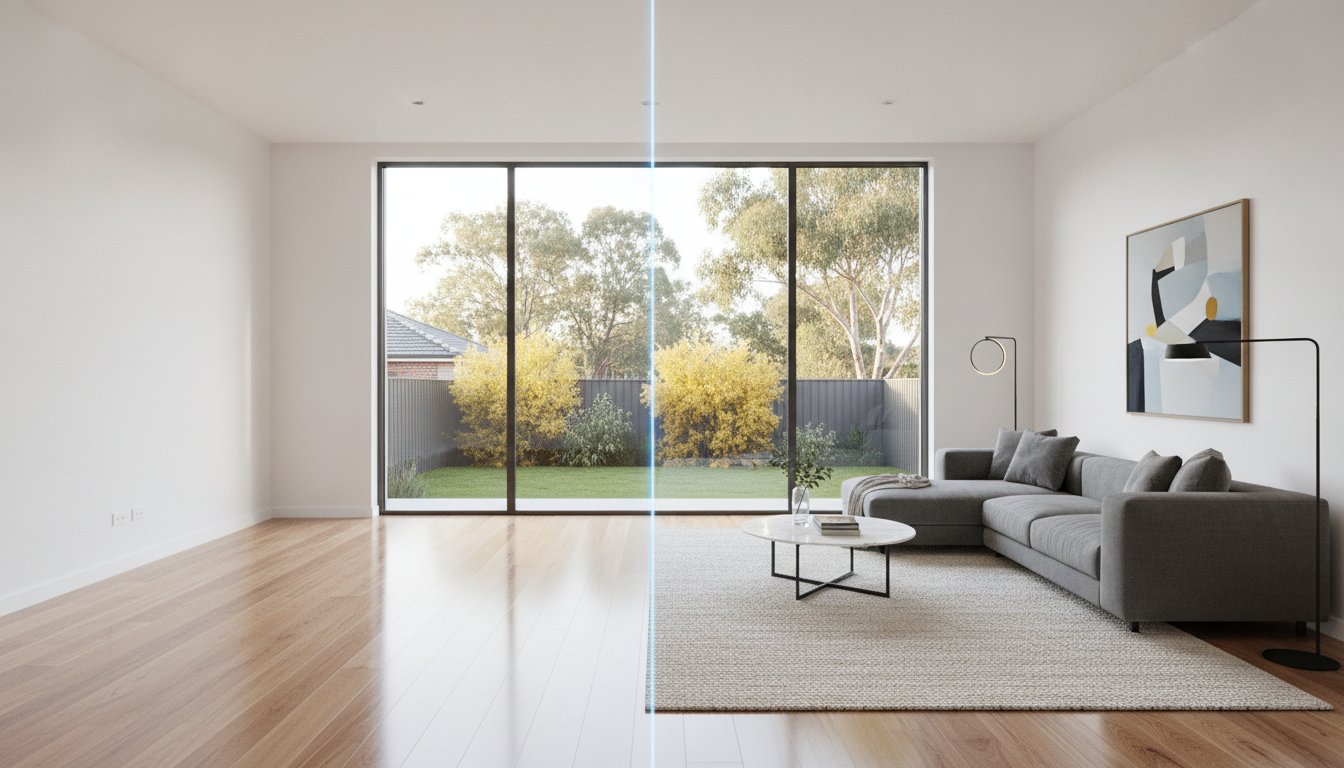
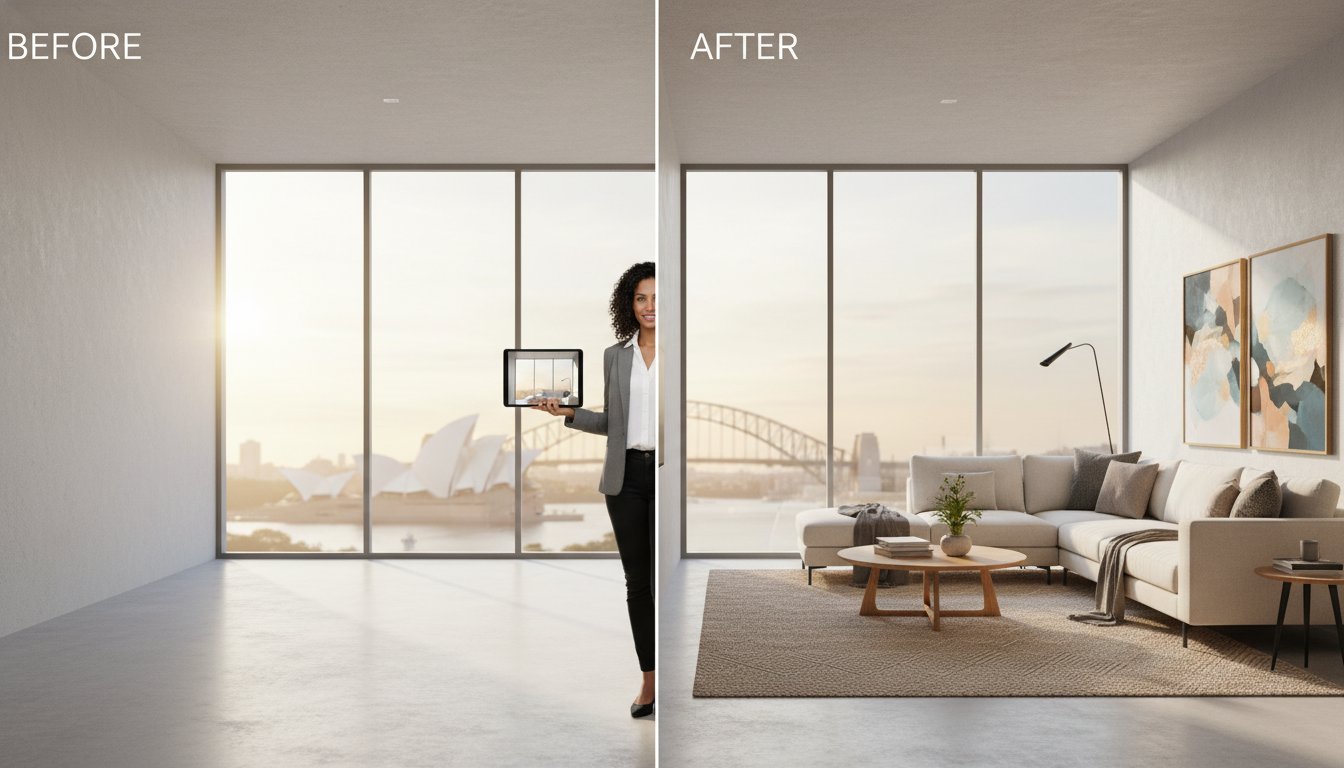
Virtual furniture adds scale and context to empty rooms, helping buyers understand how a space can be utilised. It transforms cold, uninspiring voids into inviting living areas without the high cost of physical staging. This digital enhancement is particularly effective for new developments or vacant properties where traditional photography might fail to capture the property's lifestyle potential or intended functionality.
Multiple exposures, or bracketing, allow photographers to capture the full dynamic range of a room. This technique ensures that both the dark interior corners and the bright views through the windows are perfectly exposed. By blending these layers in post-production, professionals avoid the "white void" window effect that ruins many DIY listing attempts and amateur captures, creating a natural and inviting look.
Present the vendor with data regarding listing performance and brand reputation. Explain that professional photos help listings sell 32% faster and are considered a crucial feature by 89% of buyers. Frame the conversation around protecting their equity; explain that sub-par visuals can lead to a lower sale price by reducing buyer enquiry and limiting the competition required for a premium result.
Book with UberRE
8 professional photos ready within 24 hours of the shoot, for print, online and social media. Same price everywhere we work in Australia.
See the service and prices
-2.png)