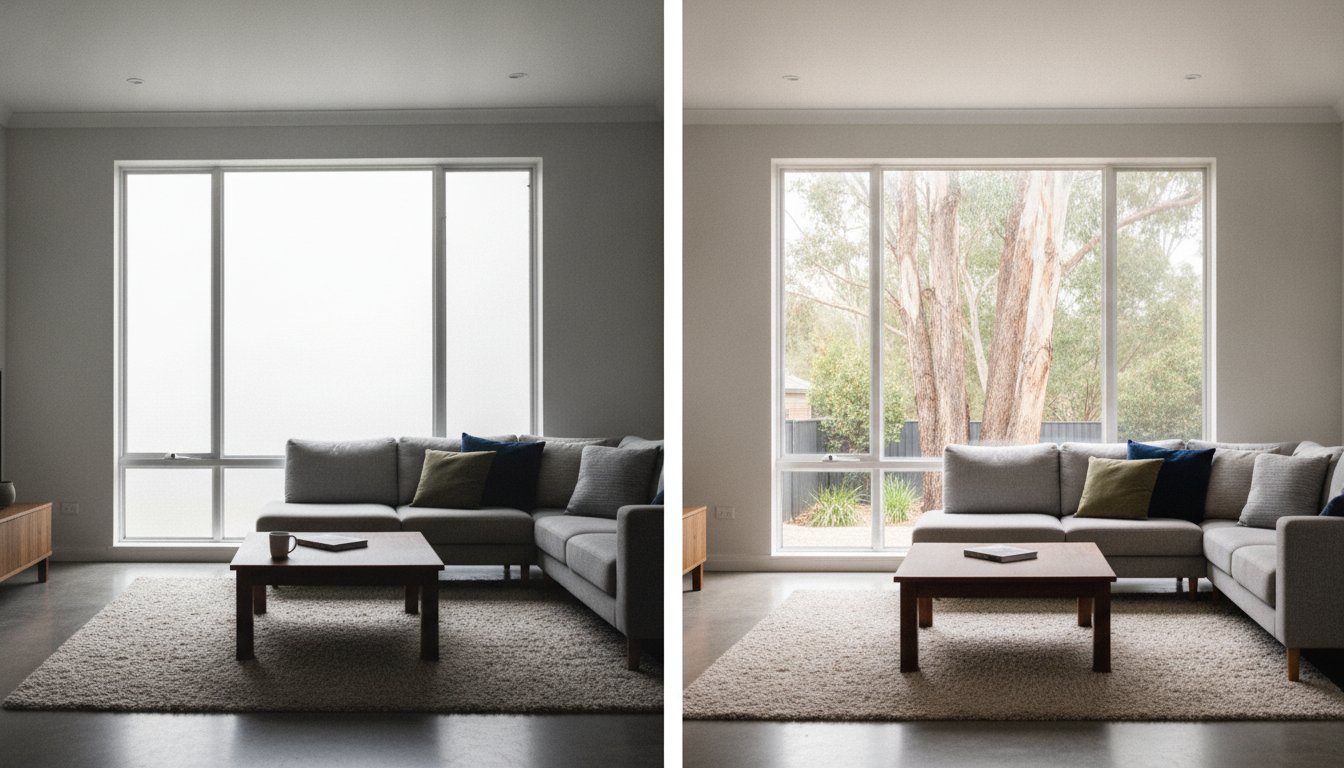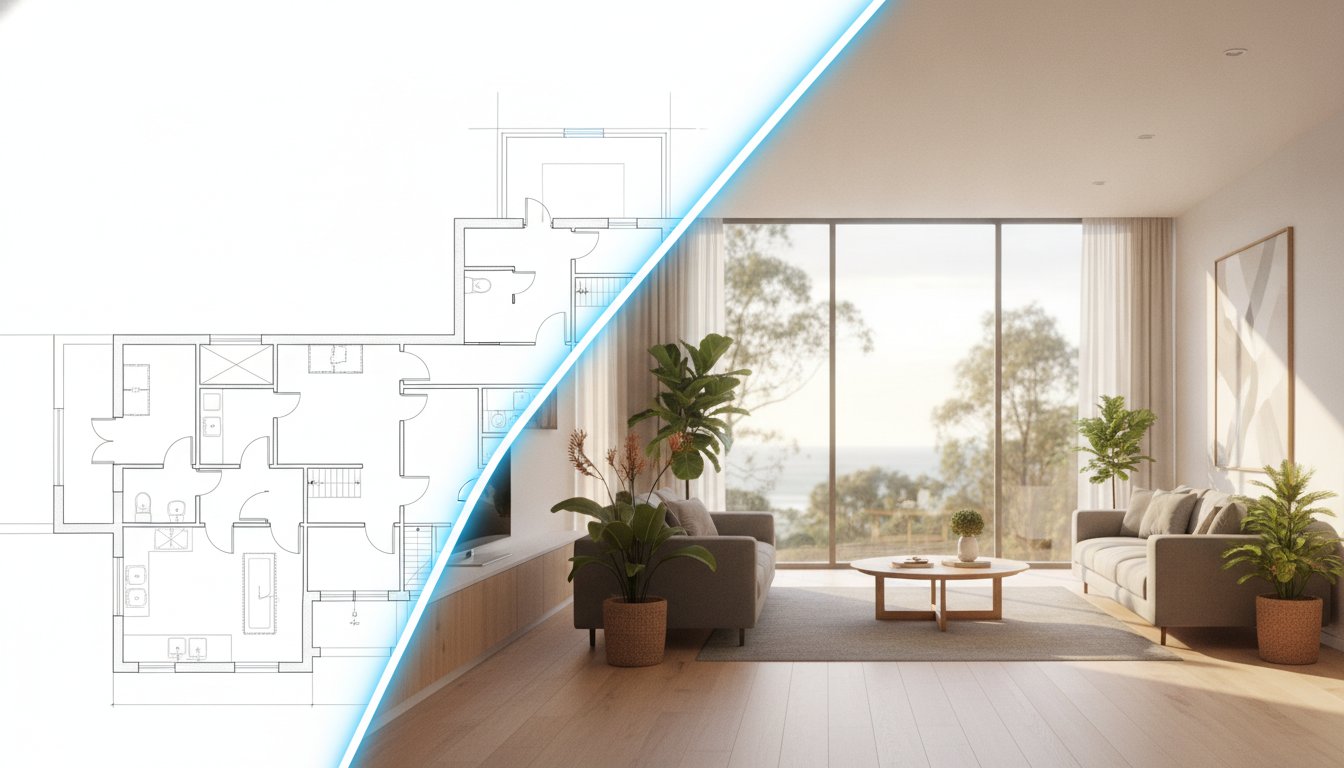

Every day a rental sits vacant costs your landlord money, and in a portfolio of fifty, a hundred, or two hundred properties, a day or two of delay per listing adds up to real lost revenue across a portfolio every month. Property managers know this better than anyone: turnaround speed isn't a nice-to-have, it's the single biggest lever separating a tight, professional portfolio from one that's bleeding vacancy days. Yet many property managers are still stuck waiting two, three, sometimes five days for photos, because most suppliers were built for the sales side of real estate, not the volume and pace that rental management runs at.
This guide breaks down why turnaround speed matters more for rentals than any other property type, what a genuinely fast booking-to-listing workflow looks like, and how UberRE's national photography network and simple booking platform are built specifically to keep pace with rental volume. You'll learn how to calculate the real cost of a slow turnaround, what to look for in a rental-ready media supplier, and how a same-platform booking and gallery-delivery system removes the admin that usually eats into a property manager's week.
• Every day a rental listing isn't live costs the landlord money, making photo turnaround speed one of the highest-leverage metrics in property management.
• A slow or fragmented supplier network is one of the most common, avoidable causes of delayed rental listings across a portfolio.
• UberRE's national coverage and simple online booking flow are built for rental volume, not adapted from a slower sales-listing workflow.
• A single shareable link with every photo, video, floor plan, and virtual tour ready to go removes the extra design or upload step that typically slows a listing down.
• Standardising your rental photography supplier across a whole portfolio reduces admin time and keeps every listing to the same fast, consistent turnaround.
In sales, a slow photo turnaround costs momentum. In rentals, it costs money, directly and immediately, from the day the previous tenant moves out to the day a new lease is signed. Every vacant day is a day of lost rent for the landlord, and in a competitive rental market, listings that go live late are competing against properties that have already had a week of buyer interest, enquiries, and inspections. A portfolio manager juggling dozens of properties feels this multiplied: a two-day delay on ten simultaneous vacancies isn't two days lost, it's twenty.
This is why turnaround time deserves the same scrutiny property managers already apply to rent price, vacancy rate, and days-on-market. A supplier that takes three to five days to deliver photos isn't just slow, they're actively adding cost to every landlord relationship you manage. When you're reporting portfolio performance, a faster average turnaround is a number you can point to directly, and it's one of the few operational metrics a property manager has real control over.
Photo turnaround is easy to overlook because it happens in the background, between a tenant handing back keys and a listing going live. It's not a customer-facing metric the way rent price or inspection numbers are, so it rarely gets audited the way other parts of a leasing workflow do. But it's one of the most avoidable sources of delay in the entire vacant-to-leased pipeline, because unlike market conditions or tenant behaviour, turnaround time is entirely a function of which supplier you've chosen and how simple their booking process is.
The maths is straightforward once you apply it at portfolio scale. Take your average weekly rent across managed properties, divide by seven to get a daily rate, then multiply by your average turnaround delay and your monthly vacancy volume. For a property manager handling twenty vacancies a month with an average two-day photo delay, that's forty vacant days a month that a faster supplier could largely eliminate, translating directly into recovered rent for landlords and a stronger retention case for your agency.
Sales campaigns are built around weeks of lead time: a listing is styled, styled photography is booked days or weeks in advance, and the marketing campaign is planned around an auction or private treaty timeline. Rentals operate on the opposite rhythm. A property manager often knows a vacancy is coming with only a few days' notice, and every day between vacate and photos directly delays when the listing can go live. A photography supplier built around the sales cadence, with multi-day booking lead times and manual quote requests, simply isn't built for how rental turnover actually works.
Rental portfolios also run at a volume that sales campaigns rarely match. A single property manager might be coordinating five, ten, or twenty shoots in a given week across different suburbs, each with a different access arrangement and a tight window before the listing needs to be live. This is a logistics problem as much as a photography one, and it requires a supplier who can handle volume booking without every job needing a phone call or an email thread.
Per-property marketing budgets in rental management are typically tighter than sales campaigns, since there's no vendor-paid advertising fund to draw on the way there is with a sale. This makes cost-per-shoot and turnaround speed both matter more, not less. A rental-focused supplier needs to deliver quickly without requiring the premium pricing structure built for a high-budget sales campaign, which is a different value proposition to what most photography suppliers are set up to offer.
Sales agents often have a marketing coordinator, or at minimum, time built into the campaign timeline to manage suppliers. Property managers usually don't have that luxury. Between routine inspections, maintenance requests, and lease renewals, there's rarely time to chase a supplier for delivery status. A rental photography workflow needs to be simple enough to book, track, and receive without needing a dedicated person managing the process end to end.
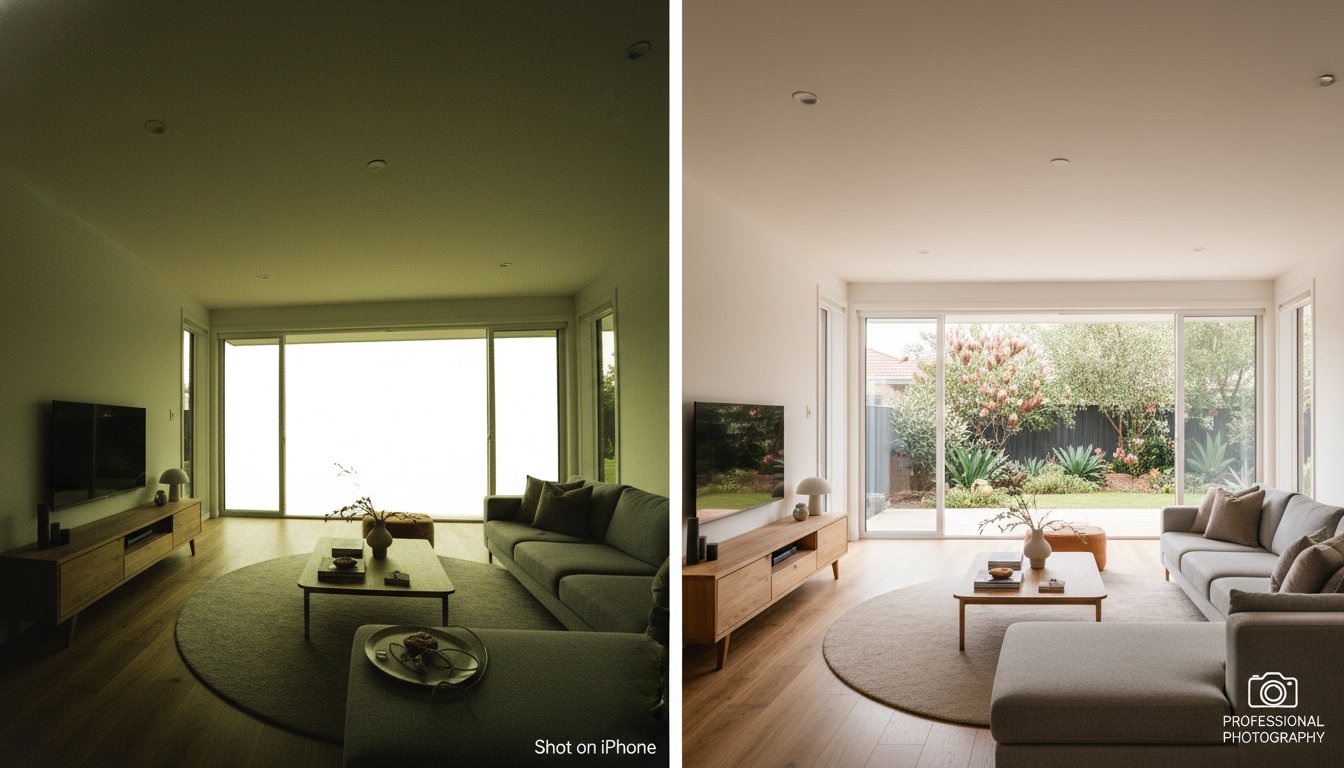
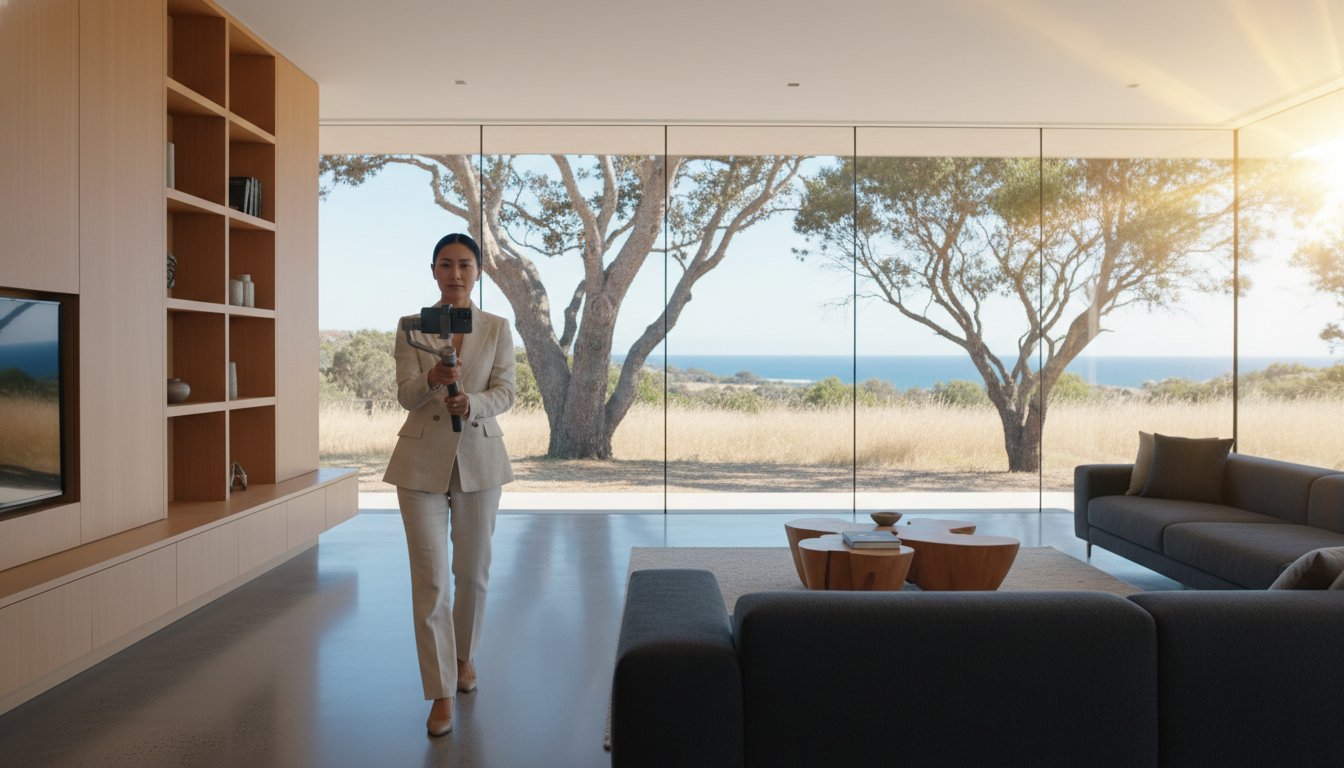
"Fast turnaround" gets used loosely across the photography industry, so it's worth being specific about what it should actually mean for a rental property manager. A genuinely fast workflow means booking a shoot in minutes rather than through a back-and-forth quote request, having a photographer on-site within a day or two of booking (not a week), and receiving a listing-ready gallery within 24 hours of the shoot itself, not photos requiring a separate editing or formatting step before they're usable.
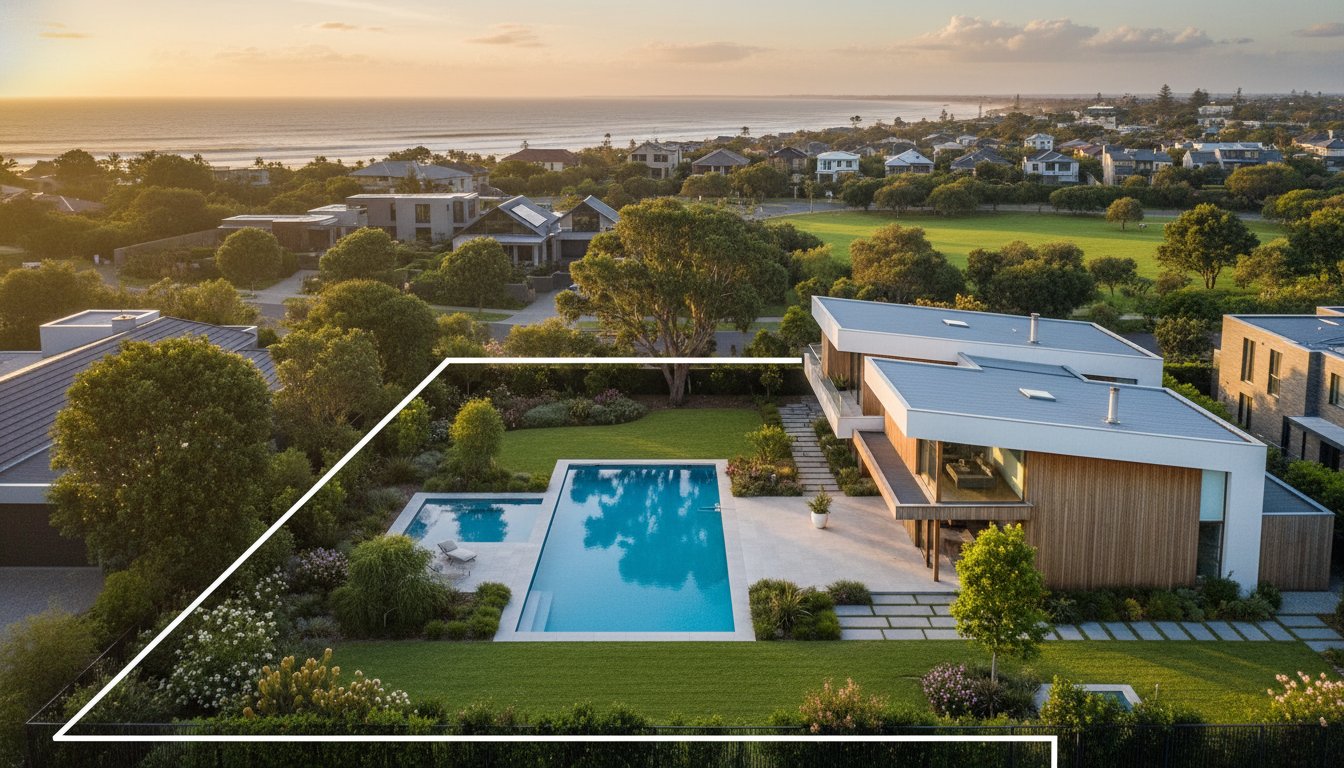
National coverage matters here as much as speed. A property manager overseeing properties across multiple suburbs or regions needs the same fast turnaround regardless of location, rather than fast delivery in metro areas and multi-day delays for regional properties. A single supplier who can deliver the same standard and the same speed everywhere removes the need to manage a patchwork of local photographers with inconsistent availability and pricing.
The single biggest turnaround win available to most property managers isn't a faster photographer, it's a faster booking process. A platform where you can book a shoot in a few clicks the moment a vacancy is confirmed, without waiting for a quote or a callback, can shave a full day or more off the total vacant-to-listed timeline before a photographer has even picked up a camera.
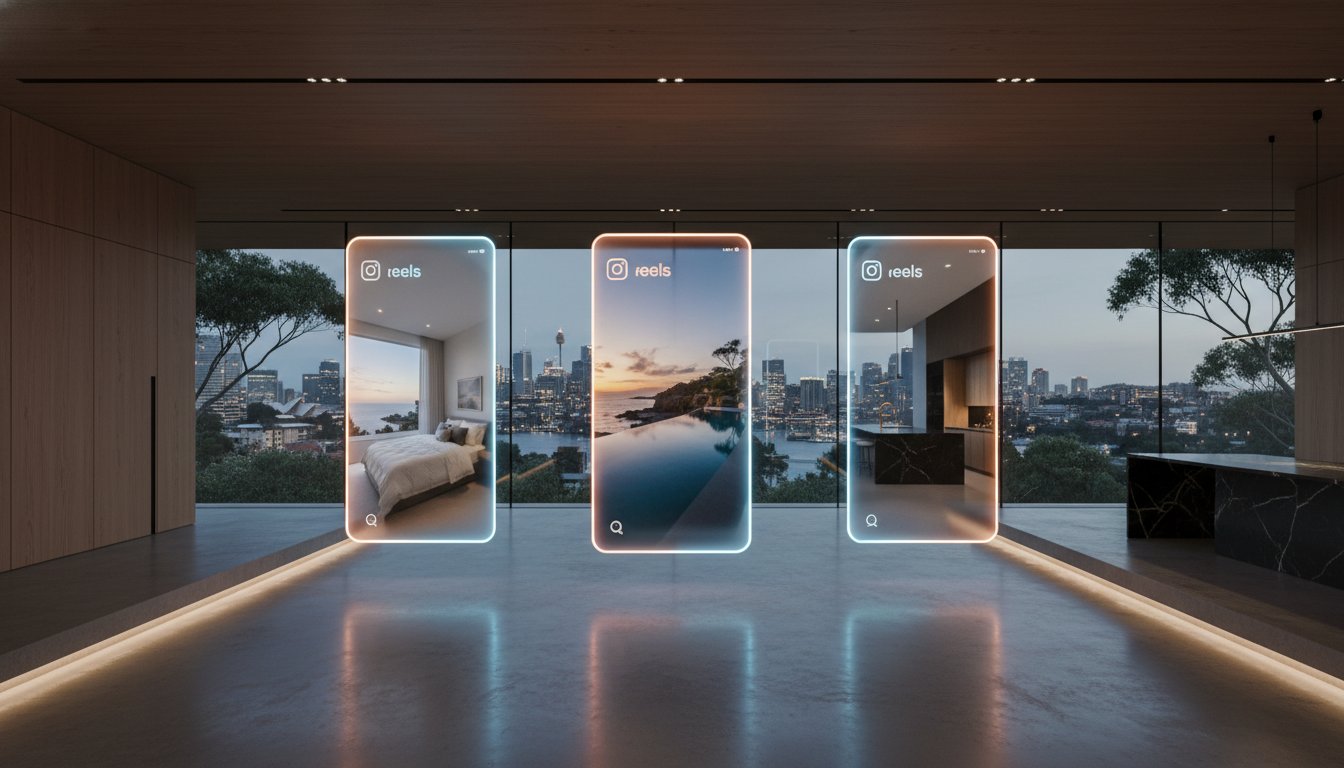
Speed only helps if what you receive is immediately usable. A gallery that still needs uploading, formatting, or manual organisation before it can go on a listing portal isn't actually a fast turnaround, it's a fast delivery of extra work. The fastest workflows deliver a single link with everything included, photos, video, floor plan, and virtual tour, ready to drop straight into the listing or push to social without a separate design step.
UberRE is built to keep pace with the way rental portfolios actually operate. Booking takes a few clicks through a simple online platform, not a phone call or an email quote request, which means a shoot can be locked in the moment a vacancy is confirmed rather than after a day or two of coordination. Because UberRE covers the whole of Australia with one national network, property managers overseeing properties across multiple suburbs or states get the same fast turnaround and the same quality standard everywhere, rather than fast service in one area and a slower, inconsistent experience elsewhere.
Once the shoot is complete, delivery is fast and complete: a single link with every photo, video, floor plan, and virtual tour, ready to drop straight into the listing or push to social. There's no separate design step and no extra tool required to make the gallery listing-ready. For a property manager juggling multiple simultaneous vacancies, this removes the single biggest source of hidden admin time in the rental turnover process.
Because rental portfolios rarely involve just one property at a time, a booking platform needs to handle multiple concurrent orders without becoming a full-time coordination job. Placing several bookings across different properties, tracking delivery status on each, and receiving each gallery the moment it's ready all happen through the same simple interface, which matters when a property manager might be managing ten or more active shoots in a single week.
Many photography suppliers deliver a folder of raw or lightly edited images and leave the rest of the work, building a gallery, formatting for portals, preparing something shareable, to the property manager. UberRE's single-link delivery is built to be immediately usable: ready for the listing portal, ready to send to the landlord for approval, and ready to push to social without a separate editing or design tool in between.
The property managers who see the biggest turnaround improvement aren't the ones who speed up a single shoot, they're the ones who standardise their entire portfolio onto one fast, reliable supplier. Instead of a patchwork of local photographers with different pricing, different turnaround promises, and different quality standards, a single national platform means every property in a portfolio, regardless of suburb or property manager, gets the same fast, predictable turnaround.
This consistency compounds. A faster average turnaround across an entire portfolio means fewer vacant days across every managed property every month, a stronger story to tell landlords about how quickly their property gets back on the market, and less time spent by property managers chasing supplier status updates instead of managing tenancies. Compare the turnaround and the listing-ready link against your current process on your next vacancy, no need to switch your whole portfolio at once, and see the difference directly.
Every vacant day costs a landlord money, and for a property manager, photo turnaround is one of the few parts of the leasing pipeline that's entirely within a supplier's control. A slow, fragmented photography process is one of the most avoidable and most overlooked causes of delayed rental listings across a portfolio, and it's a fixable one.
UberRE's national coverage, simple booking platform, and single-link delivery of photos, video, floor plans, and virtual tours are built specifically for rental volume and pace, not adapted from a slower sales-listing workflow. Faster booking, faster delivery, and a listing-ready gallery the moment the shoot is done mean less time lost between a tenant moving out and a new listing going live.
Try it on your next vacancy and compare the turnaround against your current process, no full-portfolio commitment required to see the difference.
UberRE is built around fast, consistent delivery: booking takes a few clicks rather than a quote request, and completed shoots are delivered as a single ready-to-use link with photos, video, floor plan, and virtual tour included, without a separate editing or formatting step required before the gallery can go live on a listing.
UberRE covers the whole of Australia through one national network, so properties outside major metro areas get the same booking process and turnaround standard as inner-city listings, rather than a slower or less consistent service outside the largest markets.
No. You can book a single vacant property through UberRE and compare the turnaround and the listing-ready gallery against your current supplier before making any wider decision about your portfolio's photography arrangements.
A booking can include photography, video, floor plans, and virtual tours depending on what the listing needs, all delivered through a single shareable link rather than separate files or platforms for each type of media.
Booking is done directly through UberRE's online platform in a few clicks, without needing to request a quote or wait for a callback, which is built specifically around how quickly rental vacancies need to move from vacant to listed compared to a longer-lead-time sales campaign.
Yes. The single link delivered after a shoot is ready to drop straight into a listing or push to social without needing a separate design step or additional tool to prepare the content first.
Every day a rental sits vacant while waiting on photos is a day of lost rent. Reducing the average delay between a property becoming vacant and its listing going live directly reduces total vacant days across a portfolio, which translates into recovered rent for landlords and a stronger performance story for the managing agency.

-2.png)