
In 2026, relying on a handshake deal for your property marketing isn't just risky; it's a direct threat to your agency's bottom line. You've likely felt the sting of a missed deadline delaying a high-value listing or the frustration of inconsistent image quality that fails to reflect your brand's professional standard. Establishing a robust real estate photography service level agreement is no longer an optional extra for top-tier Australian agencies. It's the operational engine that transforms visual marketing from a variable expense into a guaranteed, high-performance asset.
We understand that you need absolute certainty regarding listing speed and visual output. This guide will help you master the essential components of a professional SLA to guarantee 24-hour turnaround times and total marketing reliability for every campaign. You'll learn how to navigate the legal nuances of the Copyright Act 1968 and the latest implications of the Competition and Consumer Amendment (Unfair Trading Practices) Bill 2026. We'll preview the specific performance benchmarks required to eliminate hidden costs and ensure your agency maintains a competitive edge in a fast-paced market.
• Eliminate listing bottlenecks by enforcing a 24-hour turnaround benchmark for all visual marketing assets.
• Master the essential clauses of a real estate photography service level agreement to secure consistent image quality and professional accountability.
• Protect your agency's long-term marketing archives by understanding the critical distinction between usage licences and copyright ownership.
• Standardise your booking and cancellation protocols to manage tenant access and weather disruptions without incurring hidden costs.
• Leverage a tech-integrated marketing infrastructure to ensure standardised excellence and national coverage for every property campaign.
The Australian property market has moved past the era of the "creative freelancer" who delivers photos whenever they feel inspired. In 2026, visual content is the critical infrastructure of your marketing machine. When you handle dozens of listings across different suburbs, you can't afford the variance that comes with individual artistic temperaments. A Service-level agreement (SLA) formalises the expectations between your agency and your media provider, turning a loose arrangement into a dependable business utility. This document ensures that your marketing pipeline remains clear, even when the market hits peak velocity.
High-volume listing environments often face a "bottleneck" effect where photography delays stall the entire sales process. Without a clear real estate photography service level agreement, your agency is vulnerable to the schedule of a single individual. If a photographer falls ill or mismanages their calendar, your vendor’s property stays off the market, devaluing your brand's promise of efficiency. An SLA mitigates this risk by defining exactly what happens when things go wrong, ensuring that service assurance is baked into your operational DNA. It provides the legal and logistical framework needed to meet rising vendor expectations for immediate market entry.
Verbal agreements often crumble during the high-pressure spring selling season. When every agent in the city is fighting for the same twilight slot, a handshake deal offers zero protection against double-bookings or late deliveries. Miscommunication in these moments leads to lost buyer momentum and strained vendor relationships. You need a corporate, results-driven partnership that prioritises accountability. Moving to a formal agreement replaces "I'll try to get them to you tomorrow" with a contractually bound delivery window. This shift from casual to professional creates the certainty required to plan your social media drops and portal uploads with precision.
Growing your agency requires standardised output that doesn't fluctuate based on who is behind the lens. Every real estate photographer representing your brand must deliver the same high-tier result, whether they are shooting a studio apartment or a luxury estate. By embedding specific quality benchmarks into your real estate photography service level agreement, you reduce administrative friction and eliminate the need for constant micro-management. This level of standardised excellence is vital for national agency expansions. It ensures that your regional offices and capital city branches operate under the same high standard, providing a unified brand experience across the entire country.
A professional real estate photography service level agreement serves as a technical blueprint for every campaign. When determining what to include in an SLA, Australian agencies must prioritise clarity over creative jargon. This document must define the exact parameters of your marketing assets, ensuring there is no ambiguity when a photographer arrives on-site. By treating your visual media as a modular product rather than an artistic variable, you create a scalable system that supports high-volume listing schedules without compromising on quality.
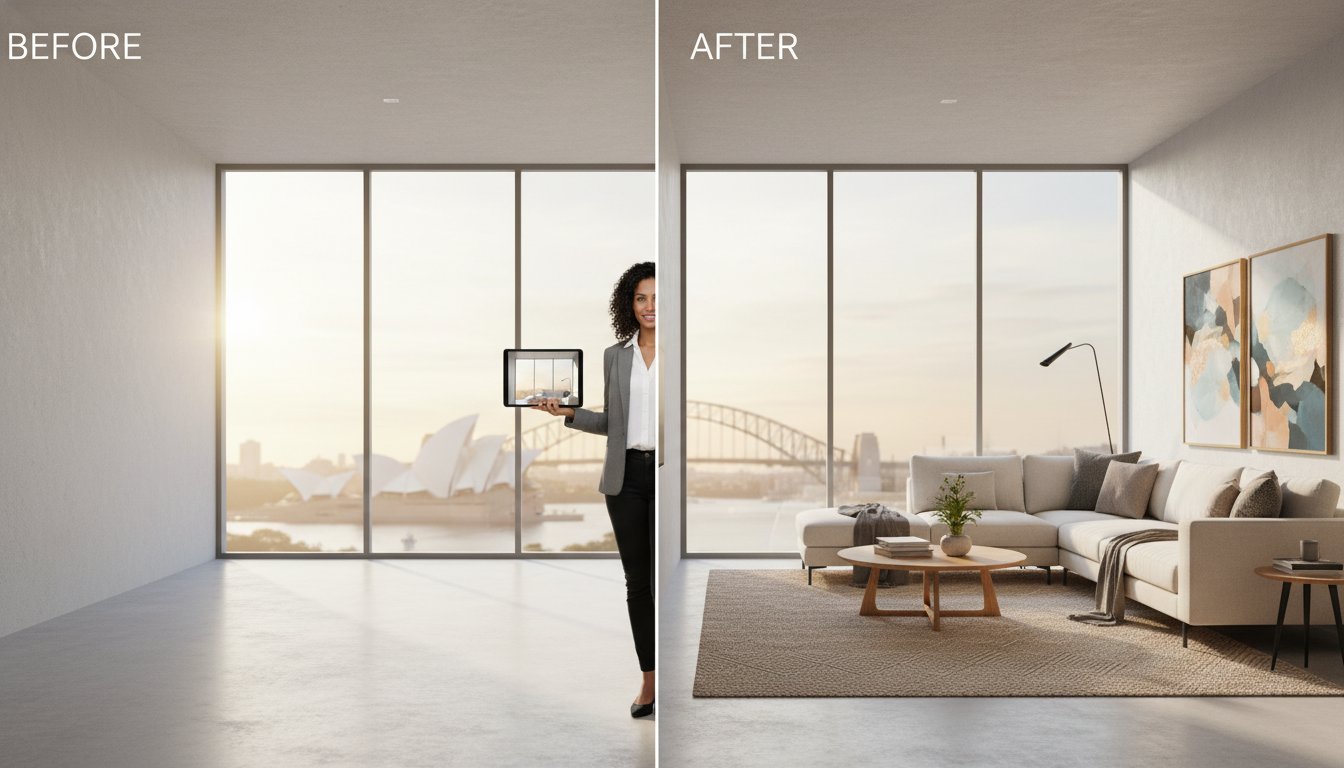
Precision begins with the explicit definition of services. Your agreement should distinguish between standard day photography and the specialised technical requirements of twilight photography. It is equally important to integrate real estate floor plans and site plans into the same framework to ensure total campaign consistency. Modern marketing also requires specific provisions for social media reels and virtual staging. Clearly outlining these deliverables prevents scope creep and ensures that every asset is formatted correctly for both print and digital portals from the outset.
Operational efficiency relies on standardised on-site protocols. Your SLA must detail property preparation requirements to ensure vendors have the home ready before the photographer's arrival. This reduces time wastage and avoids the need for costly re-shoots. Access protocols for lockboxes and tenanted properties must be strictly defined to manage liability and respect privacy. Additionally, the agreement should address health and safety (WHS) obligations. For drone operations, ensure your provider complies with CASA regulations, including maintaining a 30-metre distance from uninvolved persons. These logistical safeguards protect your agency and maintain a professional presence at every listing.
The final pillar of a robust real estate photography service level agreement is the delivery mechanism. Specify requirements for high-resolution files alongside social-media-ready formats to streamline your workflow. Define what constitutes a "successful" capture to set clear benchmarks for corrections and re-shoots. If a shoot is compromised by weather or access issues, your agreement should have a pre-defined protocol for rescheduling. This level of technical detail ensures your marketing remains on track regardless of external variables. You can begin standardising your agency's output by registering your agency account to access professional-grade marketing infrastructure.
Performance standards are the heartbeat of any real estate photography service level agreement. Without quantifiable metrics, an agreement is merely a list of intentions. In the high-stakes Australian property sector of 2026, where national median dwelling values have reached $922,838, speed and precision are non-negotiable. Your marketing partner must demonstrate the infrastructure necessary to handle multiple concurrent listings while maintaining a steady, professional pulse across all deliverables. This section focuses on the measurable benchmarks that separate a premium service provider from a casual freelancer.
A 24-hour turnaround has evolved from a premium perk into the industry's gold standard. Rapid delivery directly reduces the "time-to-market" metric, allowing vendors to capitalise on buyer interest while it is at its peak. Using automated delivery platforms instead of manual file transfers ensures that assets move seamlessly from the editing suite to your agency's CRM. If assets are delayed by even 12 hours, digital advertising schedules on portals like Realestate.com.au can be thrown into disarray, potentially costing your client significant momentum. Your SLA must explicitly guarantee this timeframe to ensure your agency remains agile and responsive.
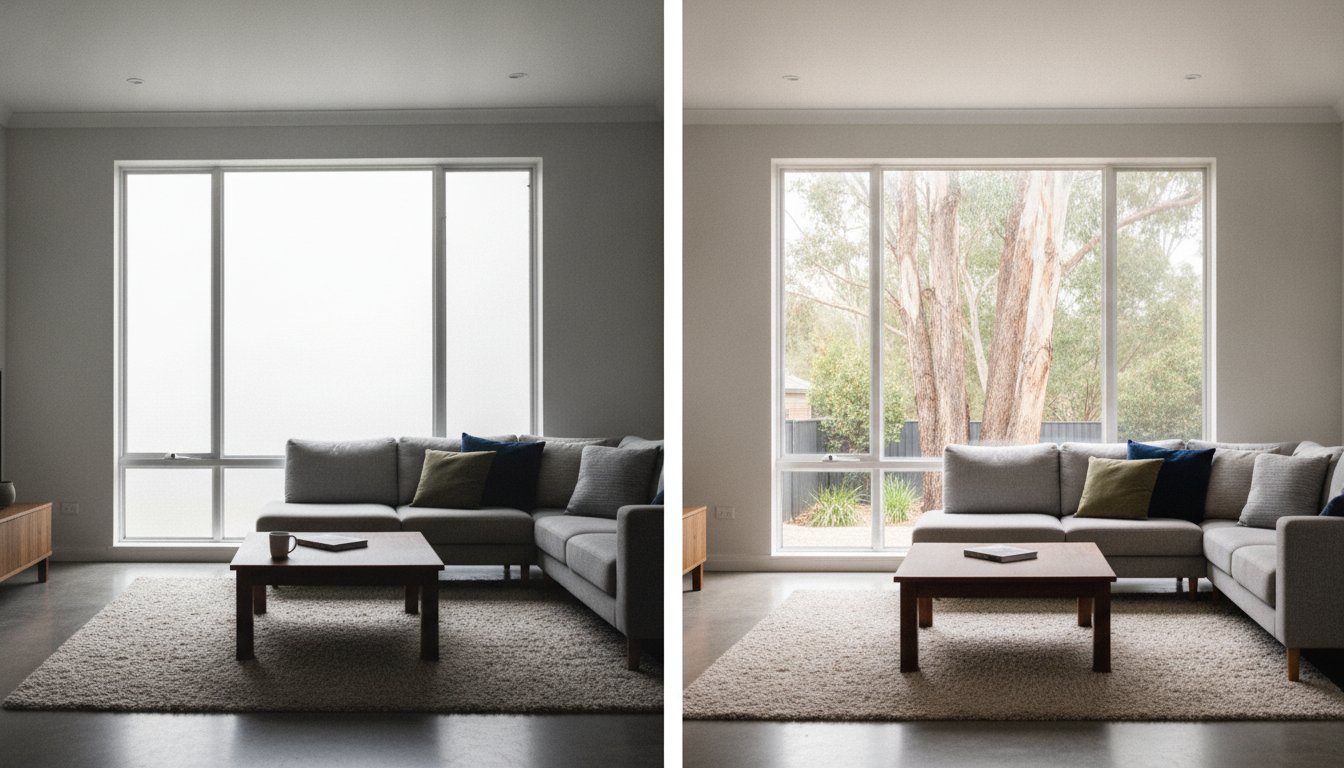
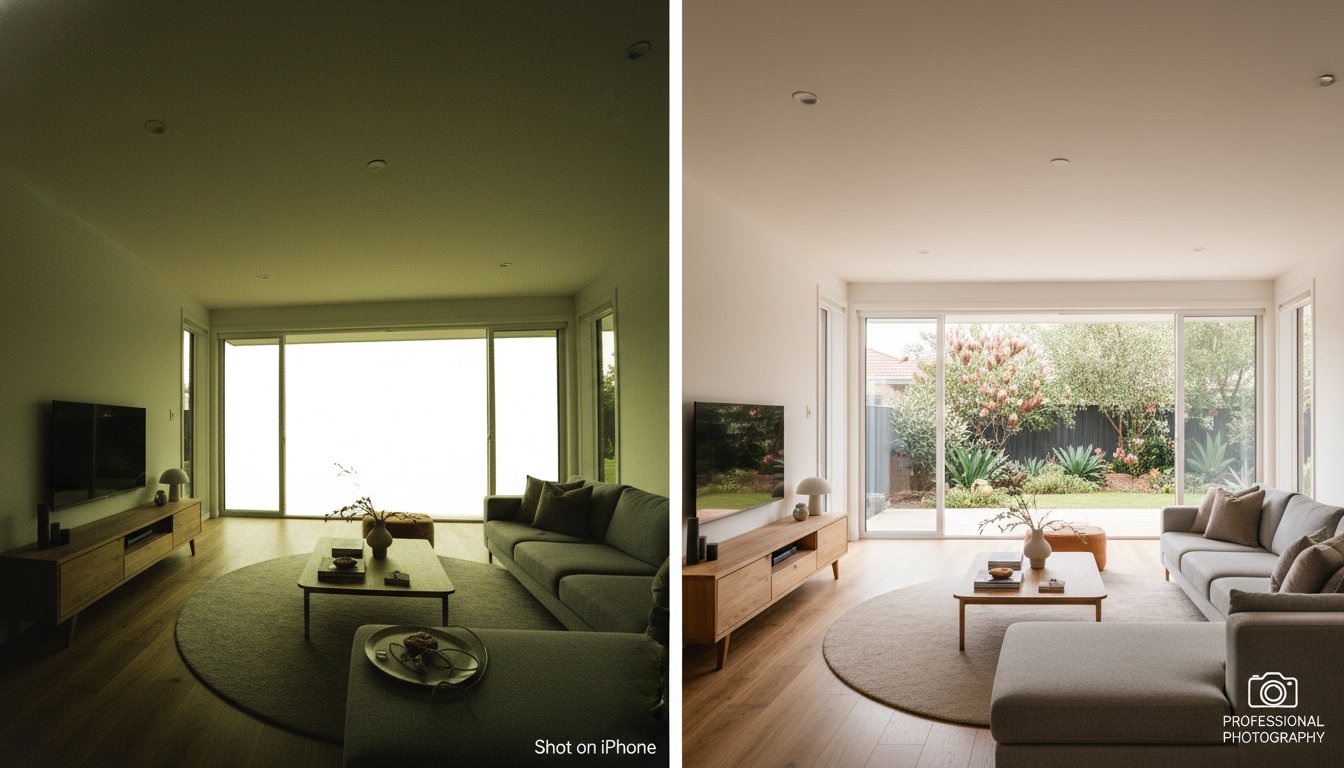
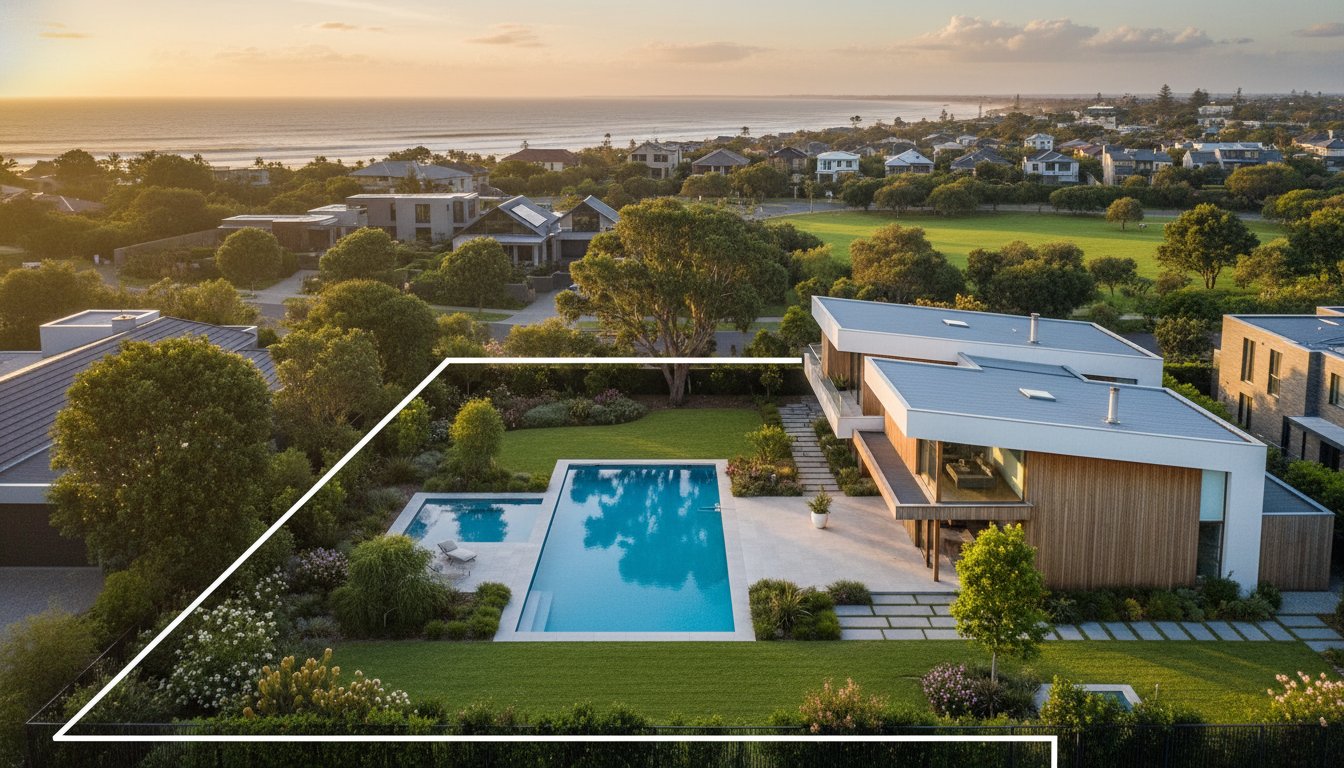
Standardisation is the only way to protect your brand's visual identity across a national network. Your agreement should mandate specific technical requirements for all assets. This includes minimum resolution and aspect ratios tailored to major Australian portals to ensure images appear crisp on all devices. Editing standards must be uniform across every listing; sky replacement, vertical alignment, and colour correction are baseline expectations. When incorporating aerial drone photography, your SLA should define specific heights and angles to showcase property scale and proximity to local amenities consistently. This level of detail ensures that whether a property is in Perth or a regional Queensland hub, the output remains indistinguishable in quality.
Uptime and availability are equally critical components of service assurance. Your provider should have the capacity to service several listings simultaneously without a drop in output quality. Communication protocols must also be clearly defined within your real estate photography service level agreement. Expect booking confirmations within a specific window and set response times for support queries. These benchmarks turn your agreement into a tool for operational excellence, ensuring your agency never misses a beat during the busiest selling periods of the year.

Legal certainty is the primary foundation of any professional marketing partnership. In Australia, the Copyright Act 1968 dictates that the photographer is the initial owner of the copyright in their photos unless a written agreement states otherwise. Without a robust real estate photography service level agreement, your agency might only hold a limited, temporary licence that expires once the property settles. This creates a significant gap in your marketing infrastructure, particularly when you need to showcase past successes in "Sold" galleries or social media archives. Establishing clear legal parameters ensures you have the right to use your assets exactly how and when you need them.
Your agreement must define a specific grant of rights that extends beyond the duration of a single listing campaign. You require perpetual, non-exclusive rights to use all visual assets for agency brand marketing, social media, and industry award submissions. It's equally important to include a clause that prohibits the photographer from reselling your listing images to third-party developers, builders, or architects without your explicit consent. This protects the exclusivity of your marketing efforts and prevents your content from appearing in a competitor's portfolio without your knowledge. Clear IP definitions transform raw files into protected corporate assets.
Modern transparency requirements, including those introduced by the Competition and Consumer Amendment (Unfair Trading Practices) Bill 2026, make it imperative that your contracts are fair and easily understood. An effective real estate photography service level agreement should include indemnification clauses that protect your agency from intellectual property disputes or privacy breaches caused by the provider. By formalising these expectations, you move away from the uncertainty of freelance work toward a secure, corporate-grade partnership. Secure your agency's legal interests and streamline your marketing workflow by registering for a professional agency account today.
Adopting a professional real estate photography service level agreement is the first step toward operational maturity. The second step is partnering with a provider that has already engineered these benchmarks into their core infrastructure. UberRE moves your agency away from the manual management of individual contractors and toward a tech-integrated marketing utility. By centralising your visual media requirements, you eliminate the variability of the freelance model. This transition allows your team to stop troubleshooting logistics and start focusing on high-level listing strategy and vendor relationships.
Our platform integrates SLA-level reliability into every booking. We provide national coverage across Australia, ensuring that your regional branches and capital city offices operate under a single, unified standard of excellence. This consistency is vital for maintaining brand integrity in a competitive market. When your agency uses a standardised framework, you gain the ability to scale rapidly without the administrative burden of vetting new photographers in every territory. Reliability becomes an automated feature of your workflow, not a daily challenge to be solved.
We treat every visual asset as a high-performance marketing product. Our 24-hour turnaround guarantee is a core pillar of our service commitment, providing the speed required to meet 2026 market demands. We offer standardised pricing and packages, which simplifies your agency budgeting and removes the "drip pricing" uncertainty often found in the industry. Your team can access a comprehensive suite of tools through a single portal, from Matterport 3D tours and textured floorplans to professional copywriting. This modular approach ensures that every campaign, regardless of its complexity, is delivered with the same professional pulse.
Transitioning to a professional service model requires a deliberate shift in your internal processes. Begin by reviewing your current provider arrangements against the benchmarks established in this guide. Identify where delays or quality inconsistencies are costing your agency time and momentum. Onboarding your team to a centralised booking and delivery platform reduces administrative friction and ensures that everyone, from sales agents to marketing coordinators, is working from the same set of expectations. This structural change replaces the "handshake deal" with a results-driven partnership built for the modern property sector.
The objective is total marketing reliability. By embedding a real estate photography service level agreement into your agency's DNA, you protect your brand, your vendors, and your bottom line. Precision is the standard. Efficiency is the result. To see how these benchmarks can transform your listing pipeline, organise a professional property marketing consultation with UberRE today.
Mastering the real estate photography service level agreement is the definitive way to secure your agency's competitive advantage in 2026. By codifying 24-hour turnaround times and precise quality benchmarks, you eliminate the operational bottlenecks that stall listing momentum. You've identified how legal clarity regarding usage rights and comprehensive insurance protocols protects your brand from unnecessary risk. This framework ensures that your visual marketing assets remain dependable, professional, and fully under your control at all times.
Transitioning to a standardised marketing model allows your team to focus on sales rather than chasing media assets. UberRE provides the national infrastructure required to support this shift, offering a tech-forward booking and delivery platform with guaranteed performance across all capital cities and regional hubs. It's time to replace manual coordination with a dependable, corporate-grade solution that delivers 24-hour results for every campaign. This shift ensures your marketing remains an asset rather than a logistical hurdle.
Upgrade your agency's marketing standards with UberRE's professional services. Build a more resilient listing engine and lead the market with confidence.
A standard contract establishes the broad legal relationship and payment terms between your agency and the provider. A real estate photography service level agreement acts as a technical annex that defines specific performance metrics. It outlines the measurable standards of the service, such as exact turnaround times, image resolution requirements, and communication protocols. This document ensures that the operational side of the partnership is as clearly defined as the legal side.
Under the Copyright Act 1968, the photographer is the initial owner of the copyright unless a written agreement states otherwise. Your agreement must specify that the agency is granted a broad usage licence. This should include perpetual rights to use the images for internal archives, "Sold" galleries, and social media marketing. Without this clause, your right to use the assets may technically expire once the sales campaign concludes.
Yes, a 24-hour turnaround is the essential benchmark for Australian agencies in 2026. This guarantee ensures that your listings hit the market without delay, which is vital for maintaining buyer interest. Your agreement should specify that this delivery window applies to all standard visual assets, including day photography and floorplans. Standardising this timeframe allows your marketing team to plan portal uploads and social media drops with absolute certainty.
Your agreement should define clear protocols for weather disruptions to avoid logistical friction. Most professional providers utilise sky replacement technology for overcast days, allowing the shoot to proceed as scheduled. For extreme weather that prevents safe operation, the SLA should outline a prioritised rescheduling window. This ensures that your campaign stays on track while protecting the agency from paying multiple cancellation fees for events beyond your control.
A comprehensive real estate photography service level agreement must include specific provisions for drone operations to manage regulatory risk. This includes a mandate for CASA licensing and adherence to safety standards, such as maintaining a 30-metre distance from uninvolved persons. The agreement should also define technical requirements like the maximum flight altitude of 120 metres. These details protect your agency from liability while ensuring consistent aerial perspectives for every property.
You can only use images indefinitely if your agreement includes a perpetual usage licence. Many casual freelance arrangements only cover the duration of the active listing. To build a long term visual portfolio, ensure your agreement explicitly allows for the ongoing use of assets across all digital platforms. This protects your agency from copyright disputes when you repurpose old listing photos for brand marketing or year in review content.
Every media professional entering a property must hold current Public Liability and Professional Indemnity insurance. Public Liability cover is essential for protecting against property damage or injuries that occur during the shoot. Professional Indemnity insurance manages risks related to technical errors or omissions. Your agreement should require the provider to supply certificates of currency annually to ensure your agency is never exposed to third party claims.
Handle re-shoots by defining clear Quality Assurance (QA) standards within your agreement. Specify that re-shoots are provided at no cost if the original assets fail to meet pre-defined technical benchmarks, such as vertical alignment or colour accuracy. If a re-shoot is requested because the property was not prepared by the vendor, the agreement should outline a standardised fee. This clarity prevents disputes and ensures a fair outcome for both the agency and the media provider.
Book with UberRE
8 professional photos ready within 24 hours of the shoot, for print, online and social media. Same price everywhere we work in Australia.
See the service and prices
-2.png)