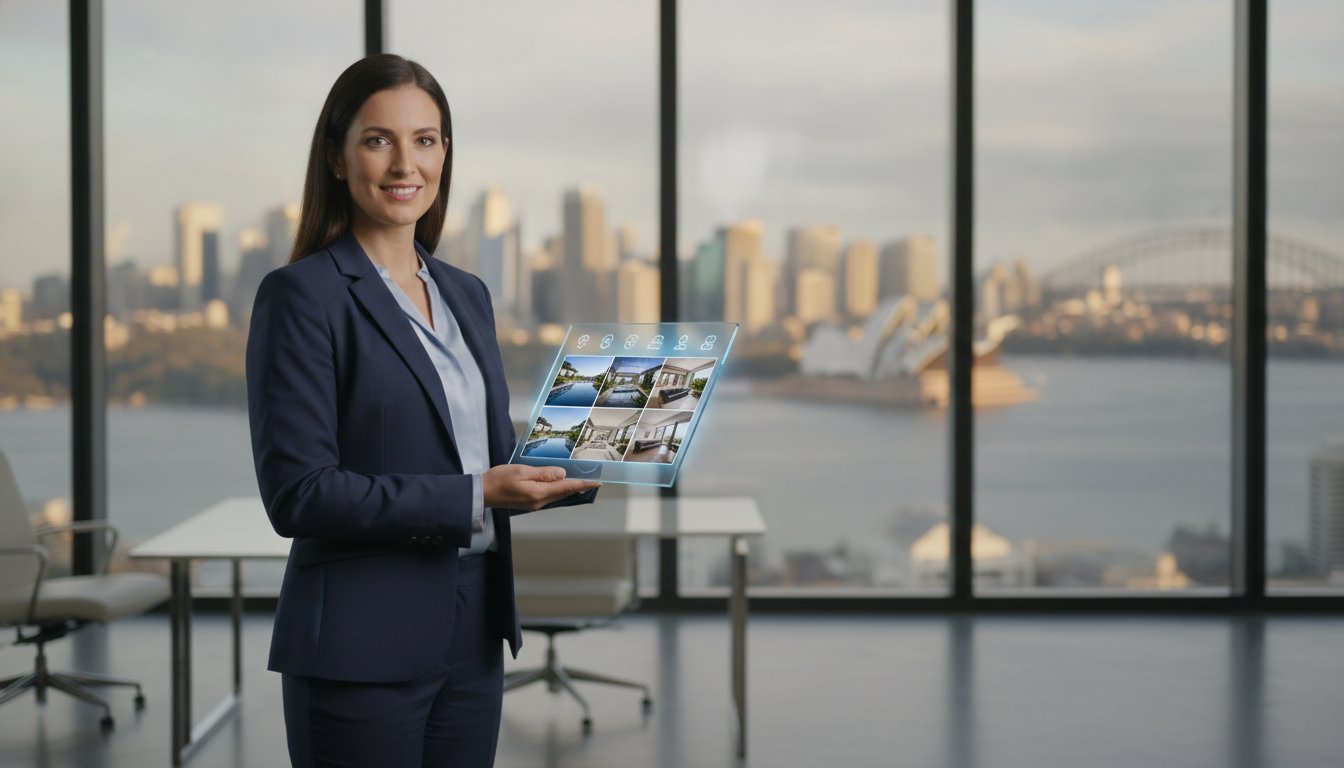

Your iPhone 18 Pro might be the most advanced camera you've ever owned, but using it for your primary listing photos could be the most expensive mistake you make this year. Every agent understands the pressure of rising marketing levies and the growing demand for digital solutions like virtual staging for real estate australia to keep vendors happy. When you're managing multiple listings and facing slow turnarounds from local freelancers, the "good enough" quality of a smartphone feels like a logical shortcut for getting a property online fast.
However, there's a significant gap between a quick social media reel and the high-end imagery required to secure a premium sale. You'll discover the critical trade-offs between handheld convenience and professional marketing systems designed to protect your commission and brand equity. We'll break down the latest 2026 camera specs, the impact of recent Australian digital alteration laws, and how to achieve standardised, high-quality output that scales with your business without devaluing your property portfolio.
• Understand why the 2026 gap between smartphone computational photography and professional optical sensors remains a critical risk for high-value listings.
• Identify specific scenarios, such as social media reels or low-margin rentals, where the speed of an iPhone provides a strategic marketing advantage.
• Protect your brand equity by avoiding common technical distortions like keystoning and curved walls that often plague DIY smartphone imagery.
• Leverage high-tech solutions like virtual staging for real estate australia to maximise visual appeal while maintaining strict compliance with local advertising regulations.
• Discover how professional 24-hour delivery models negate the perceived speed benefits of smartphone photography while ensuring a standardised, premium output.
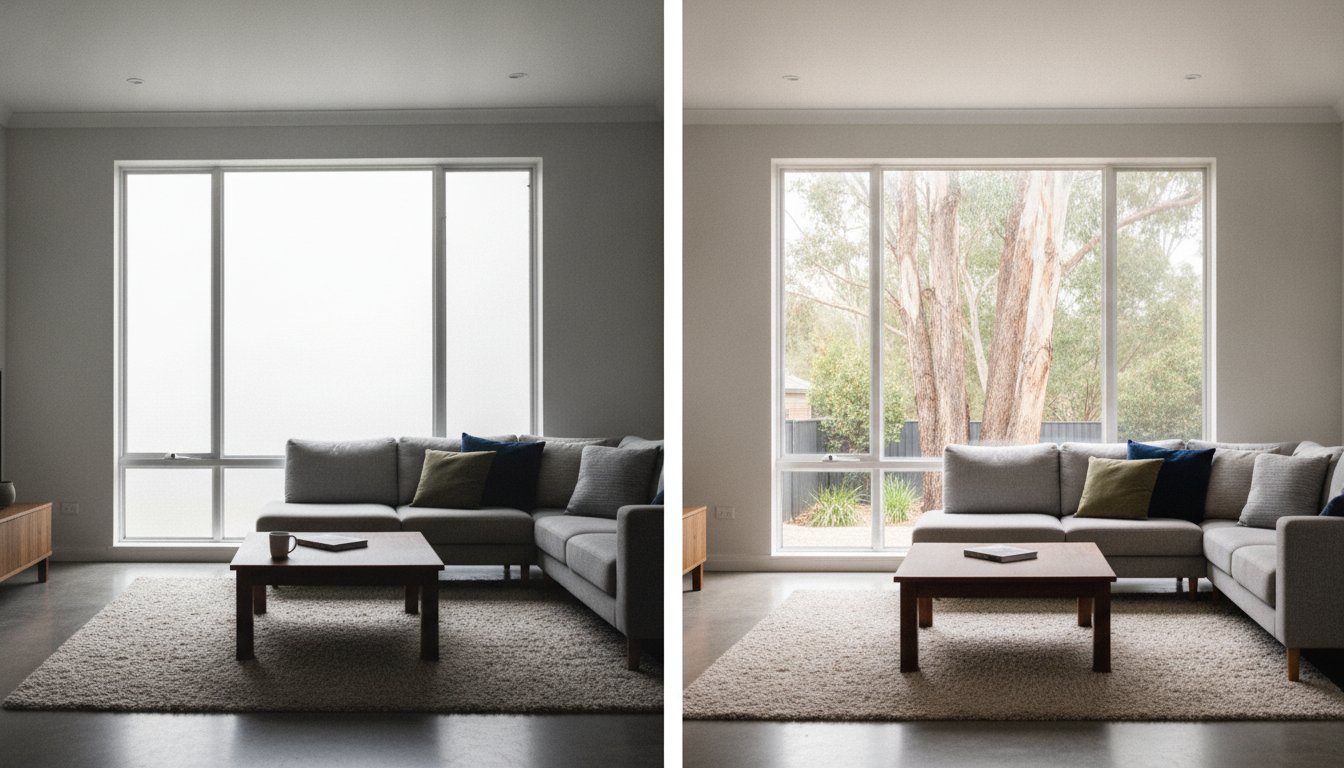
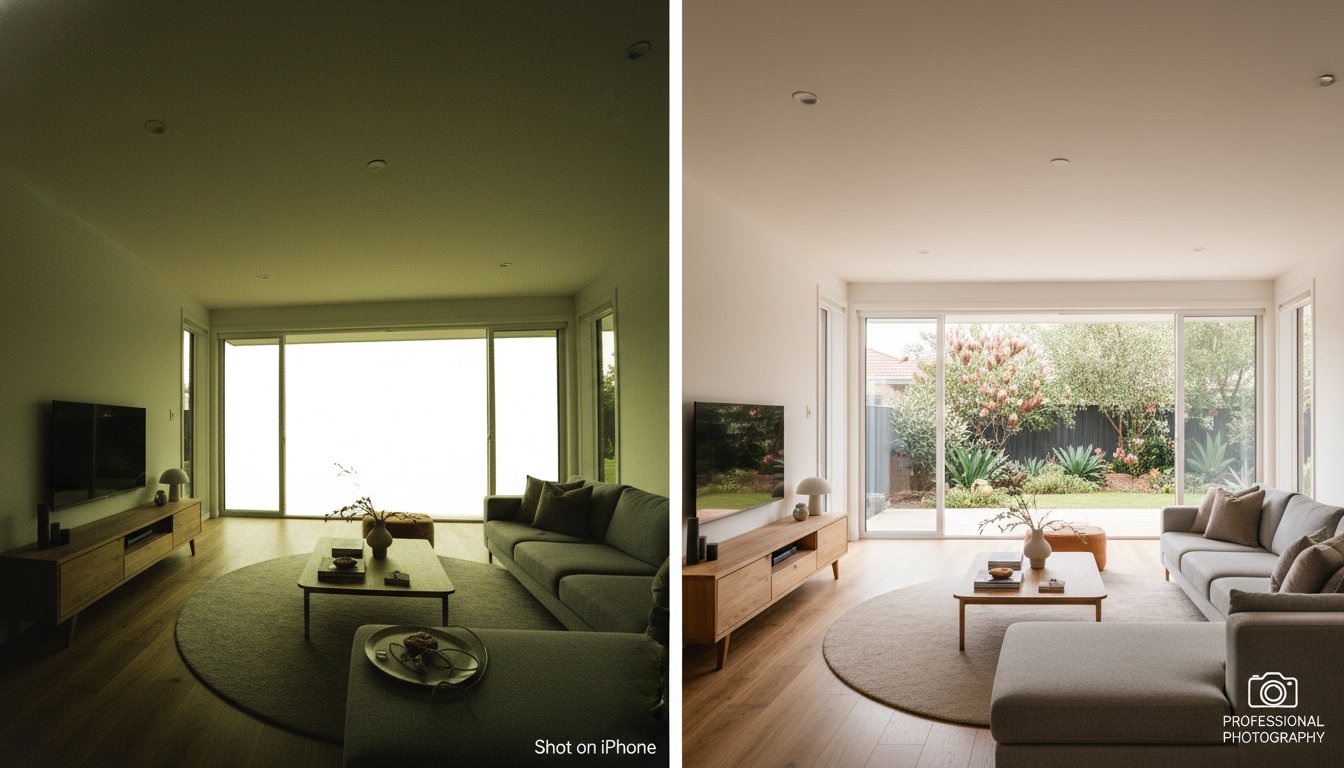
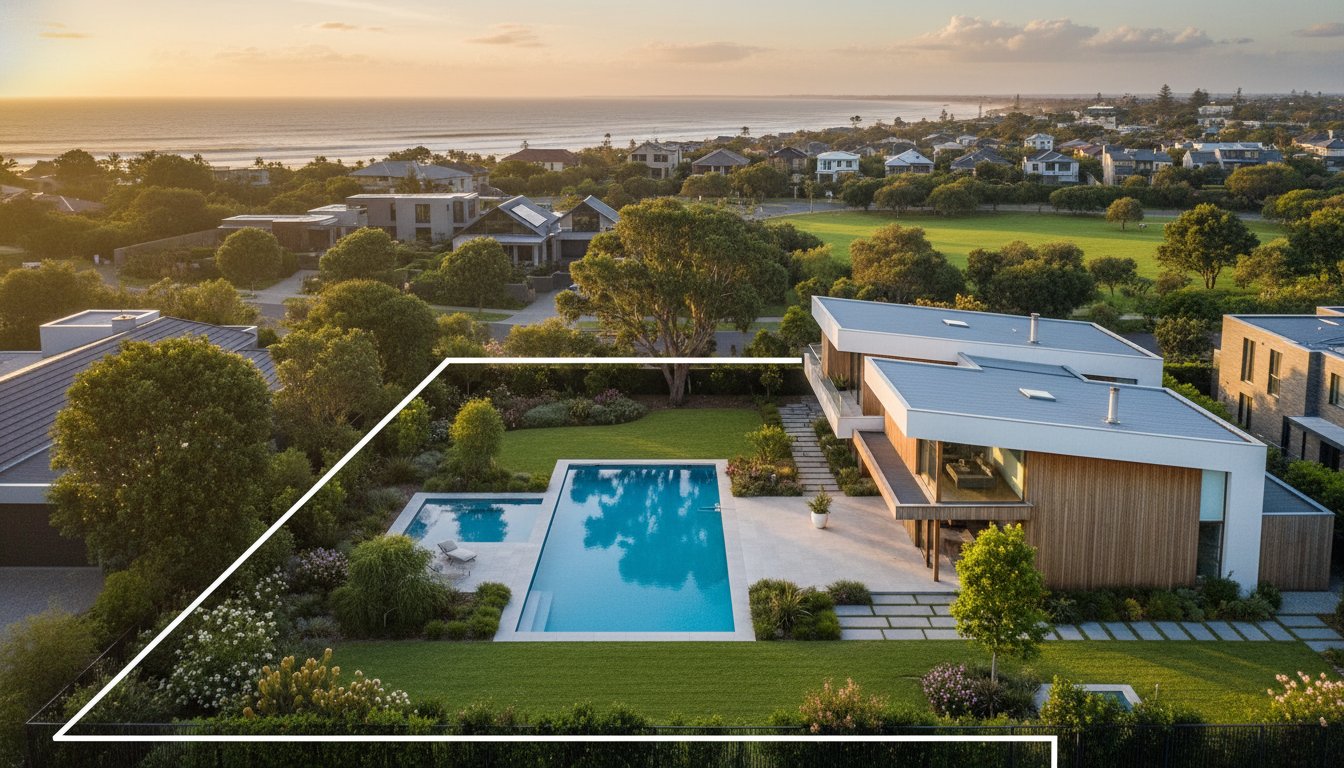
By 2026, the technical gap between a flagship smartphone and a dedicated camera system has narrowed in resolution but remains distinct in optical intent. The iPhone 18 Pro models now feature a variable aperture main camera and a larger 1/1.12-inch sensor; hardware upgrades that allow for better light intake than ever before. However, the modern property marketing debate has shifted. It's no longer about whether a phone has enough megapixels to print a signboard. The real battleground is dynamic range, the ability to capture detail in both the darkest corners of a lounge and the bright Australian sun streaming through a window simultaneously.
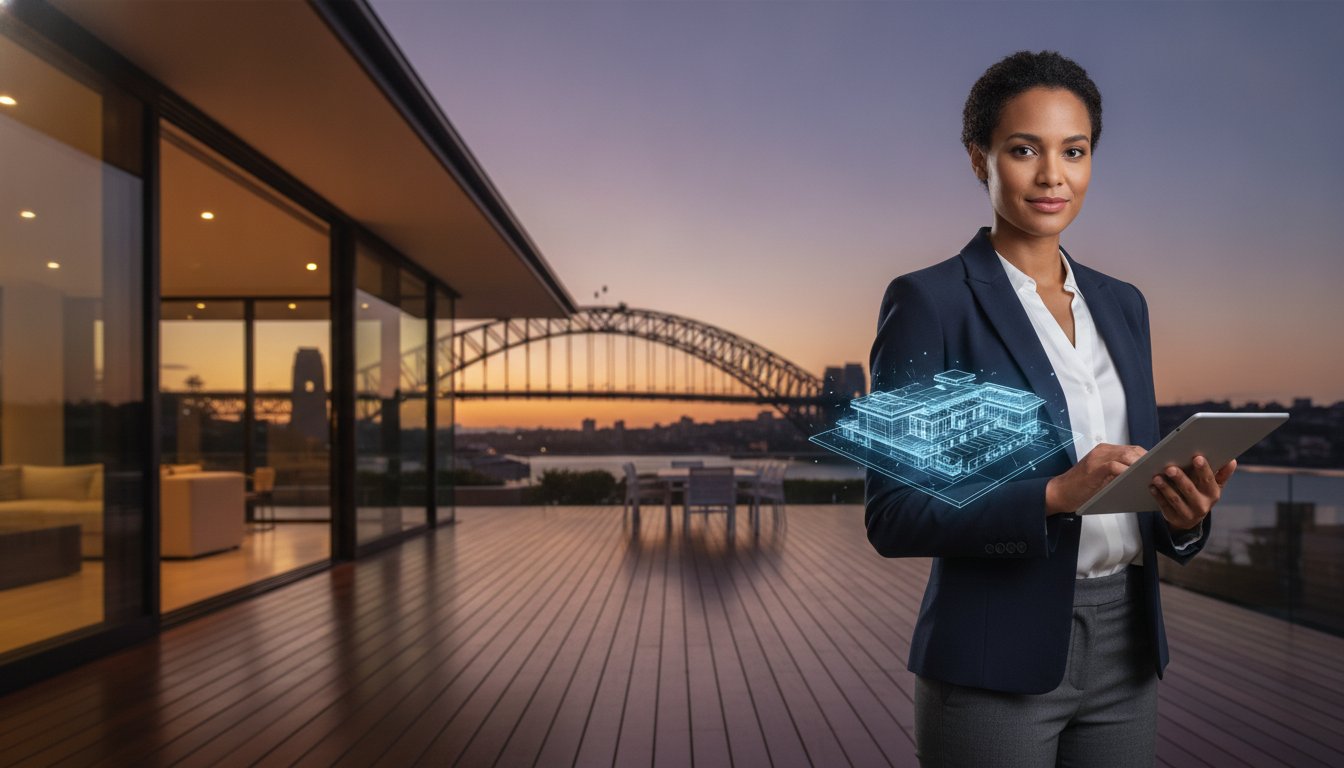
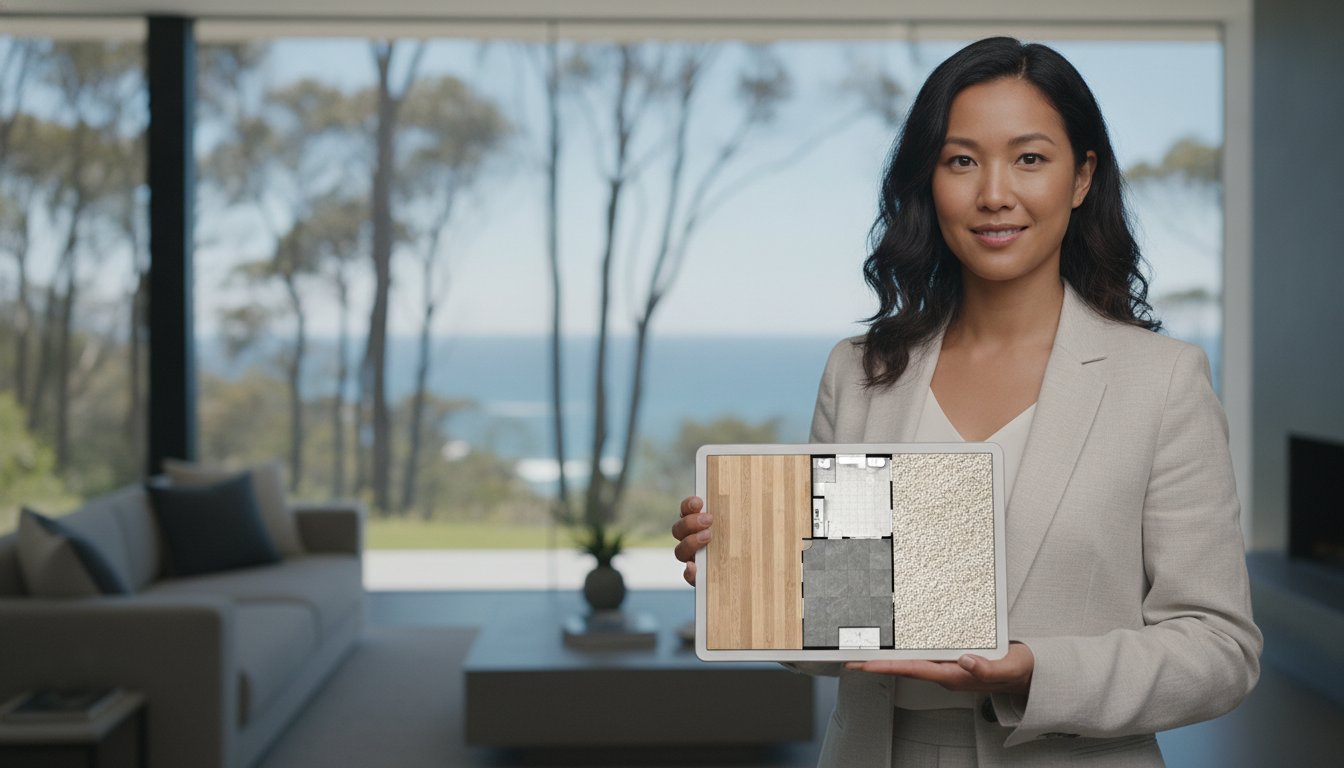
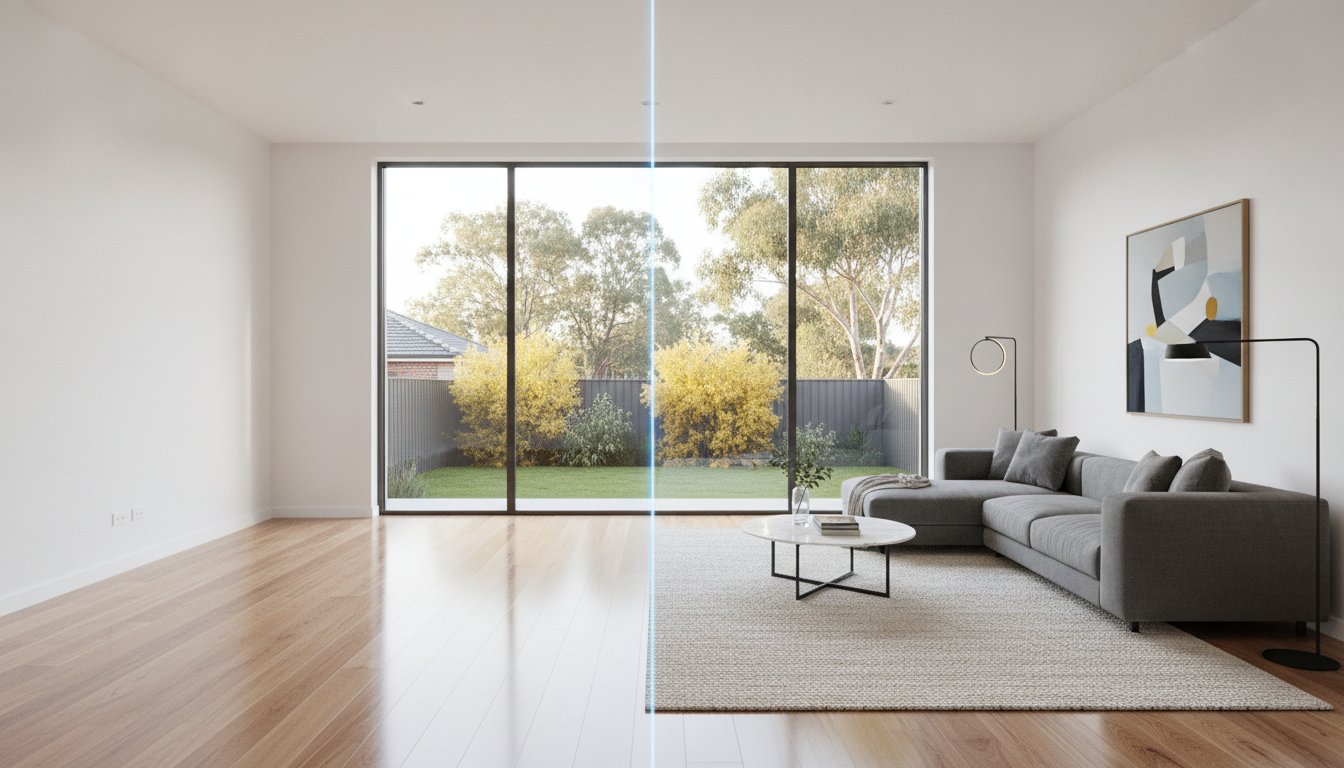
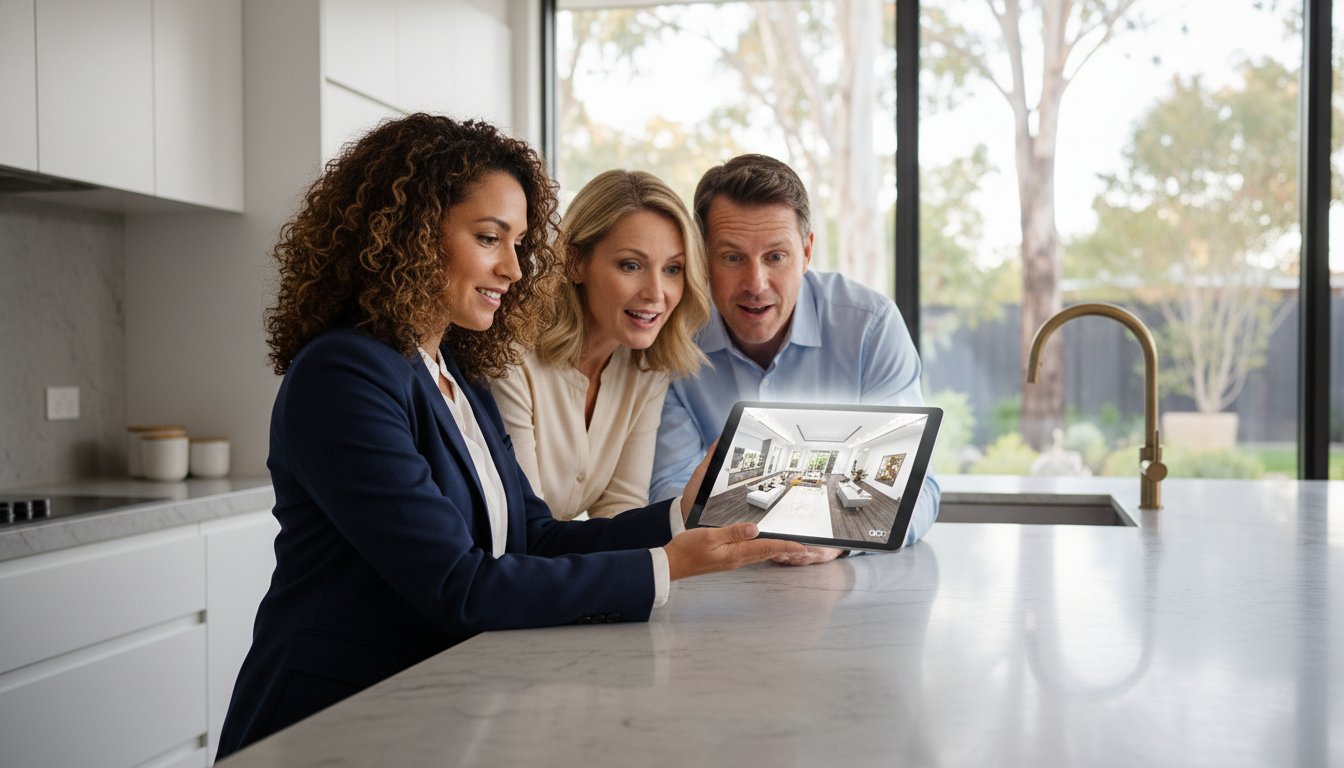
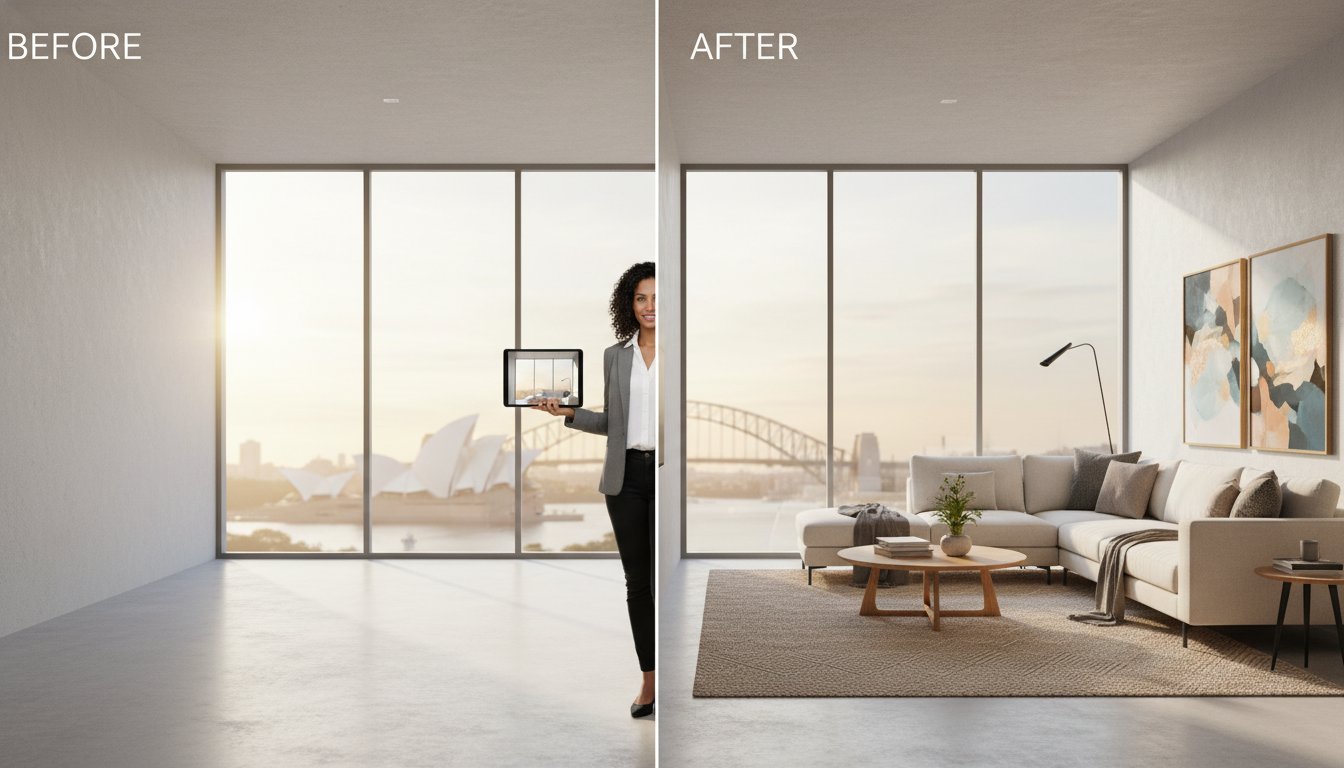
For many agencies, the first step into high-end presentation involves understanding what virtual staging is and how it integrates with these digital captures. While a smartphone can capture a raw room, virtual staging for real estate australia has become the standard for transforming those base files into aspirational lifestyle assets. This tech-integrated approach allows agents to move faster, yet it requires a deep understanding of how mobile sensors interpret space compared to professional glass.
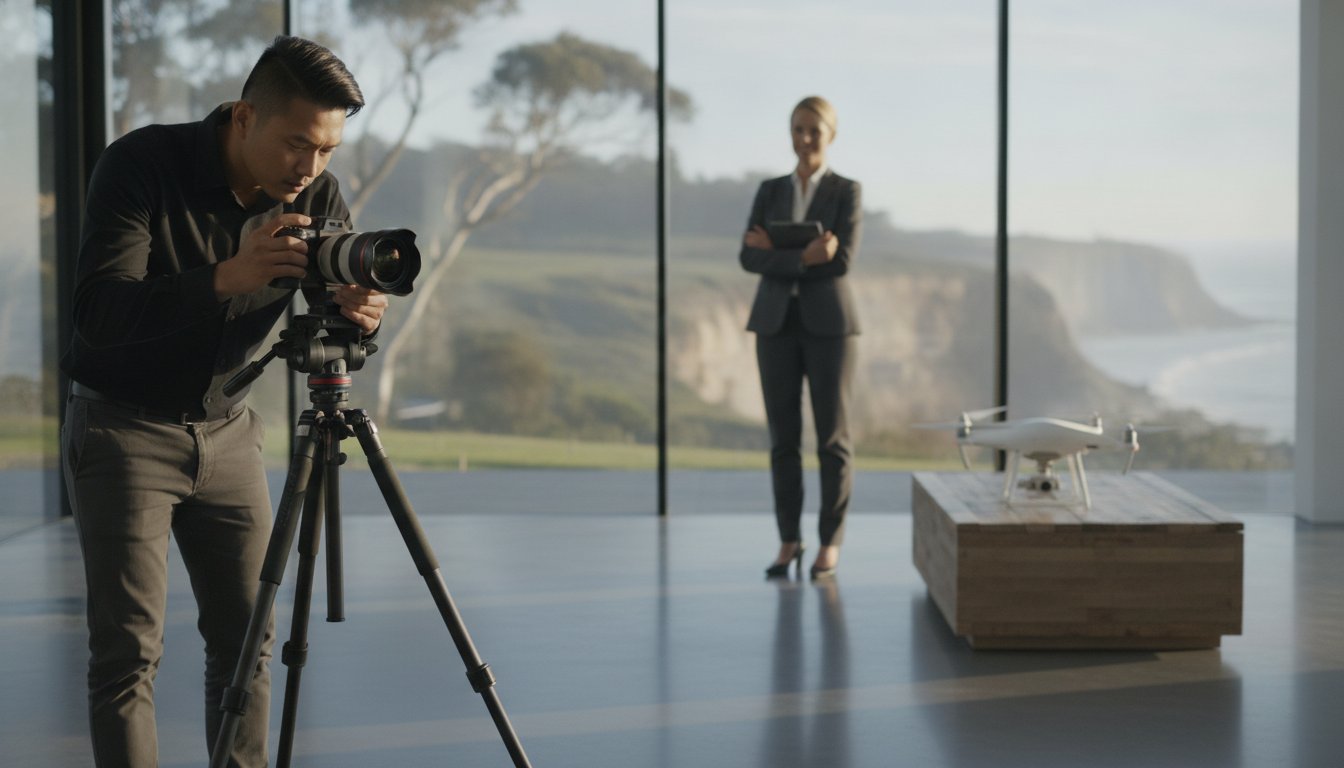
Computational photography is the software-based enhancement of digital images to overcome hardware limitations. When you tap the shutter on a 2026 iPhone, the device isn't taking one photo; it's capturing a burst of multiple exposures and merging them instantly using AI. This process handles the harsh contrast of the Australian climate, preventing "blown out" windows. Despite this, software-based bokeh and artificial lighting often struggle in large, open-plan living areas. These AI "guesses" can create unnatural blurring around furniture edges, which is why many top-tier agents still rely on a professional real estate photographer to ensure every vertical line and light source remains optically true.
Australian buyers are among the most visually literate in the global property market. The quality bar on platforms like Domain and Realestate.com.au is significantly higher than international equivalents, creating a high-stakes environment for every listing. High-intent buyers recognise the difference between a distorted smartphone wide-angle shot and a balanced, professional composition in seconds. This "scrolling speed" is a critical metric; if a photo looks amateur, the user swipes past. Professional imagery serves as a vital trust signal. It tells the buyer that the agent is serious about the property and that the vendor has invested in a premium result. In a market where virtual staging for real estate australia is frequently used to showcase potential, the base image must be flawless to maintain credibility.
Speed is the primary currency of the 2026 Australian property market. While professional optics are essential for high-stakes listings, the iPhone offers an immediate turnaround that traditional workflows can't always match for rapid-response content. For an agent standing in a newly won listing, the ability to capture "Coming Soon" teasers or social media reels instantly can build momentum before the formal marketing campaign even begins. This handheld convenience lowers the barrier to entry for new agents and provides a cost-effective solution for low-margin listings where every dollar of the marketing levy counts.
Even when using a smartphone, you can maintain a level of digital sophistication. Integrating virtual staging for real estate australia into your mobile workflow allows you to transform raw, empty spaces into furnished environments without the overhead of a full production. It's a strategic choice for high-volume portfolios where speed and budget are the dominant factors. It allows for a nimble approach to marketing that keeps your pipeline moving while you focus on vendor management and lead generation.
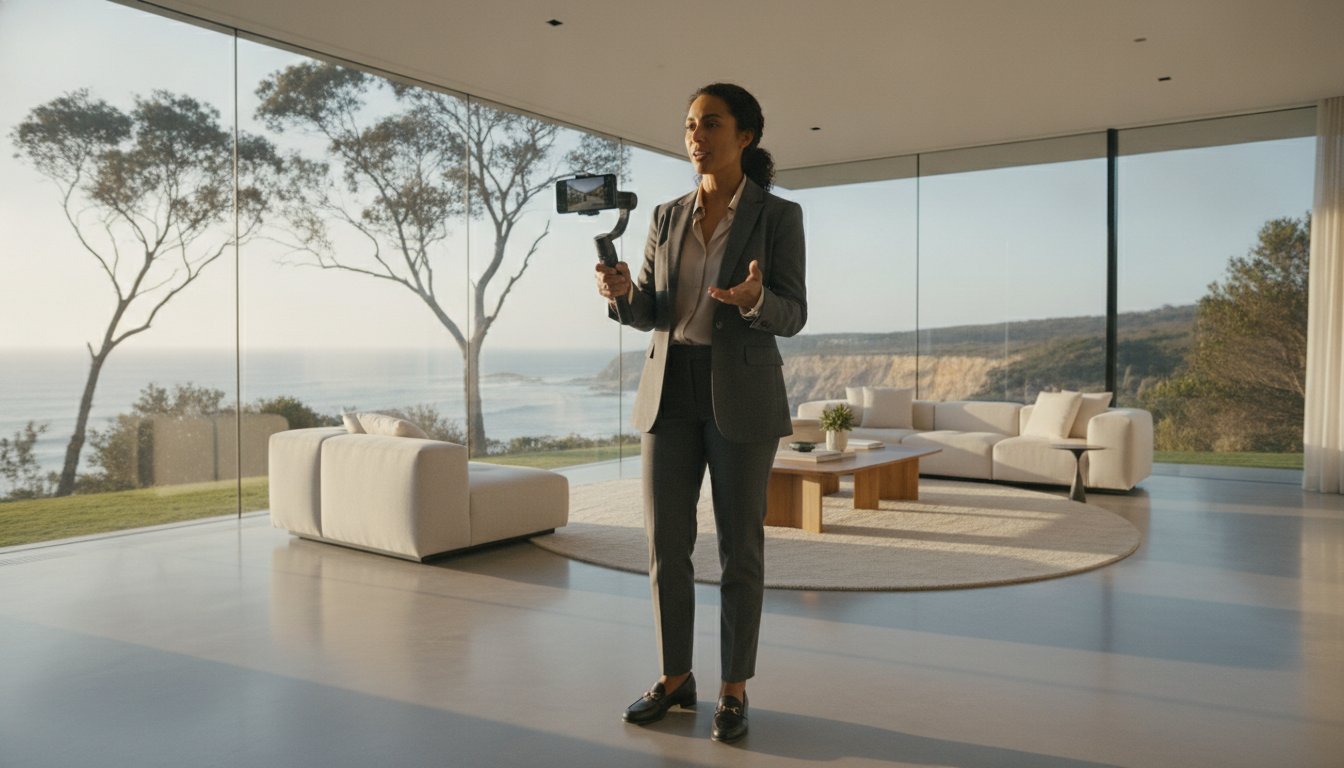
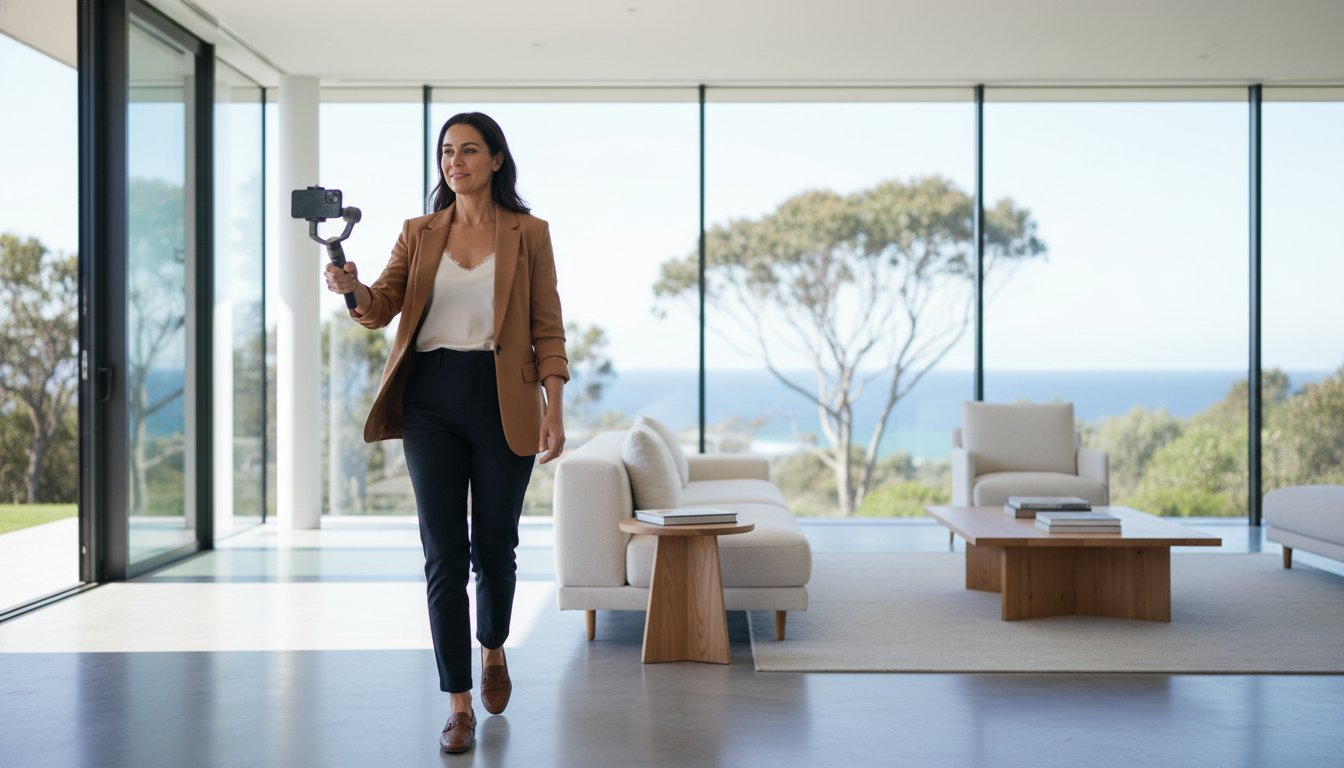
Authenticity drives engagement on modern platforms. Australian buyers on TikTok and Instagram stories often respond more favourably to unpolished, "behind the scenes" glimpses than to clinical, high-production advertisements. Using your iPhone to create Social Media Reels helps build your personal brand and provides social proof of your activity in the local area. Whether you're documenting auction day excitement or showing off a quick renovation update, the iPhone is the perfect tool for capturing the human element of real estate.
For property managers handling high-volume rental portfolios, the economics of professional photography don't always align with the management fee. In these scenarios, the wide-angle lenses on modern iPhones are invaluable for small studio apartments or tight laundry spaces where a traditional tripod setup simply won't fit. The Real Estate Institute of Australia emphasises professional standards, and while a smartphone capture is a "low-touch" option, it keeps listings moving through the portal pipeline during peak vacancy periods.
Modern mobile-first editing apps allow for quick colour corrections and exposure adjustments on the fly, ensuring your DIY captures still look clean and bright. If you find your workload increasing beyond what a smartphone can handle, consider how an on-demand real estate photographer can streamline your operations. To start scaling your visual marketing with professional-grade speed, you can register for a new account to access standardised output with a 24-hour turnaround.
While the convenience of a smartphone is undeniable for social media, relying on it for primary listing imagery introduces significant technical and brand risks. The most prevalent issue is the 'Wide-Angle Trap'. Smartphone lenses often produce barrel distortion, which curves straight walls and makes rooms appear unnaturally warped. This distortion is compounded by keystoning, where vertical lines appear to lean inward or outward. To a premium buyer browsing a portal, these leaning walls immediately signal an amateur production, subconsciously devaluing the property before they even read the description.
Low-light performance remains a hurdle for mobile sensors. In bathrooms, hallways, or walk-in robes with limited natural light, smartphone AI often over-processes the image, resulting in 'muddy' textures and digital noise. This lack of clarity is particularly problematic when attempting to use virtual staging for real estate australia. For digital furniture to look realistic, the base photo must have sharp details and consistent lighting. If the underlying image is grainy, the virtual elements will look like a poorly integrated overlay, breaking the buyer's immersion.
Beyond the technical flaws, consider the 'Agent Time Sink'. Every hour spent shooting, transferring, and editing mobile photos is an hour lost to prospecting or negotiating. When you calculate your hourly rate against the cost of a professional real estate photographer, the DIY approach often becomes the more expensive option. Mixing DIY smartphone shots with professional twilight photography also creates brand inconsistency, confusing your agency identity and suggesting a lack of standardised quality.
A smartphone sensor, regardless of megapixel count, cannot capture the same three-dimensional 'depth' as a full-frame professional camera. Mobile optics frequently lose detail in deep shadow areas, such as under dark cabinetry, or blow out highlights in sunny windows. Lens flare and chromatic aberration are significantly more common in mobile optics during twilight shoots. These optical artefacts require extensive post-production to fix, further eating into your schedule and reducing the overall impact of the marketing campaign.

High-performing Australian agents don't leave their marketing to chance. They operate with a clear commission-to-marketing ratio that dictates when a smartphone is a tool and when it's a liability. If you're managing a high-stakes listing, the potential loss of brand equity far outweighs the minor savings of a DIY shoot. A systematic approach ensures that every property in your portfolio receives the level of production it needs to attract the right buyer profile without over-extending your marketing levy.
The "24-Hour Rule" has changed the game for modern agencies. In the past, agents used iPhones because they needed the listing online immediately. With professional infrastructure now delivering finished content within 24 hours, that speed advantage has vanished. When you factor in the time required to shoot, transfer, and edit mobile photos, the DIY route often takes longer than outsourcing to a specialist. For standard listings, combining professional base images with virtual staging for real estate australia is the most efficient way to achieve a premium look with minimal downtime.
An iPhone is acceptable for internal condition reports and basic digital ads where the primary goal is high-volume turnover.
Professional photography is the baseline for competition on major portals. This is the tier where virtual staging for real estate australia provides the highest return on investment by elevating empty rooms.
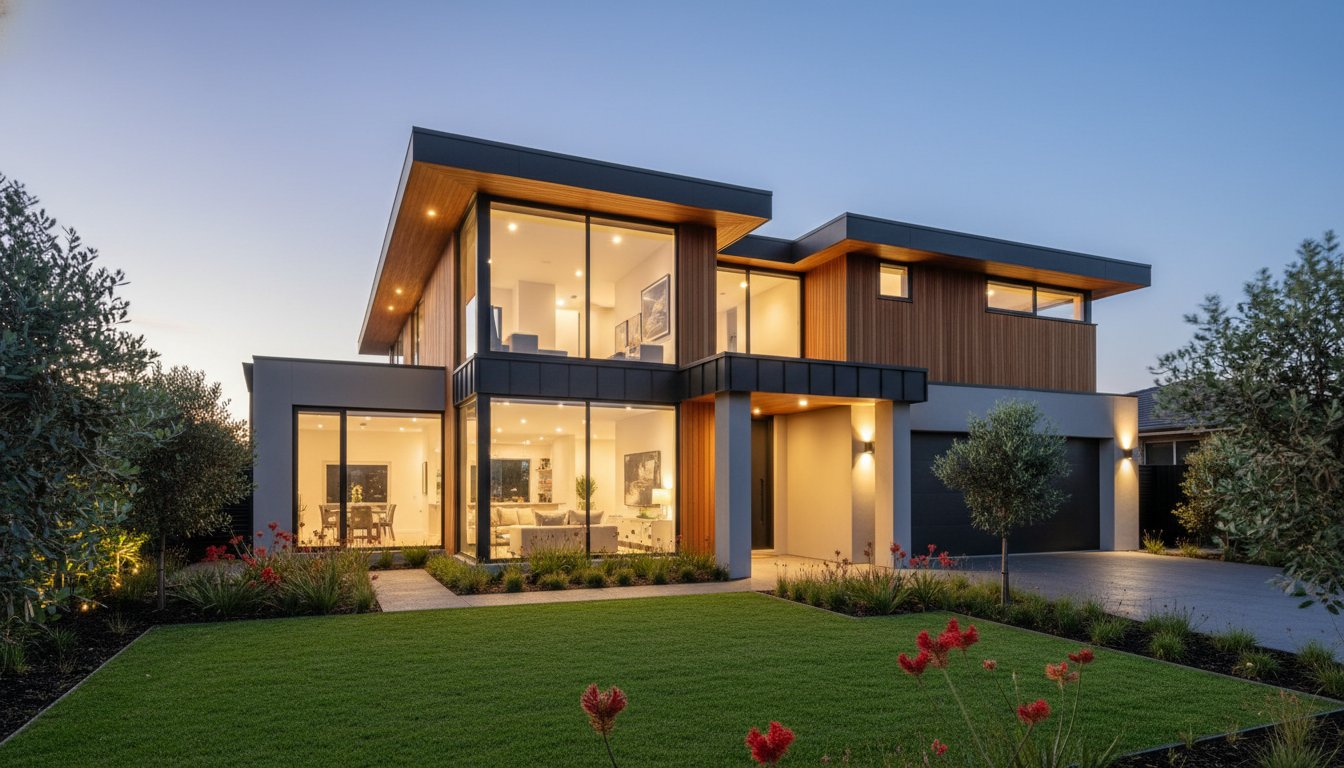
Professional twilight photography is non-negotiable. Luxury, acreage, and unique architecture require the dynamic range and optical precision that only a professional real estate photographer can provide.
Stop looking at the invoice and start looking at your calendar. If you spend three hours travelling to a site, shooting with your phone, and fighting with mobile editing apps, you've lost three hours of high-value prospecting time. Calculate your hourly rate. For most successful agents, those three hours are worth significantly more than the cost of a professional shoot. Outsourcing removes the administrative burden and the "frustration factor" of inconsistent mobile results.
By utilising standardised marketing packages, you ensure that every listing maintains your agency's visual identity. This consistency builds trust with future vendors who are watching your current performance. To transition your workflow to a more scalable, professional model, you can register your account today and access on-demand marketing infrastructure designed for the Australian market.
The UberRE advantage provides professional-grade results with the logistical speed of a smartphone. While many agents assume DIY photography is the only way to meet tight listing deadlines, our national infrastructure proves otherwise. A 24-hour turnaround on finished content is the secret weapon for high-performing Australian agencies. It allows you to maintain listing momentum without sacrificing the visual quality that protects your brand equity.
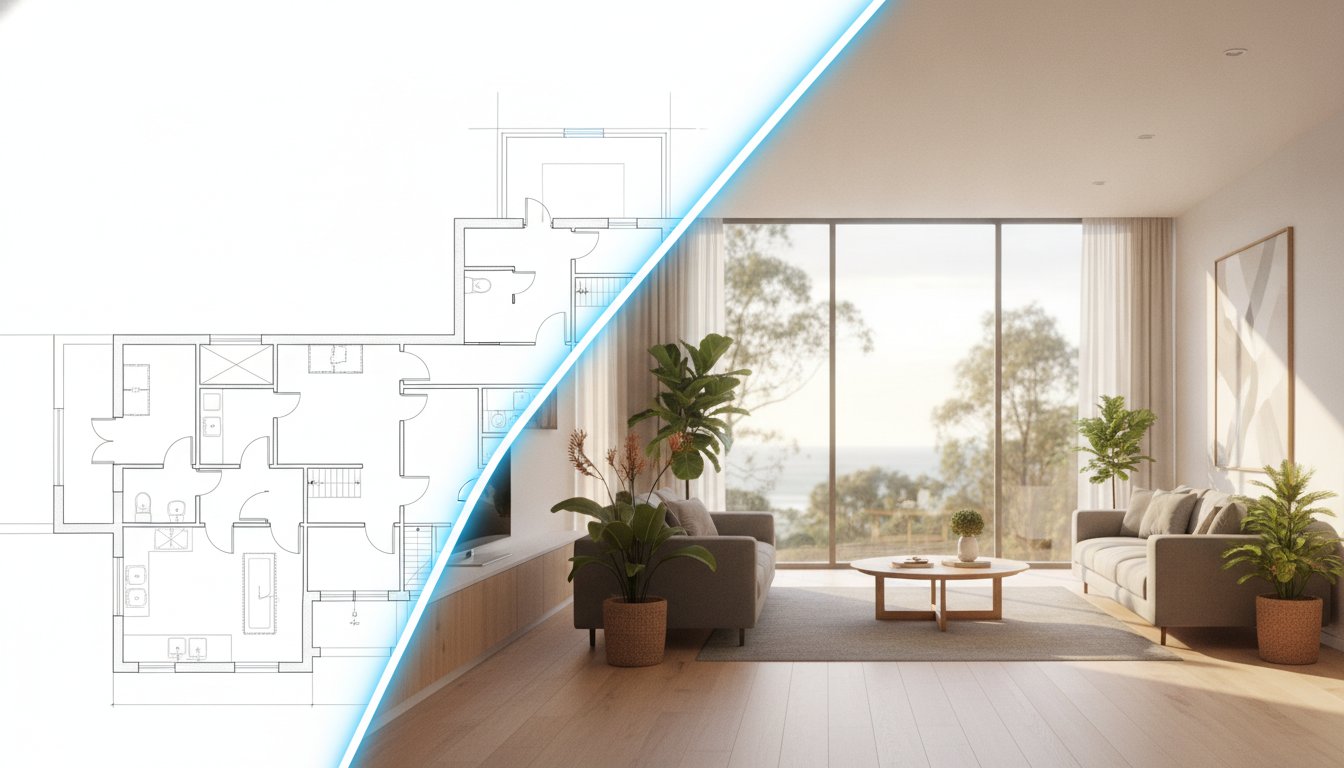
By integrating services like floor plans and high-end virtual staging into a single workflow, you eliminate the friction of managing multiple freelancers. This unified approach is essential for virtual staging for real estate australia, where the lighting and perspective of the base image must be technically perfect to ensure a realistic result. Building a consistent, high-end agency profile isn't just about a single good listing; it's about a standardised level of excellence that wins more listings over time.
Relying on an iPhone introduces a "luck" factor that professional agencies can't afford. Every UberRE shoot meets a rigorous technical standard, regardless of the property type or location. Our editors specialise in colour-correcting for the harsh Australian sun, ensuring interiors are bright while maintaining the vibrant blue skies buyers expect. This technical foundation is critical when applying virtual staging for real estate australia, as consistent lighting across the frame is the only way to achieve a believable digital fit-out. Professional editing ensures every room looks its absolute best, neutralising poor weather conditions that would otherwise delay a DIY shoot.
Top-tier agents choose UberRE to handle the heavy lifting of visual content creation. Our tech-forward platform allows you to book and manage complex marketing campaigns with a few clicks, freeing you to focus on high-value client interactions. Whether you need a professional real estate photographer or a full suite of digital assets, our system provides the infrastructure to scale your operations nationally. This reliability transforms property marketing from a creative headache into a predictable business utility.
Experience the impact of standardised, high-performance imagery on your click-through rates and vendor satisfaction. Register your account to book a professional photographer and see the difference in your engagement.
Your iPhone 18 Pro is a powerful tool for social media and immediate teasers, but it's not a replacement for professional property marketing. The technical limitations of mobile sensors, specifically regarding lens distortion and dynamic range, create a brand gap that can devalue high-stakes listings. To remain competitive on major Australian portals, you need a standardised visual identity that signals quality to vendors and buyers alike. High-performing agents use professional imagery as the foundation for advanced digital tools like virtual staging for real estate australia. This combination ensures every empty room is presented with perfect perspective and lighting.
UberRE provides the national infrastructure to achieve this at scale. Our system offers expert editing for perfect vertical alignment and colour correction, ensuring every asset meets a premium standard. With a 24-hour turnaround on all photography packages and full national coverage across Australia, you don't have to choose between speed and quality. Upgrade your listings with professional photography from UberRE and protect your commission with standardised excellence. Your brand deserves more than just a smartphone capture.
You can use an iPhone for social media reels, "behind the scenes" content, or basic rental listings, but it isn't recommended for high-stakes sales. While the 2026 hardware is advanced, it lacks the optical precision required for premium marketing. For better results on DIY captures, many agents utilise virtual staging for real estate australia to furnish empty rooms. This adds a layer of professionalism that raw smartphone photos often lack.
Professional imagery is a proven driver of faster sales in the Australian market. High-quality photos act as a critical trust signal on portals like Domain and Realestate.com.au, leading to higher engagement and click-through rates. Listings with professional photography typically attract more serious inquiries, which shortens the time on market. It helps justify the property's value to potential buyers before they even attend an inspection.
To get the best results, shoot in ProRAW at 48MP to retain maximum detail for post-processing. Enable the "Grid" setting to ensure your horizons are level and your vertical lines are straight. Use the 0.5x ultra-wide lens sparingly to avoid extreme corner distortion. Turn off "View Full HDR" in your settings so you can judge the exposure accurately without the screen artificially brightening the image.
An iPhone 17 Pro is not superior to a professional camera system for property marketing. Despite the advanced computational photography, a smartphone sensor is significantly smaller than a full-frame professional sensor. This leads to a loss of detail in shadows and highlights, especially in high-contrast Australian interiors. Professional cameras provide a natural depth and optical clarity that AI-driven smartphone sharpening simply cannot replicate.
The cost of professional photography should be measured against the opportunity cost of an agent's time. While a DIY shoot appears to save money, it often takes several hours to shoot, transfer, and edit images. If you spent those three hours prospecting or negotiating, you'd likely generate more value than the cost of a professional shoot. Outsourcing ensures a standardised, high-quality result while you focus on high-value tasks.
The most common mistake is failing to manage vertical lines and lens distortion. When an agent tilts the phone to fit more of a room in the frame, the walls appear to "lean" or curve. This keystoning effect looks amateur and can make a space feel cramped or unstable. Maintaining the camera at chest height and keeping it perfectly level is essential for a professional look.
AI can enhance light balancing and colour correction, but it often struggles with texture and fine detail. For high-stakes listings, AI-processed smartphone photos can look "muddy" or over-sharpened. A better use of technology is virtual staging for real estate australia, which uses professional-grade digital assets to enhance a clean, sharp base image. This provides a more realistic and aspirational result than simple mobile filters.
You can fix vertical lines by holding your phone perfectly level at chest height during the shoot. If the lines are still tilted, use the "Perspective" tool in the native Photos app or specialised mobile editing software to straighten them. However, heavy digital correction often leads to a loss of image quality and resolution. Professional photographers use tilt-shift techniques or advanced desktop software to ensure every line is perfectly vertical.
Book with UberRE
8 professional photos ready within 24 hours of the shoot, for print, online and social media. Same price everywhere we work in Australia.
See the service and prices
-2.png)