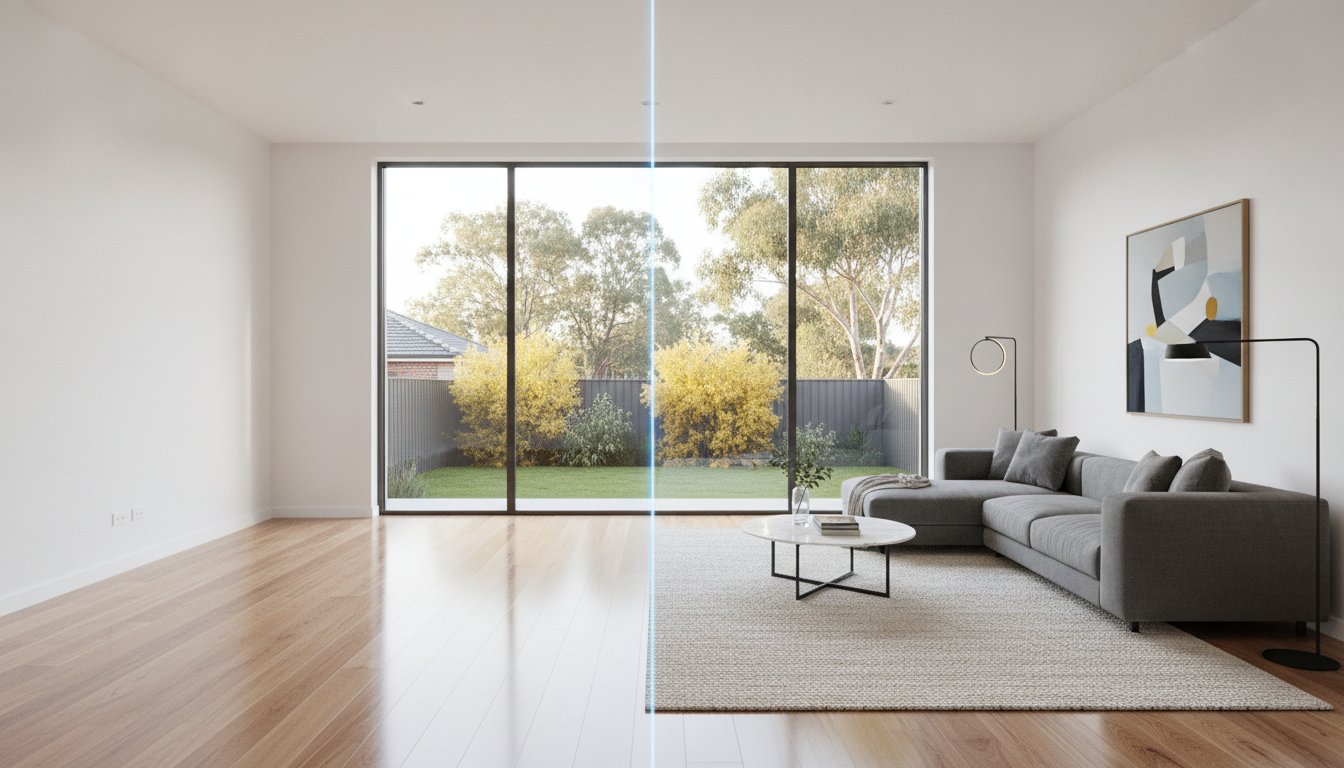
What if you could eliminate the invoice for physical furniture hire and still sell your listing for more than an empty property? In a 2026 market where digital-first buyers decide on a property in seconds, the debate over virtual staging vs physical staging has shifted from a matter of aesthetics to a critical decision about your marketing ROI. You've likely felt the frustration of empty properties looking cold in online photos while waiting weeks for a stylist to fit your schedule.
We agree that leaving money on the table isn't an option when professional presentation is the baseline for success in the Australian market. This guide delivers a definitive comparison between digital and traditional methods to help you maximise your listing’s ROI and accelerate your sales cycle. You will learn how to leverage Virtual Furniture and immersive 3D tours to pre-qualify buyers, ensuring your property looks warm and inviting the moment it hits the screen. We break down the latest performance metrics and ROI data so you can choose the most efficient path to a sold sticker.
• Master the decision-making process between virtual staging vs physical staging to ensure your marketing budget aligns with the property's value tier.
• Reduce lead times significantly by utilising photorealistic Virtual Furniture, allowing you to launch a listing within 24 hours of the photography shoot.
• Identify the specific scenarios where physical furniture hire remains the gold standard for prestige Australian properties to maintain luxury brand standards.
• Utilise a professional decision matrix to select the right staging approach based on whether a property is vacant, tenanted, or owner-occupied.
• Maximise click-through rates on real estate portals with high-quality digital enhancements that eliminate the cold feel of empty rooms.
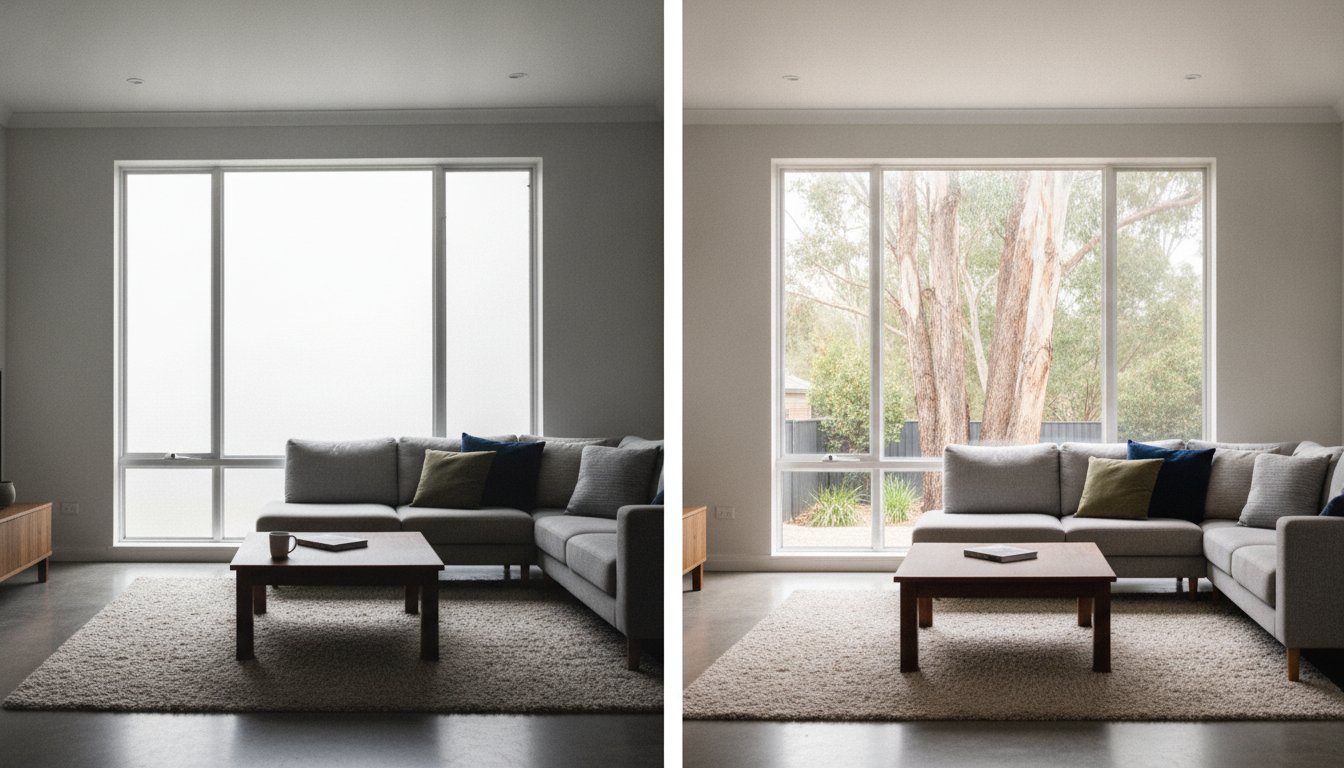
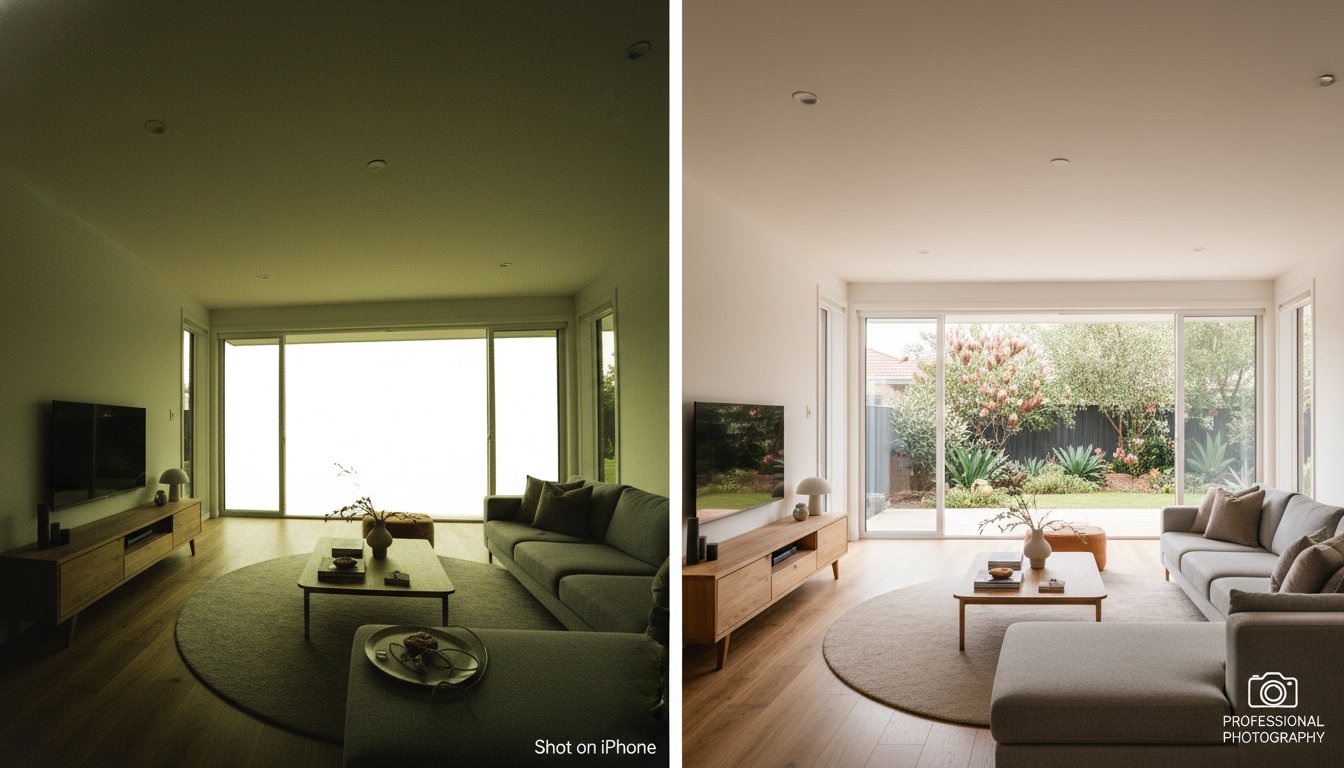
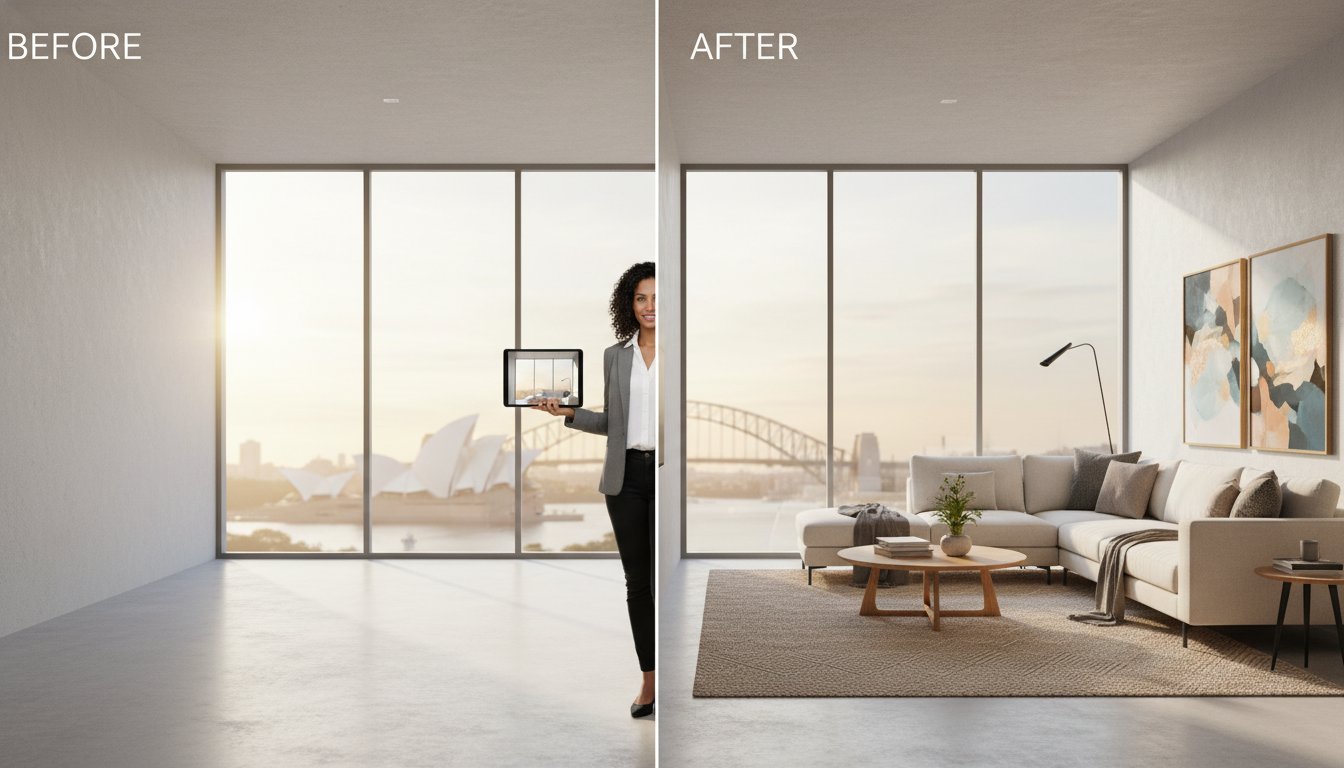
Selecting the right presentation strategy is no longer a luxury for Australian agents; it's a fundamental requirement for conversion. Physical staging is the traditional method involving the hire and placement of real furniture within a property for the duration of a campaign. In contrast, virtual staging involves the digital placement of photorealistic 3D furniture into high-resolution professional photos. For those looking for a foundational definition, What is Virtual Staging? It is essentially a tech-driven process that transforms vacant spaces into lived-in homes without the logistical heavy lifting.
The Australian market in June 2026 is dominated by digital-first behaviour. Recent data indicates that 95% of buyers start their property search on mobile apps. This shift has made "Empty Room Syndrome" a significant liability. Vacant properties look cold and uninspiring on a smartphone screen, often failing to communicate the true potential of a space. Research shows that professionally styled homes in Australia can sell for between 7.5% and 15% more than their empty counterparts. The virtual staging vs physical staging debate isn't about which looks better, but rather which method delivers the highest ROI for your specific listing.
The scroll is brutal. If your listing doesn't stop a thumb in mid-motion, the property doesn't exist to the buyer. Furnished photos trigger emotional connections instantly. They provide a sense of scale that empty rooms lack. A buyer needs to see if their king-sized bed fits or if the living area can accommodate a six-seater dining table. By using Virtual Furniture, you provide this clarity immediately. You remove the guesswork. This digital first impression is the most competitive stage of the modern sales process. It's where you win or lose the lead before they even read the property description.
Physical staging remains the gold standard for the in-person experience. It engages the senses through scent, texture, and physical flow. When a buyer walks into a staged home, they aren't just looking at a floorplan; they are stepping into an aspirational lifestyle. They can sit on the sofa and feel the quality of the finish. This tangible connection is powerful for high-end luxury listings where the expectation of quality must be met in the real world. While the investment is higher, the "feel" of a physically furnished home can justify the cost by creating a sense of urgency during a physical open for inspection.
Efficiency is the engine of a successful real estate agency. When evaluating virtual staging vs physical staging, the most immediate differentiator is the impact on your bottom line and your calendar. Traditional staging for a standard three-bedroom house often requires an investment between $3,500 and $5,000 for a short-term hire contract. Digital alternatives provide a high-end look without the capital-intensive furniture hire. This cost-efficiency allows agents to allocate marketing funds toward high-impact channels like social media reels or twilight photography to broaden their reach.
Speed is the second pillar of the digital case. Physical staging involves a complex logistical chain: consultations, furniture selection, truck delivery, and professional installation. This process can easily add ten days to your pre-launch timeline. Digital workflows bypass these bottlenecks entirely. You can take a listing from a vacant shell to a fully furnished online masterpiece in 24 hours. This rapid turnaround ensures you capture buyer interest while the listing is fresh and the momentum of the new campaign is at its peak.
Modern digital workflows allow agents to book their real estate photographer and furniture styling in a single, integrated step. This reduces the "days on market" by allowing you to launch the listing immediately after the photoshoot. High-quality base images are essential for this process to ensure the final output looks professional and believable. For a deeper look at why base image quality matters, see our guide on Professional Real Estate Photography Australia.
Precision marketing requires tailored visuals. You can match furniture styles to the specific profile of the likely buyer. Use minimalist, tech-forward furniture for young professionals in inner-city apartments, or classic, comfortable pieces for downsizers in suburban units. This flexibility extends to "flex rooms." A single vacant room can be presented as both a nursery and a home office, appealing to two distinct buyer pools simultaneously. You can create a professional account to start streamlining your listing presentations today.
Prestige residential sales often require a level of sensory engagement that digital screens cannot replicate. While virtual staging dominates the initial search phase, physical staging remains the benchmark for the high-end Australian market. In the virtual staging vs physical staging decision process, the traditional method is typically reserved for properties where the buyer’s journey demands a seamless transition from the online gallery to a tactile physical experience. Physical furniture eliminates the "Disappointment Factor," ensuring that the emotional connection built during the digital scroll is reinforced the moment a buyer steps through the front door.
Strategic furniture placement also serves a functional purpose beyond aesthetics. It can effectively mask minor architectural flaws or awkward room transitions that might otherwise distract a buyer. However, this tangible presence comes with logistical complexities that digital solutions avoid. Moving heavy items over polished timber floors or through narrow terrace hallways carries a genuine risk of property damage. Agents must verify that staging providers maintain comprehensive insurance to cover potential scuffs or structural marks during the installation and removal phases. These risks are inherent to the physical process and require careful management to protect the vendor's asset.
Physical furniture acts as a silent navigator during an open for inspection. It defines the "walk-through" path, guiding potential buyers through the intended flow of the home. This is particularly vital in multi-million dollar sales where the tactile elements—the texture of a designer rug or the scale of a bespoke dining table—justify the property's premium price point.
Traditional furniture hire is a slow-moving logistical operation. You must account for lead times that include a site consultation, furniture sourcing, and a full day for professional installation. Most Australian hire contracts are structured for a 4 to 6 week period to align with a standard auction campaign. If the property remains on the market beyond this window, extension costs can rapidly deplete the vendor's marketing budget. This timeline requires strict coordination to ensure the property is ready for the first professional photoshoot and the subsequent launch date.
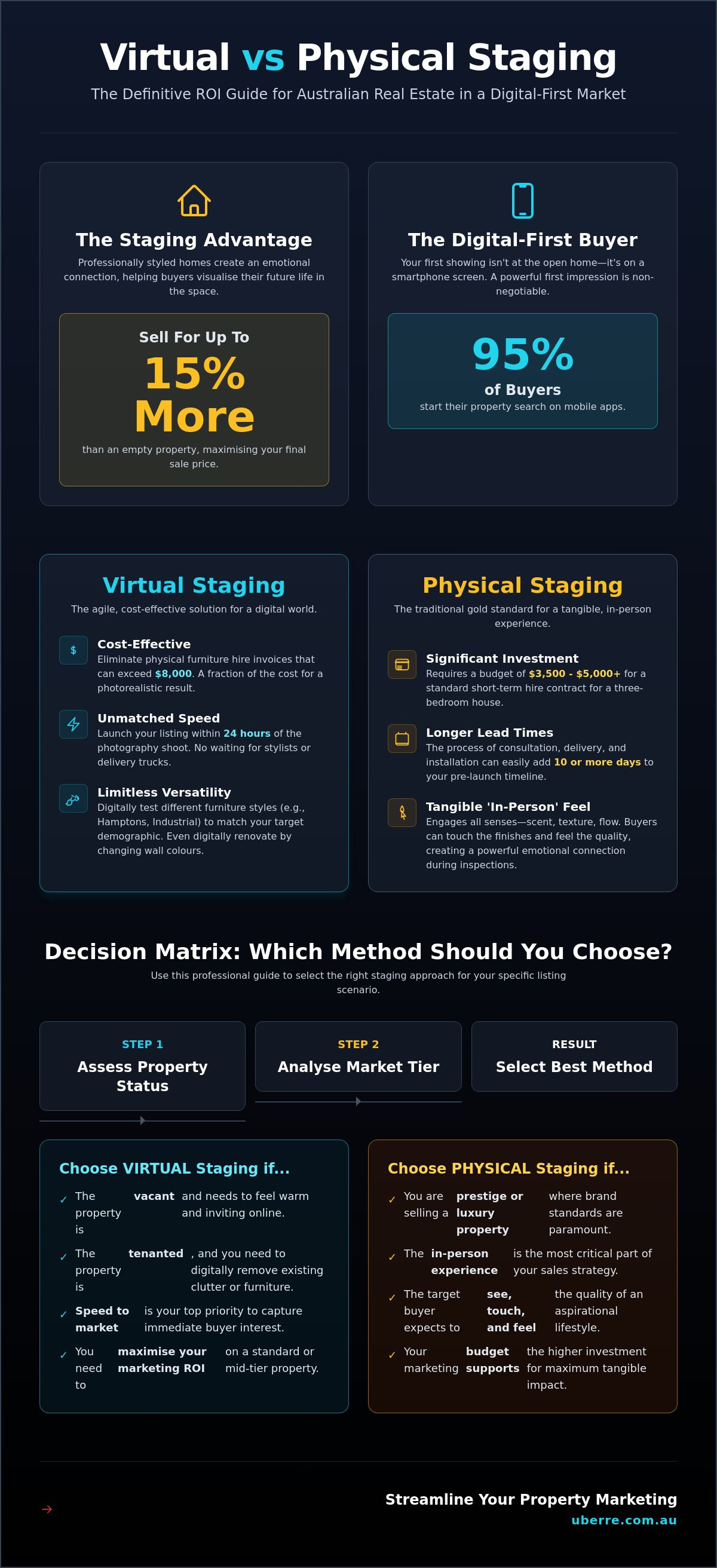
Selecting a presentation method requires a structured framework based on property tier and marketing objectives. The virtual staging vs physical staging choice isn't binary; it's a strategic calculation. For budget and entry-level listings, virtual options provide the professional polish required for portal clicks without the heavy capital outlay. Mid-market properties often benefit from a mix of speed and digital versatility. In the prestige sector, physical staging remains the benchmark for the in-person walk-through, though digital tools can still play a role in showing potential renovations or alternative layouts.
Occupancy status is the next critical filter. Vacant properties are the primary candidates for digital furniture because there are no physical obstacles to the 3D placement process. Tenanted properties present a different challenge. Tenants are often reluctant to move furniture or declutter for photos. Digital "cleanup" services allow you to remove tenant clutter and replace it with high-end Virtual Furniture, ensuring the listing remains competitive without disrupting the occupants. Owner-occupied homes with high-quality existing furniture may only require professional photography to succeed, but if the style is dated, digital replacement is a cost-effective fix.
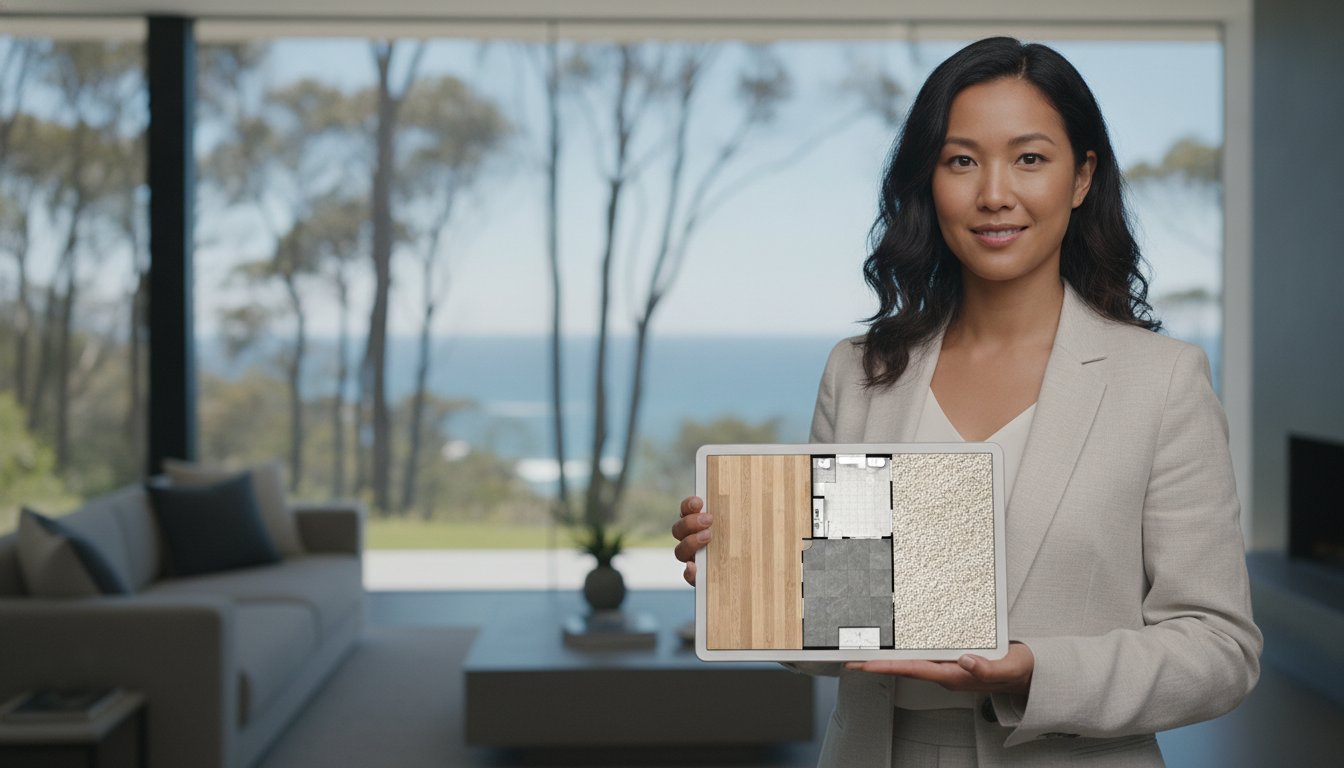
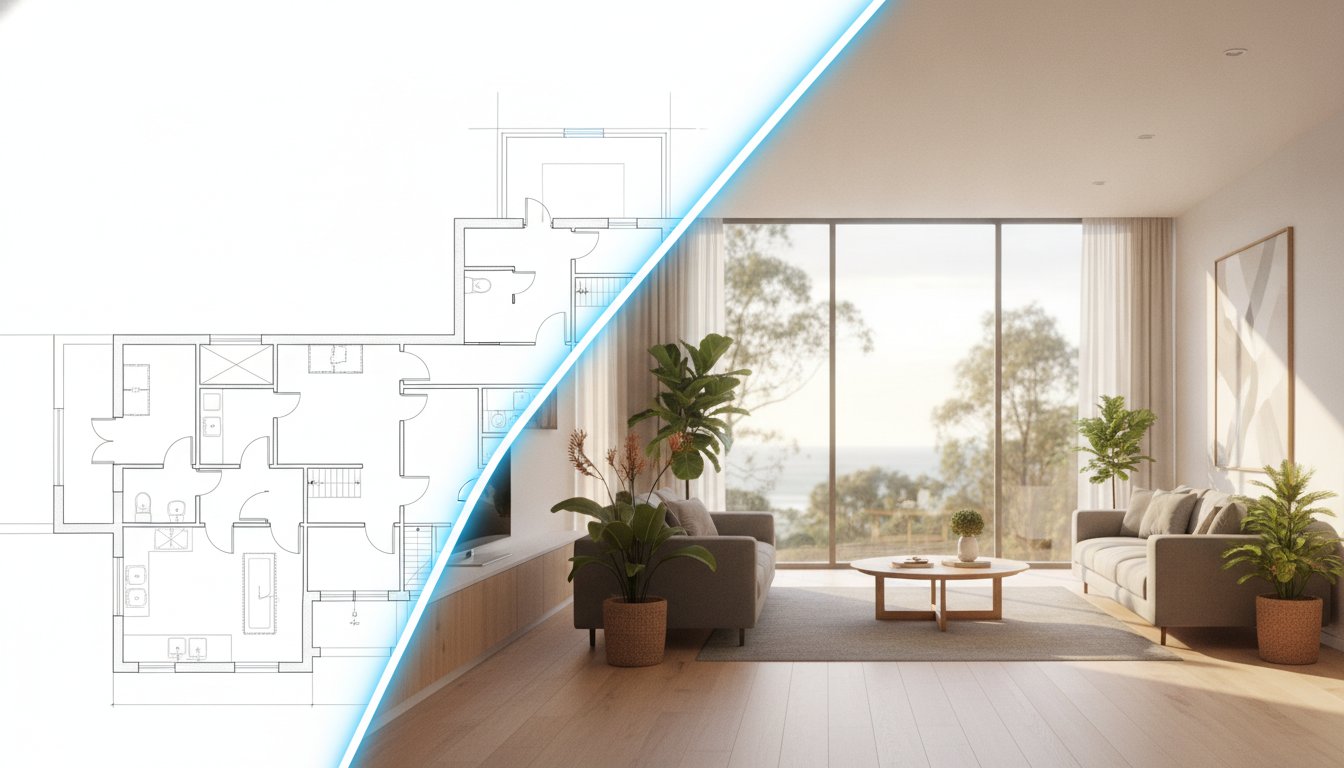
For vacant mid-range apartments and townhouses, digital furniture is the standard choice. It eliminates the cold, clinical feel of empty rooms that often leads to lower engagement on real estate apps. To provide total spatial clarity, integrate Real Estate Floor Plans alongside your staged photos. This combination allows buyers to understand the room's dimensions and its functional potential simultaneously. The cost-benefit ratio is clear: you gain the visual appeal of a furnished home at a fraction of the price and time required for physical hire.
A hybrid strategy balances high-impact physical presence with digital efficiency. You might choose to physically stage the entry and main living area to create that vital first impression during an open home, while virtually staging secondary bedrooms and home offices. This focuses your budget where it has the most emotional weight. You can also use digital enhancements to show "potential" in a physically staged home, such as a digital render of a kitchen renovation or a change in flooring. This helps buyers look past current finishes to the property's future value.
UberRE removes the logistical friction of property marketing by providing a unified infrastructure for all visual assets. We integrate Virtual Furniture directly into our professional photography packages, ensuring that the technical debate of virtual staging vs physical staging is resolved through a single, high-performance workflow. Instead of managing multiple vendors and disparate timelines, you receive a complete, market-ready listing from one source. This consolidation prevents leads from being lost in a patchwork tech stack and ensures your listing hits the portals with maximum impact.
Our 24-hour turnaround promise is a core pillar of our service commitment. We understand that in the competitive Australian market, momentum is everything. Our team of professional digital editors hand-places each 3D element to ensure perfect perspective and lighting. This human-led precision outperforms automated AI apps, which often produce jarring, unrealistic results. By prioritising a total service assurance, we provide a premium, standardised output that maintains the integrity of your professional brand.
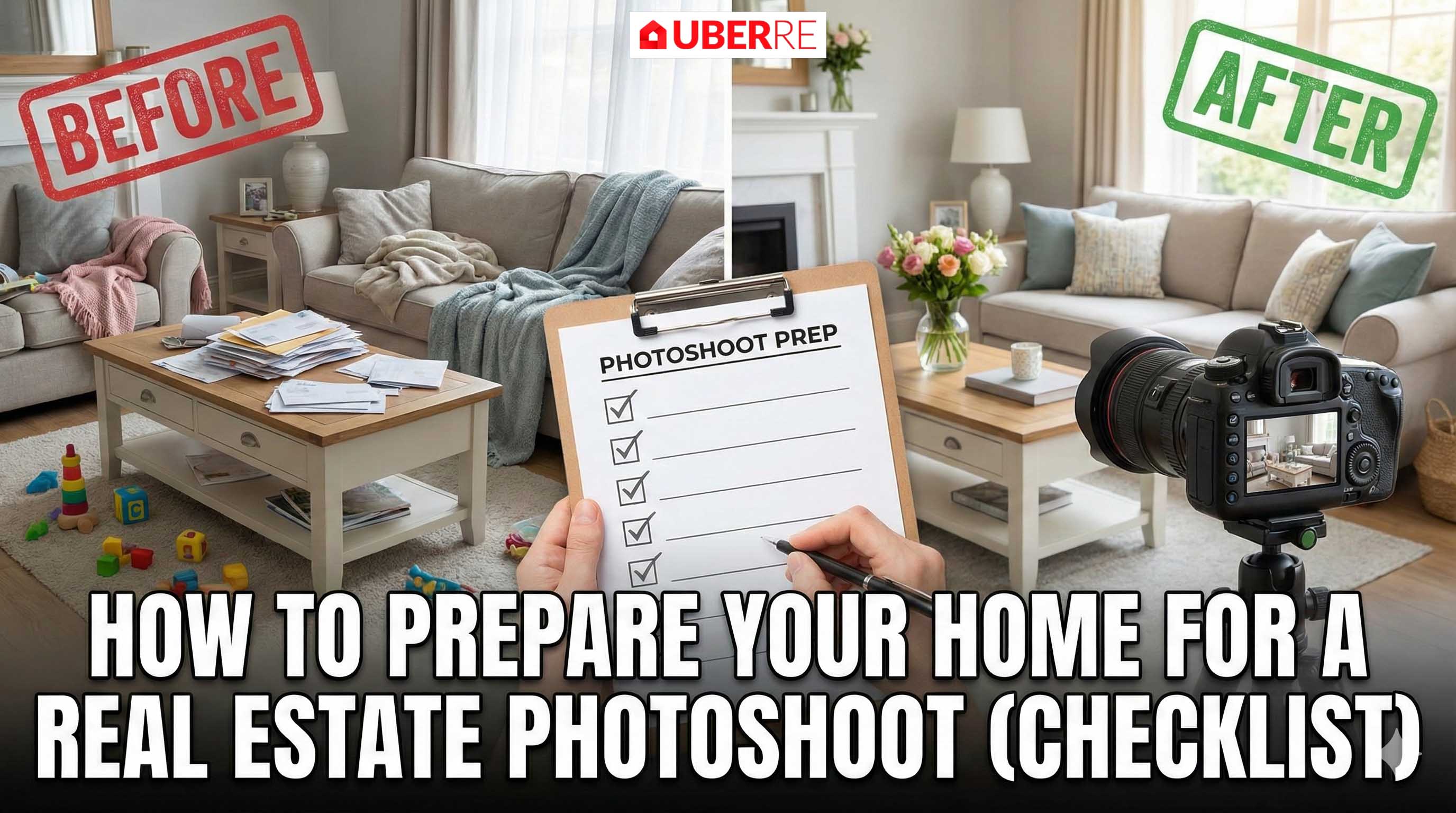
Believable digital staging requires a technically perfect base. Our photographers prioritise precise lighting and optimal angles to create the necessary spatial depth for 3D furniture integration. High-resolution base images provide the technical clarity required to anchor digital assets, preventing the "fake" look often associated with low-quality digital staging. Without this foundation, even the most sophisticated 3D models will appear disconnected from the physical environment. We ensure the "virtual" looks "real" to the human eye by maintaining strict quality controls on every shoot.
Efficiency drives profitability in modern real estate. Our platform simplifies the agent’s workflow by allowing you to book photography, floorplans, and virtual styling in one transaction. This integrated approach ensures visual consistency across your entire digital campaign. By accessing our comprehensive Property Marketing Services Australia, you eliminate the administrative headache of coordinating multiple suppliers.
Success in the 2026 Australian real estate market requires a precise approach to visual presentation. Choosing between virtual staging vs physical staging isn't just about aesthetics; it's about matching your method to the property tier and buyer profile. While physical furniture hire remains the benchmark for prestige walk-throughs, digital solutions offer the speed and cost-efficiency required to win the initial click on mobile apps. By integrating photorealistic Virtual Furniture into professional photography, you eliminate the cold feel of empty spaces that stalls listing momentum.
UberRE provides the high-tech infrastructure you need to streamline this process. Our expert digital editors ensure every piece of virtual furniture looks believable, while our 24-hour turnaround on visual content keeps your campaign on schedule. With national Australian coverage and a total service commitment, we help you transition from a vacant shell to a market-leading listing in a single day. Book your professional virtual staging and photography suite to start outperforming the competition. We look forward to helping you achieve your next record-breaking sale.
Yes. To comply with Australian Consumer Law and state-specific fair trading regulations, you must disclose digital enhancements. Failing to do so can be considered misleading or deceptive conduct. We recommend placing a clear disclaimer in your property description and portal listing to maintain transparency and protect your professional reputation with potential buyers.
Virtual options are significantly more cost-effective. Digital placement avoids the capital-heavy logistics of physical furniture hire, freeing more of the vendor's budget for other marketing channels.
Digital editing is a powerful tool for tenanted listings. Our expert editors can remove tenant clutter or dated furniture and replace it with high-end Virtual Furniture. This allows you to market a property at its full potential without requiring the occupants to vacate or radically change their living space, ensuring a premium online presentation regardless of the current occupancy status.
Professional virtual staging is indistinguishable from reality when executed by skilled digital editors. The key is the base photography; professional lighting and correct camera angles ensure the 3D models anchor correctly into the space. While automated AI apps often produce jarring results, manual placement by specialists maintains the high-quality, photorealistic standard required for premium Australian listings.
A standard home can be virtually staged within 24 hours of the photography shoot. This rapid delivery allows you to launch the campaign immediately, bypassing the 7 to 10-day lead time typically required for physical furniture delivery and installation.
Physical staging remains the benchmark for the prestige market where the in-person walk-through experience is critical. High-net-worth buyers often expect a tactile connection with the property. In the virtual staging vs physical staging debate for luxury homes, physical furniture wins by providing sensory engagement through scent, texture, and flow during a physical open for inspection.
Digital versatility allows you to swap furniture styles instantly if the initial presentation isn't resonating with your target demographic. You can transition from a coastal Hamptons look to a modern Industrial aesthetic without the logistical cost or delay of removing physical pieces. This flexibility is a major advantage for agents testing different marketing angles for a property.
Virtual staging does not alter the structural accuracy of a floorplan. It simply provides a visual representation of how furniture fits within the existing dimensions. For total spatial clarity, we recommend using Standard or Textured Floorplans alongside your staged photos.
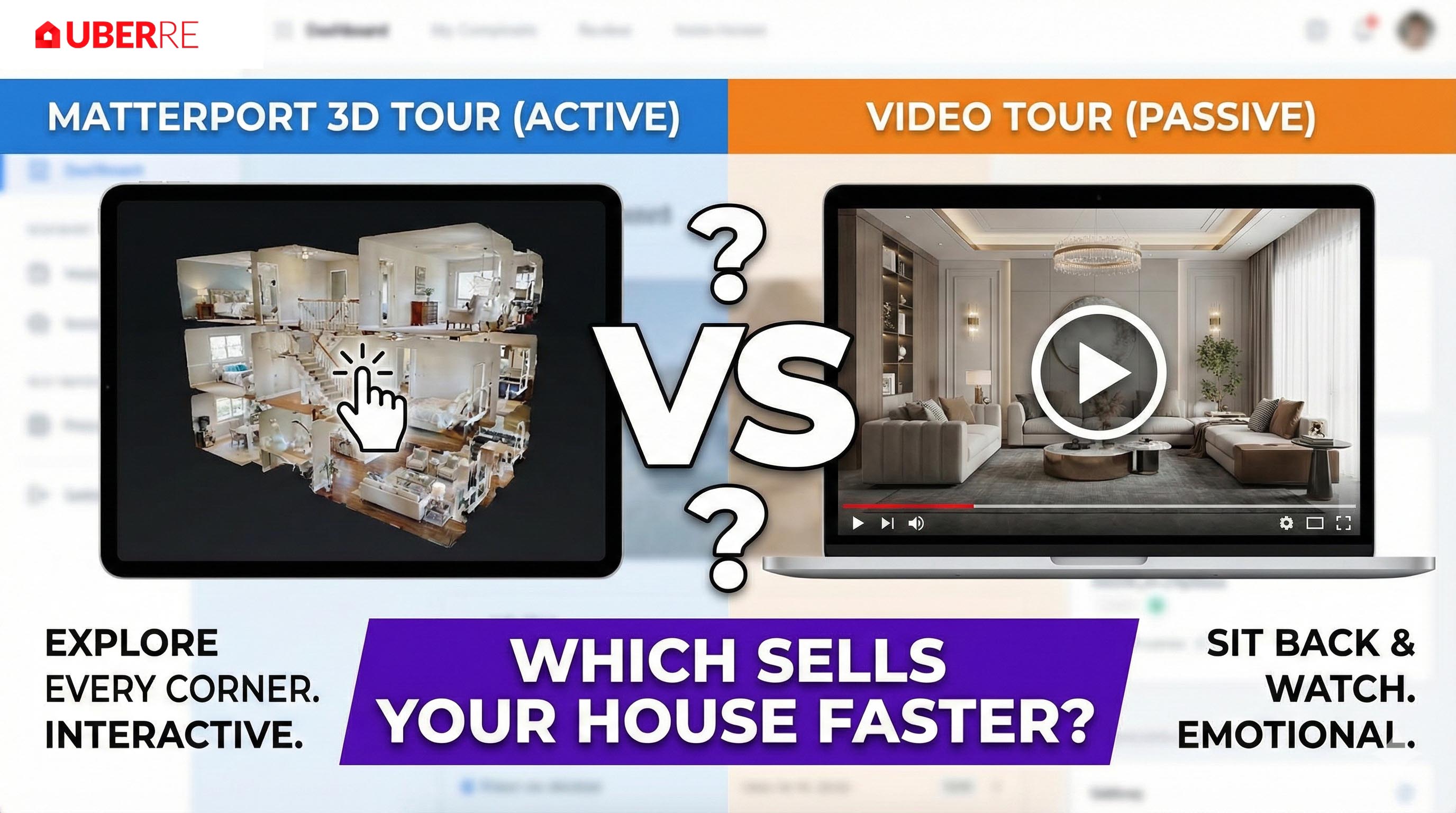
Yes, we can integrate virtual furniture into Matterport 3D tours to create a fully immersive digital walkthrough. This technical capability allows buyers to navigate a furnished space from their mobile devices, bridging the gap between a static photo and an in-person inspection. It's one of the advanced visual tools that help your listings stand out.
Book with UberRE
8 professional photos ready within 24 hours of the shoot, for print, online and social media. Same price everywhere we work in Australia.
See the service and prices
-2.png)