
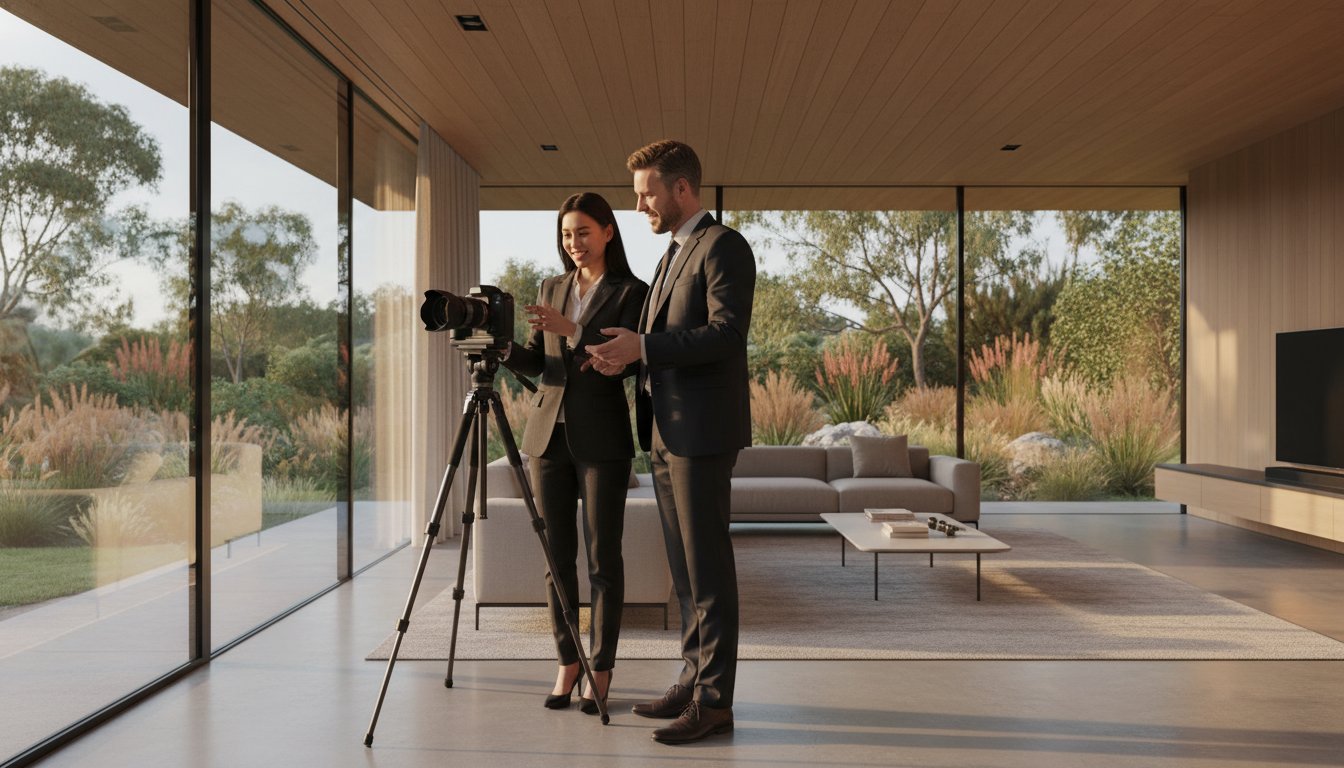
Did you know that listings featuring professional imagery receive 118% more online views than those without? In a fast-moving market where 85% of buyers rank photos as the most critical factor in their digital search, your visual assets are no longer just a marketing line item. They are the core of your sales strategy. You probably recognise the frustration of a cluttered property ruining a scheduled shoot or receiving inconsistent results that fail to capture the genuine feel of a home. These logistical hurdles often lead to slow turnaround times that delay your campaign launch and impact your vendor's confidence.
This guide provides a technical roadmap on how to get the best real estate photos by optimising the collaboration between property preparation and professional execution. You will gain the expertise needed to secure high-impact assets that drive inquiries and support higher sale prices. We will preview the essential marketing toolkit for 2026, including twilight photography, Matterport 3D tours, and the strategic application of virtual furniture to ensure every listing achieves a premium, standardised output that attracts serious buyers.
• Understand the 'First Impression' rule and how professional imagery correlates with higher final sale prices across Australian property markets.
• Master the essential pre-shoot preparation steps, from de-cluttering to lighting management, to ensure you know how to get the best real estate photos.
• Select the optimal visual strategy for each listing by leveraging the lifestyle appeal of Twilight Photography or the clarity of Day Photography.
• Implement a standardised 2026 marketing checklist to eliminate common shoot delays and ensure properties are presentation-ready for every booking.
• Accelerate your campaign launch by consolidating photography, floorplans, and video tours into a single, high-efficiency workflow with rapid turnaround times.
Digital portals are the front line of every property campaign. Buyers decide whether to click or scroll in under two seconds. If your imagery fails to capture attention instantly, the listing essentially becomes invisible. High-quality visuals aren't a luxury; they're a technical requirement for performance in a crowded market. Listings with professional photos sell 32% faster, ensuring your campaign maintains momentum from day one.
In the Australian market, the correlation between imagery and value is undeniable. Homes with premium photos can sell for up to 47% more per square foot. This isn't just about aesthetics; it's about perceived value and emotional connection. When you master how to get the best real estate photos, you're directly protecting your vendor's equity. You're also building your own long-term 'Sold' portfolio. Future vendors scrutinise your previous listings to judge your capability. Consistent, high-end photography positions you as the expert specialist who treats every property with premium care.
Modern buyers in 2026 expect more than a flat gallery of rooms. They want an immersive visual story that justifies the asking price. Moving beyond standard shots means using technology to showcase a lifestyle, not just a floorplan. This approach attracts higher-quality inquiries and builds immediate trust with serious prospects before they even step foot on the property.
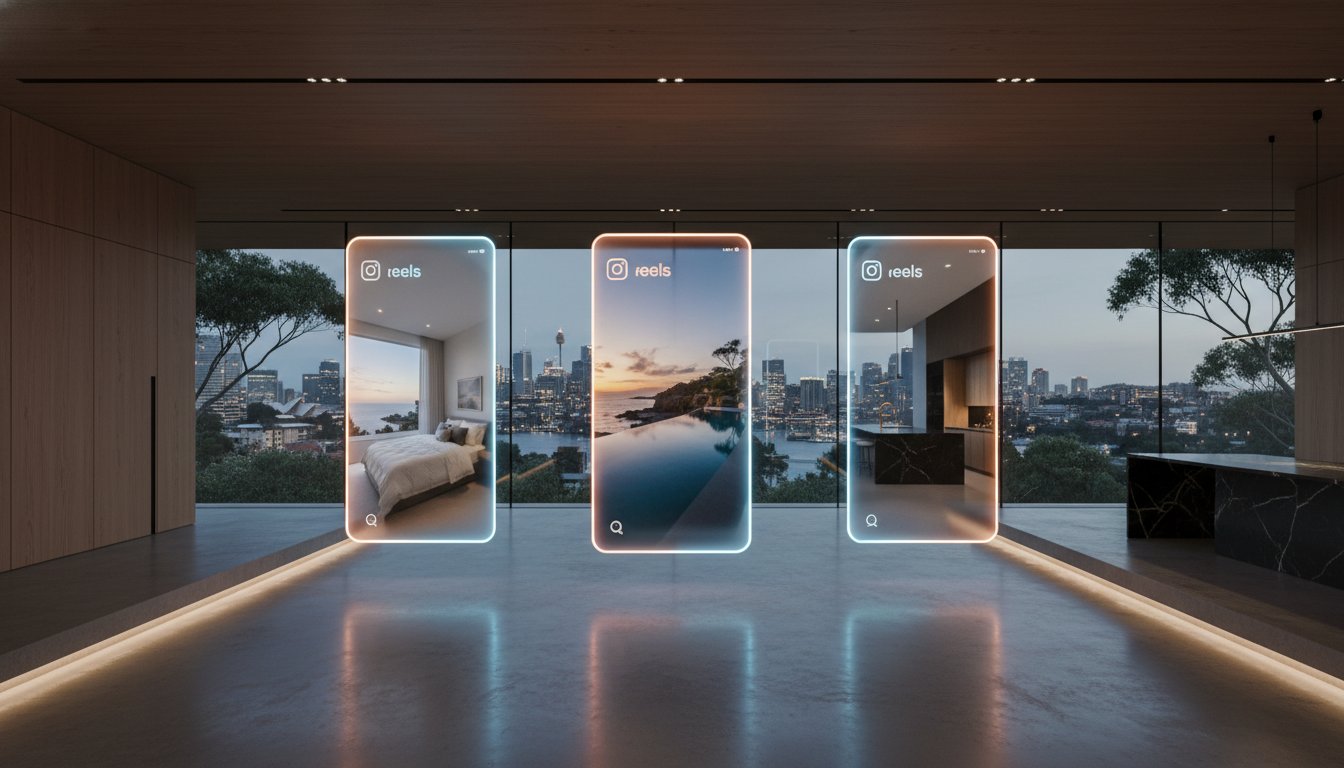
Portals like RealEstate.com.au and Domain rely on high-impact 'Hero Shots' to drive engagement. These high quality property images act as the primary filter for potential buyers. Social media engagement follows the same logic. A striking twilight shot or a cinematic aerial view triggers the algorithm and increases click-through rates. Settling for 'good enough' imagery is a direct risk to your professional reputation and your vendor's bottom line.
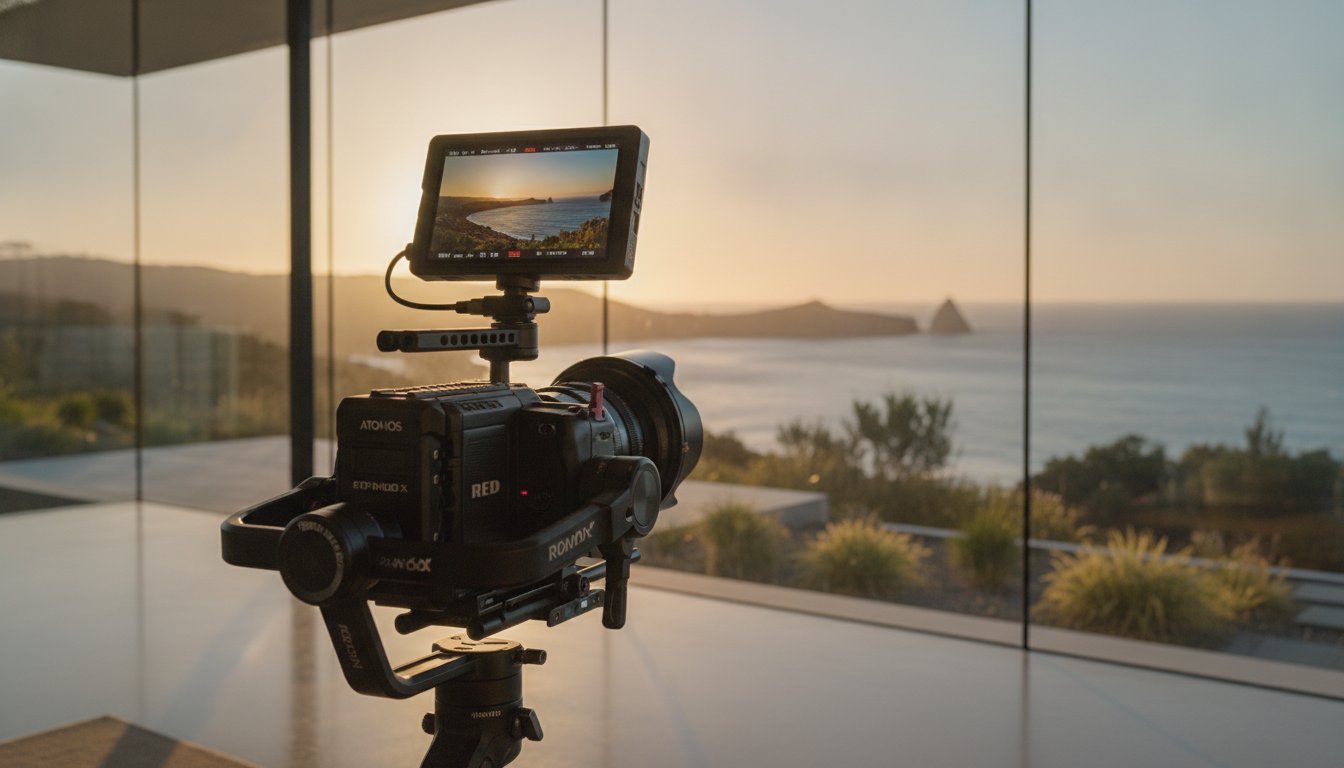
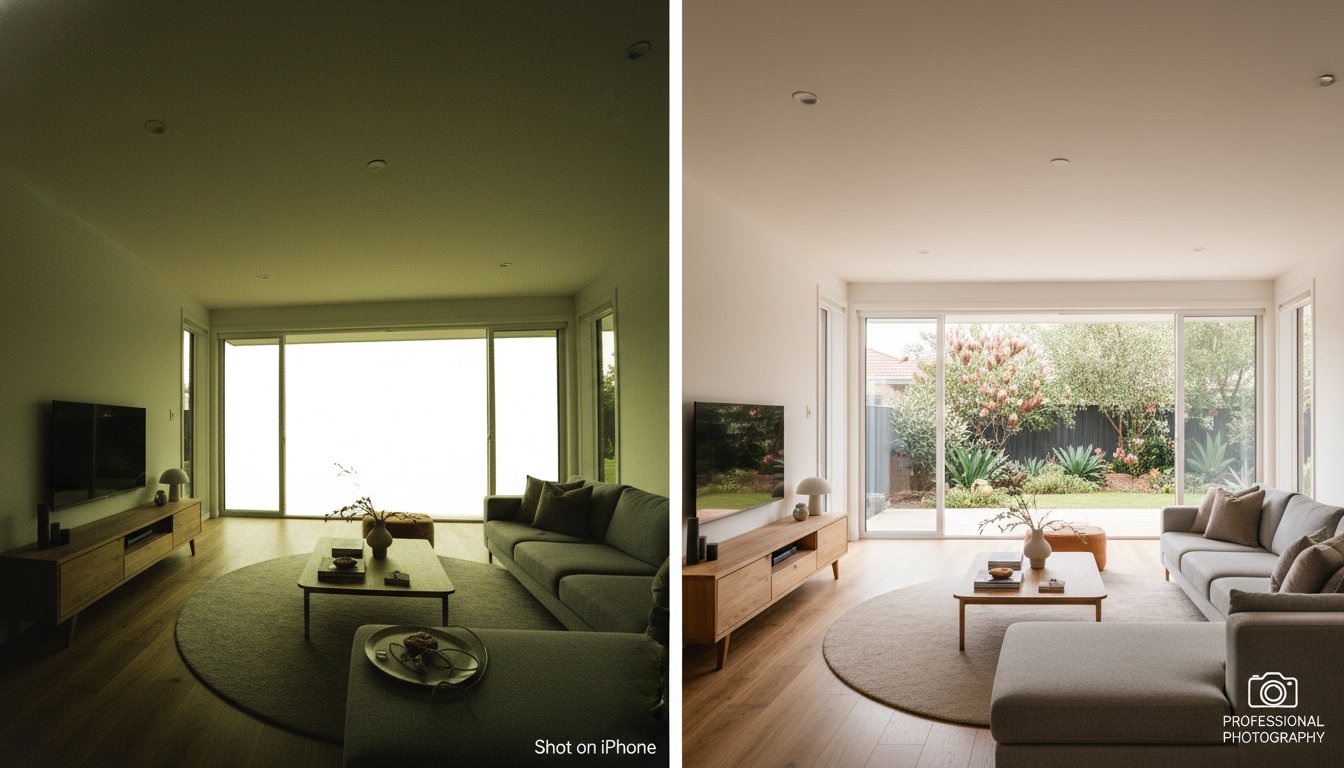
Technical benchmarks have evolved significantly. Modern standards require HDR clarity, natural colour balance, and perfect vertical line correction to ensure rooms look spacious and accurate. Real estate photography is a specialised subgenre of Architectural photography, requiring specific gear and post-processing expertise to manage high-contrast scenes effectively.
Compositional standards are equally vital. Photographers must use leading lines to guide a buyer's eye through the space, creating a sense of flow and connection between rooms. Premium real estate photography is a precise blend of architectural accuracy and emotional appeal. It avoids the distorted wide-angle look of the past in favour of realistic, high-fidelity representations that build buyer confidence.
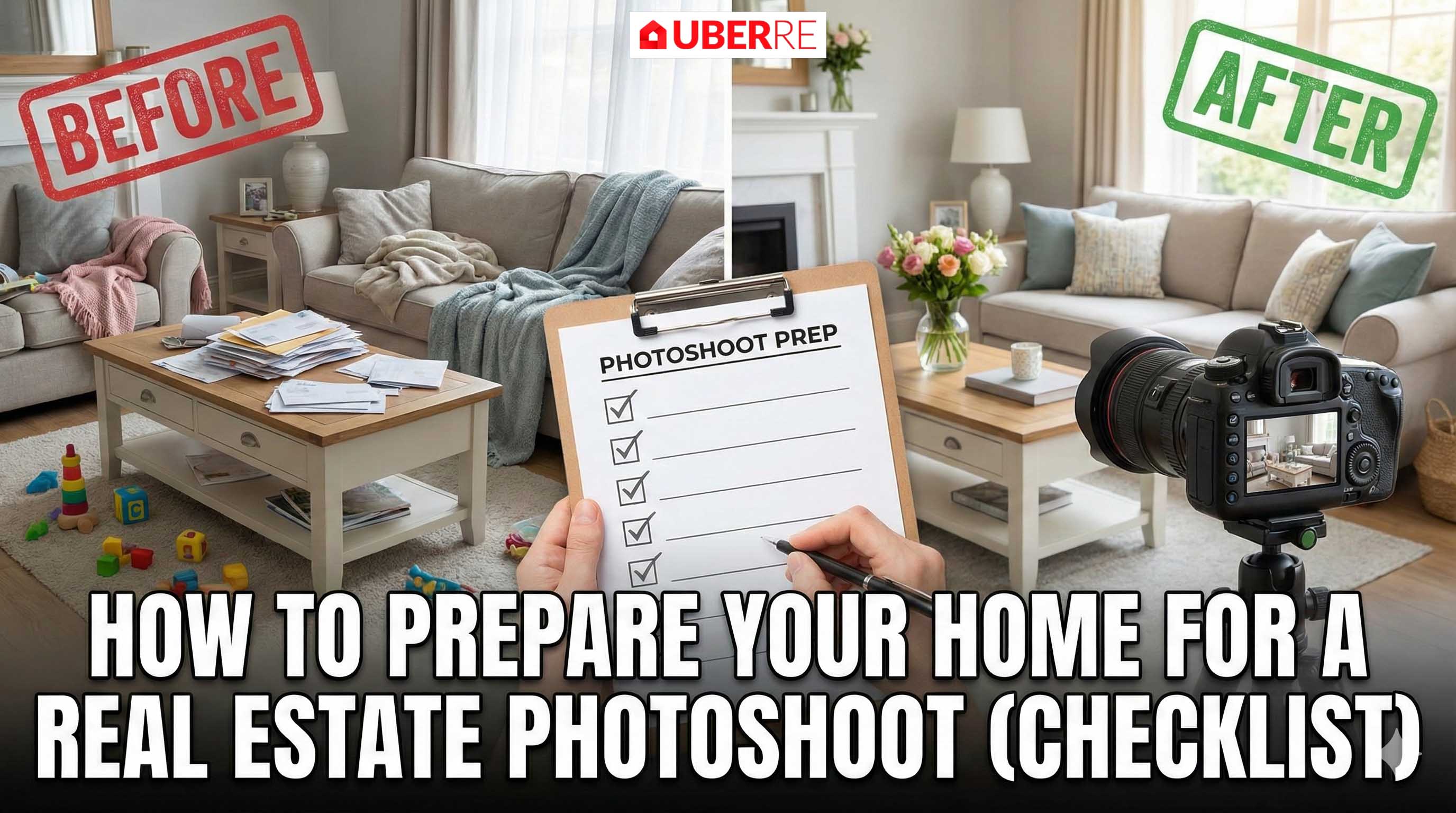
Property preparation is the single most controllable variable in your marketing campaign. While a photographer brings technical expertise, the agent provides the logistical foundation. Understanding how to get the best real estate photos starts with a clear distinction between de-cluttering and de-personalising. De-cluttering removes physical obstacles that make rooms feel small, while de-personalising removes emotional ones that prevent a buyer from envisioning their own life in the space. Australian buyers respond best to homes that feel lived-in but aspirational. You don't need a sterile environment; you need a curated one.
Natural light is the most valuable asset on any shoot day. Ensure all window treatments are fully retracted and every internal light is functional. This includes rangehood lights and bedside lamps. Consistency is key. Mixing warm and cool globes can create difficult colour casts in post-production. Before the photographer arrives, walk through the property and turn off all ceiling fans. Moving blades create motion blur that ruins architectural sharpness. These small technical adjustments ensure the final imagery meets the premium standard required for 2026 property portals.
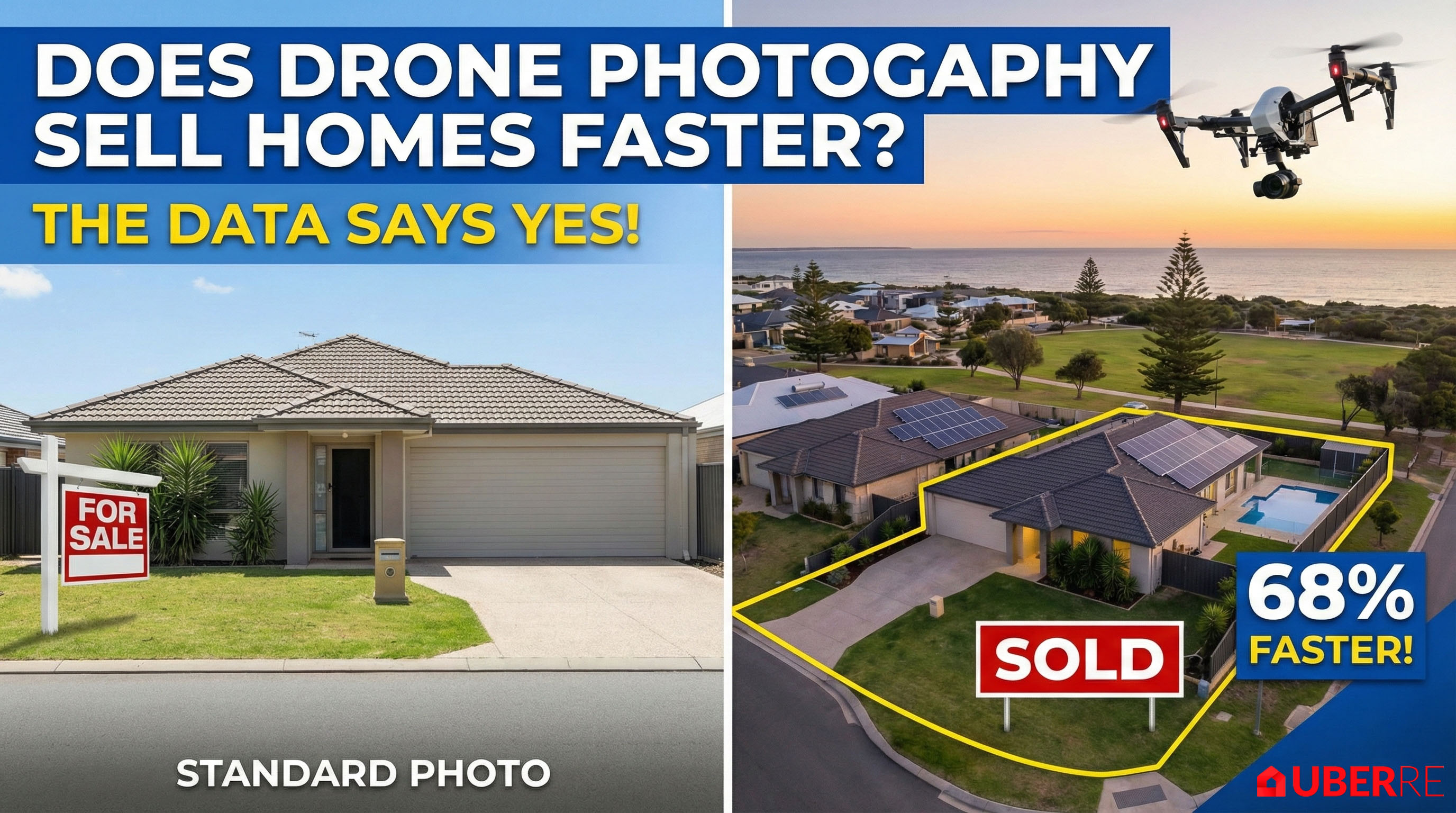
Kerb appeal remains the most critical five minutes of any shoot. The 'Hero Shot' usually happens at the front of the home, so the driveway must be clear. Move all vehicles, including those parked on the street directly in front of the house. Ensure the garden is tidy and bins are hidden from view. If your strategy includes drone video and photography, these external details are even more prominent. Properties featuring aerial imagery sell 68% faster, but only if the outdoor presentation is flawless.
Focus on the 'Hotel Standard' for high-traffic areas. This means absolute minimalism in kitchens and bathrooms. Small details like a stray tea towel or a visible toilet brush can significantly devalue a professional photo.
Clear all benches of appliances. Hide bins and dish racks. Apply the 'rule of three' for styling; a single bowl of fruit or a curated cookbook adds life without the mess.
Straighten all cushions and rugs. Hide visible cables behind furniture. Create a sense of 'flow' by ensuring walkways are clear and furniture is balanced.
Ensure the pool is vacuumed and the cover is removed. Arrange alfresco furniture neatly and coil garden hoses out of sight.
Managing vendor expectations is a delicate but necessary part of the process. Frame the preparation talk as a strategy to maximise their equity rather than a critique of their home. Provide a physical checklist to your vendors at least 48 hours before the shoot. This gives them a clear roadmap and reduces the stress of last-minute cleaning. Explain the financial impact of a re-shoot clearly. A poorly prepared home leads to delays in the campaign launch and additional costs that are easily avoided with proper planning. To streamline this process, many top-tier agents use a professional marketing platform to coordinate bookings and vendor instructions in one place.
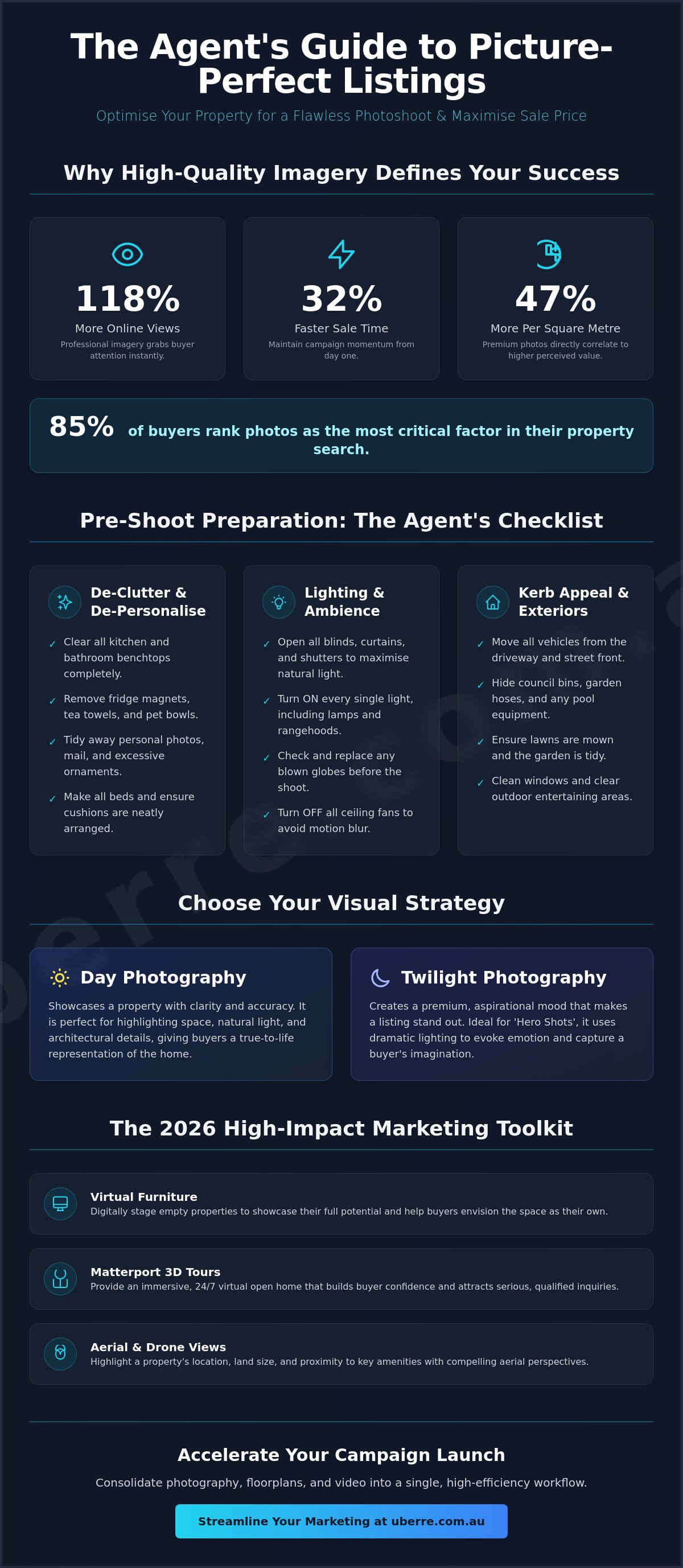
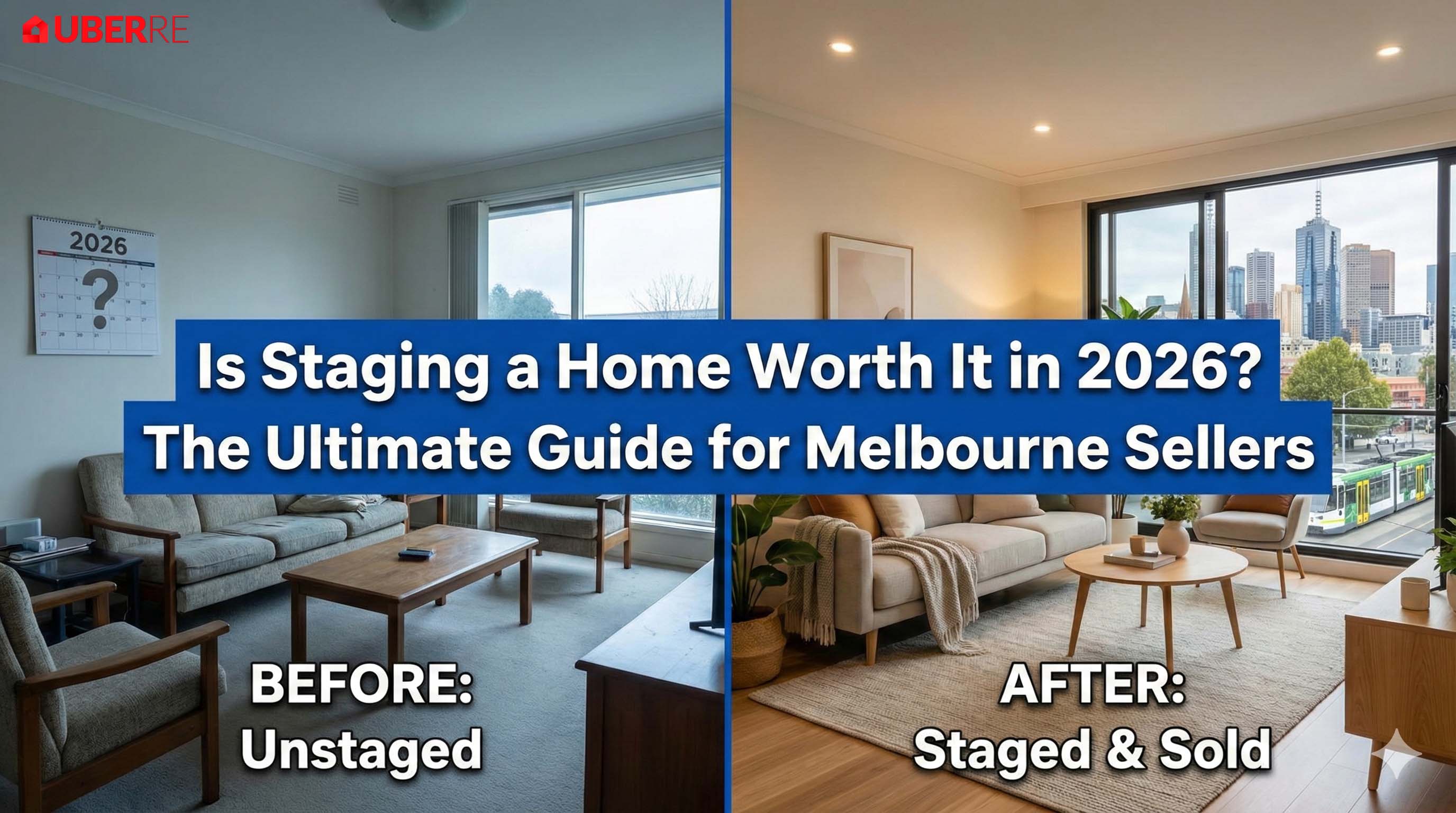
Selecting the correct visual package is a strategic decision based on the property's unique selling points. Day Photography remains the workhorse of Australian real estate marketing. It's the most effective tool for capturing bright, airy interiors and clear architectural details. This format ensures every room is presented with maximum clarity, helping buyers understand the layout and flow of the home. However, to truly understand how to get the best real estate photos, you must match the shooting style to the target demographic and the specific architectural features of the listing.
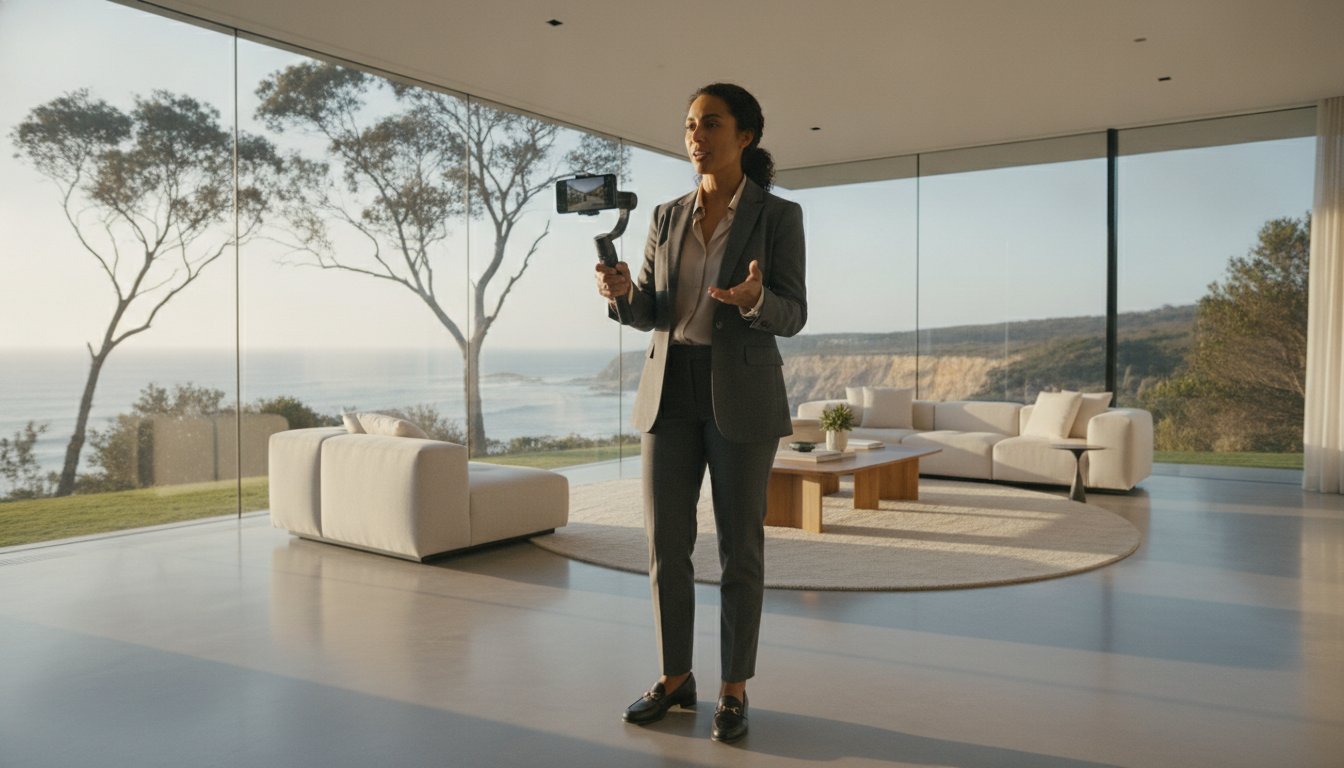
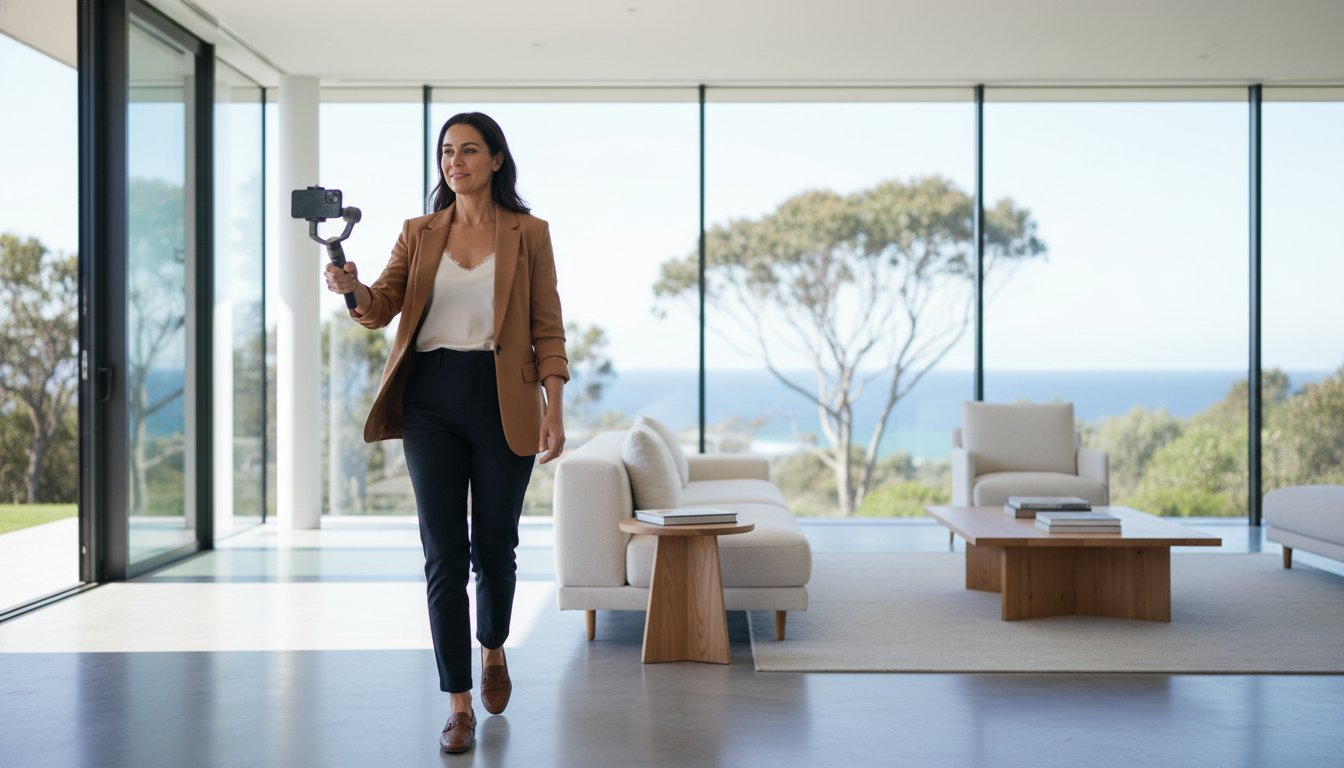
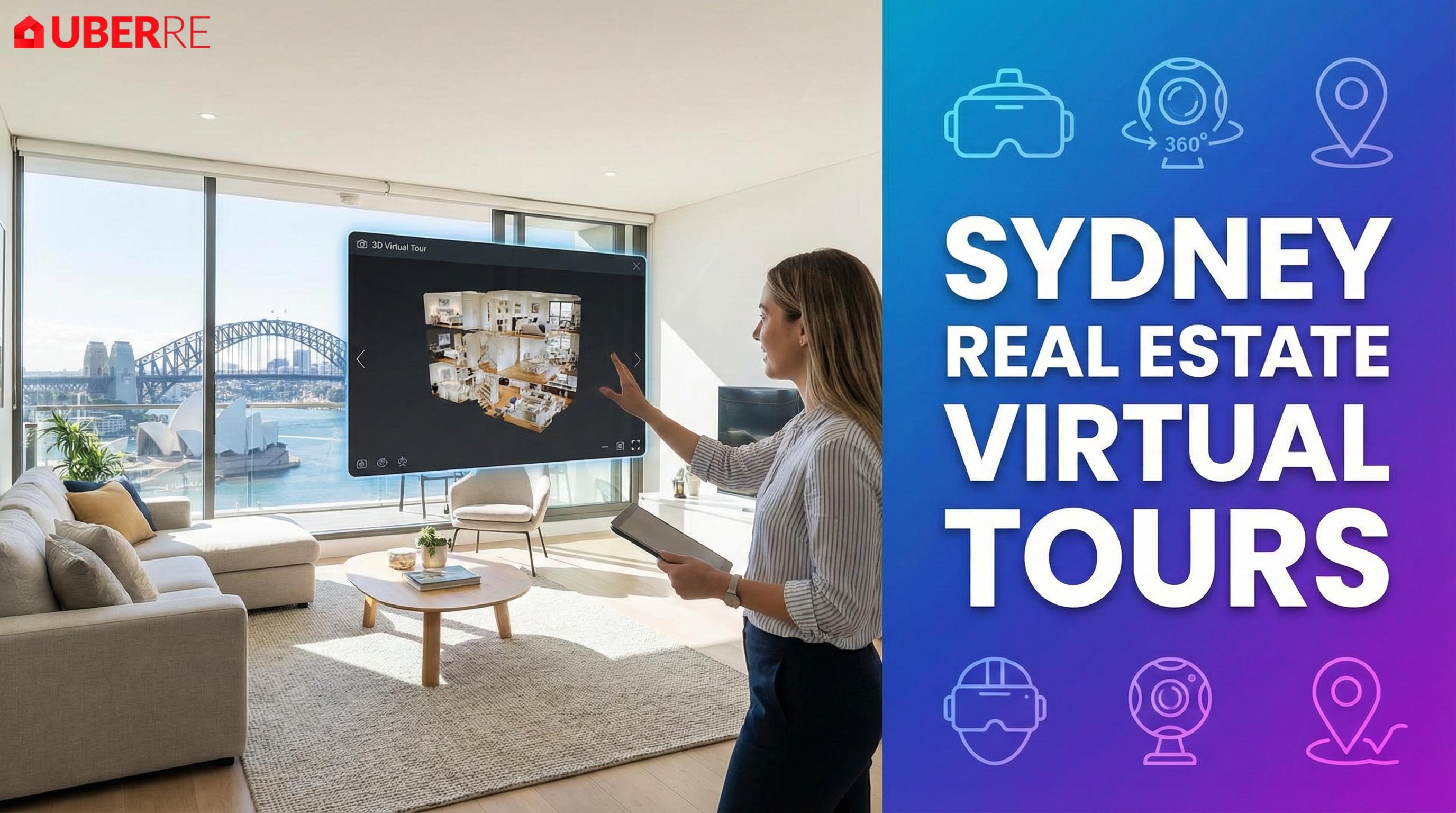
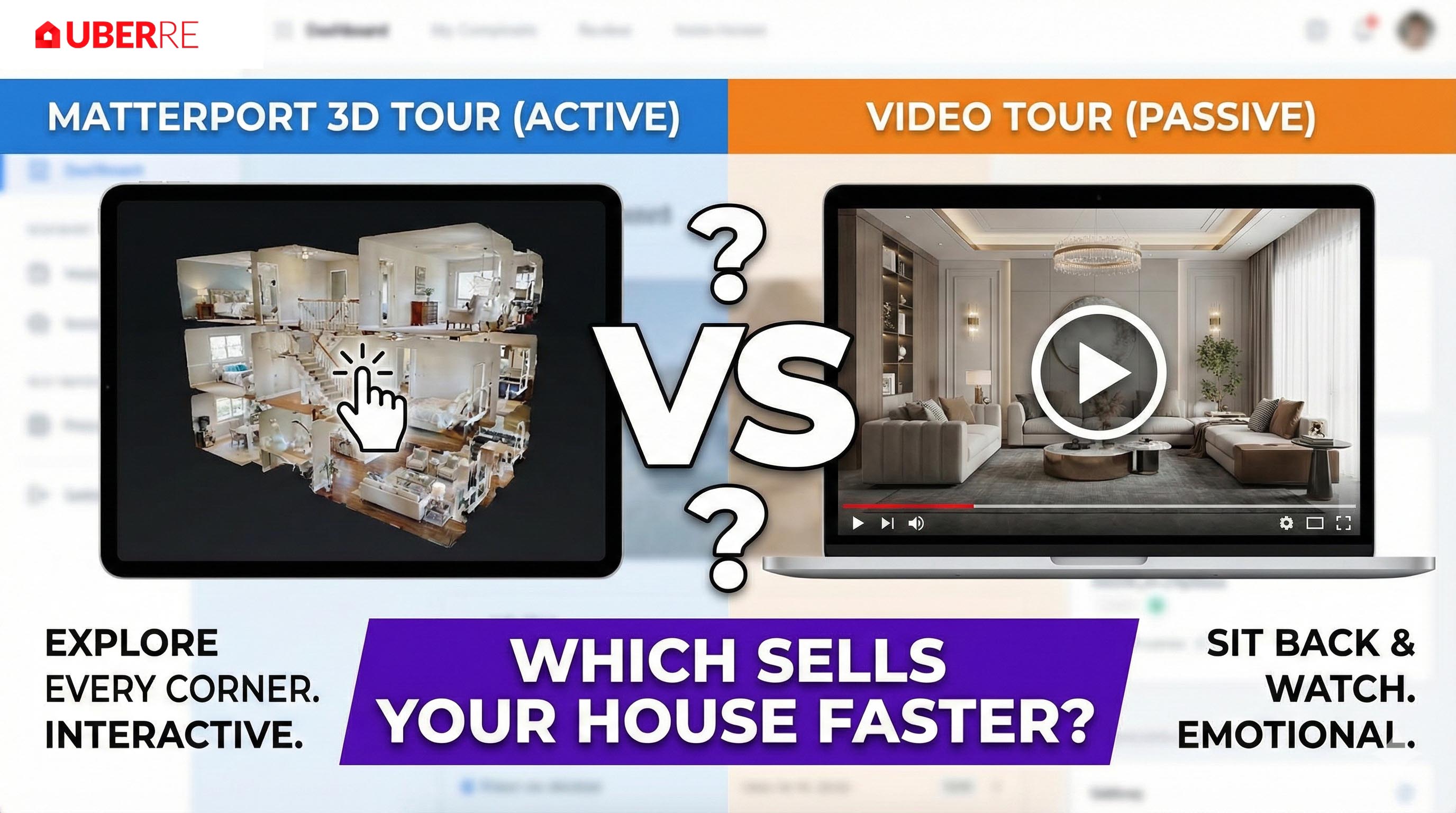
Integrating video marketing for real estate agents provides a cinematic walkthrough that static images cannot replicate. While photos capture a moment, video captures the experience of moving through the space. This multi-layered approach builds a comprehensive digital profile that keeps potential buyers engaged for longer on your listing page, moving them closer to a physical inspection.
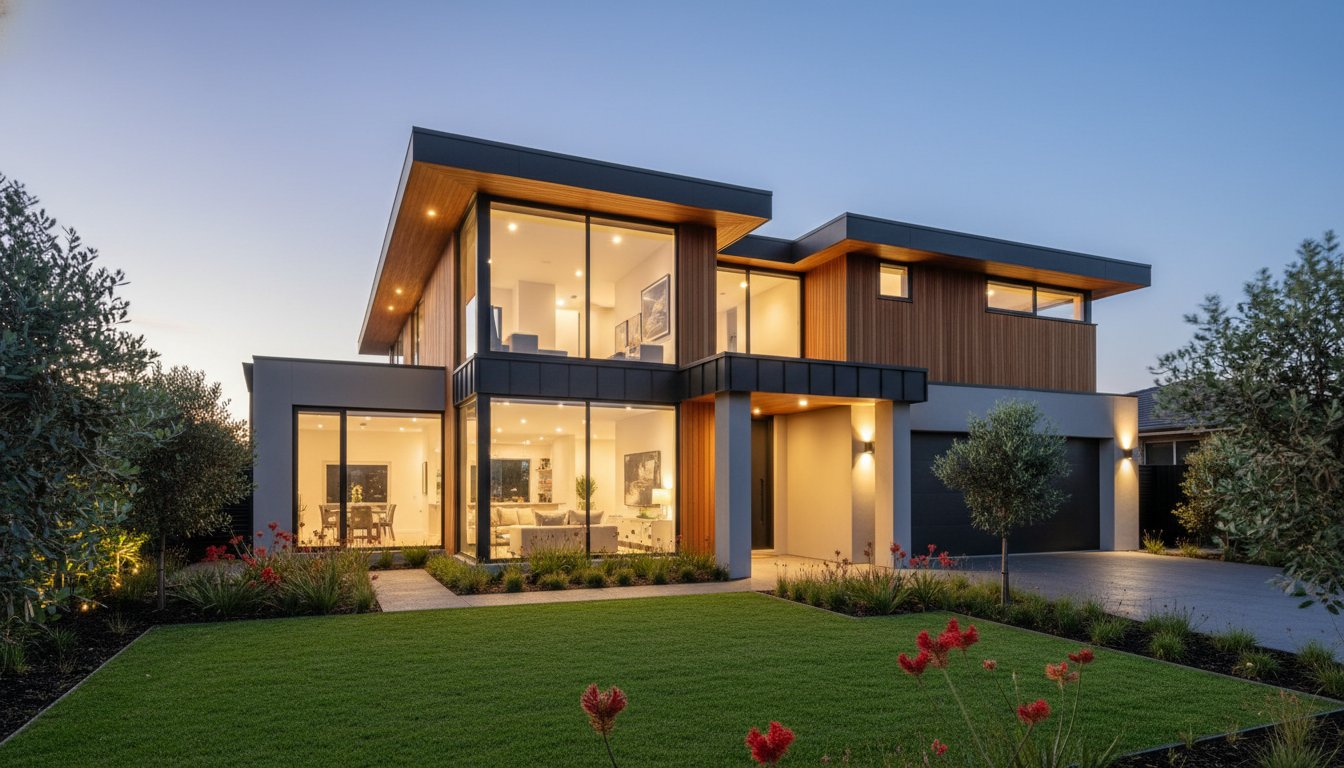
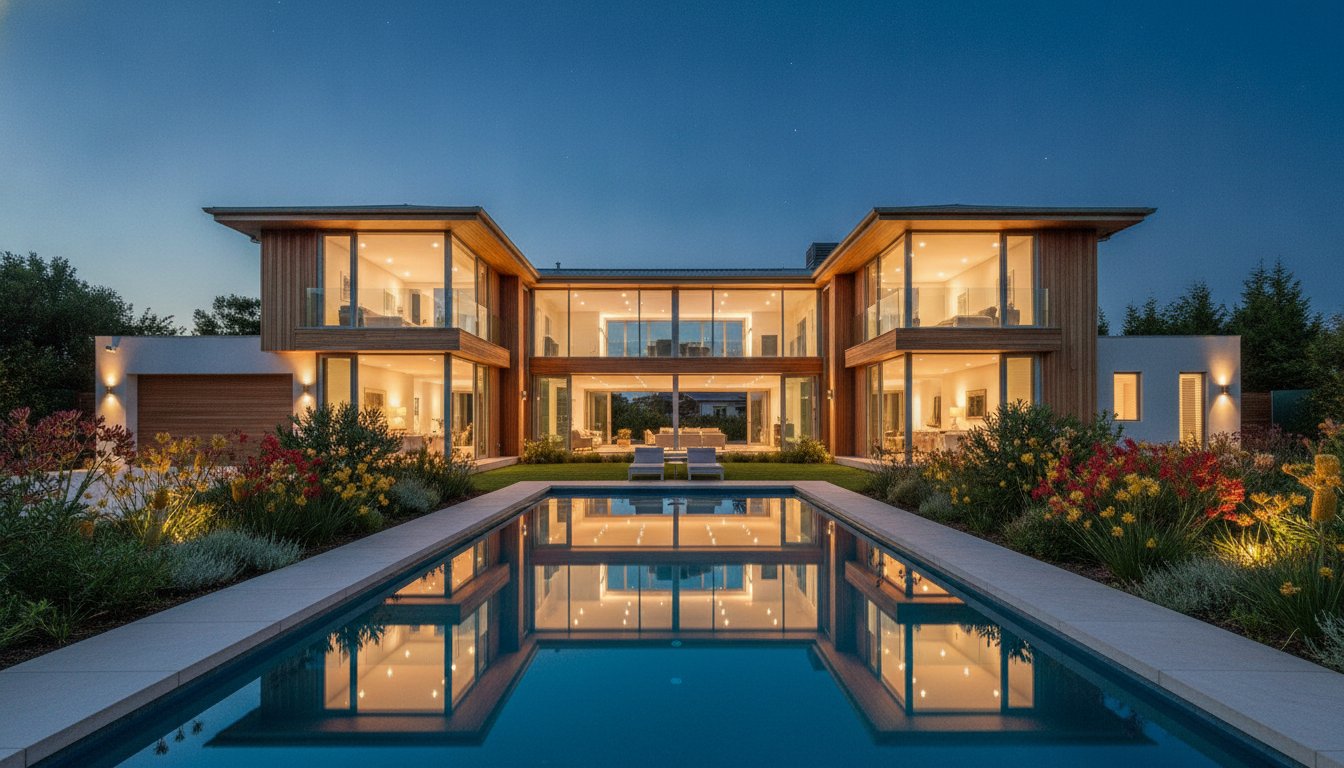
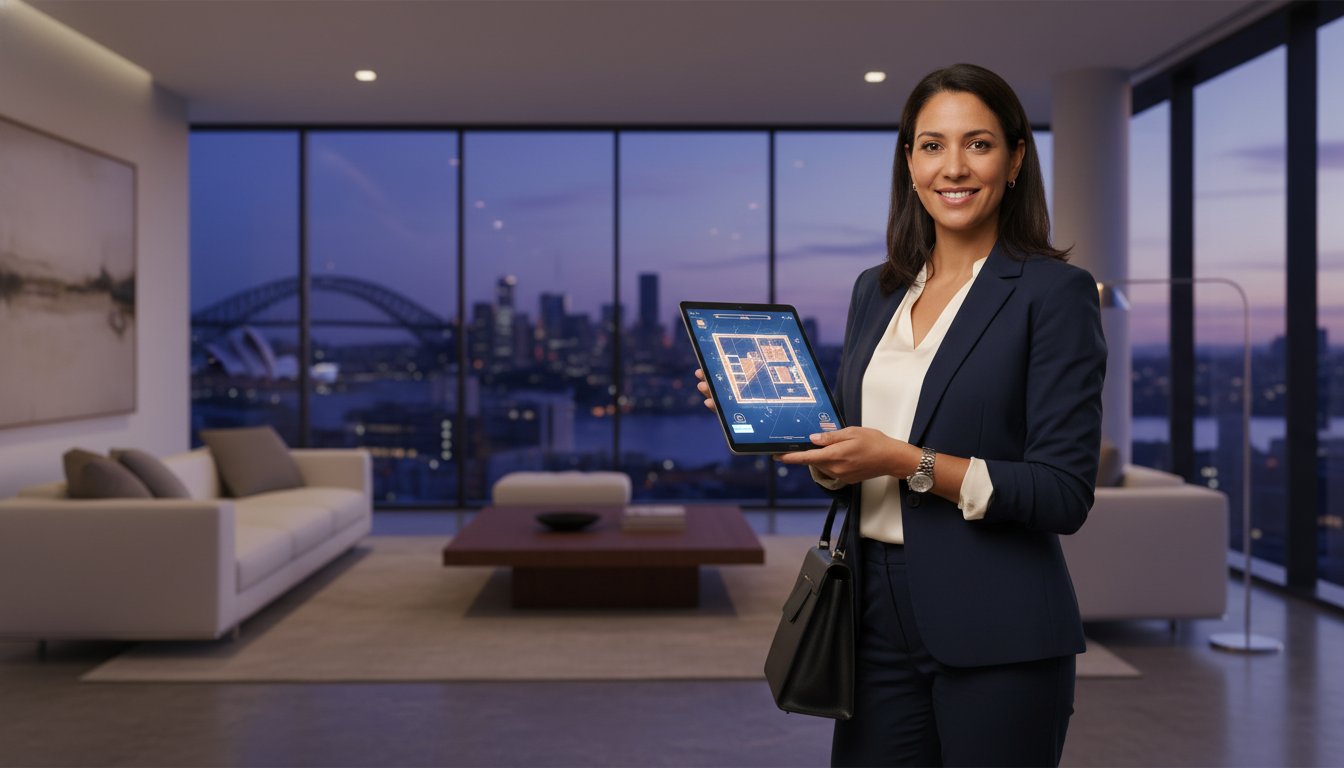
Twilight Photography uses the 'Golden Hour' to create a high-end lifestyle appeal that resonates emotionally with buyers. This strategy is particularly effective for properties with significant outdoor lighting, swimming pools, or large glass facades. A twilight hero shot stands out immediately in a sea of daytime thumbnails on listing portals. High-quality post-production is the secret to these results; digital enhancement ensures that the balance between internal warmth and external sky tones is perfect. The warm glow from internal lights contrasted against a deep blue sky suggests a premium living experience, which often justifies a higher price point in the buyer's mind.
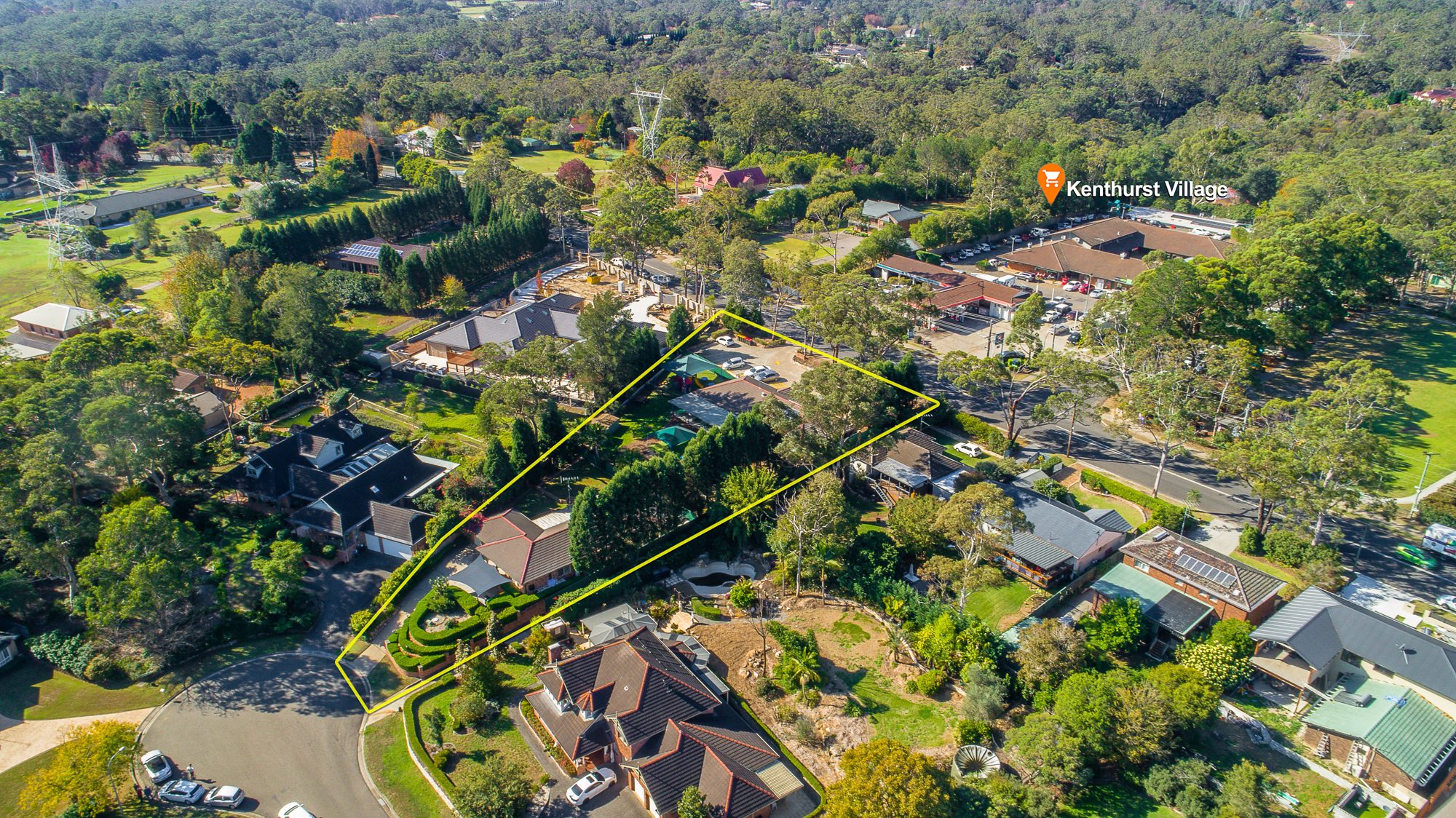
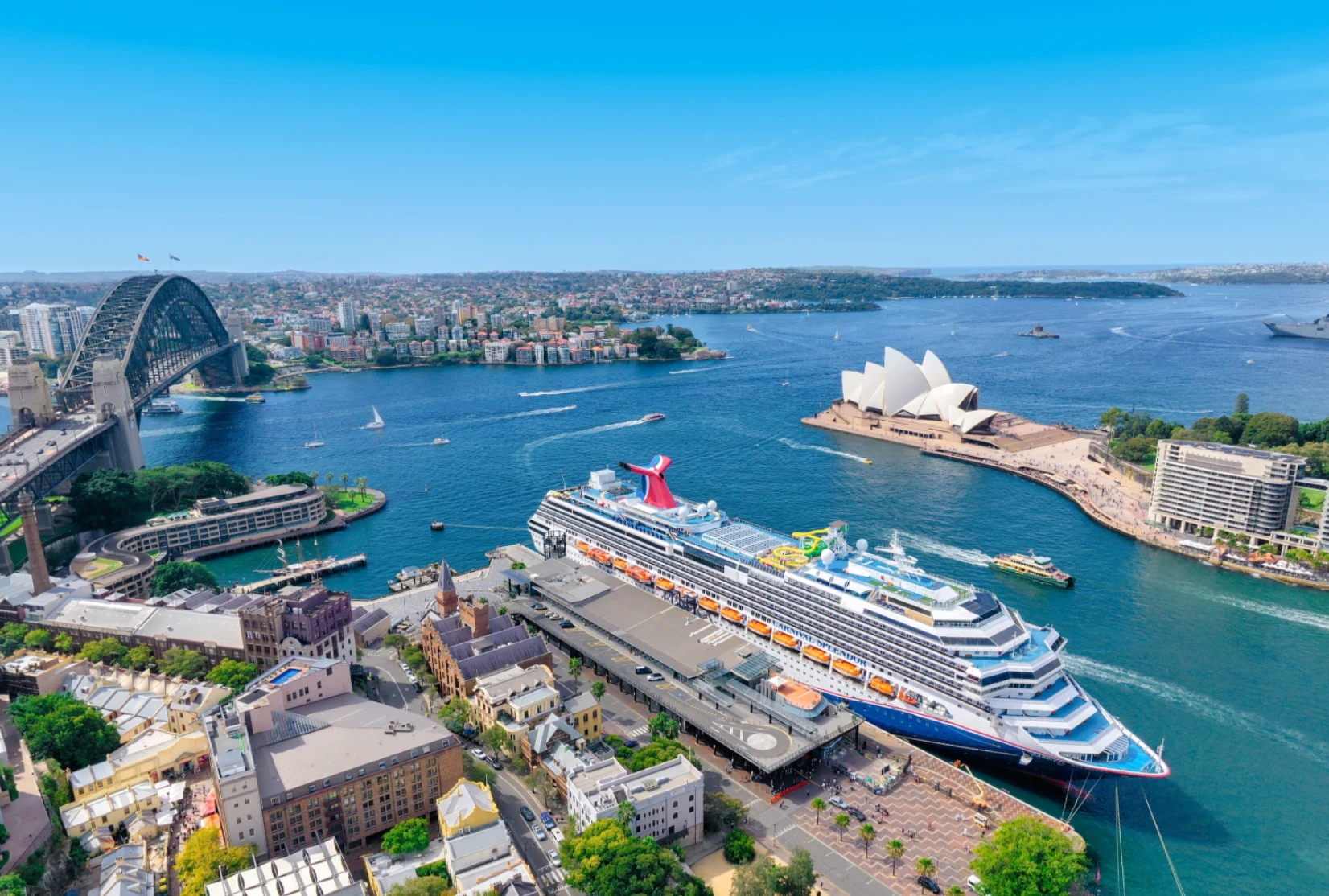
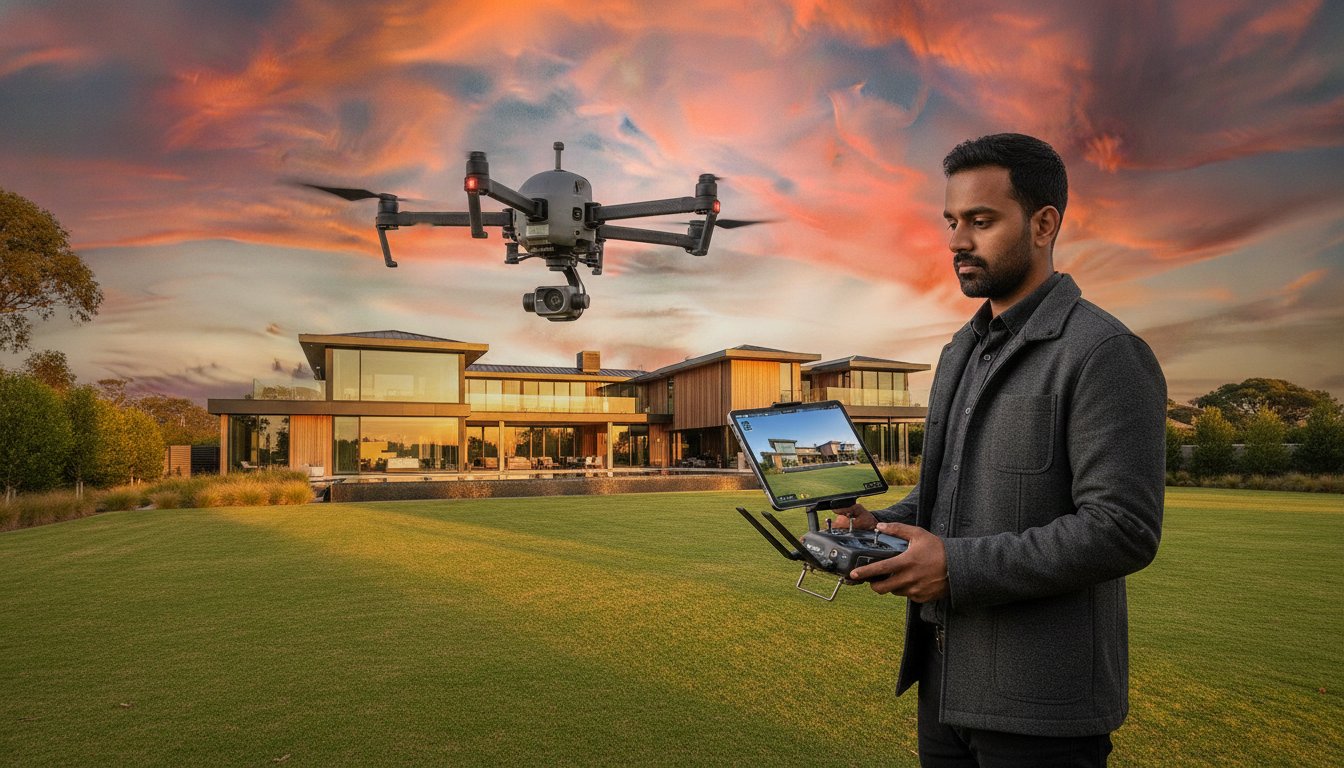
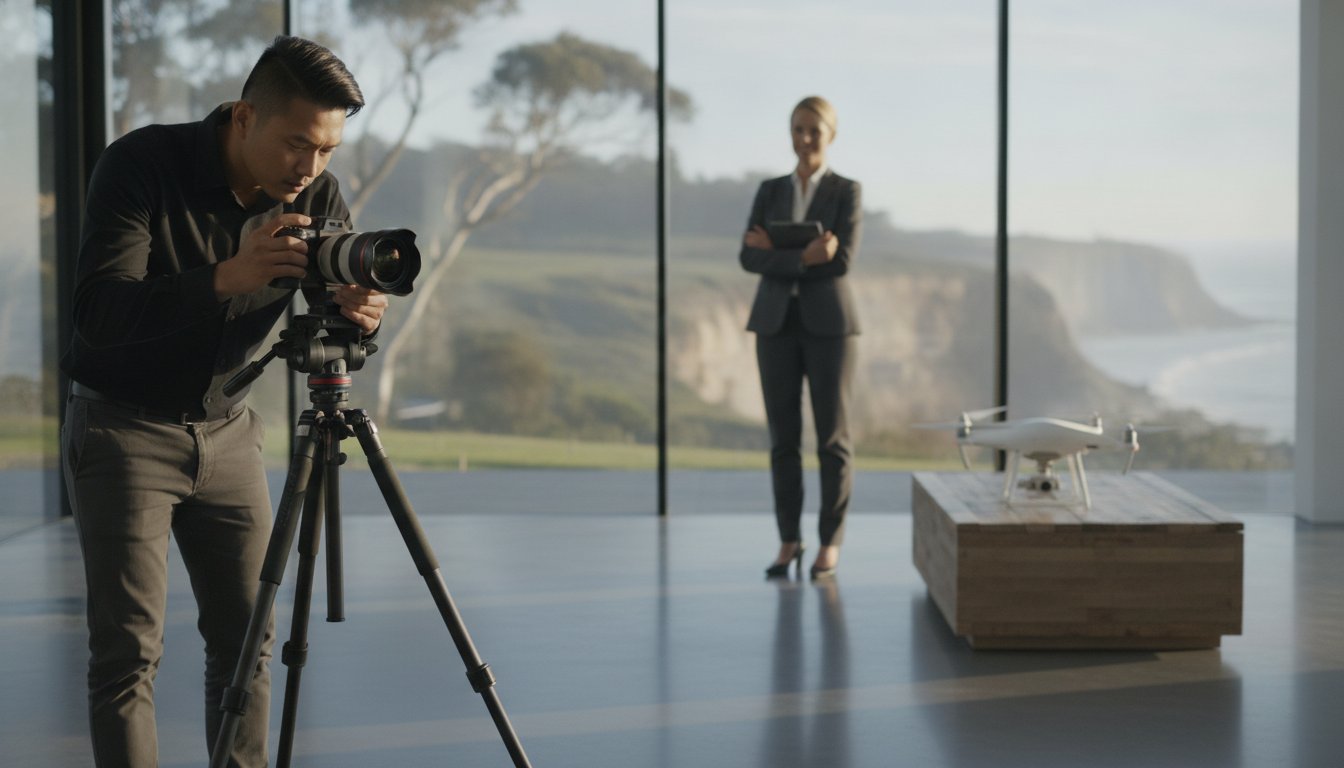
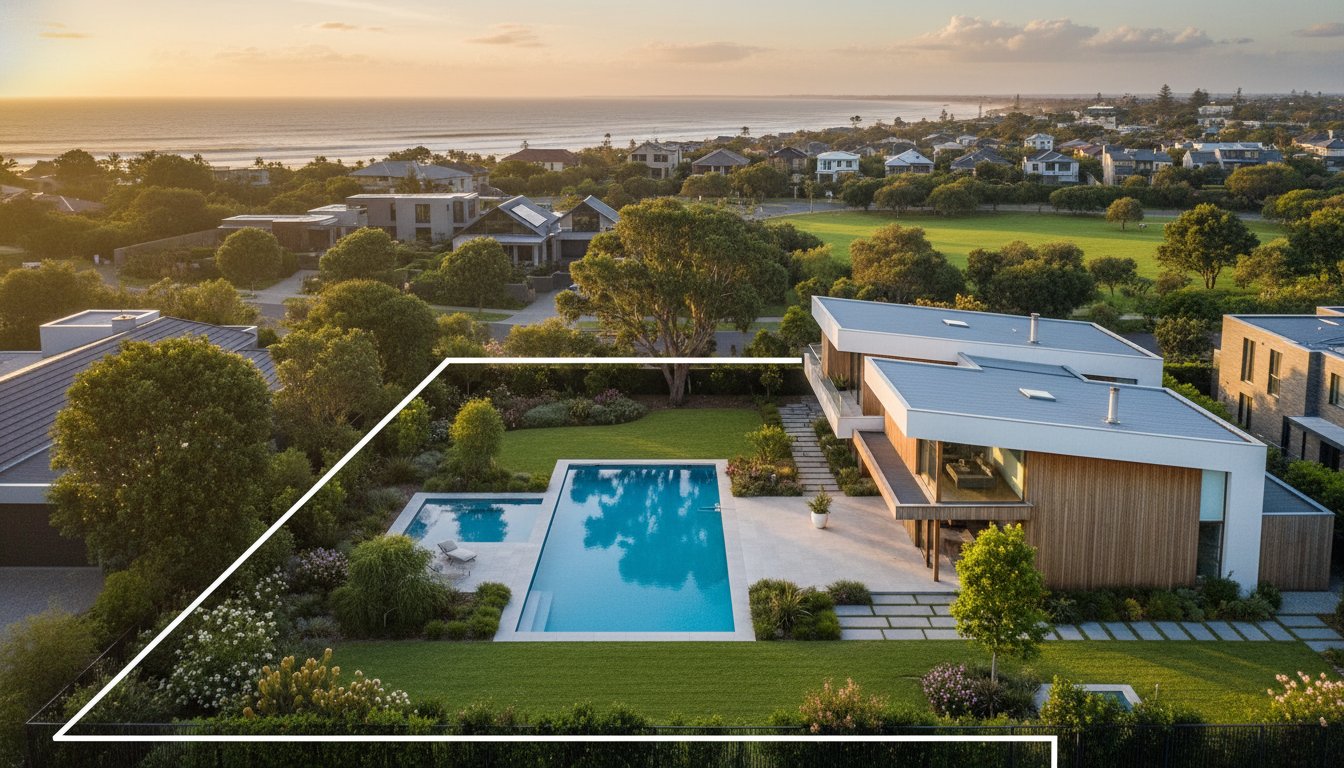
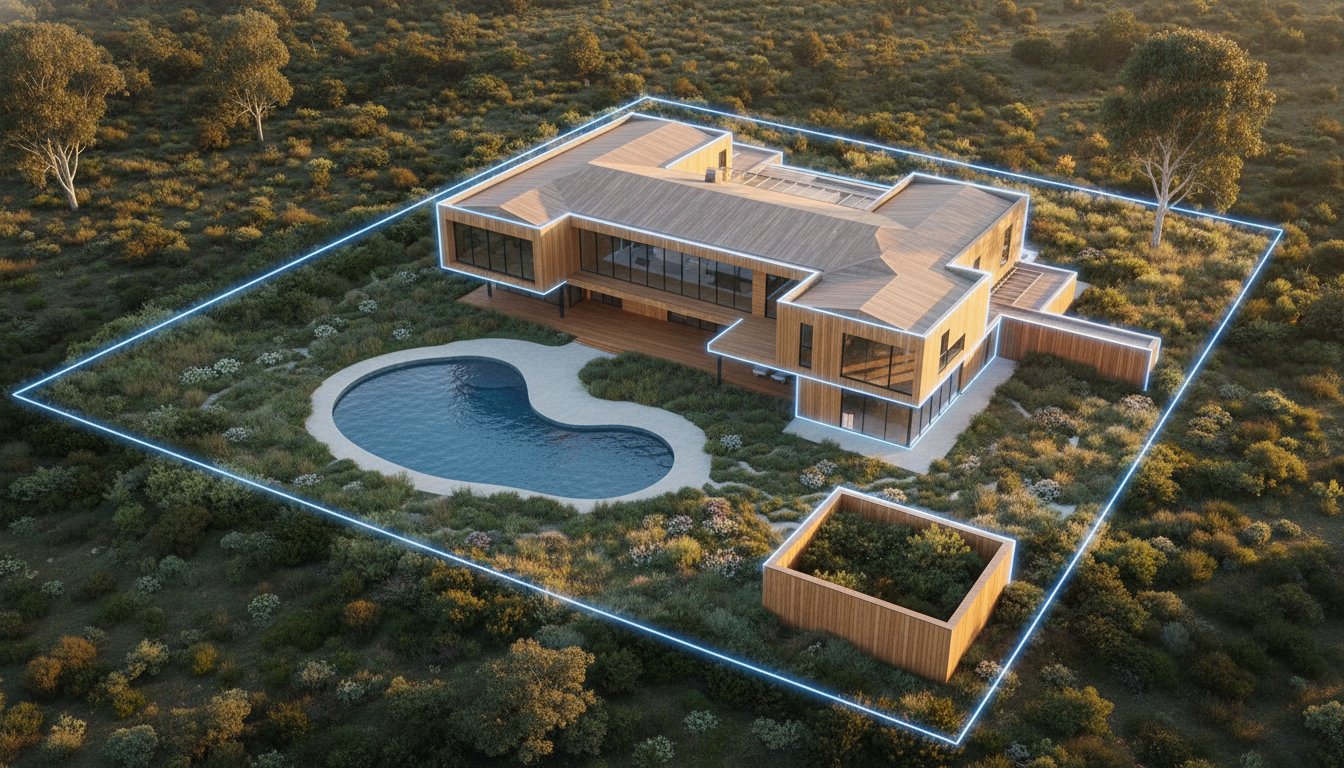
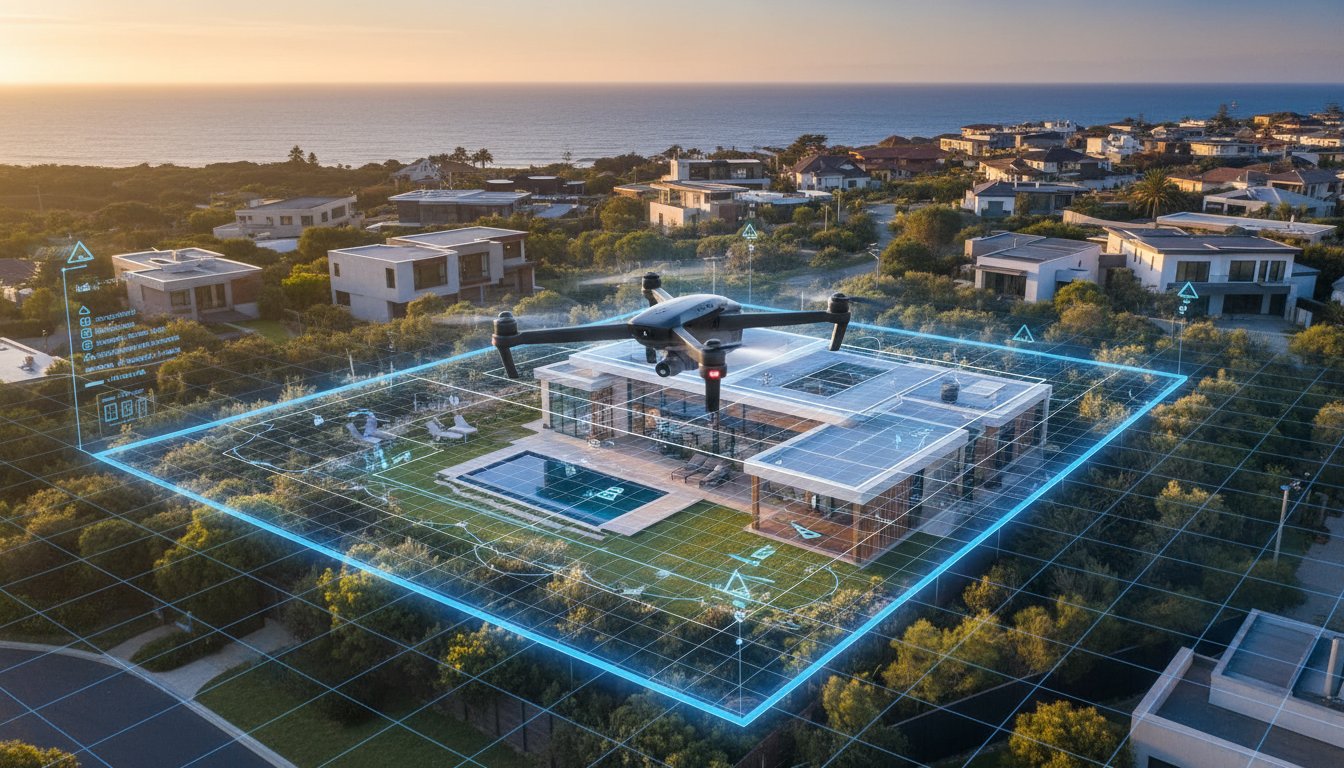
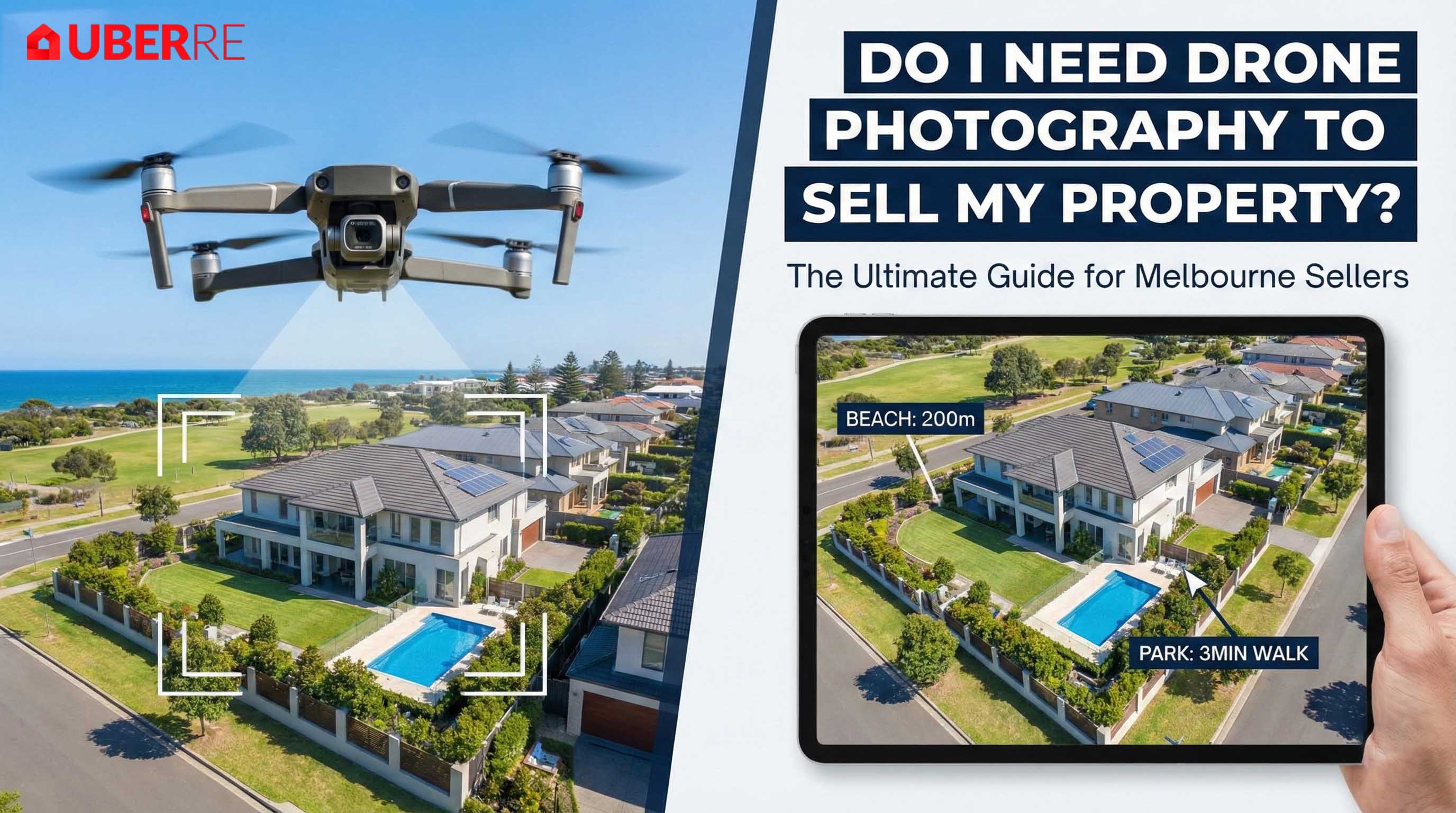
Aerial Photography is about more than just a high-angle shot of the roof. It provides vital 'lifestyle context' by showing the property's relationship to its surroundings. Use drones to highlight proximity to coastlines, local parks, or vibrant shopping centres. This is a non-negotiable tool for large blocks, rural properties, or homes where the unique roofline is a design feature. Properties featuring aerial imagery sell 68% faster because they answer the buyer's questions about the neighbourhood and land size before they even visit.
Safety and regulation are paramount in this space. In Australia, commercial drone operations are strictly governed. Using a licensed professional ensures compliance with local aviation laws and protects you from the significant legal risks associated with unauthorised flights. Professional aerial video and photography add a level of sophistication that DIY attempts simply cannot match, providing a polished, tech-integrated solution for modern property marketing.
Achieving a premium result requires a clear division of labour. The photographer manages the technical capture, but the agent manages the environment. To master how to get the best real estate photos, you must treat the property as a set where every object in the frame either adds value or creates a distraction. This tactical checklist ensures your shoot runs efficiently and your visual assets meet the modern benchmarks expected by Australian buyers.
Clear the driveway completely. Move all vehicles away from the front of the house and ensure the kerbside is free of trailers or bins.
Turn on every light in the home, including bedside lamps, rangehood lights, and display cabinet LEDs. Ensure all ceiling fans are switched off to avoid motion blur.
Hide remote controls, tissue boxes, and phone chargers. Remove pet bowls, toys, and beds from all visible areas.
Close all toilet lids. Fold towels into neat thirds and hide all toothbrushes, soaps, and bath mats.
Perform a final walkthrough from the photographer's eye level. Look for crooked blinds, stray cables, or reflections in mirrors that could compromise the shot.
Arrive at the property 30 minutes before the scheduled booking to execute a final sweep. Focus your energy on high-traffic visual areas like the kitchen island and the master bedroom, as these are often the primary 'hooks' for a listing. Always operate with the mindset that if it's in the room, it's in the photo. A single stray remote or a visible power board can break the lifestyle illusion and distract a potential buyer from the home's architectural features.
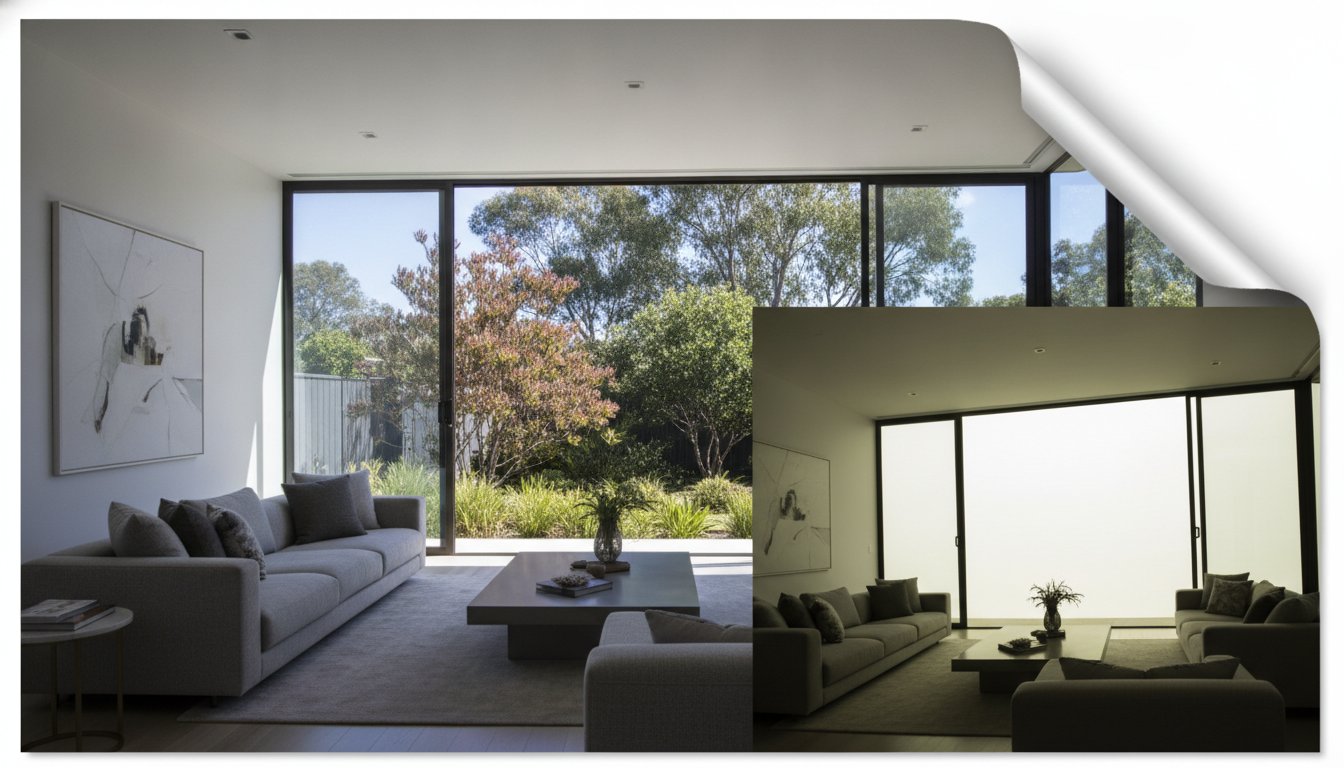
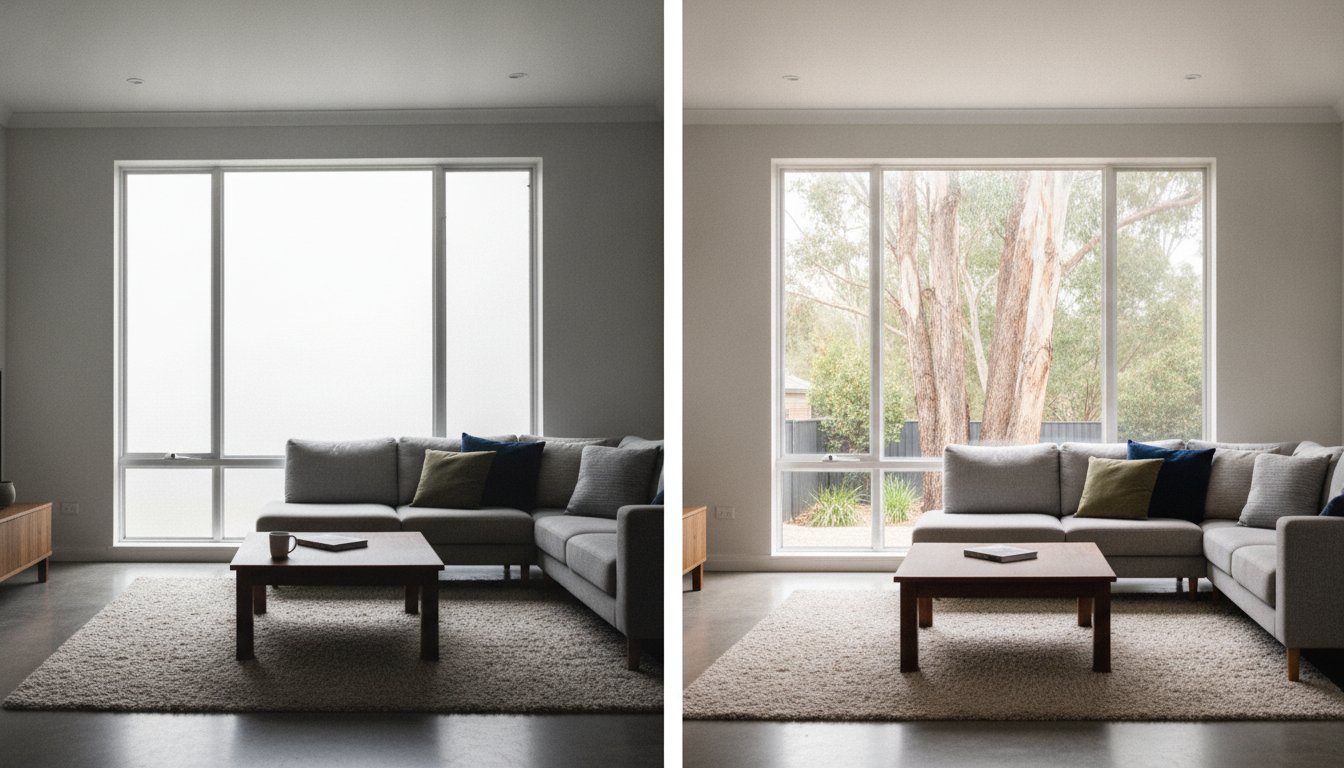
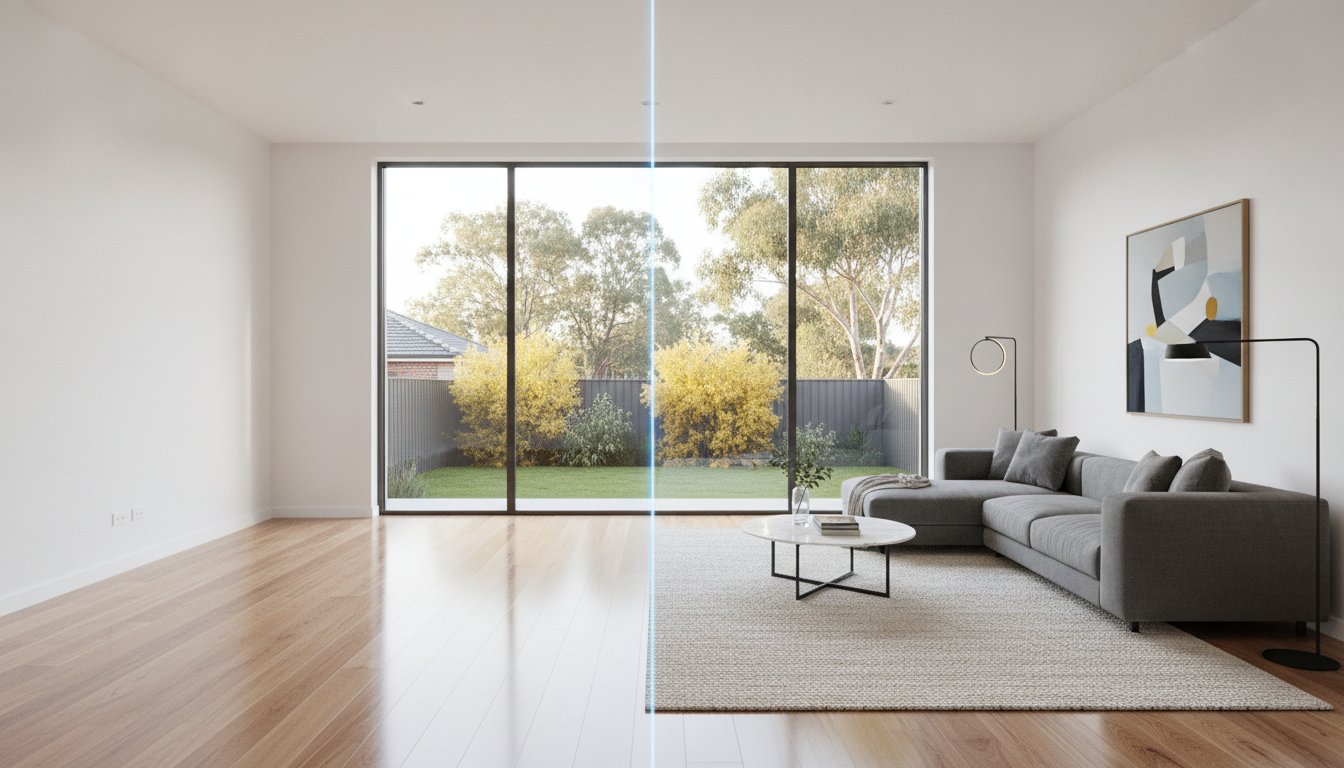
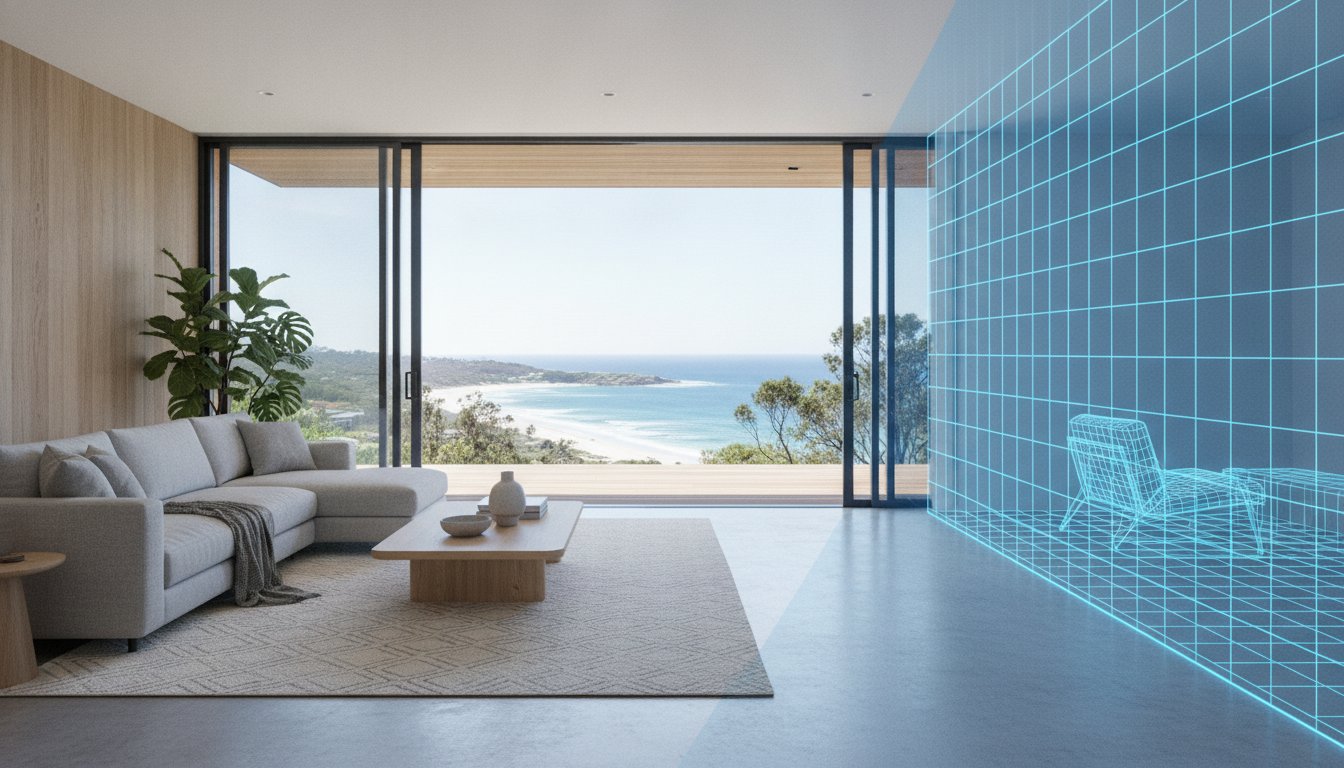
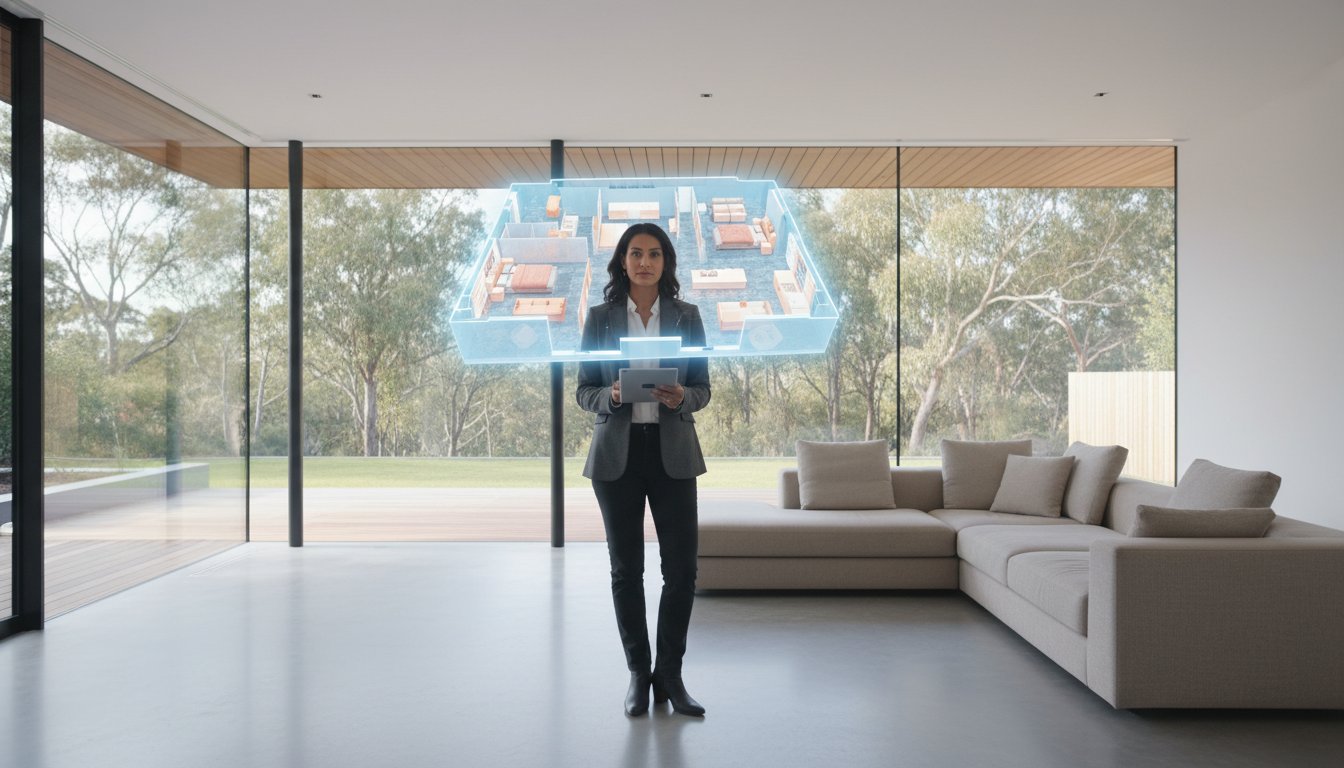
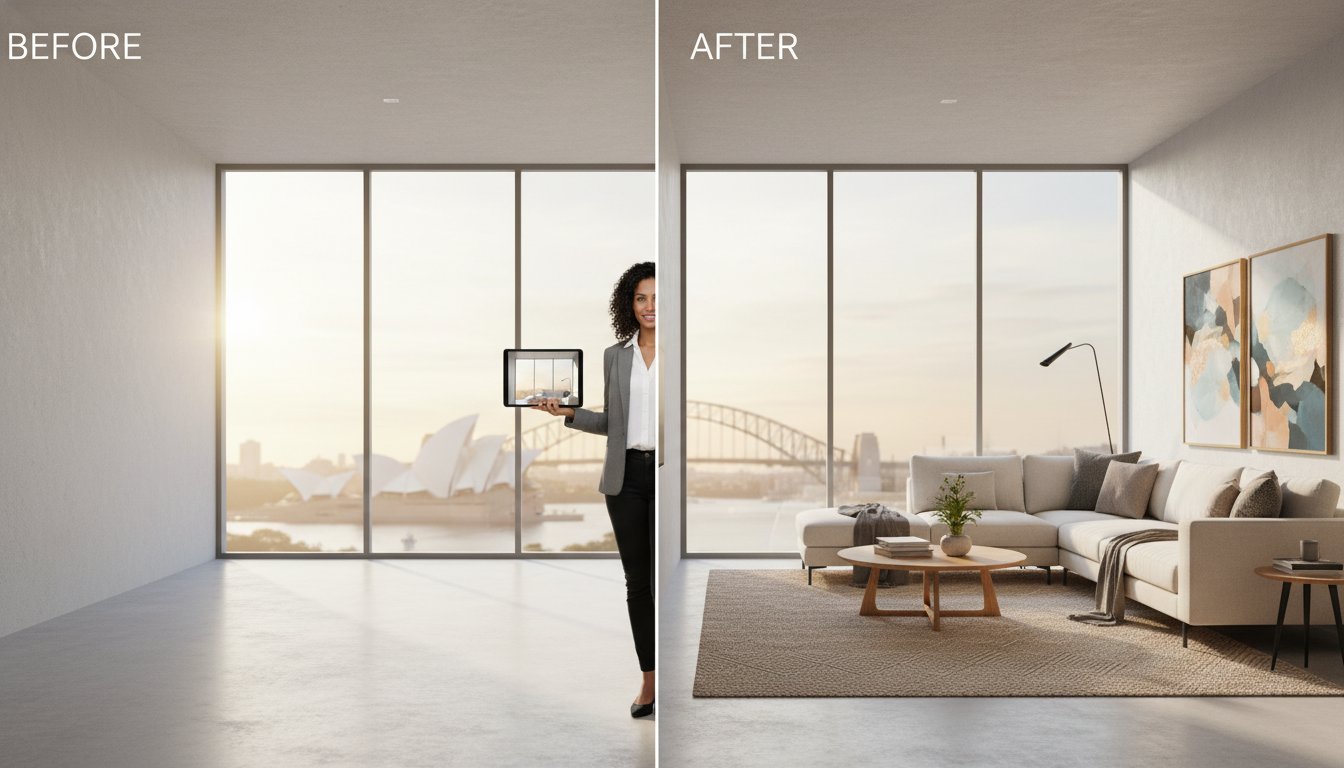
Post-production is the final layer of the marketing infrastructure. Technical tools like sky replacement ensure a blue-sky result even during grey winter conditions, providing a consistent, high-end look across your entire portfolio. For vacant properties, virtual furniture offers a cost-effective way to transform empty rooms into inviting living spaces without the logistical burden of physical staging. While digital decluttering can remove minor eyesores like a stray leaf in the pool, it isn't a substitute for physical preparation. High-fidelity results depend on the quality of the raw capture and the cleanliness of the space. To ensure your listings always benefit from this level of technical precision, book your high-impact photography package through our integrated marketing platform today.
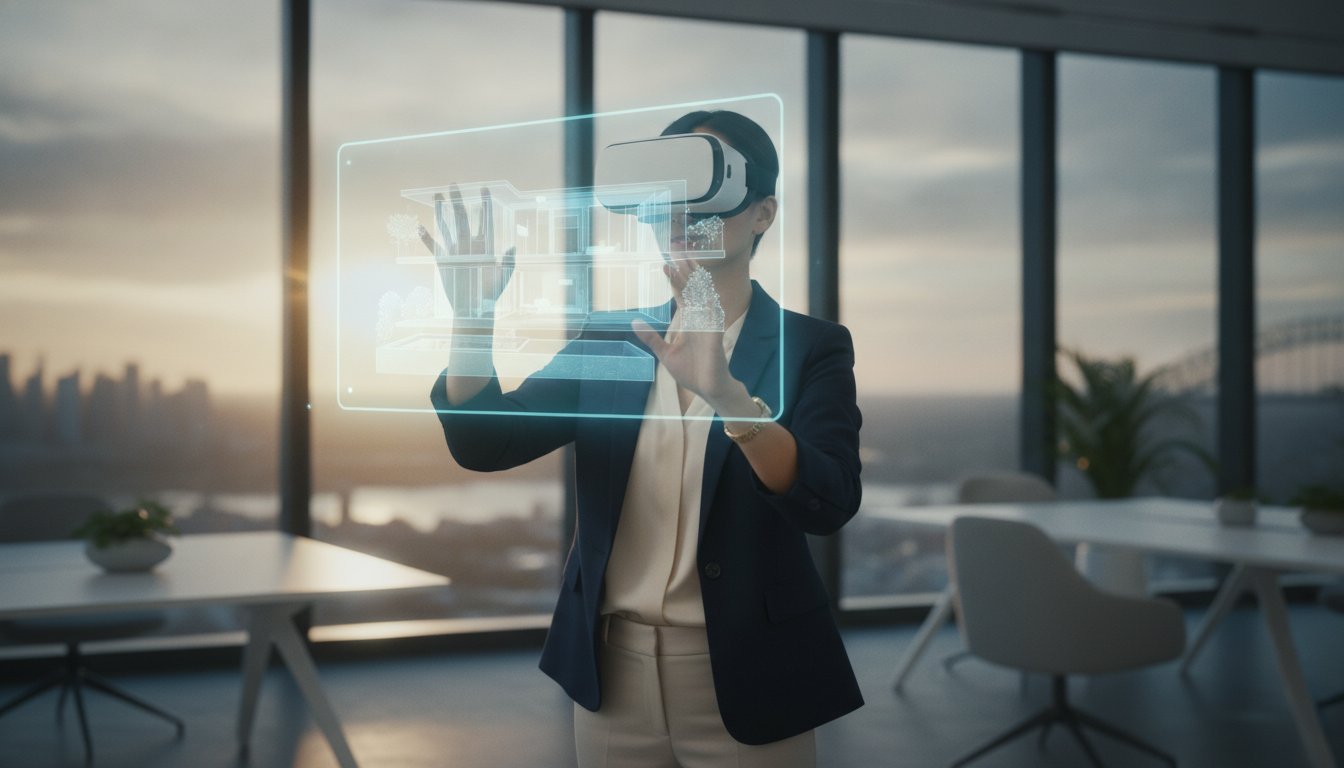
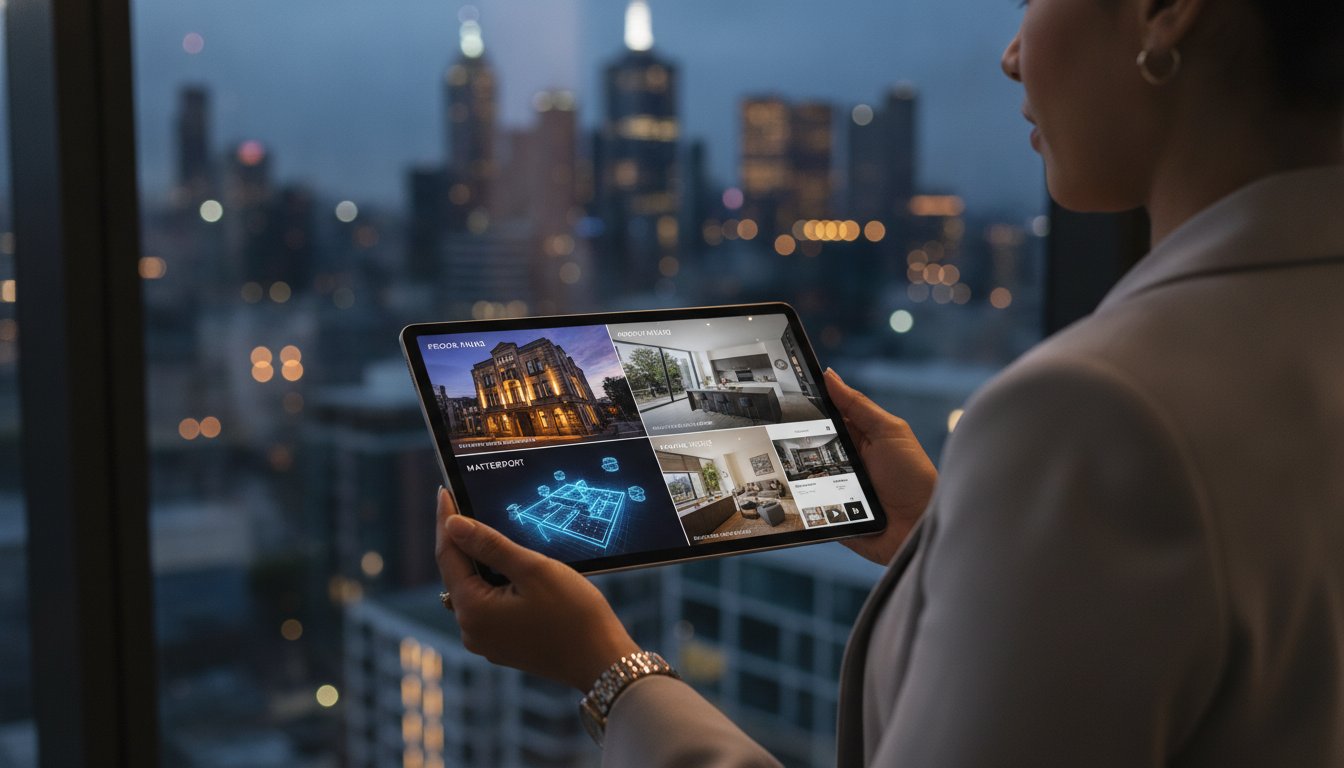
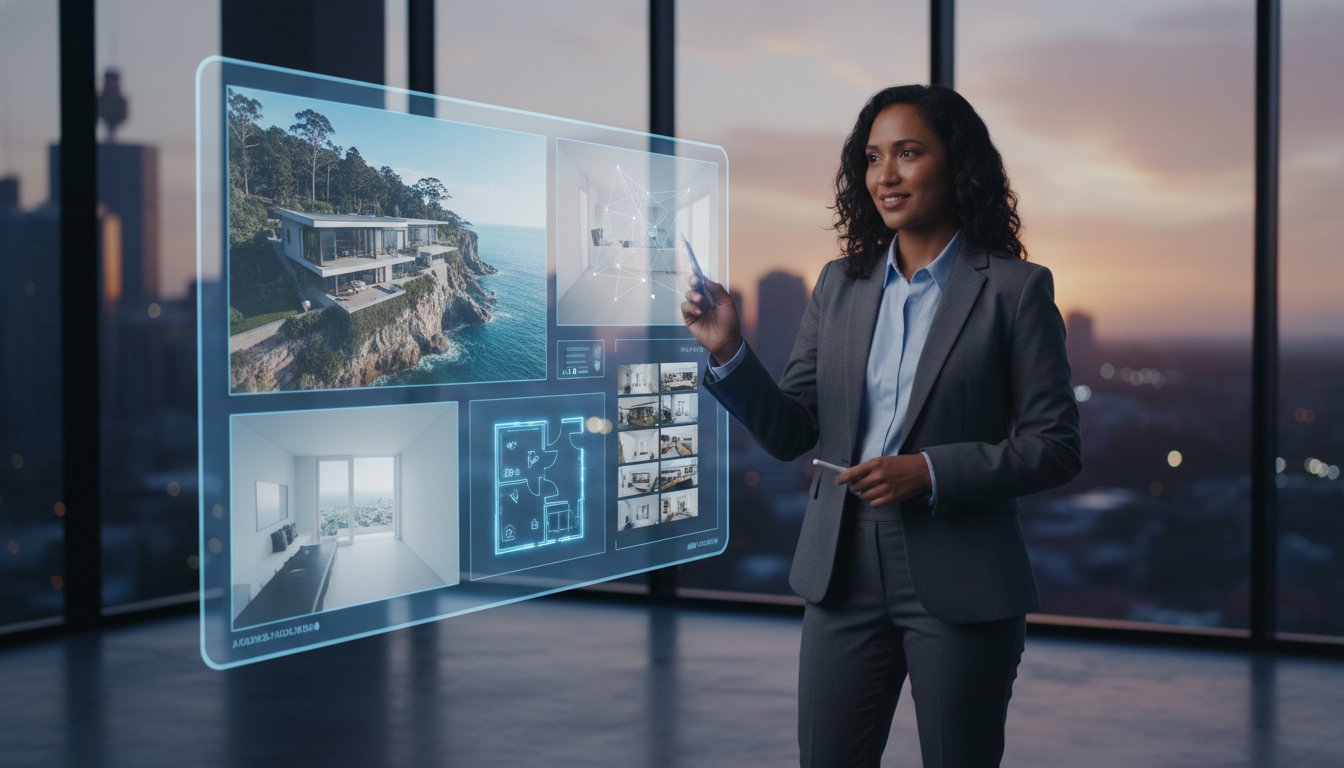
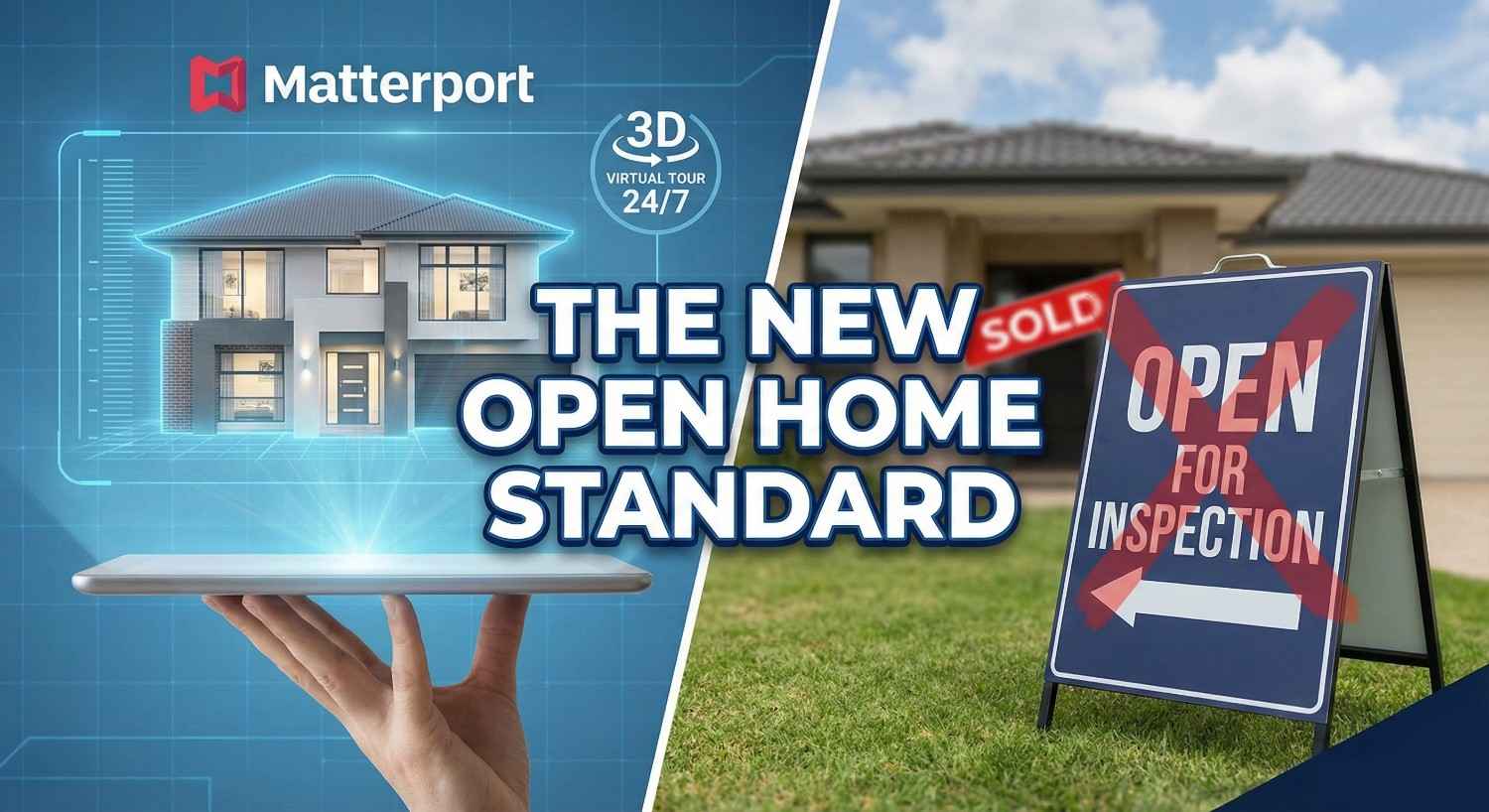
Efficiency is the benchmark of a top-performing real estate agency. In 2026, you can't afford fragmented workflows or slow creative vendors. UberRE provides a centralised infrastructure for all your visual marketing needs, from high-resolution stills to Matterport 3D tours. A 24-hour turnaround is a core component of our service model, giving you a distinct competitive advantage. It allows you to move from the initial listing to a live campaign in record time, maintaining vendor momentum and capturing buyer interest while the property is fresh on the market.
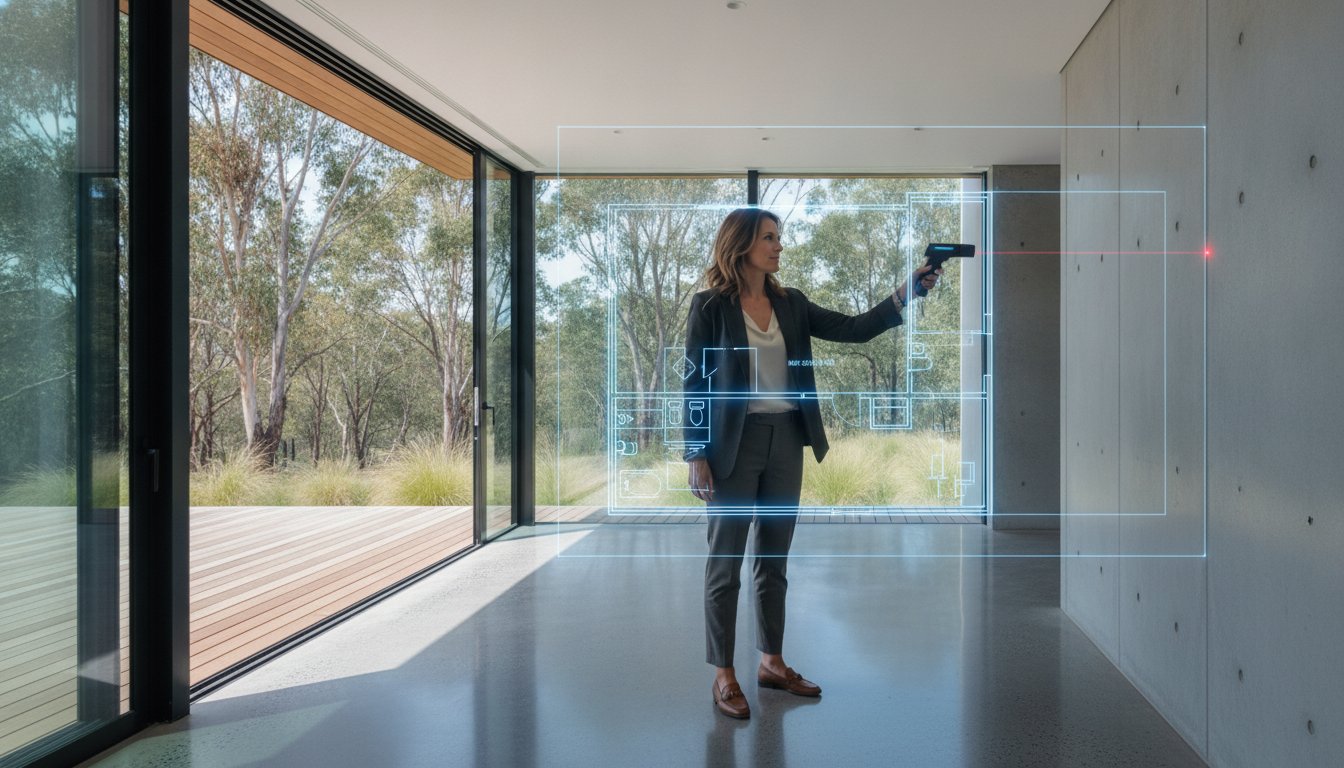
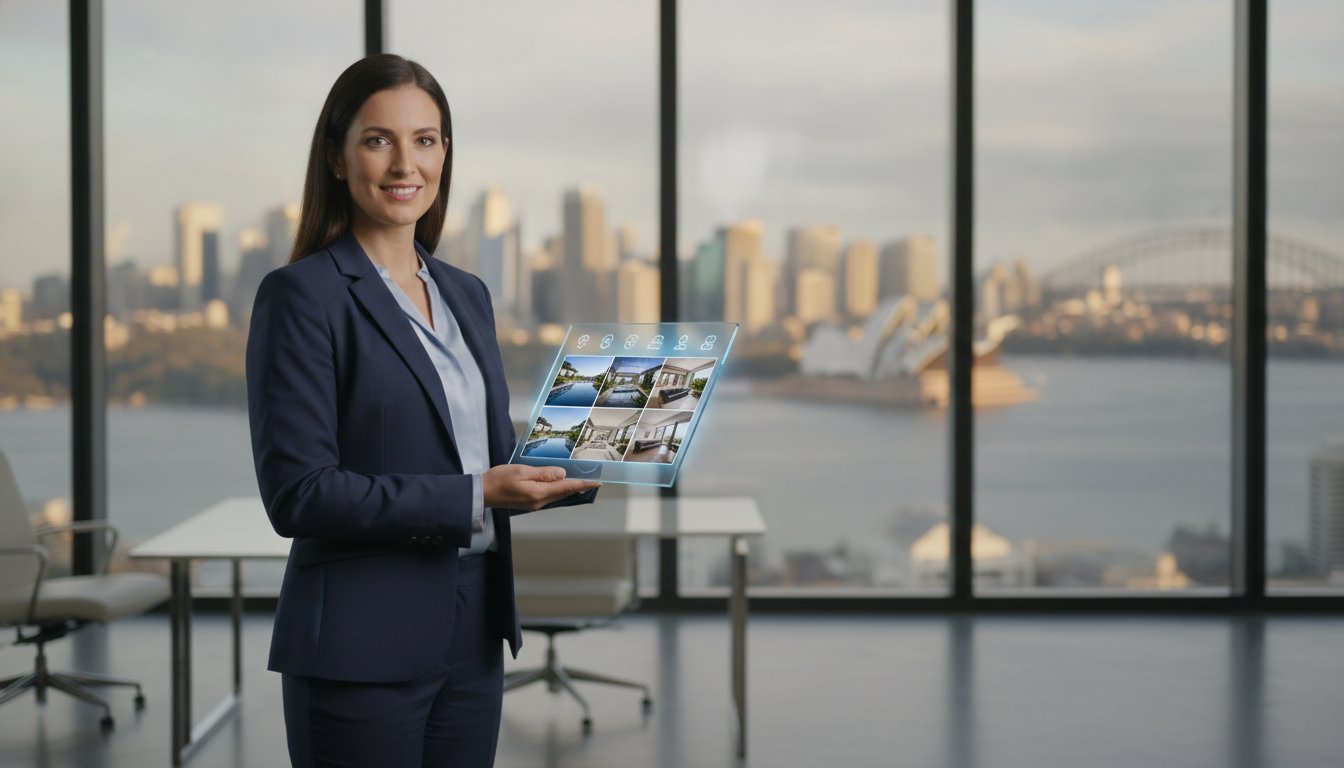
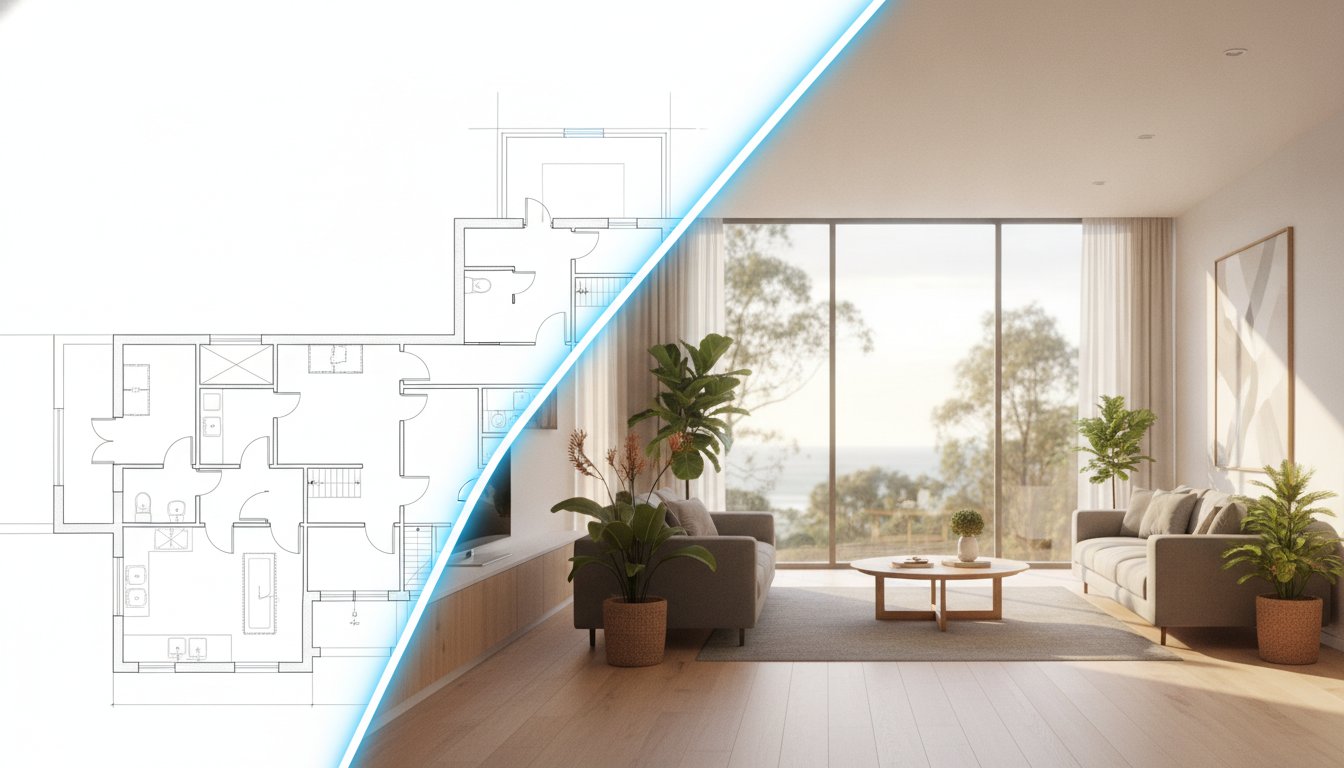
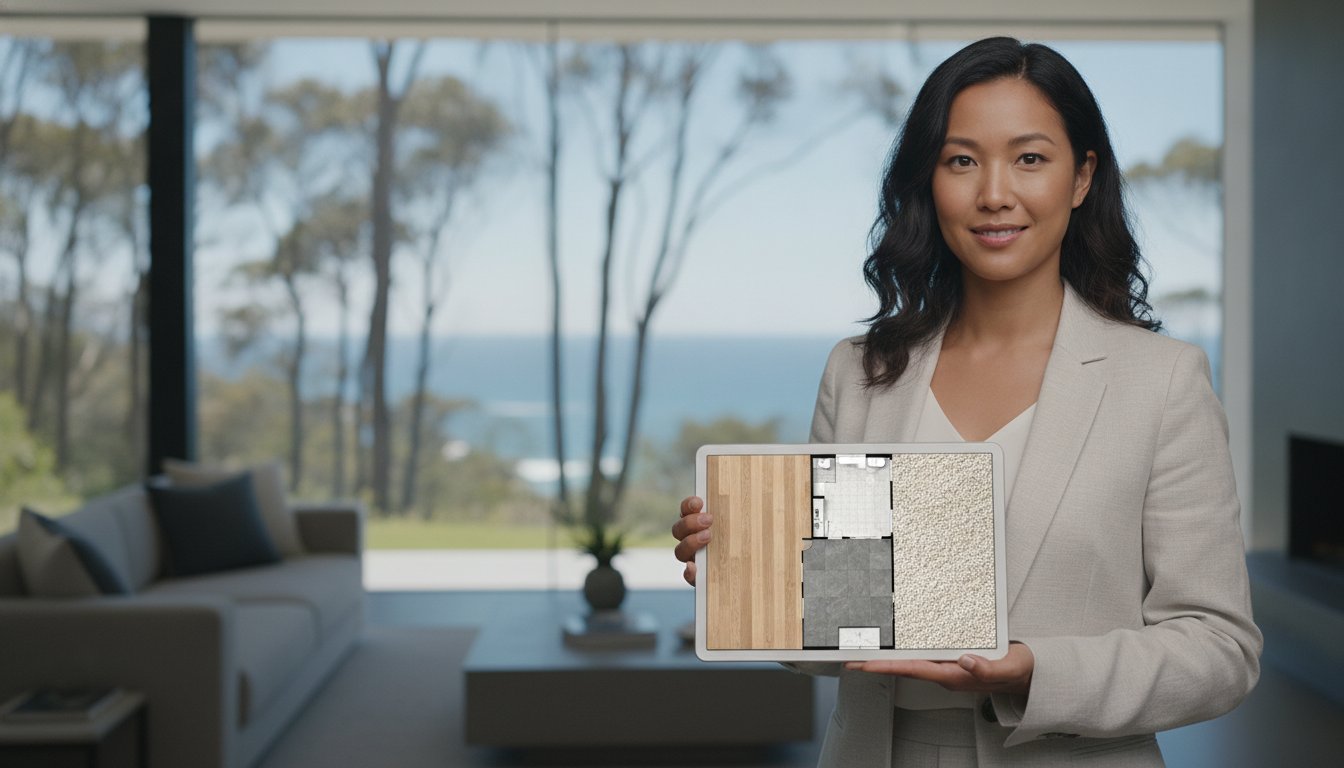
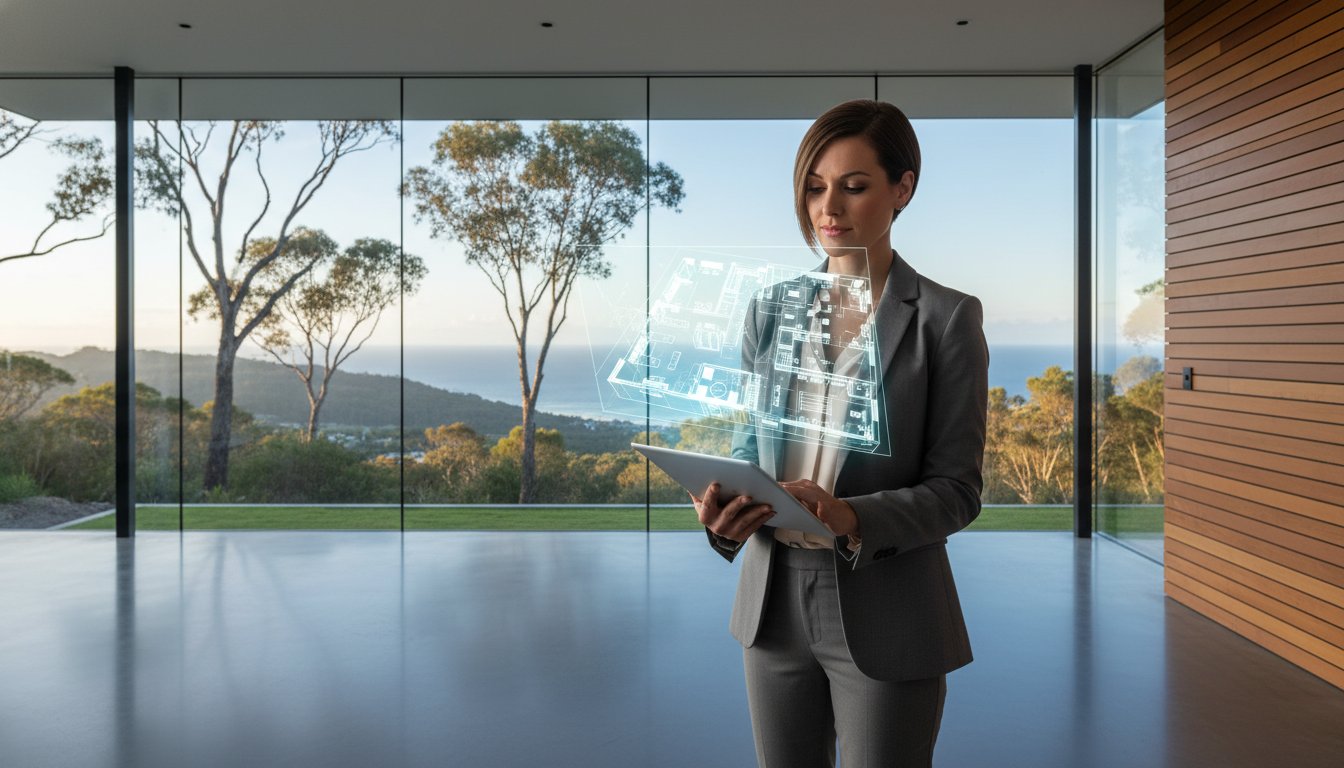
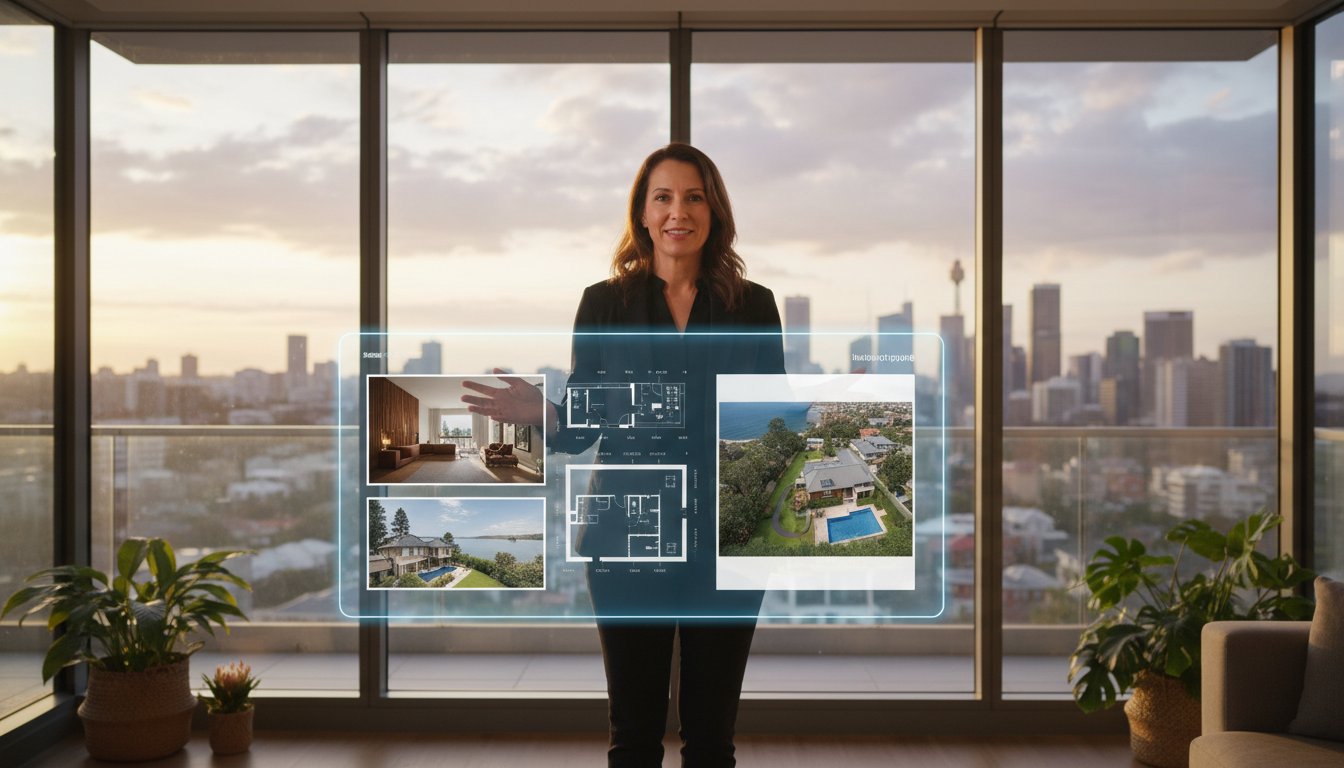
Consolidating your workflow reduces administrative friction and eliminates the need for multiple site visits. Booking photography, textured floorplans, and cinematic video tours through a single, tech-forward platform ensures all assets are delivered with a unified aesthetic. We provide construction-grade accuracy in our floorplans and site plans, which builds immediate trust with buyers who require precise data for their purchasing decisions. This integrated approach is the most effective method for agents who want to know how to get the best real estate photos without the logistical burden of managing various freelance contractors.
Agency principals require a uniform brand aesthetic across every listing in their office. The 'freelancer lottery' often results in inconsistent quality that damages your professional image and confuses your audience. UberRE’s real estate photography Australia service provides a corporate-grade guarantee of quality. Whether you're marketing a boutique apartment or a luxury estate, the output remains standardised, premium, and on-brand. This reliability allows your business to scale efficiently across multiple Australian territories while maintaining a high-performance marketing standard.
Launching your next campaign is a streamlined, three-step process designed for the fast-paced Australian property sector. Simply select your required services, schedule the shoot via our intuitive dashboard, and receive your high-impact assets within 24 hours. Our platform allows you to manage multiple campaigns simultaneously, providing a clear overview of all active listings. These digital assets are ready for immediate integration into your CRM or major listing portals, eliminating technical delays and manual handling. Book your next high-impact shoot with UberRE today to experience a tech-integrated solution that prioritises your time and your vendor's results.
Success in the competitive Australian property market depends on a technical, results-driven approach to visual assets. Mastering how to get the best real estate photos requires a shift from viewing photography as an artistic choice to treating it as a modular marketing product. By implementing a rigorous pre-shoot checklist and selecting the right visual hooks, such as twilight imagery or aerial video, you secure a significant competitive advantage. These high-impact assets don't just fill a listing portal; they protect your vendor's equity and build your professional reputation as a market leader.
Standardising your output across all campaigns ensures a consistent brand aesthetic that attracts future listings. It's about providing a total service assurance that instils trust in your vendors and buyers alike. With national Australian coverage and a 24-hour turnaround guarantee, you can maintain a brisk campaign rhythm without compromising on quality. Our comprehensive visual marketing suite, including professional photography, floorplans, and cinematic video tours, is designed to integrate seamlessly into your workflow. Maximise your listing's potential with UberRE's professional photography services and take control of your property marketing today. Your next record-breaking sale starts with the right visual strategy.
Aim for 20 to 30 high-impact images for a standard residential listing. Over-saturating a gallery with repetitive angles can dilute the impact of your hero shots. Focus on capturing each primary room from the most spatial perspective. This ensures potential buyers stay engaged without feeling overwhelmed by redundant content.
Agent presence is highly recommended to ensure the property meets the required presentation standards. While vendors often want to help, their emotional attachment can sometimes hinder the de-personalisation process. An agent acts as the quality controller, ensuring the photographer can move through the space efficiently without logistical interruptions.
Overcast weather is rarely an issue due to advanced post-production techniques like sky replacement. We can digitally enhance a grey sky to a clear blue finish to maintain a premium look. Shoots only require rescheduling in cases of heavy rain that prevents external capture or poses a safety risk to technical equipment.
Virtual furniture is a highly effective tool for vacant properties, as it provides the necessary spatial context at a fraction of the cost of physical hire. While physical styling offers an in-person experience during inspections, virtual staging ensures your online listing captures attention. It's a strategic way to show buyers how to get the best real estate photos for properties that would otherwise look empty and uninviting.
A standard professional session typically takes between 60 and 90 minutes. This timeframe allows for the technical setup of lighting and the careful composition of each shot. Larger properties or those requiring additional services like Matterport 3D tours or video walkthroughs will naturally require a longer on-site presence to ensure total service assurance.
Drone photography is permissible in urban areas as long as the operator complies with CASA regulations. This includes maintaining specific distances from people and avoiding restricted airspaces. Using a licensed professional is essential to navigate these legal requirements safely while still capturing those high-impact lifestyle perspectives.
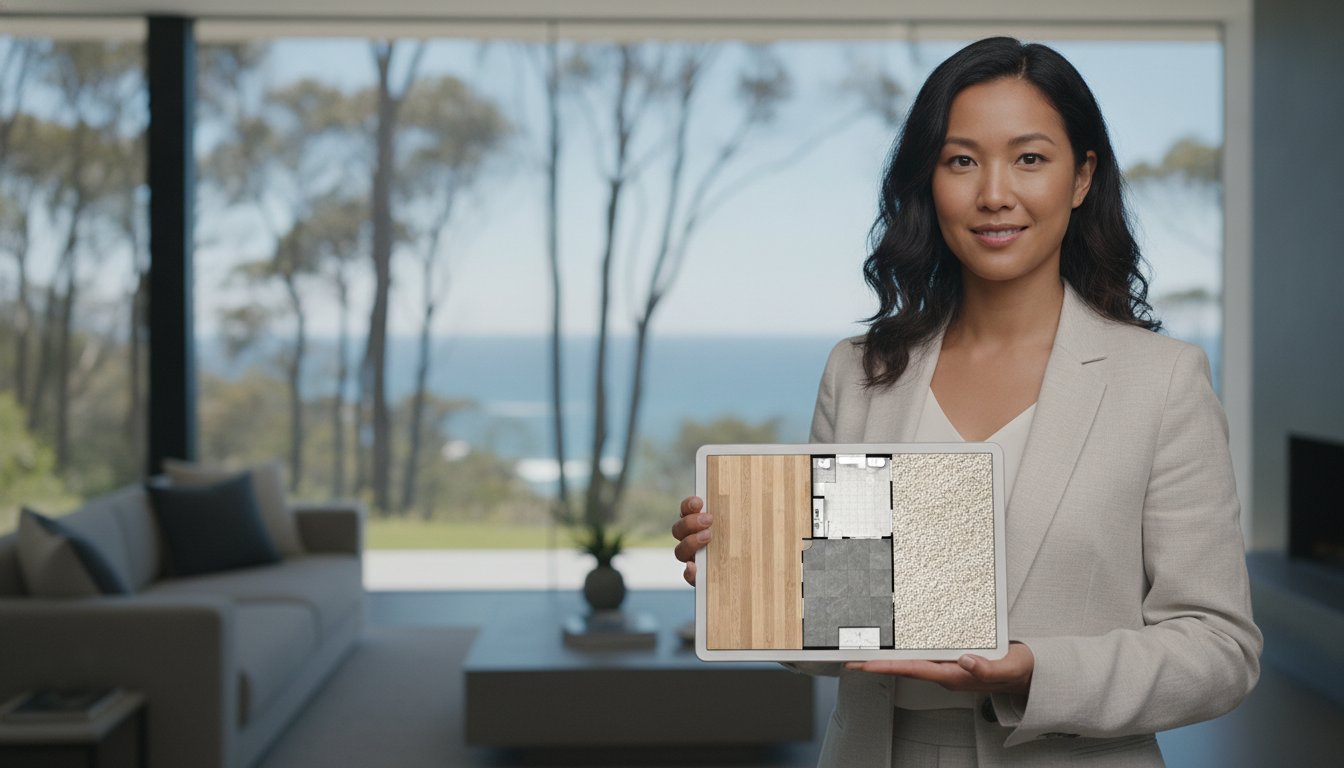
A floorplan is a non-negotiable component of a modern marketing suite. While photos provide the emotional hook, a floorplan provides the logical data buyers need to understand the property's layout and room dimensions. Listings with both imagery and floorplans consistently receive higher engagement rates on major Australian portals.
North-facing properties are best photographed during the middle of the day to capitalise on maximum natural light. This ensures the primary living areas are bright and inviting. Understanding these orientation details is a key part of how to get the best real estate photos, as it allows you to schedule your shoot for when the property's architectural features are most illuminated.
Book with UberRE
8 professional photos ready within 24 hours of the shoot, for print, online and social media. Same price everywhere we work in Australia.
See the service and prices
-2.png)



















.jpg)

.jpeg)
